Subscribe now

How to spot the 2023 Perseid meteor shower wherever you are

20 July 2023

The Perseids are a major meteor shower - here is your guide to spotting them in July and August 2023


Two-faced star seems to have one hydrogen side and one helium side

19 July 2023

A strange star more than 1300 light years away appears to have two sides with completely different compositions, and astronomers aren’t sure how it ended up that way


Could we put out the sun with a sun-sized orb of water?

18 July 2023

What would happen if we pushed a sun-sized ball of water into our star? The Dead Planets Society podcast dives into the possibilities
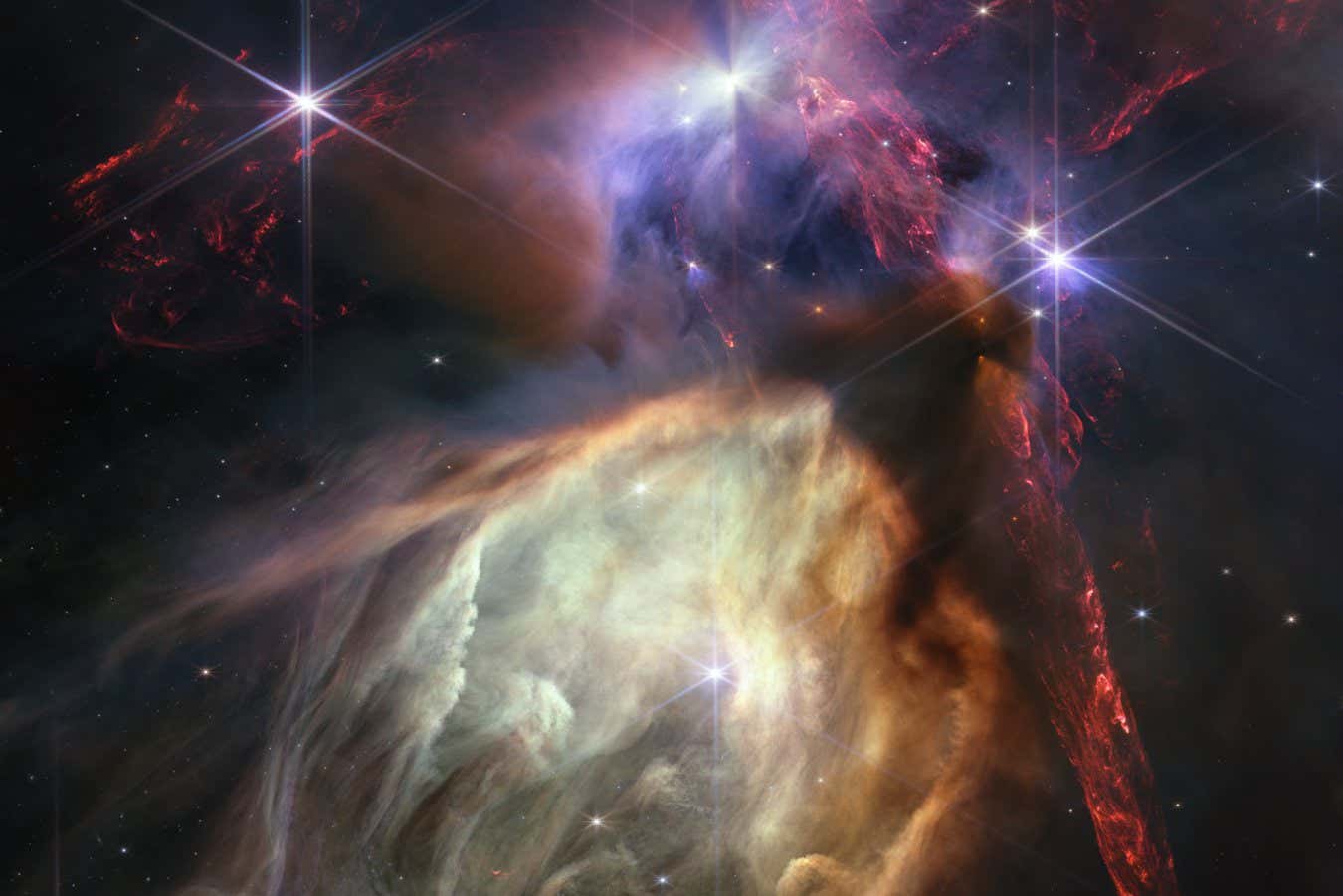

Caption The first anniversary image from NASA?s James Webb Space Telescope displays star birth like it?s never been seen before, full of detailed, impressionistic texture. The subject is the Rho Ophiuchi cloud complex, the closest star-forming region to Earth. It is a relatively small, quiet stellar nursery, but you?d never know it from Webb?s chaotic close-up. Jets bursting from young stars crisscross the image, impacting the surrounding interstellar gas and lighting up molecular hydrogen, shown in red. Some stars display the telltale shadow of a circumstellar disk, the makings of future planetary systems. The young stars at the center of many of these disks are similar in mass to the Sun, or smaller. The heftiest in this image is the star S1, which appears amid a glowing cave it is carving out with its stellar winds in the lower half of the image. The lighter-colored gas surrounding S1 consists of polycyclic aromatic hydrocarbons, a family of carbon-based molecules that are among the most common compounds found in space. For more detail on what is happening where in Webb?s image of Rho Ophiuchi, watch the video tour and read the press release. Credits Image NASA, ESA, CSA, STScI, Klaus Pontoppidan (STScI) Image Processing Alyssa Pagan (STScI)

JWST celebrates first year of science with awesome star-forming image

12 July 2023

After a year of producing incredible imagery, the James Webb Space Telescope team has released a picture of the Rho Ophiuchi cloud complex, Earth's closest star-forming region
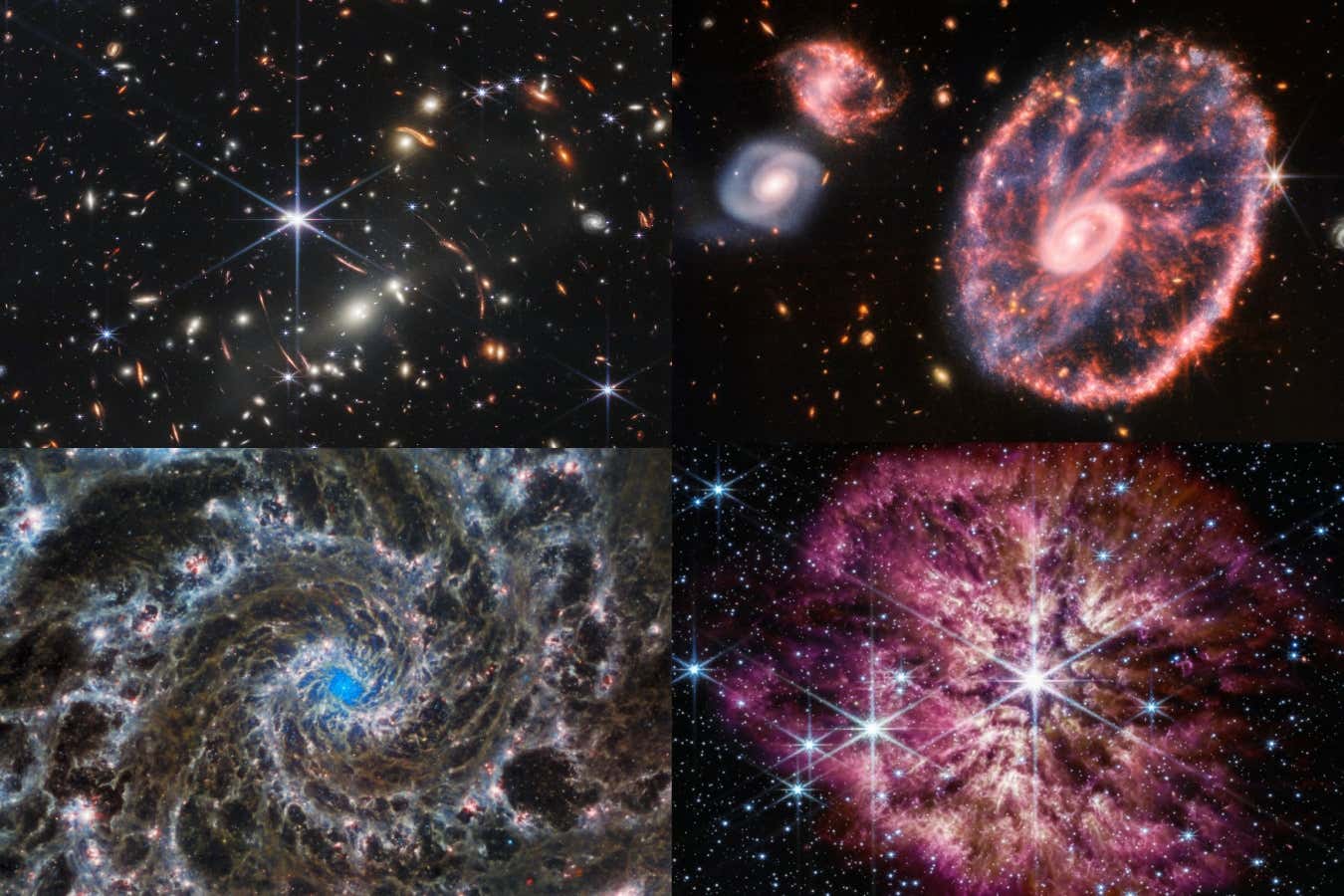

James Webb Space Telescope images

The 8 most dazzling images from JWST’s first year of science

12 July 2023

The James Webb Telescope revealed its first images of deep space on July 12 2022 – here’s a look back at one year of awe-inspiring images and confounding scientific discoveries
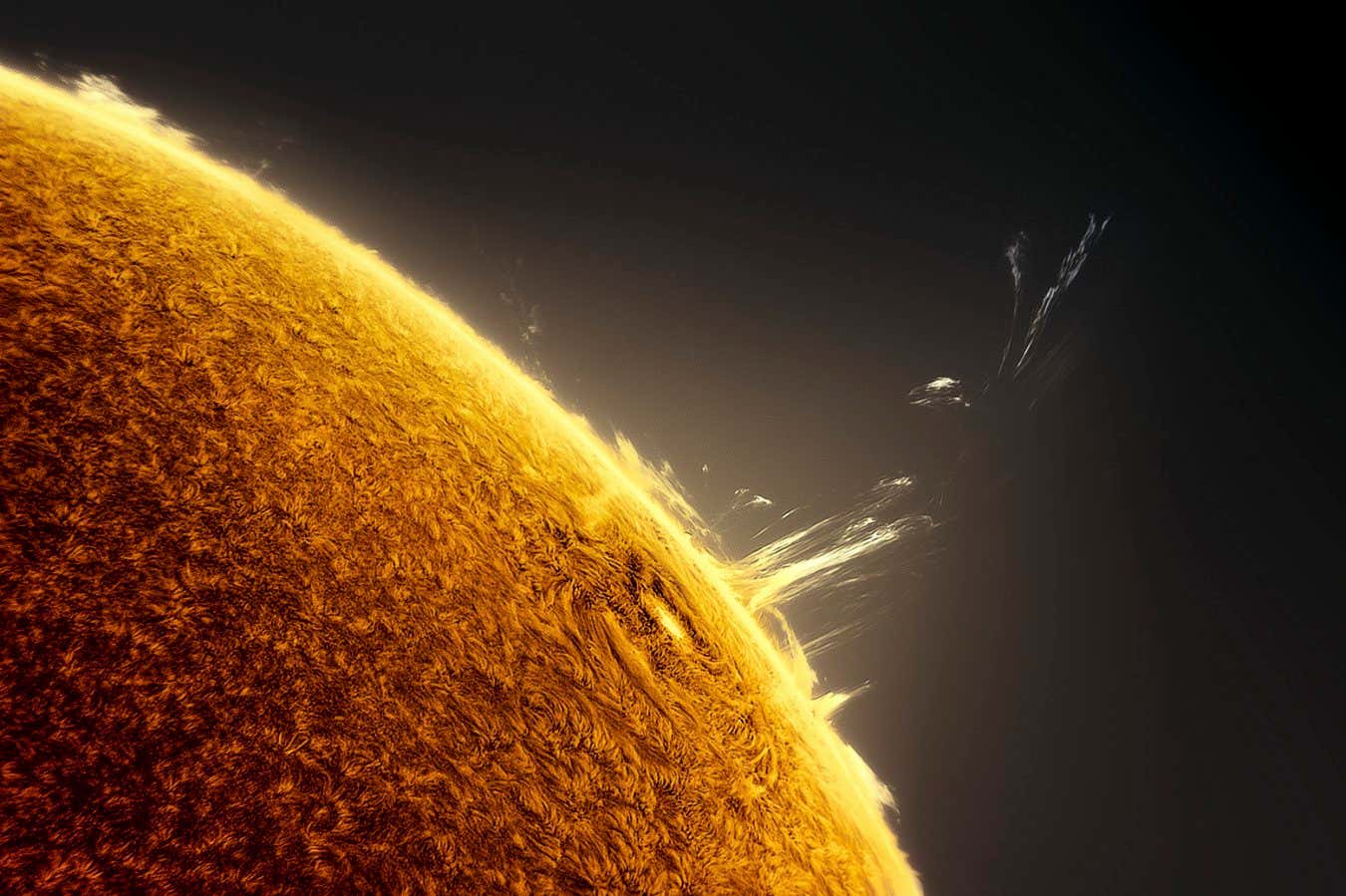

Solar Flare X1 from AR2994 in ?Motion? ? Miguel Claro Photograph of the Sun taken from a 27-minute timelapse of a solar, flare which took place on 30 April 2022. Taken with a Sky-Watcher Esprit ED120 telescope, Daystar Quark Chromosphere filter, Sky-Watcher EQ6 mount, Player One Apollo M-Max Solar camera, 840 mm, 900 frames at 9.1 ms per frame (recorded as video at 109 FPS) Location: Dark Sky Alqueva region, ?vora district, Portugal

See the remarkable photos up for Astronomy Photographer of the Year

5 July 2023

From a solar flare to the Jellyfish Nebula, these are some of the photographs in the running for the annual competition organised by the Royal Observatory in London, UK
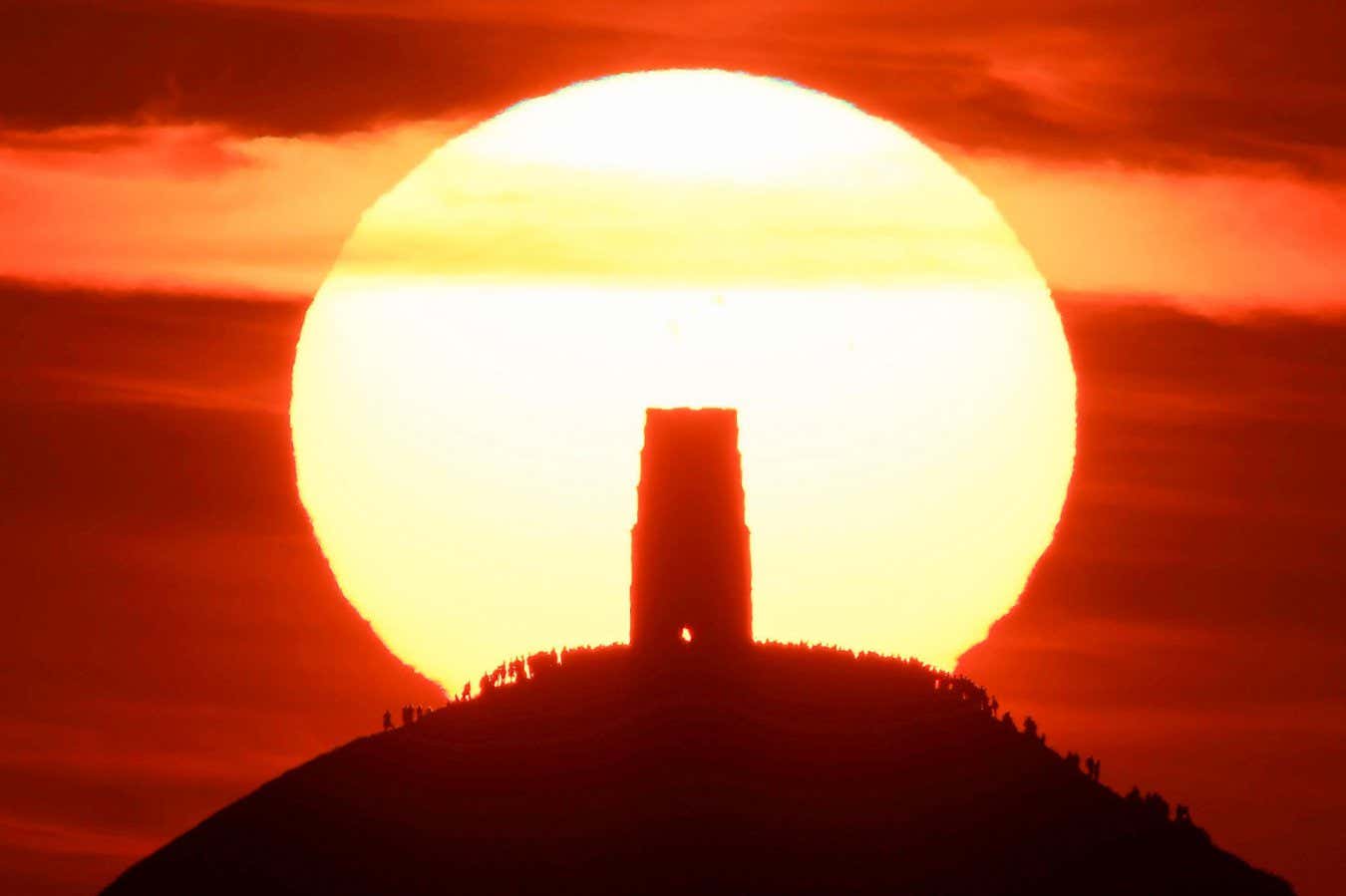

People at Glastonbury Tor in Somerset, UK on the summer solstice

What is the June solstice and what causes it?

21 June 2023

21 June is the summer solstice, or longest day, in the northern hemisphere and the winter solstice, or shortest day, in the southern hemisphere
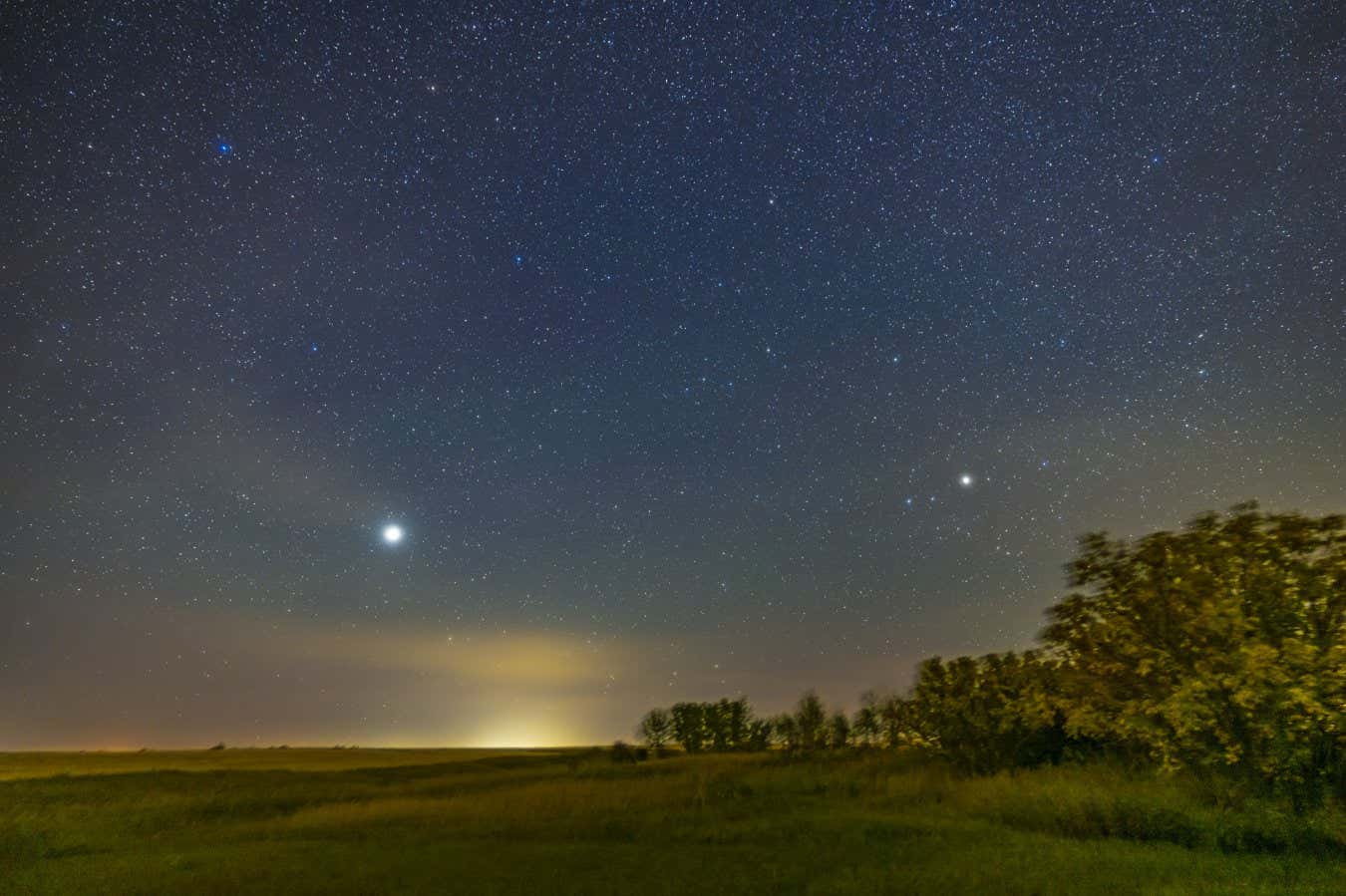

How to see five planets align in the sky this weekend

15 June 2023

In the early morning on 17 June you will be able to see Mercury, Uranus, Jupiter, Neptune and Saturn appear in the sky together – here's how you can spot them, wherever you are in the world
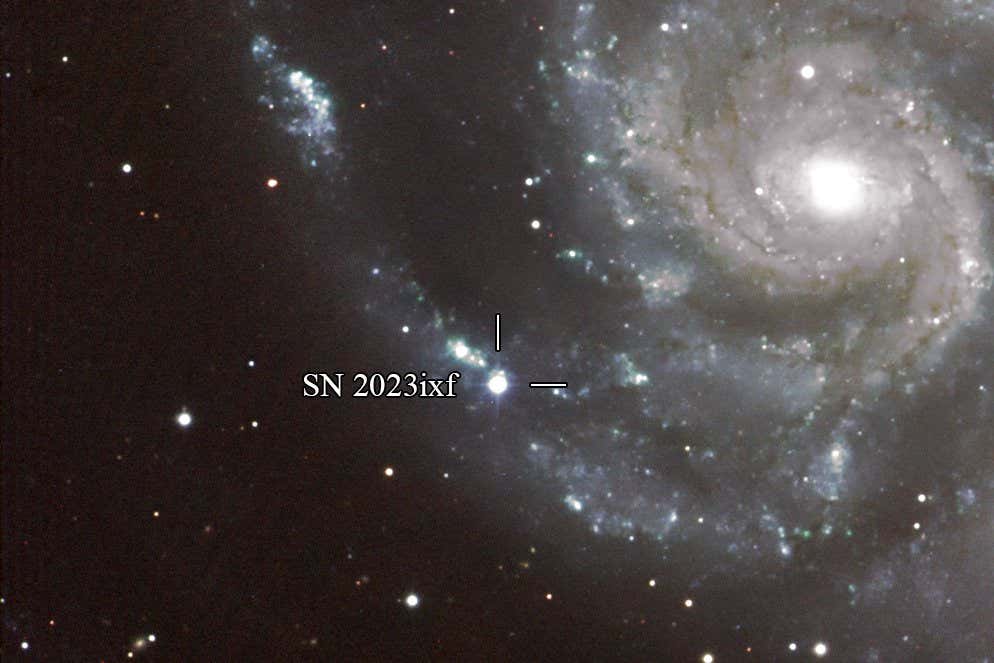

Astronomers race to observe rare supernova in a nearby galaxy

24 May 2023

An exploding star spotted in the Pinwheel galaxy, 21 million light years from Earth, offers a rare chance to watch a supernova unfolding in real time
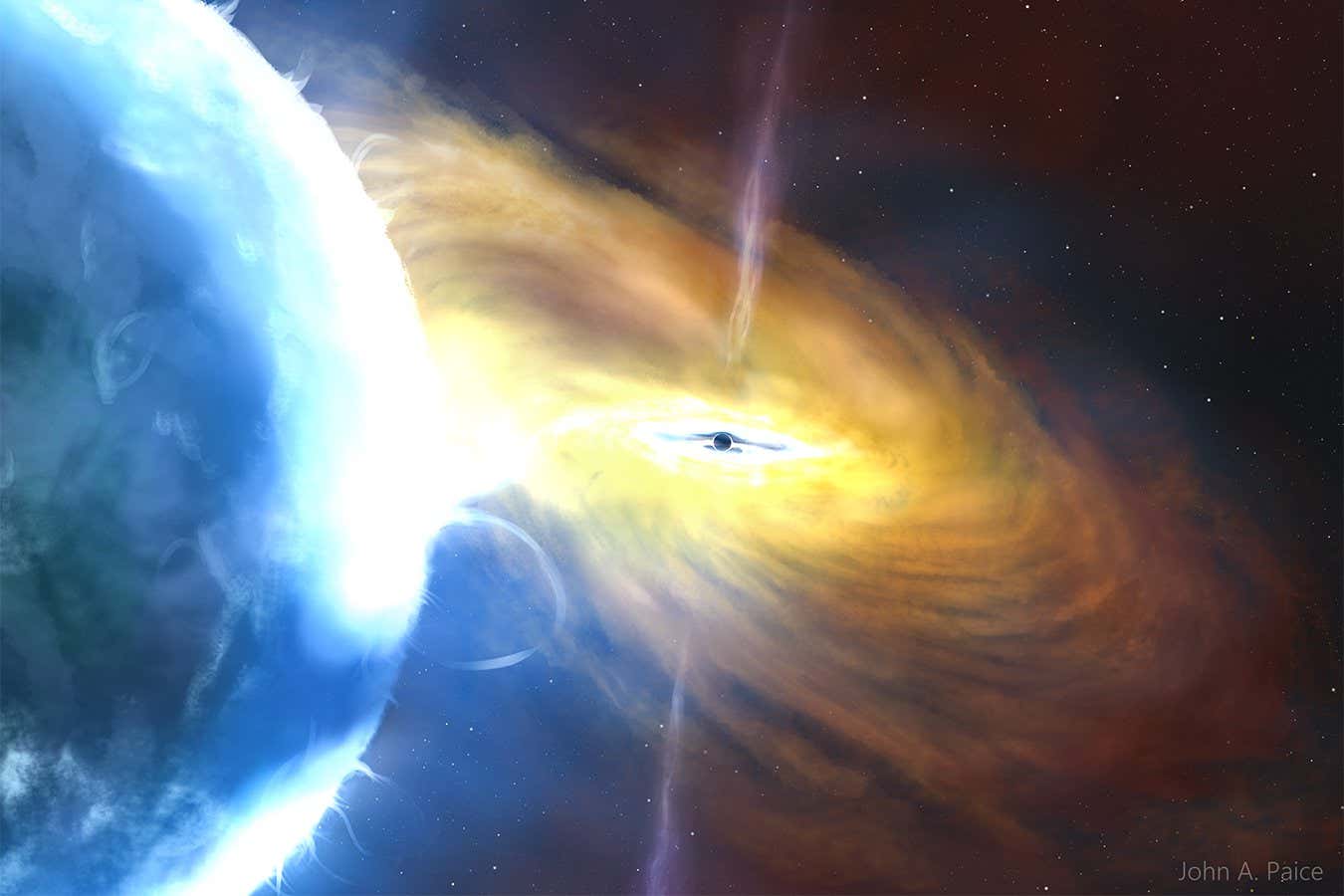

Astronomers have spotted the biggest cosmic explosion ever seen

12 May 2023

The most powerful explosion ever seen seems to come from a supermassive black hole devouring a colossal cloud of gas, blasting out enormous amounts of energy as it eats


Sign up to our weekly newsletter

Receive a weekly dose of discovery in your inbox. We'll also keep you up to date with New Scientist events and special offers.

Sign up
Piano Exit Overlay Banner Mobile Piano Exit Overlay Banner Desktop