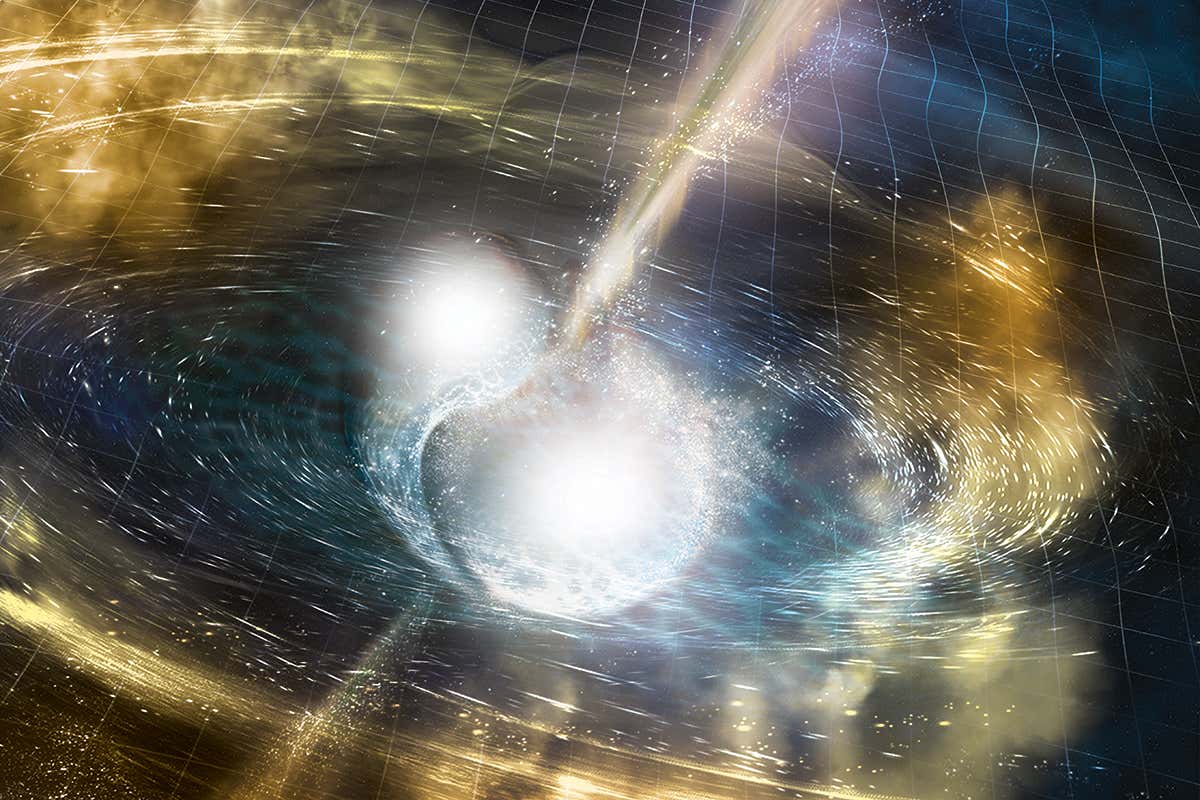
Gravitational waves have let us see huge neutron stars colliding
16 October 2017
We’ve taken the first pictures of neutron stars colliding 130 million light years away. The resulting gravitational waves may solve some big cosmic mysteries
16 October 2017
We’ve taken the first pictures of neutron stars colliding 130 million light years away. The resulting gravitational waves may solve some big cosmic mysteries
9 October 2017
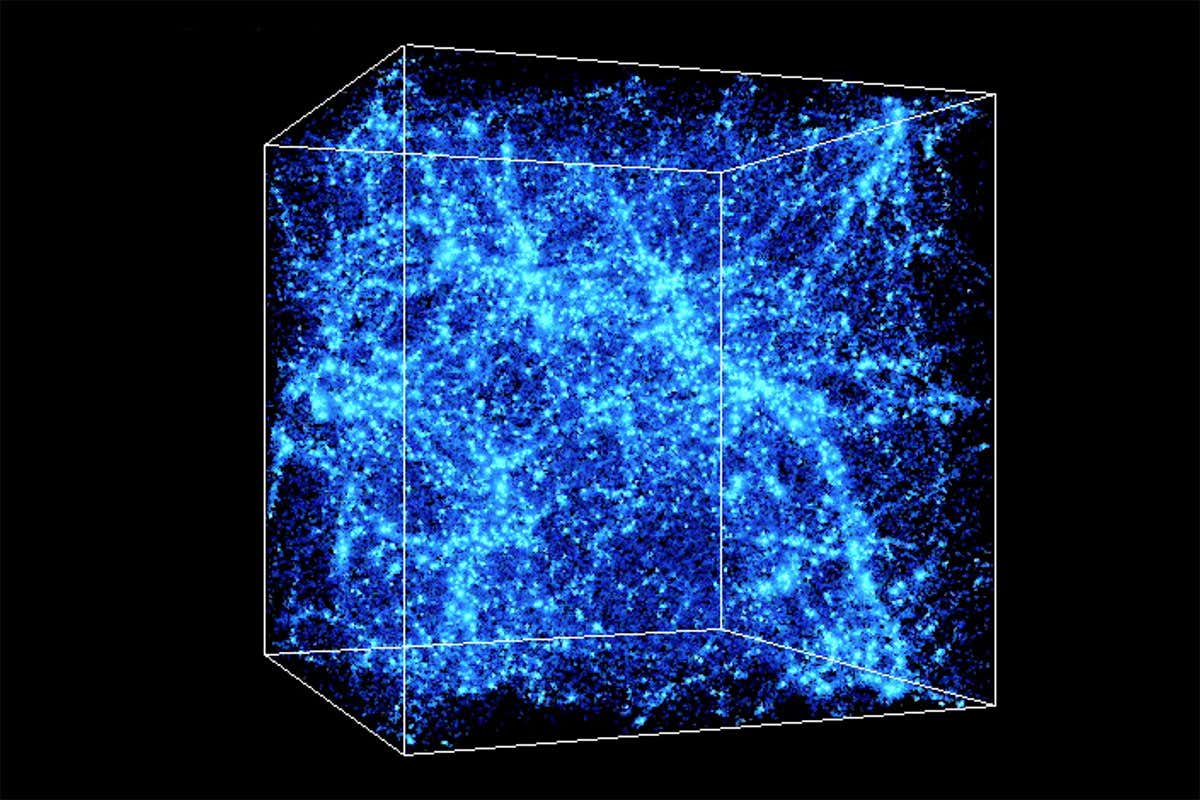
About half the normal matter in our universe had never been observed – until now. Two teams have finally seen it by combining millions of faint images into one
21 September 2017
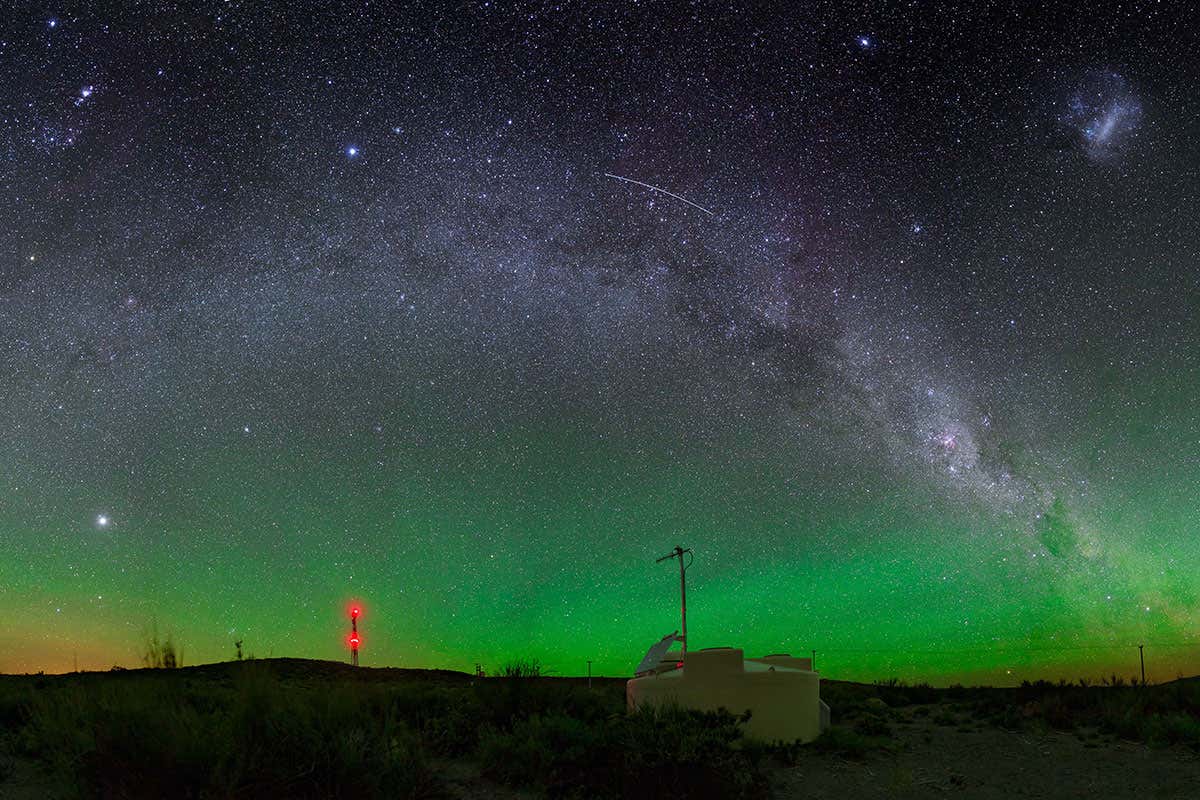
The highest energy particles in the universe hit Earth very rarely, so it took 10 years of data to pinpoint their origin. They’re coming from galaxies far, far away
20 September 2017
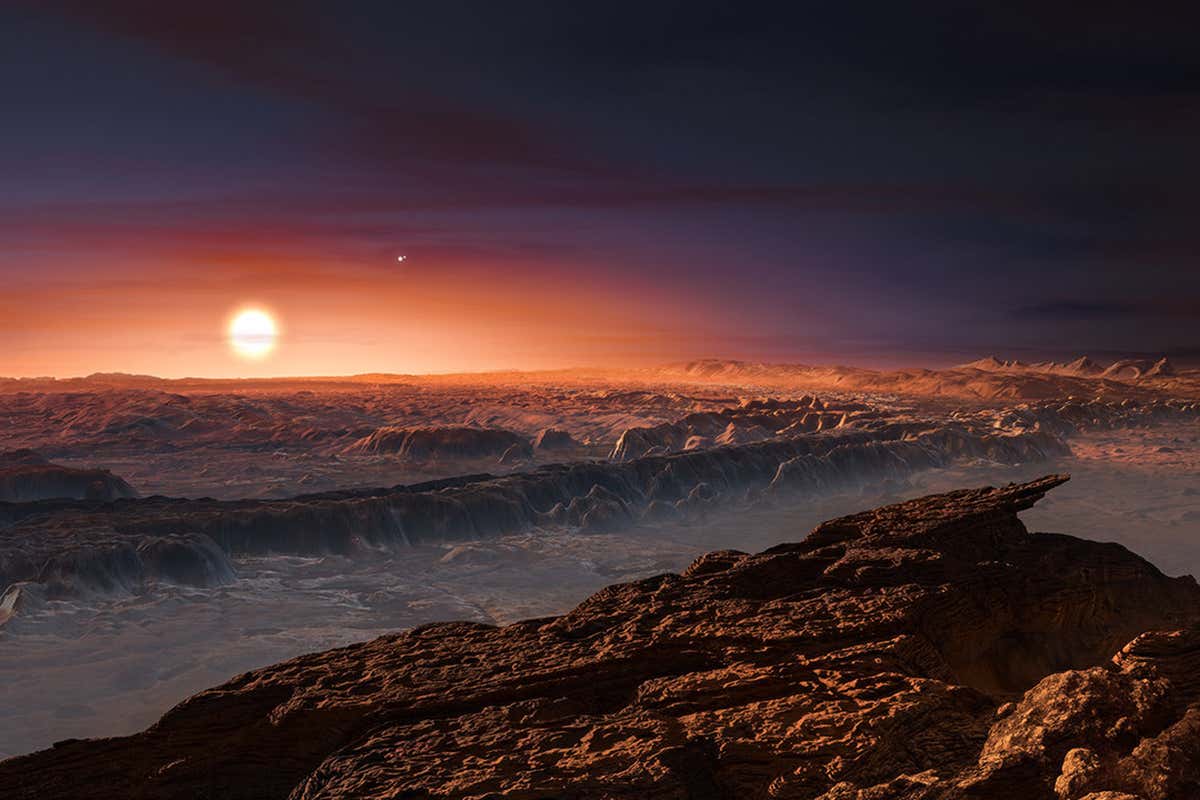
Proxima b, the nearest exoplanet to Earth, may have been captured along with its star instead of born in the dangerous three-star system where it now lives
30 August 2017
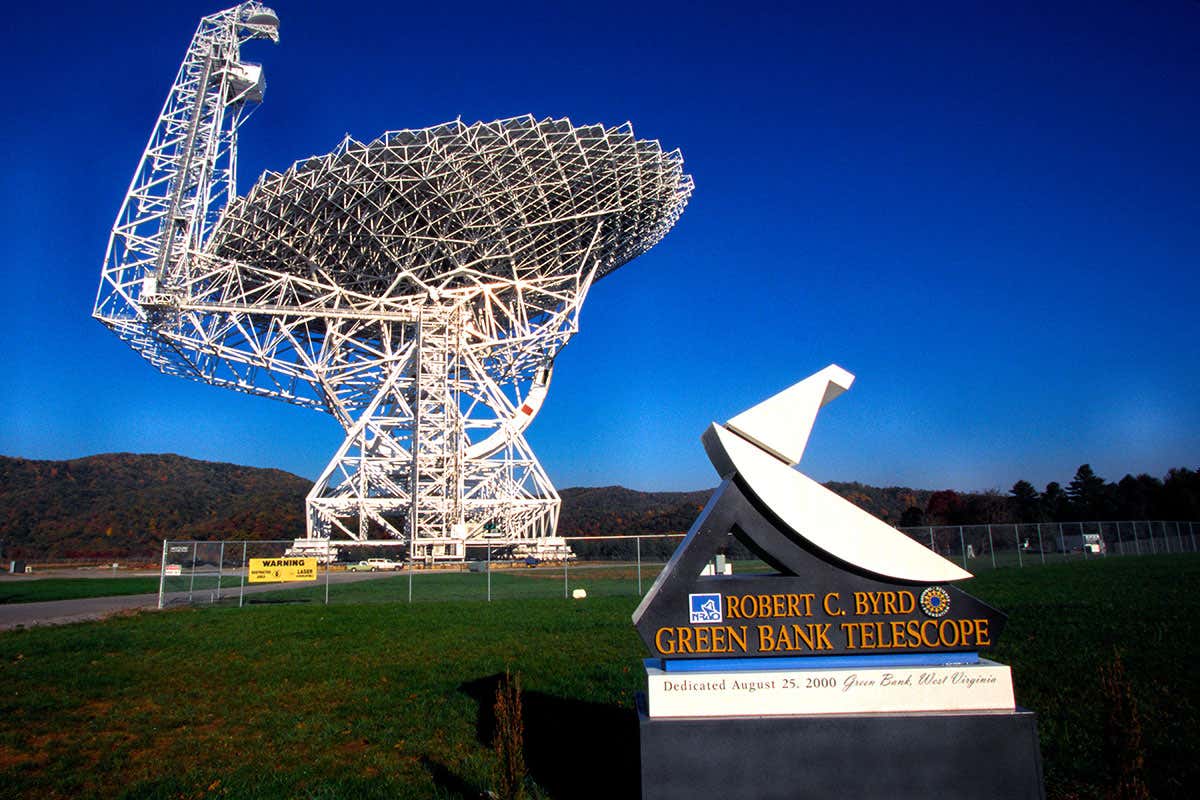
Breakthrough Listen detected more radio pulses from the famous repeating source FRB 121102. They’re higher frequency than previous ones but we still don’t know what causes them
1 June 2017
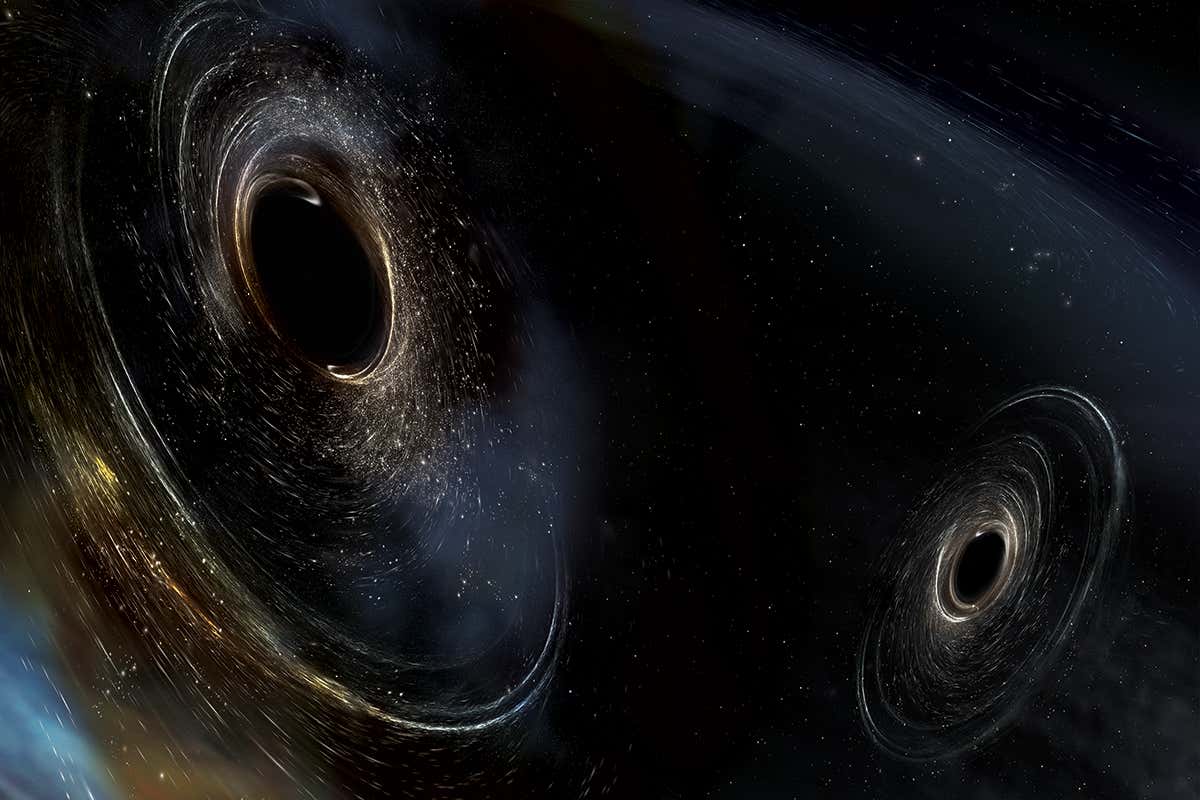
The latest signal from the gravitational wave detector backs up Einstein’s theory of general relativity and gives more clues on how black holes get their spin
19 May 2017
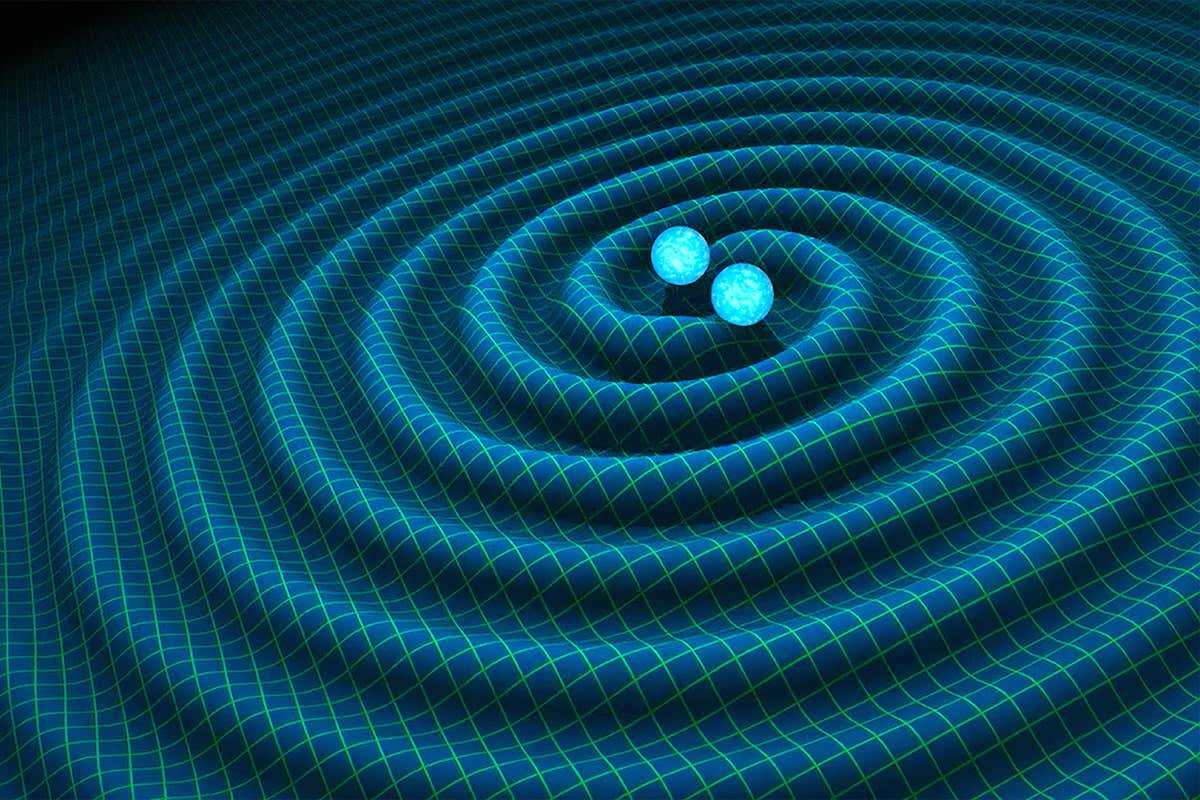
When gravitational waves permanently distort space-time, it causes a “memory” signal – which may help LIGO find some of the universe’s most exotic objects
8 May 2017
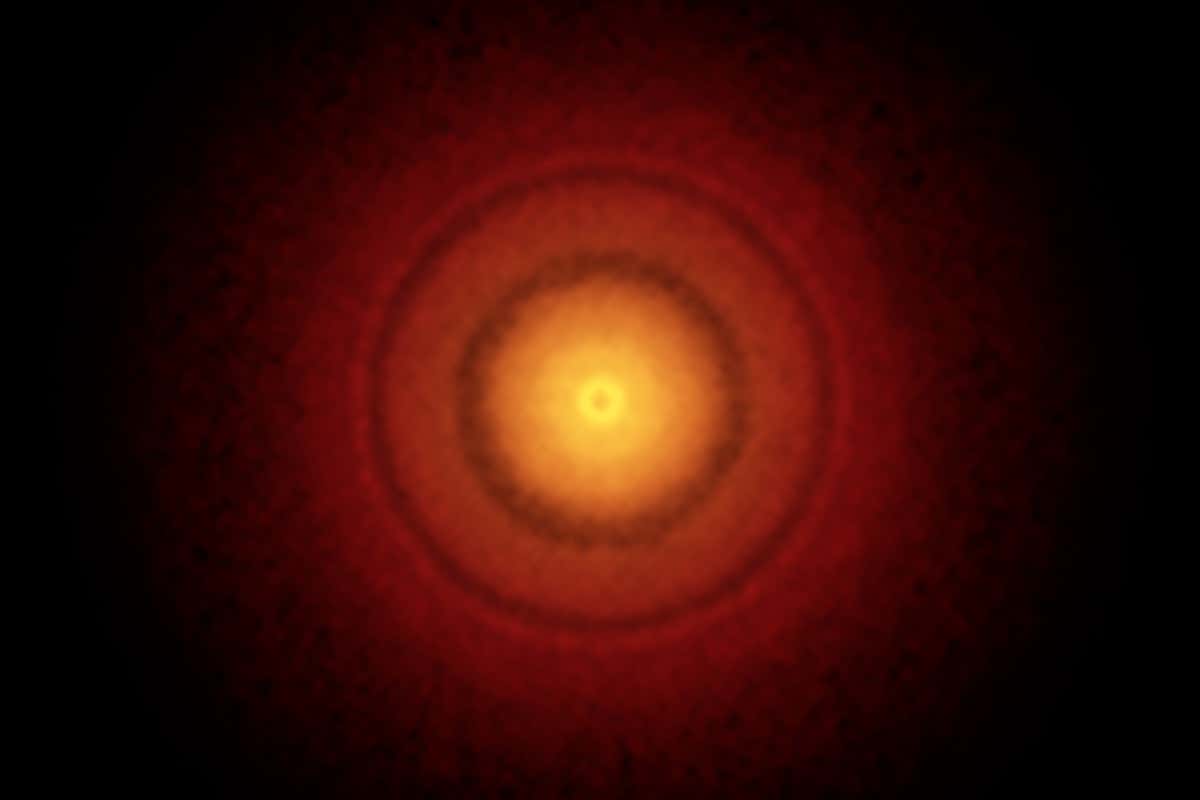
A sudden brightening of the infant sun – called an FU Orionis outburst – could have melted dust grains and made them stick together, building our world
