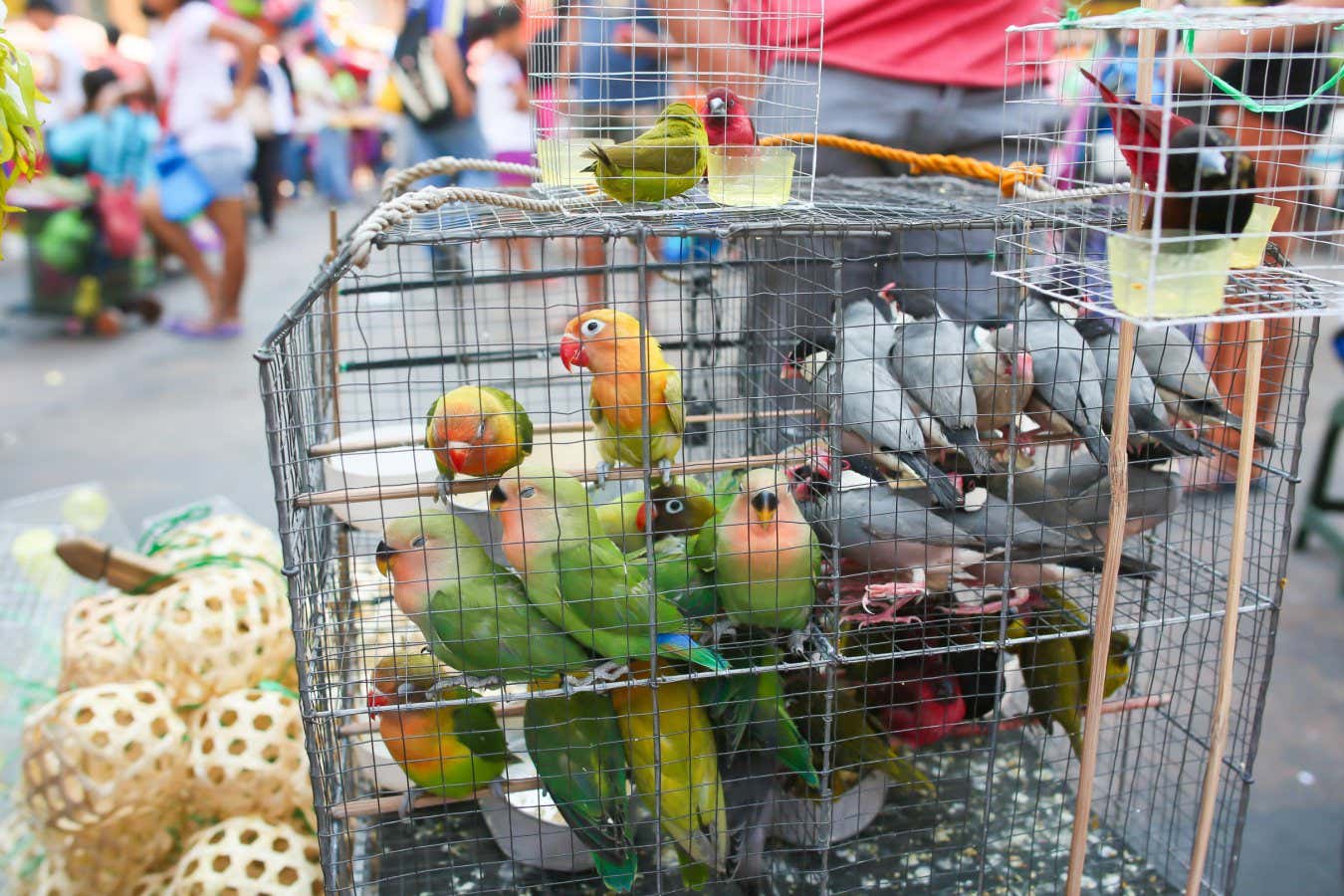
One third of all vertebrate species are exploited by humans
29 June 2023
An analysis reveals that 14,663 species of birds, mammals, fish, reptiles and amphibians are killed for food, kept as pets or used by humans in some way
29 June 2023
An analysis reveals that 14,663 species of birds, mammals, fish, reptiles and amphibians are killed for food, kept as pets or used by humans in some way
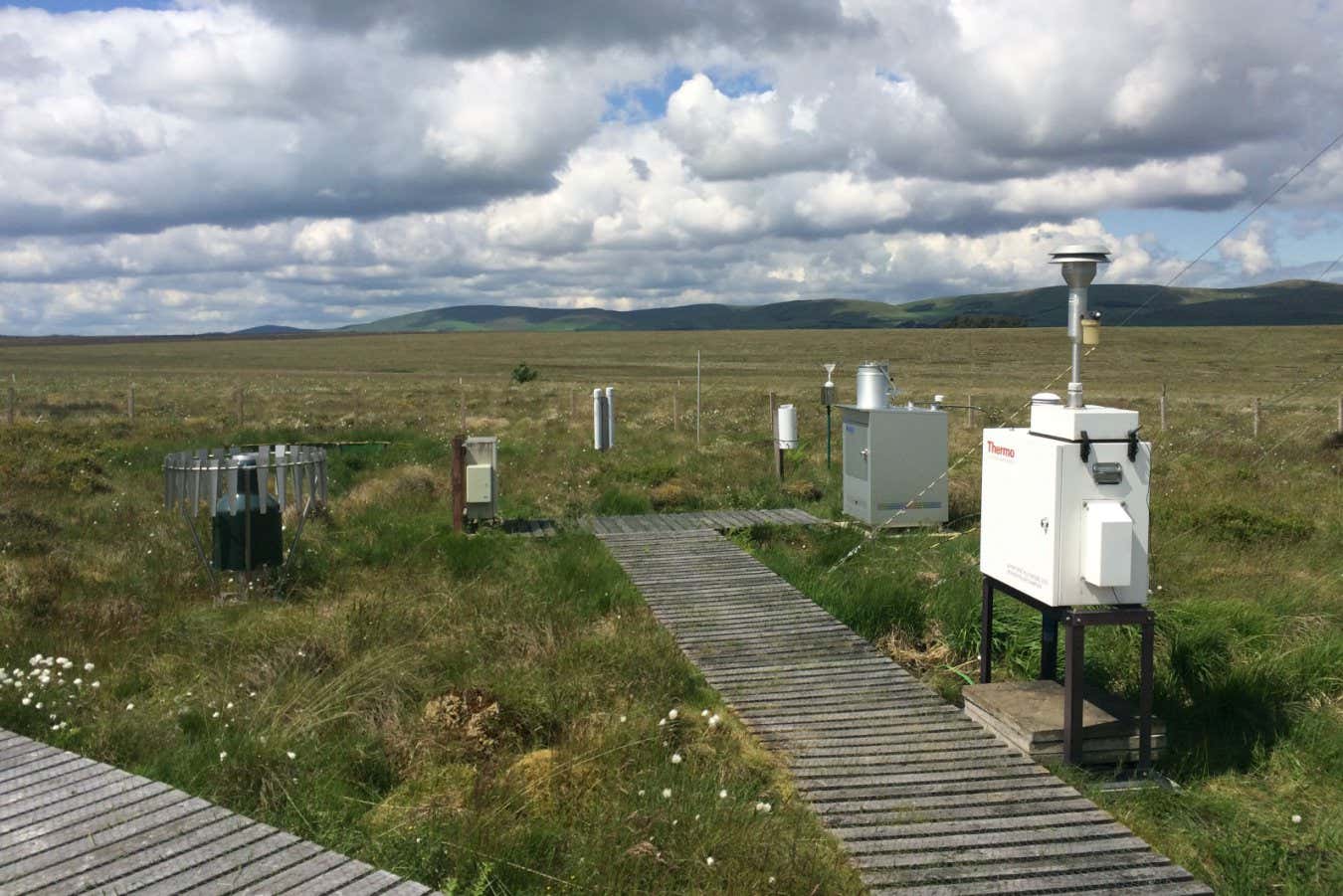
5 June 2023
DNA from plants’ and animals’ shed cells gets caught in air filters at pollution monitoring stations, providing a valuable source of data for tracking biodiversity
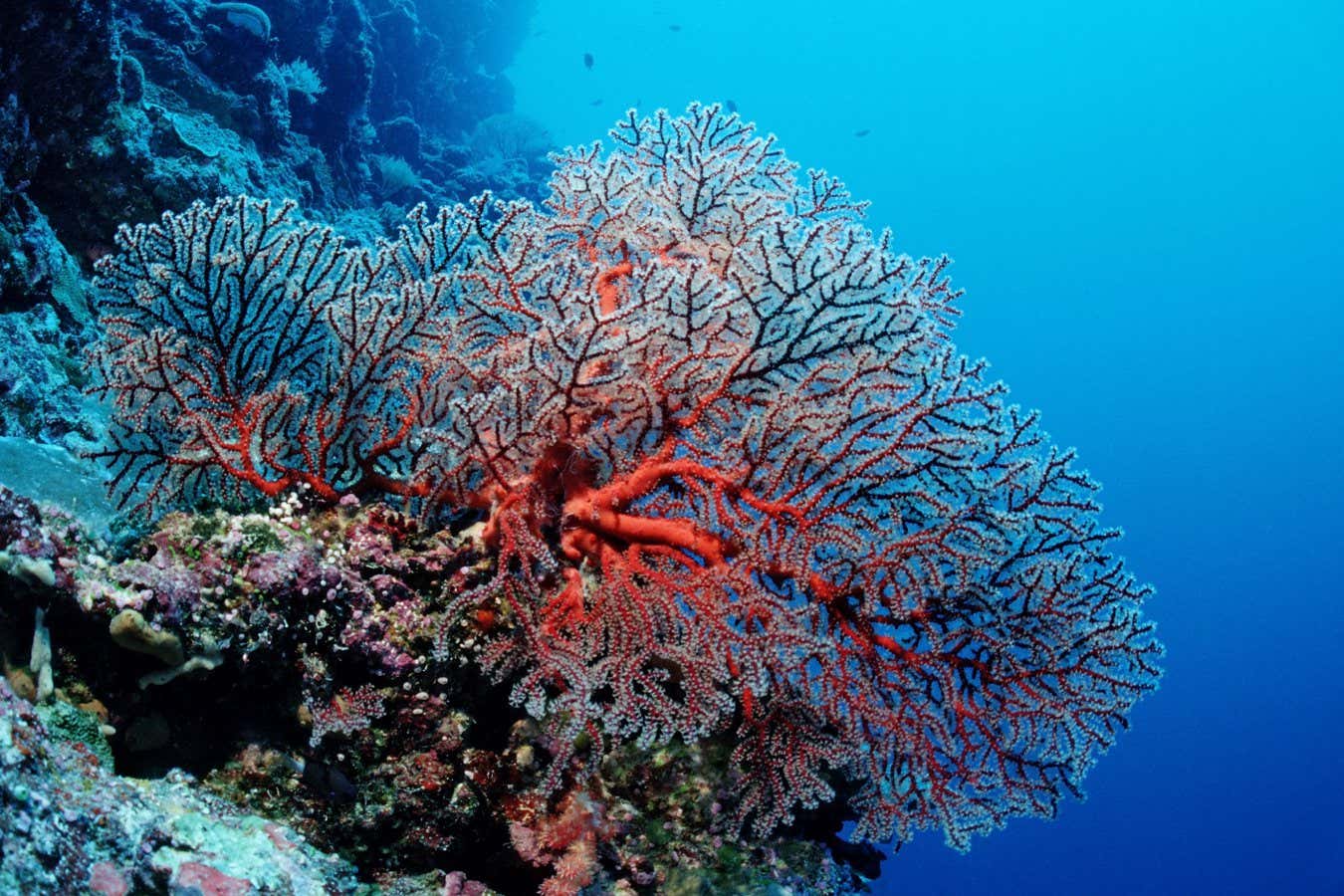
1 June 2023
A survey of bacteria and archaea living in 99 coral reefs across the Pacific Ocean found these ecosystems may contain more microbes than current estimates for the whole planet – suggesting everywhere else on Earth does too
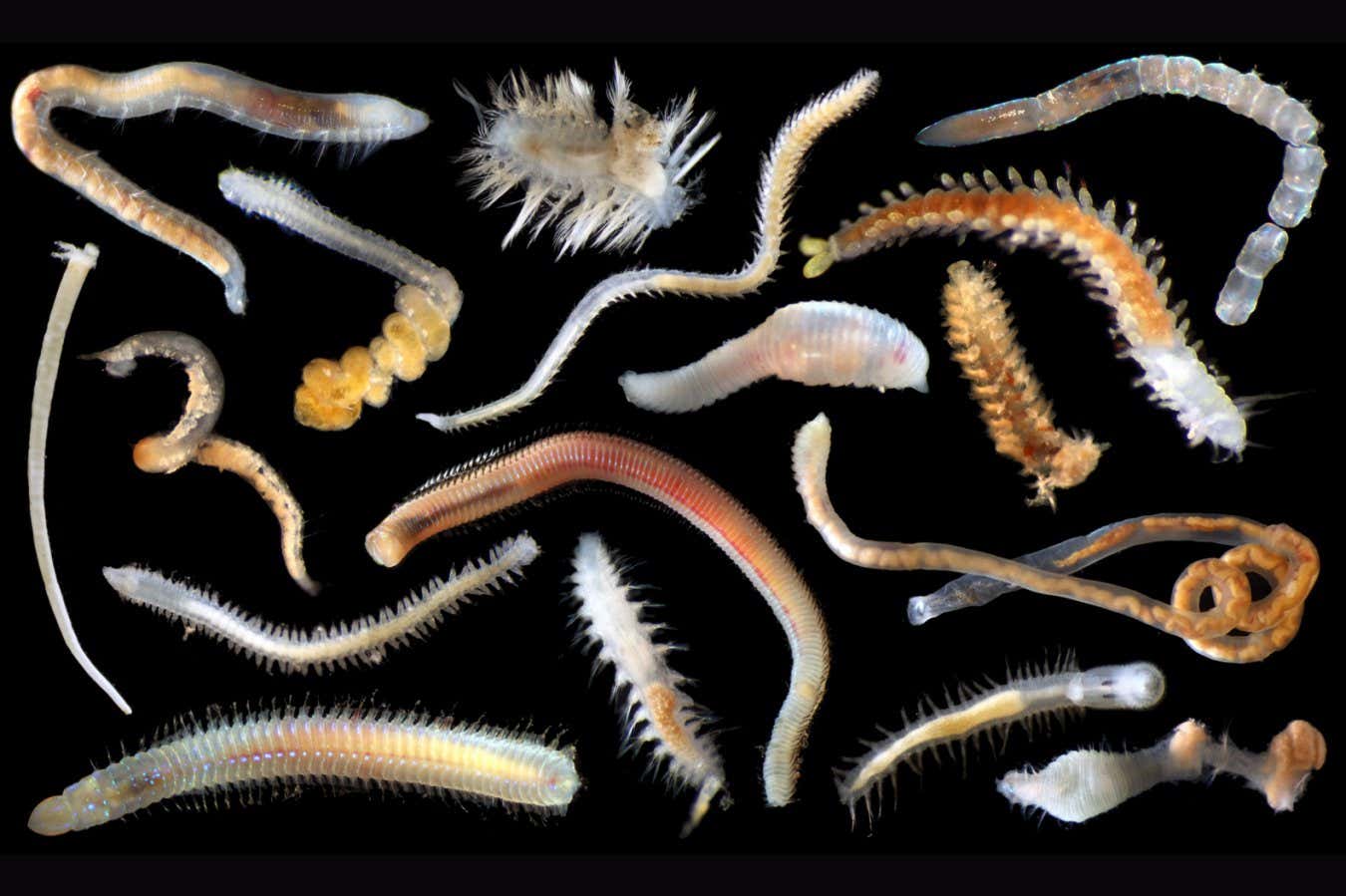
25 May 2023
Thousands more species are probably waiting to be discovered in the Clarion-Clipperton Zone, a region of the Pacific Ocean where companies are planning to extract valuable metals
22 May 2023
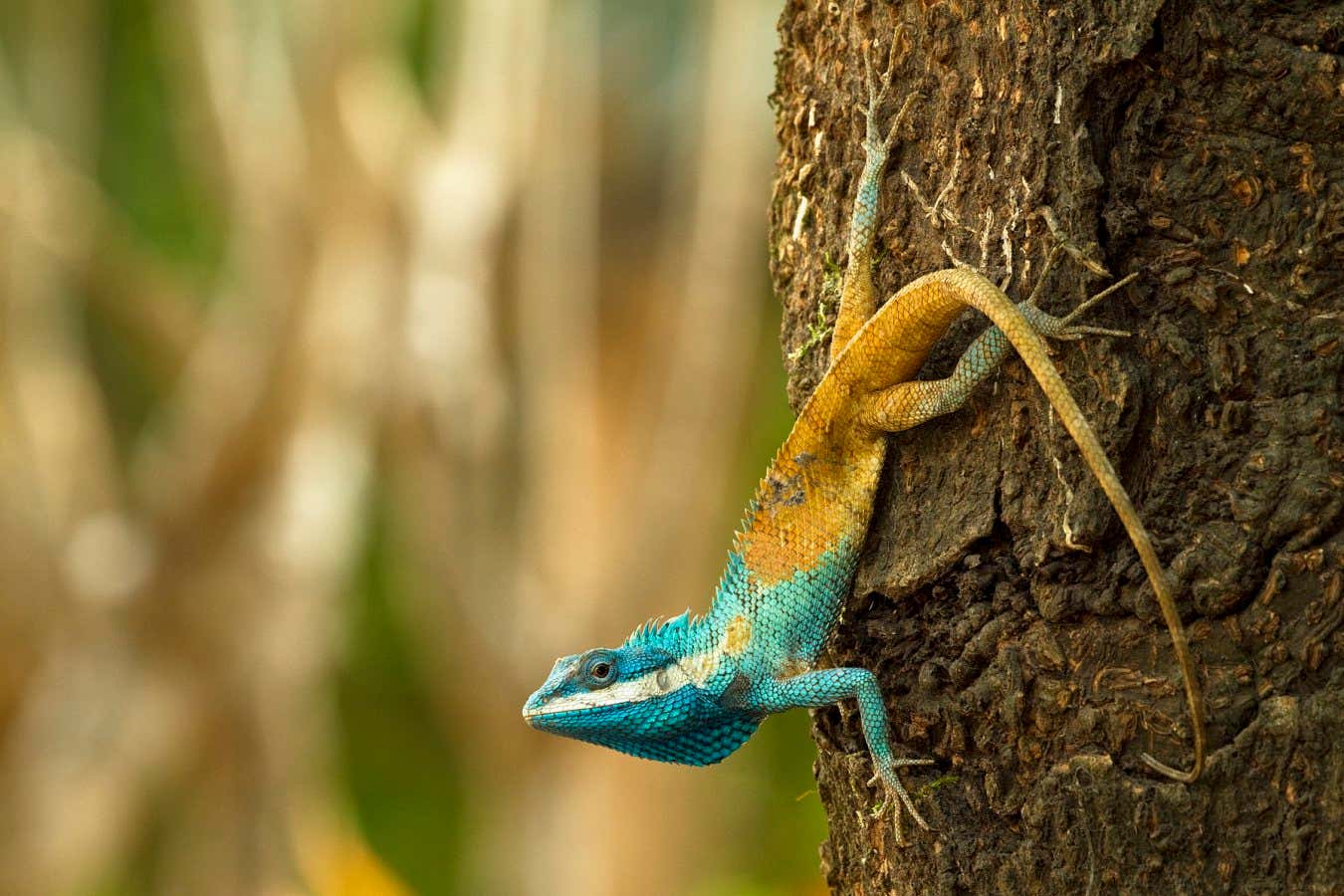
A WWF report catalogues a cornucopia of plants and animals newly identified in the Greater Mekong region in 2021 and 2022, but many of them are endangered
19 May 2023
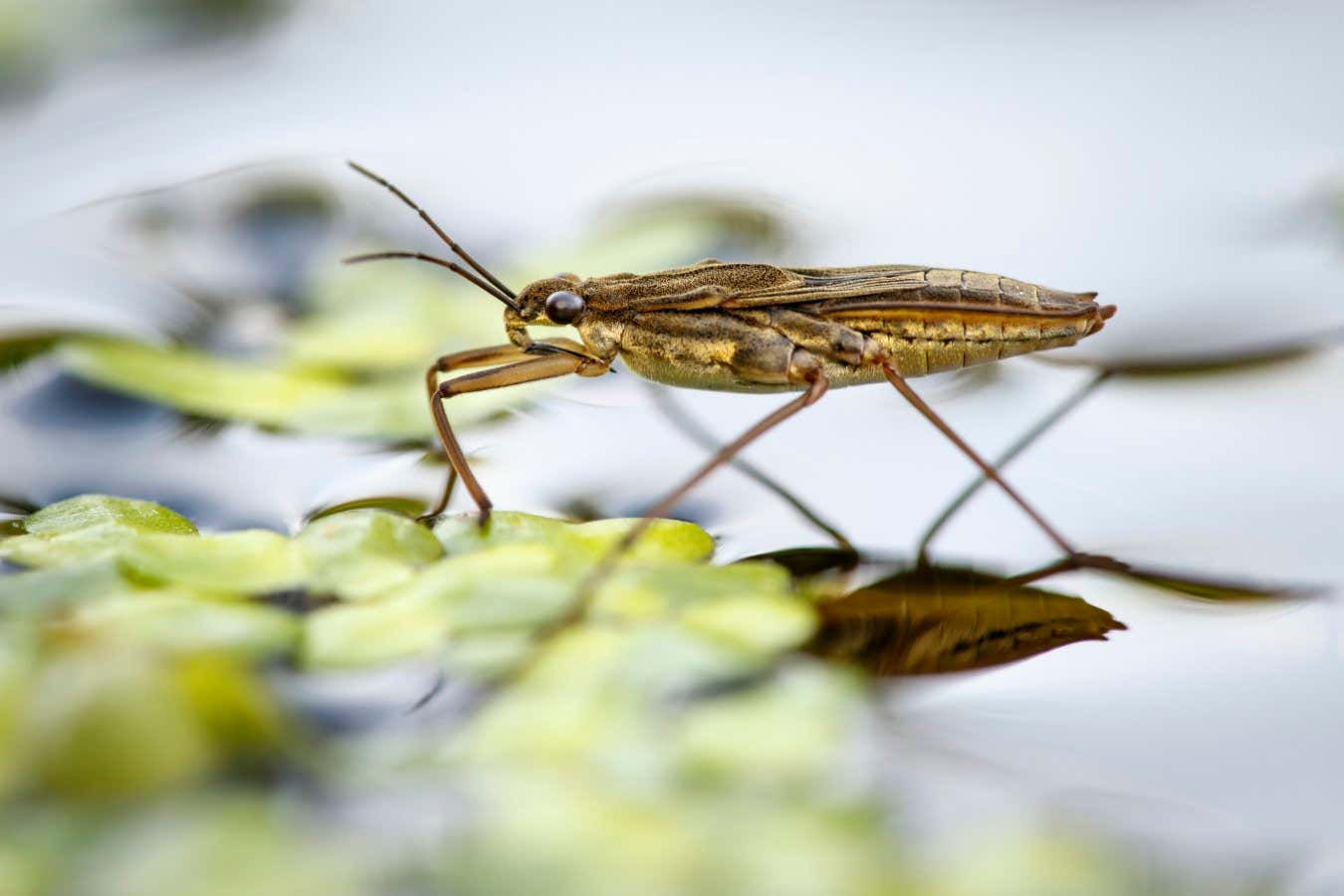
An analysis of 30 years of monitoring data shows an upward trend in the population of insects and other invertebrates in English rivers, which may be linked to lower levels of zinc and copper
6 March 2023
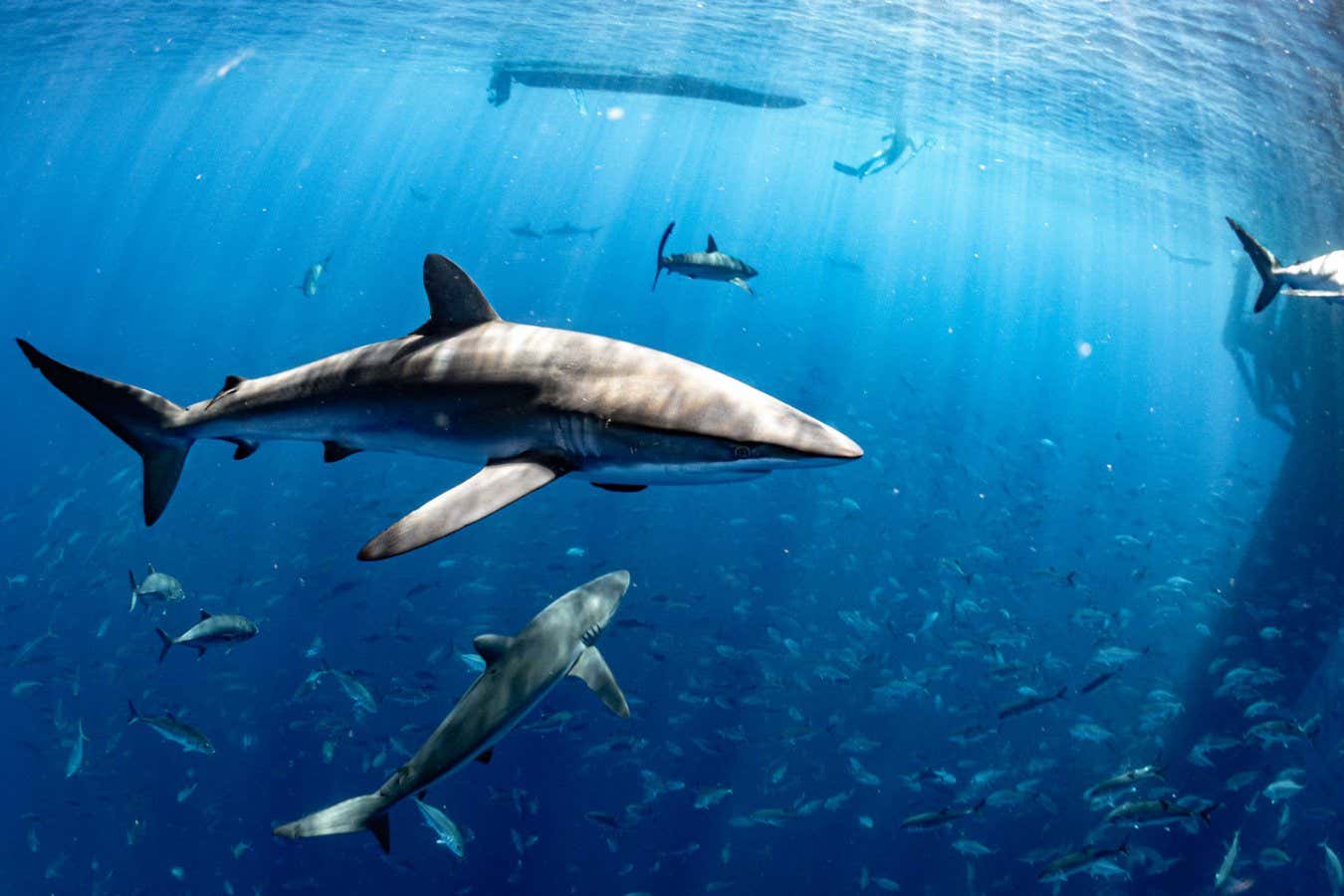
Nations have for the first time agreed on a framework for protecting marine life in international waters, but there are many issues still to be ironed out

15 February 2023
The UK's 200,000 kilometres of waterway are in crisis. New Scientist's Save Britain's Rivers campaign reveals how crucial they are for the nation's health, wealth and resilience
14 February 2023
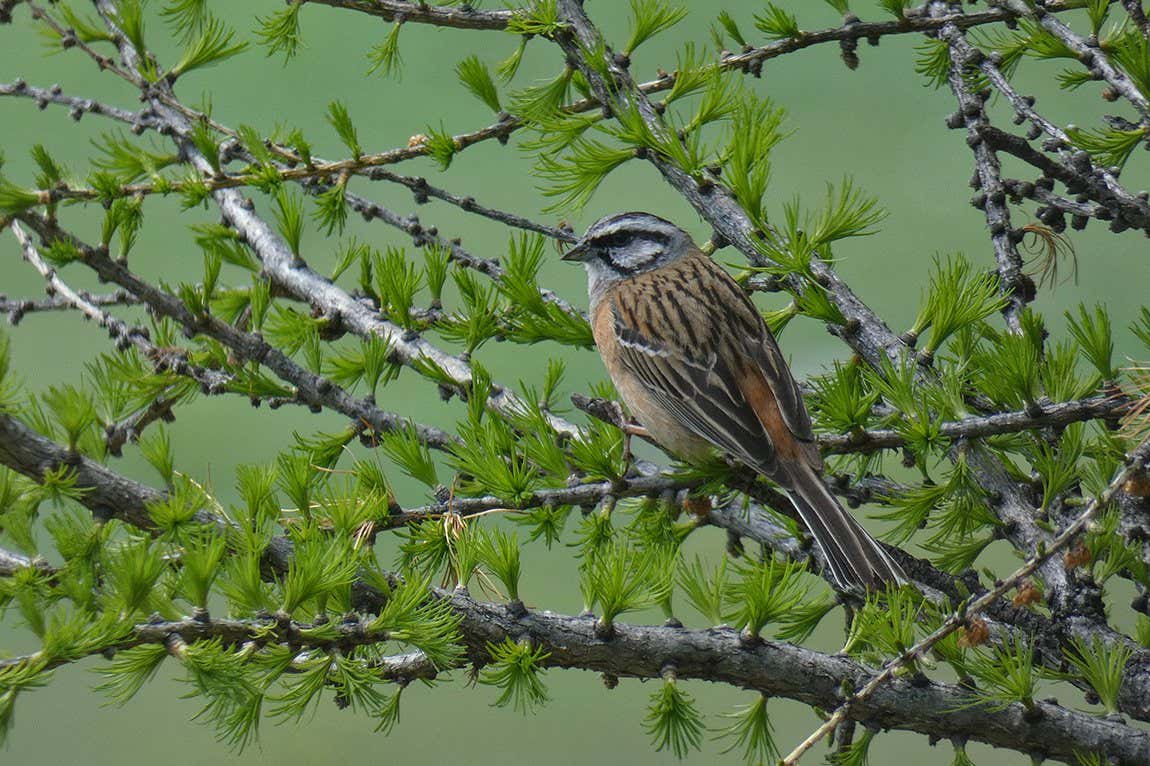
Massive flows of snow down mountain slopes can clear out dense forest and make way for shrubs and smaller trees, allowing a more diverse range of bird species to live in the affected area
22 December 2022
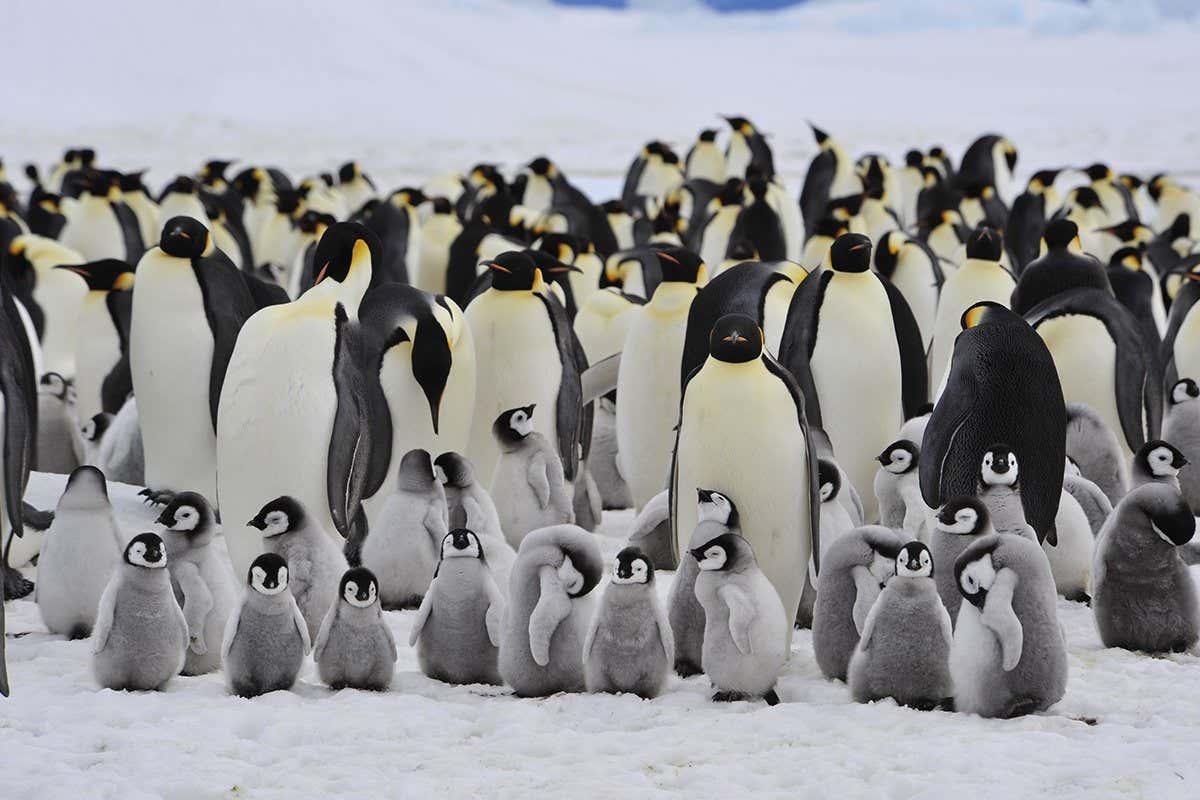
Under a business-as-usual-scenario, 65 per cent of land animals and plants in the Antarctic will decline by the end of the century, with emperor penguins among those that will endure the steepest population loss
