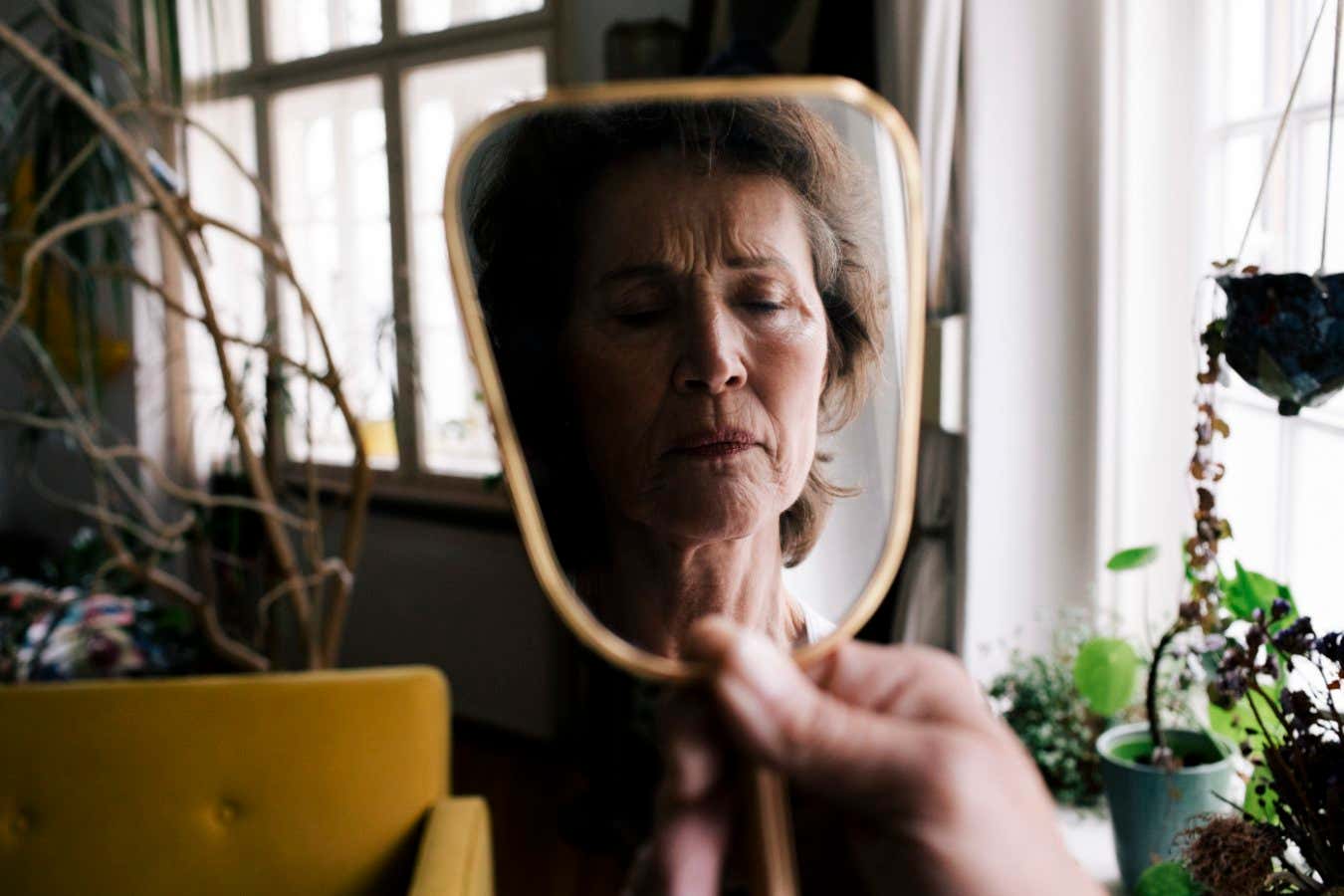
Stress makes us age faster but the effects can be reversed
21 April 2023
Your biological age - a measure based on markers on your DNA, rather than your number of birthdays - can rise and fall in relation to stressful events
21 April 2023
Your biological age - a measure based on markers on your DNA, rather than your number of birthdays - can rise and fall in relation to stressful events
6 May 2021
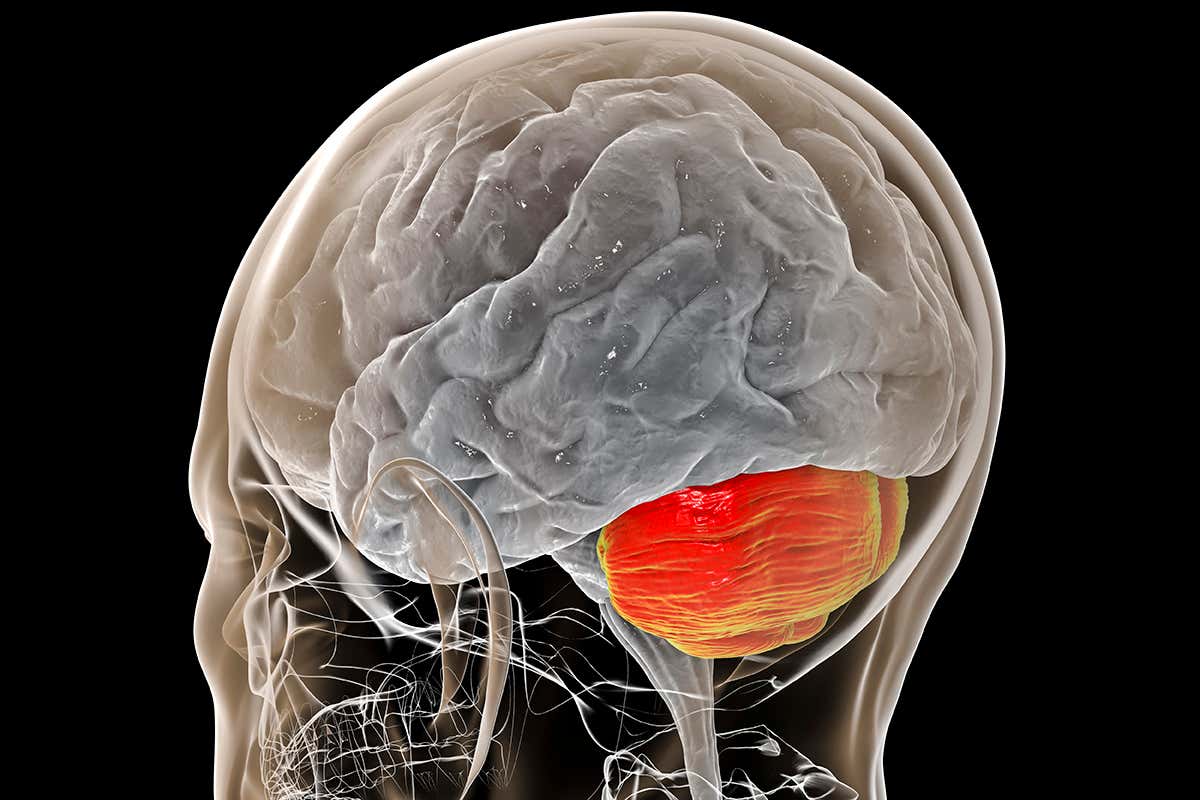
The cerebellum at the back of our brains wasn't thought to have played an important role in human evolution, but a study of its epigenetics suggests otherwise

21 July 2020
Are we shaped more by our genes or the environment in which we grow up and live? The truth involves both – and is a lot more complicated than we thought.
16 July 2020
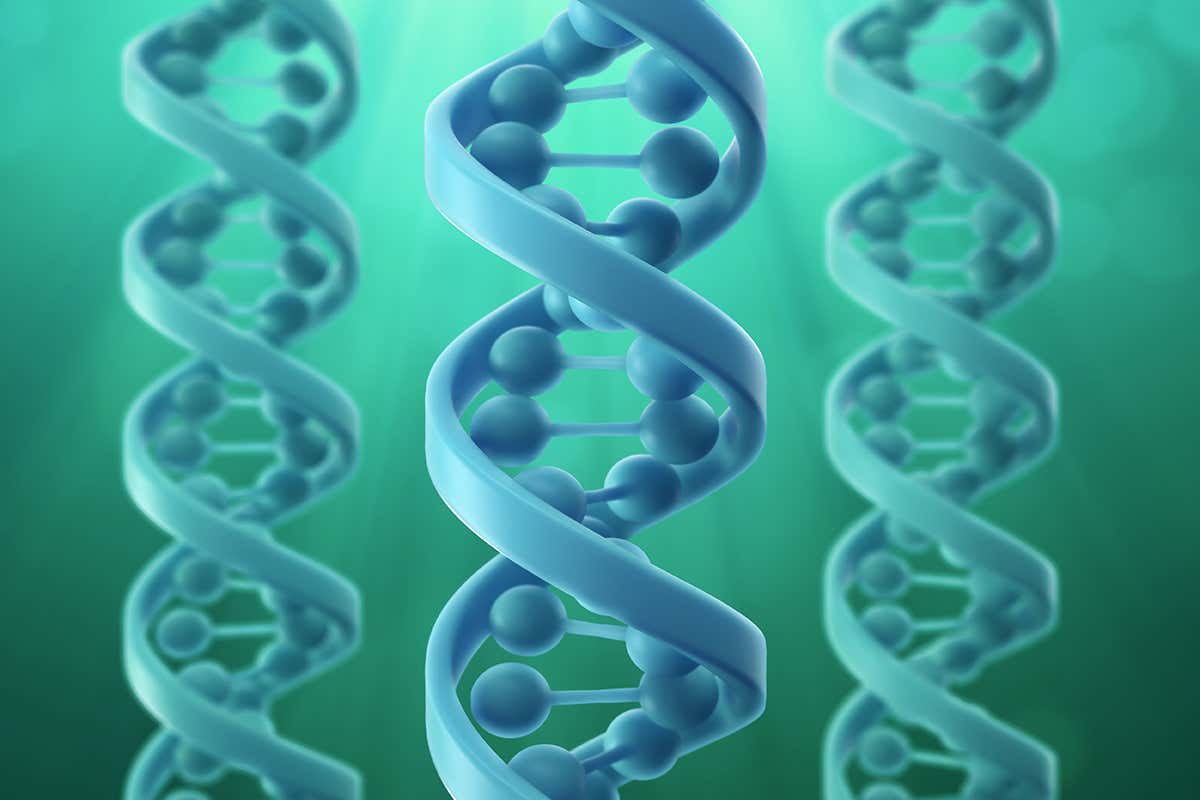
Epigenetics is the study of how genes are influenced by the environment.

23 September 2019
People with excessive sexual fantasies and urges have different gene expressions that seem to affect how the “love hormone” oxytocin is regulated
12 October 2017
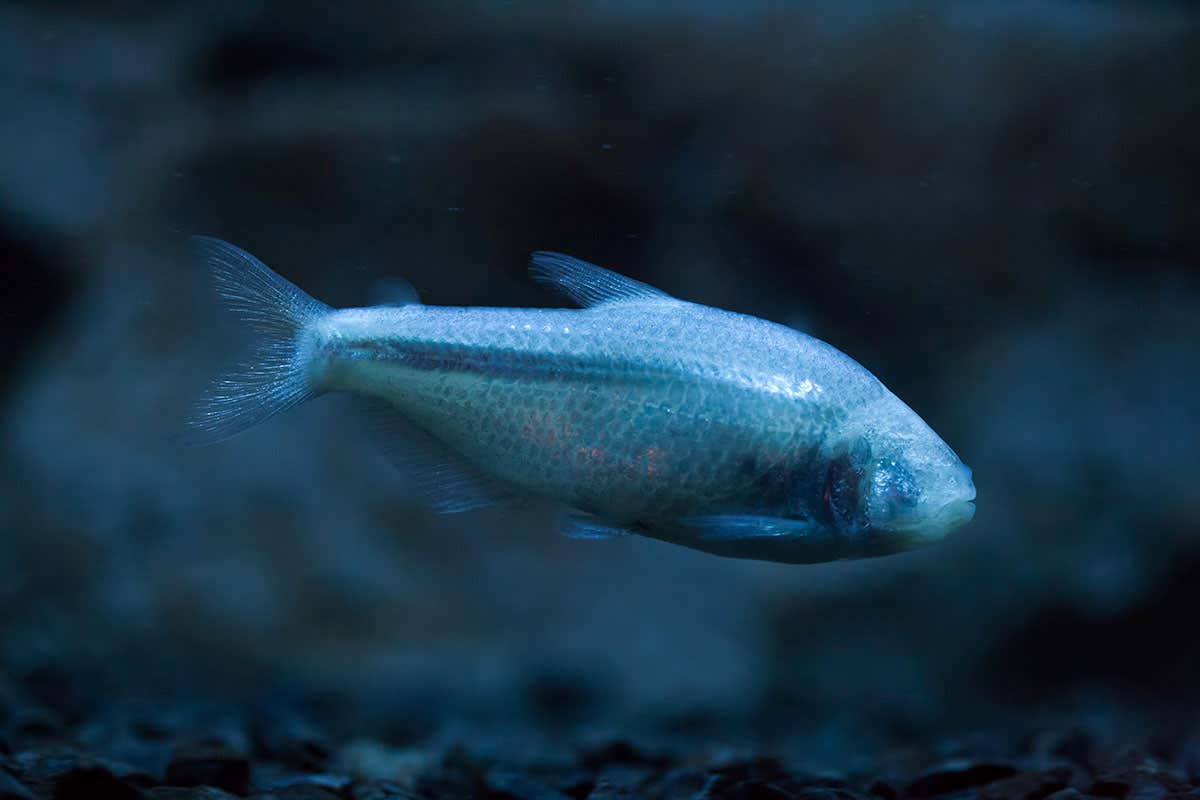
The discovery that a cavefish might have lost its sight because key eye genes were switched off via epigenetics, rather than mutation, will fuel an evolutionary debate

28 August 2017
Our capacity for complex speech might come from tiny tweaks to existing monkey genes that gave us flatter faces and more refined larynxes
