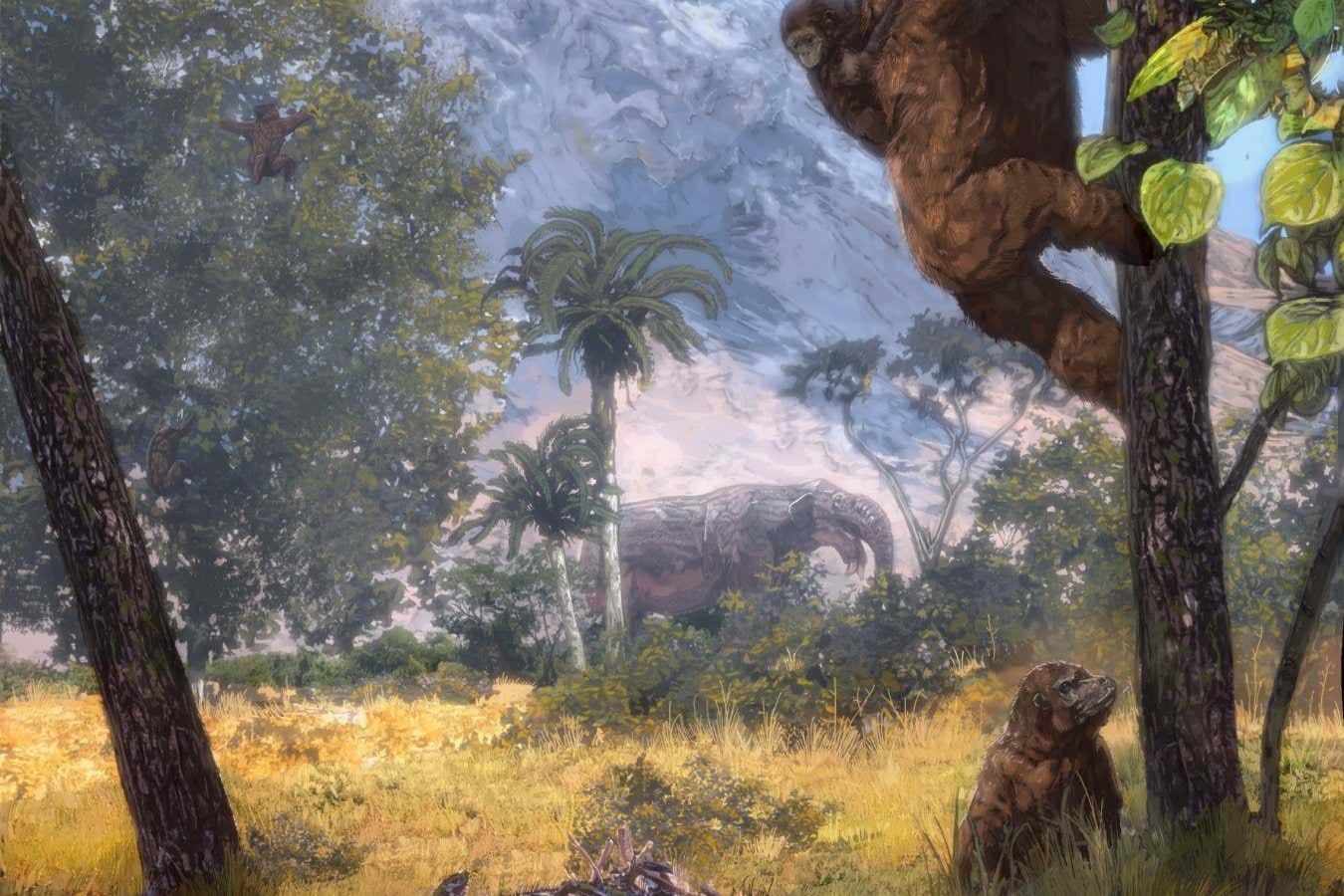
Early break-up of eastern African forests shaped our ape ancestors
13 April 2023
Forests in eastern Africa started turning into grassland 10 million years earlier than previously thought, which may have driven the evolution of upright apes
13 April 2023
Forests in eastern Africa started turning into grassland 10 million years earlier than previously thought, which may have driven the evolution of upright apes
12 April 2023
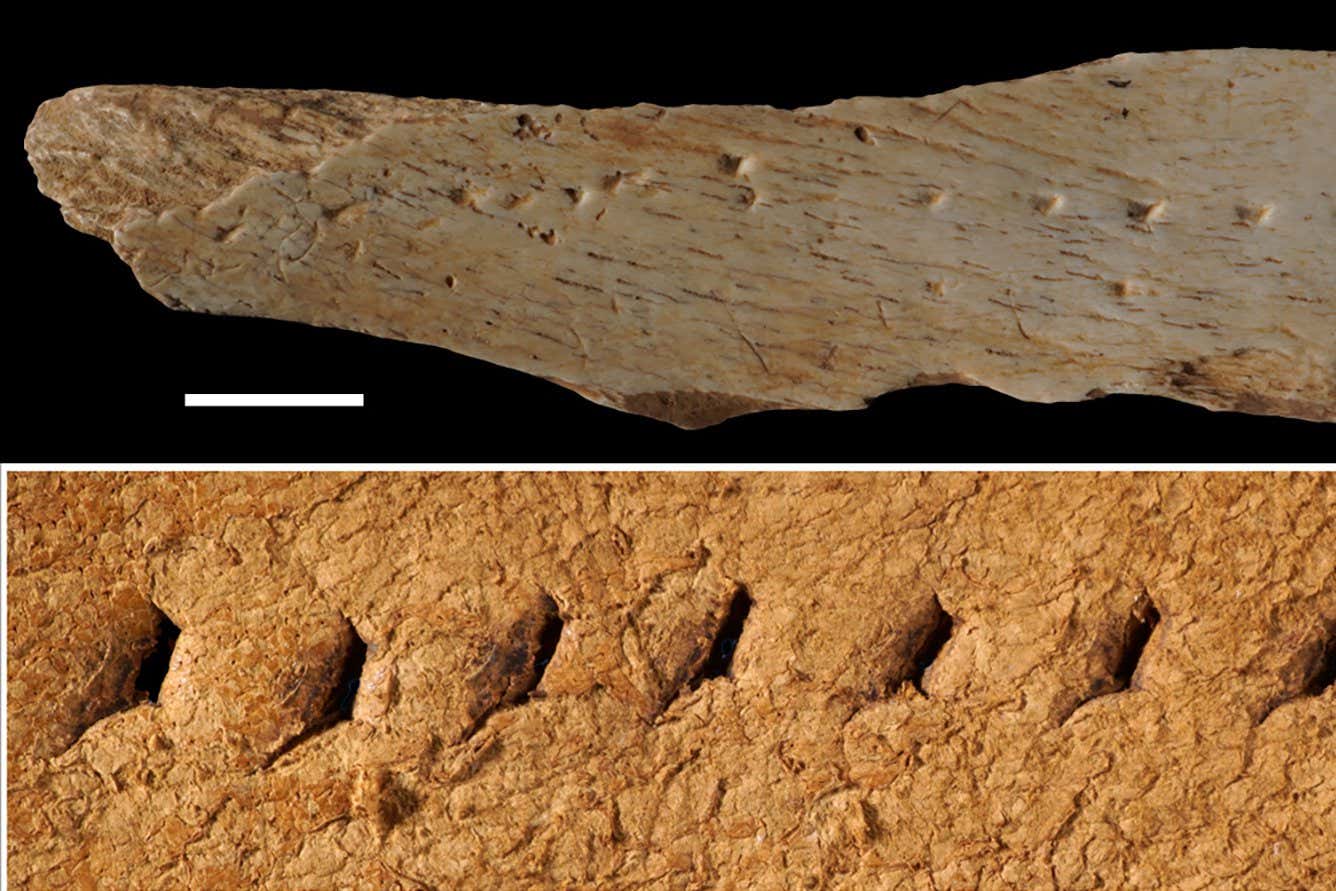
A study of an ancient bone from Spain with a strange pattern of notches hints that it was used by early Homo sapiens in Europe as a punch board for making holes in leather
9 February 2023
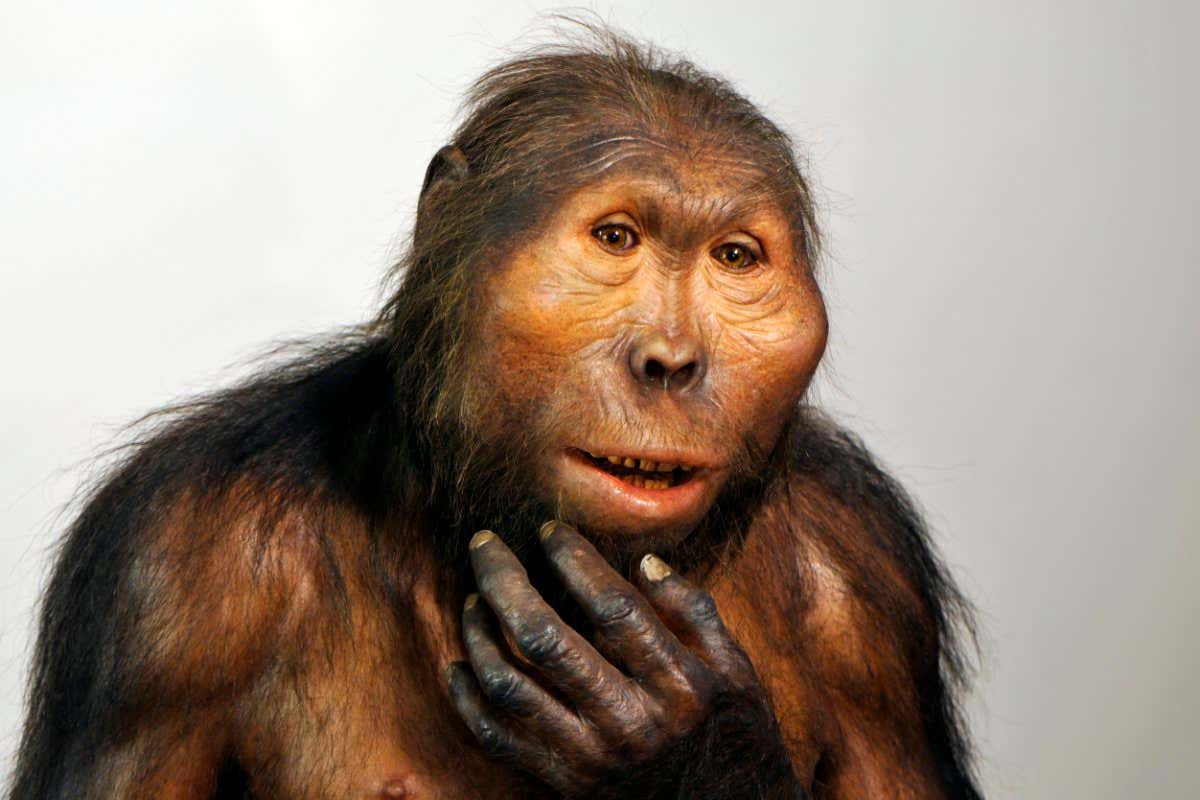
Stone tools discovered in Kenya are the oldest Oldowan-type implements found, dating back at least 2.6 million years, and they may have been made by our relative Paranthropus

6 February 2023
Gaucher disease, a genetic condition that is more common in Ashkenazi Jewish people, may confer protection against tuberculosis, according to research in zebrafish
1 February 2023
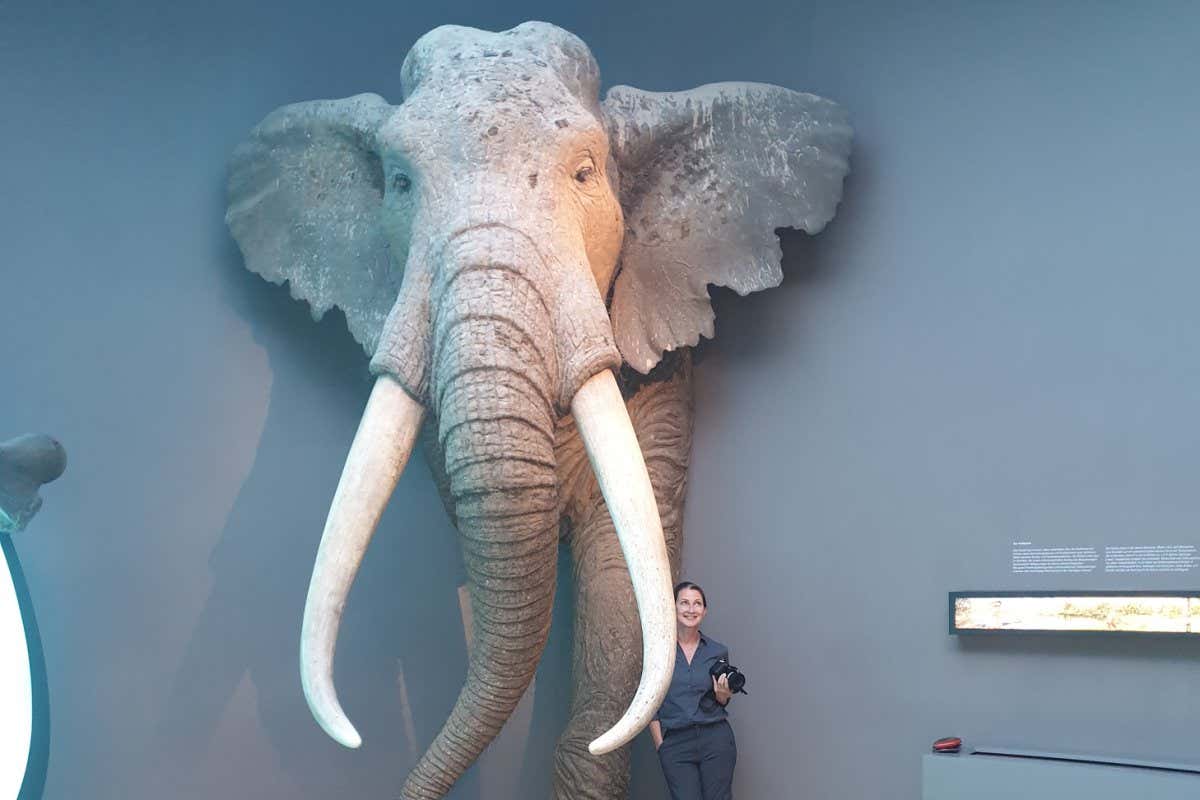
The extinct straight-tusked elephant was even larger than modern African elephants, making it unclear if Neanderthal hunters could take one down, but a newly analysed trove of bones suggests it was possible
20 December 2022
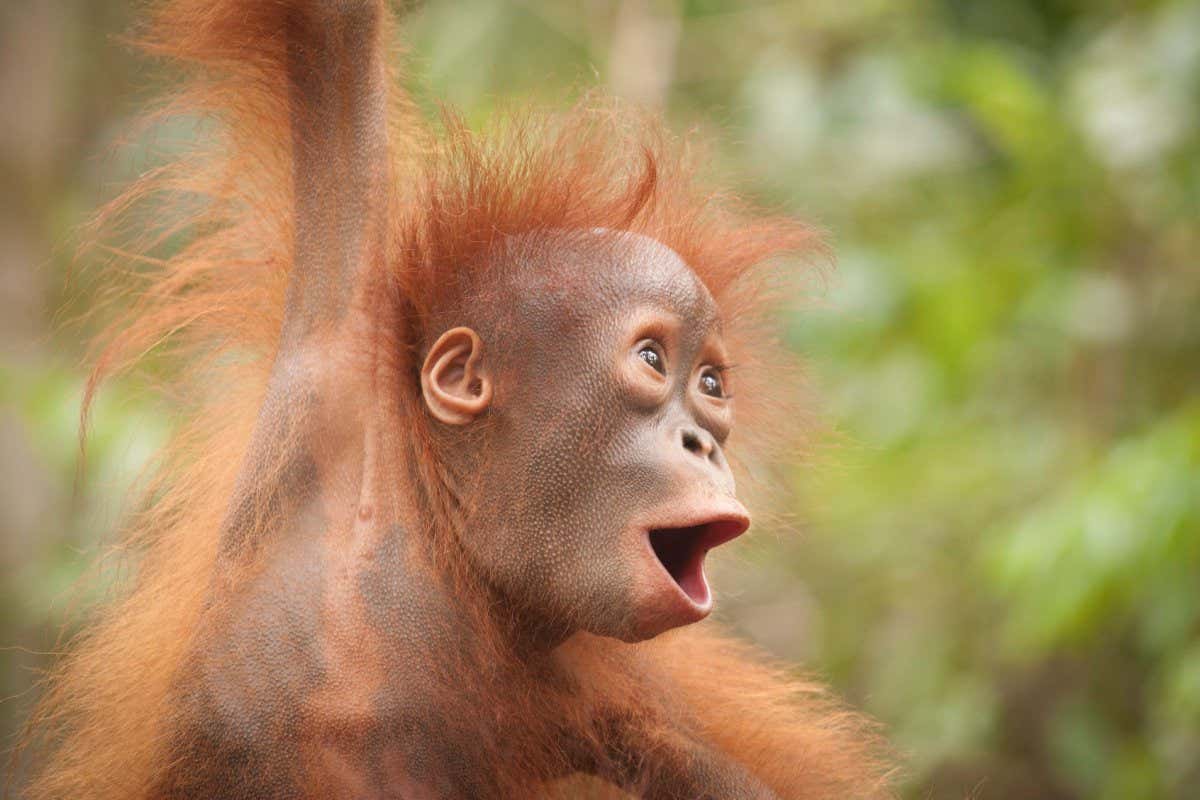
A comparison of consonant-like sounds in great apes suggests an arboreal lifestyle may have been a step towards complex speech in our ancestors
3 October 2022
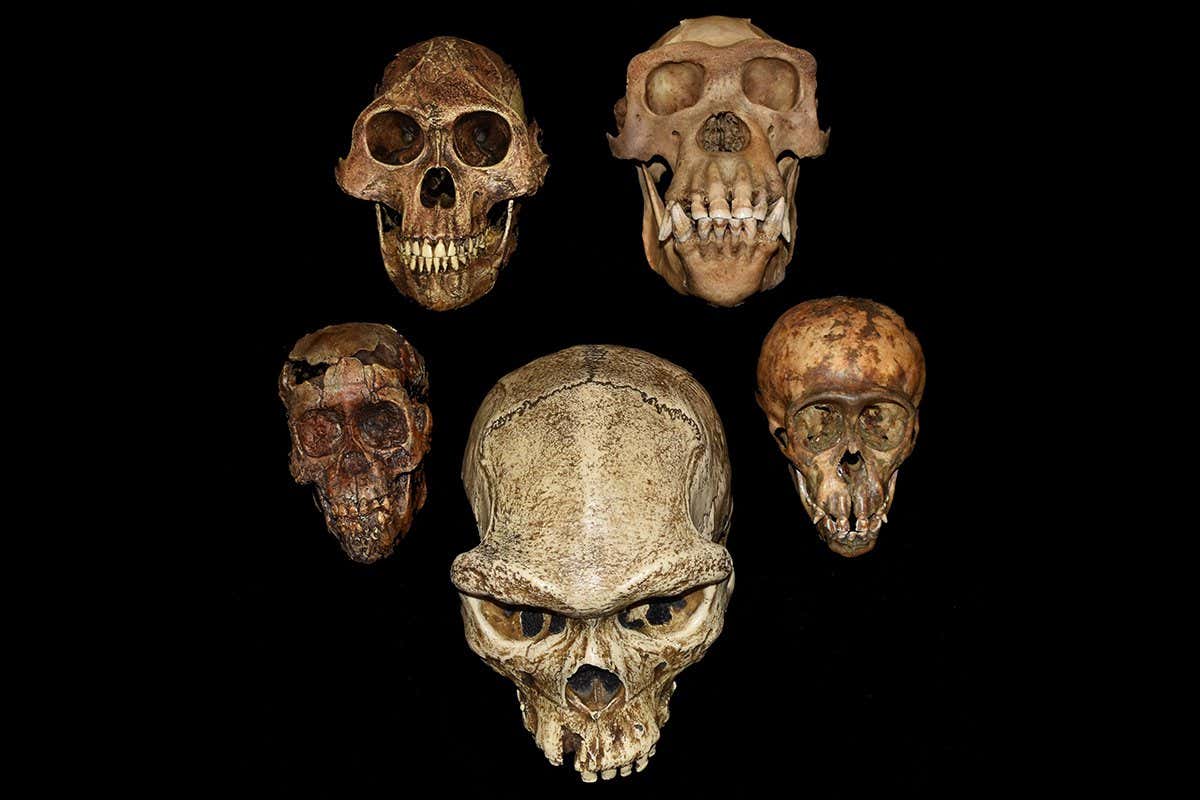
Early humans evolved a faster fetal growth rate than other apes about a million years ago, suggesting it could have played a role in the evolution of our species

3 October 2022
Geneticist Svante Pääbo has been awarded a Nobel prize for his work on evolutionary genetics
24 August 2022
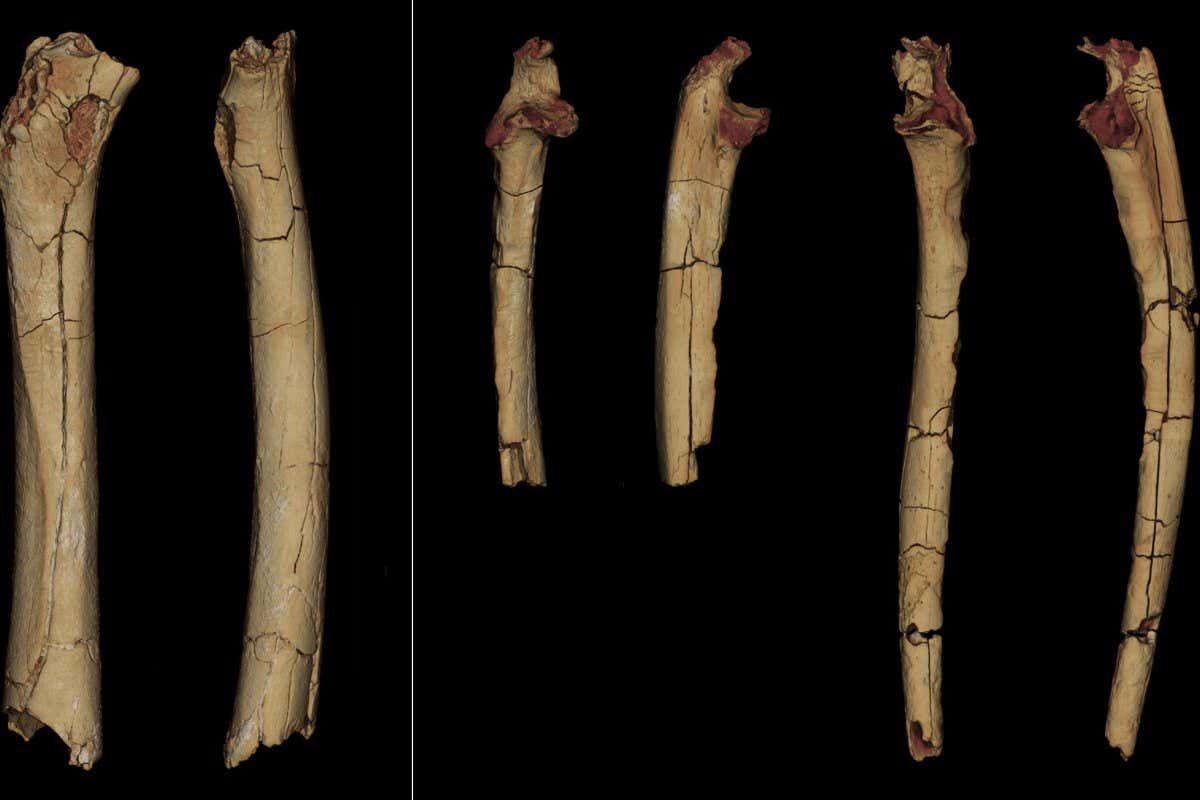
An analysis of thigh and forearm bones from Sahelanthropus tchadensis suggests the early hominin was mainly bipedal, but the claim is controversial

11 August 2022
Unlike people, 43 species of monkeys and apes are known to have so-called vocal membranes, which may prevent them from having precise voice control
