Subscribe now
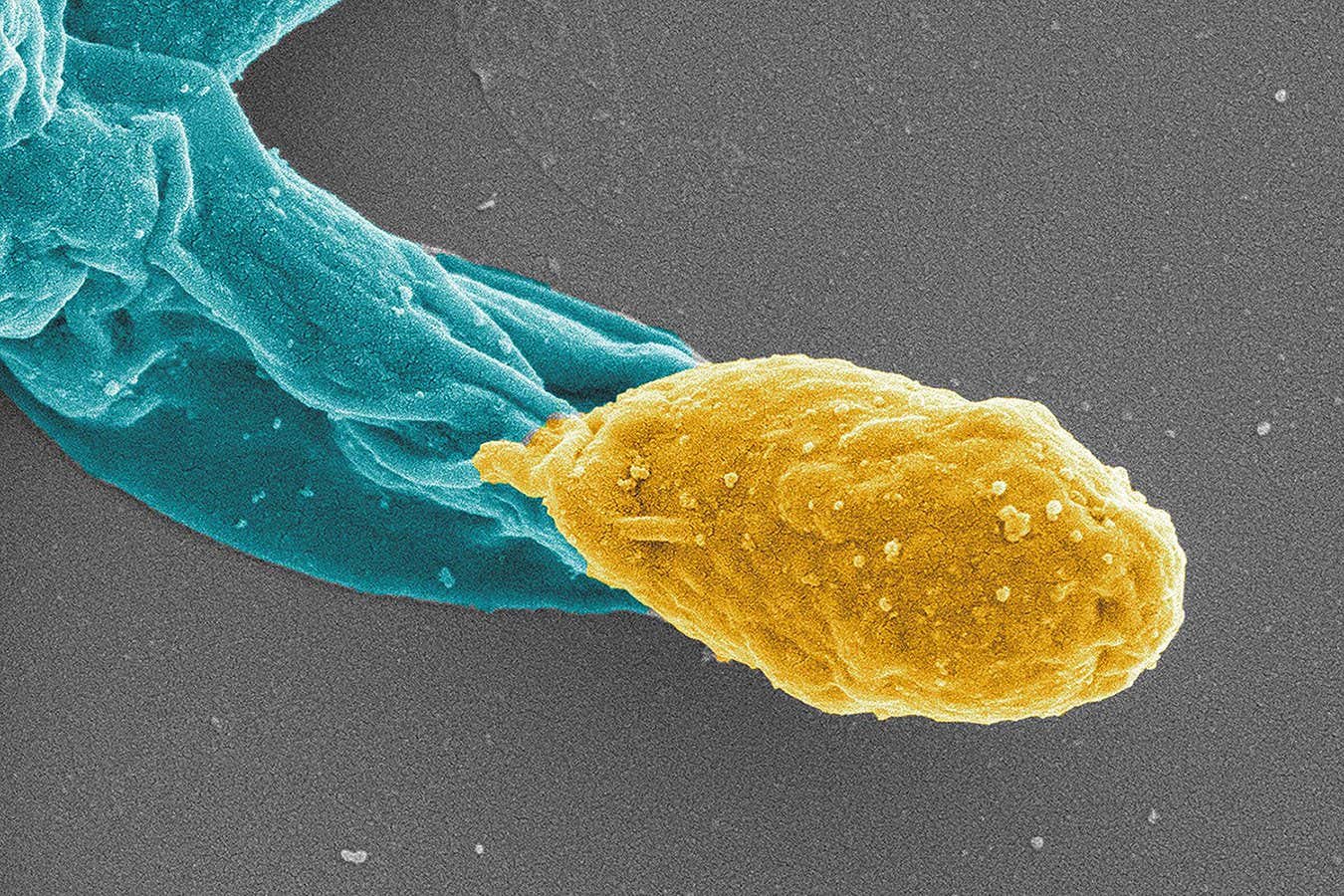
C. difficile spore in gold emerges from a bacterium in turquoise

New antibiotic may clear Clostridium difficile and stop reinfection

8 May 2023

Clostridium difficile kills 13,000 people each year in the US alone. A new antibiotic tested in mice works better than our first-line treatments against infection – and prevents reinfection too


MRSA could be prevented with genetically engineered antibodies

3 May 2023

Genetic mutations to an antibody prevented MRSA infections in mice, and boosted the effectiveness of antibiotics for fighting the infection


Lesbian couple with newborn child hugging.

A single injection could protect babies against RSV over winter

27 February 2023

A factory-made antibody called nirsevimab has proven safe and effective at reducing the risk of severe RSV infections in babies


E. coli bacteria

Vaccine to prevent UTIs could be taken as a dissolving tablet

23 November 2022

Recurrent UTIs could one day be prevented with a vaccine instead of antibiotics if promising results in mice and rabbits are replicated in clinical trials


A fungal disease affecting some amphibians may have caused malaria to surge in Costa Rica and Panama

Amphibian deaths in Central America led to malarial mosquito surge

20 September 2022

A fungal skin disease that caused amphibian numbers to plummet in Costa Rica and Panama lowered the number of amphibian tadpoles that were eating mosquito larvae, allowing the insects to flourish and spread malaria


Patient in a hospital bed

Infections that need hospital treatment may increase Alzheimer’s risk

15 September 2022

An analysis of Swedish health records shows that people diagnosed with Alzheimer’s before age 60 are more likely to have been treated for an infection in hospital more than five years earlier


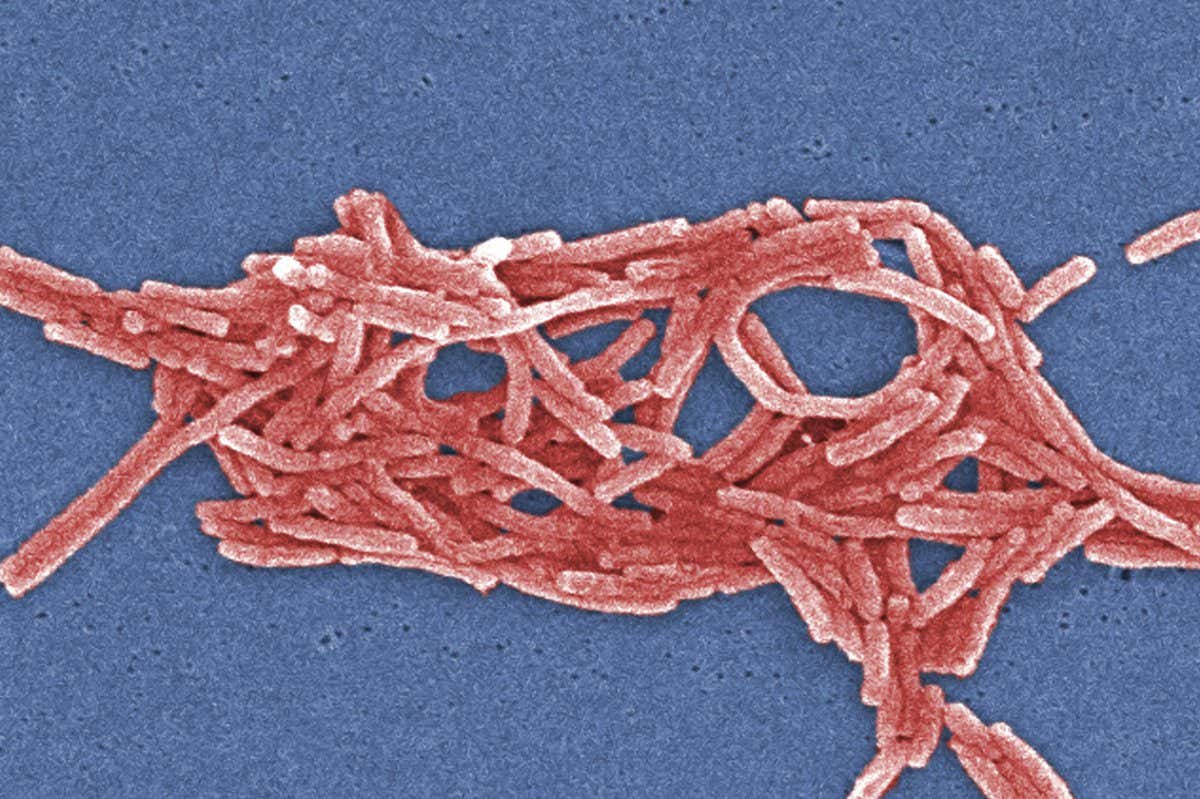
2009 Margaret Williams, PhD; Claressa Lucas, PhD;Tatiana Travis, BS Under a moderately-high magnification of 6500X, this colorized scanning electron micrograph (SEM) depicted a grouping of Gram-negative Legionella pneumophila bacteria. Please see PHIL 11092 through 11140 for additional SEMs of these organisms, specifically PHIL 11121 for a black and white version of this image. You?ll note that a number of these bacteria seem to display an elongated-rod morphology. L. pneumophila are known to most frequently exhibit this configuration when grown in broth, however, they can also elongate when plate-grown cells age, as it was in this case, especially when they?ve been refrigerated. The usual L. pneumophila morphology consists of stout, ?fat? bacilli, which is the case for the vast majority of the organisms depicted here. These bacteria originated on a 1 week-old culture plate (+/- 1 day), which had incubated a single colony, at 37?C upon a buffered charcoal yeast extract (BCYE) medium with no antibiotics.

Legionnaires’ disease may be cause of mystery pneumonia in Argentina

5 September 2022

Lab tests suggest that Legionella bacteria are involved in an 11-person outbreak of unexplained pneumonia cases at a private medical clinic in Tucumán


X-rays have diagnosed nine people with pneumonia of an unknown origin in the Tucumán province of northwestern Argentina

What we know about the mysterious pneumonia in Argentina

2 September 2022

Three people have died this week due to a pneumonia outbreak of unknown origin in the Tucumán province of northwestern Argentina


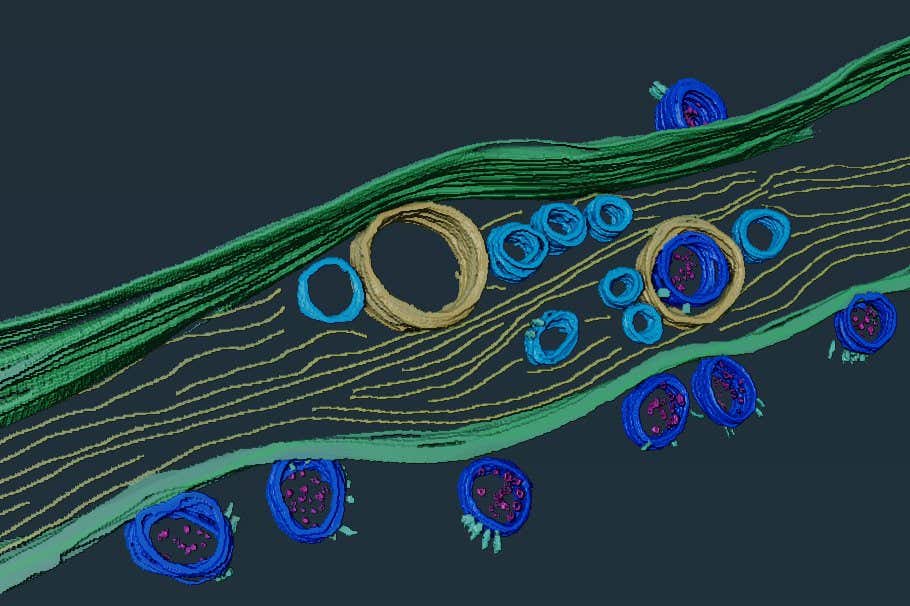
The covid-19 virus, SARS-COV-2, inside and on top of tunneling nanotubes

Coronavirus may enter the brain by building tiny tunnels from the nose

20 July 2022

How the virus behind covid-19 enters the brain was somewhat of a mystery, but new evidence hints it may build tiny tubes from nose cells to brain cells that it can shuttle through


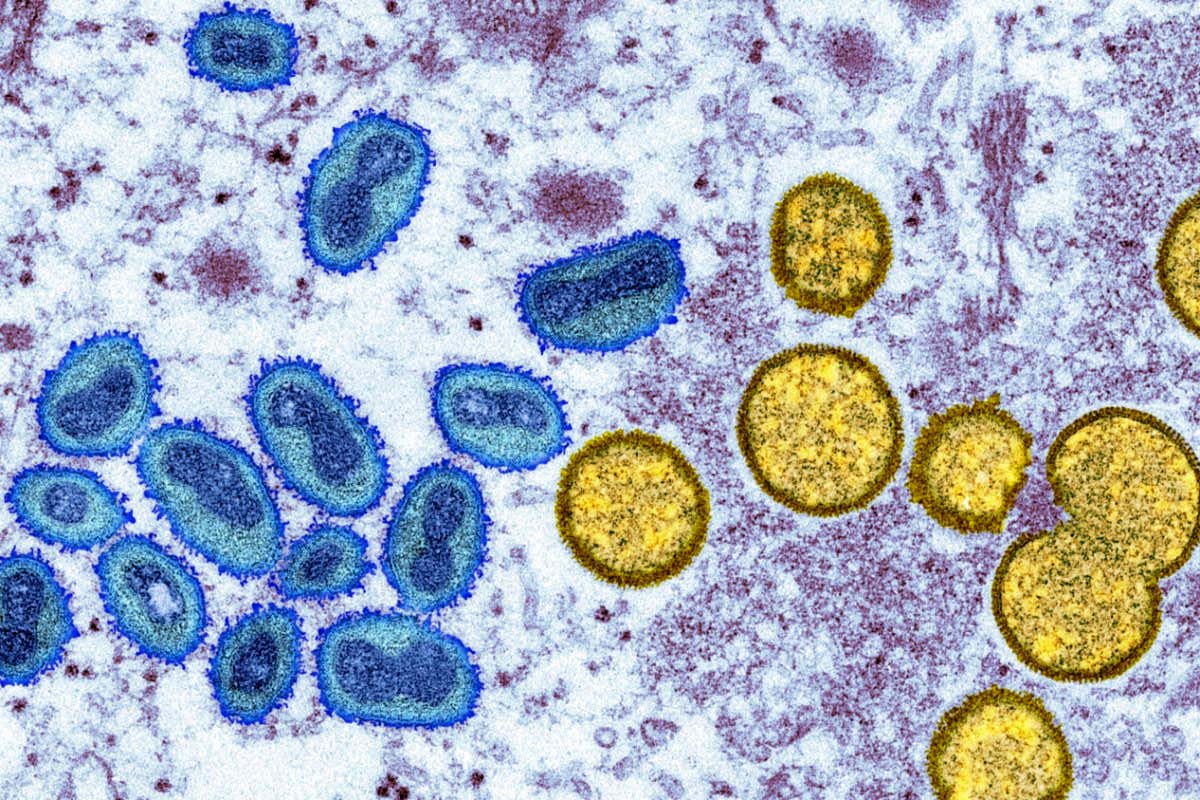
Monkeypox virus particles taken from a human skin sample, captured via a coloured transmission electron micrograph

Monkeypox cases are continuing to rise around the world

24 May 2022

More than 170 confirmed cases have been recorded in North and South America, Australia, the Middle East, North Africa and across Europe


Sign up to our weekly newsletter

Receive a weekly dose of discovery in your inbox. We'll also keep you up to date with New Scientist events and special offers.

Sign up
Piano Exit Overlay Banner Mobile Piano Exit Overlay Banner Desktop