Subscribe now
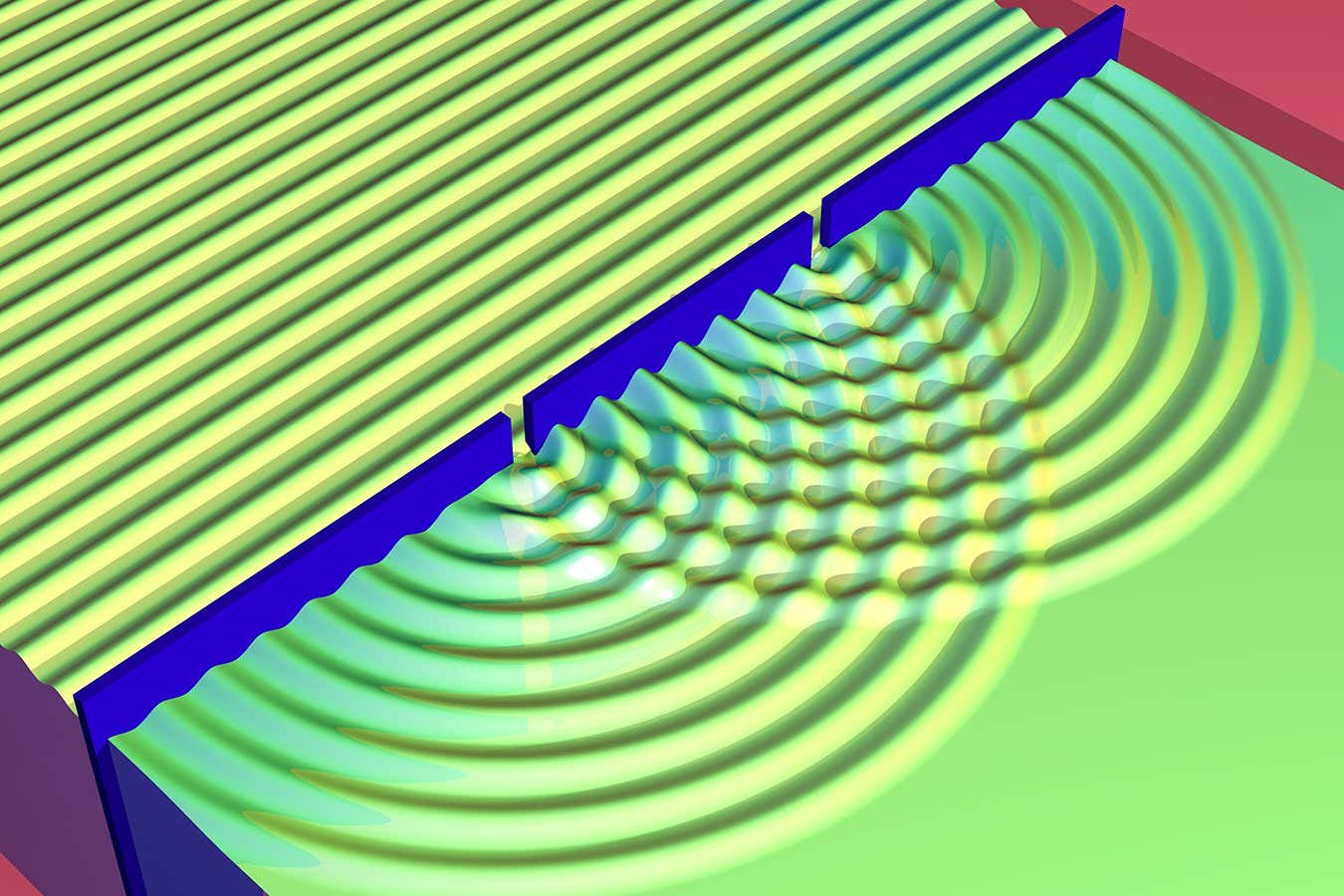
Caption Illustration of the double-slit experiment, showing a plane wave (top left) passing through a screen with two gaps. The gaps act as new wave sources and the wavefronts bend to create two sets of circular waves radiating outwards. These two new waves create an interference pattern as they interact. At the point where a wave peak from one hits a wave peak from another, or a trough hits a trough, they reinforce each other; their magnitudes are summed. This is known as constructive interference. Where a trough hits a peak, they cancel each other out. This is known as destructive interference.

Light interacts with its past self in twist on double-slit experiment

3 April 2023

The double-slit experiment consists of light passing through two slits separated by a small space – now researchers have performed it with small gaps in time instead
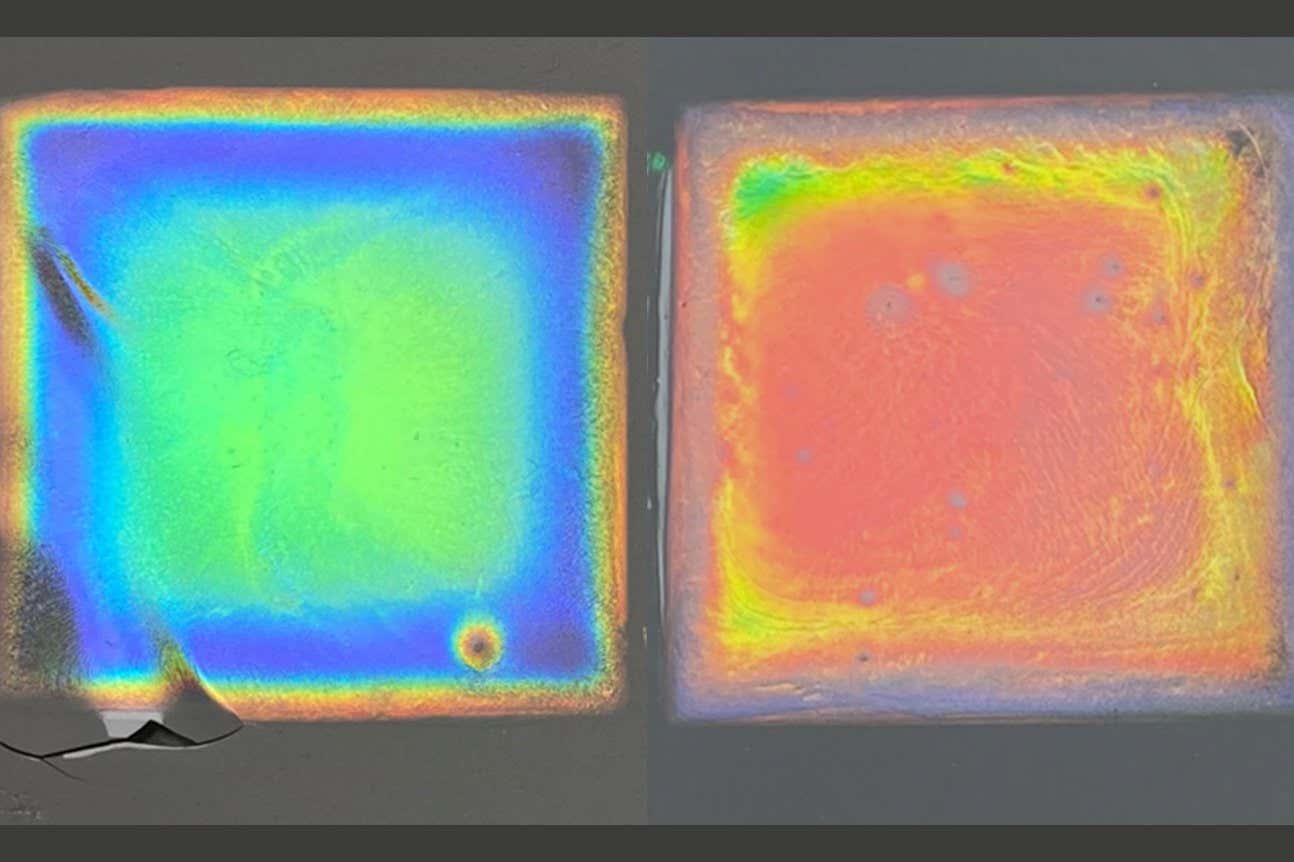

A colourful film made from plant matter could keep buildings cool An iridescent cellulose film can efficiently cool surfaces by 3?C and could one day be used in structures that remain cold without requiring energy.

Colourful material made from wood could help keep buildings cool

26 March 2023

A material made from two forms of cellulose, which is found in wood, reflects heat and can be made in a variety of colours
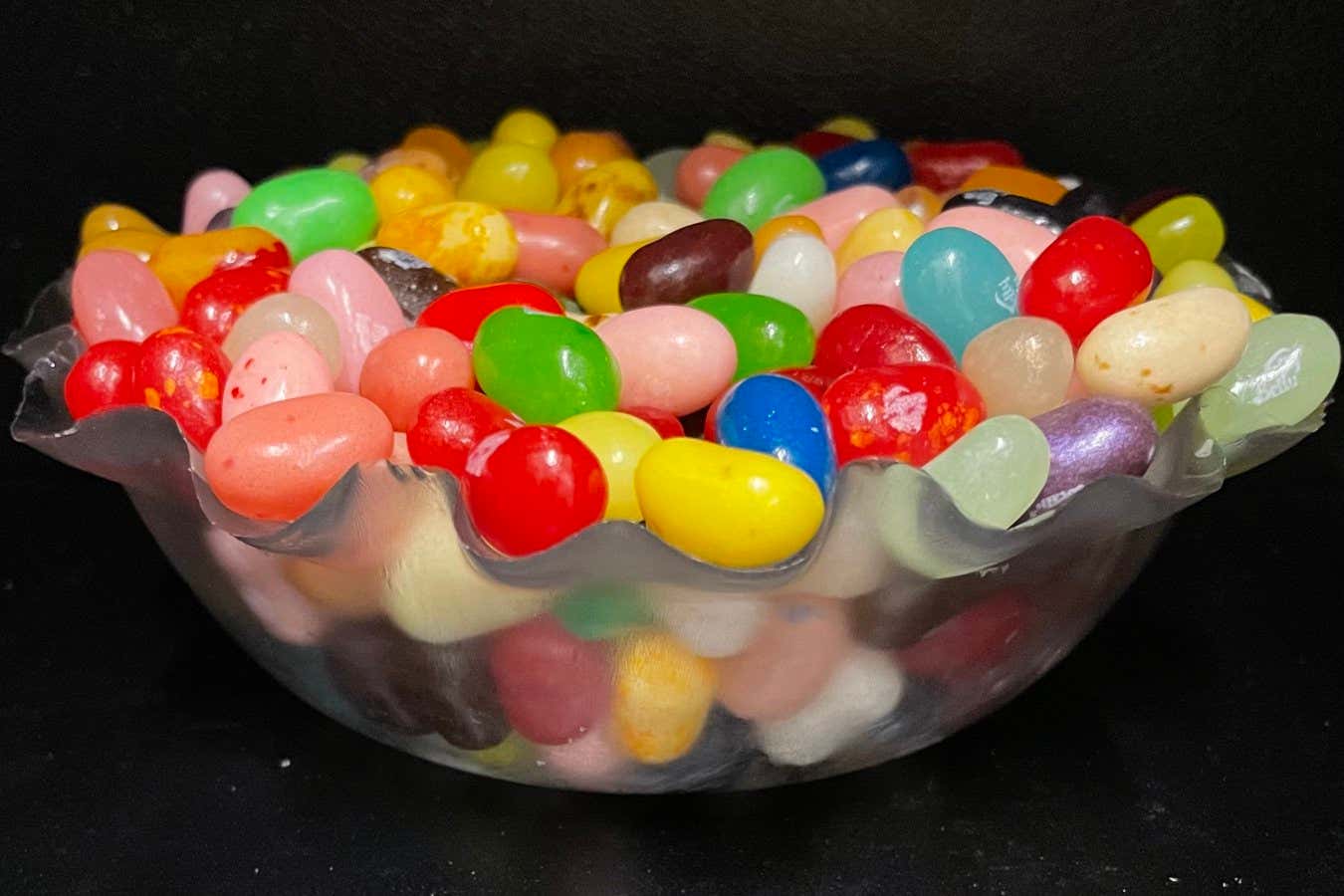

Scientists convert Super Glue monomers into recyclable plastics

Recyclable plastic made from super glue could replace polystyrene

22 March 2023

Long-lasting plastics made from fossil fuels could be replaced by a material derived from super glue that can be easily recycled time and time again
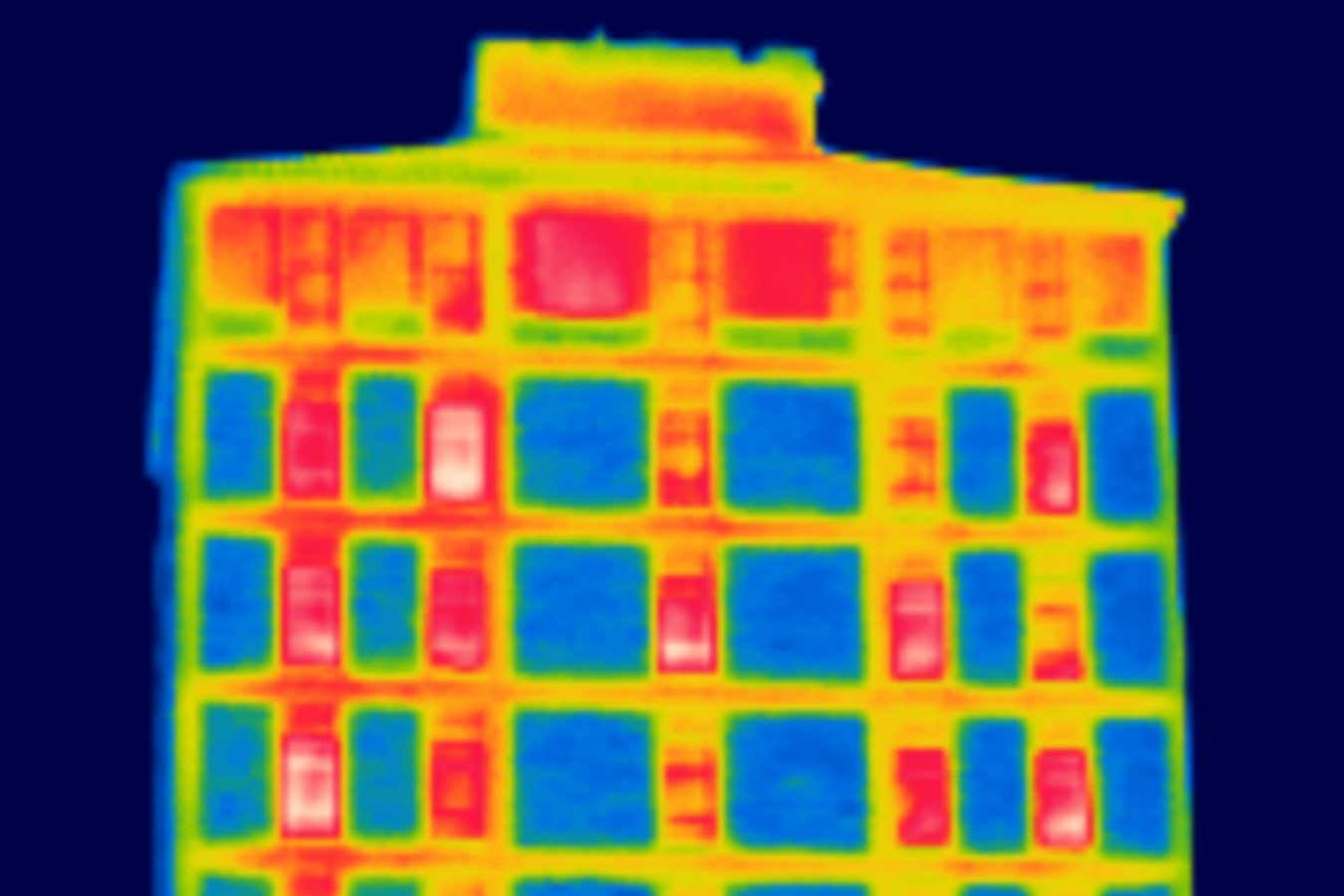

Windows filled with see-through wood layer help hold in heat

16 March 2023

A transparent material made from cellulose nanofibres and pockets of gas could replace air in double-glazed windows to improve thermal insulation
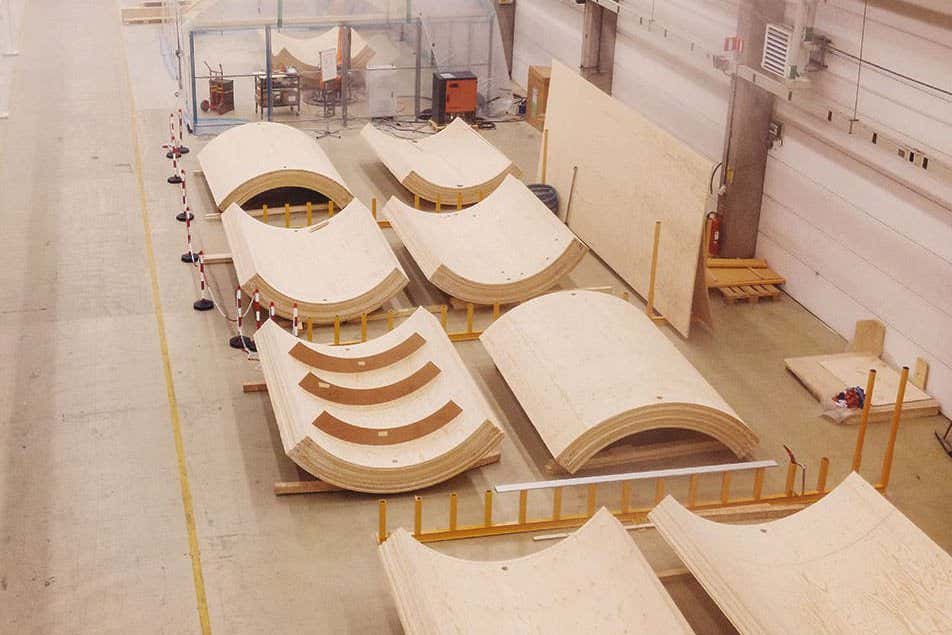

Sections of a timber wind turbine tower under construction

Should we build wind turbines from wood?

1 December 2022

Most wind turbines are made from a mix of materials, making them hard to recycle – but wood could offer a more sustainable alternative
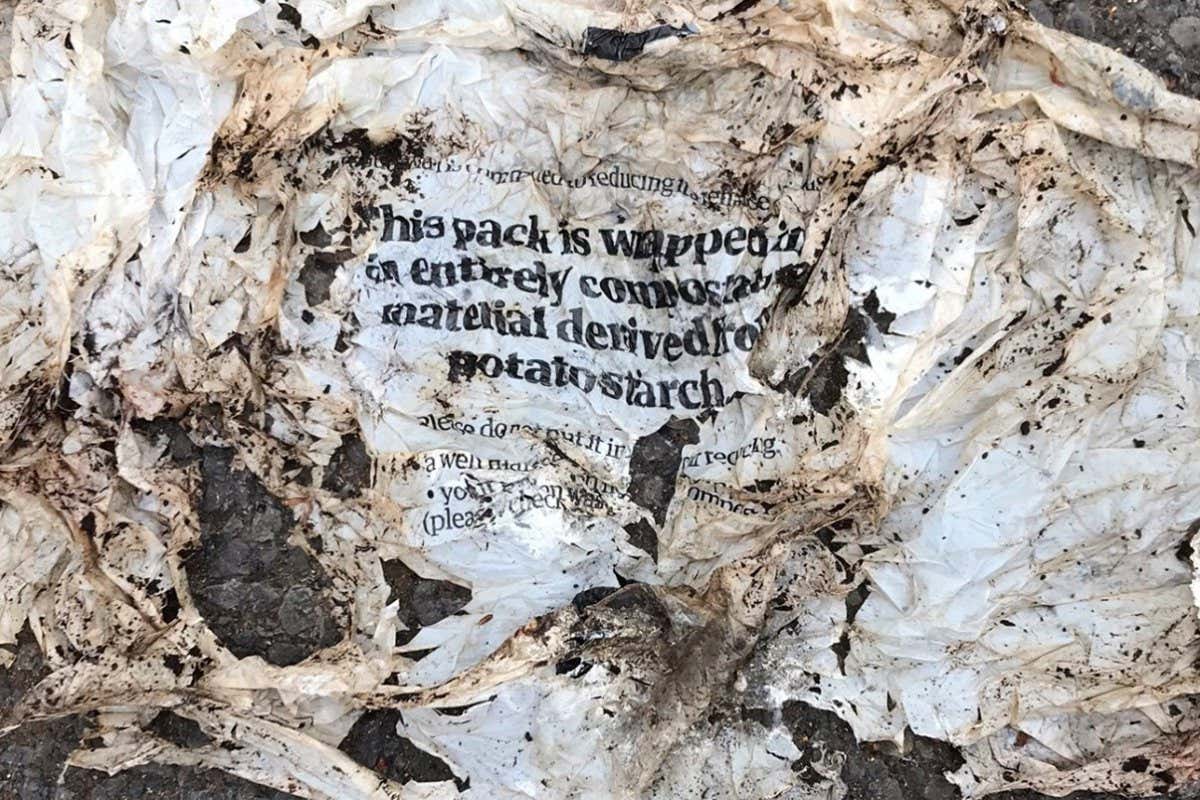

Compostable plastic that has not fully disintegrated in a compost bin

Most ‘home compostable’ plastic doesn’t break down in garden bins

3 November 2022

A study involving 1600 UK volunteers found that 60 per cent of plastics labelled as suitable for home composting don’t break down properly
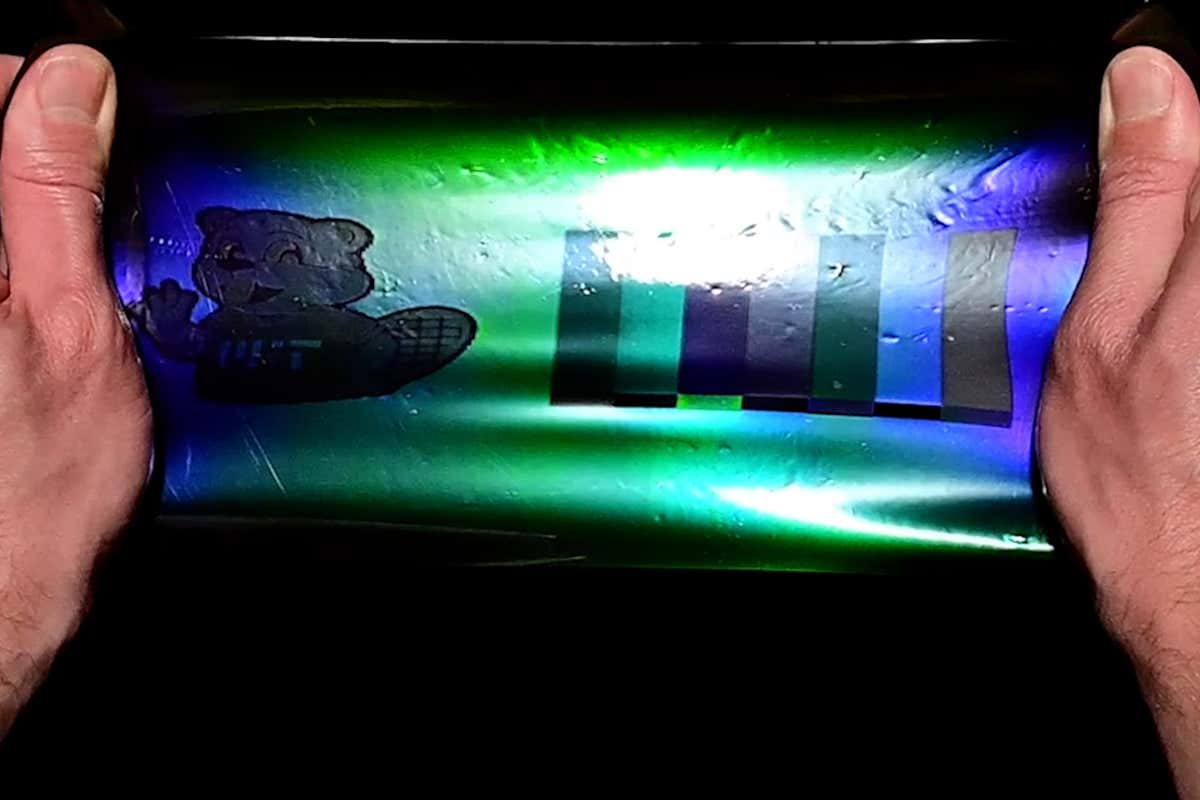

A piece of material is pulled and changes colour

Material that changes colour as it stretches could be used in bandages

2 August 2022

An obsolete photographic technique that won a Nobel prize over a century ago has been resurrected to create a novel material that changes colour when stretched
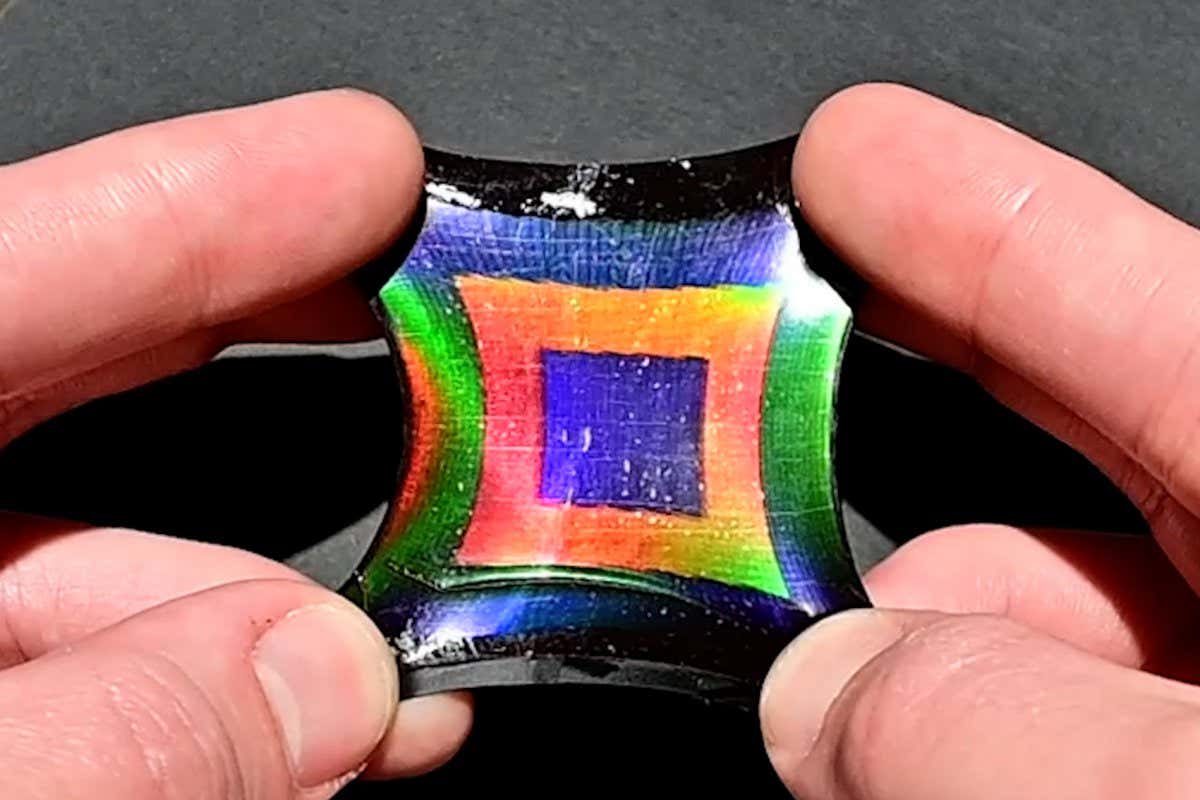

Image printed on a flexible material

Stretchy material could make bandages change colour when getting loose

1 August 2022

A stretchy material developed for holograms and an obsolete photography technique from the 19th century have been combined to create a material that changes colour as its tension changes
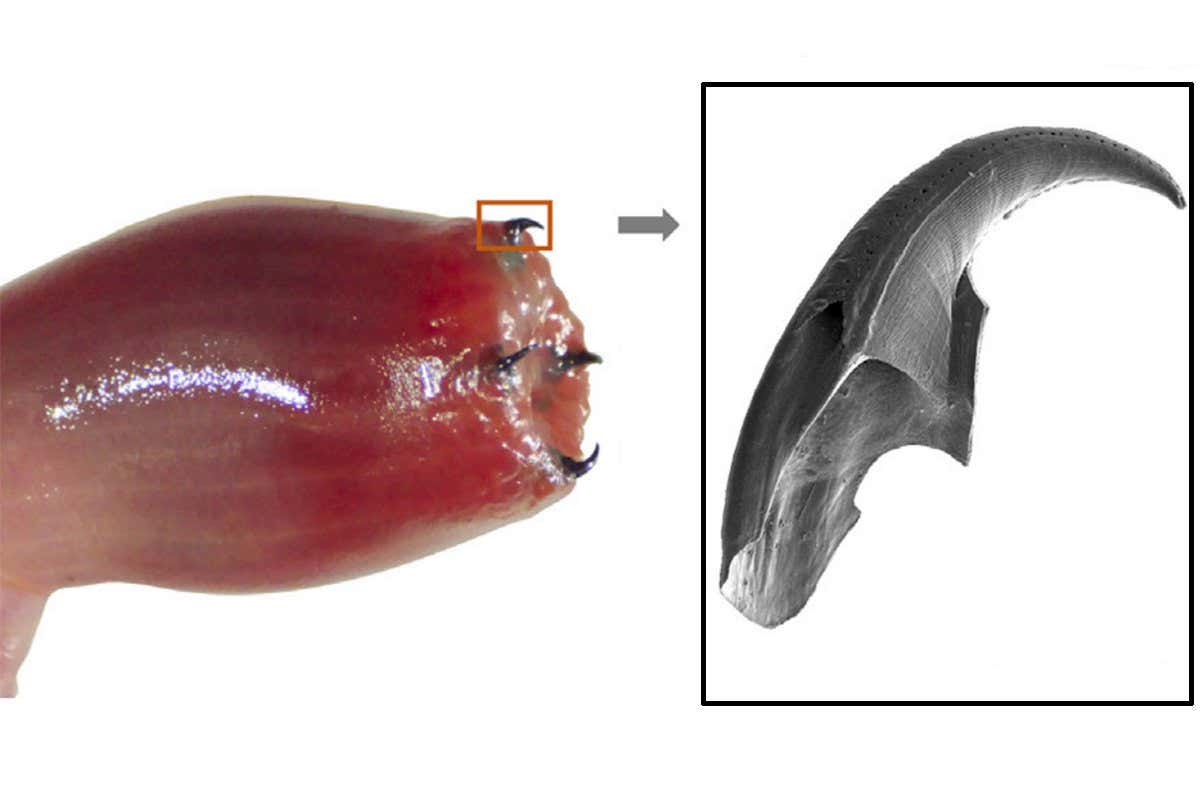

Bloodworm fangs

Bloodworms have copper jaws that could inspire self-building materials

25 April 2022

A worm with jaws that contain unusually large amounts of copper relies on a single protein to build its fangs
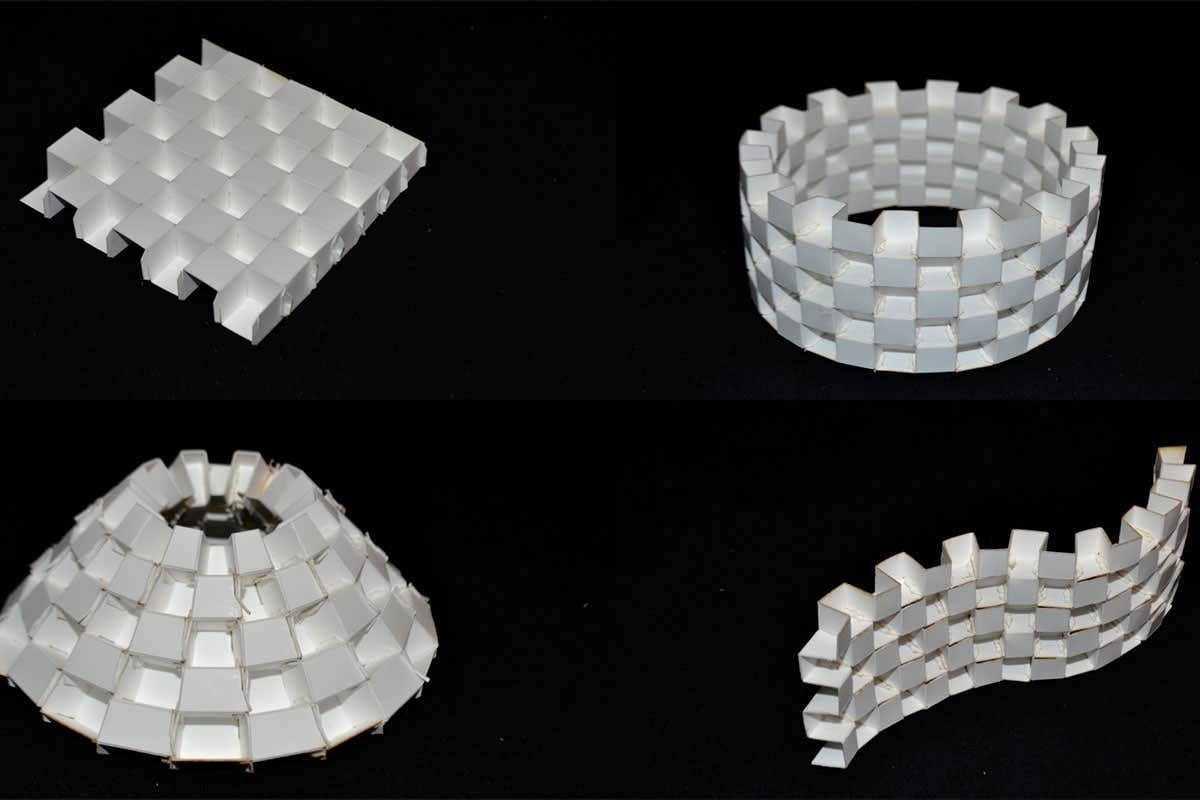

Super strong metamaterial inspired by kirigami, a variation of origami

Super strong metamaterial inspired by kirigami, a variation of origami

3 March 2022

A metamaterial inspired by kirigami, the Japanese art of paper cutting, can support nearly 3000 times its own weight


Sign up to our weekly newsletter

Receive a weekly dose of discovery in your inbox. We'll also keep you up to date with New Scientist events and special offers.

Sign up
Piano Exit Overlay Banner Mobile Piano Exit Overlay Banner Desktop