Subscribe now
Bacteria could help reduce the amount of fertiliser used to grow corn

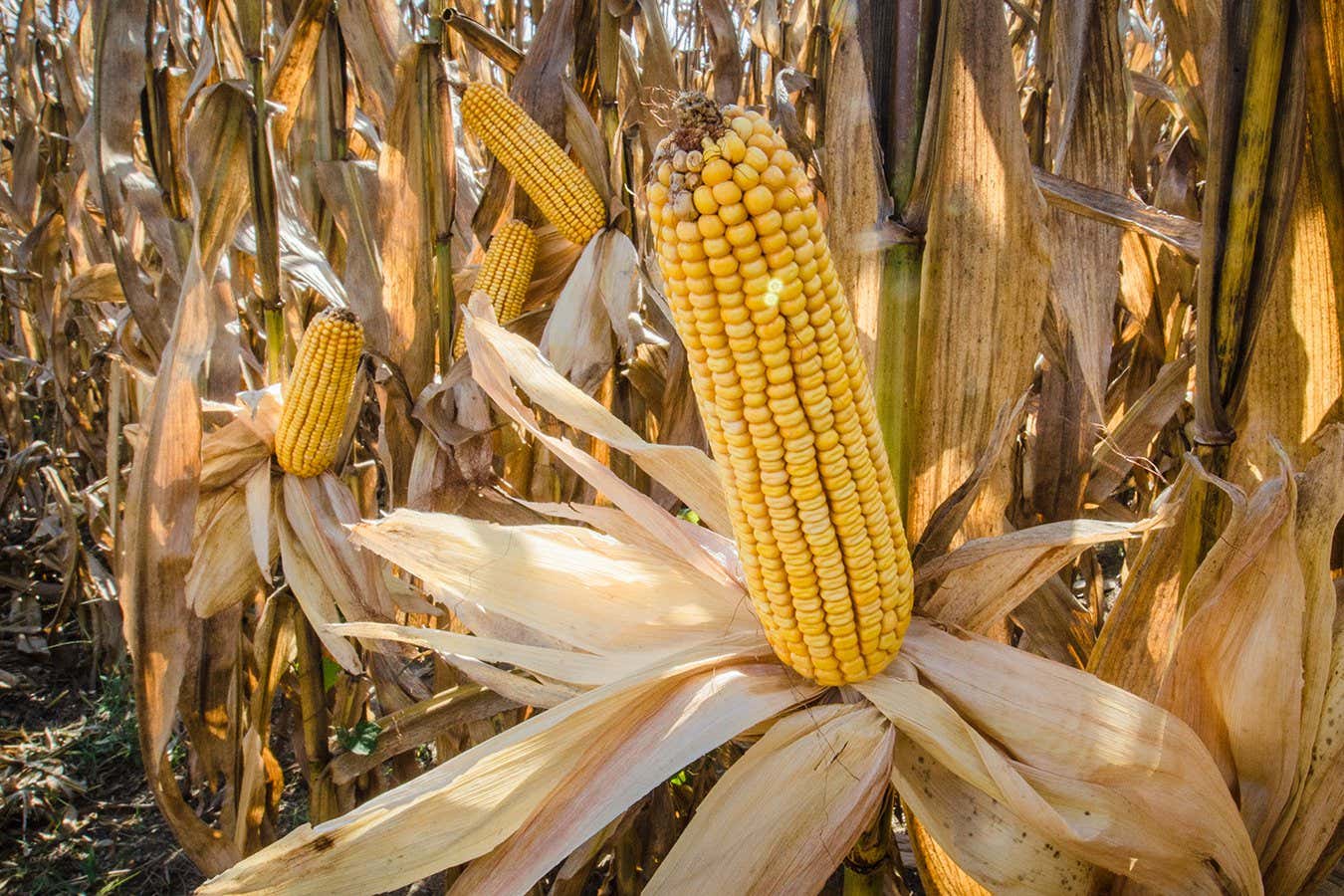
Nitrogen-producing bacteria slash fertiliser use on farms

21 June 2023

Microbes that produce nitrogen have made a big difference for reducing fertiliser-related emissions and pollution across millions of acres of farmland in the US. The microbes can be applied directly to the soil or as a coating on seeds
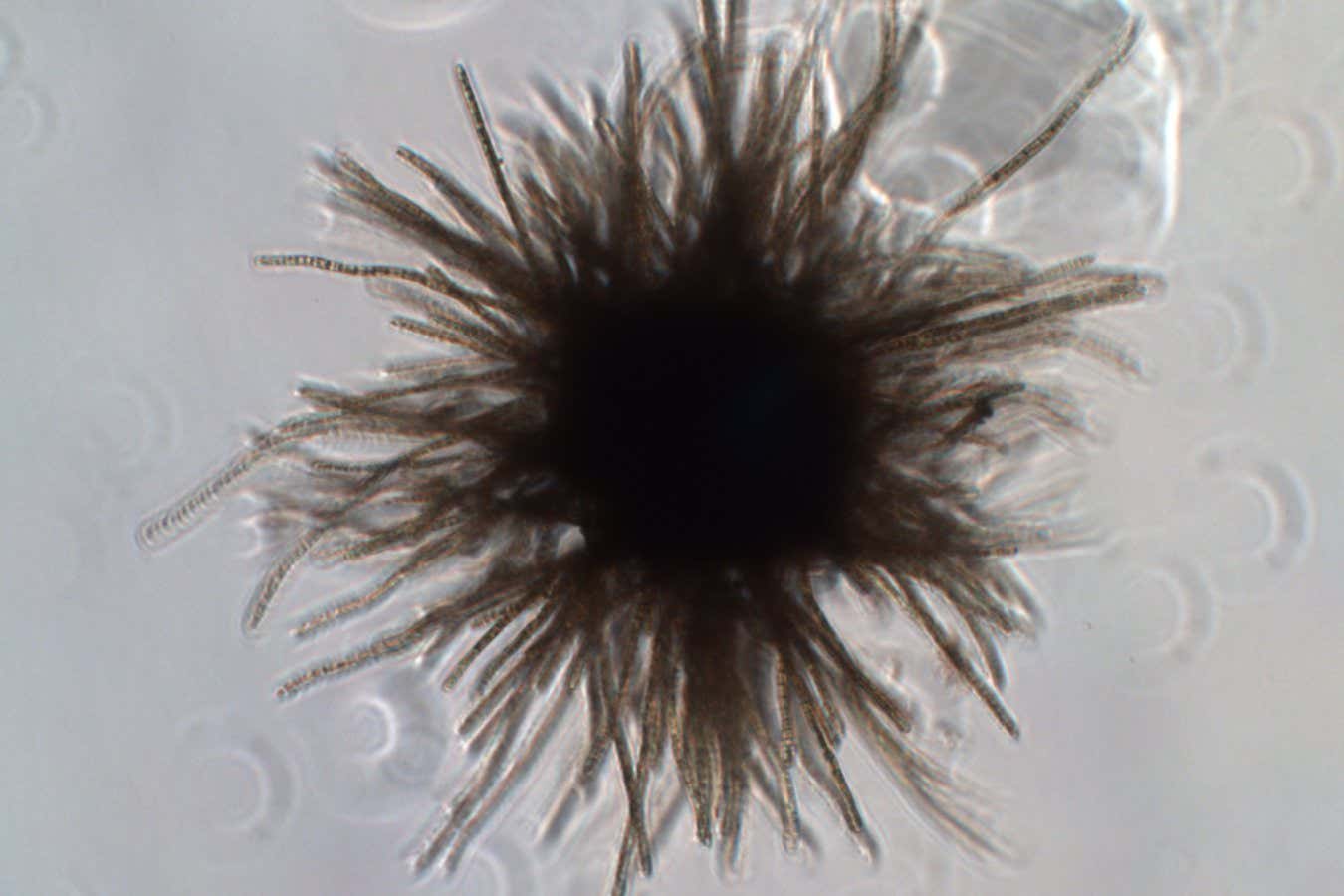
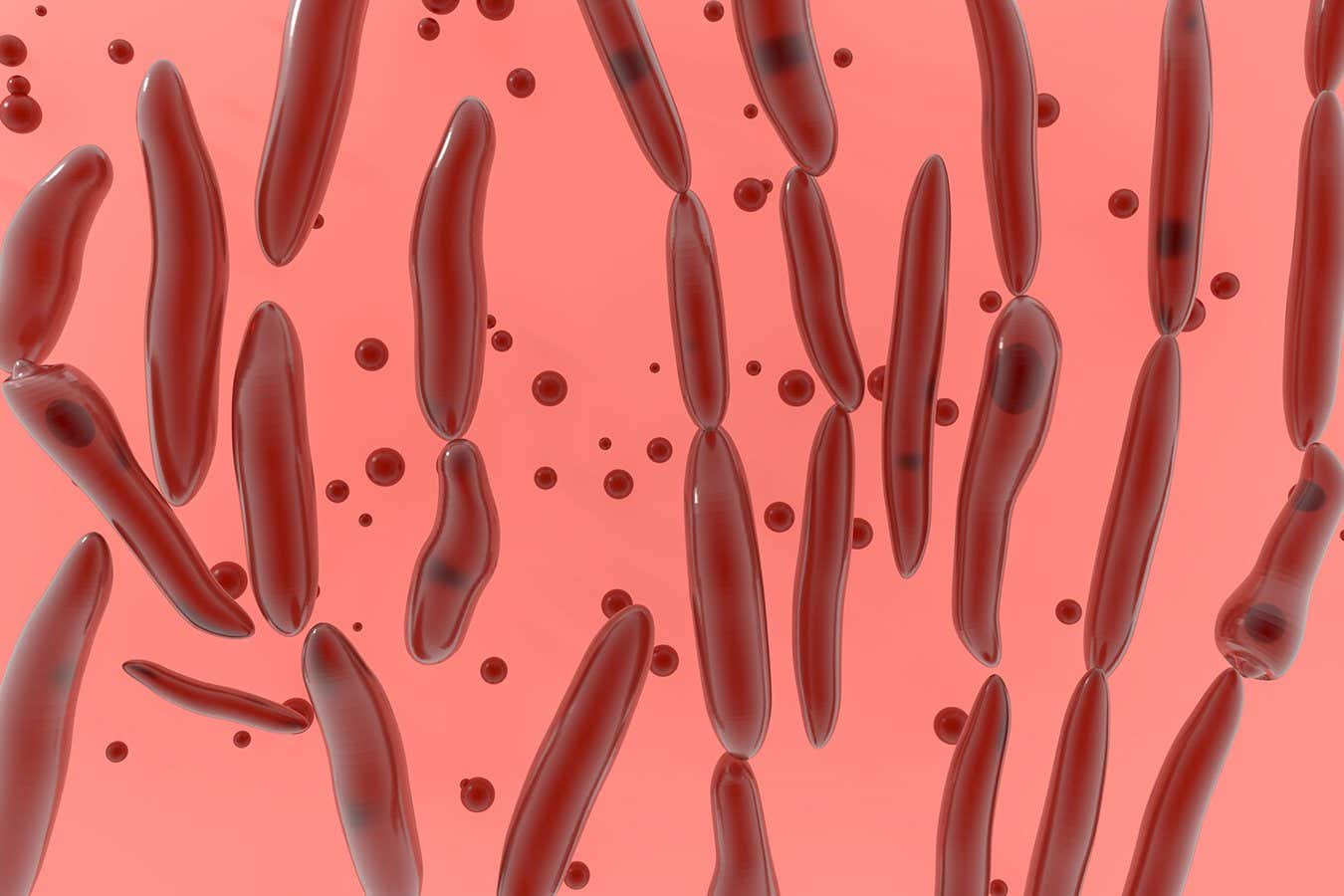
Trichodesmium thiebautii (light micrograph) Trichodesmium thiebautii is a cyanobacterium, or blue-green alga, that forms colonies of cells. In high concentrations, they create golden-brown surface mats, often referred to ?sea sawdust,? in the Gulf of Mexico. These large concentrations, called blooms, are sometimes associated with fish kills and can cause dermatitis or ?swimmer?s itch? when handled or contacted. When blooms die and decay, they can discolor the water pink to red. Toxin production by this species is being investigated. https://www.flickr.com/photos/myfwc/8678780050

Ocean-fertilising bacteria work together to adapt to light levels

25 May 2023

Trichodesmium, a kind of cyanobacterium that is vital to ocean ecosystems, forms colonies that work together and change shape to get the light and nutrients the microbe needs to grow


Botulism or Clostridium botulinum bacterium 3d illustration

We now know how Botox enters neurons and paralyses muscles

25 May 2023

Molecular imaging shows that botulinum neurotoxin uses three receptors to enter neurons. The finding could help develop drugs to stop the toxin from infecting cells


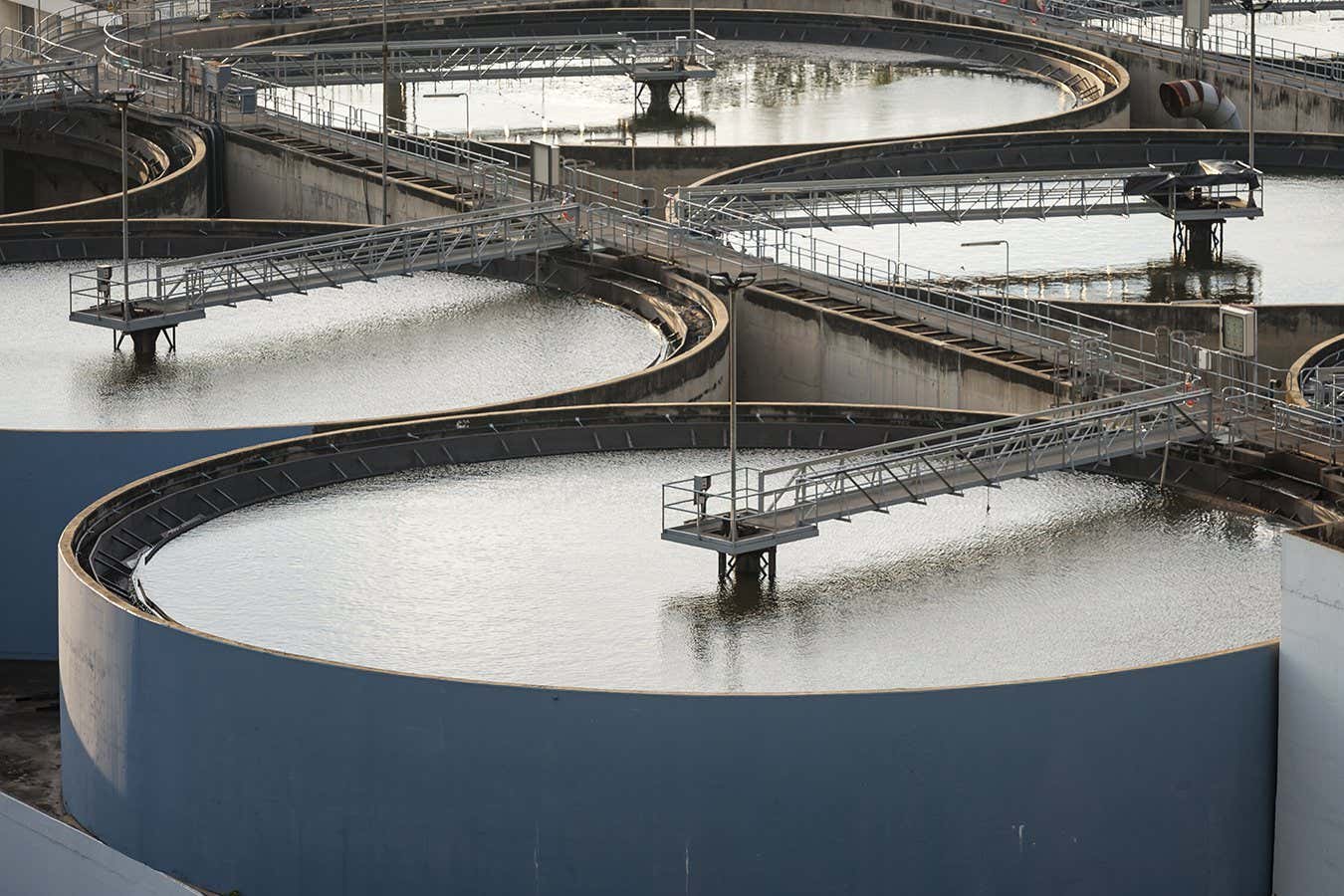
Modern urban wastewater treatment plant

Toxic PFAS can be broken down by bacteria found in wastewater

15 May 2023

Certain kinds of "forever chemicals" can be dismantled using bacteria found in wastewater. This points to a possible way of making more of these compounds biodegradable


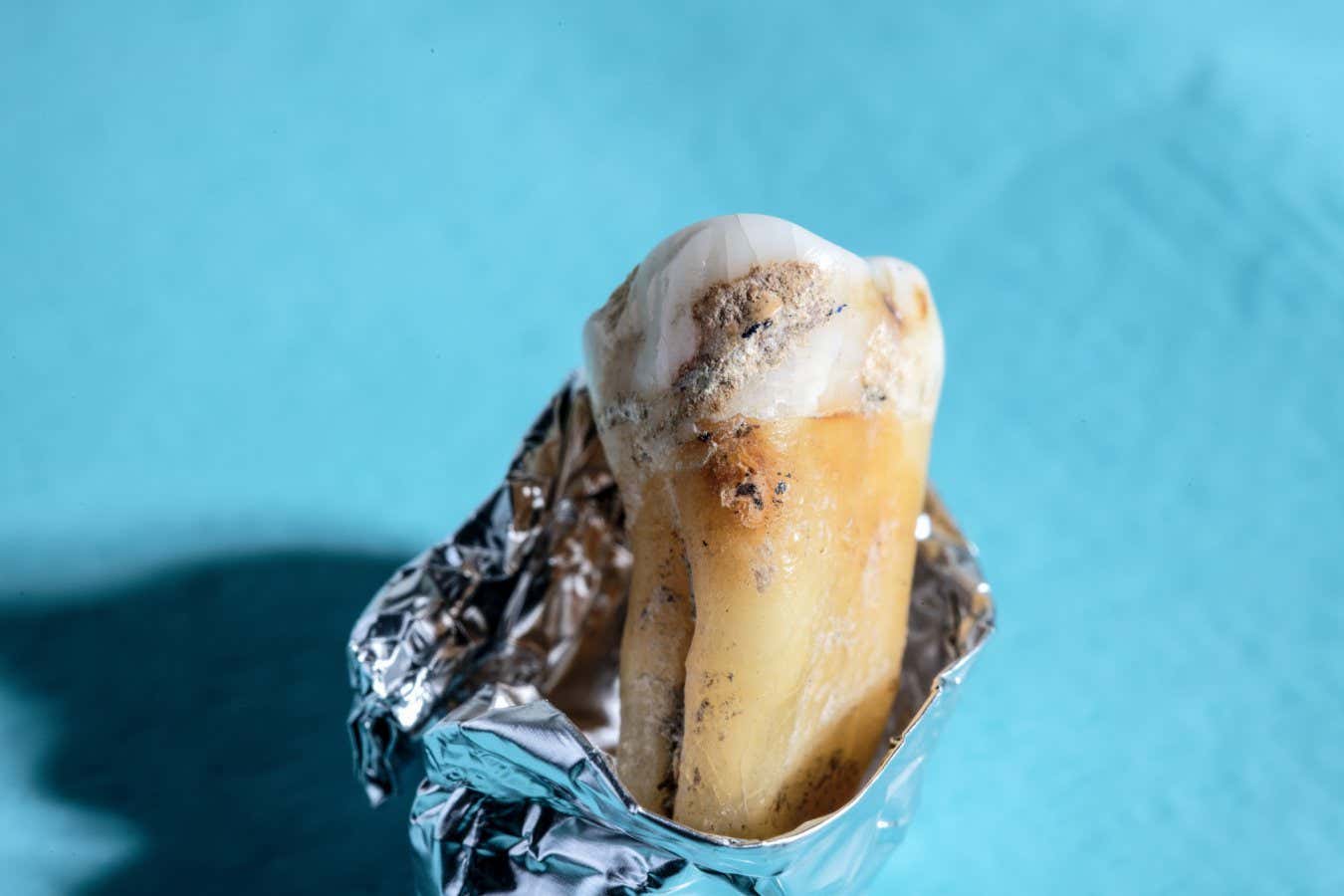
Ancient bacteria genome reconstructed from Neanderthal tooth gunk

4 May 2023

Researchers pieced together the genomes of two unknown species of green sulphur bacteria from DNA fragments found in ancient calcified tooth plaque


An old log floating among yellow autumn leaves in a pond

We now know why some poos float and others sink

15 November 2022

Experiments with mouse and human faeces have provided the most definitive proof yet that gas-producing gut microbes are responsible for making faeces float


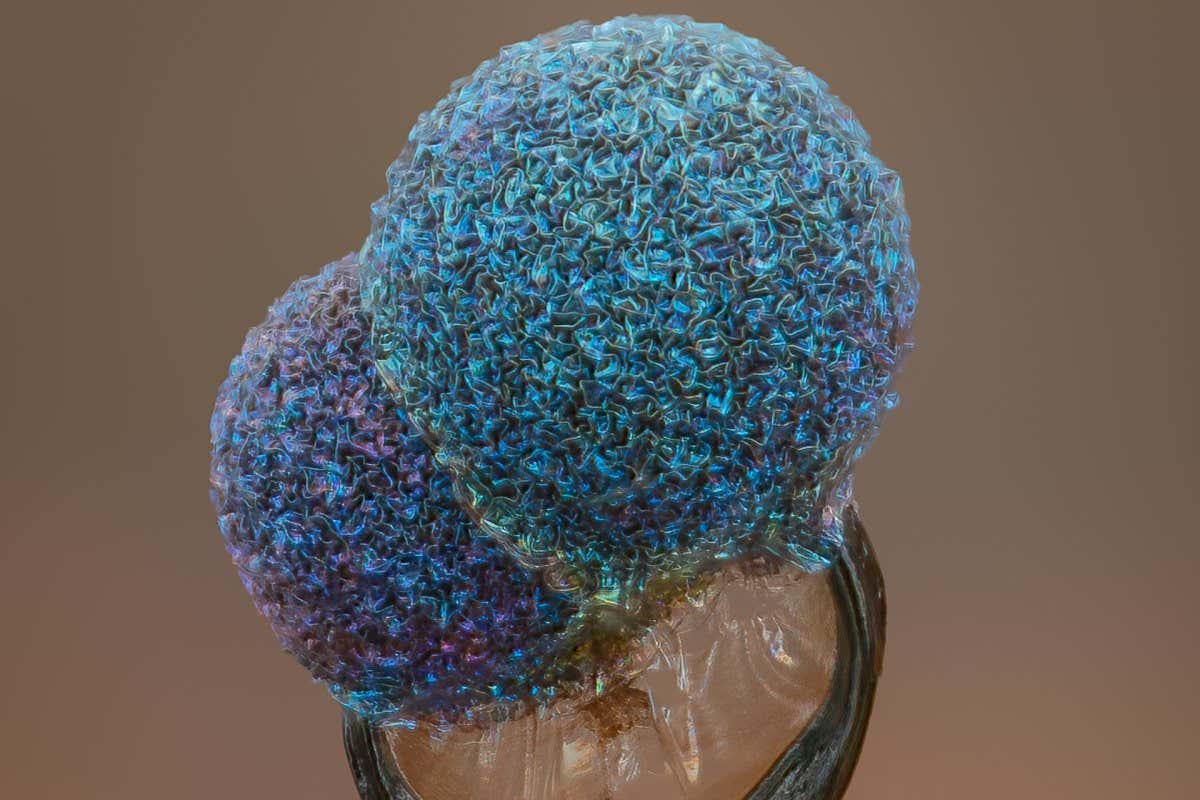
Slime mold (Lamproderma)

Dazzling photographs reveal the world on a microscopic scale

19 October 2022

From a close-up of a 1-millimetre-wide coral polyp to a shot of a tiger beetle clasping a fly, these photos are some of the top entries in the Nikon Small World 2022 Photomicrography competition


Issyk-Kul Lake (second biggest mountain lake in the world) in Kyrgyzstan in an autumn sunny day. Touristic area of this Central Asia country which has mountains in 80% of its territory. Snow visible.; Shutterstock ID 1551303815; purchase_order: -; job: -; client: -; other: -

Origin of Black Death finally found in bacteria from Kyrgyzstan graves

15 June 2022

DNA from plague bacteria has been identified in graves from 1338 in Kyrgyzstan, and these pathogens appear to be the ancestors of those that caused the Black Death


seafloor

Deep-sea microbes survive on less energy than we thought possible

5 August 2020

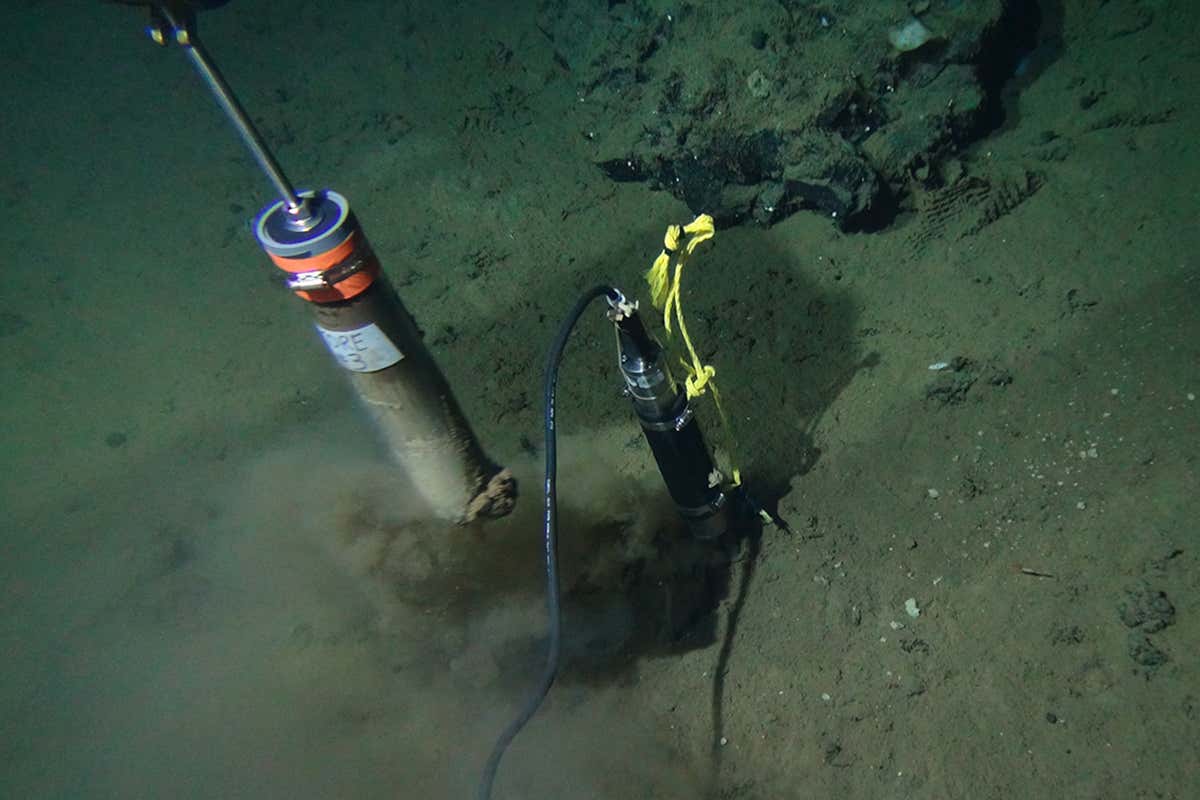
We thought we understood life’s minimal energy requirements – but microbes beneath the sea floor survive on hundreds of times less energy than we considered possible


Bacteria dug up from beneath the seabed may be 100 million years old

Bacteria dug up from beneath the seabed may be 100 million years old

28 July 2020

Beneath the Pacific Ocean there are communities of bacteria that have survived since the reign of the dinosaurs – and some individual cells may have been alive for over 100 million years


Sign up to our weekly newsletter

Receive a weekly dose of discovery in your inbox. We'll also keep you up to date with New Scientist events and special offers.

Sign up
Piano Exit Overlay Banner Mobile Piano Exit Overlay Banner Desktop