
Record-breaking number of qubits entangled in a quantum computer
12 July 2023
A group of 51 superconducting qubits have been entangled inside a quantum computer, not just in pairs but in a complex system that entangles each qubit to every other one
12 July 2023
A group of 51 superconducting qubits have been entangled inside a quantum computer, not just in pairs but in a complex system that entangles each qubit to every other one

21 June 2023
Researchers at Microsoft say they have created elusive quasiparticles called Majorana zero modes – but scientists outside the company are sceptical
14 June 2023
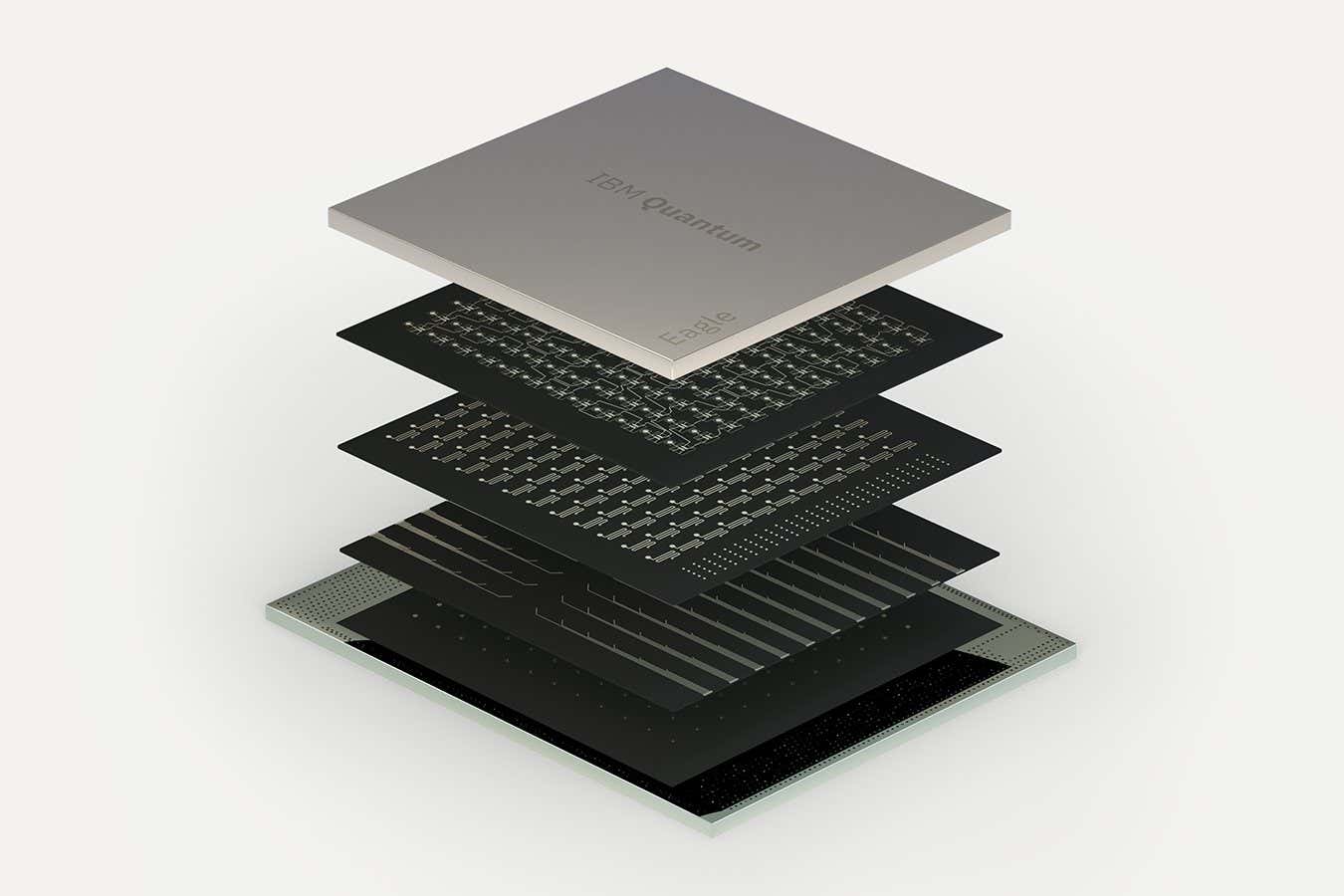
Researchers at IBM pitted their 127-qubit Eagle quantum computer against a conventional supercomputer in a challenge to perform a complex calculation – and the quantum computer won

8 June 2023
A chip-sized device can manipulate particles of sound in a way that mimics how particles of light are used in light-based quantum computers, opening the door for building sound-based quantum computers
10 May 2023
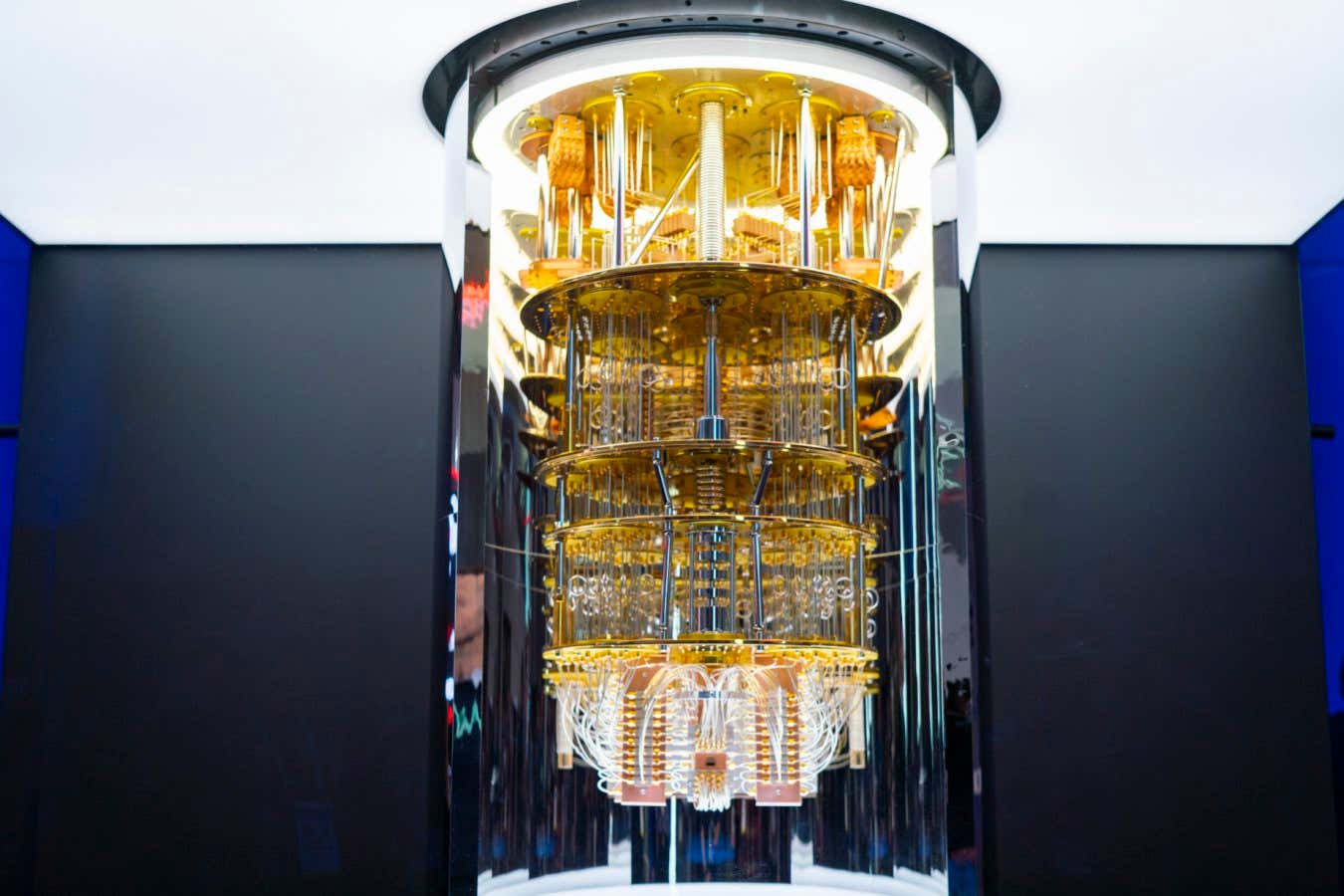
A Bell test can confirm whether two systems are truly entangled – it has now been used to confirm entanglement between qubits in a superconducting circuits
9 May 2023
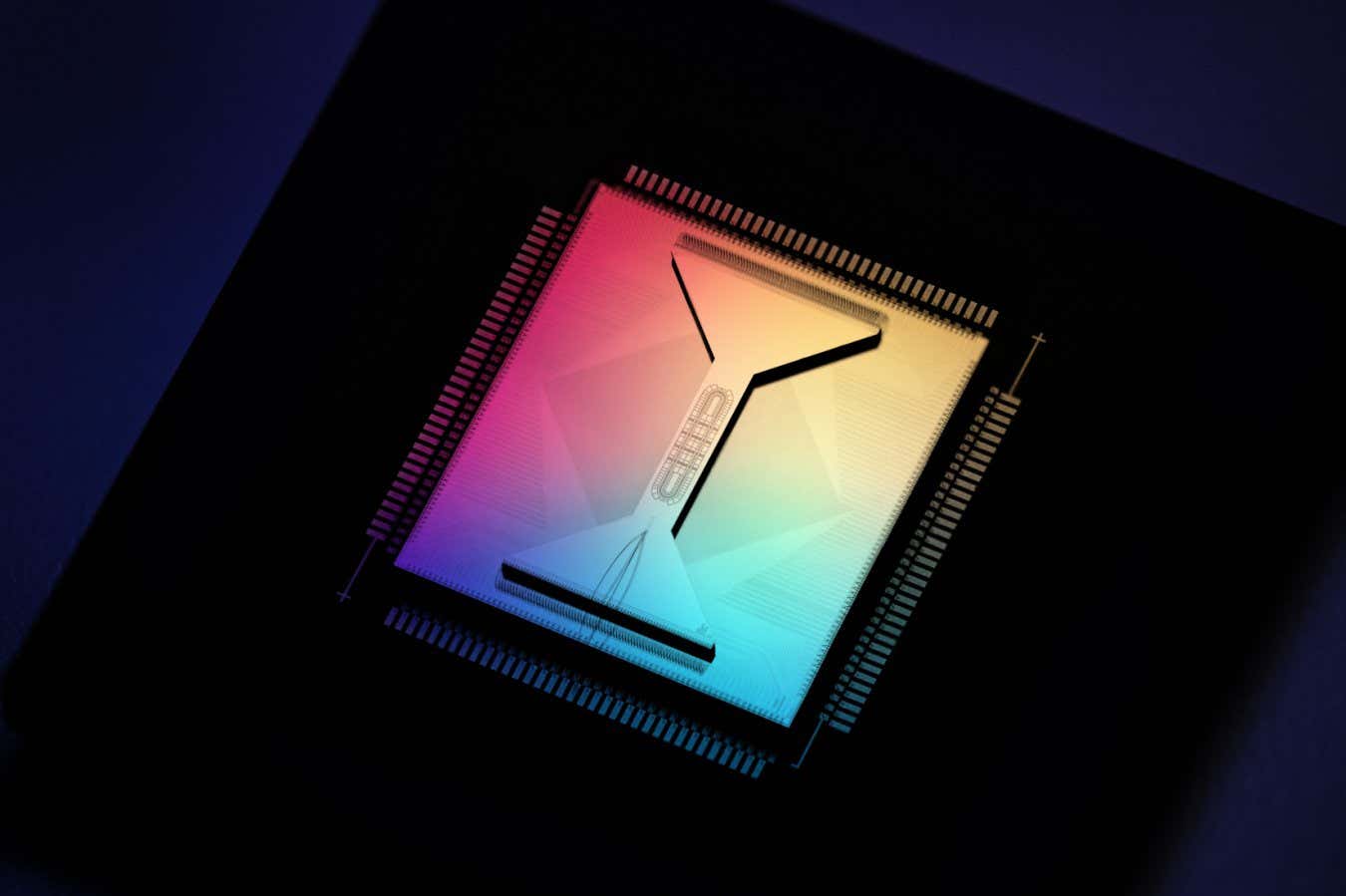
Particles with unusual properties called anyons have long been sought after as a potential building block for advanced quantum computers, and now researchers have found one – using a quantum computer
23 February 2023
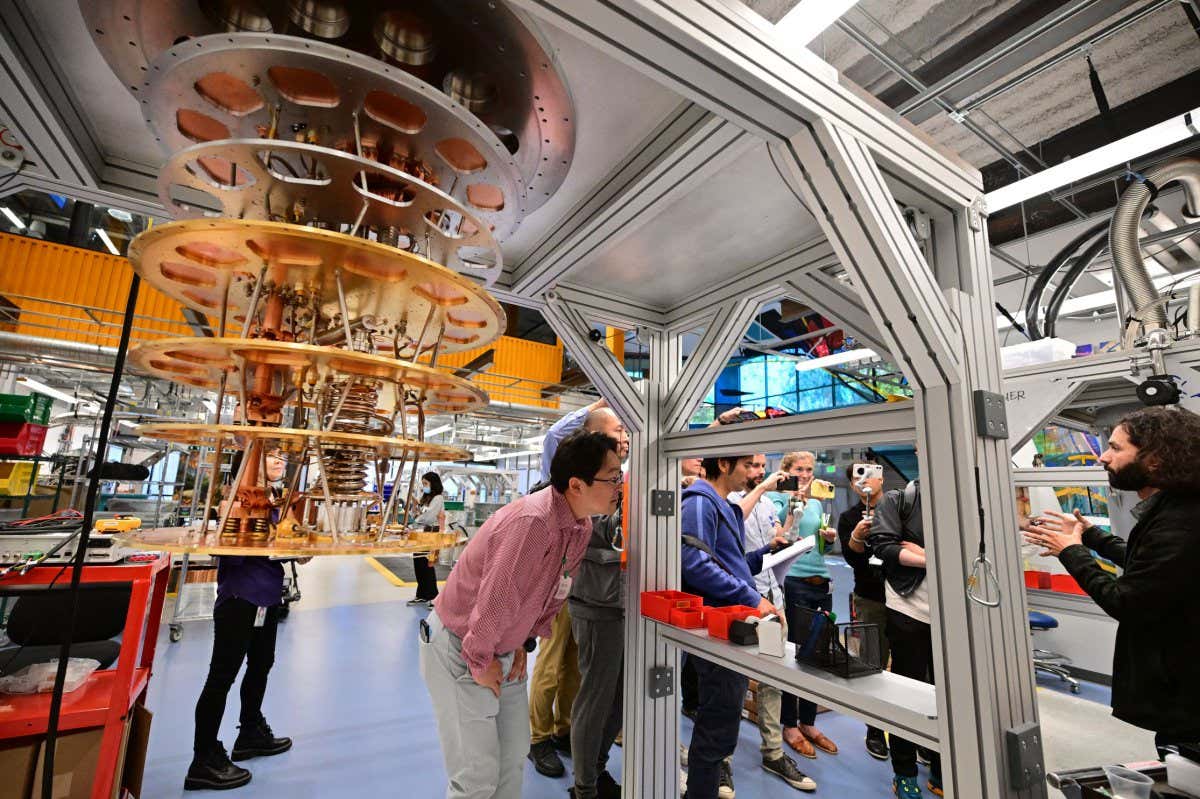
For the first time, Google has shown it is possible to reduce the overall number of errors produced by a quantum computer, meaning it should be possible to build larger, useful devices

30 November 2022
Researchers have used Google's Sycamore quantum computer to simulate a simplified wormhole for the first time, and sent a piece of quantum information through it
18 August 2022
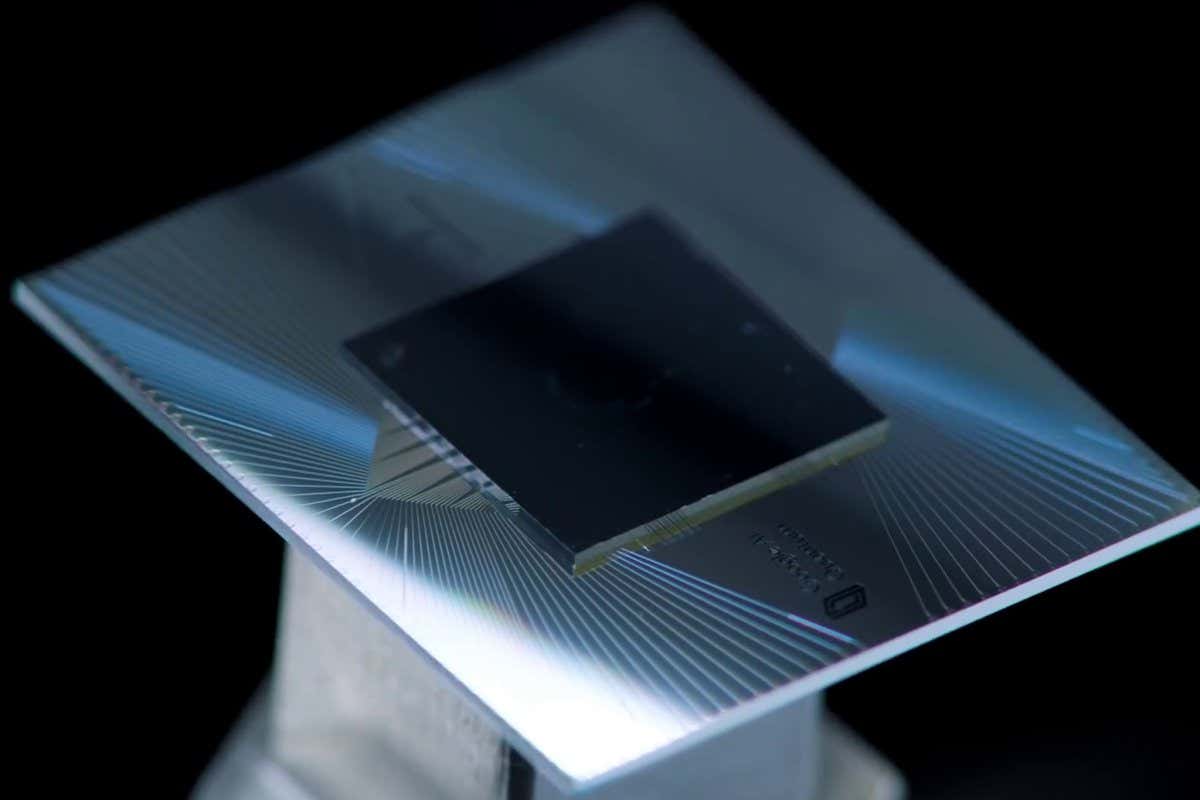
In 2019, Google showed that its Sycamore quantum computer could solve a problem that no ordinary computer could handle - but now a new algorithm gives non-quantum devices the edge
9 June 2022
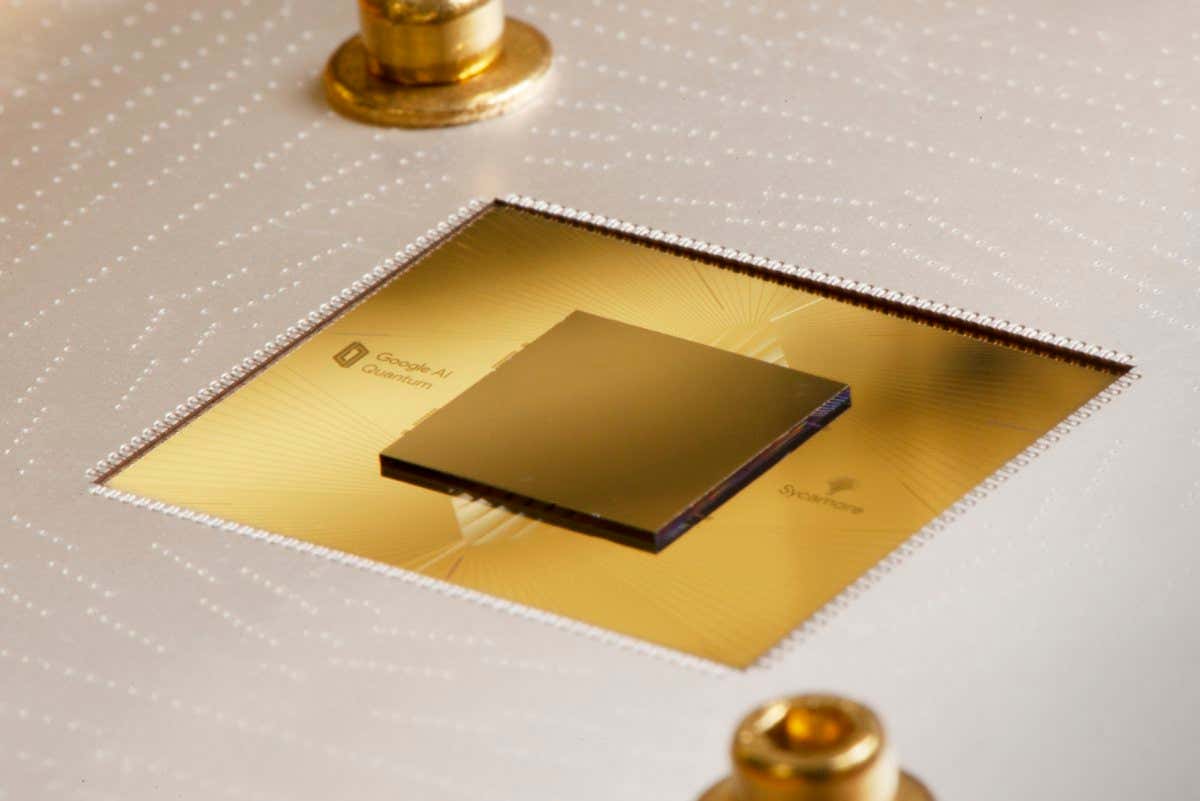
Not only do quantum computers have the edge over classical computers on some tasks, but they are also exponentially faster, according to a new mathematical proof
