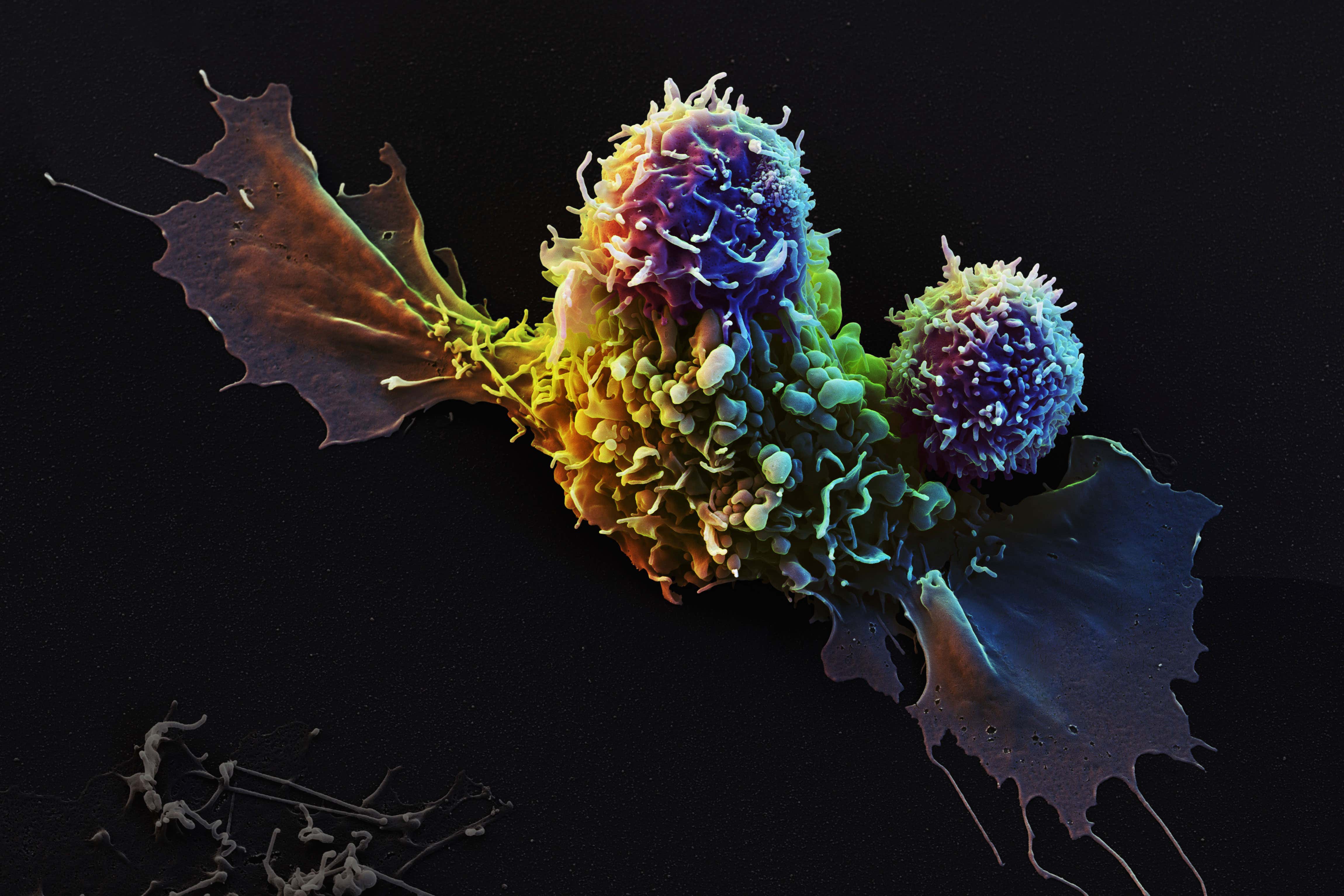
Personalised cancer treatments are becoming more common in the UK
15 July 2019
A UK survey has found that many people with cancer are receiving personalised treatments instead of broad-brush approaches like chemotherapy
15 July 2019
A UK survey has found that many people with cancer are receiving personalised treatments instead of broad-brush approaches like chemotherapy
9 July 2019
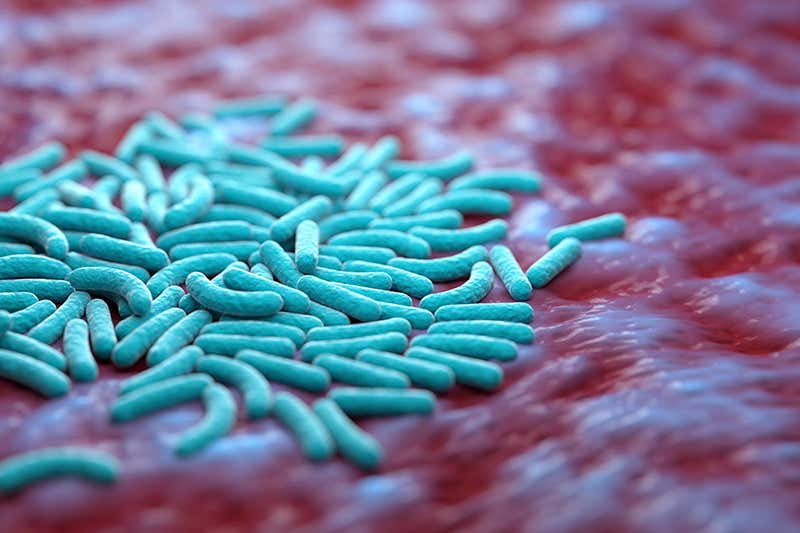
Women who are genetically at risk for ovarian cancer have lower levels of protective strains of bacteria, similar to women who have the disease
9 July 2019
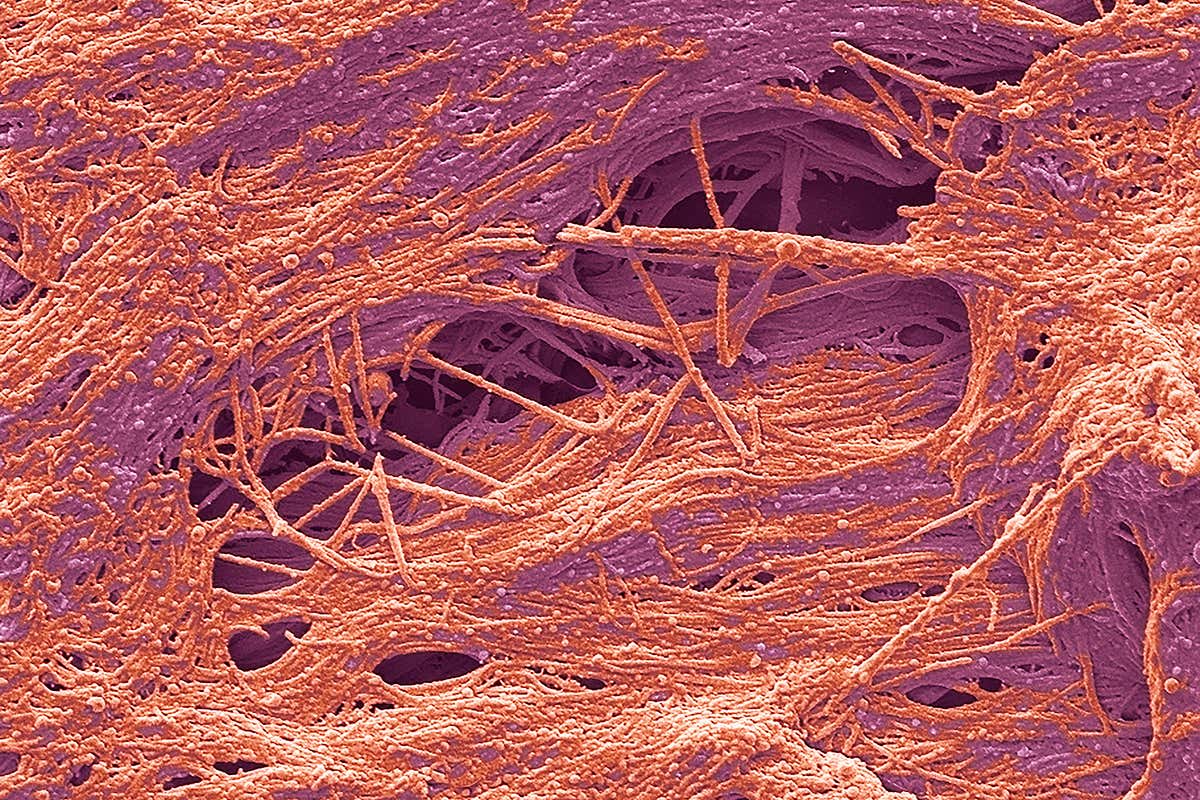
A therapy that uses RNA interference to treat the rare condition hereditary transthyretin-mediated amyloidosis has been approved for NHS use in England

11 May 2018
Many of us carry DNA inherited from Neanderthals, but we can’t be sure how it affects us. Stem cells with Neanderthal DNA could tell us
29 March 2018
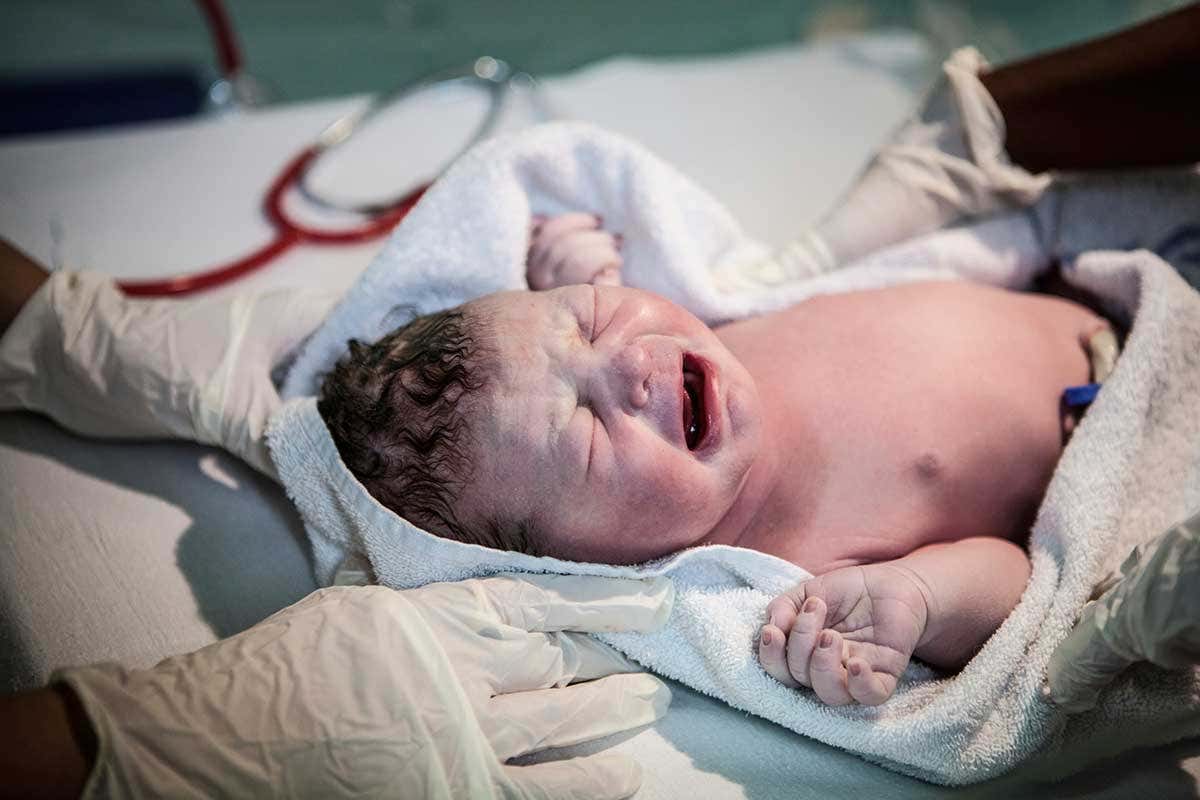
A new bioethics briefing highlights restrictions on genomic screening of newborn children. Should it be tightly controlled, wonders Alex Pearlman

23 March 2018
How well your kids do at school depends in part on the DNA you bequeathed them. What’s not clear is what we should do about this
2 February 2018
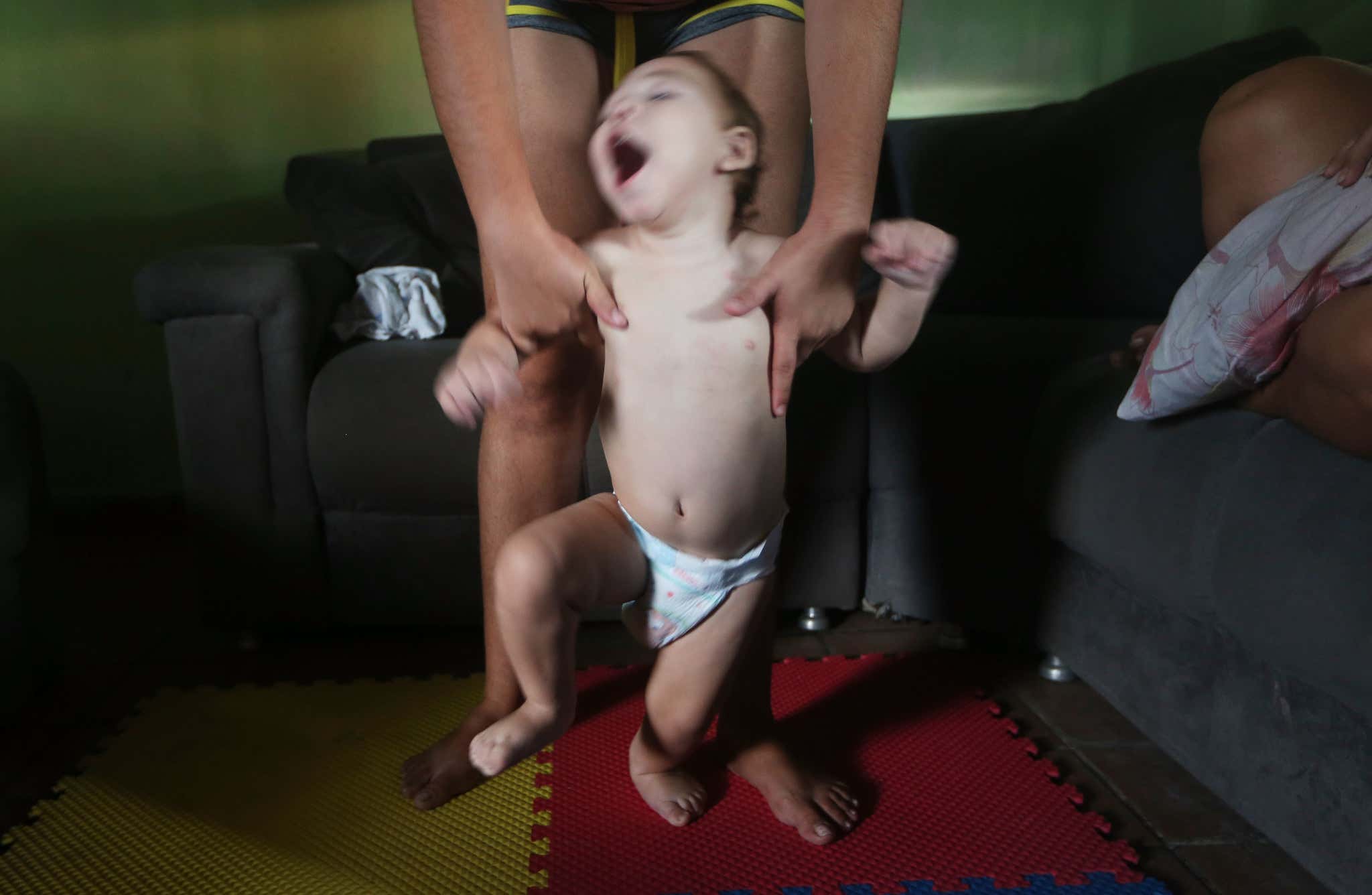
One in 10 babies exposed to the Zika virus during pregnancy develop abnormally small heads. A study of twins in Brazil suggests gene activity may decide which

13 October 2017
A colt with googly eyes and a very "dished" head is the latest example of a trend for animals with "cute" looks that raise health risks, says Danny Chambers
10 August 2017
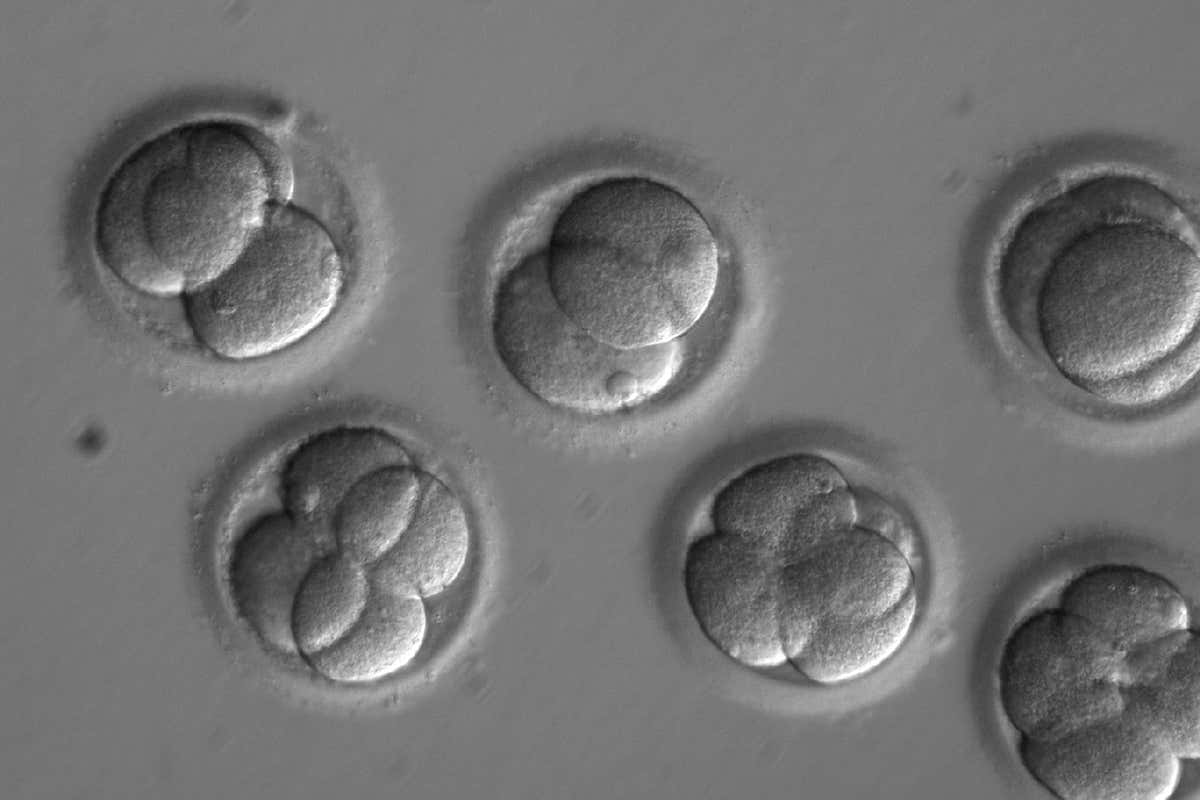
Hopes are high that gene editing embryos can ease inherited disease. The first such babies are likely within five years, but not in the US, says Jim Kozubek
5 July 2017
The UK wants to make genomics a central part of healthcare, but we don't yet know enough about our genes to be sure it will bring benefits
