Subscribe now
New Scientist recommends: Tomorrow, and Tomorrow, and Tomorrow

New Scientist recommends: Tomorrow, and Tomorrow, and Tomorrow

19 July 2023

The books, TV, games and more that New Scientist staff have enjoyed this week


New Scientist recommends: Pod and Women on Nature

New Scientist recommends: Pod and Women on Nature

12 July 2023

The books, TV, games and more that New Scientist staff have enjoyed this week
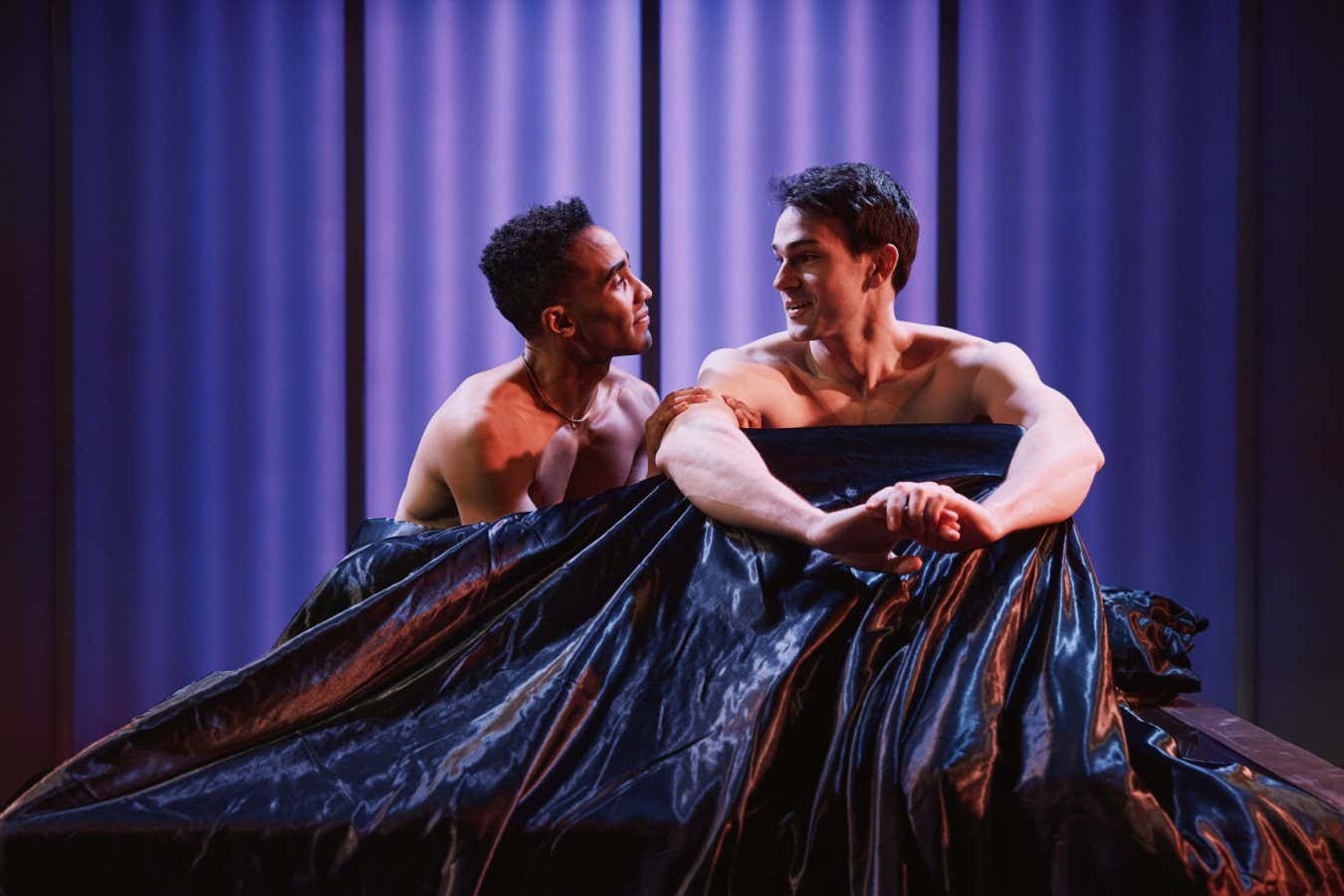

Love + Science, a new play by scientist and writer David J. Glass. Production image

New Scientist recommends: Love + Science and The Price of Peace

5 July 2023

The books, TV, games and more that New Scientist staff have enjoyed this week


Atlanta Botanical Garden Atlanta in Georgia ?Trolls: Save the Humans? with Danish artist Thomas Dambo

New Scientist recommends: Troll sculptures at Atlanta Botanical Garden

14 June 2023

The books, TV, games and more that New Scientist staff have enjoyed this week
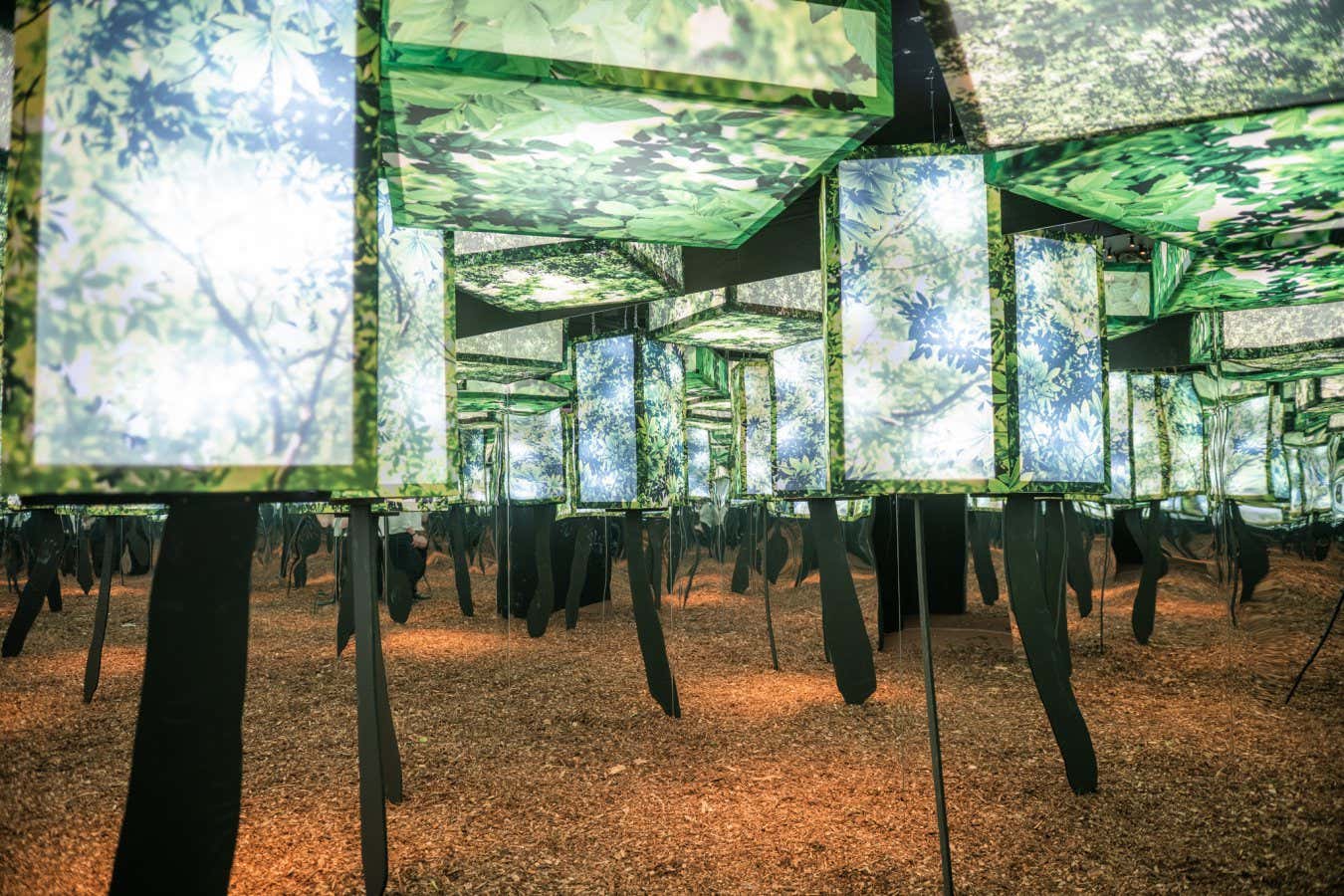

Dopamine Land - London

New Scientist recommends: Martin MacInnes's transcendent In Ascension

24 May 2023

The books, TV, games and more that New Scientist staff have enjoyed this week
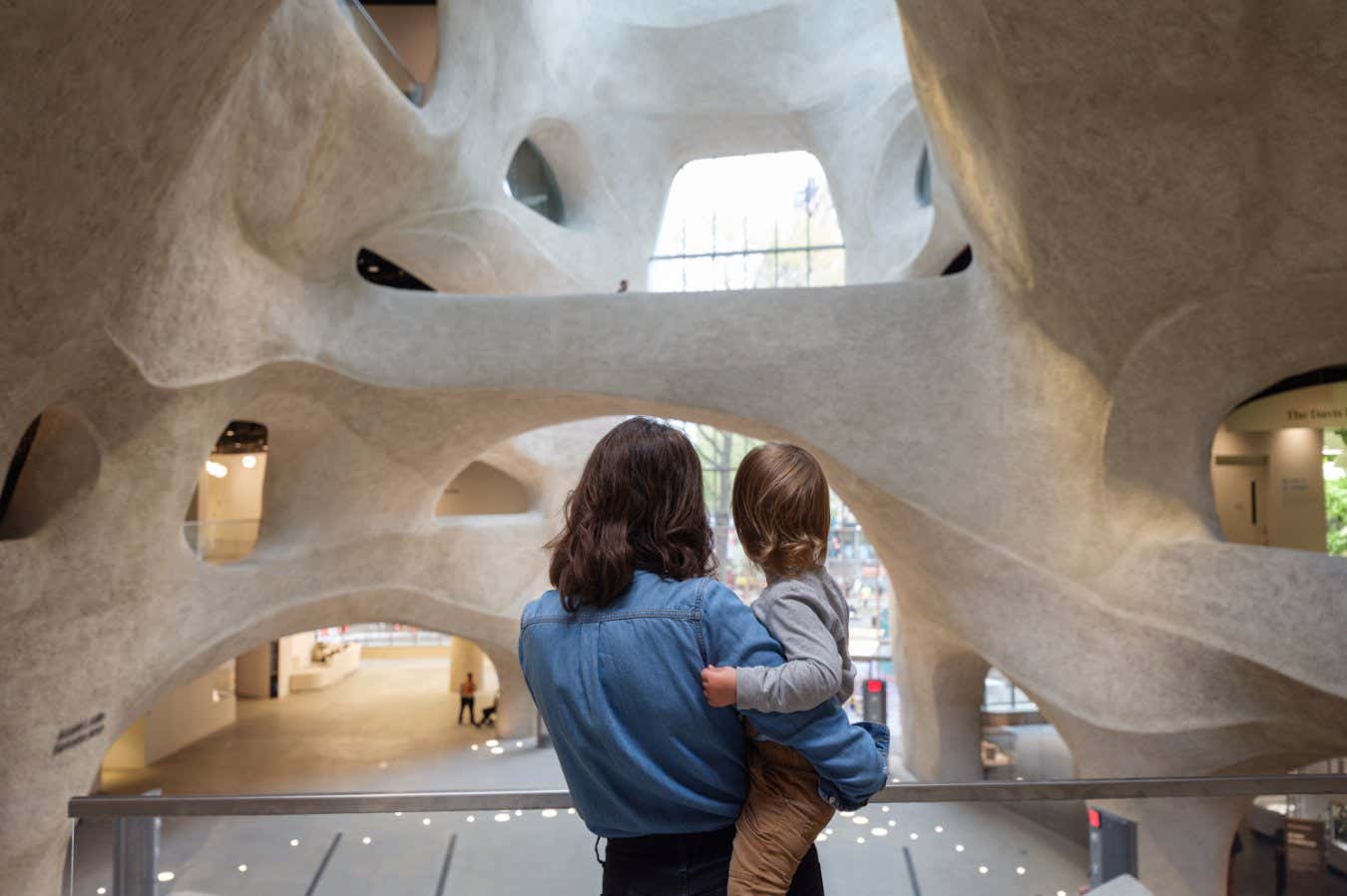

The architecture of the five-story Kenneth C. Griffin Exploration Atrium in the new Richard Gilder Center for Science, Education, and Innovation is inspired by natural Earth processes of wind and water and the ways in which they shape landscapes that are exciting to explore. The Griffin Atrium serves as a gateway into the Museum from Columbus Avenue, featuring skylights for natural illumination and alluring sightlines that invite visitors to explore various levels and galleries, including the new Susan and Peter J. Solomon Family Insectarium and Louis V. Gerstner, Jr. Collections Core. Located on the second floor, the landing at the top of the staircase opens up to the full scope of the Kenneth C. Griffin Atrium, with views of the Gilder Center???s new engaging exhibits. 2. Kenneth C. Griffin Exploration Atrium Alvaro Keding/? AMNH Description: The architecture of the five-story Kenneth C. Griffin Exploration Atrium in the new Richard Gilder Center for Science, Education, and Innovation is inspired by natural Earth processes of wind and water and the ways in which they shape landscapes that are exciting to explore. The Griffin Atrium serves as a gateway into the Museum from Columbus Avenue, featuring skylights for natural illumination and alluring sightlines that invite visitors to explore various levels and galleries, including the new Susan and Peter J. Solomon Family Insectarium and Louis V. Gerstner, Jr. Collections Core. Located on the second floor, the landing at the top of the staircase opens up to the full scope of the Kenneth C. Griffin Atrium, with views of the Gilder Center?s new engaging exhibits. Usage rights: PLEASE NOTE: These images are supplied solely for one-time use by print, broadcast, and online media for publicity purposes related to The Richard Gilder Center for Science, Education, and Innovation press preview. No other use of these images is permitted without the express written permission of the Museum and/or the owners of the images. Unique identifier: AN1525680

The Gilder Center review: How to draw in more natural history fans

17 May 2023

An enticingly designed addition to the American Museum of Natural History in New York aims to connect all forms of life, from leafcutter ants to humans. Its engaging exhibits look sure to win more fans for the natural world


Addicted to Drama: Find out what it means to be called a 'drama queen'

Addicted to Drama: Find out what it means to be called a 'drama queen'

17 May 2023

Is whipping up drama from everyday life down to personality? Or could it be caused by something deeper that warrants investigation? Scott Lyons's new book explores what might fuel those who thrive on the dramatic
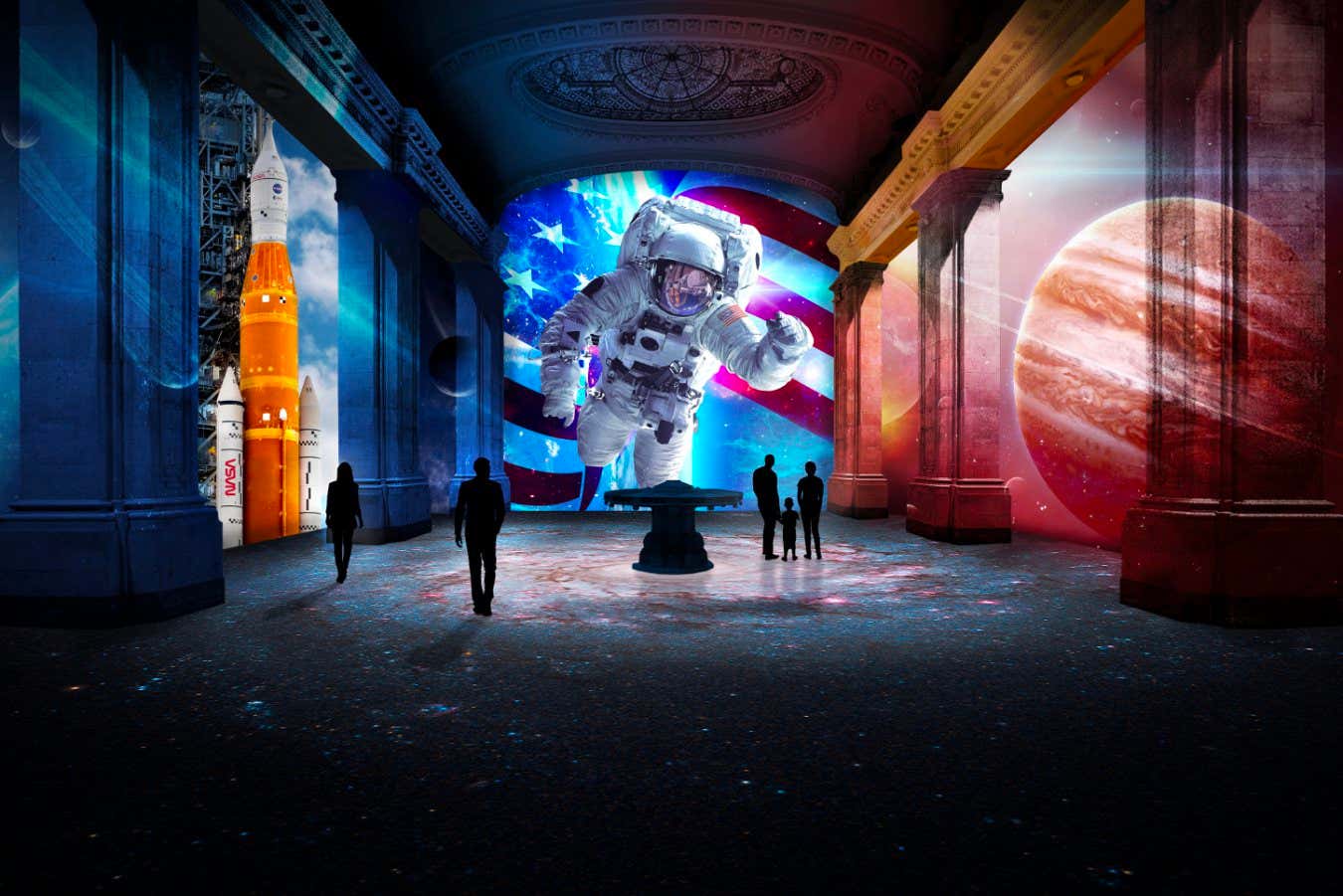

Destination Cosmos Hero Render Culturespaces, with participation from the National Aeronautics and Space Administration (NASA) and in partnership with CNES, announced today that Hall des Lumi?res will offer a new, limited-time exhibit: Destination Cosmos: The Immersive Space Experience. Opening April 7 and running through June 4, 2023, the digital exhibition will launch guests on a gripping voyage across the universe. Destination Cosmos: The Immersive Space Experience transports the public to a maze of stars, planets, nebulae, and supernovae. Composed of 13 sequences and a prologue, the unique journey of discovery begins at Cape Canaveral and ends in the universe's outer reaches. After departing from Earth, visitors are invited to travel over Martian canyons alongside rovers (space exploration vehicles), dive into the heart of Jupiter, glide across the rings of Saturn, and explore beyond the frontiers of our solar system to experience the immensity of our universe. Thanks to stunning images from NASA that bring this exhibition to life, Destination Cosmos will allow visitors to embark on a unique voyage into space and time through visuals and a curated soundtrack. Destination Cosmos begins in darkness and fills the hall with a starry sky where constellations emerge to create The Ancient Human Dream of Space Exploration, setting the stage for the exhibition. Following a succession of ancient illustrations, the exhibition then proceeds into The Space Race: Destination Moon, featuring Yuri Gagarin?s first manned space flights, from the spacecraft production to the pop culture phenomenon, and the Apollo missions conducted by the Americans in the 1960s, allowing the visitors to experience Neil Armstrong?s first footstep on the surface of the Moon. It brings to life Armstrong?s famous reaction, ?one small step for man, one giant leap for mankind.?

Don't Miss: Destination Cosmos delivers a magical tour of the universe

10 May 2023

New Scientist's weekly round-up of the best books, films, TV series, games and more that you shouldn't miss
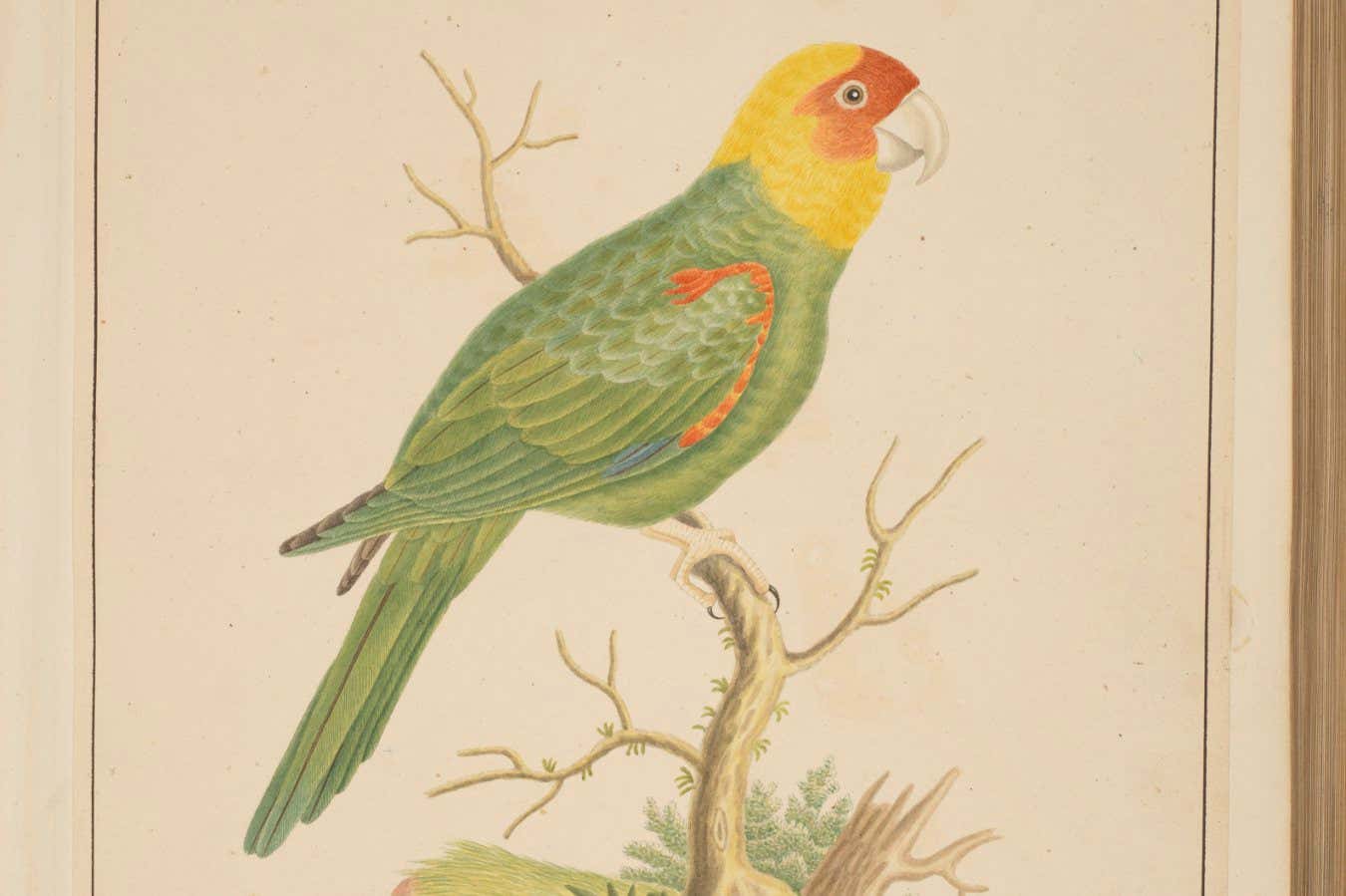

Birds of Georgia, John Abbot, United States, 1804. (Egerton Ms 1137, f. 28

Don't Miss: Centuries worth of artefacts from documenting animals

3 May 2023

New Scientist's weekly round-up of the best books, films, TV series, games and more that you shouldn't miss


Cosmo Sheldrake

Wild Wet World and Torus review: Transmuting obscure worlds into music

3 May 2023

Giving musical voice to the deep ocean and to the complex shapes of geometry is a serious ask. But composers Cosmo Sheldrake and Emily Howard manage this tough brief with aplomb


Sign up to our weekly newsletter

Receive a weekly dose of discovery in your inbox. We'll also keep you up to date with New Scientist events and special offers.

Sign up
Piano Exit Overlay Banner Mobile Piano Exit Overlay Banner Desktop