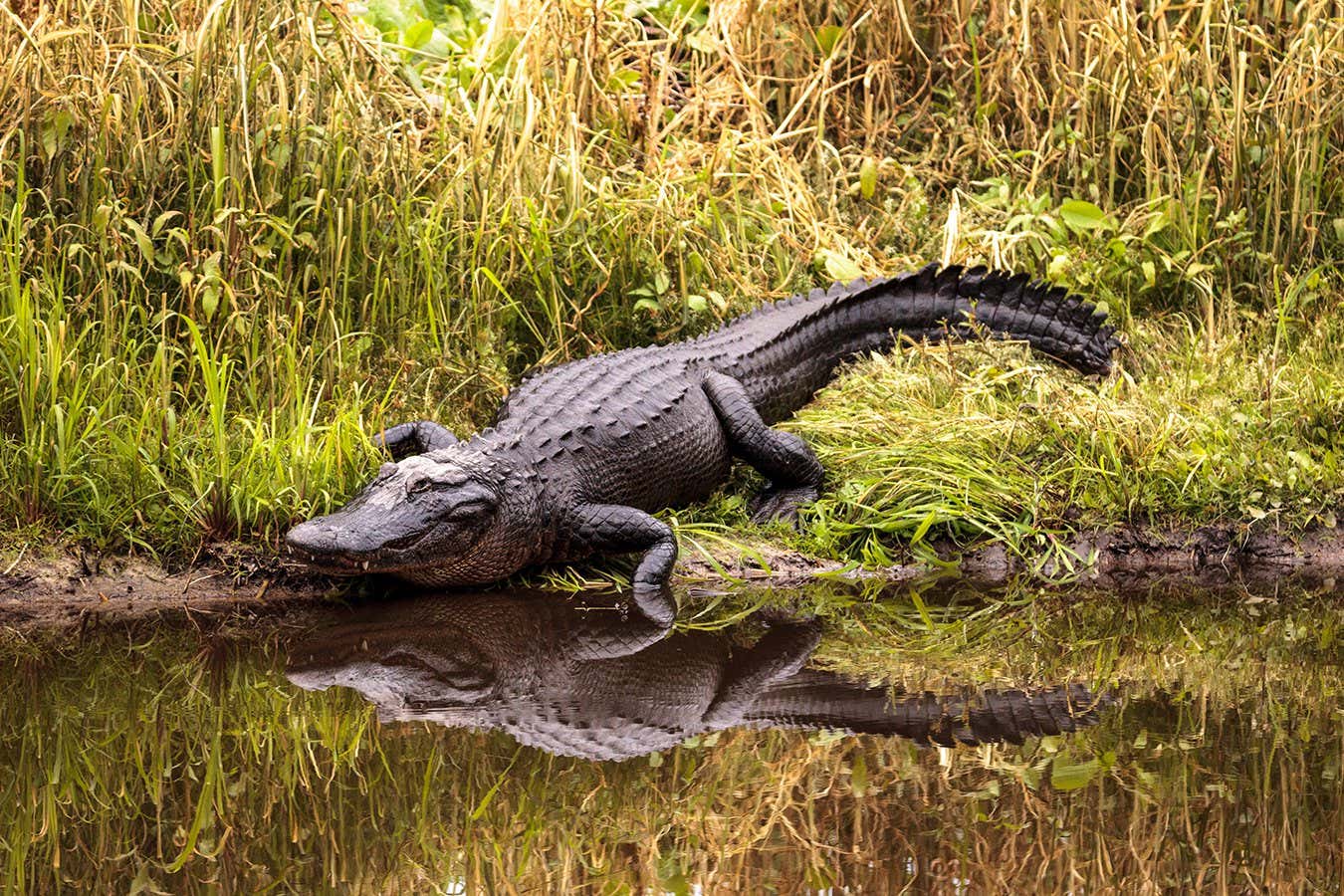
Alligators create hotspots for life by digging holes with their snouts
11 June 2023
Alligator ponds have a greater diversity and abundance of plants and animals compared with the surrounding marsh, and offer aquatic refuge in dry months
11 June 2023
Alligator ponds have a greater diversity and abundance of plants and animals compared with the surrounding marsh, and offer aquatic refuge in dry months
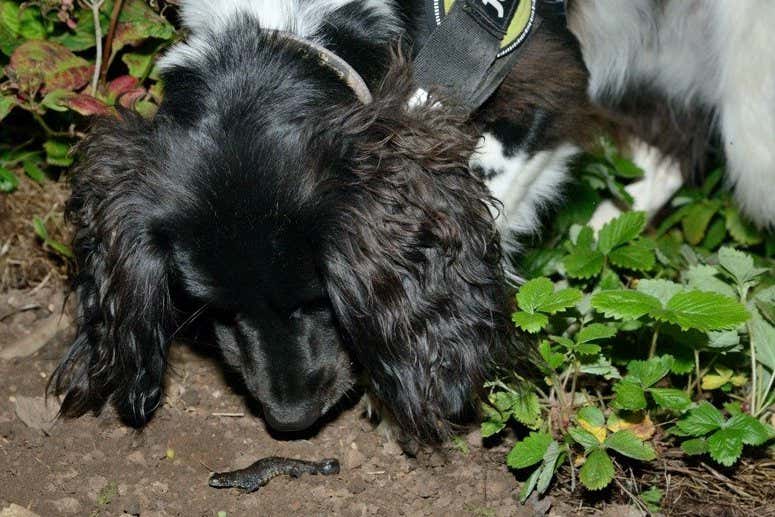
7 June 2023
Great crested newts live mostly underground, so they’re tricky to find – a researcher trained her dog, Freya, to detect the threatened amphibians deep in the soil with more than 87 per cent accuracy
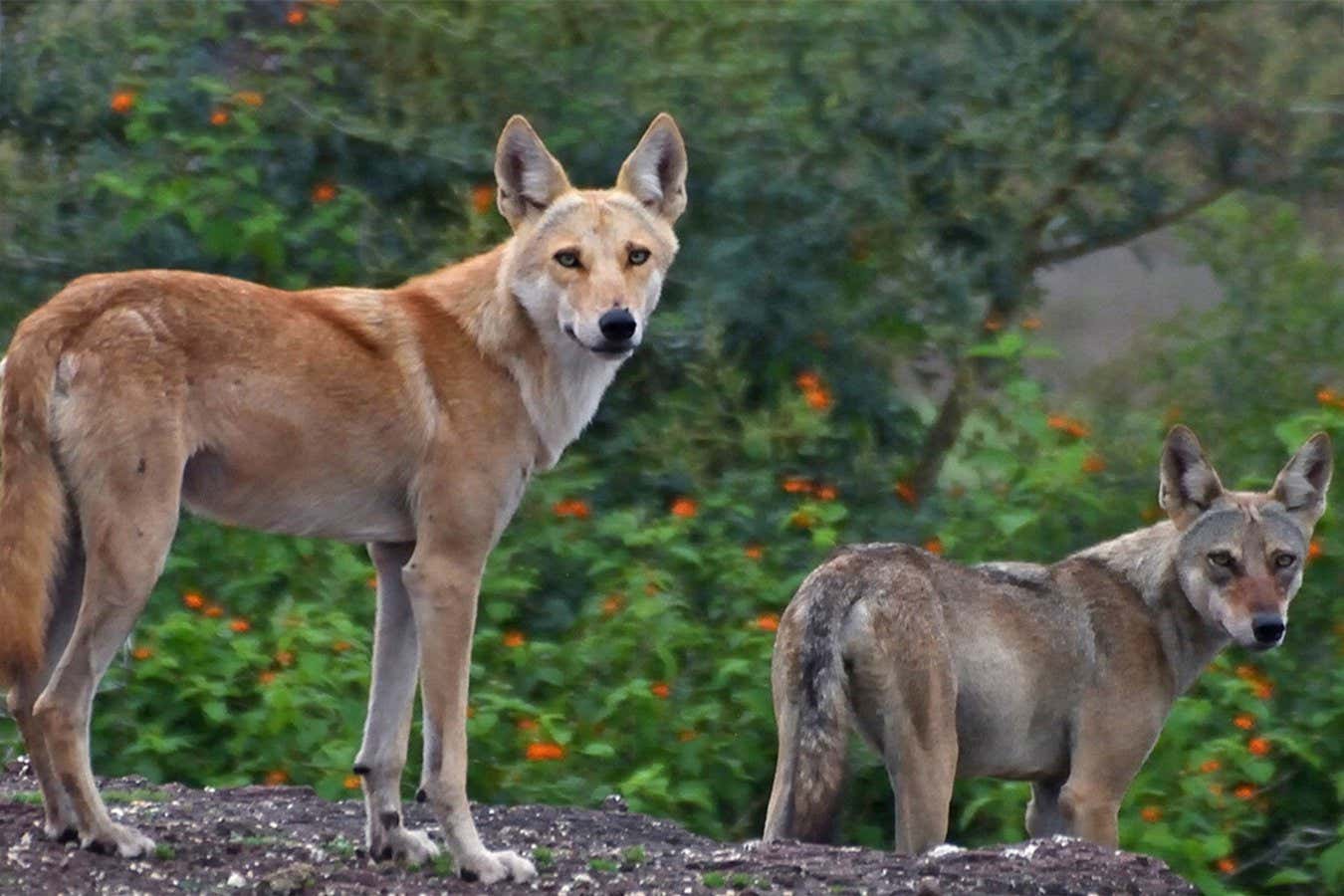
28 May 2023
A strange canine was spotted in a pack of wolves near Pune in western India, but it stood out for its lighter coat and dog-like facial features. It was confirmed to be a wolf-dog hybrid through genetic sequencing
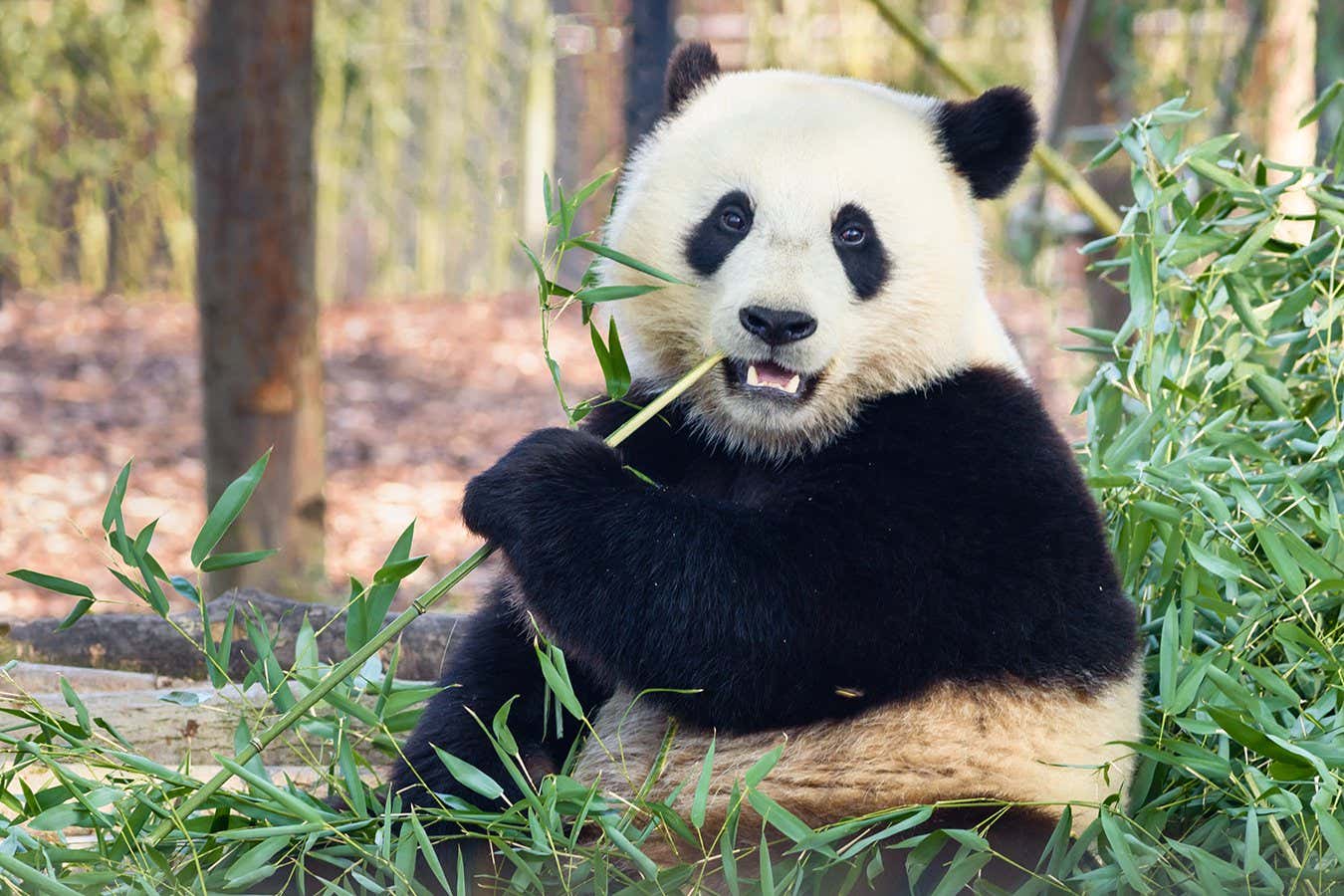
17 March 2023
Most of the contracts loaning giant pandas to US zoos are expiring without extensions – some say this could be a reflection of rising tensions between the US and China, though others suggest it may be coincidence
17 March 2023
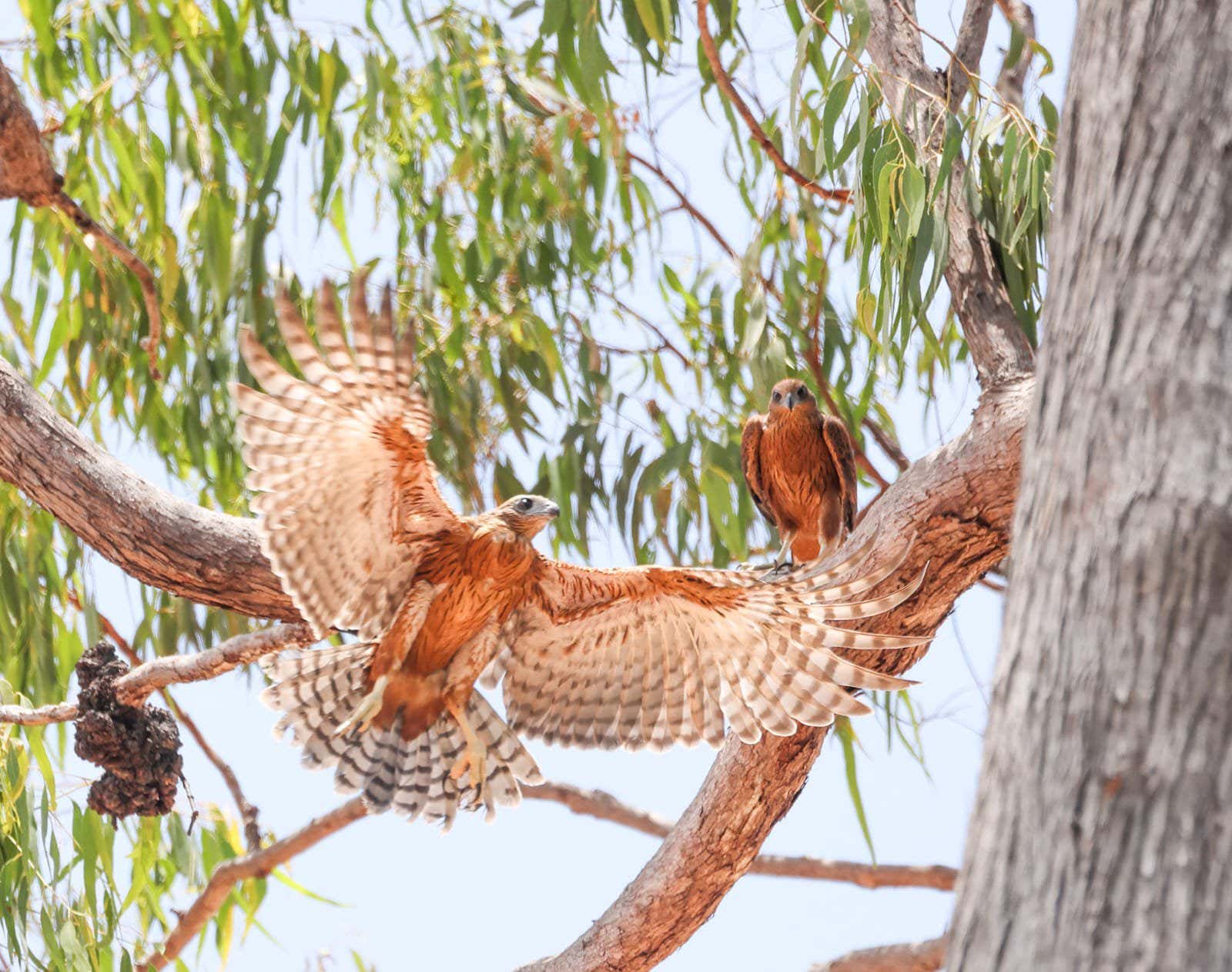
Just 44 years ago, red goshawks were found along Australia’s eastern coastline. But the copper-feathered predators are now missing from 34 per cent of their former range
4 March 2023
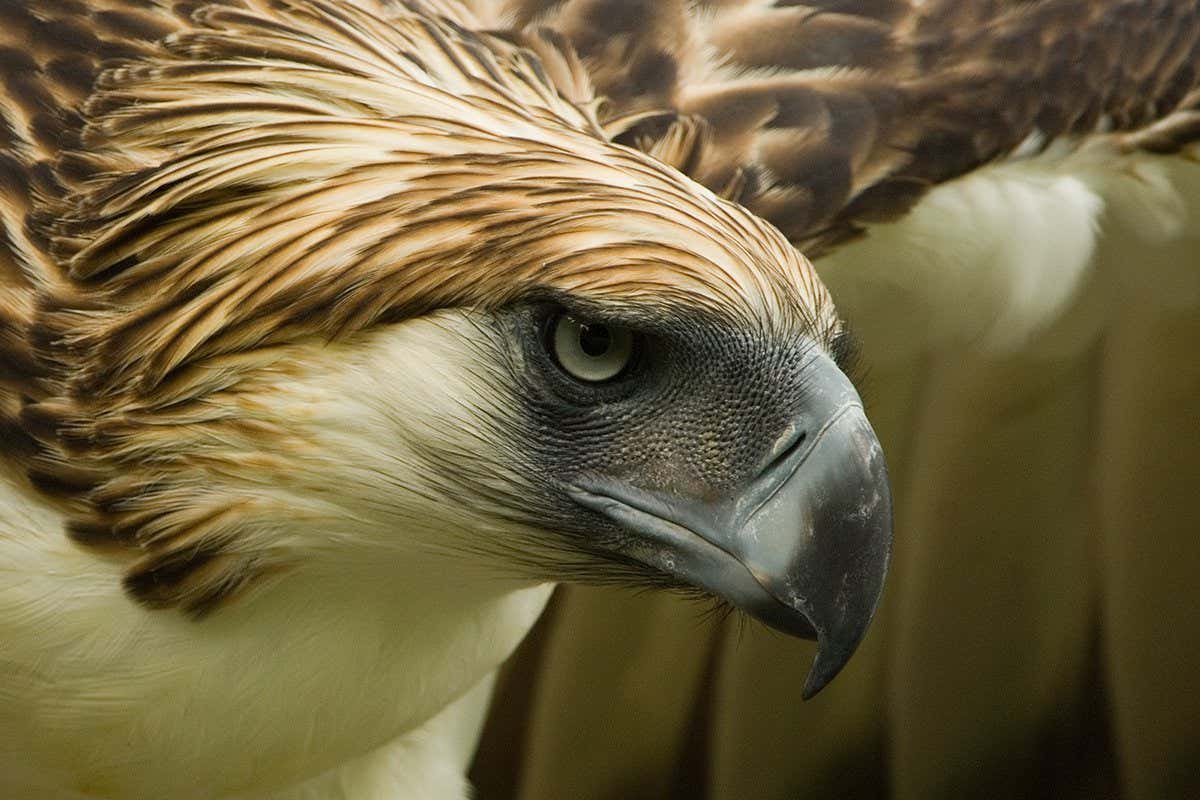
Philippine eagles are one of the largest living eagle species and require a huge territory to thrive. A mapping project found that there may be fewer than a thousand individuals left
22 March 2022
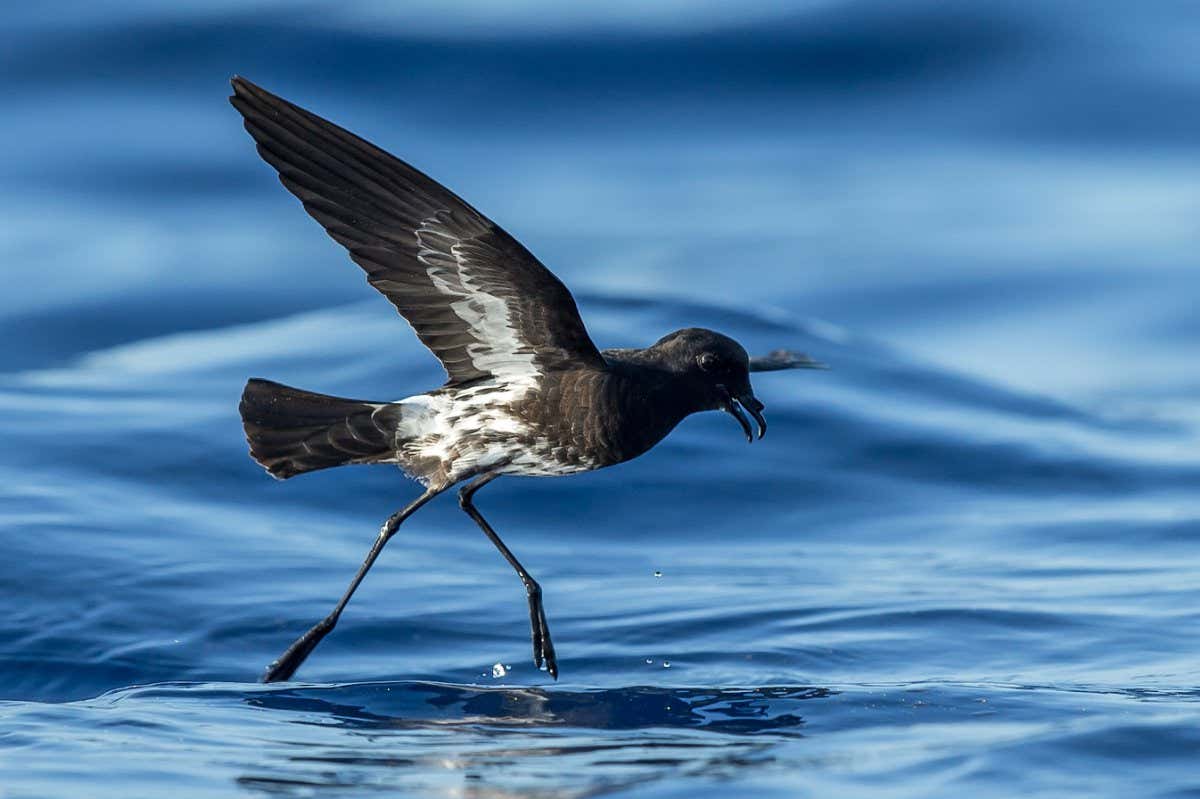
Scientists estimate there are just 100 to 1000 breeding pairs of New Caledonia storm petrels, which have been identified on the South Pacific Ocean
13 October 2021
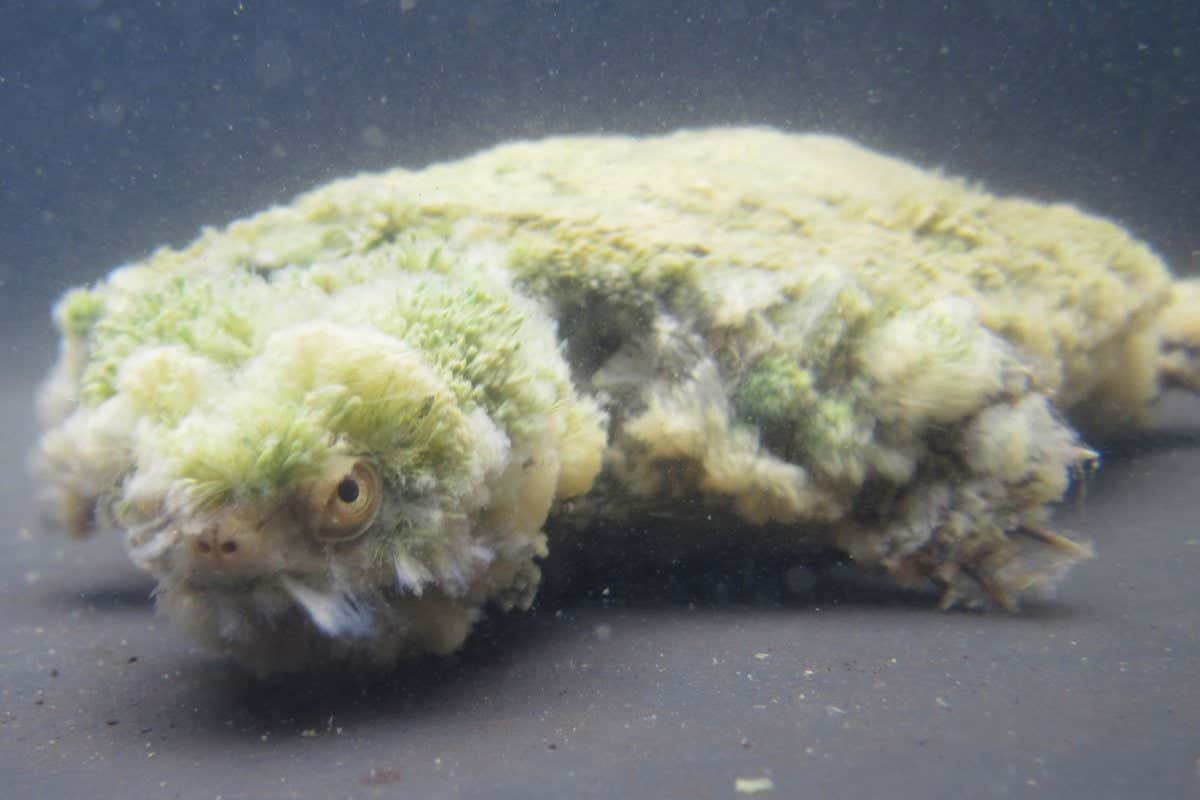
The first analysis of species that have evolved in isolation for millions of years has found that many – including Australia’s western swamp turtle – are under threat
30 July 2021
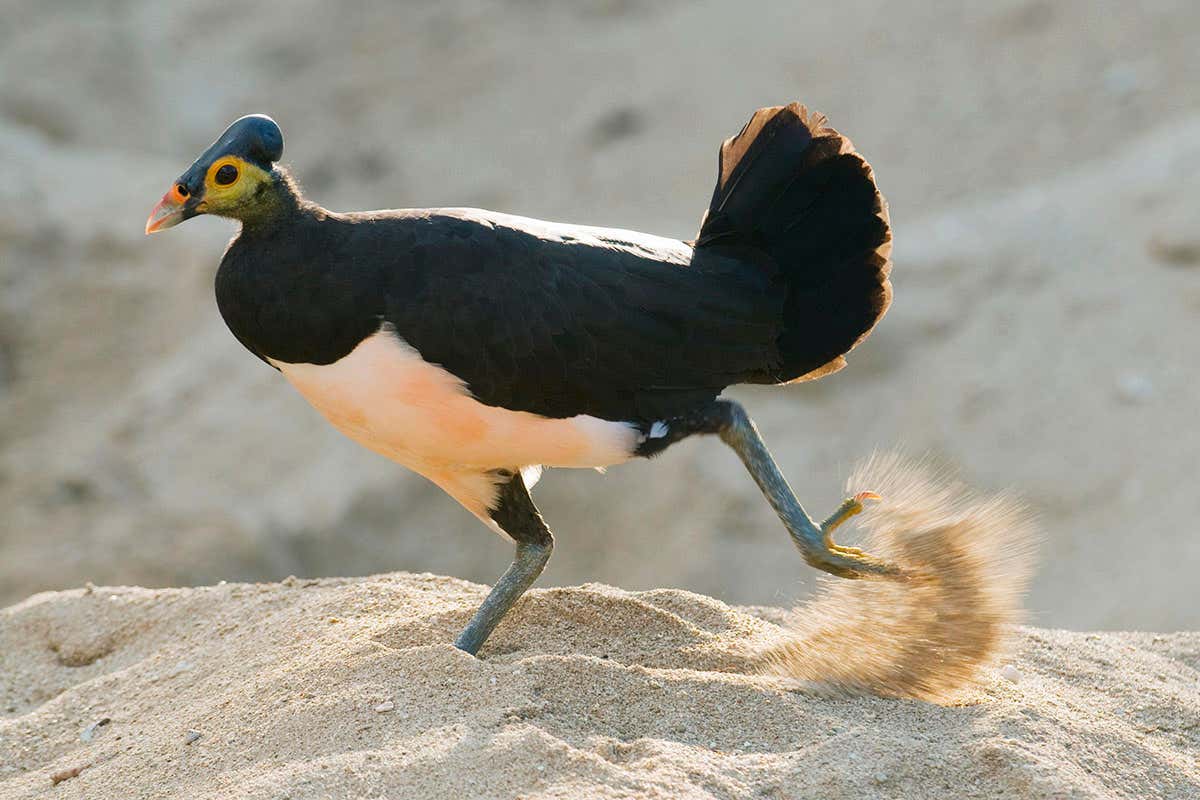
Maleos, colourful Indonesian birds that look a bit like quirky chickens, are endangered. But an initiative to protect the species has helped boost the number of nesting birds at some sites
27 October 2020
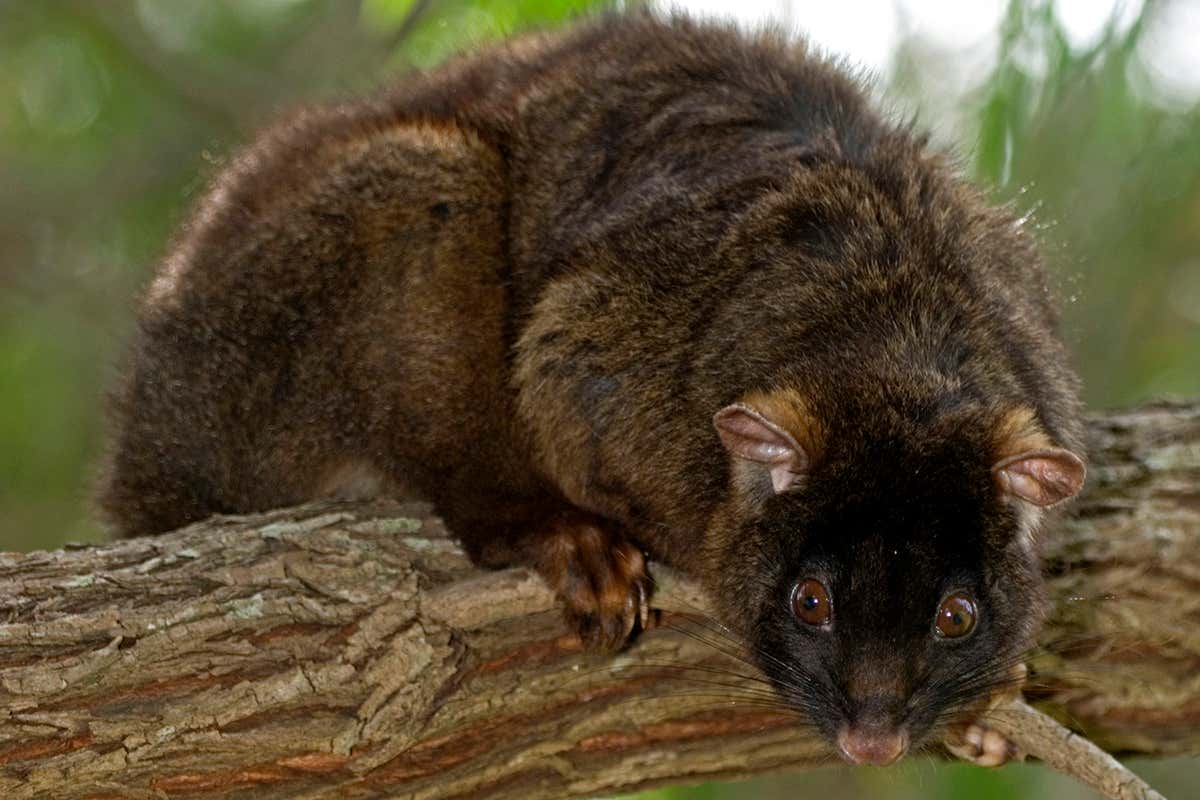
Western ringtail possums are critically endangered, and habitat loss has reduced their range – but now they have moved into residential urban gardens
