Subscribe now
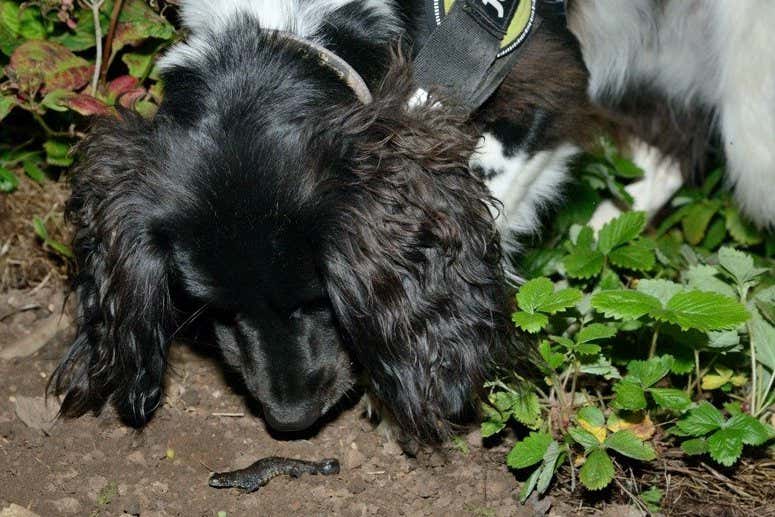
Two year old English springer spaniel, Freya, has been trained to detect great crested newts

Newt-sniffing dog called Freya is helping to locate elusive amphibians

7 June 2023

Great crested newts live mostly underground, so they’re tricky to find – a researcher trained her dog, Freya, to detect the threatened amphibians deep in the soil with more than 87 per cent accuracy

Why we should do more to protect frogs and toads

Why we should do more to protect frogs and toads

31 May 2023

Amphibians could help cure our ills, from diabetes to fungal infections – if they don't go extinct first, says Matthew Gould


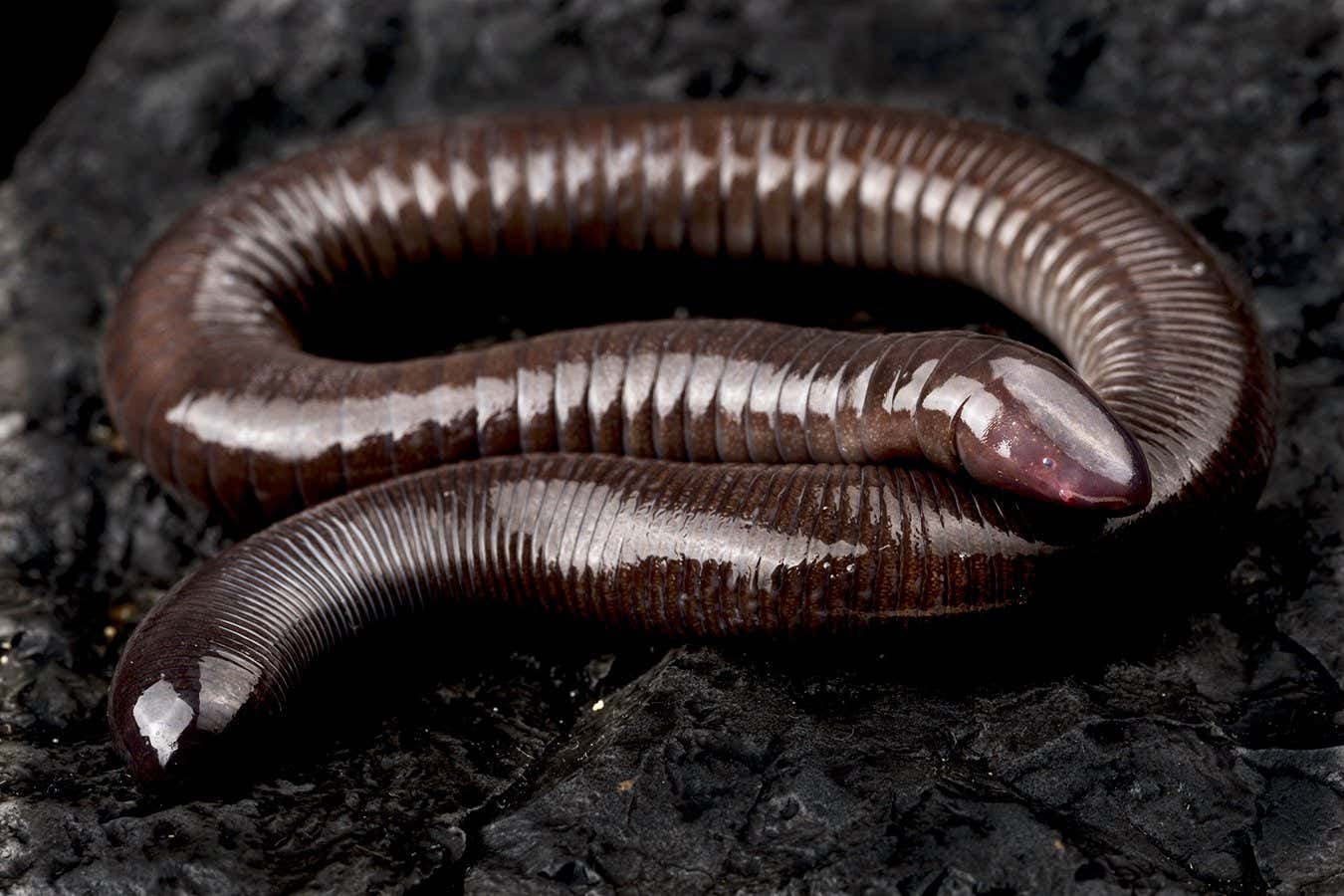
Mexican burrowing caecilian (Dermophis mexicanus)

Weird skin-eating amphibians have no legs due to snake-like mutation

23 April 2023

Worm-like amphibians called caecilians have a mutation in a genetic sequence that’s critical for limb development, which could explain how they became limbless


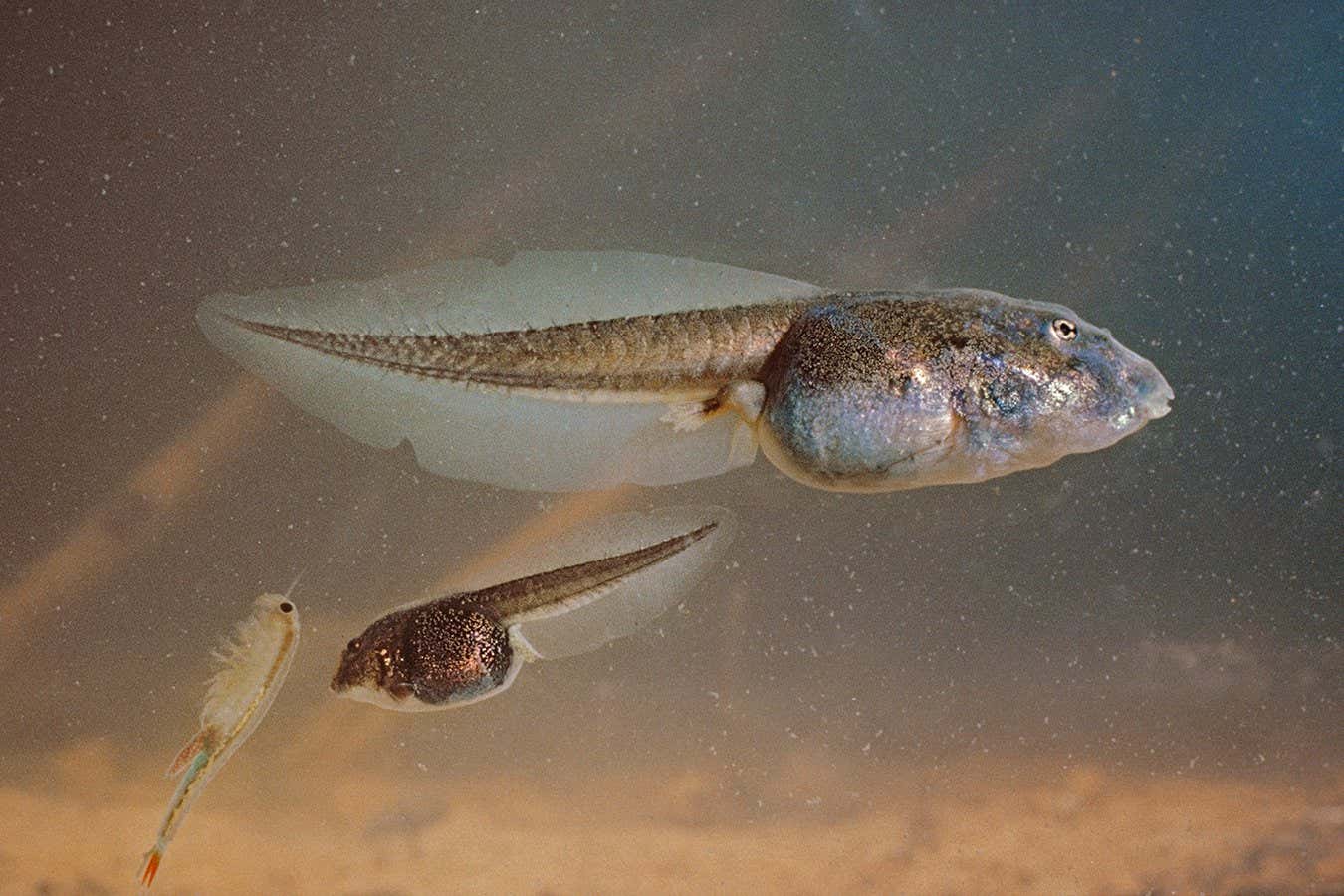
Mexican spadefoot toad tadpoles

Tadpole embryos grow strong jaws if they sense shrimp in the water

13 April 2023

Mexican spadefoot toad embryos that sense lots of shrimp in the water before they are born grow bigger and stronger jaws, ready for their first meals after hatching


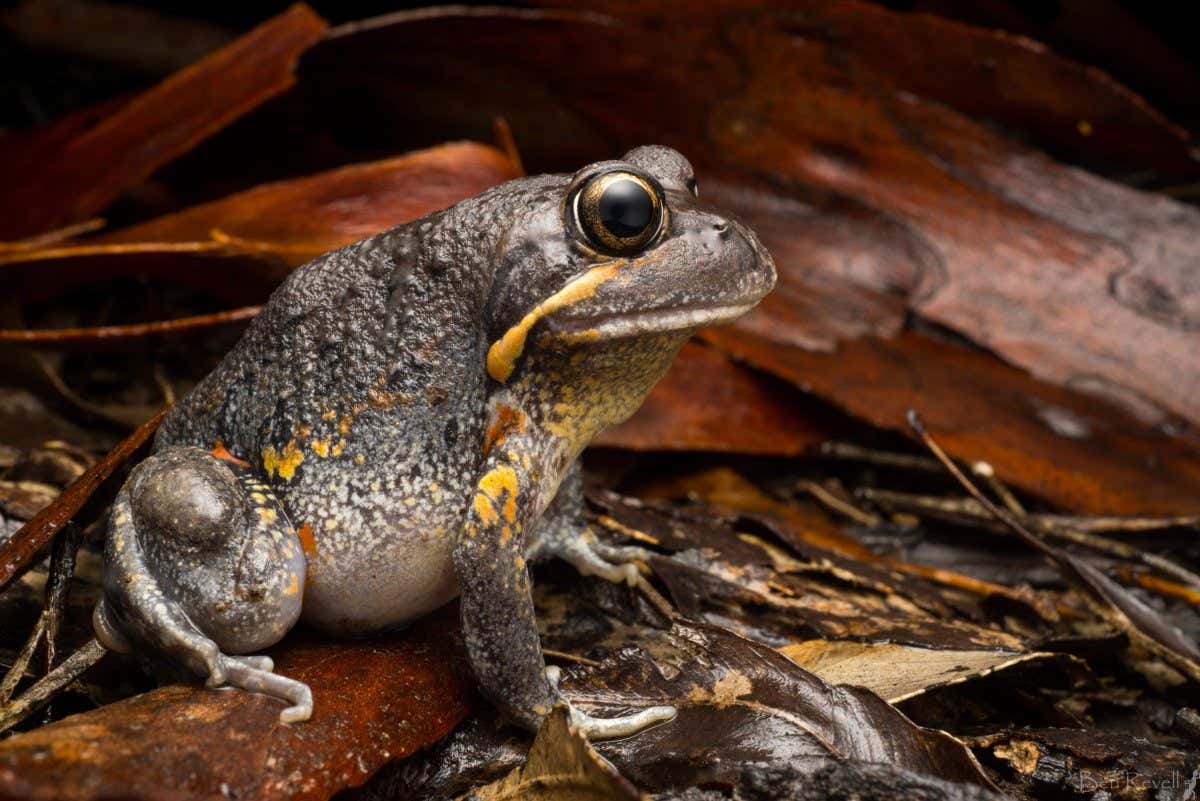
A pobblebonk frog (Limnodynastes terraereginae) in south-east Queensland, Australia

Pobblebonk frogs have a weird trick for surviving very acidic pools

29 July 2022

Highly acidic water usually breaks down a tadpole’s gill lining, but an Australian frog has evolved to suck in more protective calcium from the extreme ecosystem where it lives


Santa Marta harlequin toad

Male toad clings to female for 5 months waiting for chance to mate

11 April 2022

A tracking study suggests males of one species of toad are prepared to go without food for several months for an opportunity to reproduce


Male tungara frog

Foam from frogs' nests could help make bandages that release drugs

7 September 2021

The foam that some frogs produce to make nests can keep its shape for more than a week and can slowly release drugs for days, which means it could find a use in medicine


Frogs are battling their own terrible pandemic – can we stop it?

Frogs are battling their own terrible pandemic – can we stop it?

14 July 2021

The deadly chytrid fungus has wiped out 90 species of amphibians, and is threatening ecosystems. Now there's hope that several new treatments could help us fight the plague


Sign up to our weekly newsletter

Receive a weekly dose of discovery in your inbox. We'll also keep you up to date with New Scientist events and special offers.

Sign up
Piano Exit Overlay Banner Mobile Piano Exit Overlay Banner Desktop