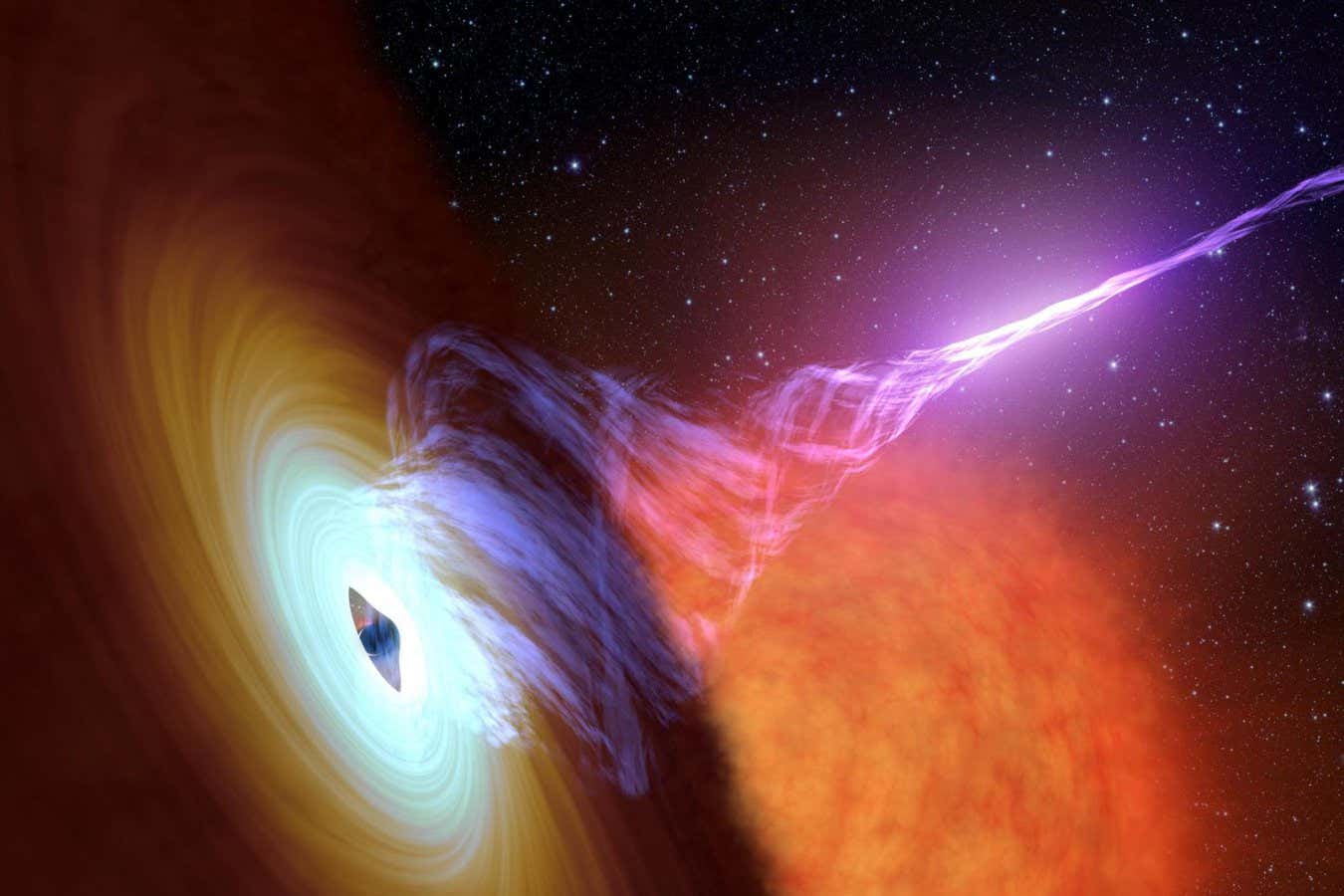
Most newborn black holes spew gas so hard they almost stop spinning
12 February 2024
When black holes are born from collapsing stars, they emit a short-lived jet that may slow down the black hole’s rotation to nearly a standstill
12 February 2024
When black holes are born from collapsing stars, they emit a short-lived jet that may slow down the black hole’s rotation to nearly a standstill
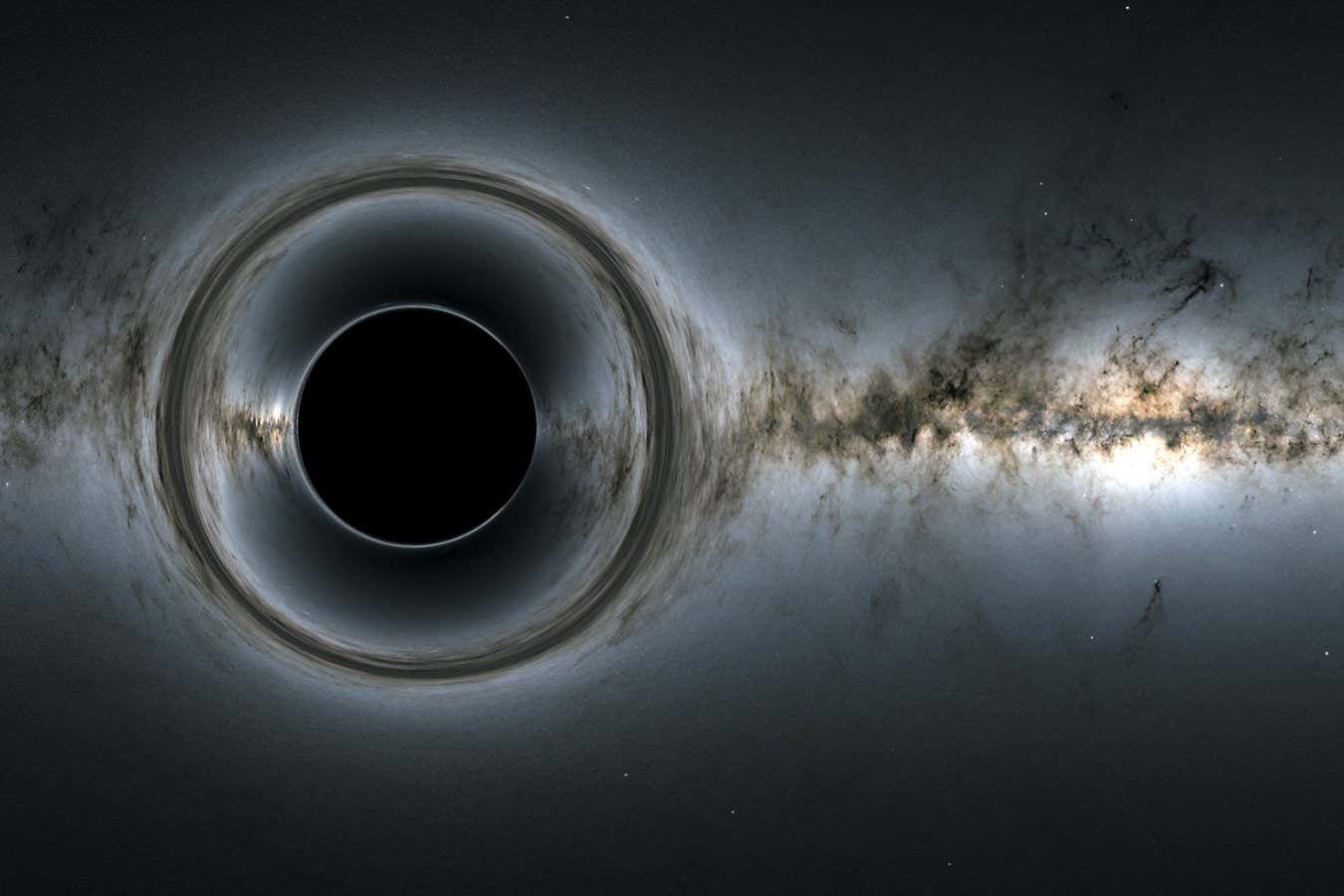
6 March 2023
Classical relativity suggests that nothing could pass through a wormhole and exit, but quantum effects change that, says space reporter Leah Crane
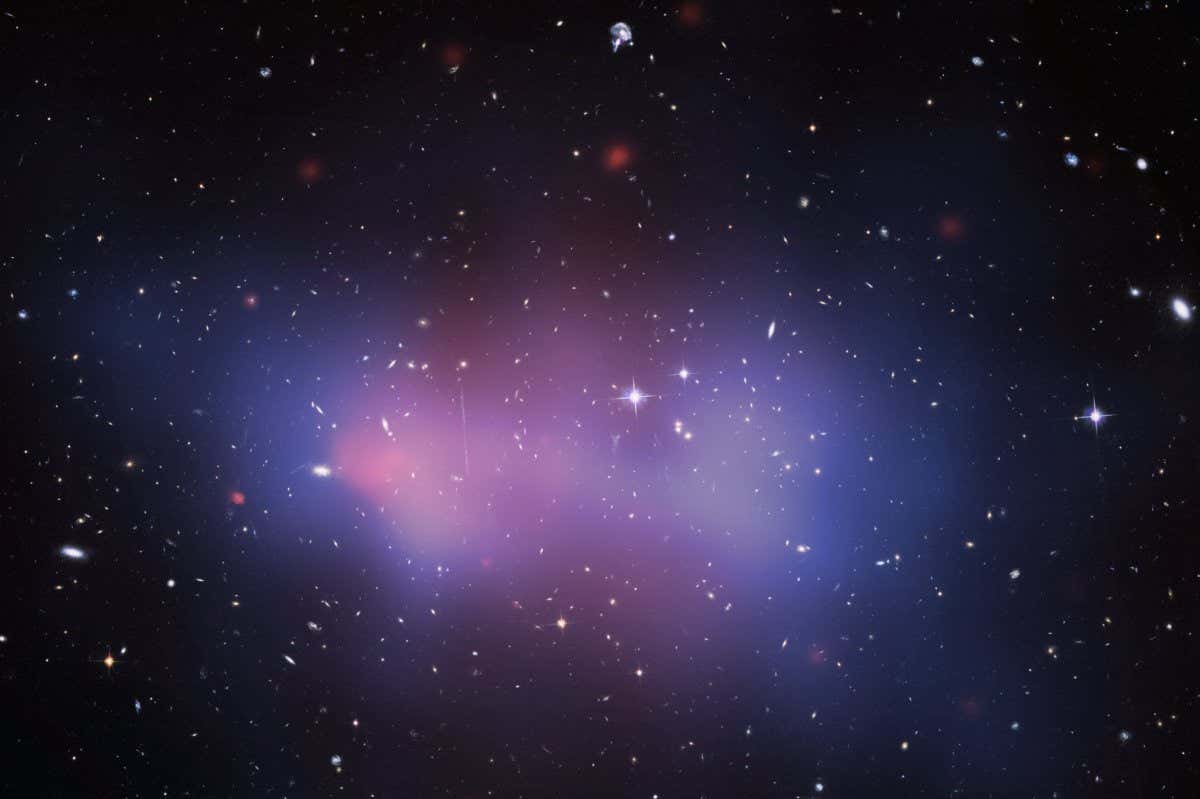
21 October 2022
The James Webb Space Telescope has glimpsed the smallest galaxy outside our local universe – and it is a thousand times less massive than the Milky Way
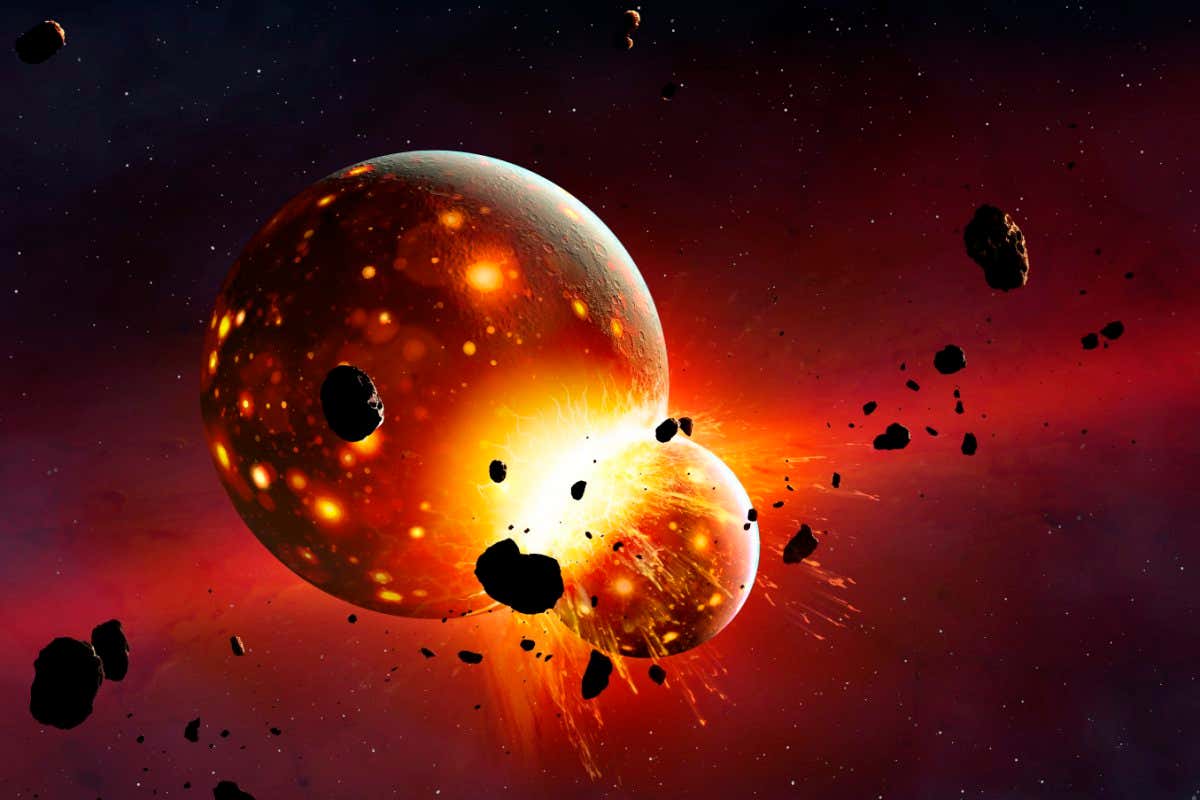
11 March 2022
The moon is thought to have been created in a violent collision, and a new simulation of the event could answer questions that have puzzled astrophysicists
20 January 2022
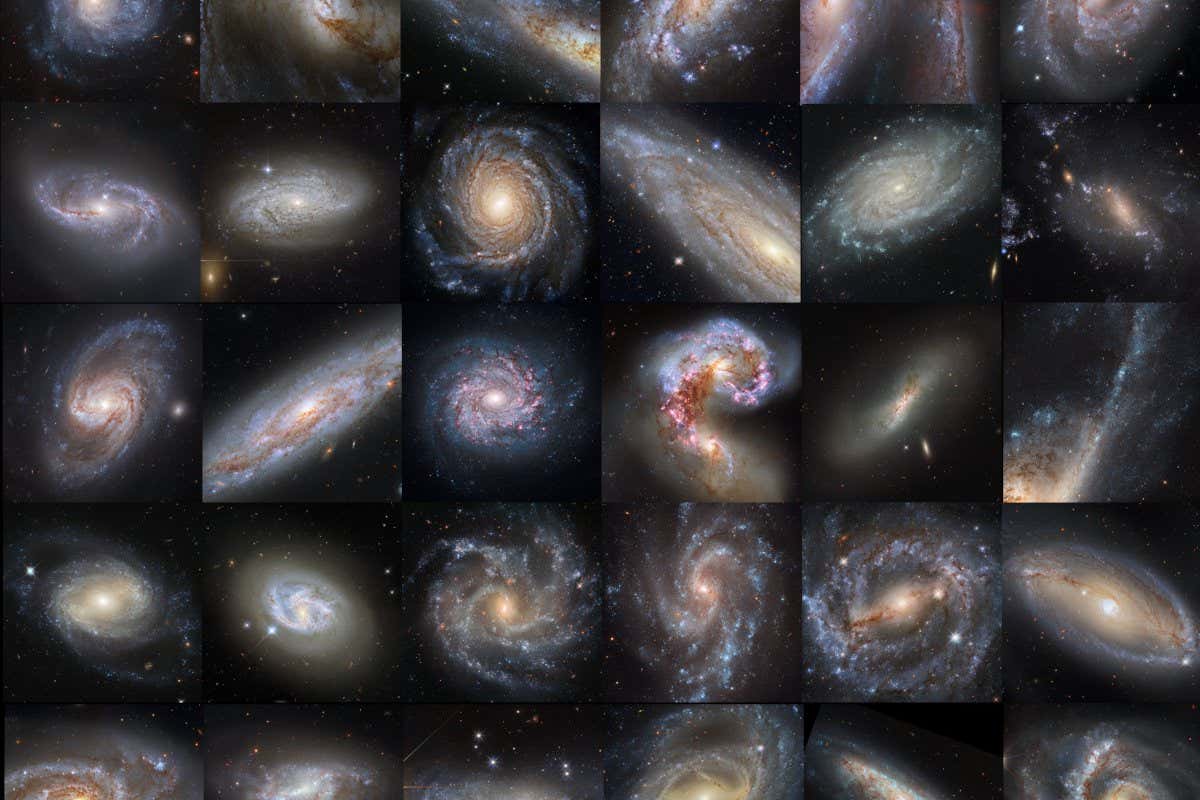
The Hubble constant describes how fast the universe is expanding, but our measurements won’t line up, which may mean our standard model of the universe is wrong
2 December 2021
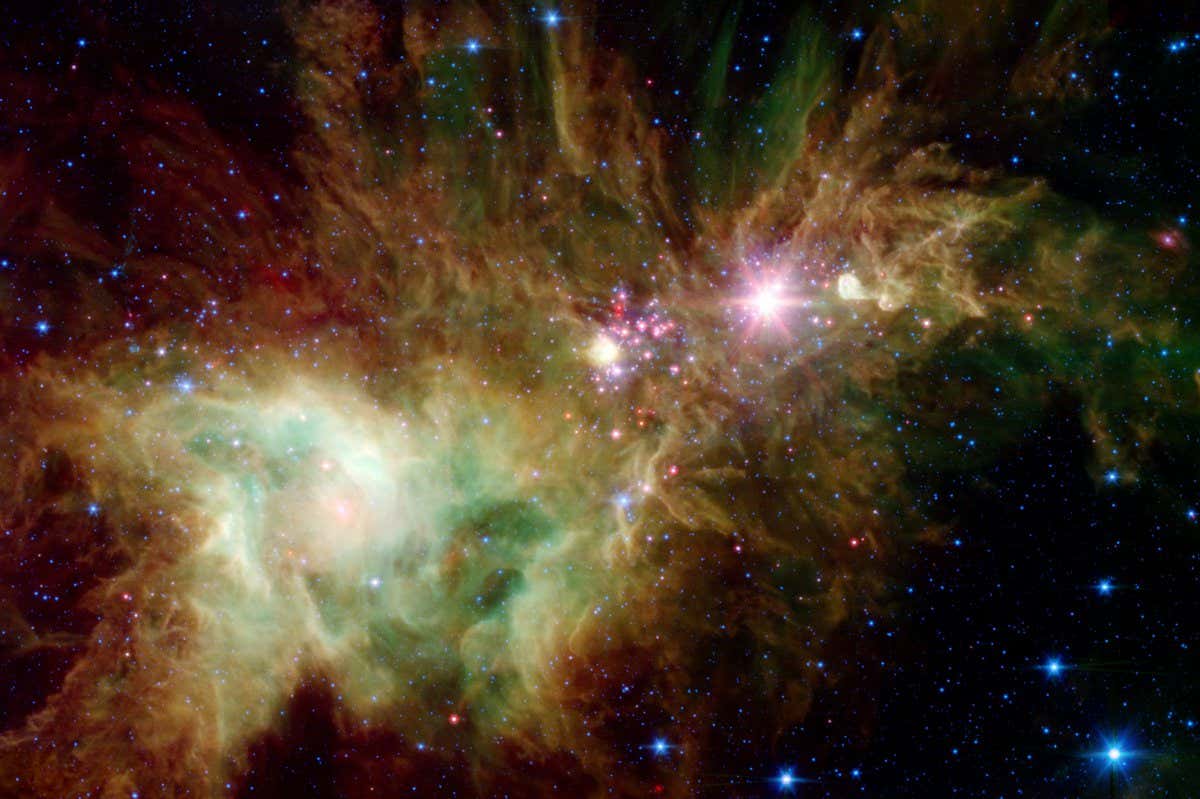
Computer modelling supports the idea that nascent stars brighten dramatically during growth spurts, which could explain an astrophysical mystery
17 November 2021
The idea that the universe started in the big bang revolutionised 20th-century cosmology. But it seems increasingly unlikely it was a case of something from nothing
29 September 2021
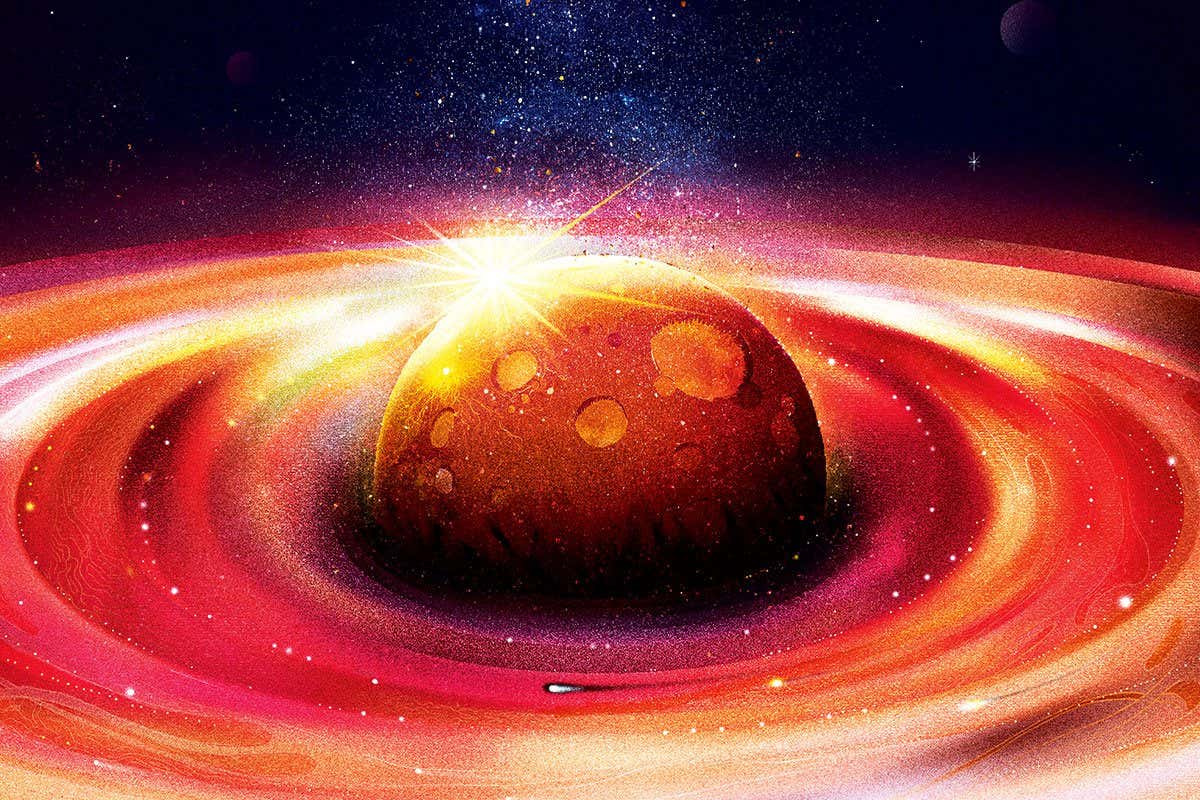
Black holes born in the big bang could be the dark matter physicists have sought for decades – if they exist. Now there's an audacious plan to find the scars they would have left as they punched through the moon
22 September 2021
Black holes devour stuff and then shrivel away over billions of years. Explaining what happens to anything that falls in explodes our current theories of physics, says cosmologist Paul Davies
26 May 2021
The explosions of supernovae are so powerful they can be seen with the naked eye. The physics behind them is harder to uncover, writes Chanda Prescod-Weinstein
