Subscribe now
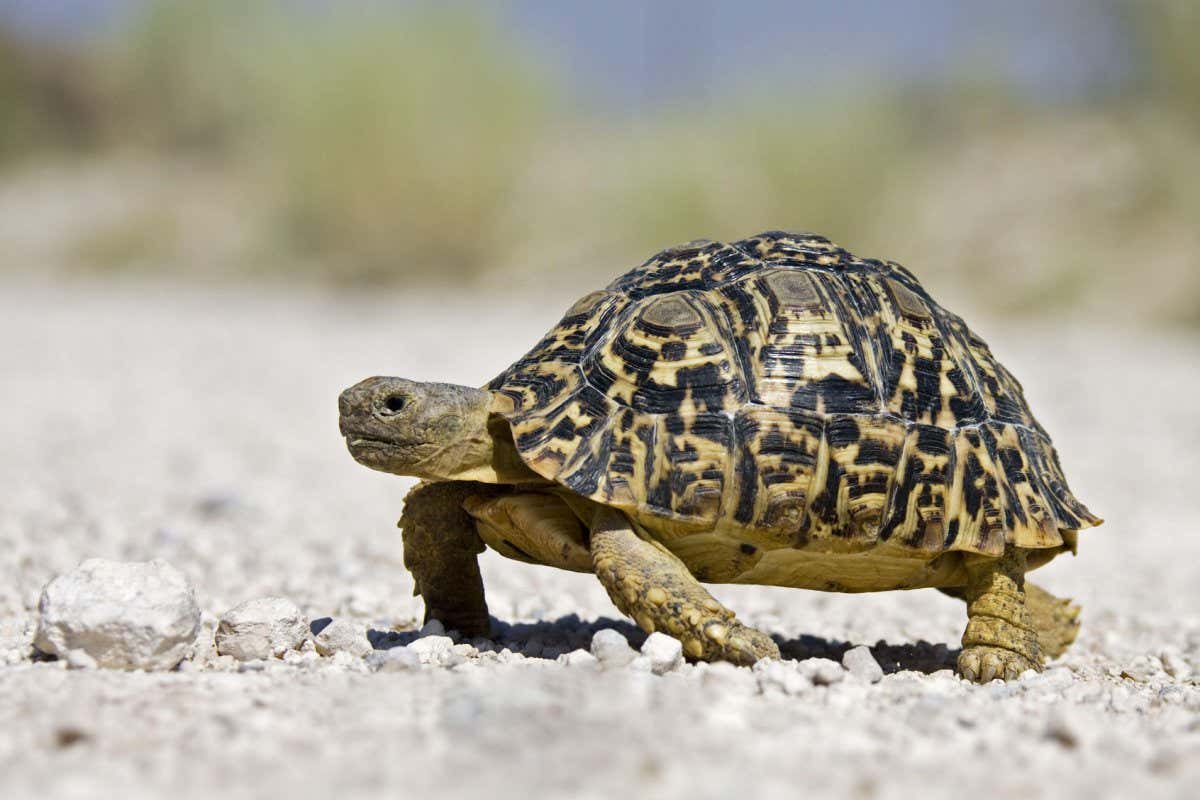
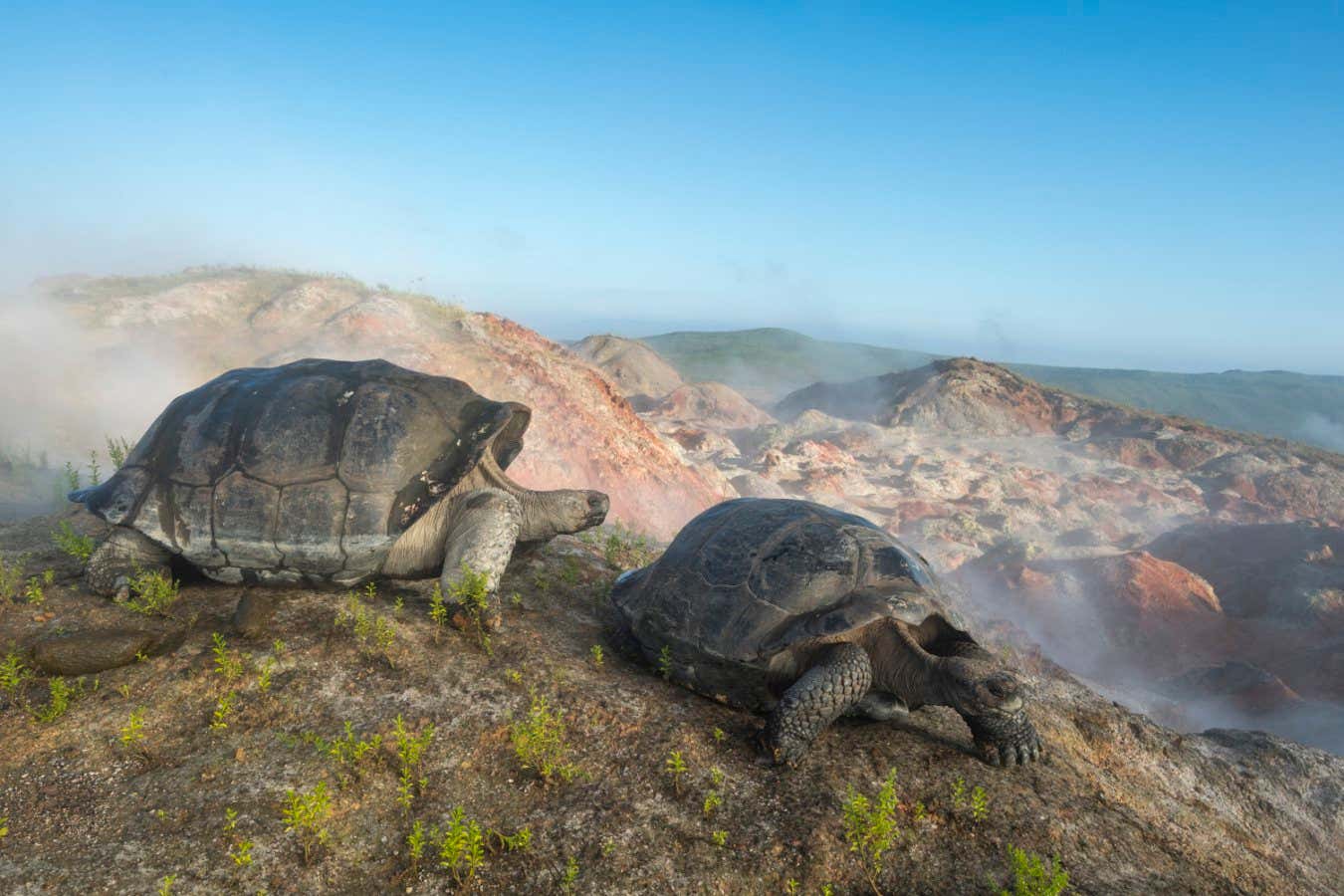
A pair of Volcan Alcedo Giant Tortoises on Isabela Island in the Galapagos archipelago

Galapagos giant tortoise argument may threaten conservation efforts

23 April 2023

How many distinct species of Galapagos giant tortoises are there? The latest genetic study says at least five, disputing previous work, and the answer could have implications for their conservation
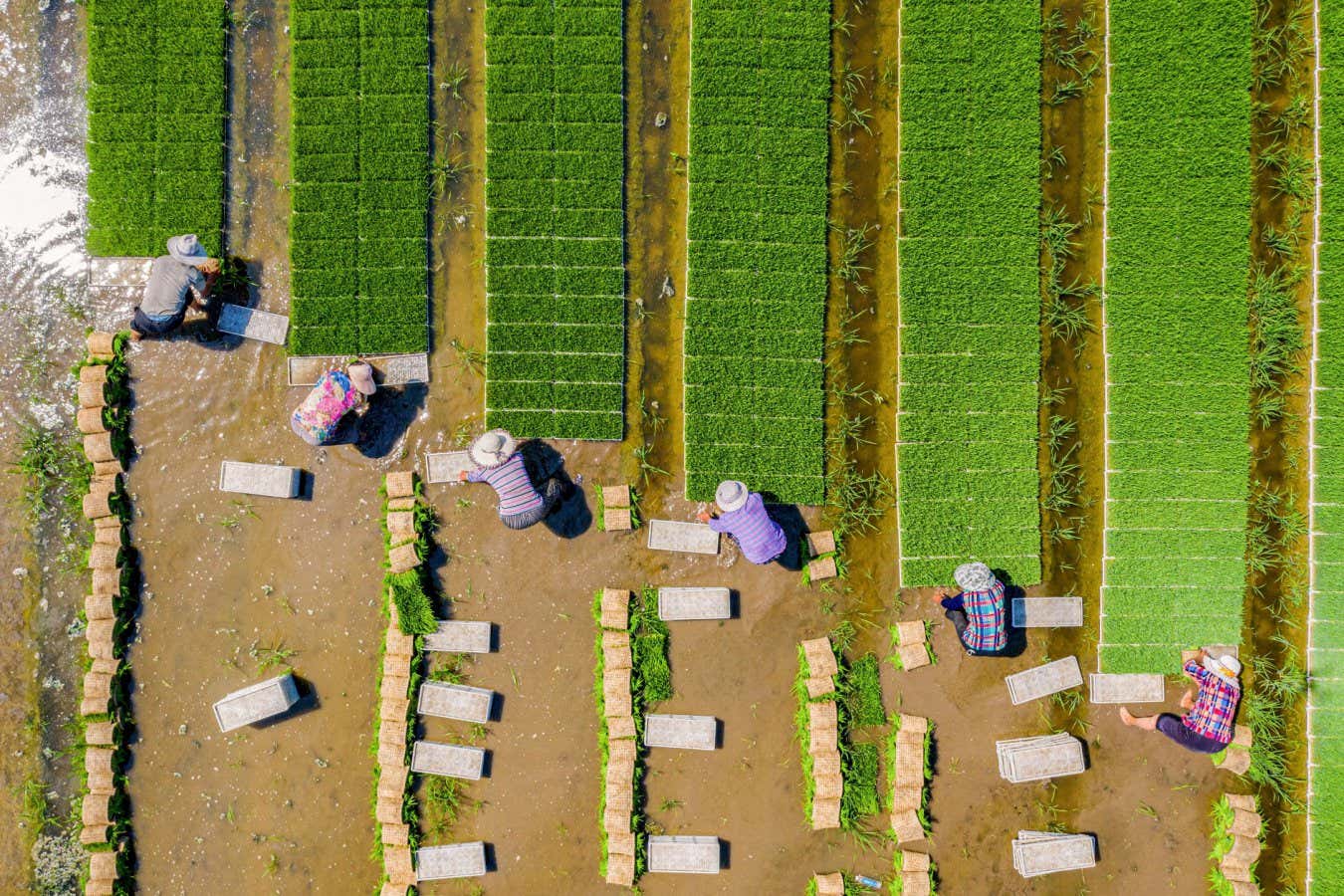

Farmland could feed 20 billion people but it might wreck the planet

10 April 2023

Reaching the maximum feeding capacity from current agricultural land would require a global shift to plant-based diets and vast amounts of industrial fertiliser, a study has found


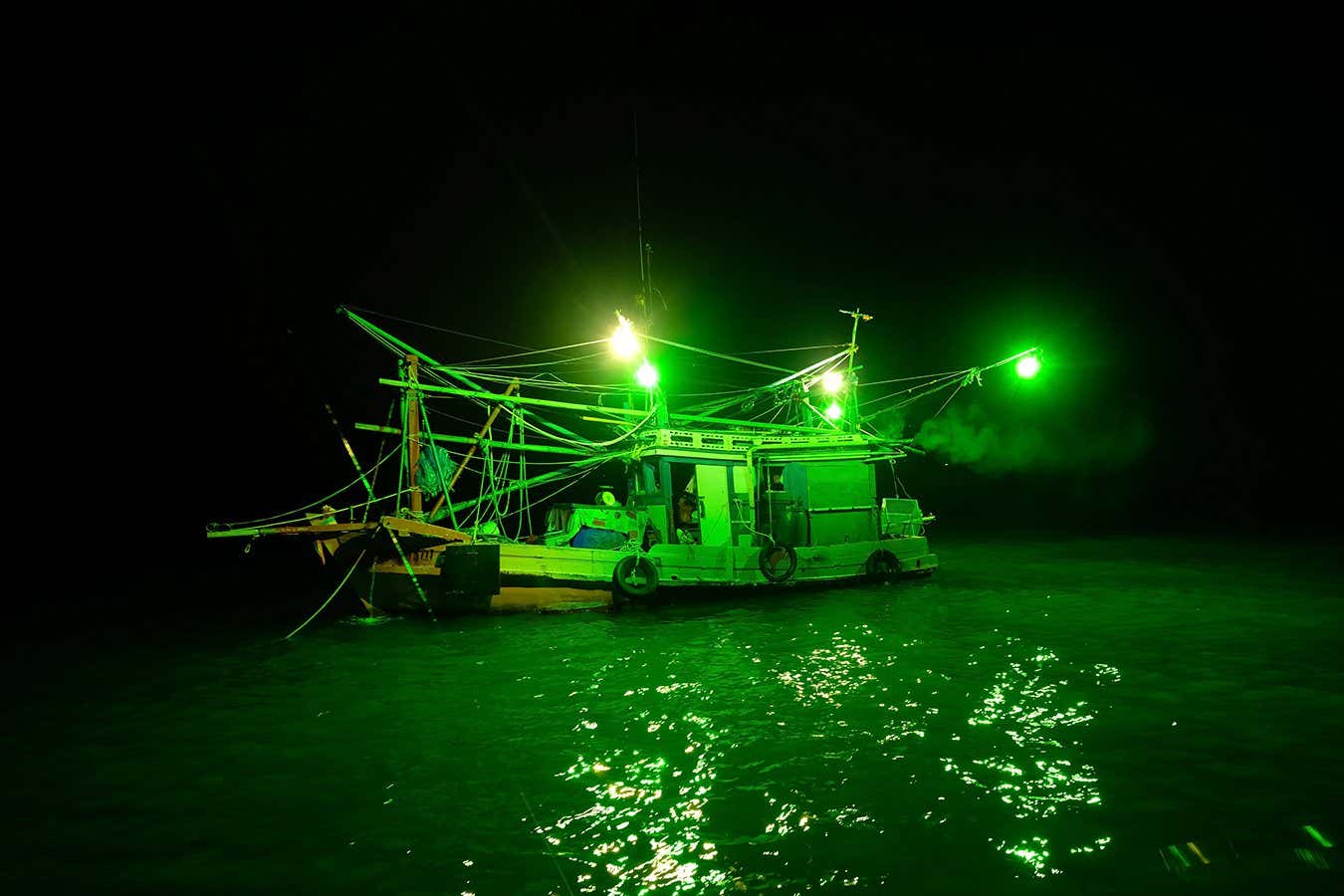
Fishing vessels are catching squid at night.

Squid fishing is booming in unregulated parts of the ocean

10 March 2023

To lure squid to the surface, fishing vessels often use bright lights than can be seen by satellites. This has allowed researchers to track squid fishing that occurs away from oversight


A beekeeper tends to a honeybee hive

Rise in urban beekeeping may be crowding out native bee species

15 February 2023

In Montreal, Canada, the diversity of wild bee species has fallen in areas where honeybee colonies have proliferated


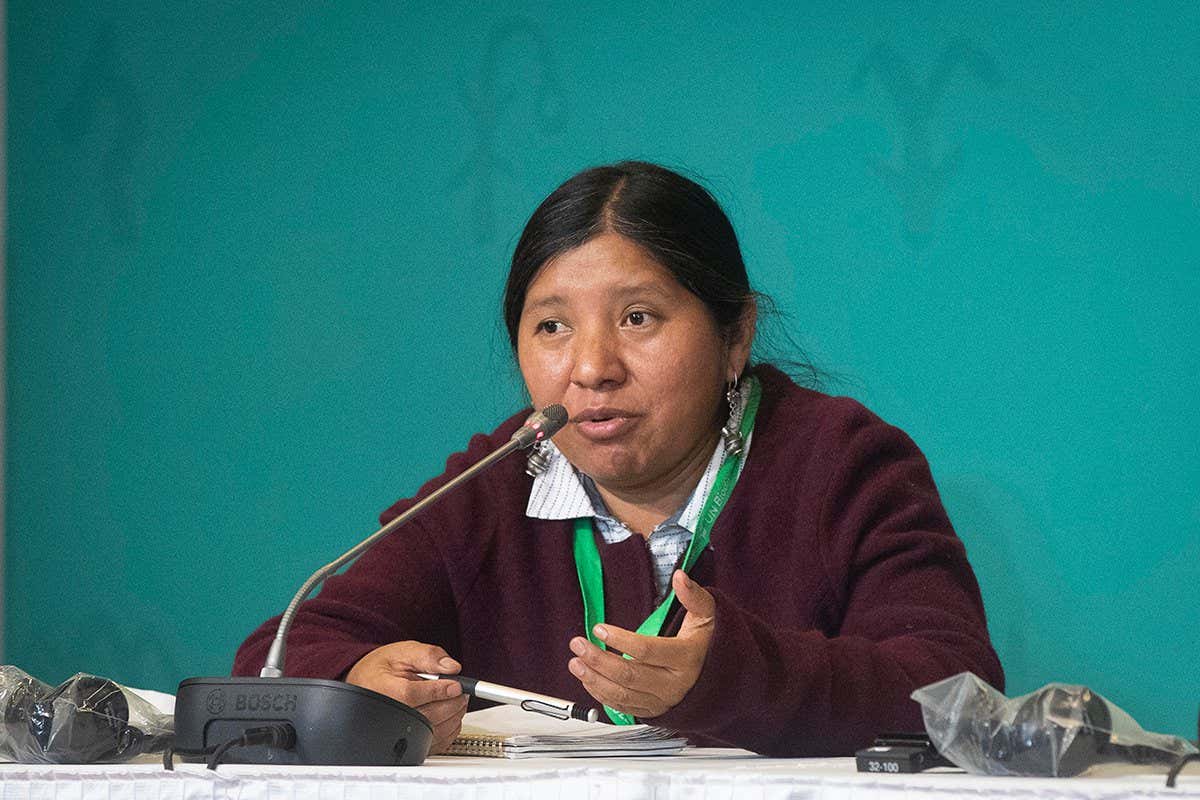
Viviana Figueroa from Argentina speaks during the International Indigenous Forum on Biodiversity at the United Nations Biodiversity Conference (COP15) in Montreal, Quebec, on December 16, 2022. (Photo by Lars Hagberg / AFP) (Photo by LARS HAGBERG/AFP via Getty Images)

COP15 biodiversity deal is ‘new era’ for Indigenous-led conservation

20 December 2022

The agreement made at the COP15 biodiversity summit balanced a recognition of the importance of Indigenous peoples and territories for conserving biodiversity without imposing on Indigenous sovereignty over those lands


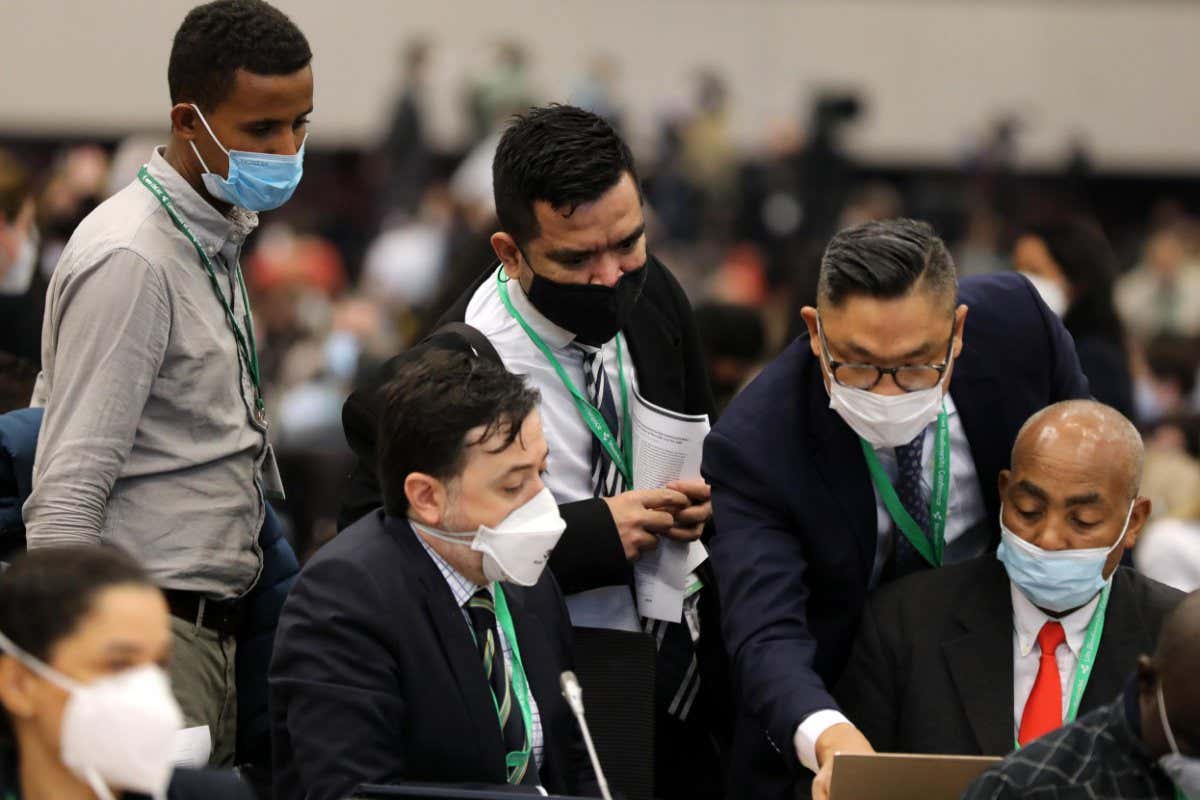
COP15 delegates negotiating on 7 December in Montreal

COP15: How much money do we need to stop biodiversity loss?

16 December 2022

Several high-income countries have made pledges at COP15 to fund programmes to protect biodiversity but so far they amount to a small fraction of what’s needed


Police officers walk past a sign as they patrol outside the Palais de Congres, during the opening of COP15, the two-week U.N. biodiversity summit in Montreal, Quebec, Canada December 6, 2022. REUTERS/Christinne Muschi - RC2H0Y92YQSE

COP15: Countries debate how to share profits from Earth’s genetic data

15 December 2022

The question of how best to share revenues from products developed using genetic data from plants, animals and microbes has emerged as a make-or-break issue at COP15


Chinese Xi Jinping addresses the high level segment at the United Nations Biodiversity Conference (COP15) in Montreal, Quebec, on December 15, 2022. (Photo by Lars Hagberg / AFP) / The erroneous mention[s] appearing in the metadata of this photo by Lars Hagberg has been modified in AFP systems in the following manner: [Chinese President Xi Jinping] instead of [Chinese Ecology and Environment Minister Huang Runqiu]. Please immediately remove the erroneous mention[s] from all your online services and delete it (them) from your servers. If you have been authorized by AFP to distribute it (them) to third parties, please ensure that the same actions are carried out by them. Failure to promptly comply with these instructions will entail liability on your part for any continued or post notification usage. Therefore we thank you very much for all your attention and prompt action. We are sorry for the inconvenience this notification may cause and remain at your disposal for any further information you may require. (Photo by LARS HAGBERG/AFP via Getty Images)

COP15: China calls for action as biodiversity talks break down

15 December 2022

Negotiations at the COP15 biodiversity summit in Montreal broke down over how to fund new agreements to safeguard nature


A tortoise walking

Early humans may have wiped out many turtles millions of years ago

5 August 2022

Our hominin ancestors wiped out many land-living turtle and tortoise species starting around 5 million years ago, an analysis of the fossil record suggests


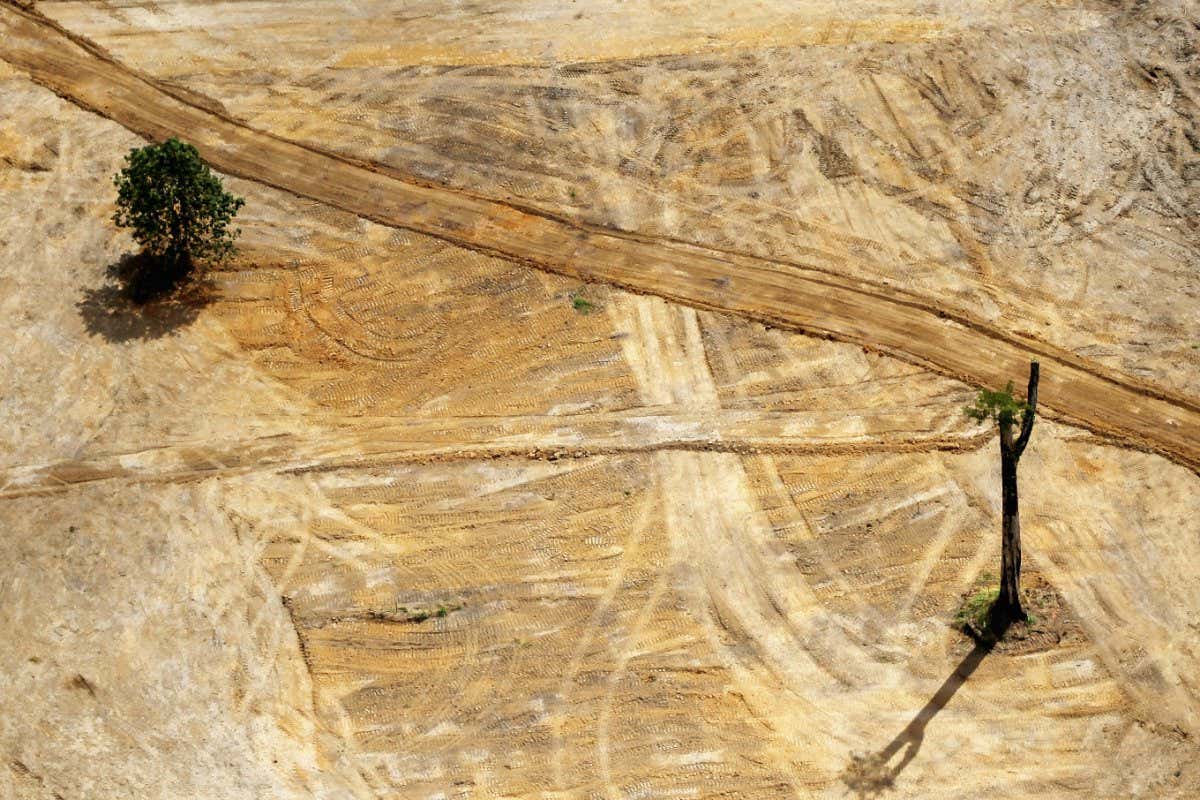
NEAR ALTAMIRA, BRAZIL - JUNE 15: Construction continues at the Belo Monte dam complex in the Amazon basin on June 15, 2012 near Altamira, Brazil. Belo Monte will be the world???s third-largest hydroelectric project and will displace up to 20,000 people while diverting the Xingu River and flooding as much as 230 square miles of rainforest. The controversial project is one of around 60 hydroelectric projects Brazil has planned in the Amazon to generate electricity for its rapidly expanding economy. While environmentalists and indigenous groups oppose the dam, many Brazilians support the project. The Brazilian Amazon, home to 60 percent of the world???s largest forest and 20 percent of the Earth???s oxygen, remains threatened by the rapid development of the country. The area is currently populated by over 20 million people and is challenged by deforestation, agriculture, mining, a governmental dam building spree, illegal land speculation including the occupation of forest reserves and indigenous land and other issues. Over 100 heads of state and tens of thousands of participants and protesters will descend on Rio de Janeiro, Brazil, later this month for the Rio+20 United Nations Conference on Sustainable Development or ???Earth Summit???. Host Brazil is caught up in its own dilemma between accelerated growth and environmental preservation. (Photo by Mario Tama/Getty Images)

Early warning system for Amazon forest losses seen in climate models

12 April 2022

As plants in the Amazon rainforest die off, huge amounts of carbon are released – a key signal that these losses may happen is temperature swings between seasons


Sign up to our weekly newsletter

Receive a weekly dose of discovery in your inbox. We'll also keep you up to date with New Scientist events and special offers.

Sign up
Piano Exit Overlay Banner Mobile Piano Exit Overlay Banner Desktop