Subscribe now
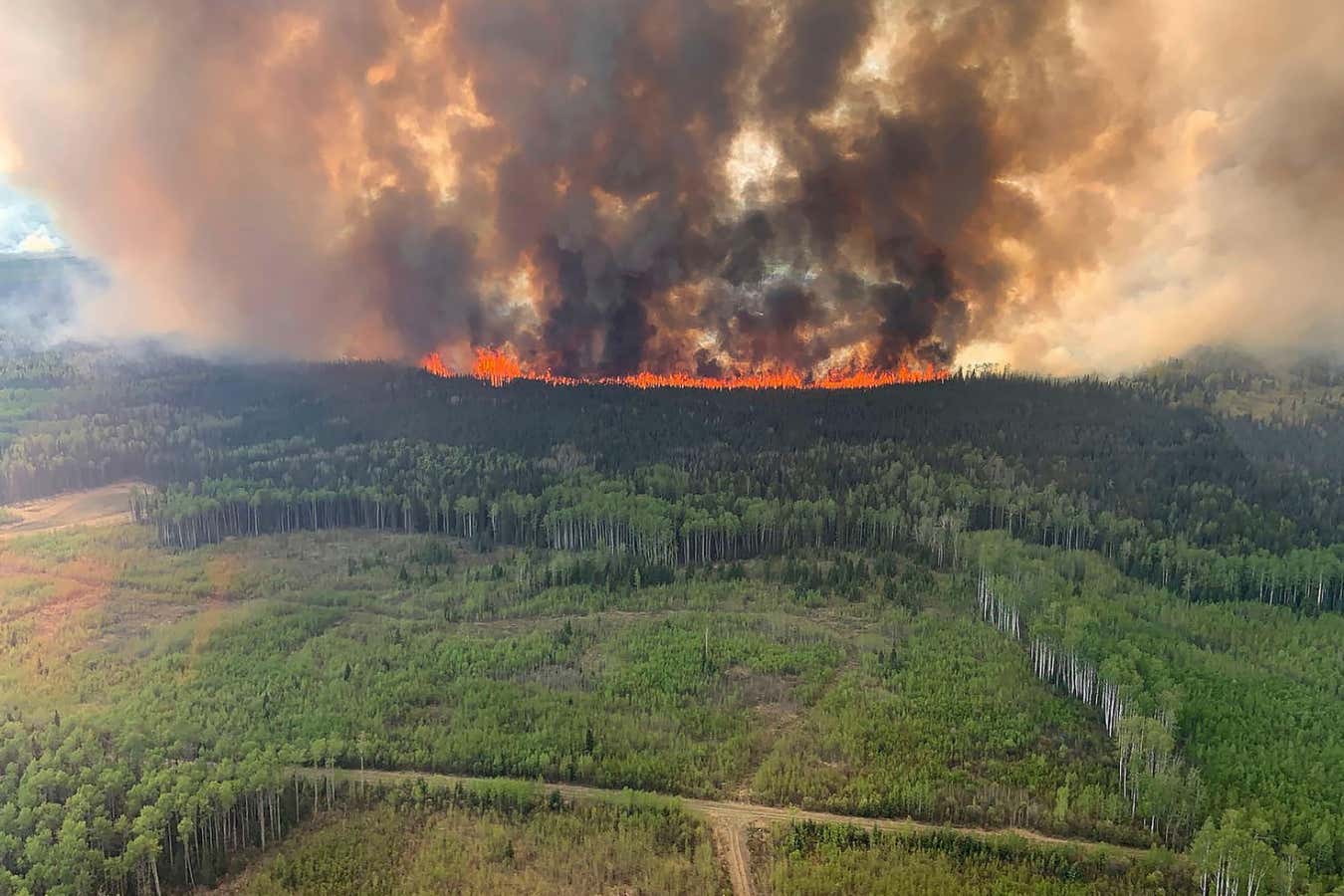
Fire Weather review: Why Canada’s wildfires will only get worse

Fire Weather review: Why Canada’s wildfires will only get worse

9 June 2023

John Vaillant chronicles the most destructive fire in Canada’s history, and explores what lies ahead, in this timely book


Emily Wilson headshot

New Scientist recommends: Curtis Sittenfeld's new pandemic romcom

31 May 2023

The books, TV, games and more that New Scientist staff have enjoyed this week


Half length portrait of trendy female millennial in electronic spectacles looking at camera during time for listening audio book and walk in metropolitan downtown, generation z in earphones; Shutterstock ID 1722211435; purchase_order: -; job: -; client: -; other: -

How listening to audiobooks may be making us more gullible

24 May 2023

More and more of us are turning to audiobooks for our reading, but a new study suggests that when we listen to a text rather than read it, we may engage in less deliberative thinking, says David Robson

Christopher Paolini on the 5 space operas that inspired his new novel

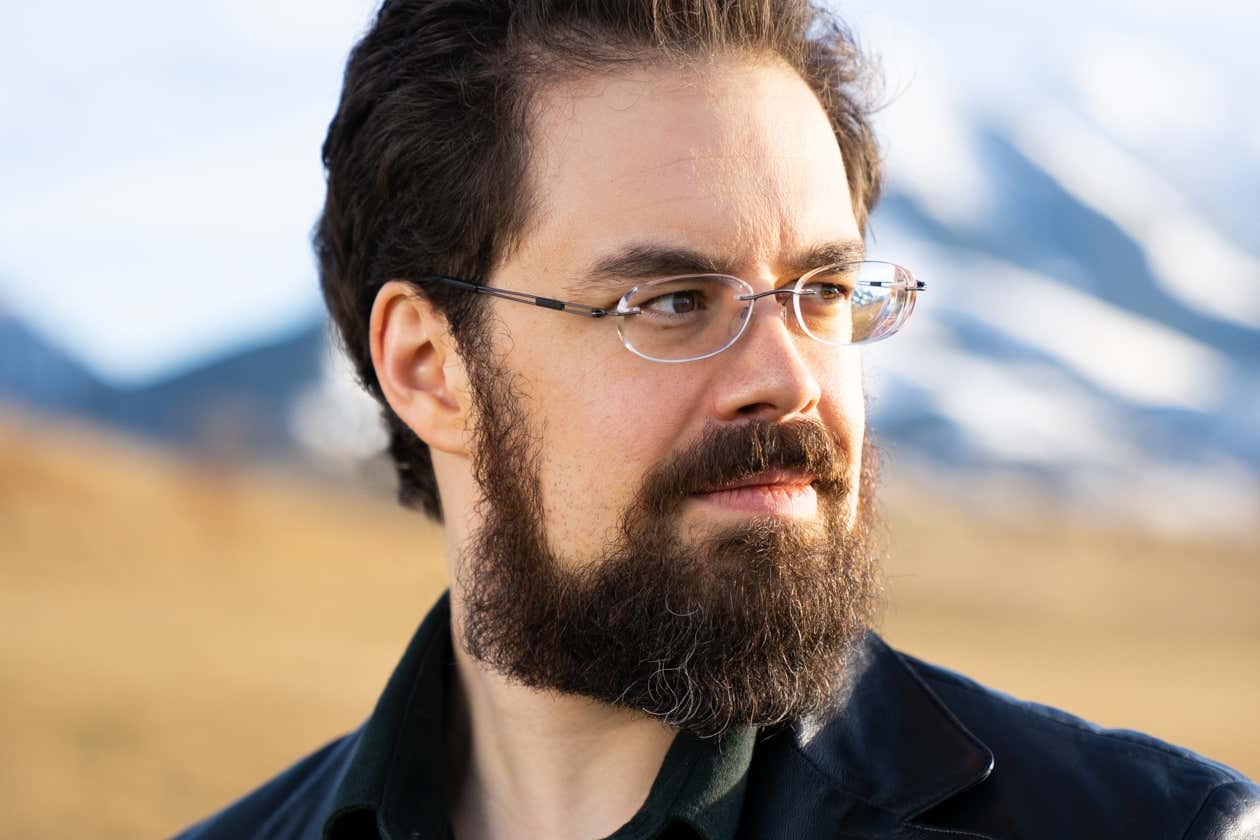
Christopher Paolini on the 5 space operas that inspired his new novel

17 May 2023

From Dune to Babylon 5, the Eragon author reveals five inspirations behind his new adult science fiction novel, Fractal Noise

Death of an Author review: Murder mystery generated by AI isn't awful

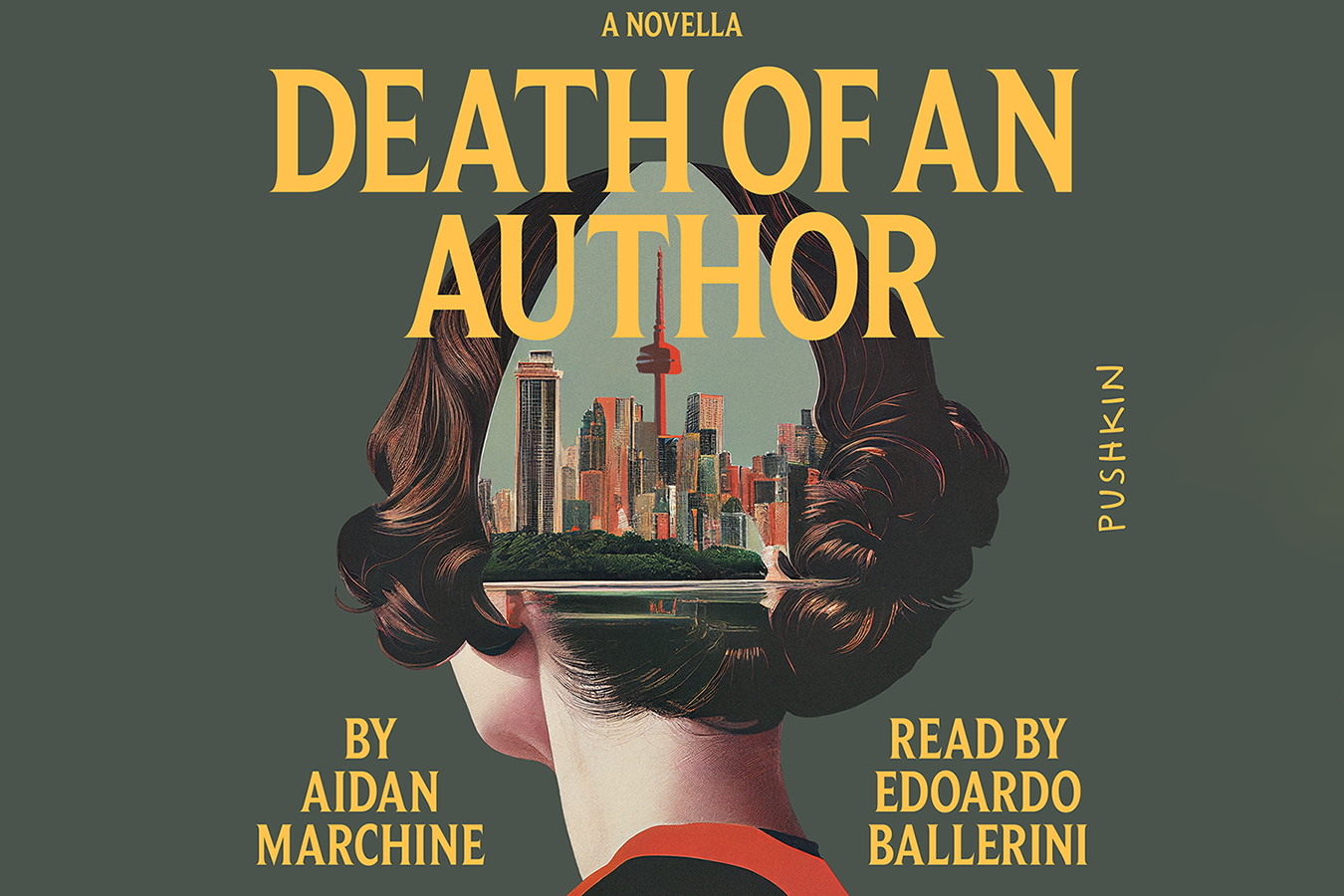
Death of an Author review: Murder mystery generated by AI isn't awful

15 May 2023

Stephen Marche worked with ChatGPT and other AI tools to craft this thriller. The prose is plodding and the final twist leans heavily on a Sherlock Holmes story – but this is an interesting experiment
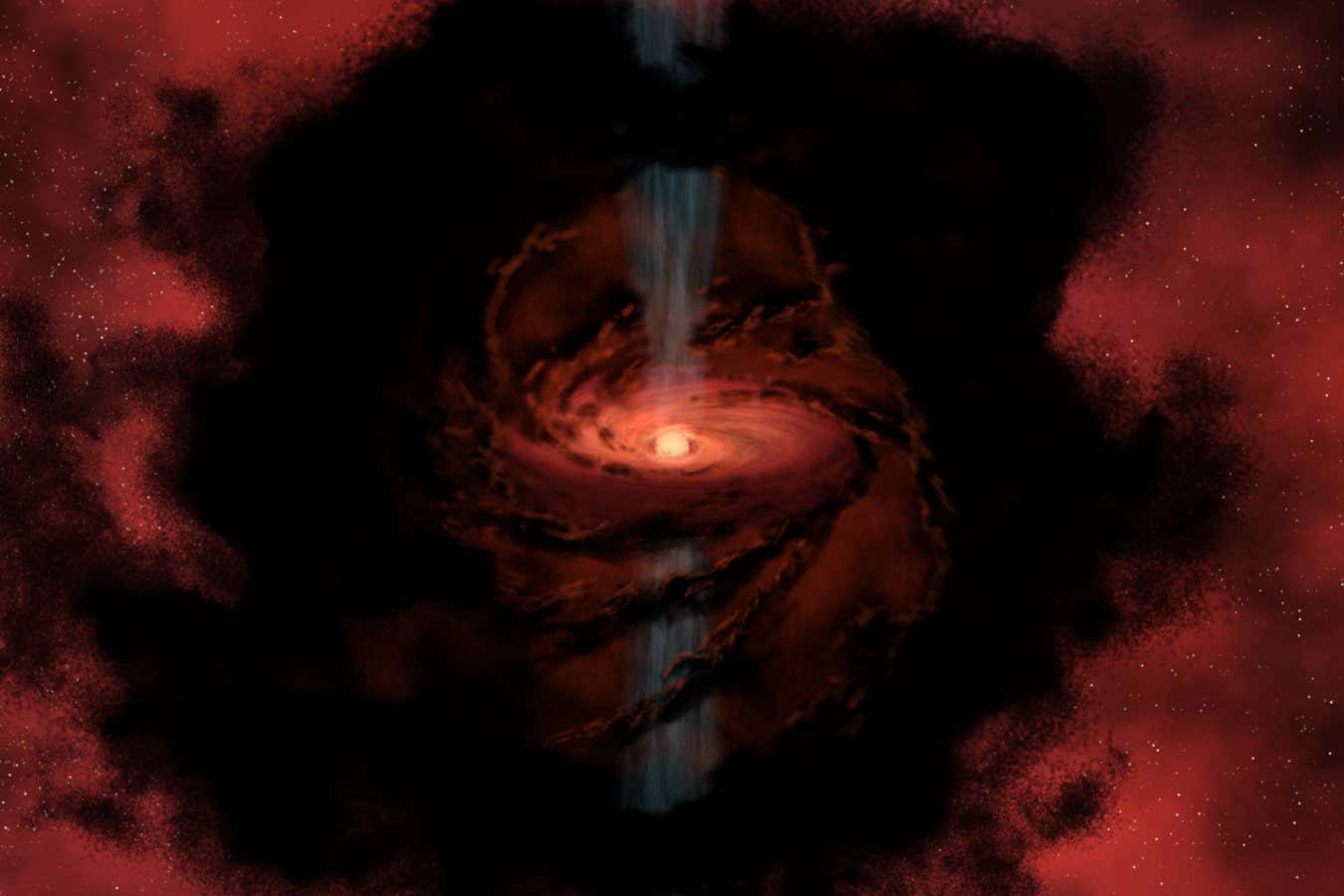

Dusty Beginnings of a Star This artist's rendering gives us a glimpse into a cosmic nursery as a star is born from the dark, swirling dust and gas of this cloud. Stars form when dark dust from the cloud begins to clump together under the influence of its own gravity. The infalling material forms a disk as it spirals inward, which feeds material onto the forming star at its center. Jets of material that shoot from the inner disk and protostar herald its birth. Planets form out of the remnants of the disk of material that surrounds the infant star. This leads to a question that has long perplexed astronomers about the nature of brown dwarfs, objects that fall between planets and stars in terms of their temperature and mass.

Don't Miss: A Supernova science talk by astrophysicist Thomas Haworth

5 April 2023

New Scientist's weekly round-up of the best books, films, TV series, games and more that you shouldn't miss
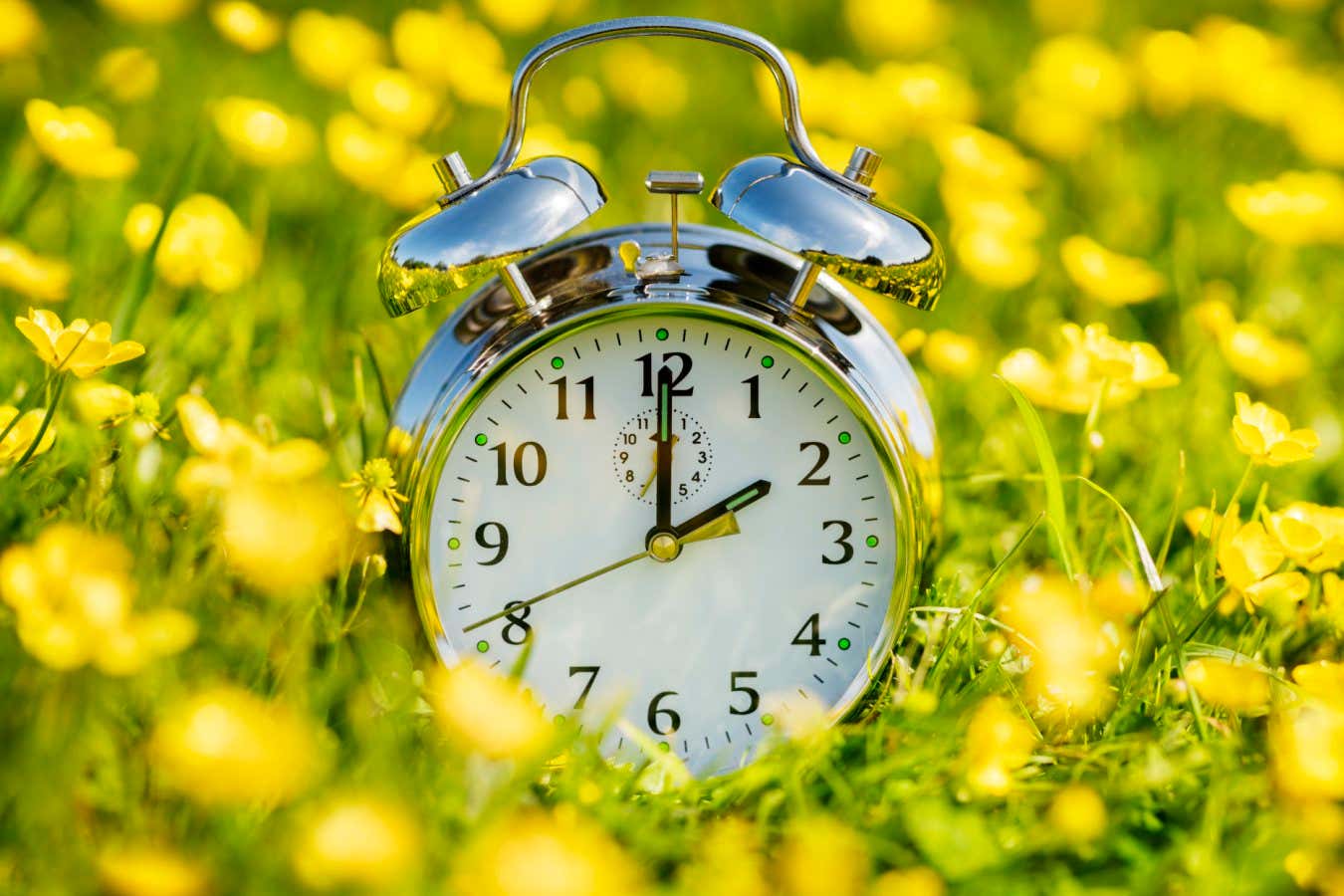

Daylight saving time change, spring forward

Saving Time review: We need a longer sense of time – based on nature

15 March 2023

Why do we have clocks? An ambitious new book from Jenny Odell deconstructs their origins and argues for more nature-based measures

A young boy walks across dusty arid desert land at sunset. Location: Djenne ( Djenn?? ), Mopti, Mali, Africa

The best science fiction books out in 2023

28 December 2022

CERN-inspired stories, a feminist retelling of George Orwell's Nineteen Eighty-Four and a new deep future from Annalee Newitz: sci-fi fans have a lot to look forward to in 2023
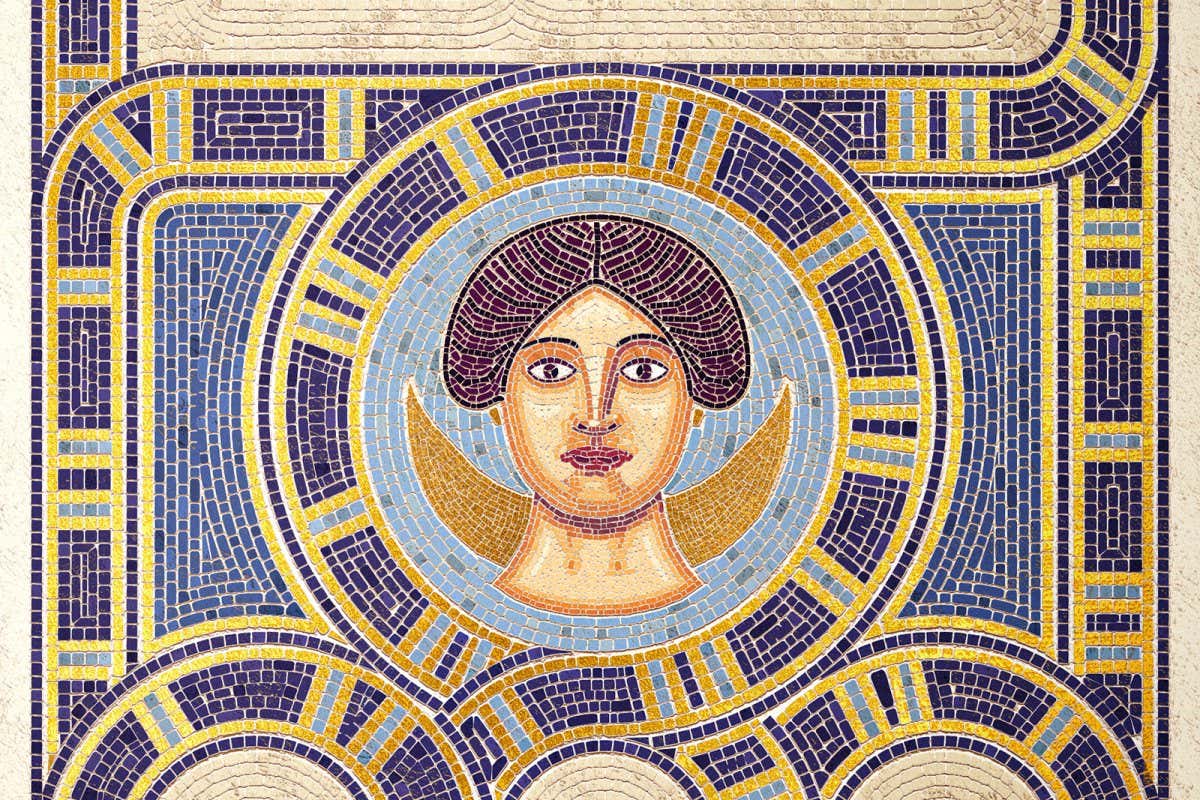

Don’t Miss: Great Egyptology from Tutankhamun to Cleopatra’s daughter

Don’t Miss: Great Egyptology from Tutankhamun to Cleopatra’s daughter

2 November 2022

New Scientist's weekly round-up of the best books, films, TV series, games and more that you shouldn’t miss
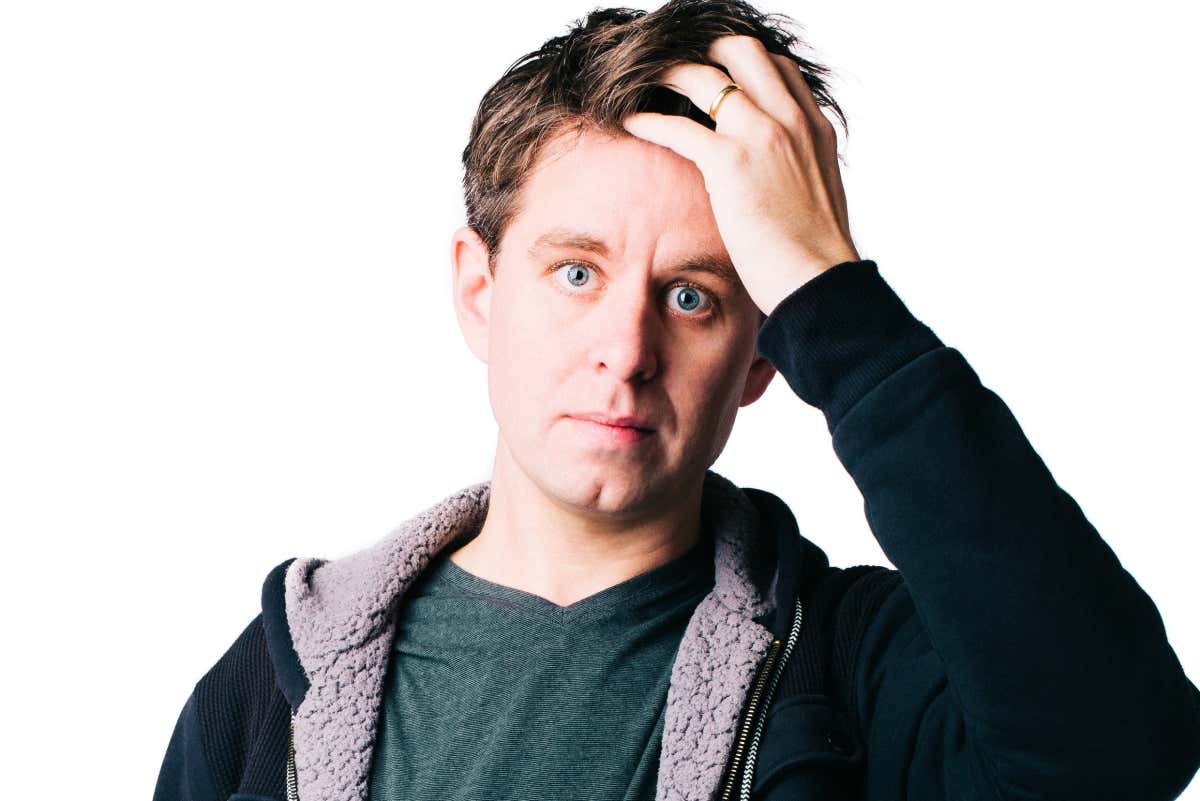

Randall Munroe on answering the strangest scientific questions

Randall Munroe on answering the strangest scientific questions

12 October 2022

The cartoonist and engineer reveals what percentage of all humans who have ever lived are your ancestors, and what might happen if you pumped pure ammonia into your stomach (don't)


Sign up to our weekly newsletter

Receive a weekly dose of discovery in your inbox. We'll also keep you up to date with New Scientist events and special offers.

Sign up
Piano Exit Overlay Banner Mobile Piano Exit Overlay Banner Desktop