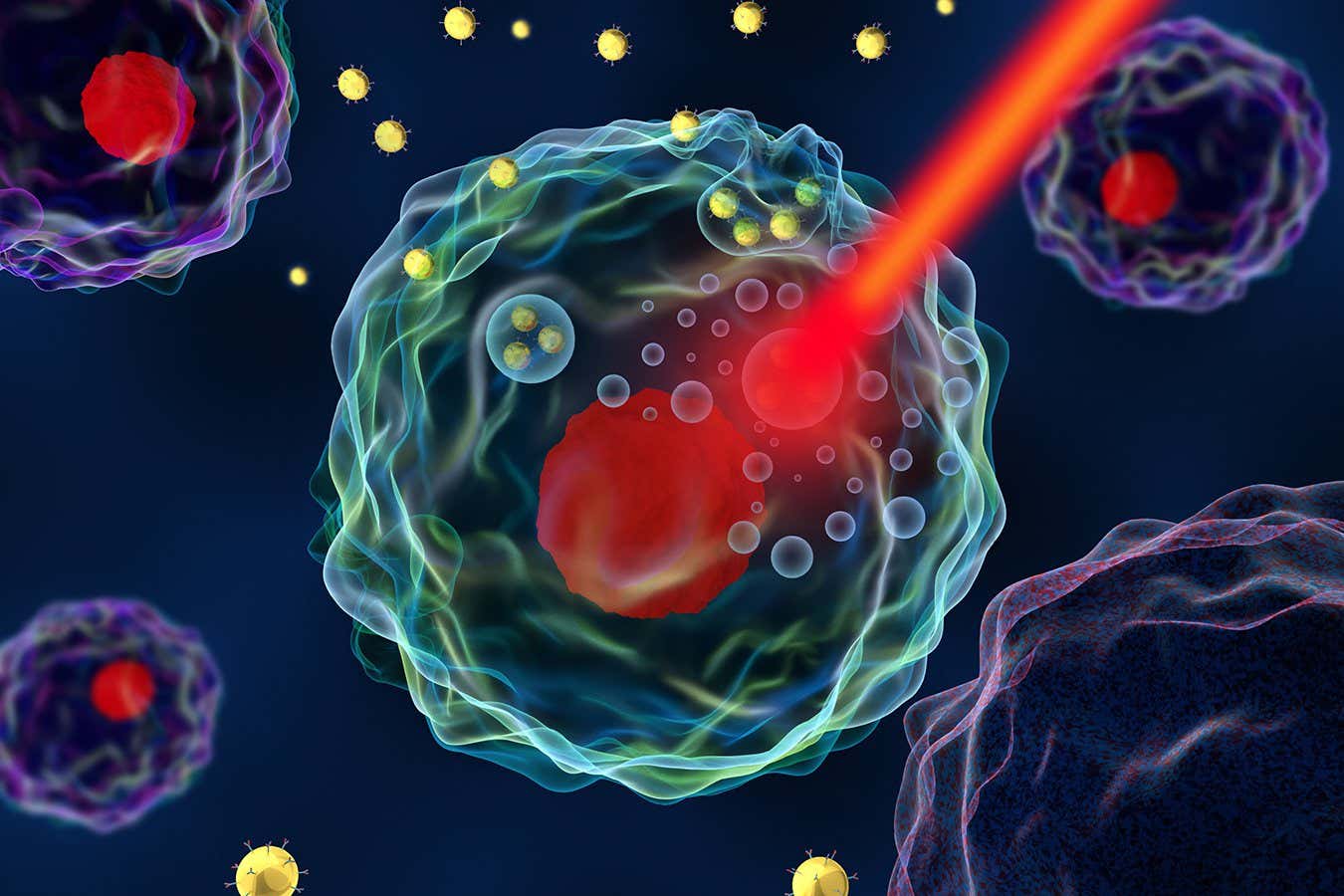
Plastic wedge makes it much easier to make protons for cancer therapy
3 July 2023
A plastic, wedge-shaped device could medical particle accelerators 100 times more efficient at generating the protons that can be used for cancer treatment
3 July 2023
A plastic, wedge-shaped device could medical particle accelerators 100 times more efficient at generating the protons that can be used for cancer treatment
21 June 2023
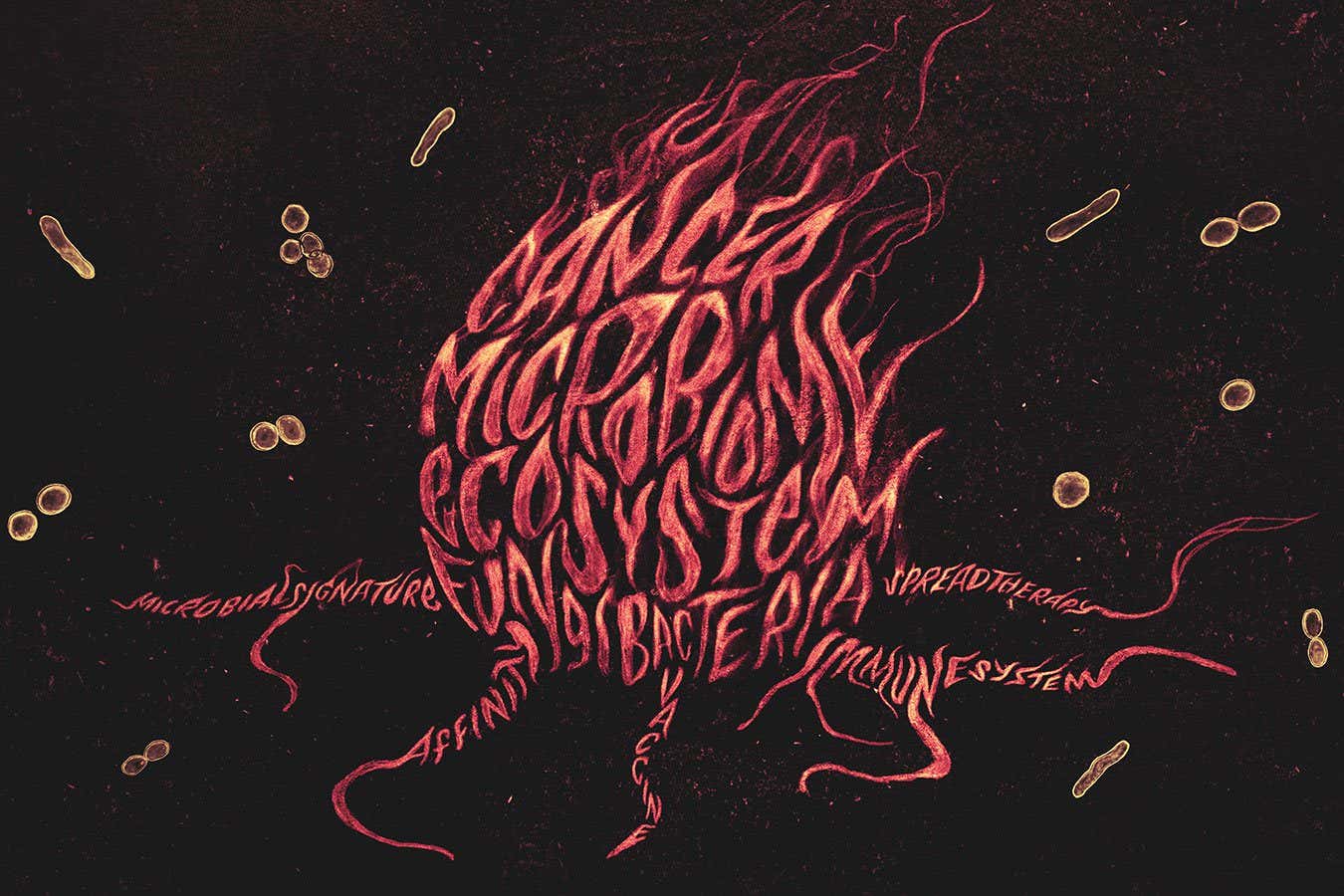
New research shows that tumours are home to a rich ecosystem of bacteria and fungi that influence cancer progression - opening up incredible new ways to fight the disease

14 June 2023
Ultrasound is most familiar to us as a non-invasive imaging technology used during pregnancy – now it is in clinical trials as a powerful new tool for treating all sorts of medical conditions
3 June 2023
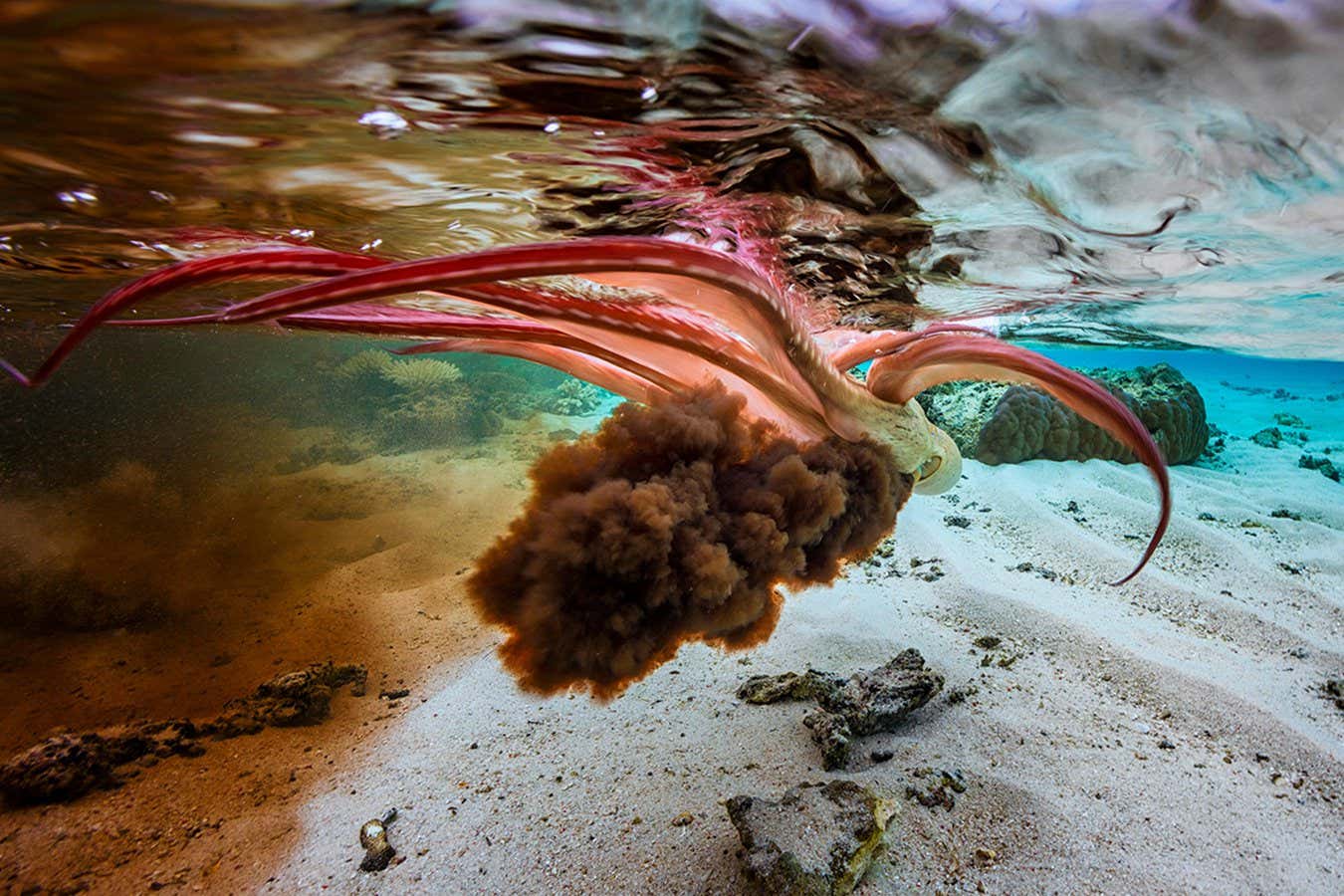
Ozopromide, which is found in octopus ink, could kill cancer cells but leave healthy ones intact. The finding could be used to develop new cancer treatments

22 May 2023
The cells of bowhead whales seem to be better at repairing DNA than those of humans or mice, and this may explain why they live to over 200 with low rates of cancer
16 May 2023
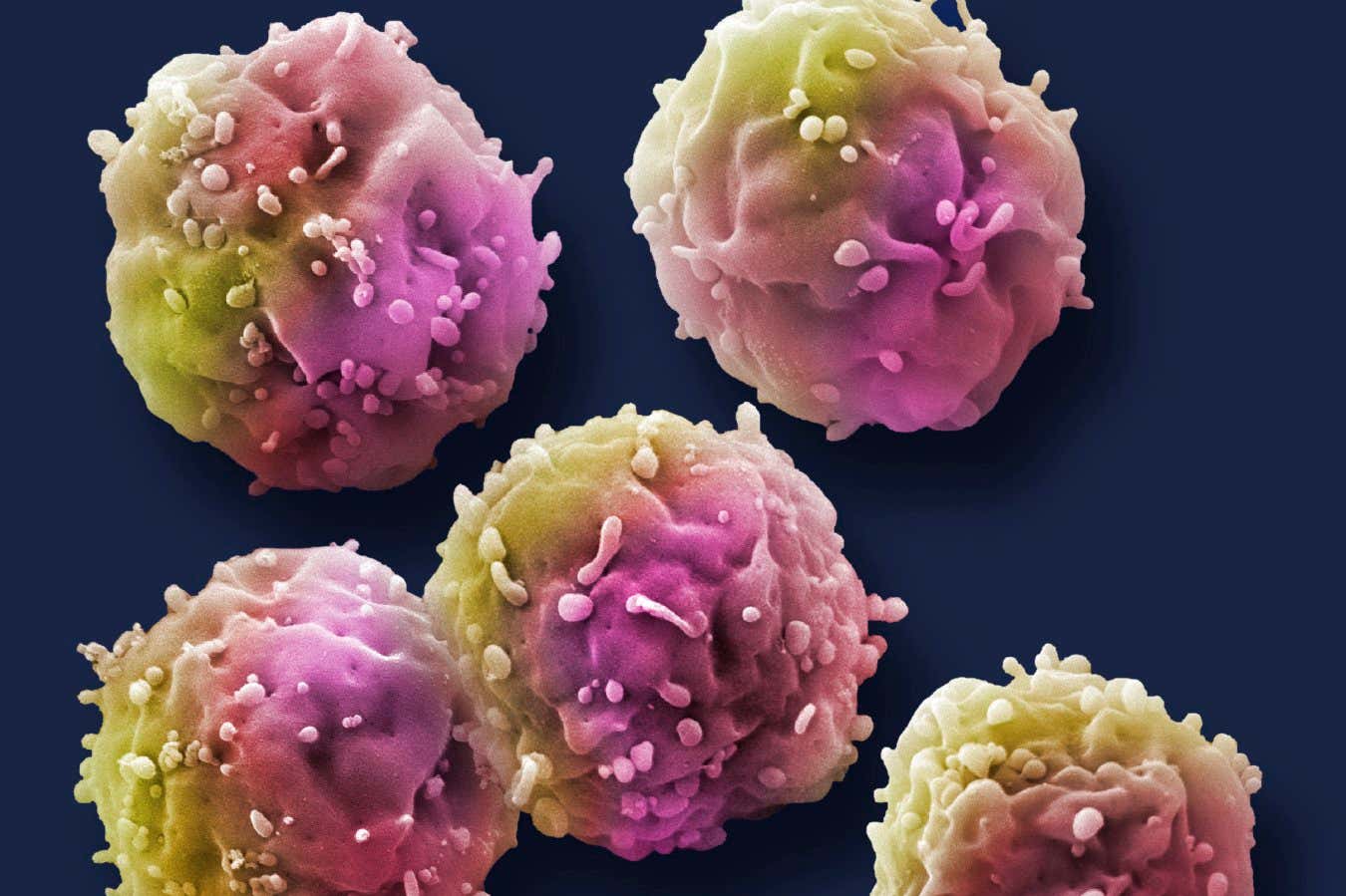
A genetic alteration that extends the life of mice can be transferred to other mice via blood stem cells, and this could soon be tested in humans as a cancer treatment
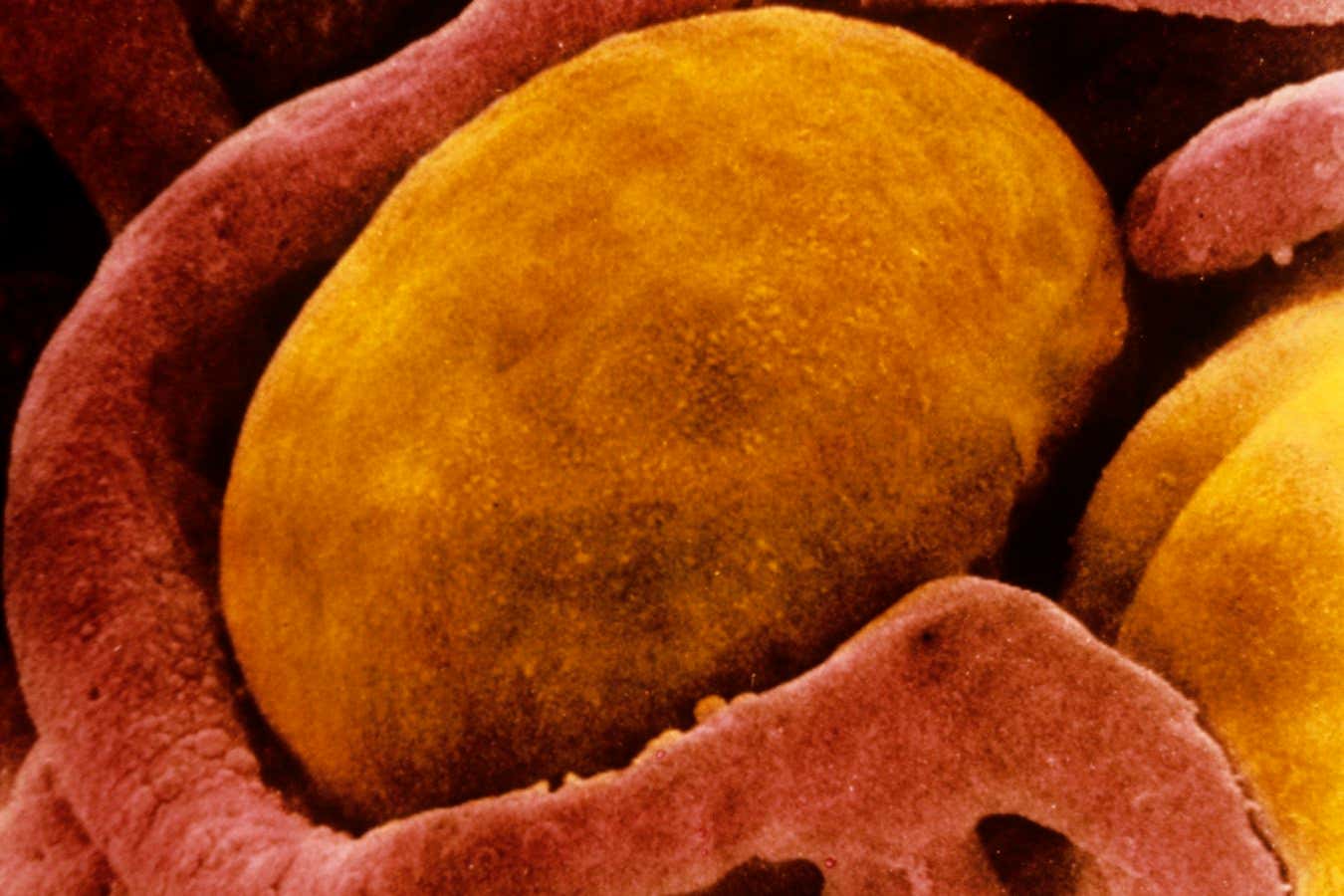
18 April 2023
Tumours in mice had reduced growth after brown fat, which burns sugars and other fuel that tumours need to grow, was implanted nearby. Researchers used CRISPR gene editing to convert white fat, which can be collected via liposuction, into brown fat
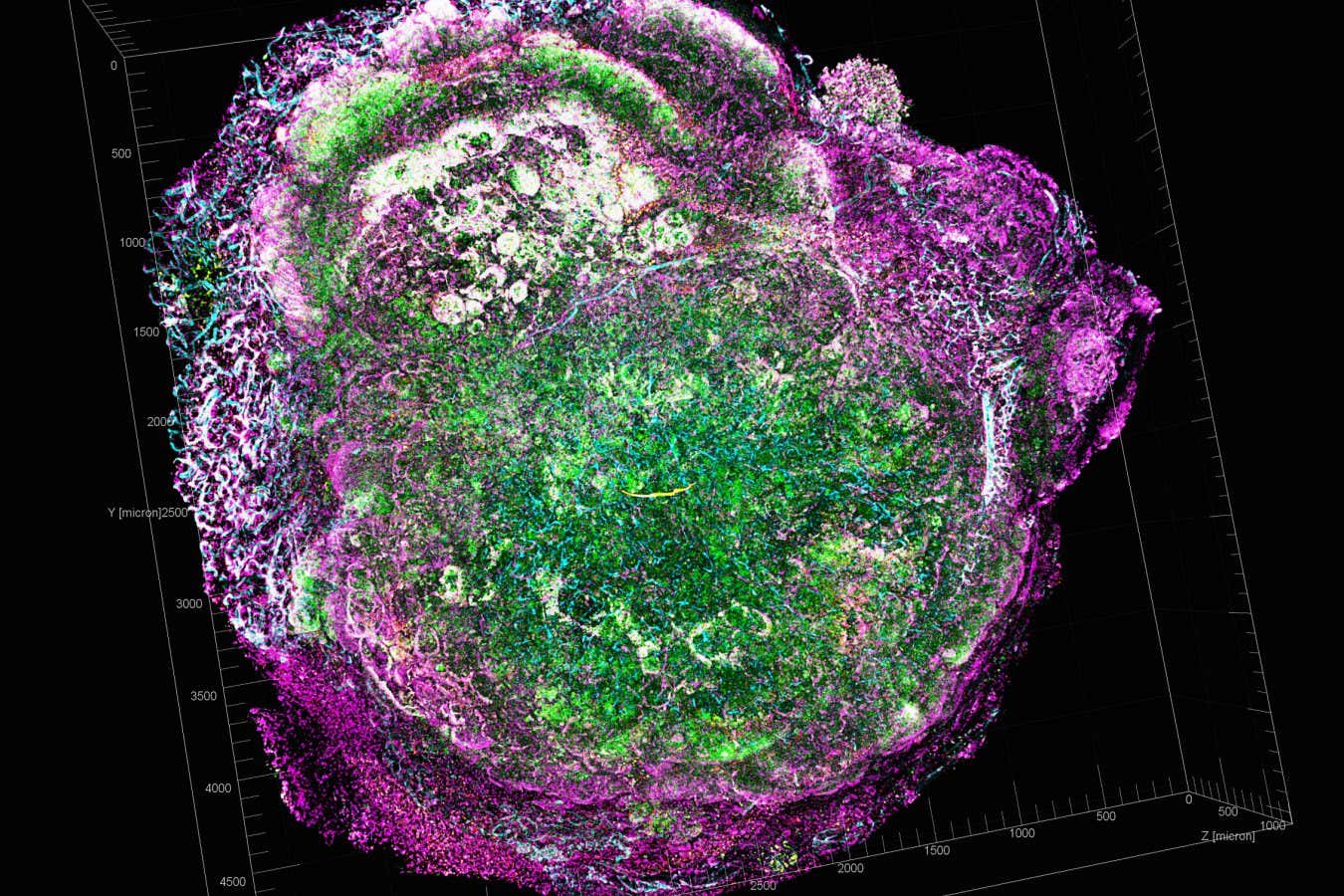
3 March 2023
An artificial intelligence has designed new versions of trastuzumab, an antibody treatment against breast cancer, in just a few days – existing methods take weeks or months

22 February 2023
Your cells crackle with electric signals that guide embryonic development and heal wounds. If we can learn to tweak this “bioelectric code”, we might be able to prevent cancer and even grow new limbs
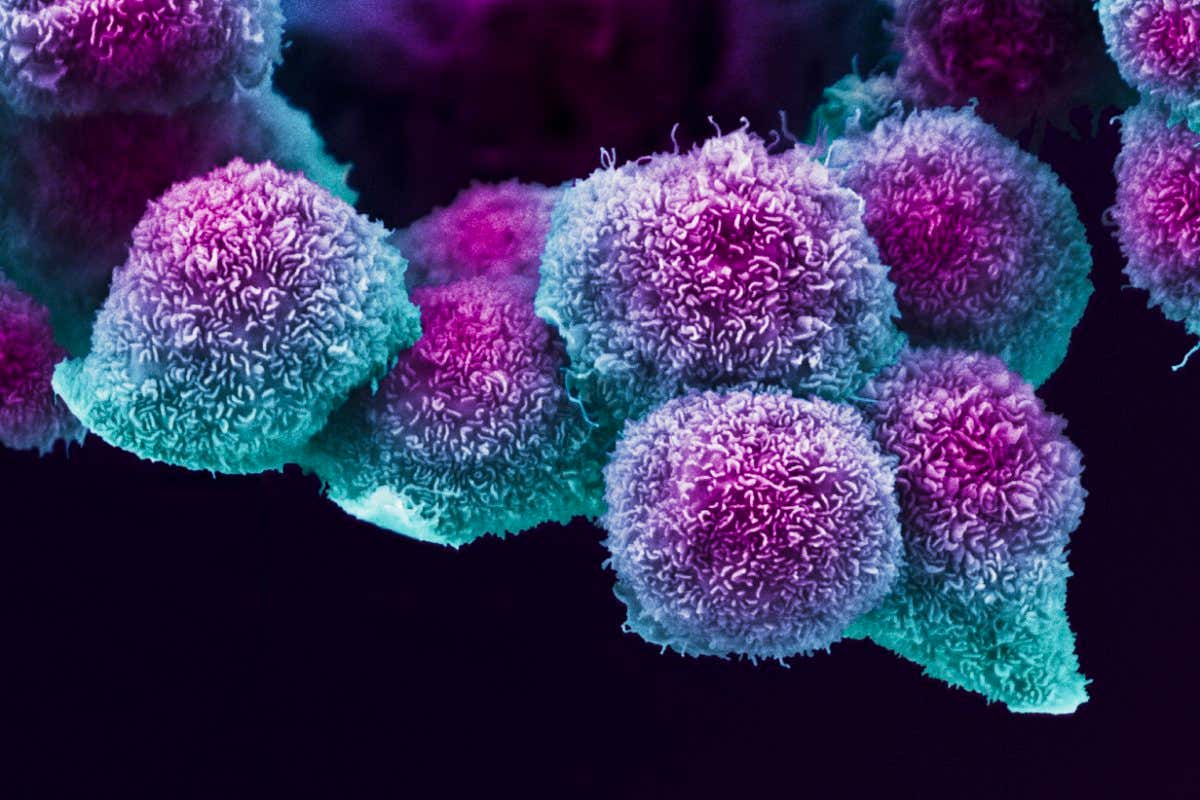
11 January 2023
Circadian clock genes in almost all our cells follow regular 24-hour patterns, but can be disrupted by irregular sleep patterns and prolonged light exposure. Now these same disruptions have been found in the cells of cancerous pancreatic tissue
