Subscribe now
New Scientist recommends: Tomorrow, and Tomorrow, and Tomorrow

New Scientist recommends: Tomorrow, and Tomorrow, and Tomorrow

19 July 2023

The books, TV, games and more that New Scientist staff have enjoyed this week


Collaboration Process Image (2020), Courtesy of Tin Drum

Kagami review: Mixed-reality gig brings dead headliner back to life

19 July 2023

Kagami, a mixed-reality concert at this year's Manchester International Festival, shows the fresh challenges and possibilities of state-of-the-art tech


New Scientist recommends: Pod and Women on Nature

New Scientist recommends: Pod and Women on Nature

12 July 2023

The books, TV, games and more that New Scientist staff have enjoyed this week


Love + Science, a new play by scientist and writer David J. Glass. Production image

New Scientist recommends: Love + Science and The Price of Peace

5 July 2023

The books, TV, games and more that New Scientist staff have enjoyed this week
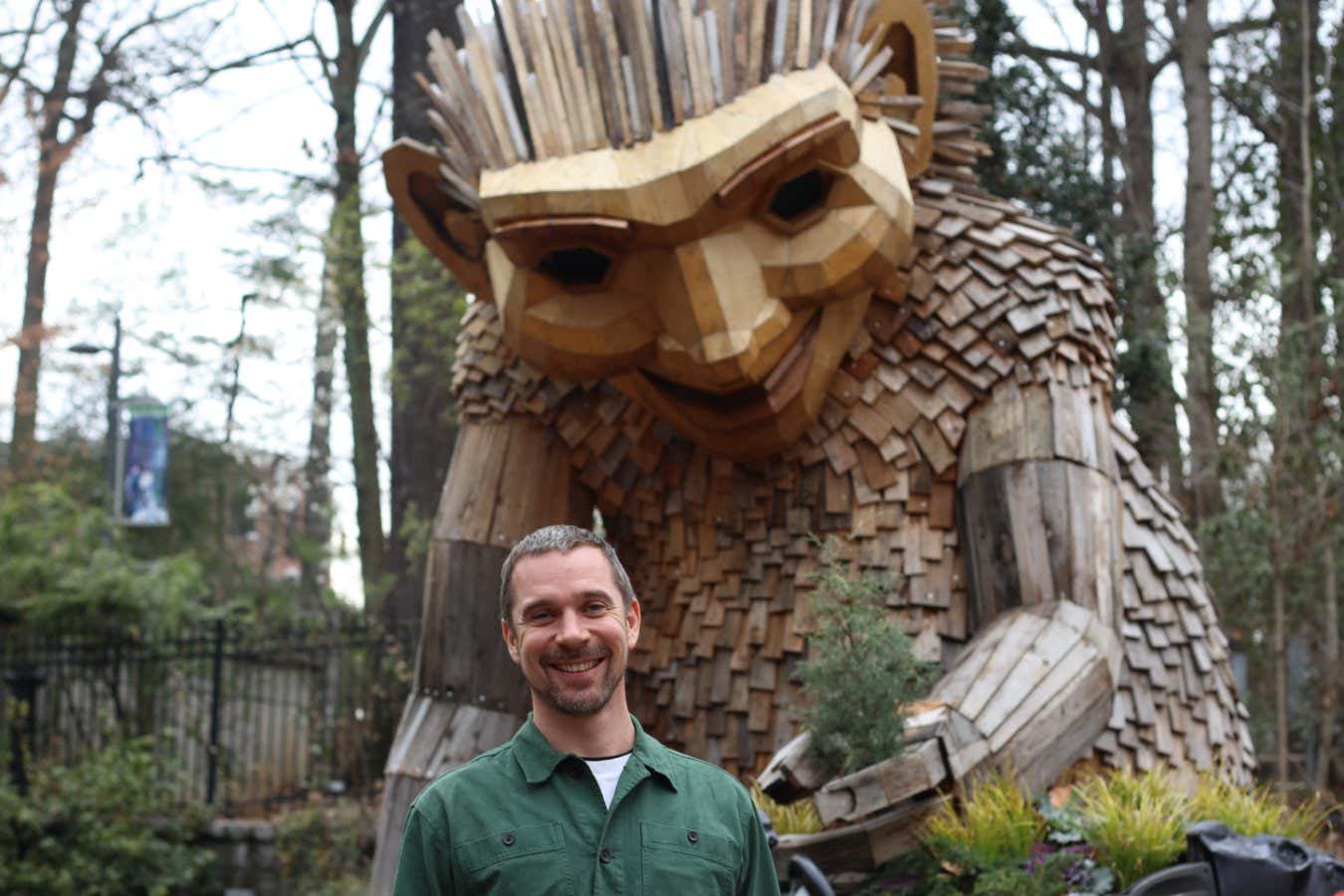

Atlanta Botanical Garden Atlanta in Georgia ?Trolls: Save the Humans? with Danish artist Thomas Dambo

New Scientist recommends: Troll sculptures at Atlanta Botanical Garden

14 June 2023

The books, TV, games and more that New Scientist staff have enjoyed this week


Women and children of the Chiman ethnic group participate in a protest march to Yucumo, September 16, 2011. The Amazonian ethnic groups which live in the Isiboro Secure territory, known by its Spanish acronym TIPNIS, are completing a 370 miles (595 km) march from Trinidad, in the northern Beni province, to La Paz to protest against a projected 185 mile (298 km) long highway that bisects the protected park in the Amazon forest, activists leading the march said. The protesters, who have a list of demands apart from their rejection of the highway project being financed by Brazil, are entering a rural region with strong sentiments for President Evo Morales, raising the possibility of confrontations on their way to La Paz. REUTERS/David Mercado (BOLIVIA - Tags: CIVIL UNREST POLITICS ENVIRONMENT) - GM1E79H0SU101

The unique, vanishing languages that hold secrets about how we think

12 June 2023

Language isolates, like Chimané from Bolivia, are unrelated to any other known tongue. Studying them is revealing how languages evolve and influence our perception of the world around us
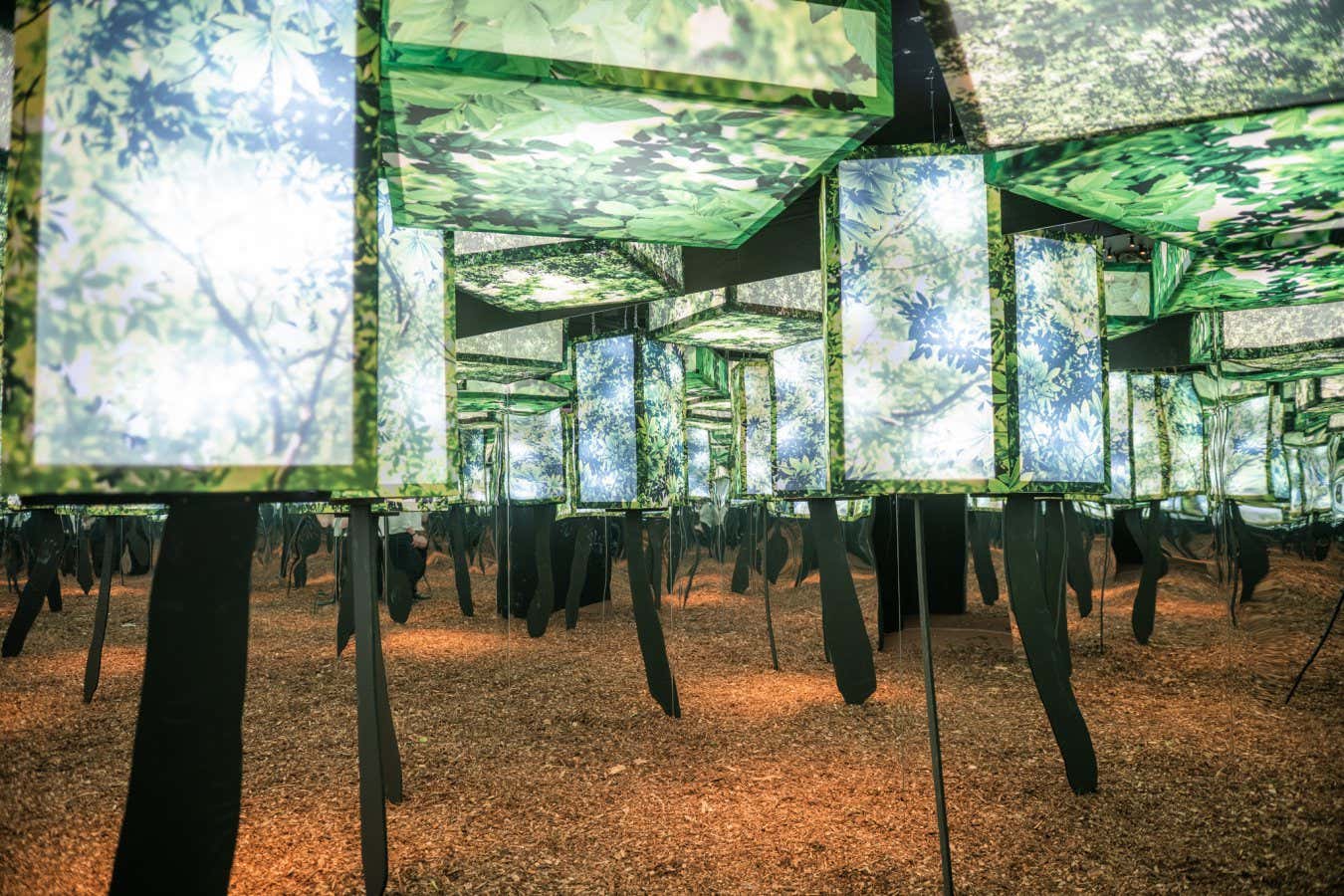

Dopamine Land - London

New Scientist recommends: Martin MacInnes's transcendent In Ascension

24 May 2023

The books, TV, games and more that New Scientist staff have enjoyed this week
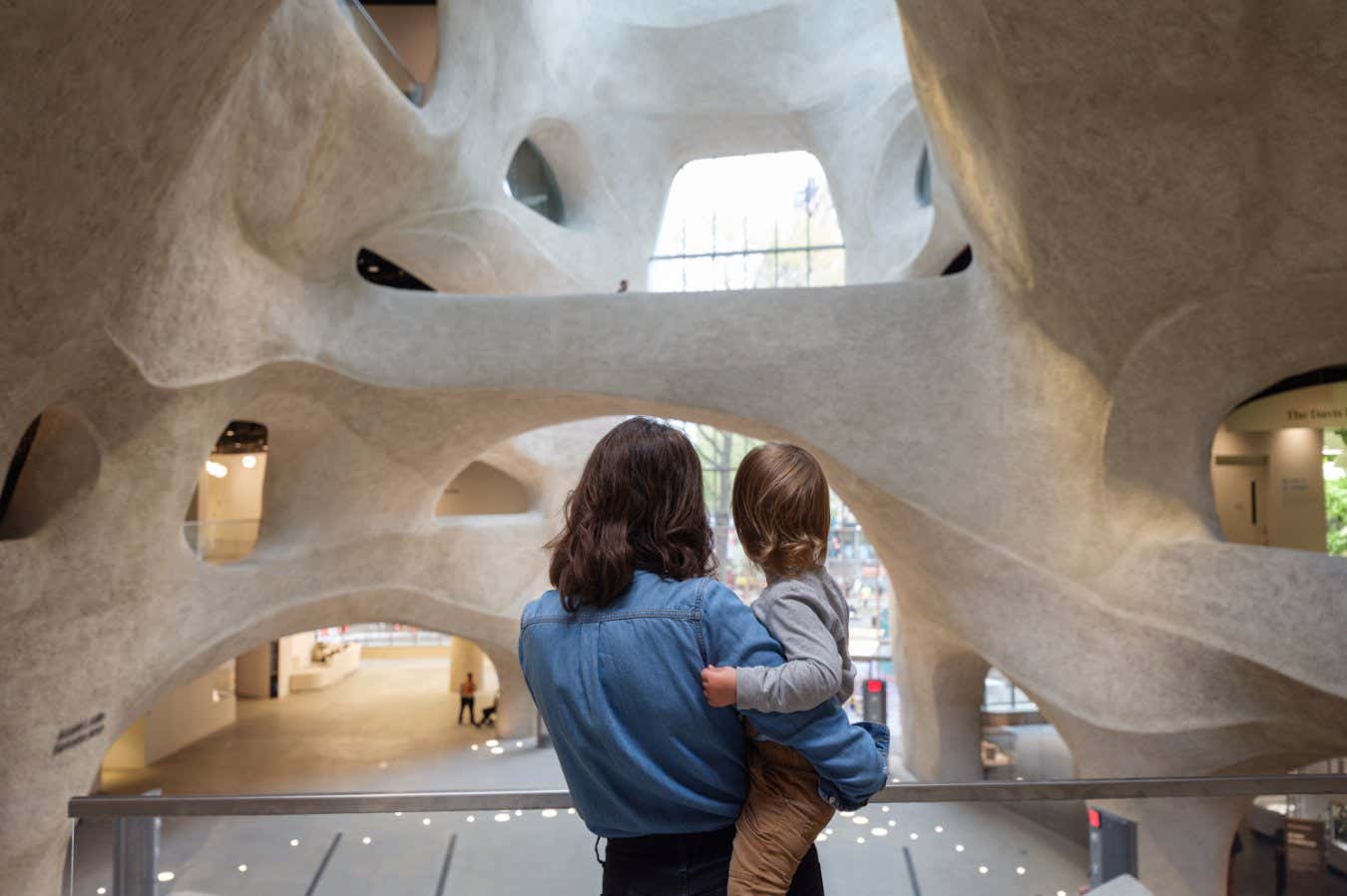

The architecture of the five-story Kenneth C. Griffin Exploration Atrium in the new Richard Gilder Center for Science, Education, and Innovation is inspired by natural Earth processes of wind and water and the ways in which they shape landscapes that are exciting to explore. The Griffin Atrium serves as a gateway into the Museum from Columbus Avenue, featuring skylights for natural illumination and alluring sightlines that invite visitors to explore various levels and galleries, including the new Susan and Peter J. Solomon Family Insectarium and Louis V. Gerstner, Jr. Collections Core. Located on the second floor, the landing at the top of the staircase opens up to the full scope of the Kenneth C. Griffin Atrium, with views of the Gilder Center???s new engaging exhibits. 2. Kenneth C. Griffin Exploration Atrium Alvaro Keding/? AMNH Description: The architecture of the five-story Kenneth C. Griffin Exploration Atrium in the new Richard Gilder Center for Science, Education, and Innovation is inspired by natural Earth processes of wind and water and the ways in which they shape landscapes that are exciting to explore. The Griffin Atrium serves as a gateway into the Museum from Columbus Avenue, featuring skylights for natural illumination and alluring sightlines that invite visitors to explore various levels and galleries, including the new Susan and Peter J. Solomon Family Insectarium and Louis V. Gerstner, Jr. Collections Core. Located on the second floor, the landing at the top of the staircase opens up to the full scope of the Kenneth C. Griffin Atrium, with views of the Gilder Center?s new engaging exhibits. Usage rights: PLEASE NOTE: These images are supplied solely for one-time use by print, broadcast, and online media for publicity purposes related to The Richard Gilder Center for Science, Education, and Innovation press preview. No other use of these images is permitted without the express written permission of the Museum and/or the owners of the images. Unique identifier: AN1525680

The Gilder Center review: How to draw in more natural history fans

17 May 2023

An enticingly designed addition to the American Museum of Natural History in New York aims to connect all forms of life, from leafcutter ants to humans. Its engaging exhibits look sure to win more fans for the natural world


Addicted to Drama: Find out what it means to be called a 'drama queen'

Addicted to Drama: Find out what it means to be called a 'drama queen'

17 May 2023

Is whipping up drama from everyday life down to personality? Or could it be caused by something deeper that warrants investigation? Scott Lyons's new book explores what might fuel those who thrive on the dramatic
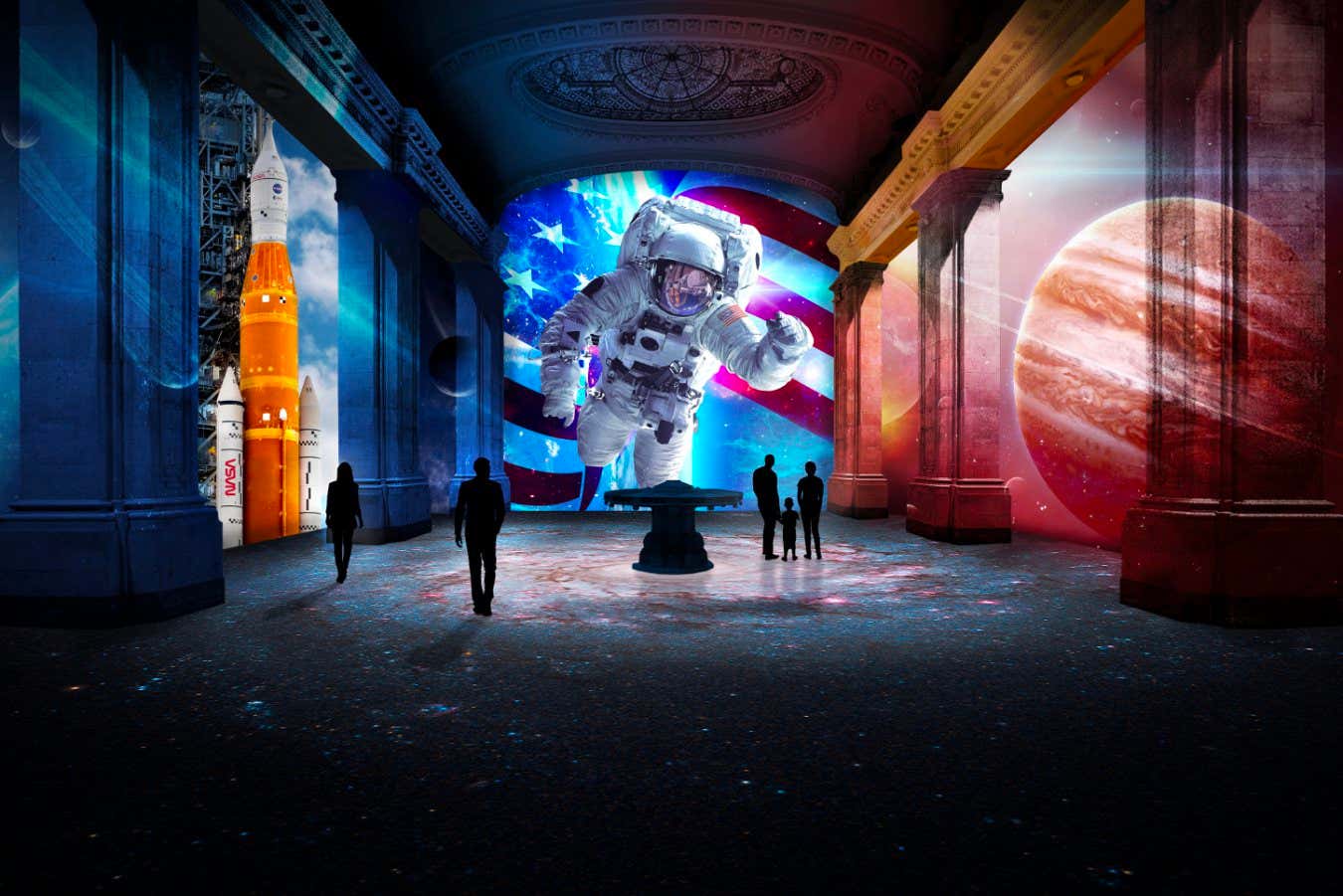

Destination Cosmos Hero Render Culturespaces, with participation from the National Aeronautics and Space Administration (NASA) and in partnership with CNES, announced today that Hall des Lumi?res will offer a new, limited-time exhibit: Destination Cosmos: The Immersive Space Experience. Opening April 7 and running through June 4, 2023, the digital exhibition will launch guests on a gripping voyage across the universe. Destination Cosmos: The Immersive Space Experience transports the public to a maze of stars, planets, nebulae, and supernovae. Composed of 13 sequences and a prologue, the unique journey of discovery begins at Cape Canaveral and ends in the universe's outer reaches. After departing from Earth, visitors are invited to travel over Martian canyons alongside rovers (space exploration vehicles), dive into the heart of Jupiter, glide across the rings of Saturn, and explore beyond the frontiers of our solar system to experience the immensity of our universe. Thanks to stunning images from NASA that bring this exhibition to life, Destination Cosmos will allow visitors to embark on a unique voyage into space and time through visuals and a curated soundtrack. Destination Cosmos begins in darkness and fills the hall with a starry sky where constellations emerge to create The Ancient Human Dream of Space Exploration, setting the stage for the exhibition. Following a succession of ancient illustrations, the exhibition then proceeds into The Space Race: Destination Moon, featuring Yuri Gagarin?s first manned space flights, from the spacecraft production to the pop culture phenomenon, and the Apollo missions conducted by the Americans in the 1960s, allowing the visitors to experience Neil Armstrong?s first footstep on the surface of the Moon. It brings to life Armstrong?s famous reaction, ?one small step for man, one giant leap for mankind.?

Don't Miss: Destination Cosmos delivers a magical tour of the universe

10 May 2023

New Scientist's weekly round-up of the best books, films, TV series, games and more that you shouldn't miss


Sign up to our weekly newsletter

Receive a weekly dose of discovery in your inbox. We'll also keep you up to date with New Scientist events and special offers.

Sign up
Piano Exit Overlay Banner Mobile Piano Exit Overlay Banner Desktop