Subscribe now
New Scientist. Science news and long reads from expert journalists, covering developments in science, technology, health and the environment on the website and the magazine.

Test article - Obesity may damage immune cells that prevent psoriasis

10 September 2025

Mice with obesity have fewer immune cells in their skin that protect against psoriasis-related inflammation, potentially explaining why obesity increases the risk of the condition
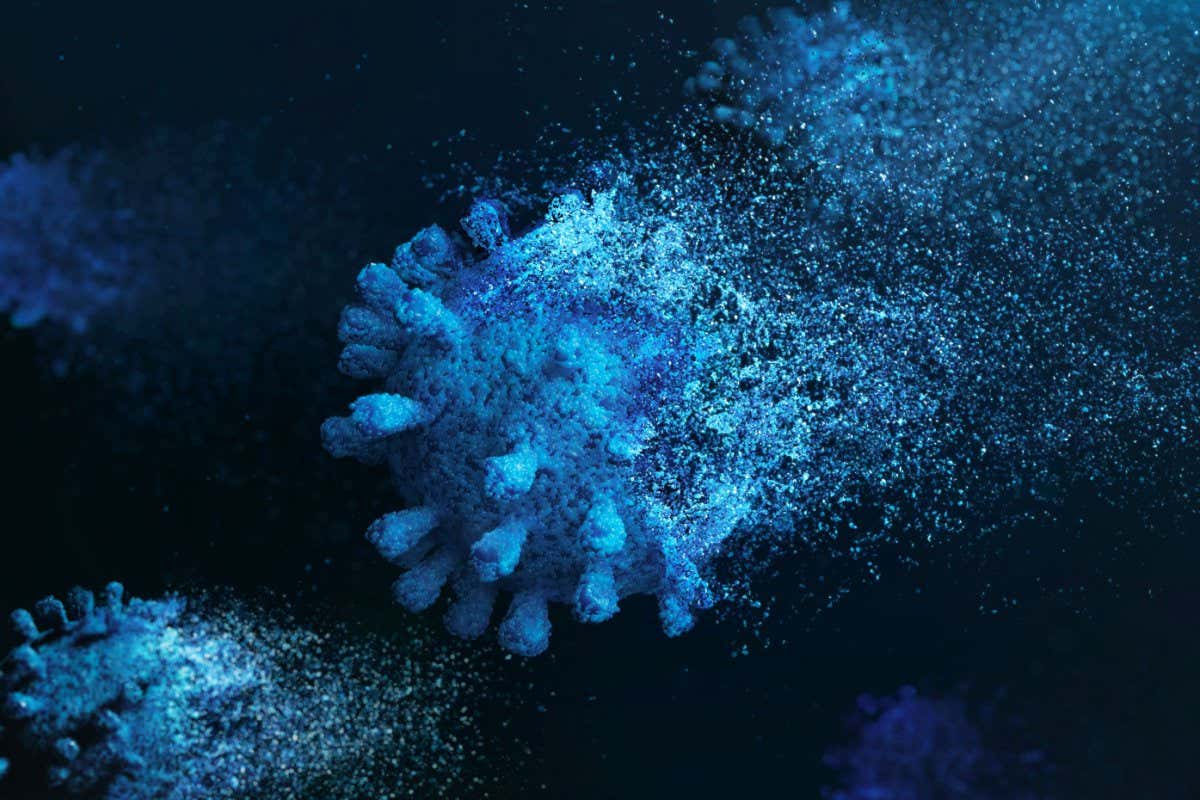


COVID???19 virus destruction on a black background.

We must not lose the interest in immune health that covid-19 spurred

1 February 2023

After several months of the covid-19 pandemic, interest in immunity was at an all-time high. Keeping that interest alive is in all our best interests


Senior women exercising at home

How the immune system changes with age and why

31 January 2023

We are gaining a better understanding of the effects of ageing on the immune system, with some surprising findings that it’s not all downhill after 65


2E1DWA2 Heart love symbol, health, cyber tech romance, ai and cardio concept. Futuristic abstract 3d rendering illustration.

The AI immune system that's changing our understanding of human health

31 January 2023

Artificial immune systems are intelligent algorithms based on how the immune system learns and remembers and could transform our ability to protect ourselves from biological – and technological - invaders


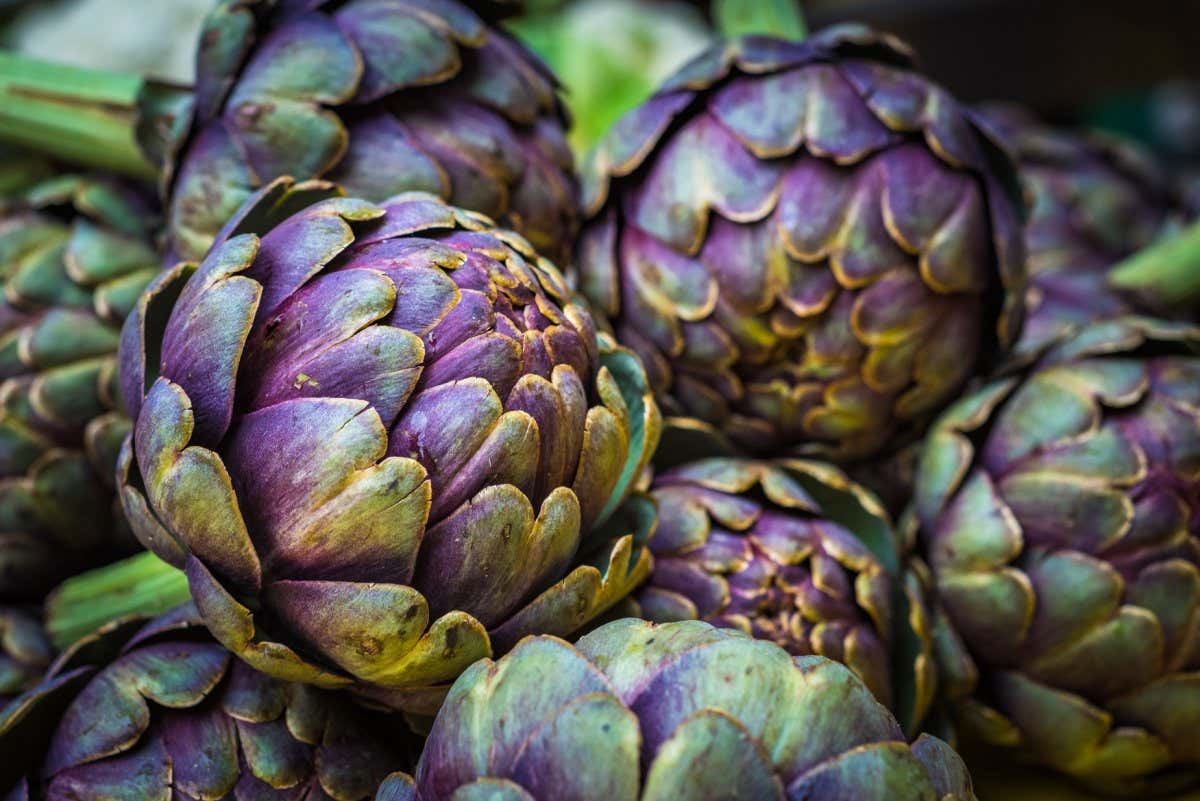
fresh artichokes at farmers market ; Shutterstock ID 1472137547; purchase_order: -; job: -; client: -; other: -

The food and drink that really can boost your immune system

31 January 2023

Whether it is immune-boosting smoothies or bacteria-laden yogurts, there is a whole world of products that claim to improve your immune system – but these are the ones that actually work


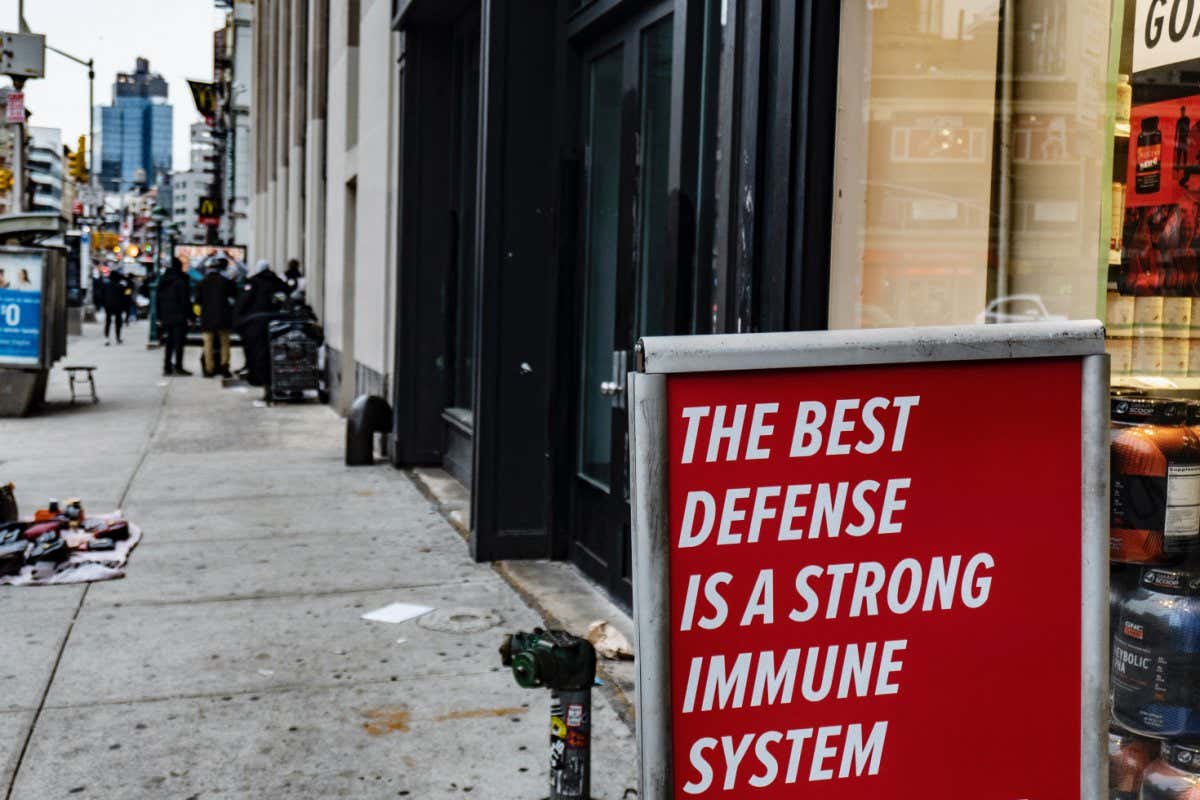
New York, New York - March 14, 2020: The movement and travel restrictions instituted in NYC are having significant economic impacts. A sign at a GNC reads

Why do some people appear to have a naturally strong immune system?

31 January 2023

We all know someone who never seems to get sick. Now scientists are discovering what makes some people’s immune systems stronger than others


MANILA, PHILIPPINES - AUGUST 19: Commuters are seen wearing face masks and face shields inside a bus on August 19, 2020 in Quezon city, Metro Manila, Philippines. President Rodrigo Duterte relaxed quarantine measures in the Philippine capital in a bid to boost the country's tanking economy despite having the most coronavirus cases in Southeast Asia. The Philippines' health ministry has so far confirmed 173,774 cases of the coronavirus, a third of which were recorded in the last two weeks. (Photo by Ezra Acayan/Getty Images)

The sex differences that impact the strength of your immune system

31 January 2023

There are sex differences that put you at an advantage or disadvantage when it comes to your risk of different diseases, including cancer and autoimmune conditions like multiple sclerosis or rheumatoid arthritis


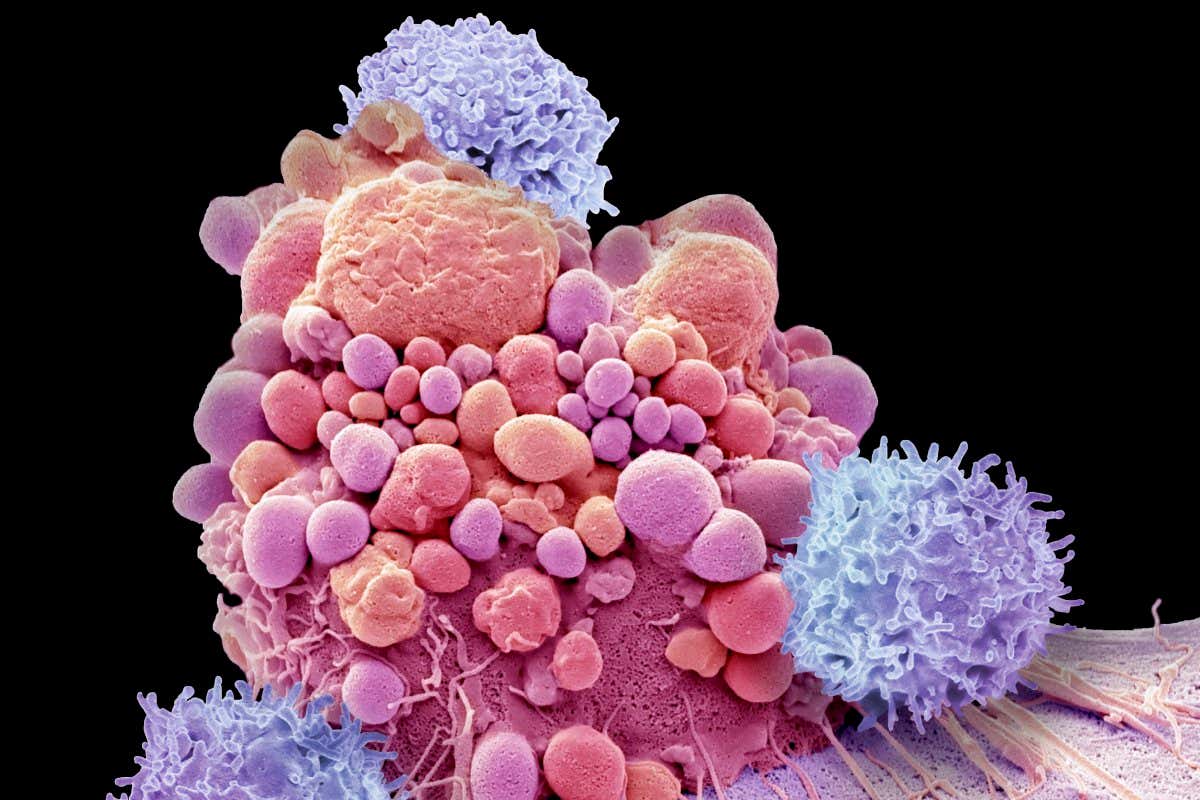
T-cells and brain cancer cell. Composite coloured scanning electron micrograph (SEM) of T-cells and an apoptotic brain cancer cell. T-cells are a component of the body's immune system. CAR T-cell therapy takes T-cells from a cancer patient's blood and modifies them to recognize a specific protein found on patient's tumor cells. When reintroduced to the patient the T-cells find and destroy the tumour cells. The newest form of CAR T-cell therapy, now in clinical trials, uses 'memory' T-cells which remain in the body after attacking the cancer. The hope is that memory T-cells may provide an active reservoir of cancer-killing cells capable of stopping further tumours. Magnification: x6000 at 10cm wide.

How genetically engineered immune cells are beating some cancers

31 January 2023

In some cases, it is now possible to genetically engineer the immune system to banish cancers like T-cell leukaemia that were previously unresponsive to treatments


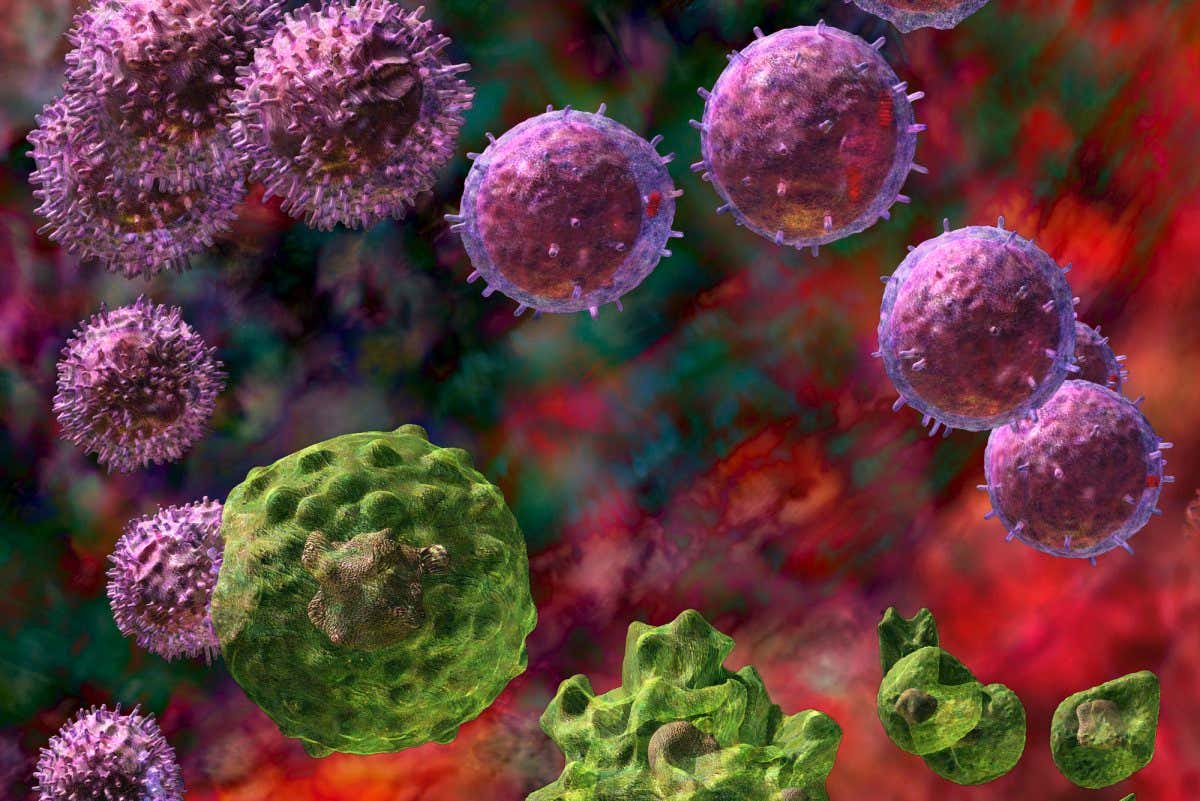
This image may not be used in educational posters ^BCell-mediated immune response,^b computer artwork. This type of immune response is most often used against intracellular pathogens, such as viruses. The viruses (gold) are phagocytosed (engulfed) by macrophage cells (green), a type of white blood cell. Fragments of viral protein (antigen) are displayed on the macrophage's surface. The antigen is recognised by a helper T lymphocyte (purple, centre and right), which secretes chemicals to activate other immune cells, including cytotoxic T lymphocytes (purple, left and bottom). The cytotoxic cells release chemicals that cause the macrophages to disintegrate and die, killing the viruses inside as well.

How to tell if your immune system is weak or strong

31 January 2023

New blood tests can reveal whether your immune system is fighting fit by looking at the balance of different immune cells, but there may be a simpler way of gauging your immune health


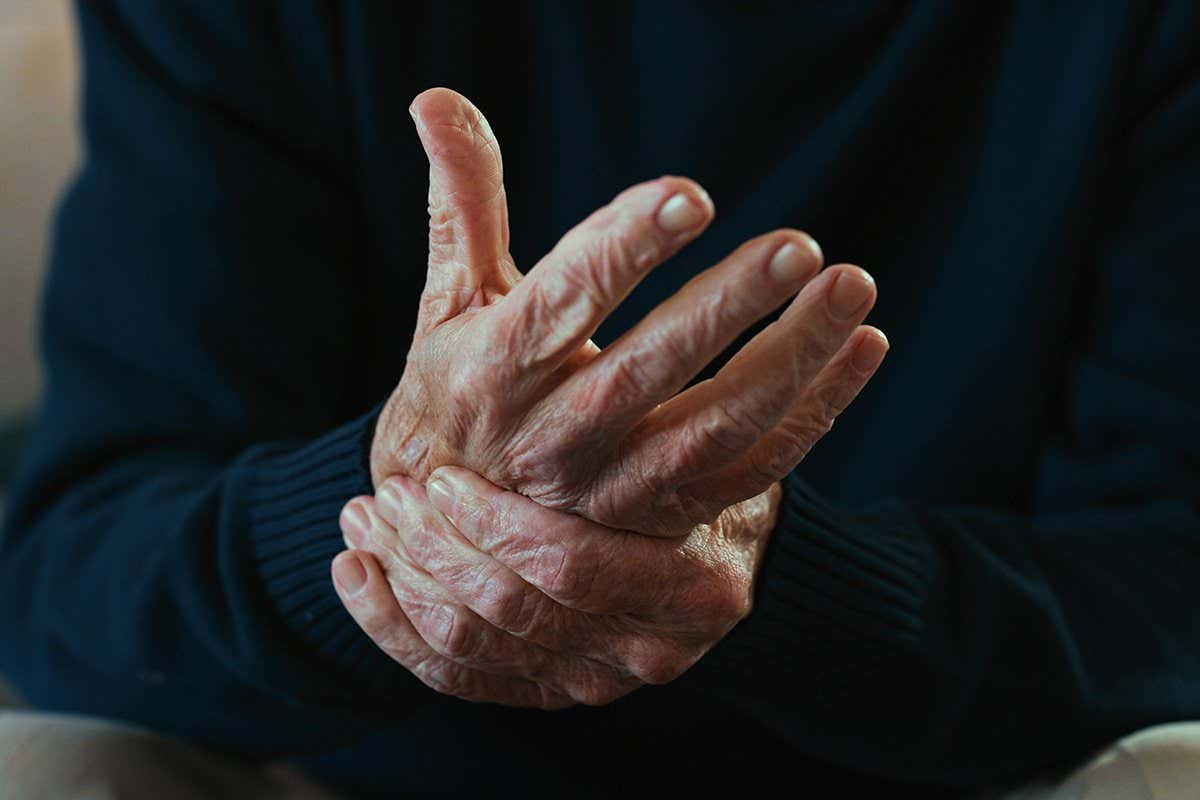
Cropped shot of an unrecognisable man sitting alone at home and suffering from arthritis in his hands - stock photo

Vagus nerve receptors may be key to controlling inflammation

18 January 2023

Researchers identified receptors in the vagus nerves of mice that help control inflammation, which could improve treatments for conditions such as rheumatoid arthritis where the pathway may malfunction


Sign up to our weekly newsletter

Receive a weekly dose of discovery in your inbox. We'll also keep you up to date with New Scientist events and special offers.

Sign up
Piano Exit Overlay Banner Mobile Piano Exit Overlay Banner Desktop