Subscribe now
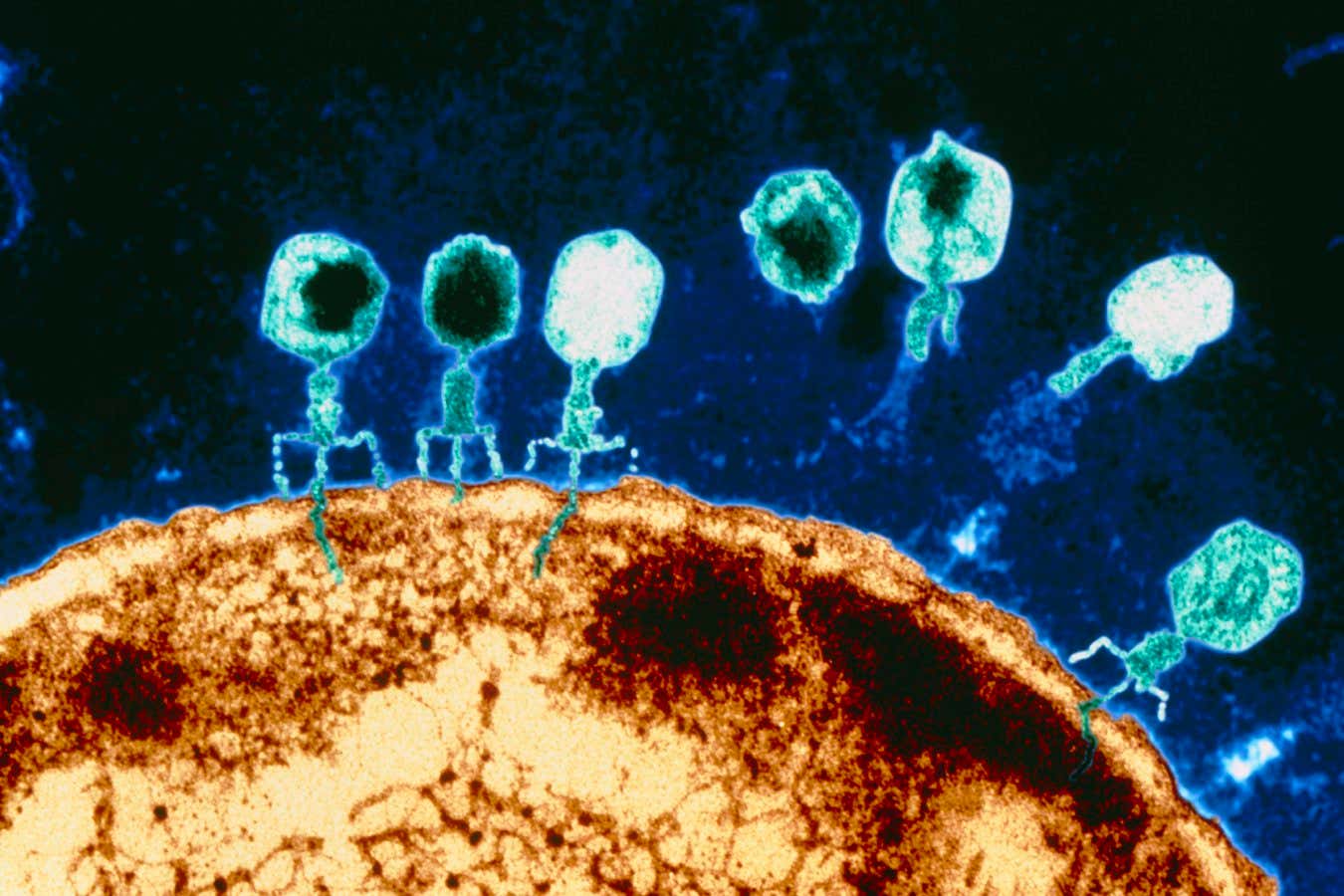
T-bacteriophages on E.coli. Coloured Transmission Electron Micrograph (TEM) of T-bacteriophage viruses attacking a bacterial cell of Escherichia coli. Seven virus particles are seen (blue), each with a head and a tail. Four of these are

The Good Virus review: Could viruses cure deadly infections?

5 July 2023

Tom Ireland's compelling and original book makes a strong case for revisiting phage therapy – the idea of fighting bacterial infections with viruses

Tumour-dwelling microbes: A startling new frontier in cancer treatment

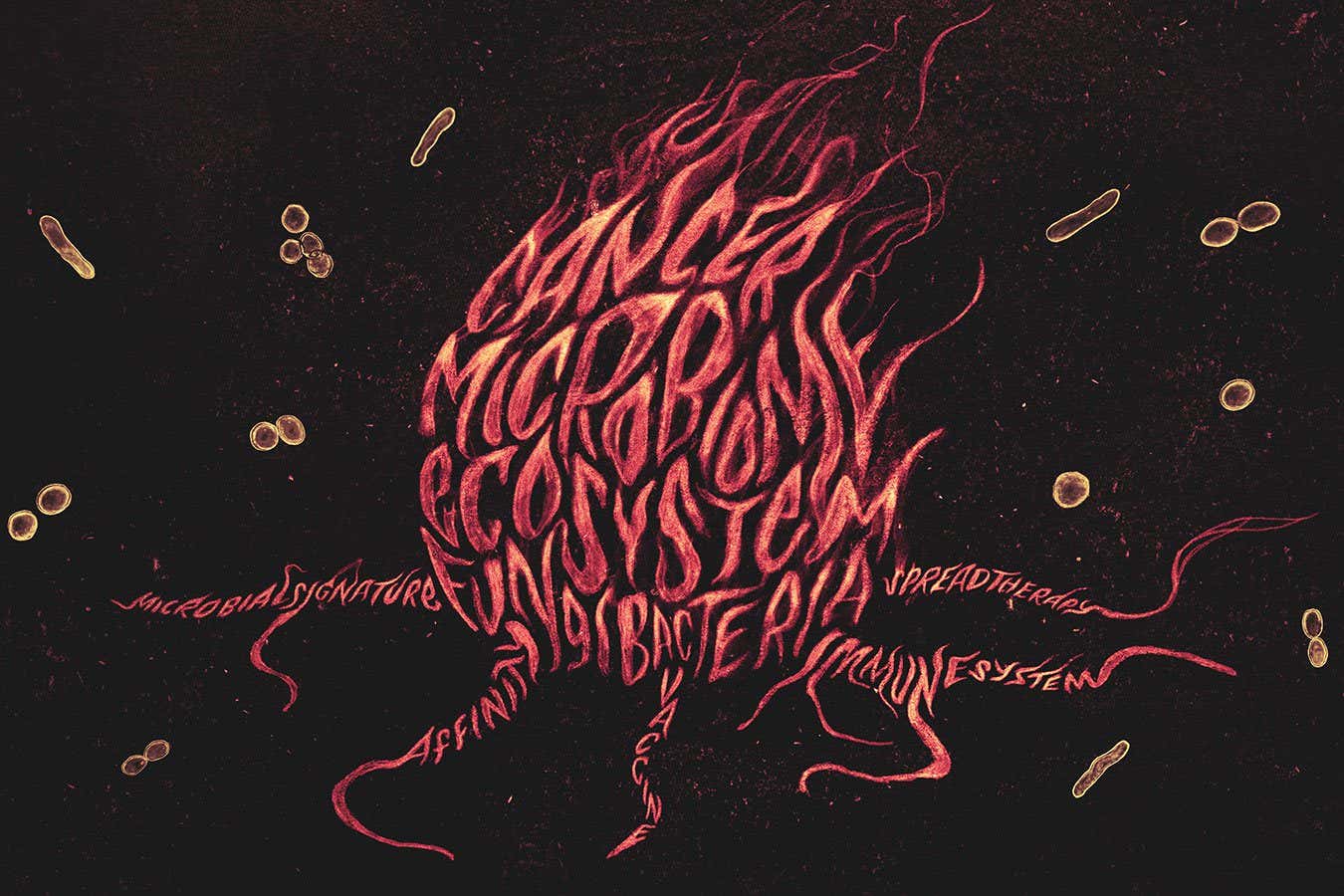
Tumour-dwelling microbes: A startling new frontier in cancer treatment

21 June 2023

New research shows that tumours are home to a rich ecosystem of bacteria and fungi that influence cancer progression - opening up incredible new ways to fight the disease

First beauty products made with synthetic palm oil go on sale

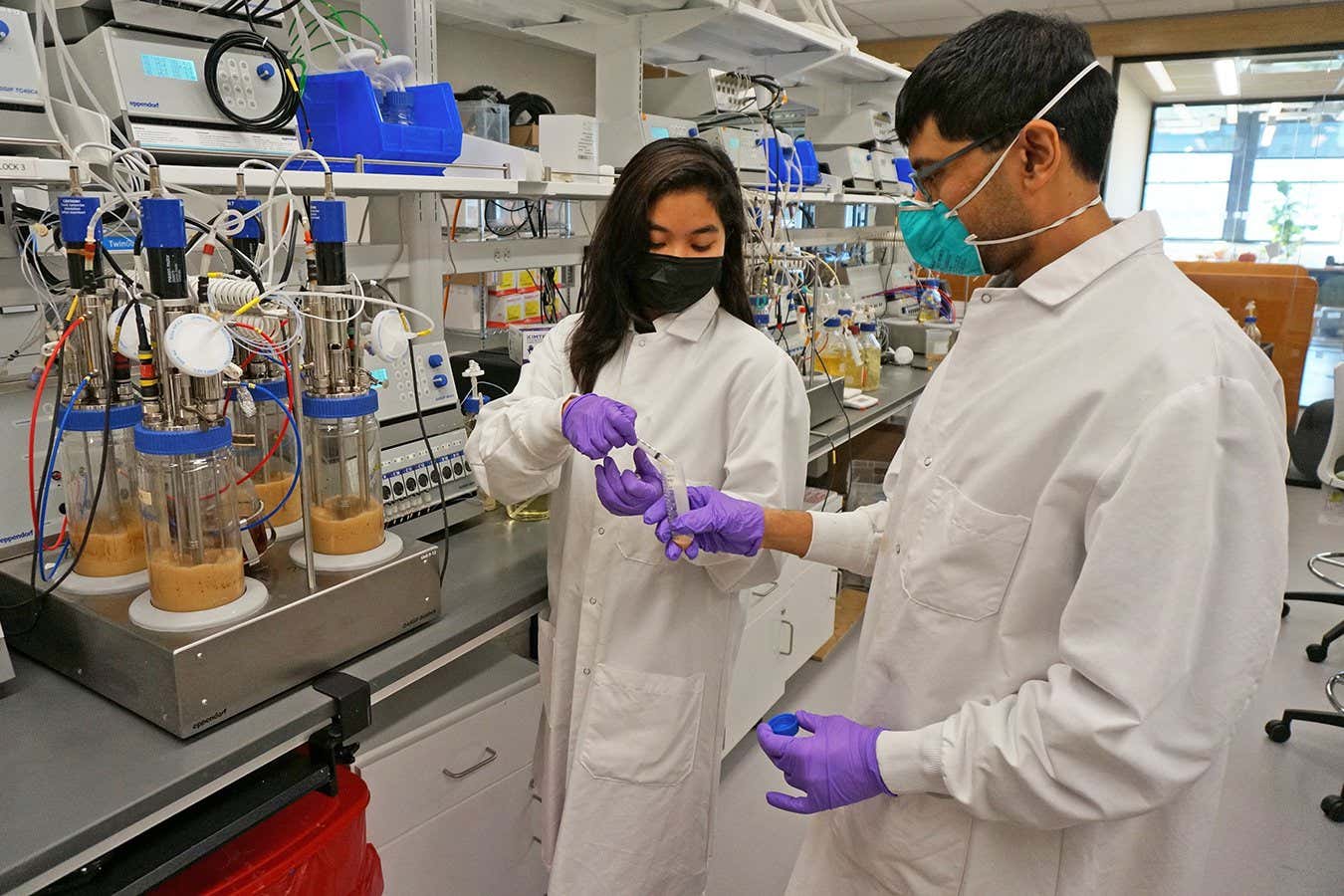
First beauty products made with synthetic palm oil go on sale

10 March 2023

A skin and hair product that uses a yeast oil with properties similar to palm oil aims to help reduce deforestation tied to palm oil production
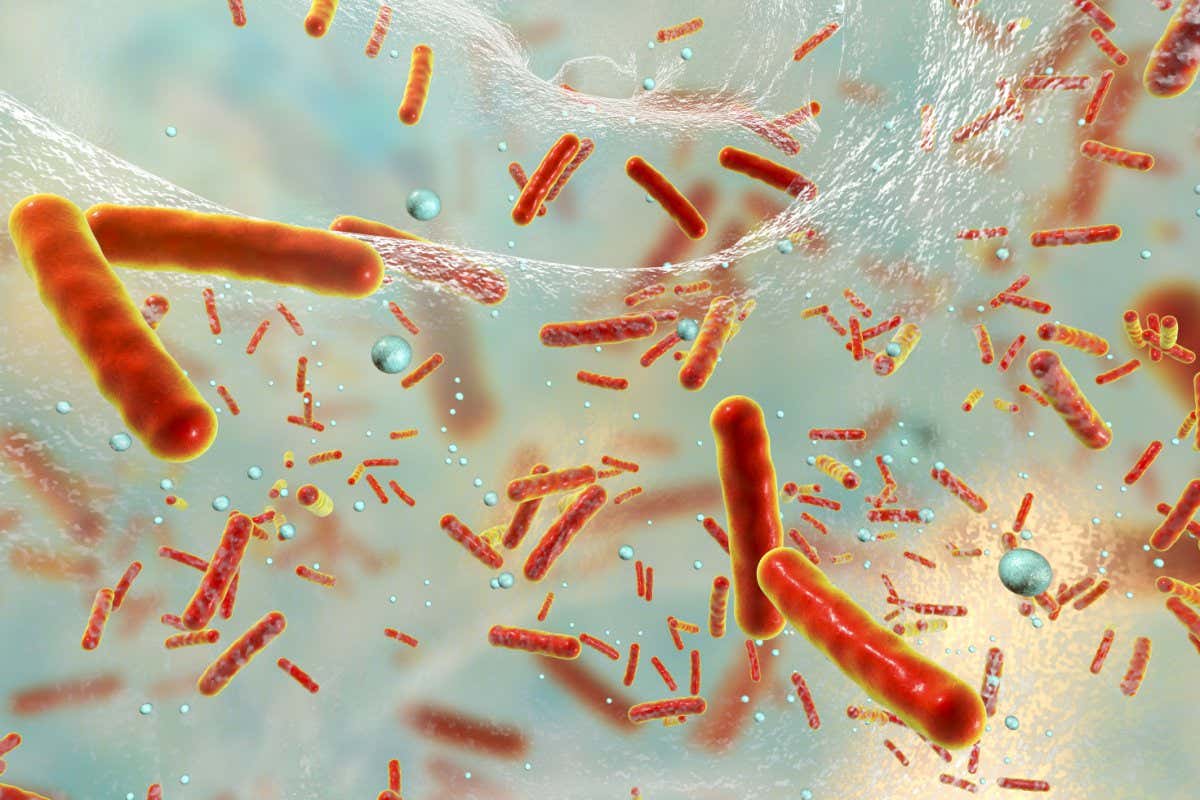

illustration of antibiotic-resistant bacteria

Antibiotic-resistant bacteria can be killed by pom-pom molecules

27 June 2022

Pom-pom-shaped molecules rip apart MRSA and other drug-resistant bacteria in minutes, are cheap and easy to make, and don’t seem to lead to bacterial resistance
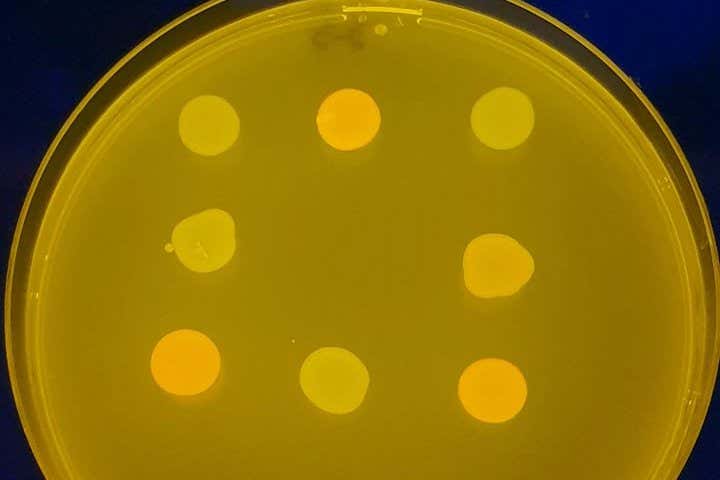

Genetically engineered bacteria have learned to play tic-tac-toe

Genetically engineered bacteria have learned to play tic-tac-toe

13 May 2022

E. coli bacteria modified to act like electronic components called memristors can be set up to act as a simple neural network and trained to play noughts and crosses
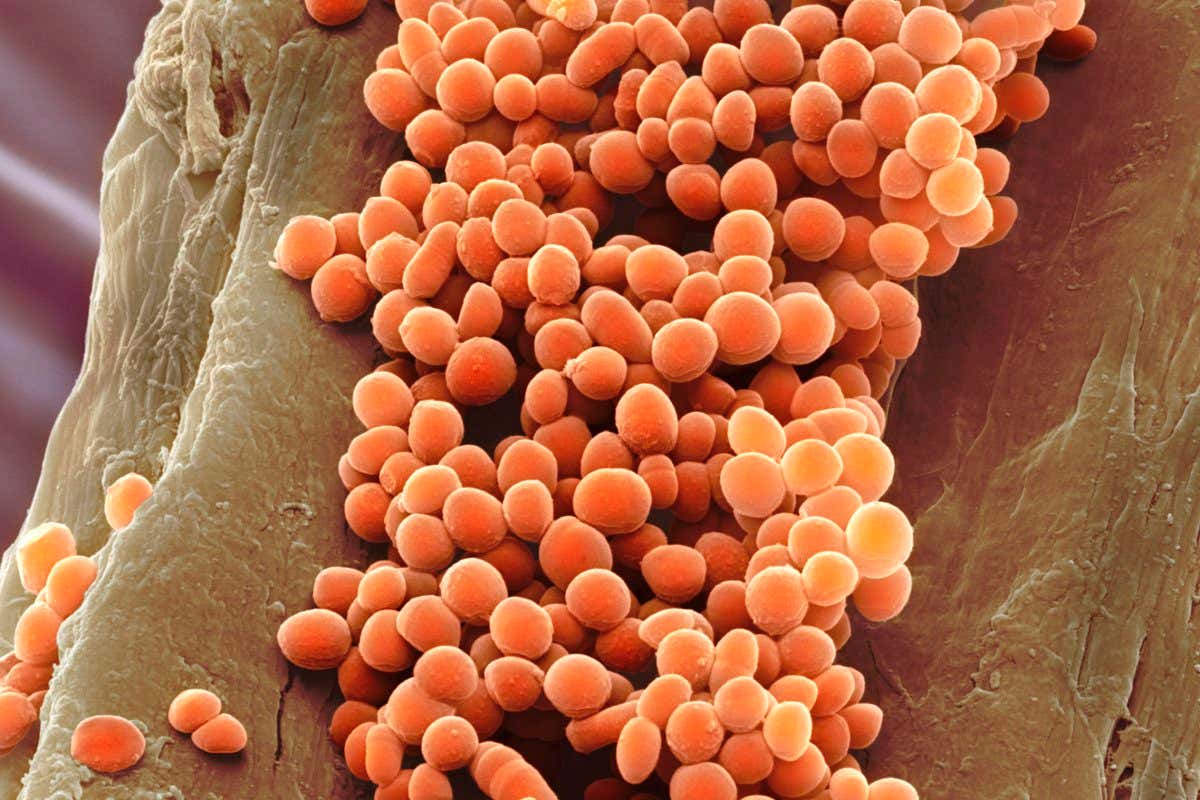

Lactococcus lactis bacteria,coloured scanning electron micrograph (SEM). This lactic acid-producing bacteria is used in the production of cheese and other fermented products. Magnification: x2500 when printed at 10 centimetres wide.

Genetically engineered cheese bacteria may help chronic wounds to heal

15 March 2022

Lactococcus lactis bacteria have been engineered to produce skin-healing proteins and could be useful for treating diabetic ulcers
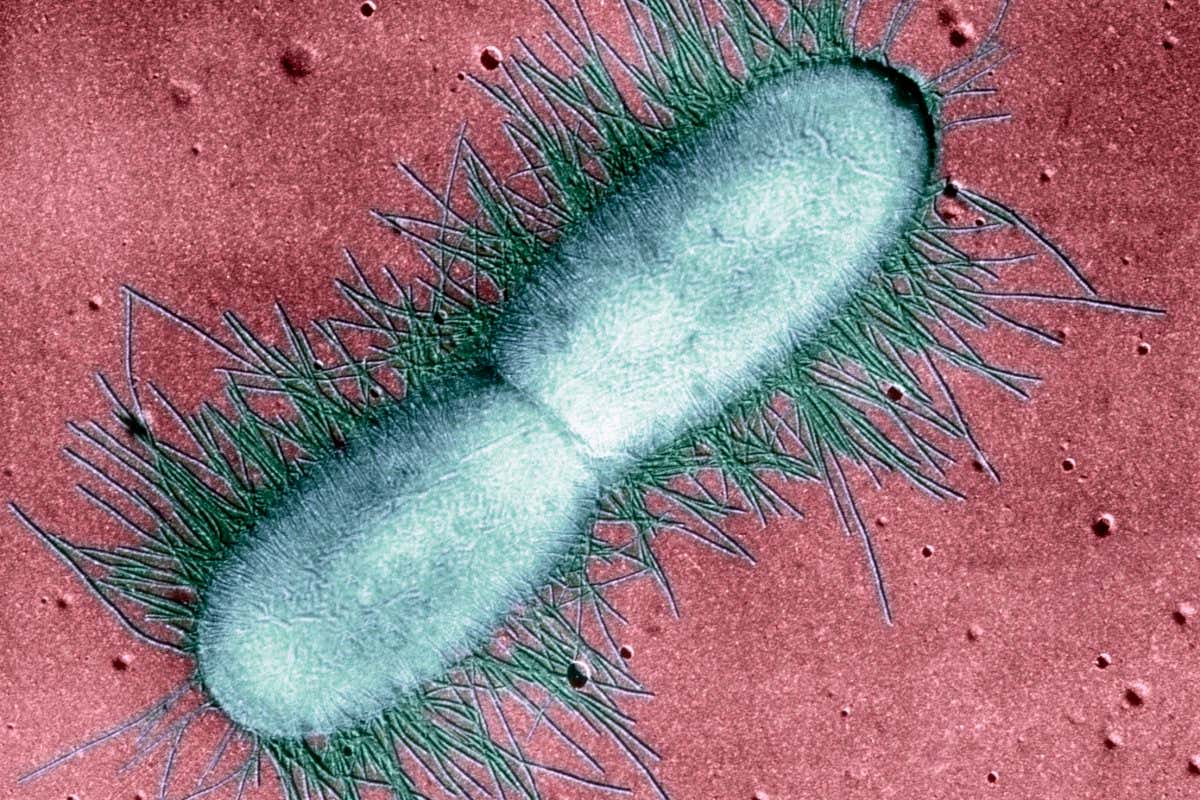

E. coli bacterium. Coloured transmission electron micrograph (TEM) of an Escherichia coli (E. coli) bacterium in the early stages of binary fission, the process by which the bacterium divides. This Gram-negative bacillus (rod-shaped) bacterium normally inhabits the human intestines. Under certain conditions it may undergo rapid division, which increases its numbers to such an extent that it causes infection. E. coli cause 80% of all urinary tract infections, travellers' diarrhoea and gastroenteritis in children. The hair-like appendages around the bacterium are pili, structures used for bacterial conjugation. Magnification: x17,500 at 6x7cm size.

Nanoparticles can translate chemical signals from bacteria to yeast

28 February 2022

Particles that facilitate communication from one type of cell to another could have applications in medicine and agriculture


Mould from Chernobyl nuclear reactor tested as radiation shield on ISS

Mould from Chernobyl nuclear reactor tested as radiation shield on ISS

24 July 2020

A radiation-absorbing fungus discovered in Chernobyl blocked harmful cosmic rays on the International Space Station and may help protect future Mars colonies


Mike Sulu at New Scientist Live

Microorganisms: the future of food, fuel and medicine

28 April 2020

Mike Sulu explains how the first lifeforms to evolve on Earth have the potential to feed, fuel and heal our future
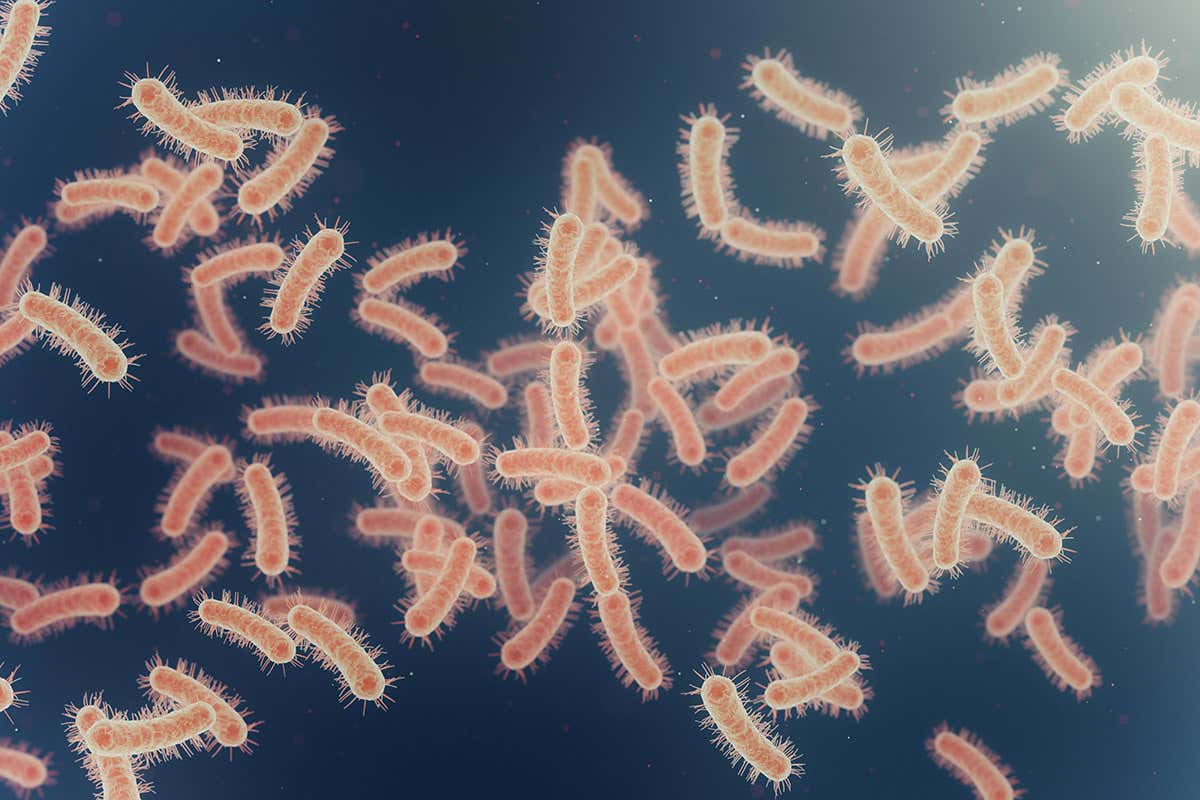

E coli bacteria

Bacteria sacrifice themselves when under attack to save their colonies

10 March 2020

Some bacteria sacrifice themselves when their colony is attacked by rivals, to save their relatives and make sure their shared genes are passed on


Sign up to our weekly newsletter

Receive a weekly dose of discovery in your inbox. We'll also keep you up to date with New Scientist events and special offers.

Sign up
Piano Exit Overlay Banner Mobile Piano Exit Overlay Banner Desktop