
Quantum quirk explains why carbon dioxide causes global warming
13 February 2024
A phenomenon called the Fermi resonance, which affects how molecules vibrate, is responsible for a large part of carbon dioxide’s planet-warming effect
13 February 2024
A phenomenon called the Fermi resonance, which affects how molecules vibrate, is responsible for a large part of carbon dioxide’s planet-warming effect

21 July 2023
Newton’s first law of motion says that particles move in straight lines unless influenced by a force but a new experiment shows that the quantum version of that assumption fails for quantum particles of light

17 July 2023
There is a lot we don’t know about protons, the particles at the heart of the atom, from what they are made of to whether they live forever. Solving the mysteries surrounding them could transform our understanding of the universe.

13 July 2023
The minuscule fluctuations of seemingly empty space can be controlled just enough to make the building blocks of a new type of computer
5 July 2023
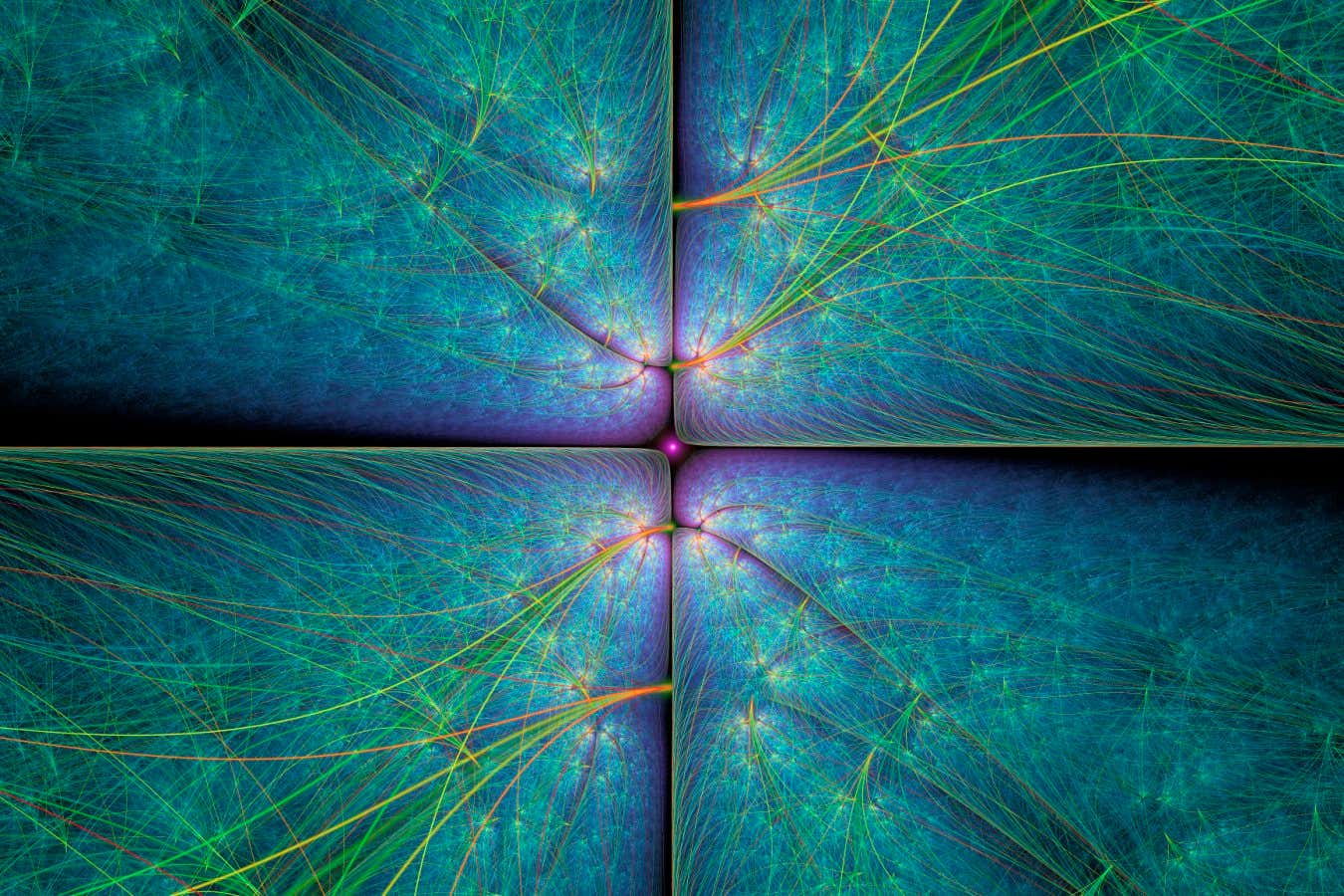
In the face of new evidence, physicists are starting to view the cosmos not as made up of disparate layers, but as a quantum whole linked by entanglement
9 June 2023
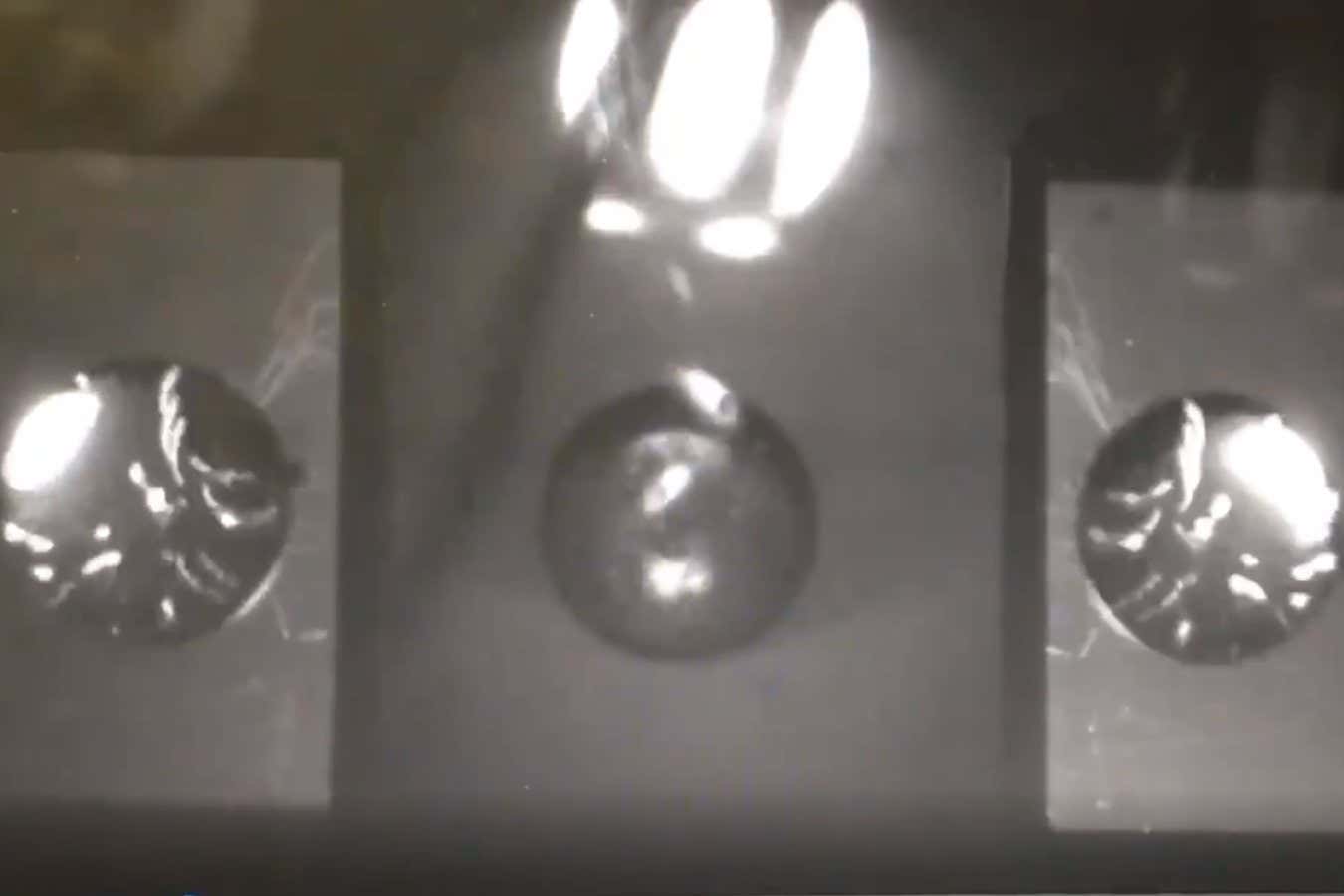
A drop of very cold liquid helium can be made to float for an indefinitely long time using strong magnets and quantum effects
30 May 2023
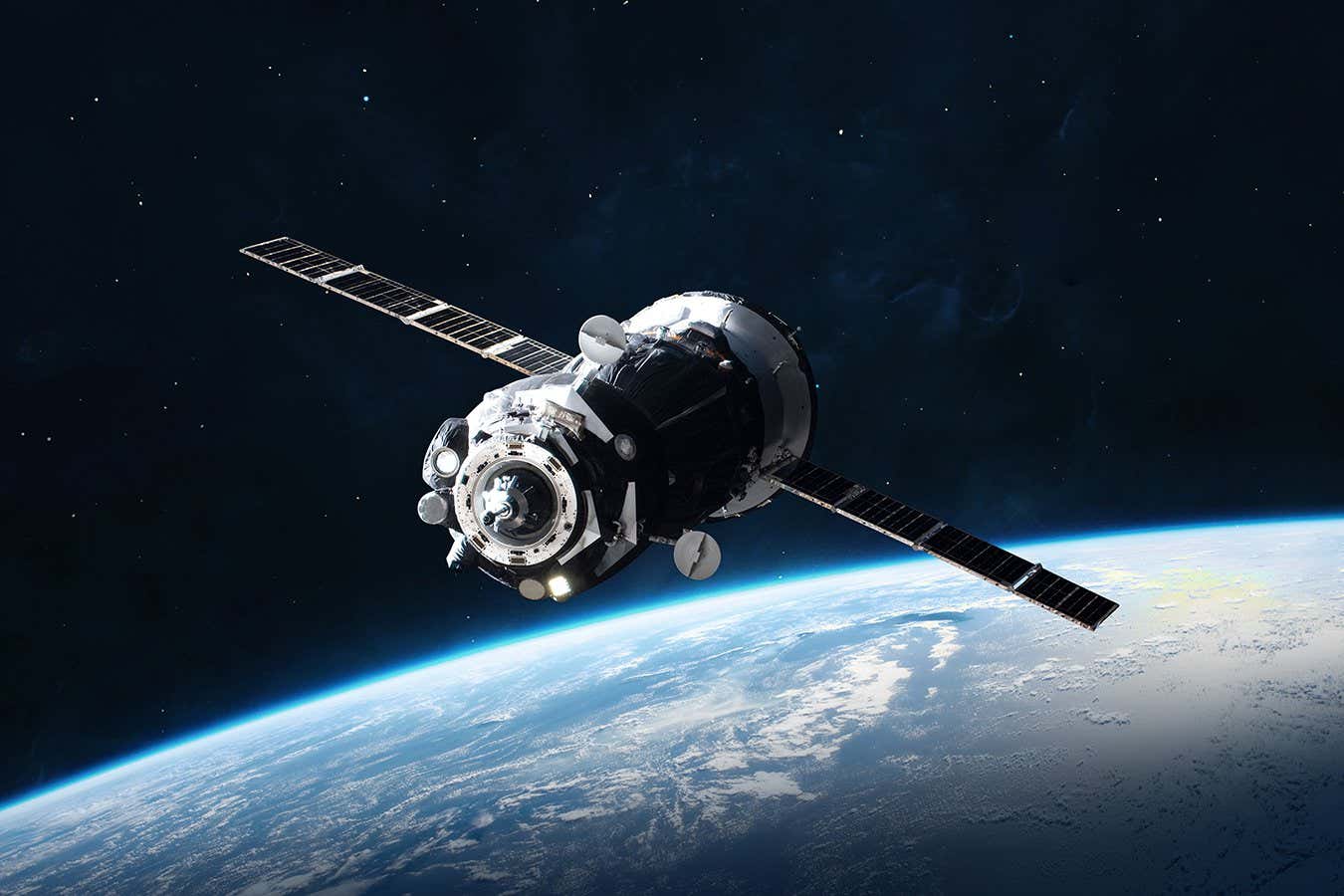
Devices based on quantum properties of very cold and very small crystals could be mounted on satellites and sense space debris that could collide with them
26 May 2023
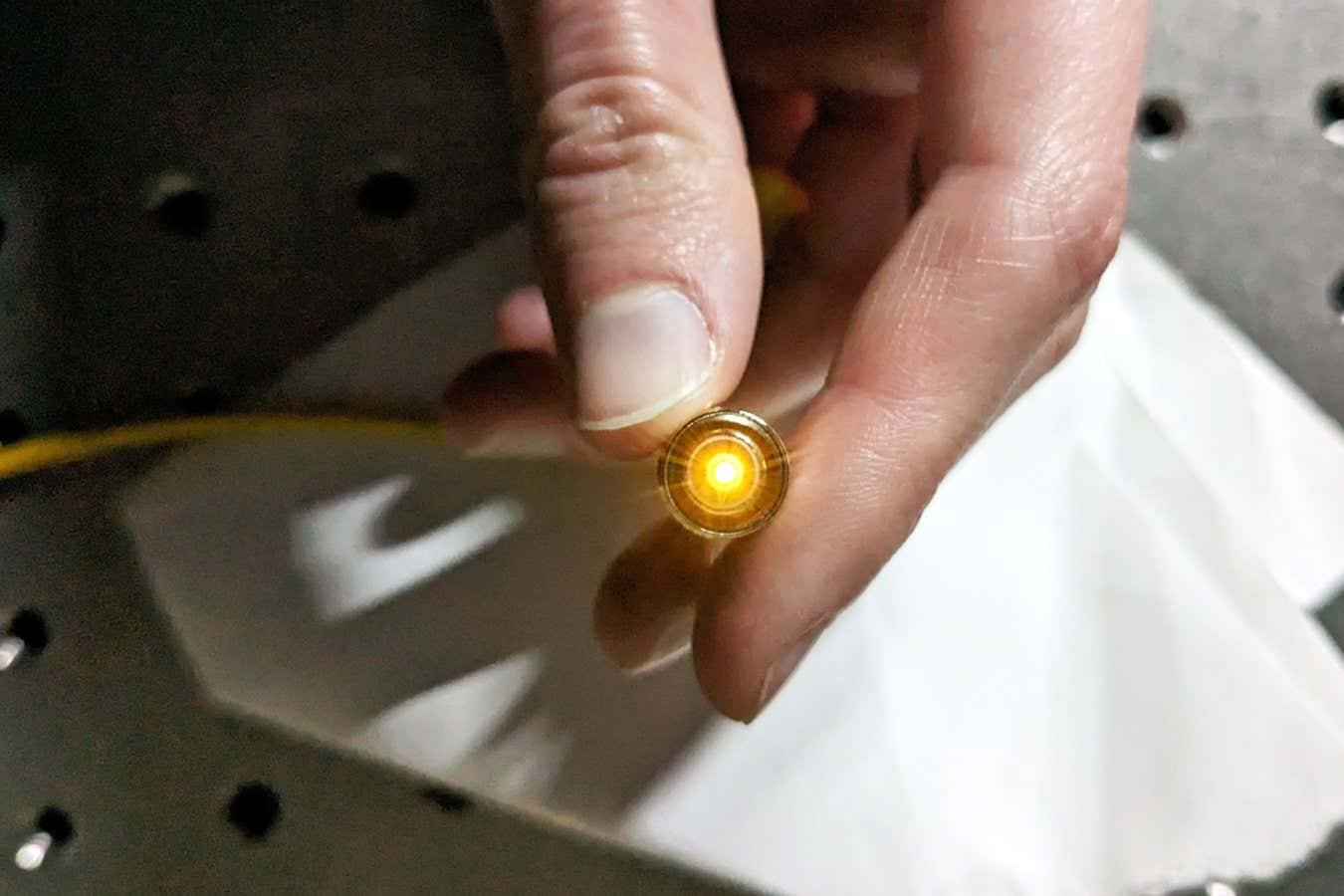
Sunlight transmitted through an optical fibre could be used to help cool a single charged atom to a temperature only a few millionths of a degree above absolute zero
23 May 2023
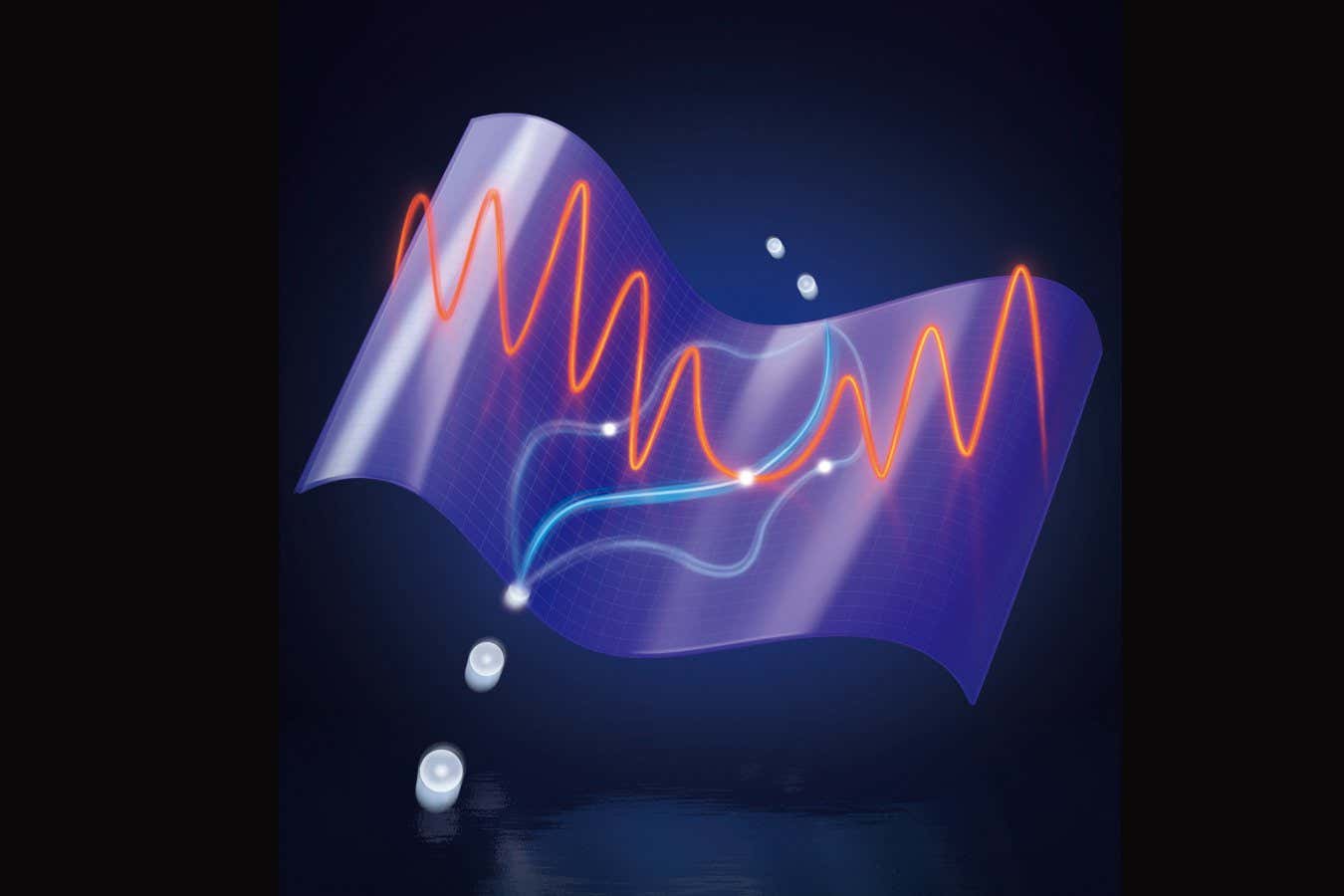
The principle of least action has been a key law of physics since the 18th century, but has only now been directly observed in the quantum realm thanks to an experiment with single particles of light

10 May 2023
So-called virtual particles aren't particles at all. Some argue that they are merely mathematical figments, and that we need to find a better way to understand particle interactions
