Subscribe now

Our solar system could be hiding an extra planet the size of Uranus

27 June 2023

Many planets are thought to be flung away from their stars, but it’s possible that some get trapped on the way out – and one could be lurking at the edge of our own solar system
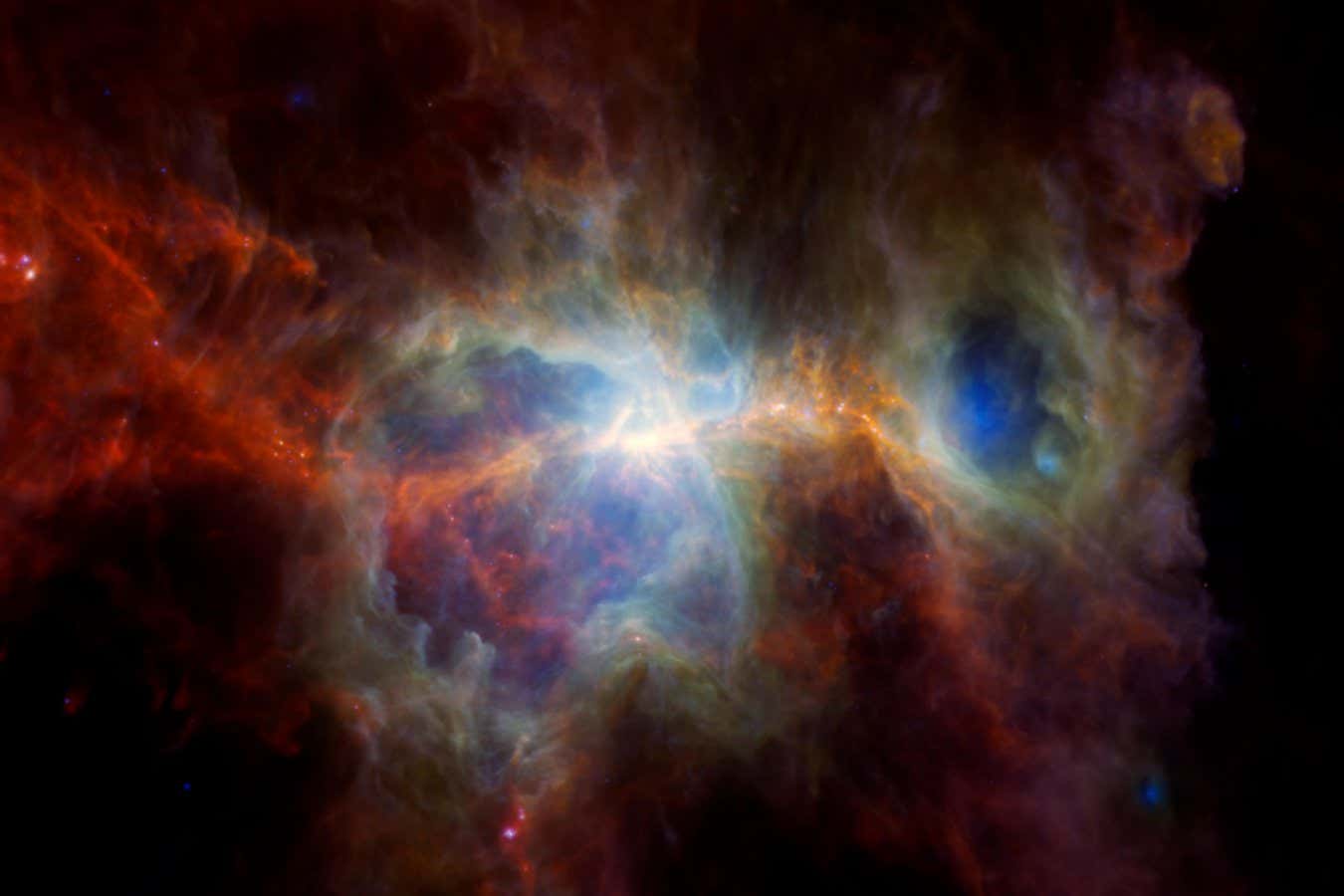
Orion Nebula in Infrared NASA ID: PIA25434 This new image of the Orion Nebula produced using previously released data from three telescopes shows two enormous caverns carved out by unseen giant stars that can release up to a million times more light than our Sun. All that radiation breaks apart dust grains there, helping to create the pair of cavities. Much of the remaining dust is swept away when the stars produce wind or when they die explosive deaths as supernovae. This infrared image shows dust but no stars. Blue light indicates warm dust heated by unseen massive stars. Observed in infrared light ? a range of wavelengths outside what human eyes can detect ? the views were provided by NASA's retired Spitzer Space Telescope and the Wide-Field Infrared Survey Explorer (WISE), which now operates under the moniker NEOWISE. Spitzer and WISE were both managed by NASA's Jet Propulsion Laboratory in Southern California, ...more 508 Description:This infrared image of the Orion Nebula features plenty of dust but no stars. In these infrared wavelengths, it's possible to see hot spots where new stars are forming, while unseen bright, massive stars have carved out caverns of empty space. Date Created:2022-11-22 Center:JPL Keywords: Herschel Space Observatory , Spitzer Space Telescope , Wide-field Infrared Survey Explorer (WISE) , Orion Nebula Secondary Creator Credit: ESA/NASA/JPL-Caltech Visit JPL Website

Under Alien Skies review: A terrific guide to our spectacular universe

7 June 2023

Phil Plait, the man behind the Bad Astronomy blog, is a great guide to the wonders of the cosmos. But would it be a bad thing if his new book created a fresh reverence for our home planet among some readers?


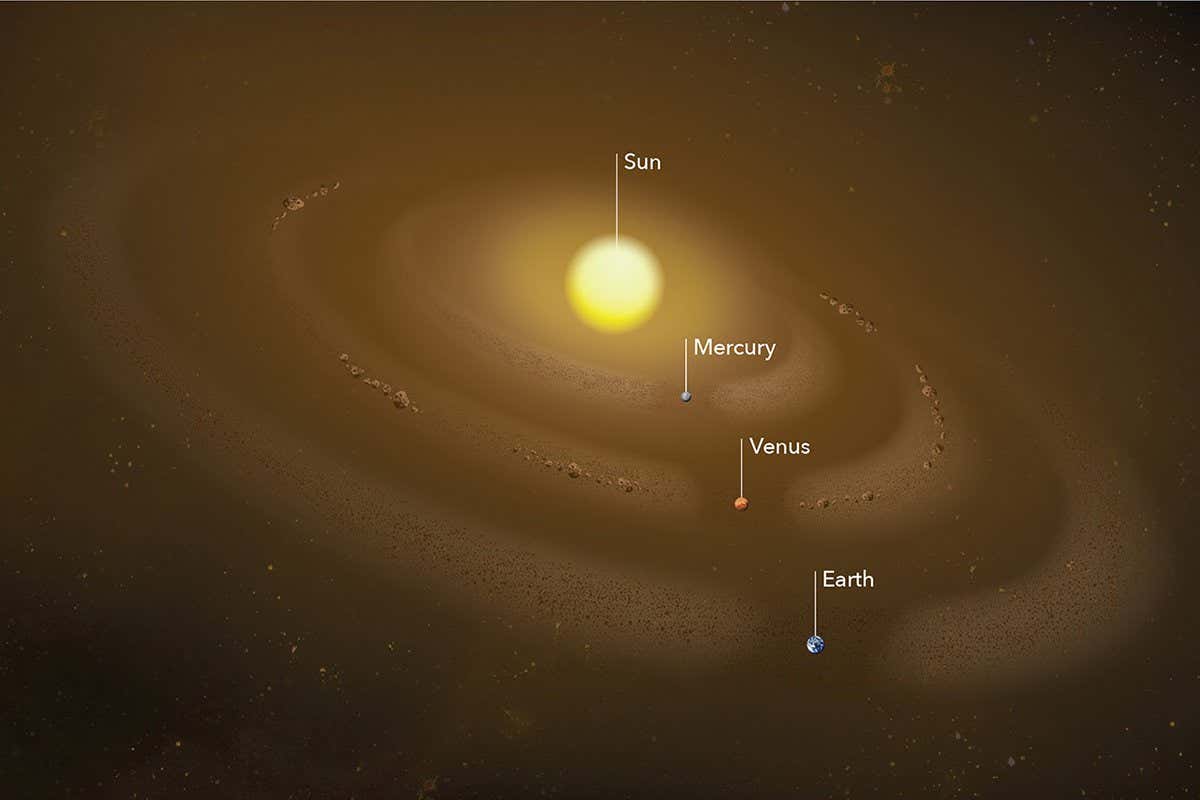
Several dust rings are illustrated circling the Sun. In line with these rings' position around the Sun are the planets Mercury, Venus, and Earth.

Weird dust ring orbits the sun alongside Mercury and we don't know why

8 February 2023

Very little debris should be able to survive for long in the area near Mercury, but the innermost planet seems to orbit the sun alongside a ring of dust that researchers can’t explain


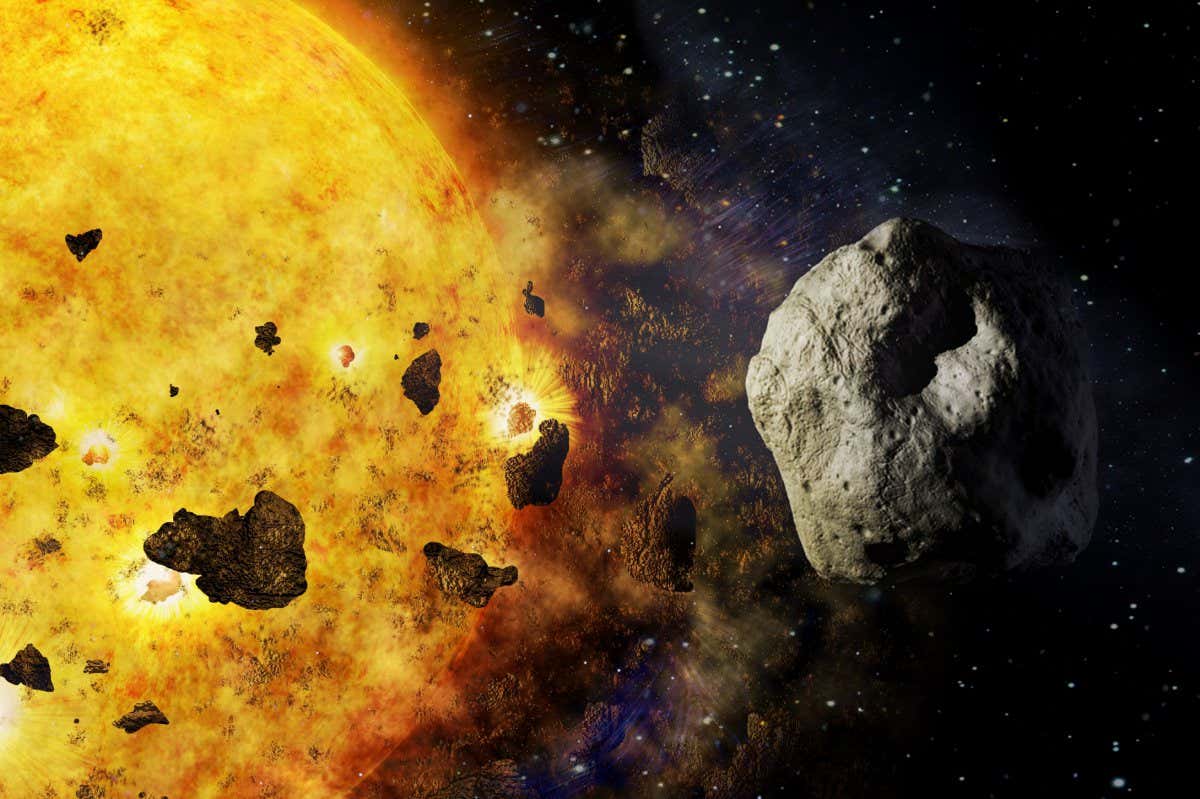
Fragments of a meteorite near the sun, huge stone rocks fly at the space. Elements of this image furnished by NASA.; Shutterstock ID 1969898527; purchase_order: -; job: -; client: -; other: -

Astronomers found a weird asteroid closer to the sun than any other

5 October 2022

Scientists have found three strange asteroids that orbit relatively close to the sun – one is the closest to the sun we have ever found, and another may someday hit Earth


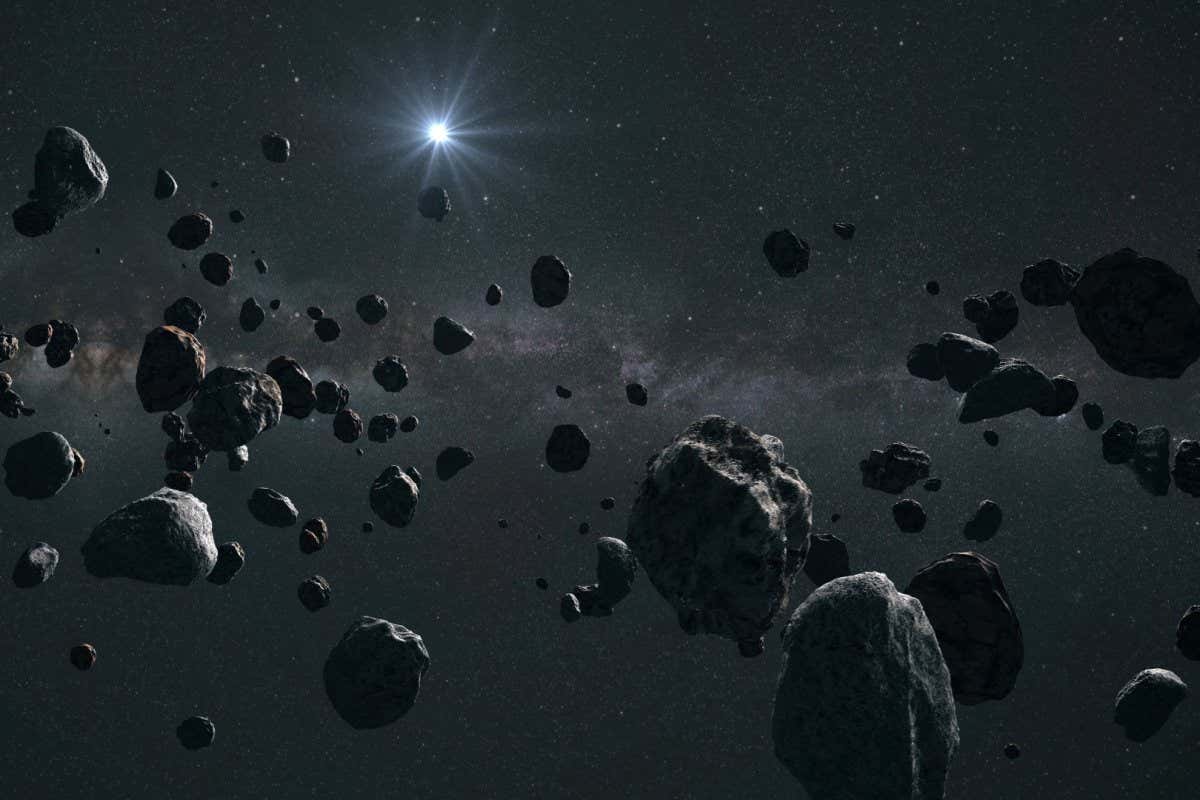
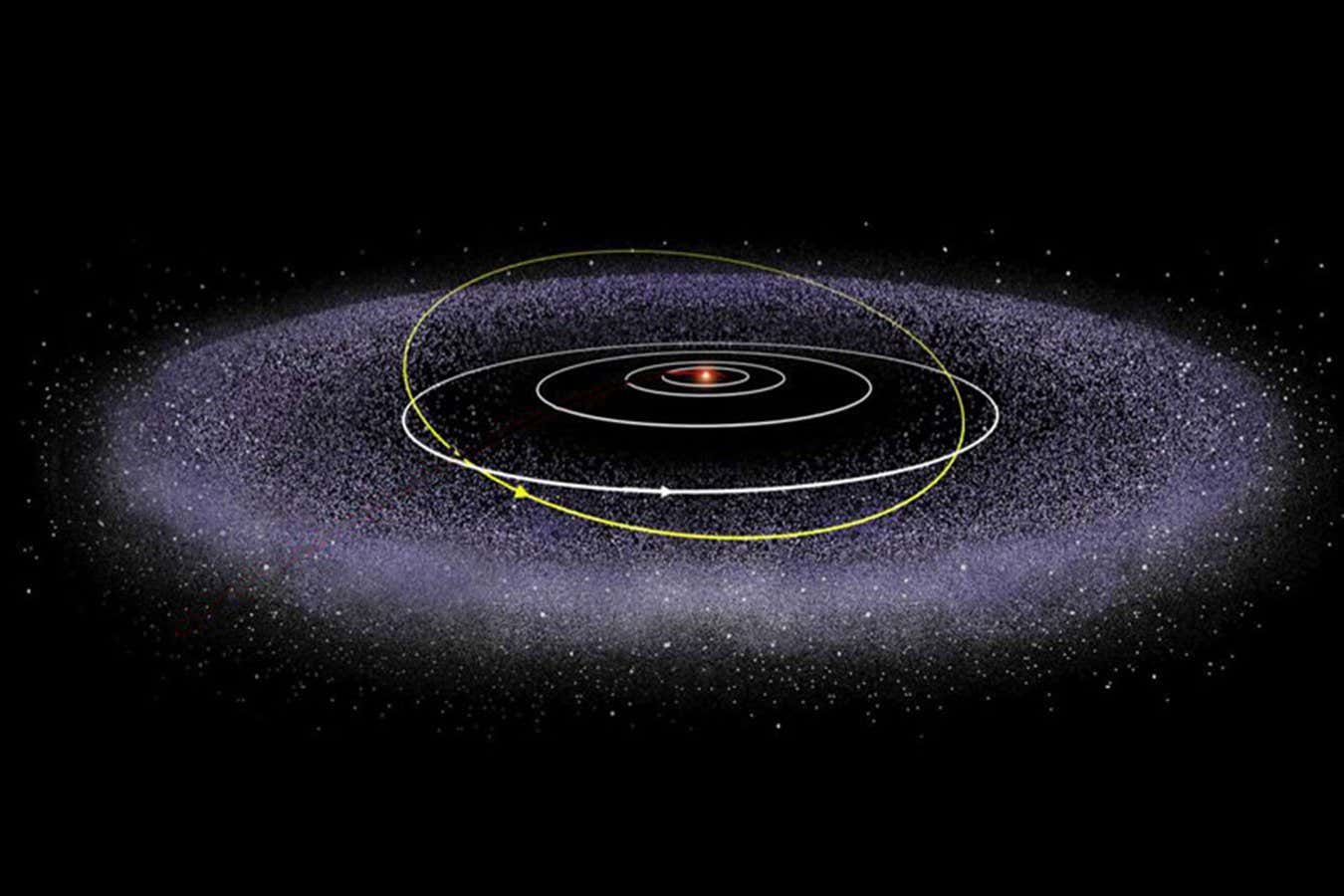
An artist's impression of the Kuiper belt

A long-lost rogue planet could explain unexpectedly distant asteroids

1 October 2022

The outer solar system holds some chunks of ice and rock that orbit so far from the sun it’s hard to imagine how they got there – but an ancient rogue planet may hold the key


Our neighbouring planets can help us understand Earth's climate change

Our neighbouring planets can help us understand Earth's climate change

31 August 2022

Studying the atmospheres of Venus and Mars can help us learn how Earth's climate will look in the future, says David Grinspoon


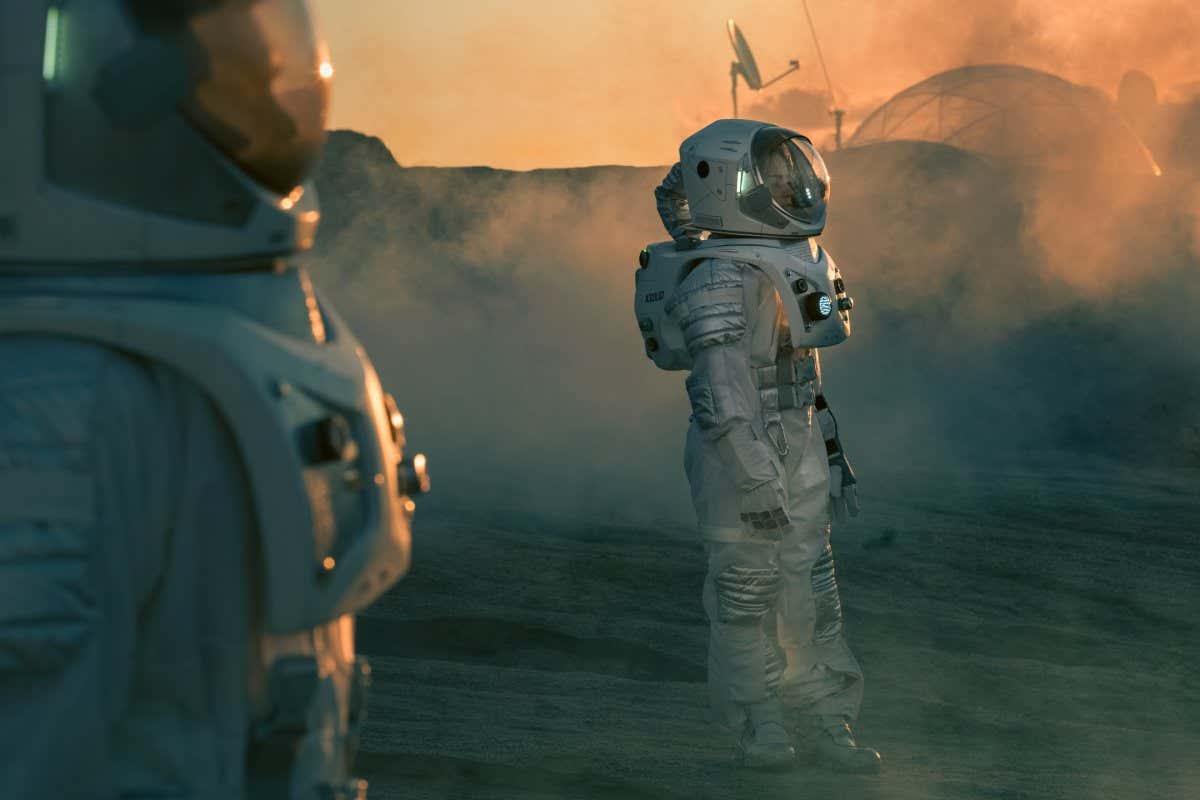
Two Astronauts wearing Space Suits Standing on Alien Planet and Looking at Something. Futuristic Space Exploration, Discovery and Colonization.

The Moonday Letters review: Genre-busting sci-fi extols hope as a duty

27 July 2022

In Emmi Itäranta's The Moonday Letters, humans have adapted to live off-world. But central to this genre-crashing thrill ride is a reminder that hope is essential


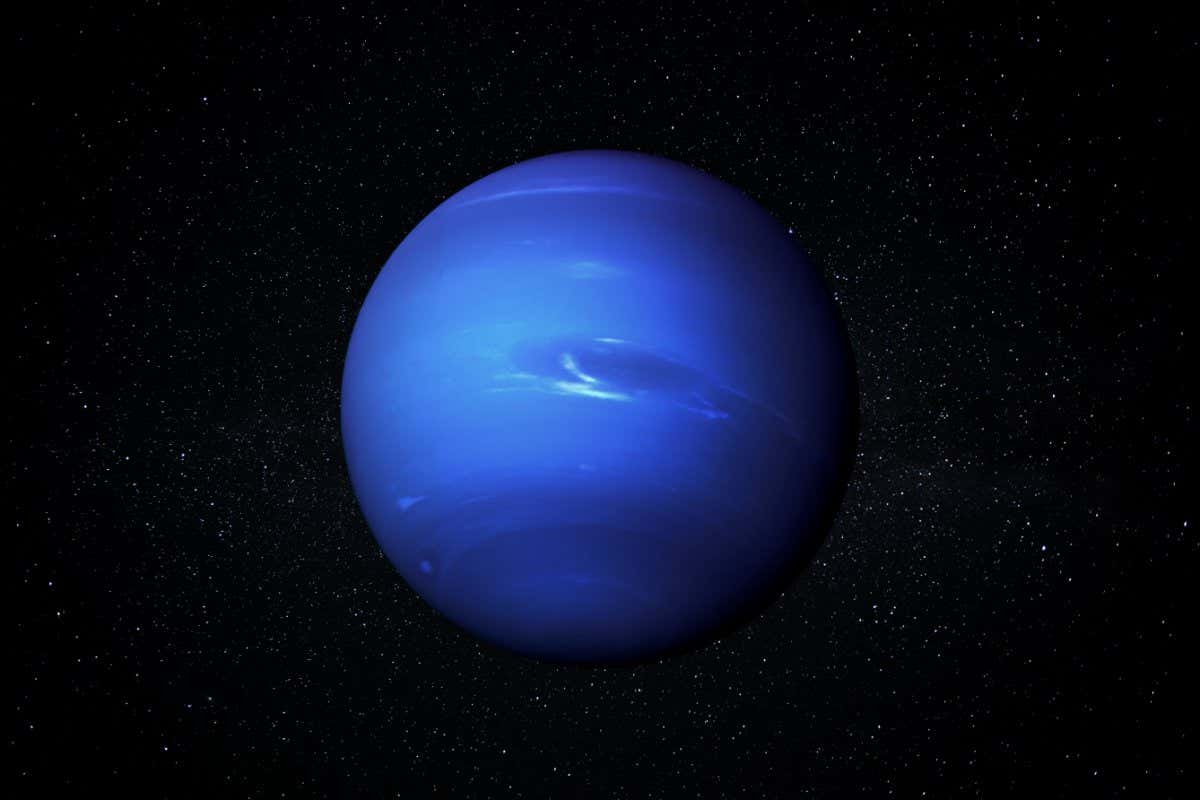
Planet Neptune in the Starry Sky of Solar System in Space with image elements furnished by NASA.

A passing star shifting Neptune’s orbit could wreck the solar system

6 July 2022

If a star flying past our solar system moved Neptune's orbit by just 0.1 per cent, it could eventually cause the other planets to smash into one another or get thrown out of the solar system entirely


Sun Solar Flare Particles coronal mass ejections for background computer desktop screen display; Shutterstock ID 752393257; purchase_order: -; job: -; client: -; other: -

Why the next big solar storm might hit Earth without warning

18 May 2022

A big solar storm could fry the internet, but at least space weather forecasts would give us a day or two to prepare. Or maybe not, because physicists have just discovered a new kind of solar storm that strikes without notice


the spectacular conjunction of the moon,jupiter and saturn 3d rendering illustration; Shutterstock ID 1875982732; purchase_order: -; job: -; client: -; other: -

Pairs of giant planets may make their star systems ultra-habitable

16 May 2022

Simulations of more than 140,000 possible planetary systems show that pairs of giant planets like Jupiter and Saturn may make their star systems more hospitable to habitable Earth-like worlds


Sign up to our weekly newsletter

Receive a weekly dose of discovery in your inbox. We'll also keep you up to date with New Scientist events and special offers.

Sign up
Piano Exit Overlay Banner Mobile Piano Exit Overlay Banner Desktop