Subscribe now
We are finally closing in on the cosmic origins of the “OMG particle”

We are finally closing in on the cosmic origins of the “OMG particle”

30 May 2023

Three decades ago, we spotted the single most energetic particle ever seen, nicknamed the 'Oh-My-God particle'. Since then, we have seen many more ultra-high-energy cosmic rays – and now we are unravelling the mystery of what produces them

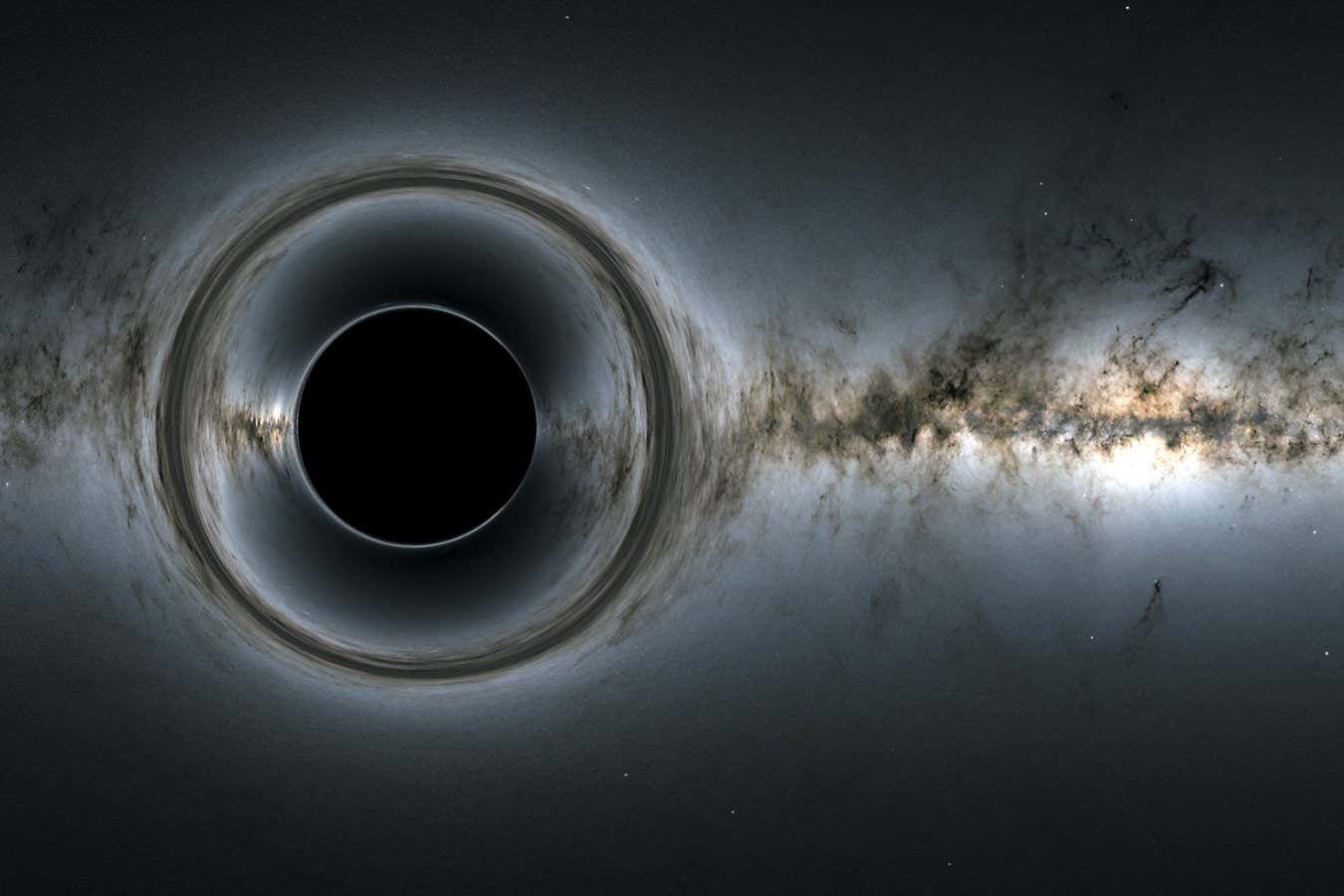
Why sending messages to extraterrestrials is controversial

Why sending messages to extraterrestrials is controversial

24 May 2023

If there are intelligent aliens out there, should we try to get in touch with them? And who should speak for Earth, asks professor of astronomy Chris Impey


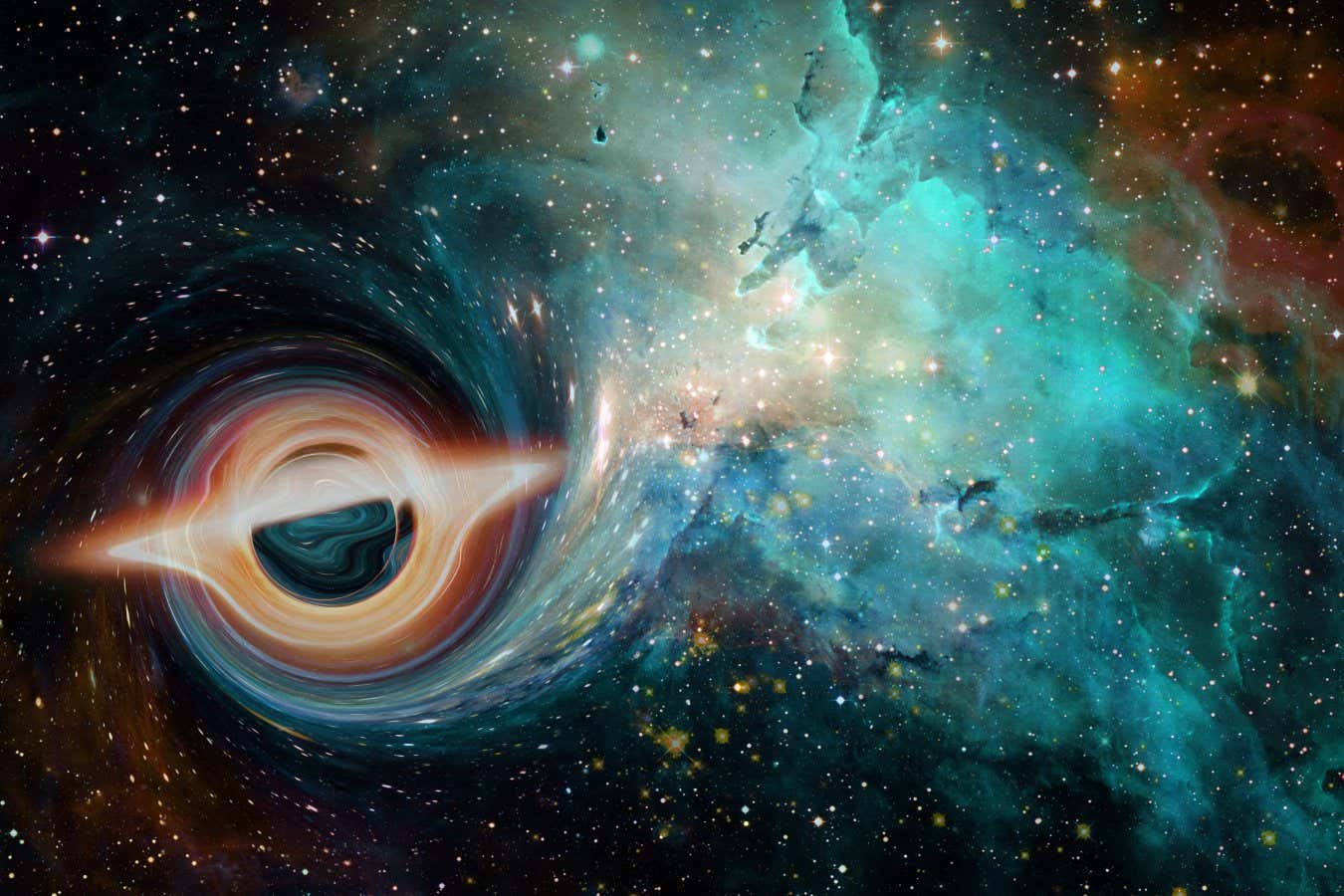
Supermassive black hole. Elements of this image furnished by NASA.; Shutterstock ID 1756053335; purchase_order: -; job: -; client: -; other: -

Lab imitations of the unobservable cosmos can be genuinely insightful

24 May 2023

Despite the obvious caveats, physicists are right to use fluids and other physical analogues to search for fresh insights about extreme cosmic phenomena, from black holes to the big bang


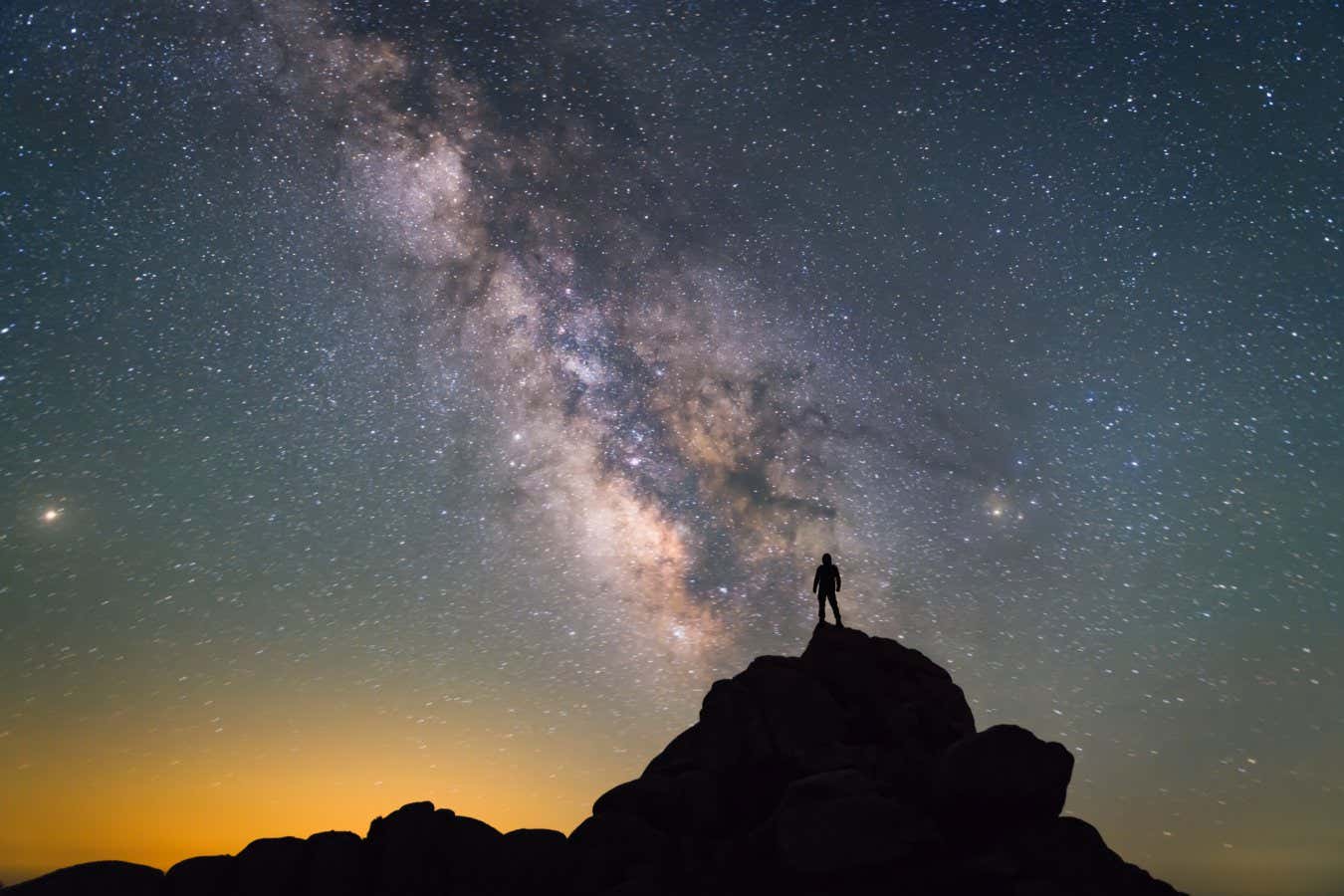
Milky Way. Night sky and silhouette of a standing man

Questions I dread: How did the universe begin, and what is space-time?

24 May 2023

As a theoretical cosmologist, you would think I'd welcome the chance to answer these questions - but it isn't clear this is an inquiry that physics can answer, says Chanda Prescod-Weinstein


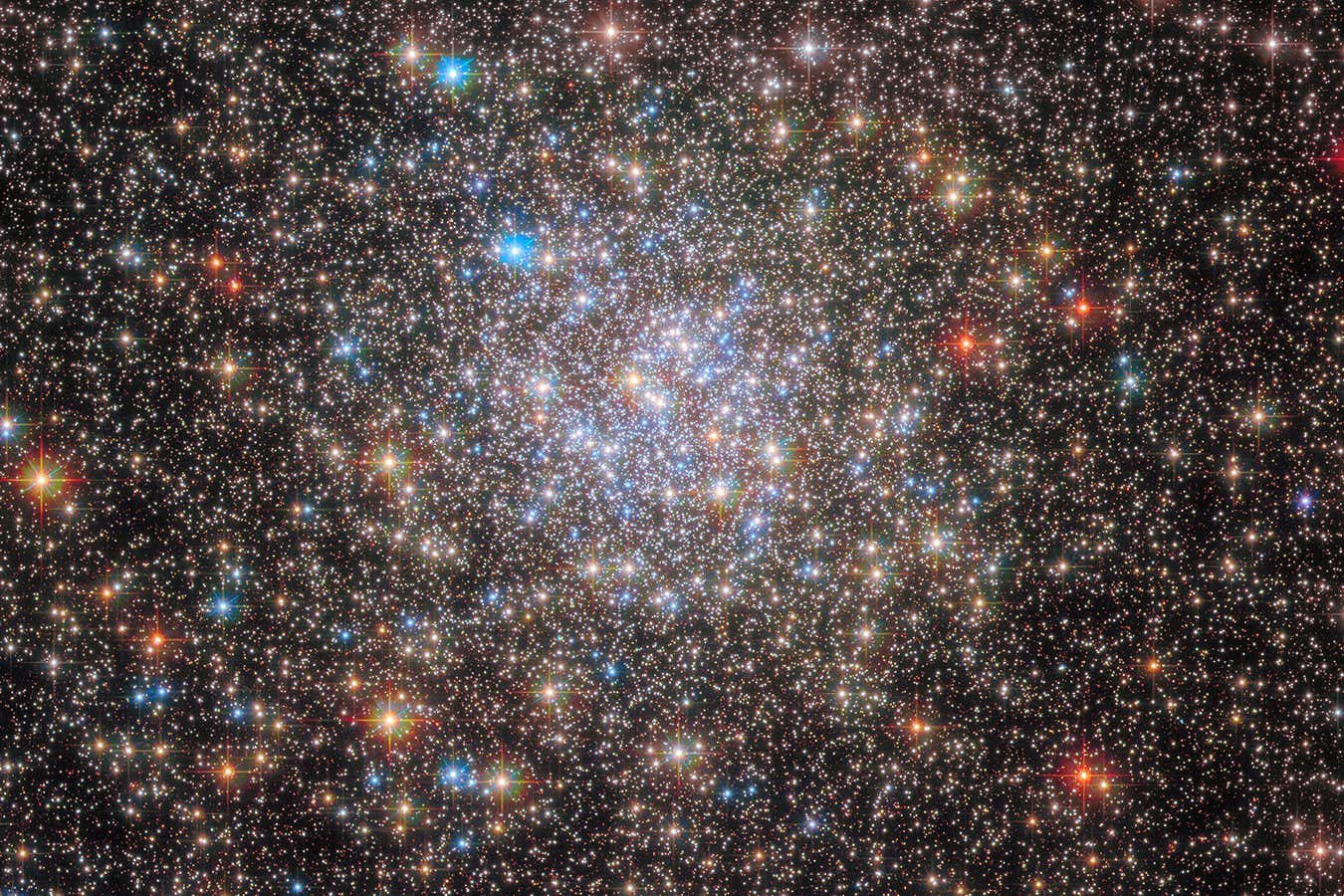
A dense collection of stars covers the view. Towards the centre the stars become even more dense in a circular region, and also more blue. Around the edges there are some redder foreground stars, and many small stars in the background.

Why darkness between stars reveals more about the universe than light

5 May 2023

When looking up at the night sky, light from stars draws attention. But the darkness between the light can reveal even more about the universe, says Nobel prize-winning astrophysicist Adam Riess


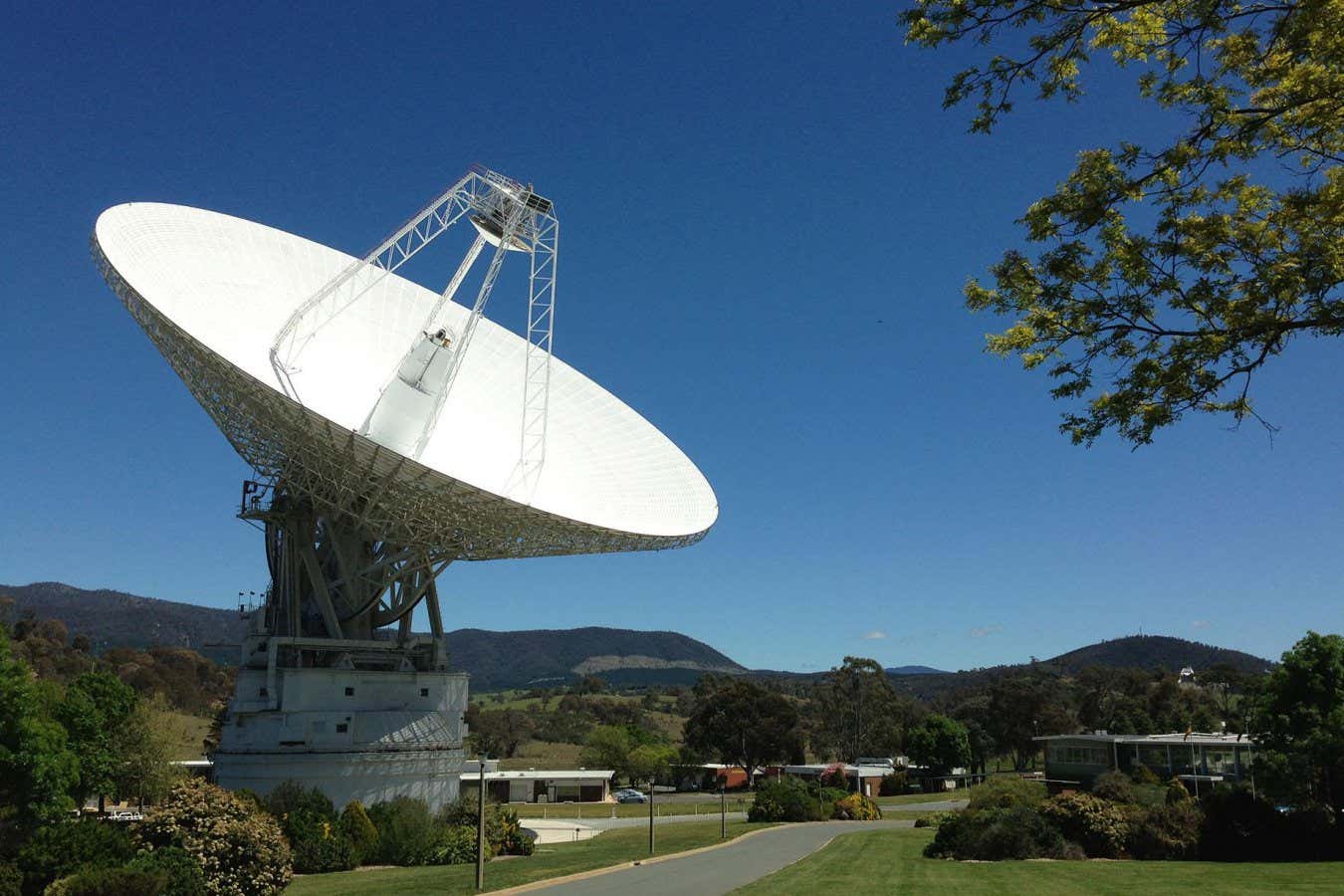
Alien messages responding to NASA signals could reach us by 2029

2 May 2023

Radio signals sent to NASA spacecraft could have already reached four neighbouring star systems, and if any aliens tried to respond, we might hear from them within a few years from now


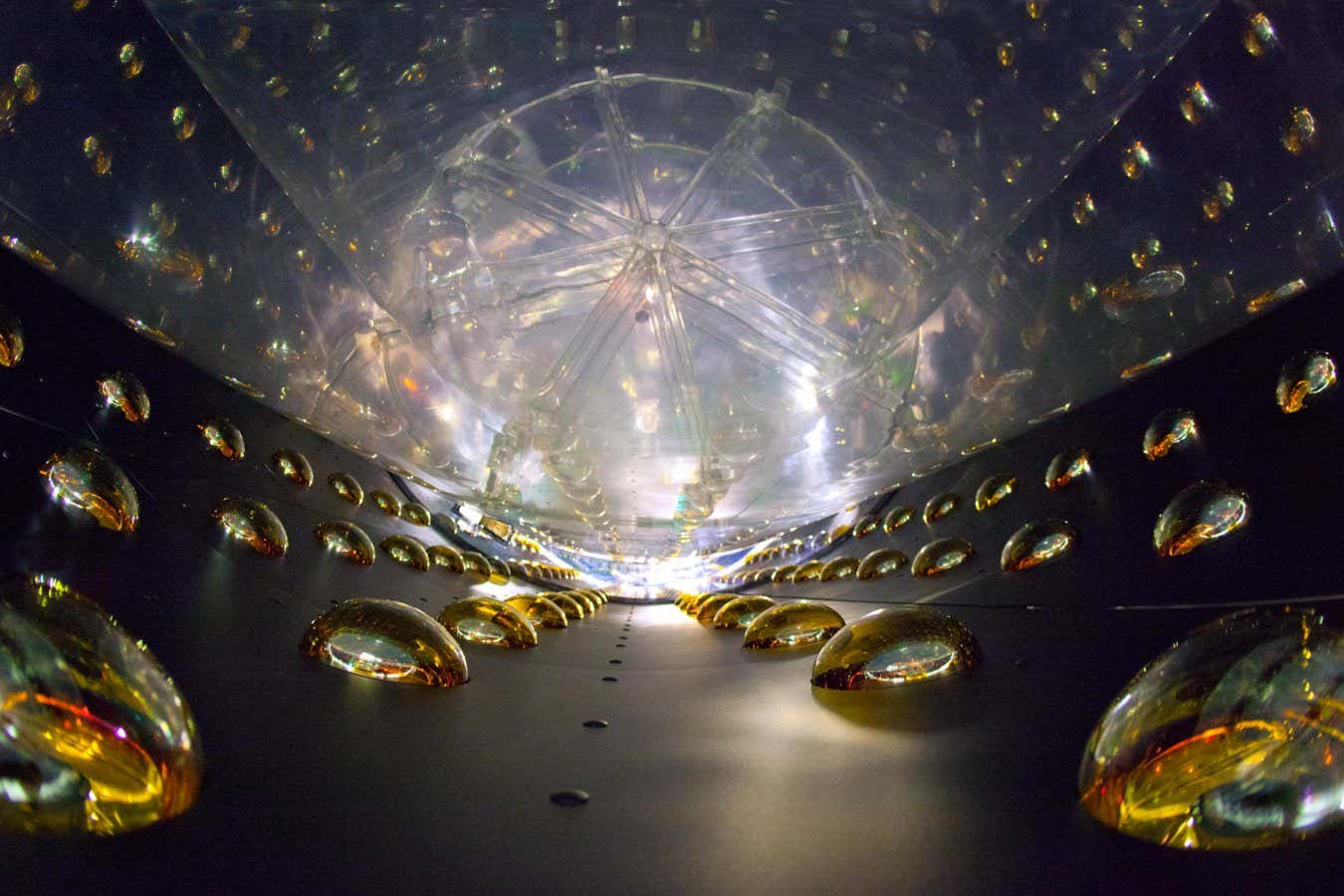
HA6GE7 departmentofenergy 8056998030 The Daya Bay Antineutrino Detector

What was the universe's first second like? These particles can tell us

24 April 2023

If we could detect them, cosmic neutrinos would paint a picture of the universe in the instant after it began. Physicist Martin Bauer has come up with a plan to do just that


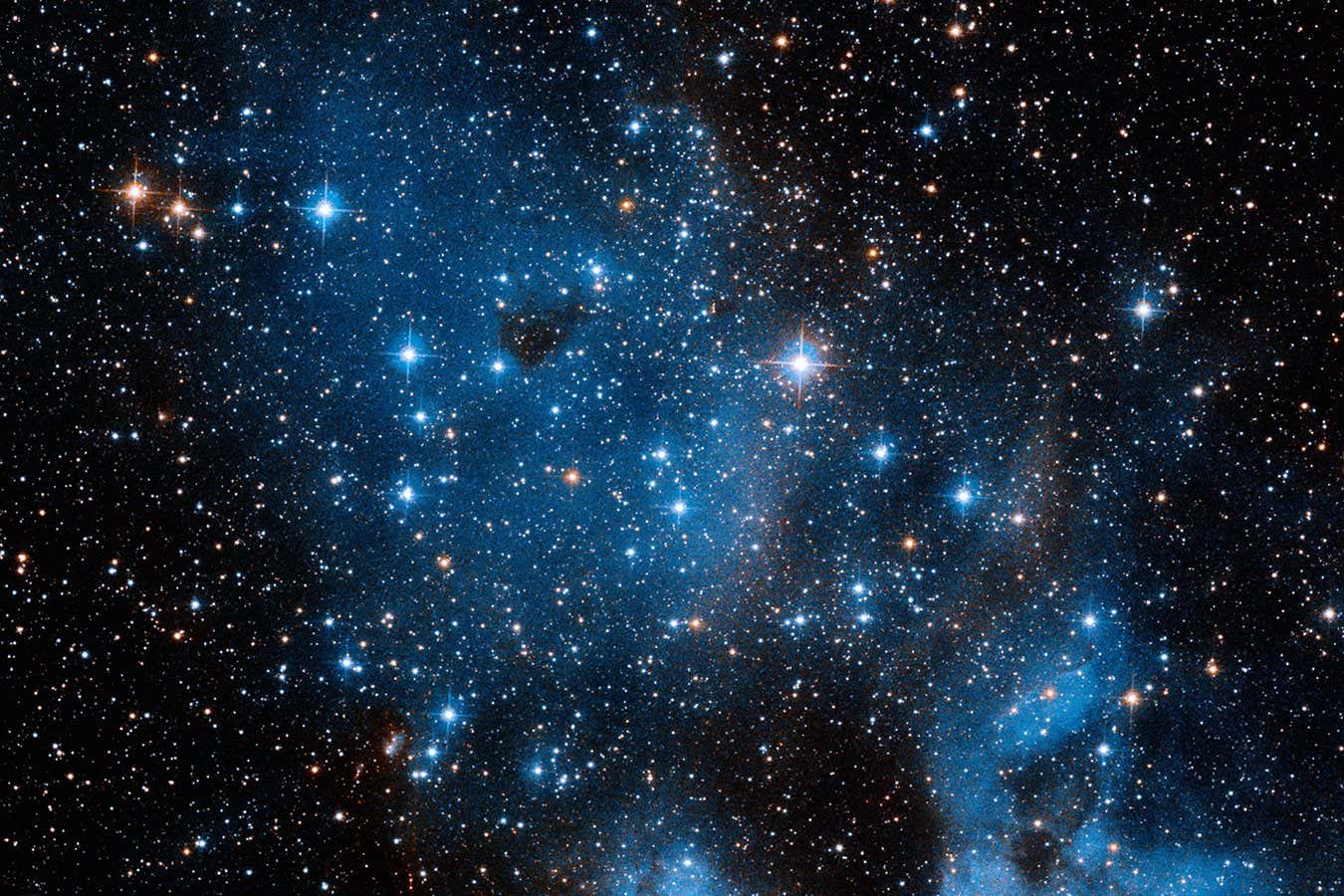
NGC 1858 is an open star cluster in the northwest region of the Large Magellanic Cloud, a satellite galaxy of the Milky Way that has an abundance of star-forming regions

How are the atoms that form us forged across the universe?

10 March 2023

For decades researchers have studied how heavy elements are produced in the cosmos – but there is still so much mystery to unravel, says astrophysicist Artemis Spyrou


How to understand wormholes and their weird quantum effects

6 March 2023

Classical relativity suggests that nothing could pass through a wormhole and exit, but quantum effects change that, says space reporter Leah Crane


Photo taken in London, United Kingdom

A stargazer's guide to managing light pollution

1 March 2023

Light pollution is an issue for astronomers, but you can limit your contribution – and find a dark spot near you, says Abigail Beall


Sign up to our weekly newsletter

Receive a weekly dose of discovery in your inbox. We'll also keep you up to date with New Scientist events and special offers.

Sign up
Piano Exit Overlay Banner Mobile Piano Exit Overlay Banner Desktop