Subscribe now
Demonstrators march to the U.S. Capitol during the March for Science in Washington, U.S., April 22, 2017. REUTERS/Aaron P. Bernstein - RC125E31BBB0

Who is researching and shaping science is more crucial than ever

19 July 2023

It is hard to focus on getting academic work done when there is increasing hostility in the US to people of colour. This is why being awarded tenure matters, says Chanda Prescod-Weinstein



Mandatory Credit: Photo by Blondet Eliot/ABACA/Shutterstock (13625754c) ? The LINE ? exposition by NEOM in Riyadh, Saudi Arabia on November 15, 2022. The Line Expo - Riyadh, Saudi Arabia - 15 Nov 2022

Does oil-rich Saudi Arabia really want to mend its ways and go green?

12 July 2023

The desert kingdom’s much-hyped, zero-carbon linear city has been dismissed as greenwashing, but there is some truth to the claim the country wants to be more sustainable, finds Graham Lawton


Should all mathematical proofs be checked by a computer?

5 July 2023

Proofs, the central tenet of mathematics, occasionally have errors in them. Could computers stop this from happening, asks mathematician Emily Riehl


The head of Bala Lake, Llyn Tegid, in North Wales, on a fine spring evening.

Why you should never ever mention rewilding to a Welsh hill farmer

28 June 2023

In the push to give nature and the climate a chance to thrive amid growing agricultural pressures, words like rewilding have become de rigueur among researchers. Just don’t tell the farmers, says Graham Lawton


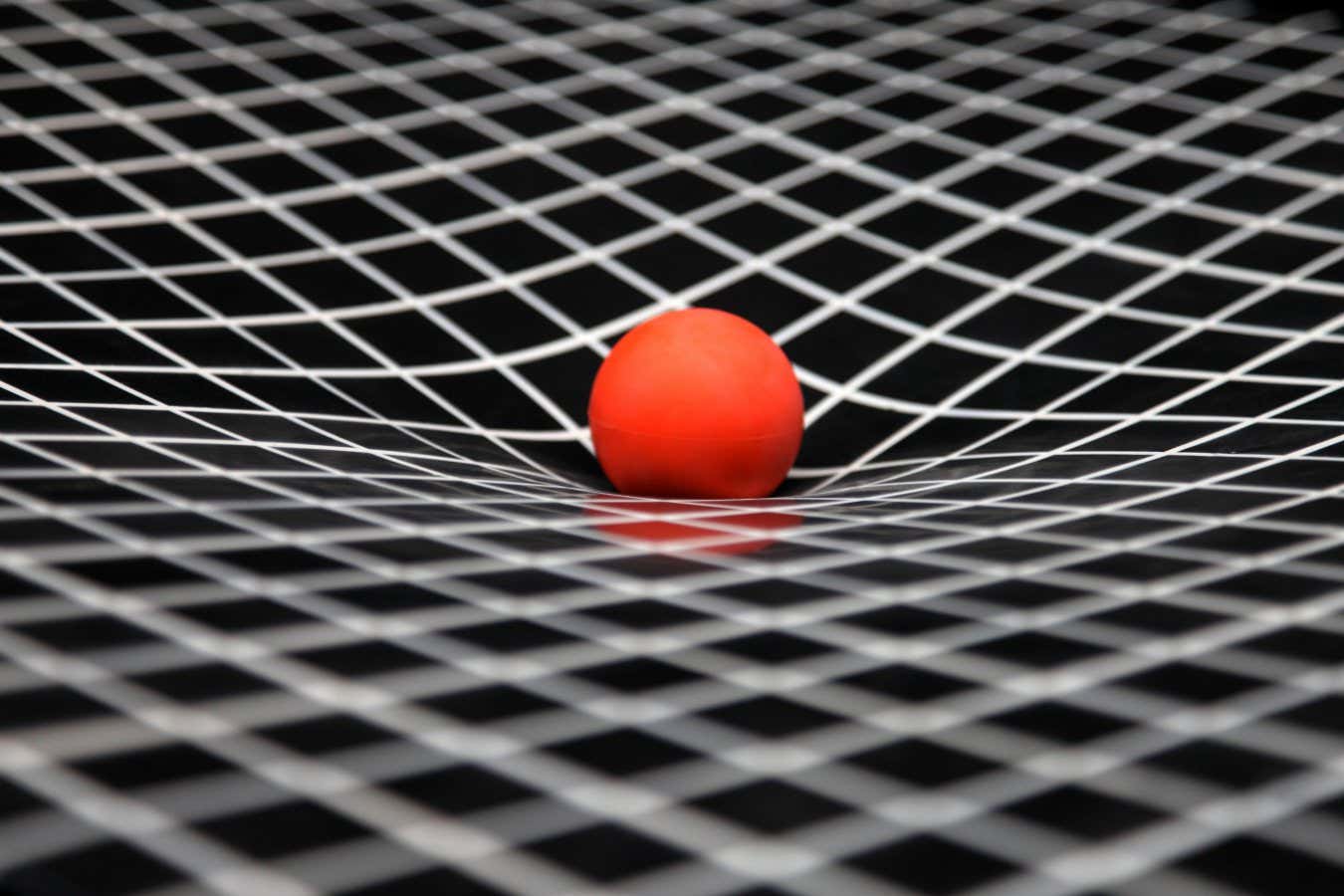
A simulation of gravity showing curved space-time. The ball represents the sun and is resting on a sheet of plastic that stretches under its weight. The curved sheet of plastic demonstrates the way a gravity curves space.

The massive problem of trying to fully explain what mass actually is

21 June 2023

I can take it as a given that people have an intuition for the meaning of mass, but traditional explanations can feel unsatisfactory. Even the standard model doesn't give us all the answers, says Chanda Prescod-Weinstein


LONDON, ENGLAND - MAY 30: A pair of 1X androids are displayed at the International Conference on Robotics and Automation (ICRA) at ExCel on May 30, 2023 in London, England. The event is the IEEE Robotics and Automation Society's flagship conference and a forum for robotics researchers to present and discuss their work. (Photo by Leon Neal/Getty Images)

Robotics gets less attention than it should given its potential impact

14 June 2023

From self-driving cars to humanoid robots, the world of robotics is a long way from talk of artificial intelligence causing human extinction. It's a breath of fresh air, says Alex Wilkins


2PNYT3G Warsaw, Poland. 21st Apr, 2023. The Bluesky social media app logo is seen on a mobile device in this photo illustration in Warsaw, Poland on 21 April, 2023. Founder Jack Dorsey of twitter has released the Bluesky application on Android. (Photo by Jaap Arriens/Sipa USA) Credit: Sipa US/Alamy Live News

Bluesky is just another Twitter clone and that isn't a good thing

7 June 2023

The much hyped social media app Bluesky is meant to be doing things differently, but can its approach to content moderation really build a new social sphere, asks Annalee Newitz


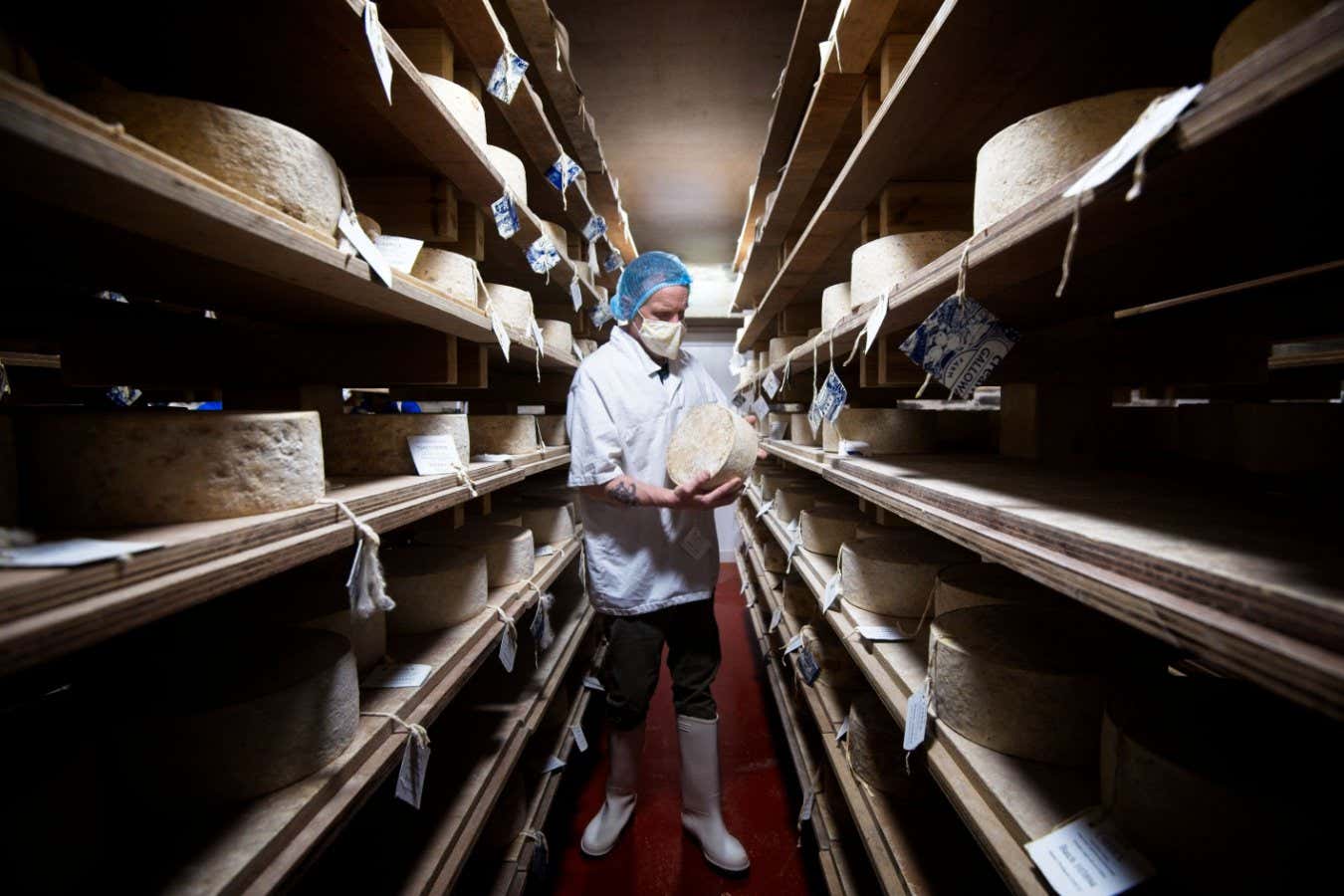
Cheese Store at The Ethical Dairy

Why I can once again eat cheese with a clear conscience

31 May 2023

I thought there was no way around cheese being an environmental and ethical disaster, but a new approach to dairy farming has proved me wrong, says Graham Lawton


Milky Way. Night sky and silhouette of a standing man

Questions I dread: How did the universe begin, and what is space-time?

24 May 2023

As a theoretical cosmologist, you would think I'd welcome the chance to answer these questions - but it isn't clear this is an inquiry that physics can answer, says Chanda Prescod-Weinstein


Urban red fox (Vulpes vulpes) wandering on top of brick wall spiked with broken glass on very early morning in residential gardens.; Shutterstock ID 1889796793; purchase_order: -; job: -; client: -; other: -

When did animals like foxes first start living alongside people?

17 May 2023

We used to think "synanthropic" animals like raccoons, foxes and ravens started living alongside people around the time of the agricultural revolution, about 10,000 years ago. But it could have been much earlier, says Michael Marshall


Sign up to our weekly newsletter

Receive a weekly dose of discovery in your inbox. We'll also keep you up to date with New Scientist events and special offers.

Sign up
Piano Exit Overlay Banner Mobile Piano Exit Overlay Banner Desktop