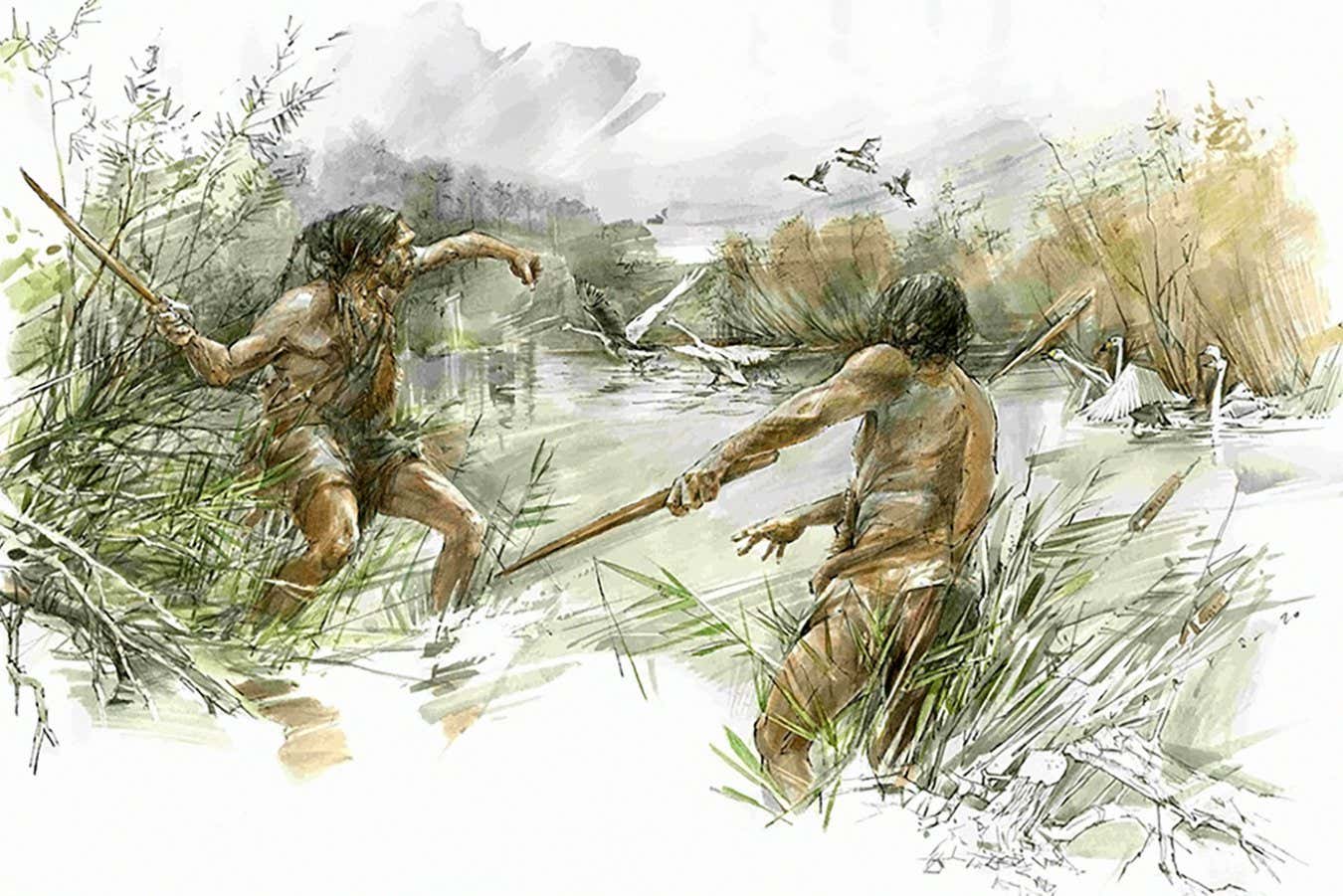
Ancient humans hunted animals by throwing a stick like a boomerang
19 July 2023
Analysis of a wooden stick thought to be around 300,000 years old suggests it was designed to be thrown rotationally, rather than as a spear
19 July 2023
Analysis of a wooden stick thought to be around 300,000 years old suggests it was designed to be thrown rotationally, rather than as a spear
27 June 2023
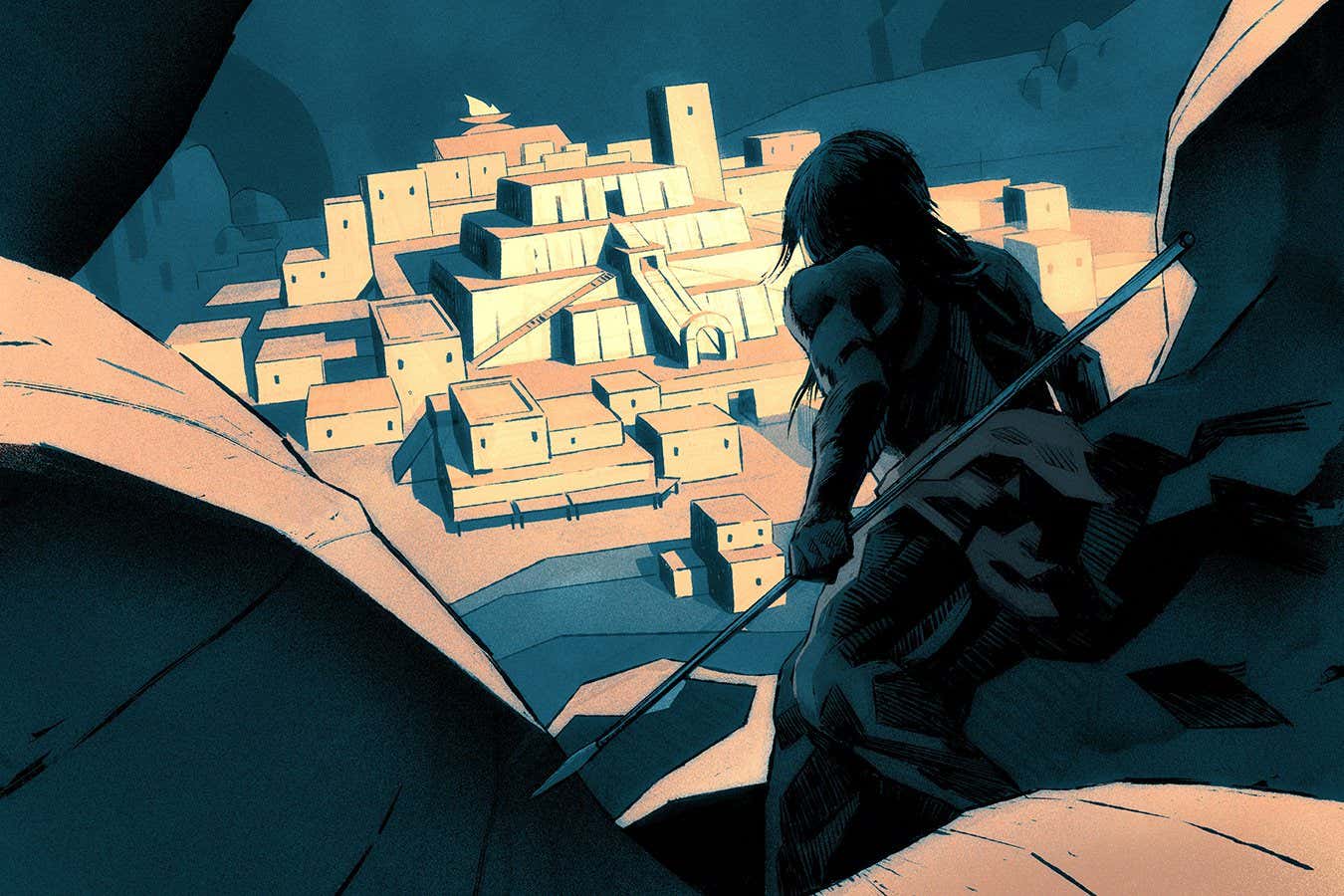
In an evolutionary eyeblink, our species has gone from hunting and gathering to living in complex societies. We need to rethink the story of this monumental transition
22 February 2023
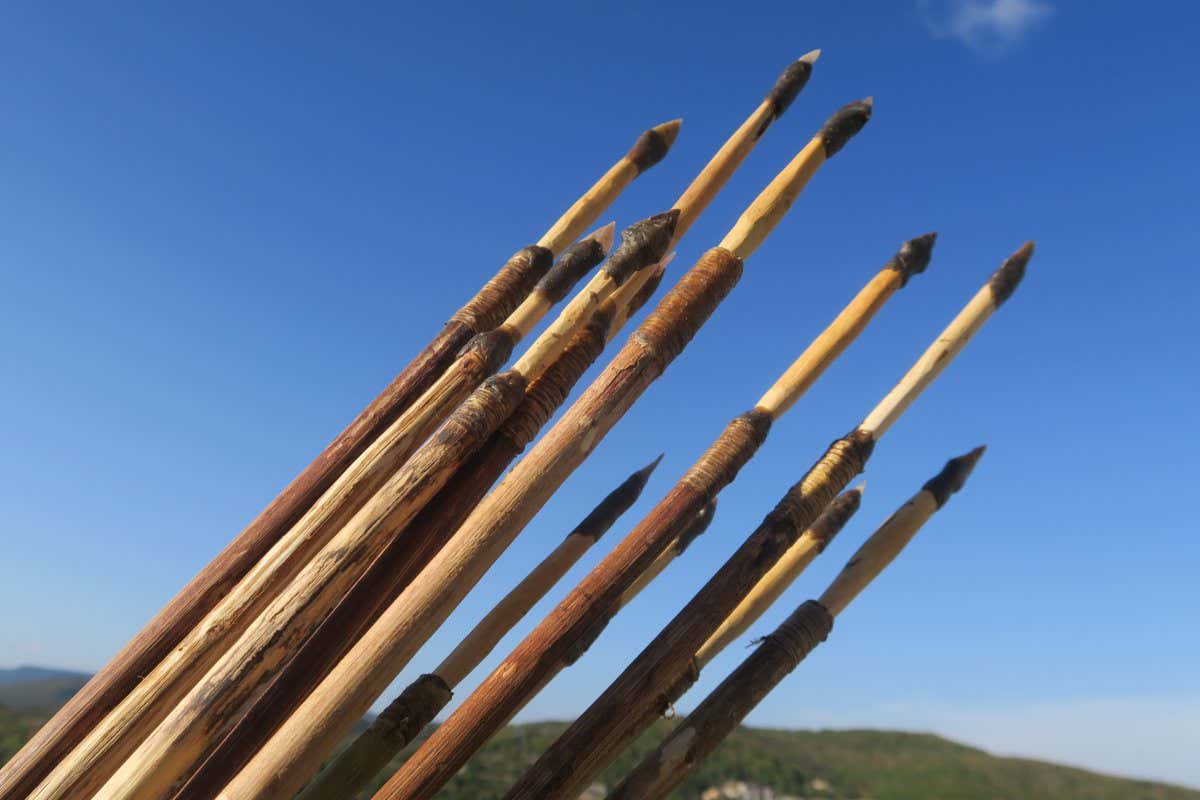
A site in France briefly occupied by modern humans is littered with stone points that were probably used as arrowheads, showing that bows and arrows were used in Europe much earlier than we thought
23 November 2022
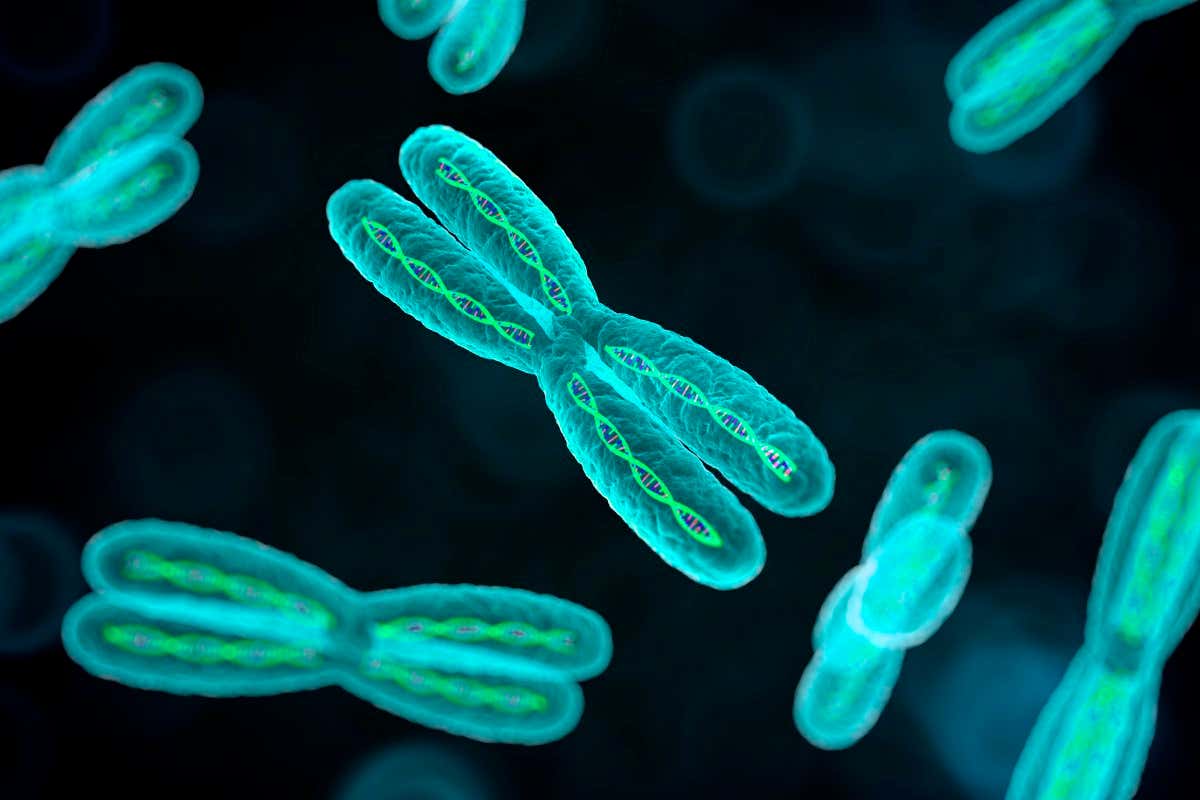
The chromosome may contain regions that promote their DNA's spread by killing sperm that carry Y chromosomes. However, Y chromosomes may have evolved counter mechanisms over time
27 September 2022
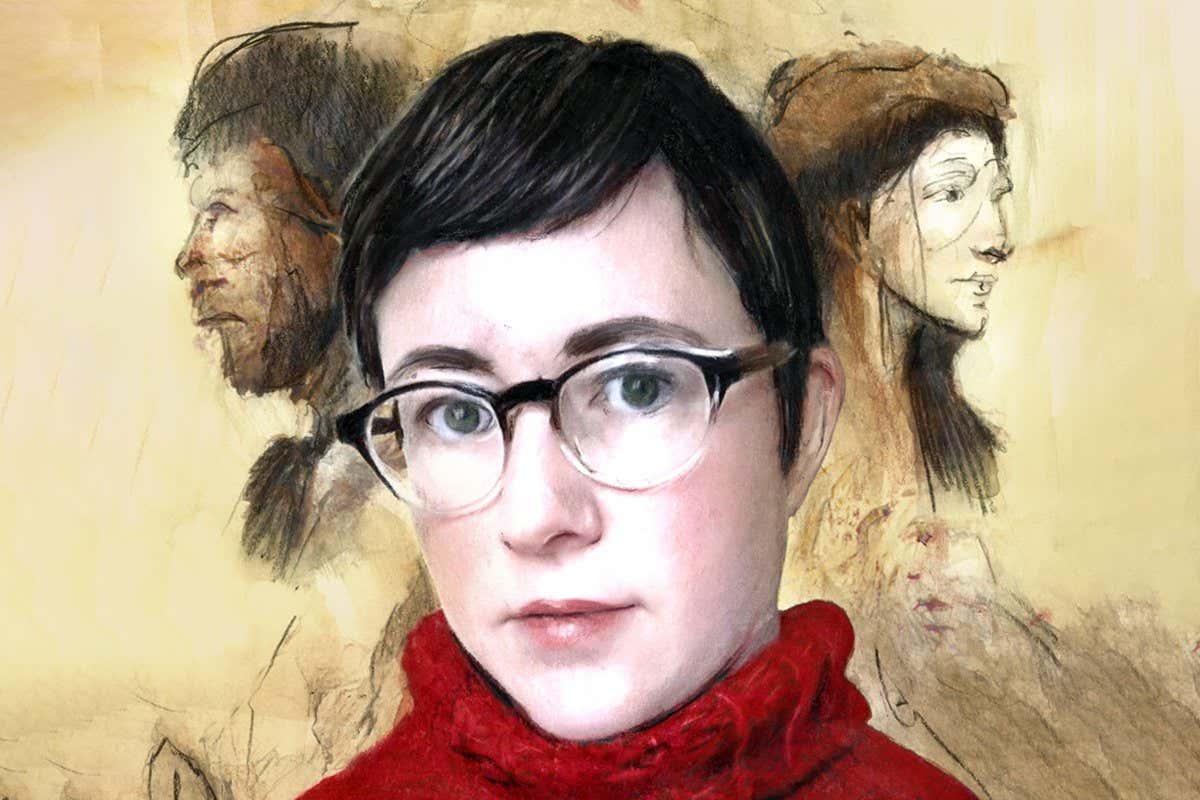
Cognitive archaeologist Rebecca Wragg Sykes says we can learn something about the minds of Neanderthals by studying the stuff they left behind, from painted shells to stalagmite circles. We might even find hints about why they went extinct
31 August 2022
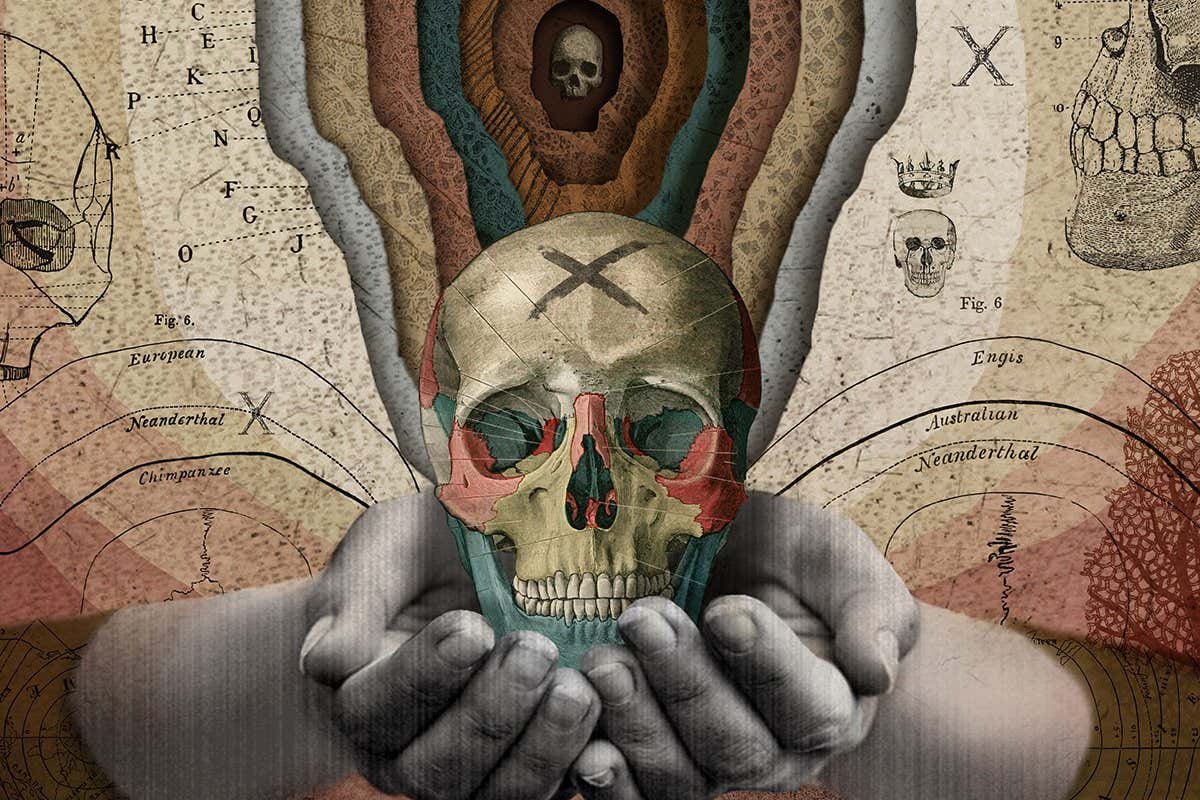
The search for the direct ancestor of humans, Neanderthals and Denisovans has been protracted and puzzling. Now, fresh clues are adding a surprising twist to the tale
15 July 2022
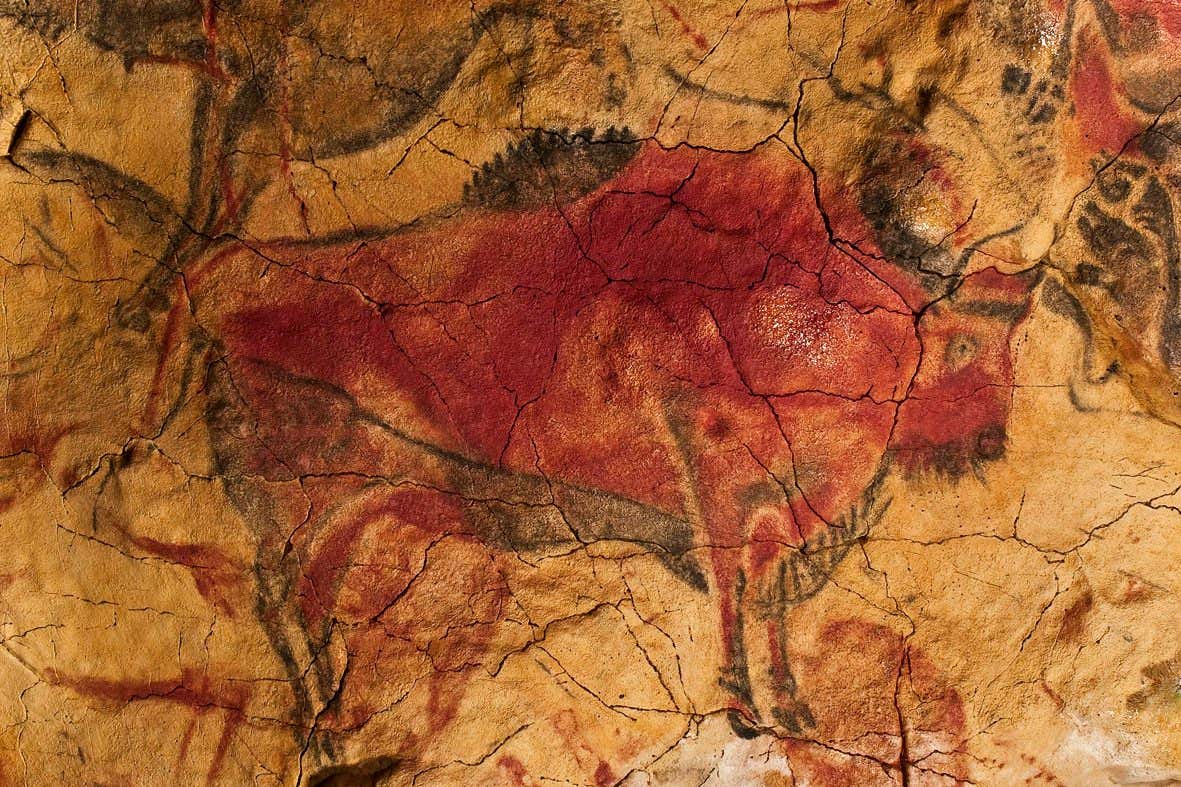
On a visit to see ancient cave art in Spain, Michael Marshall explores why it's so hard to calculate the age of early human artworks and whether other hominins might also have created art.
24 November 2021
We once shared the planet with at least seven other types of human. Ironically, our success may have been due to our deepest vulnerability: being dependent on others
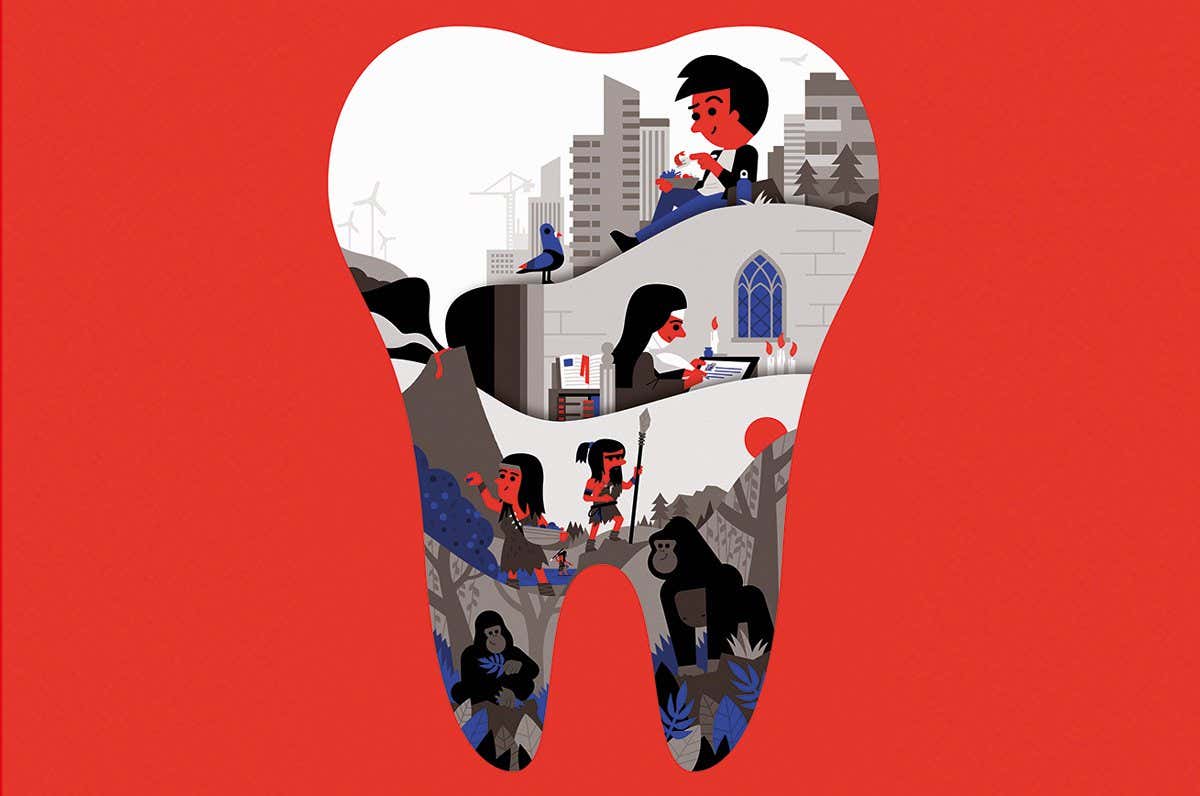
15 September 2021
Plaque fossilises while we are still alive. Now, dental calculus is giving up the secrets of our ancient ancestors, from what they ate to how they interacted and evolved
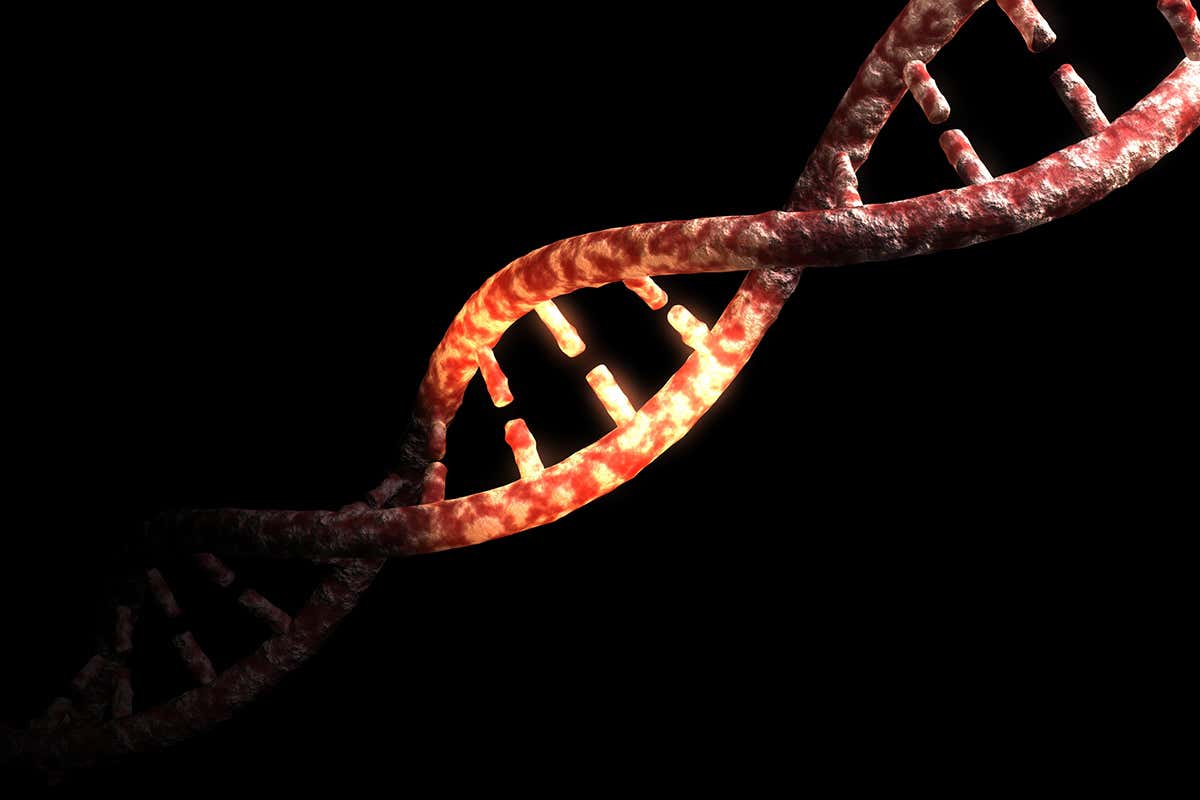
16 July 2021
Just 1.5 to 7 per cent of the modern human genome is uniquely ours – meaning it emerged after we split from other ancient human groups including the Neanderthals and Denisovans
