Subscribe now
Found 80 results for asteroid

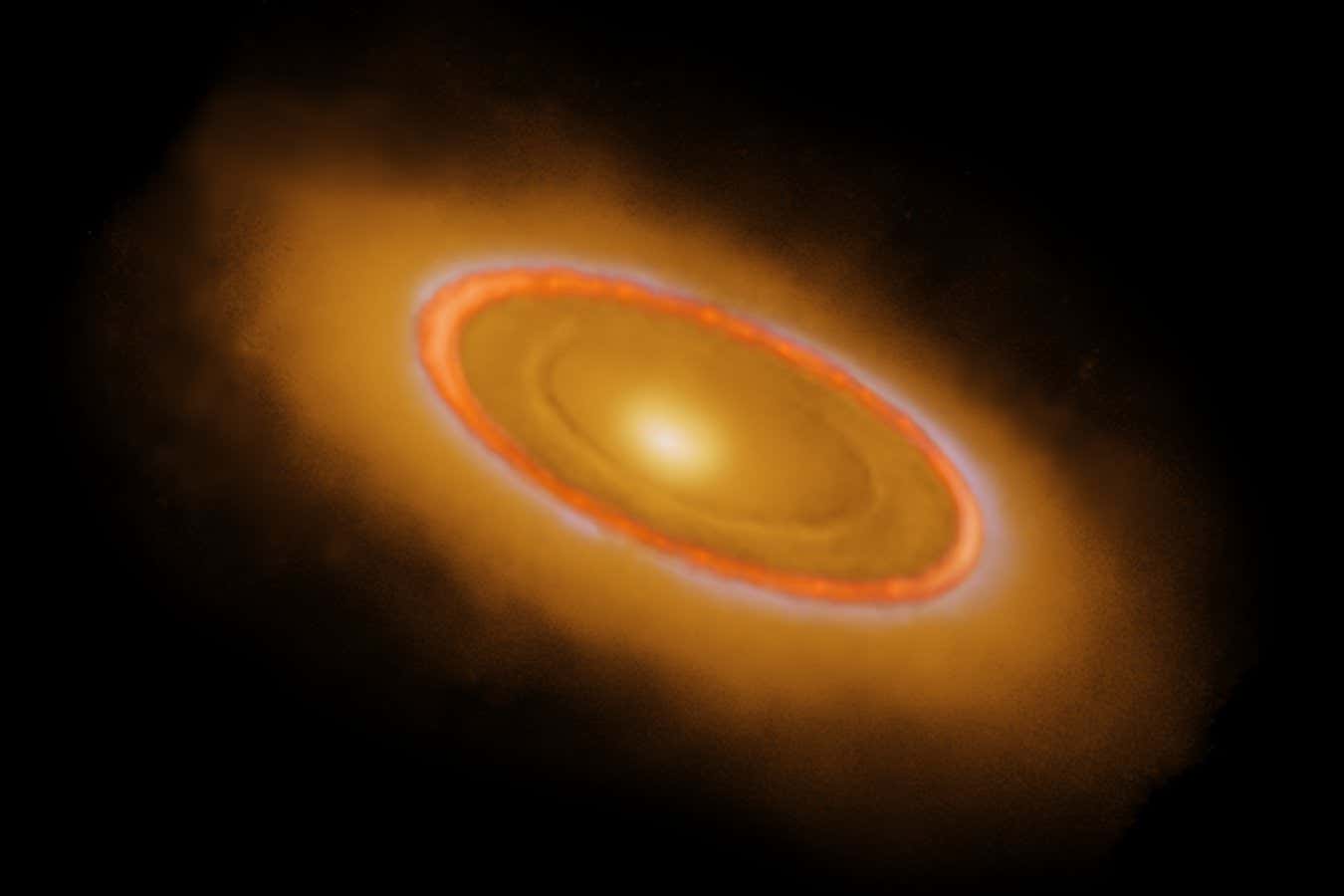
Absolutely enormous asteroid belt discovered around a nearby star

8 May 2023

Astronomers used the James Webb Space Telescope to spot strange asteroid belts around the nearby star Fomalhaut, along with evidence for at least three planets
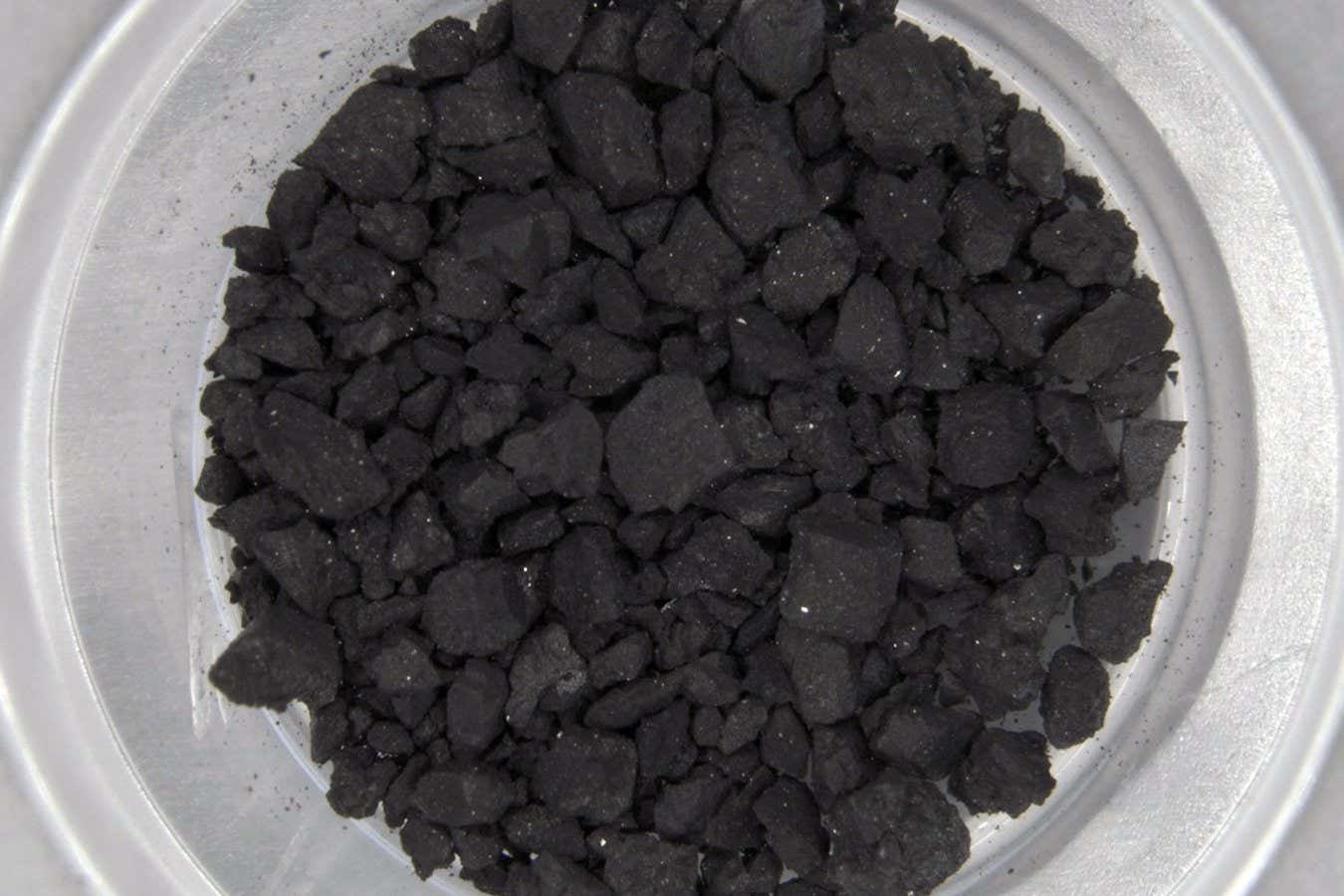

Grains from Ryugu

Samples from asteroid Ryugu contain one of the building blocks of RNA

21 March 2023

The Hayabusa 2 spacecraft brought back samples from Ryugu in 2020, and an analysis of a tiny portion of those samples has revealed key ingredients for life
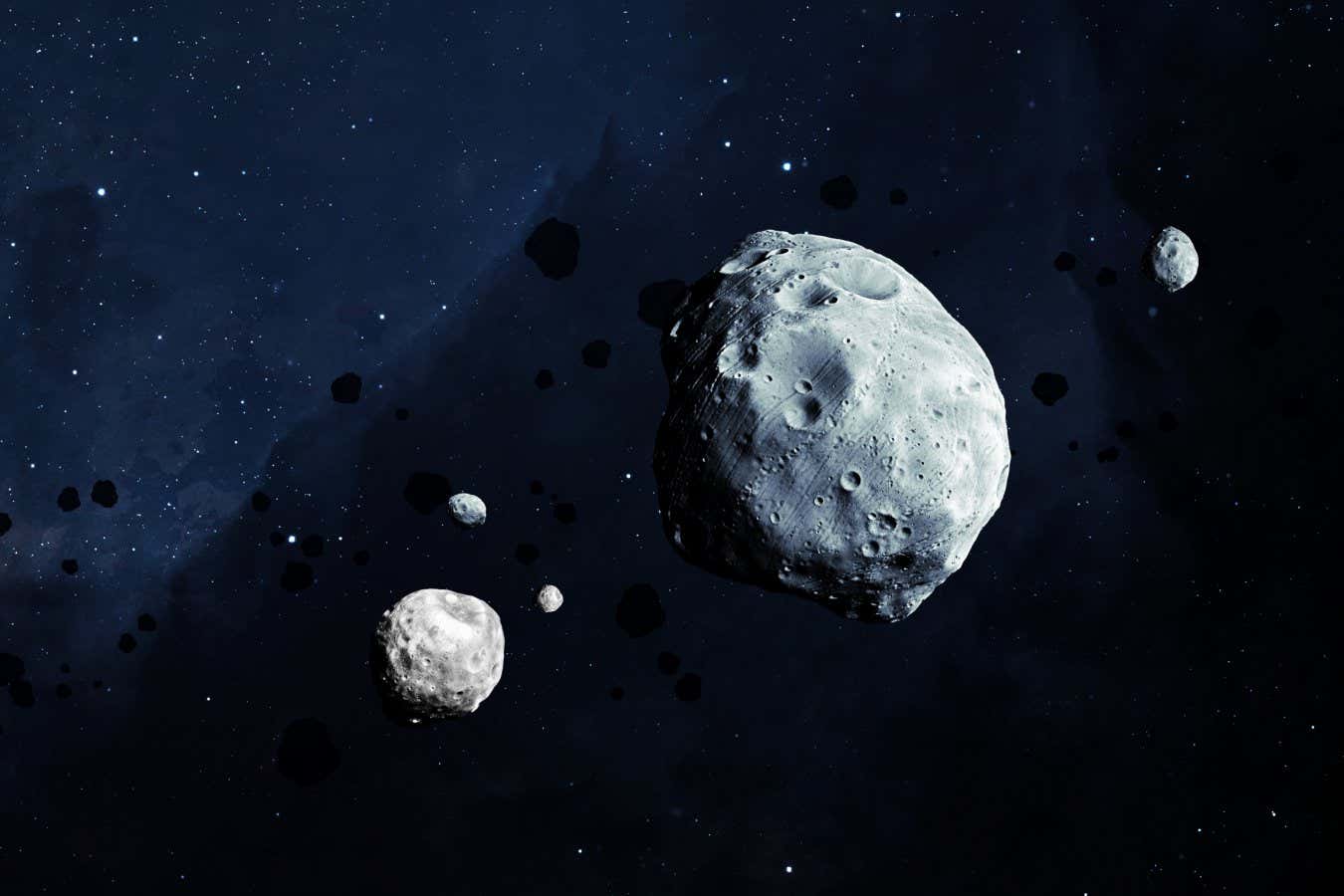

Asteroids that speed up unexpectedly may be ‘dark comets’ in disguise

21 March 2023

Some asteroids appear to accelerate in ways that can’t be accounted for by gravity, suggesting they might be firing out invisible jets of gas - like those of comets
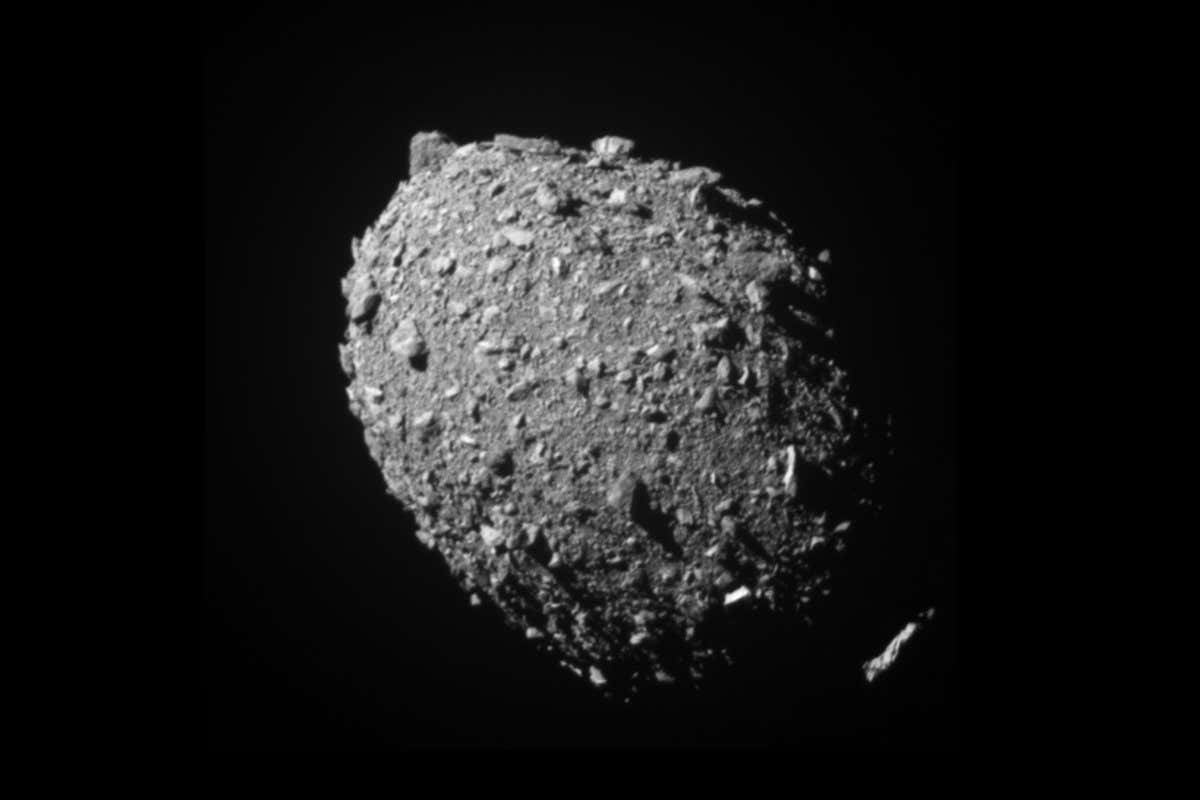

Asteroid moonlet Dimorphos as seen by the DART spacecraft 11 seconds before impact. DART?s onboard DRACO imager captured this image from a distance of 42 miles (68 kilometers). This image was the last to contain all of Dimorphos in the field of view. Dimorphos is roughly 525 feet (160 meters) in length. Dimorphos? north is toward the top of the image. Credit: NASA/Johns Hopkins APL

What we learned from NASA's asteroid-smashing DART mission

1 March 2023

The Double Asteroid Redirection Test smashed into the asteroid Dimorphos in 2022, and the huge plume of rubble from the collision more than tripled the momentum transferred from the spacecraft to the asteroid
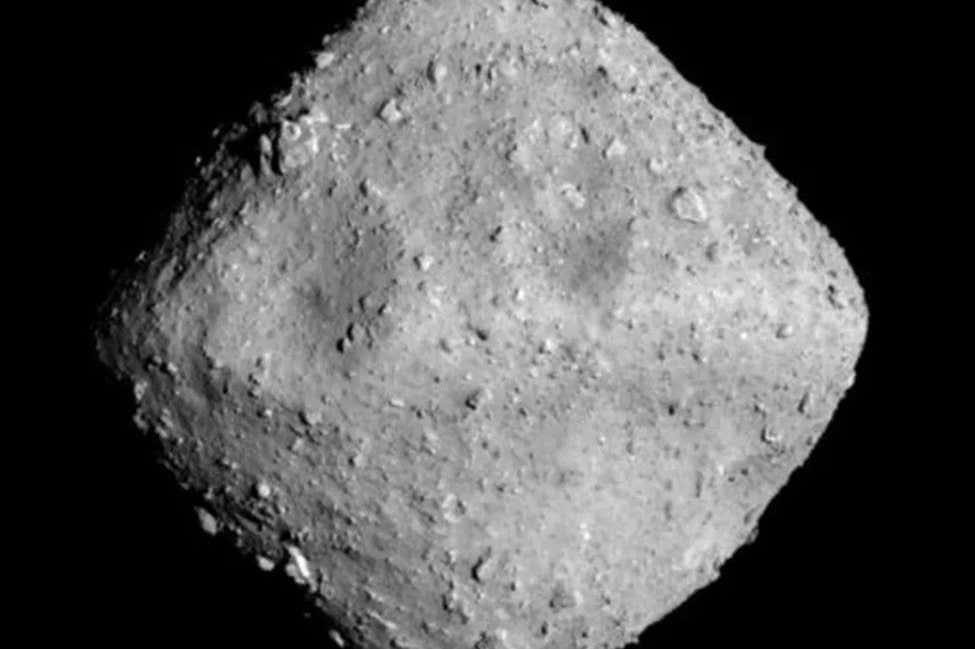

View of asteroid Ryugu from Hayabusa 2. Credits: JAXA, University of Tokyo & collaborators

Hayabusa 2 has brought back gases from an asteroid for the first time

20 October 2022

Gases brought back from the asteroid Ryugu by Japan’s Hayabusa 2 spacecraft are revealing the asteroid’s history and may help us reconstruct the evolution of the solar system
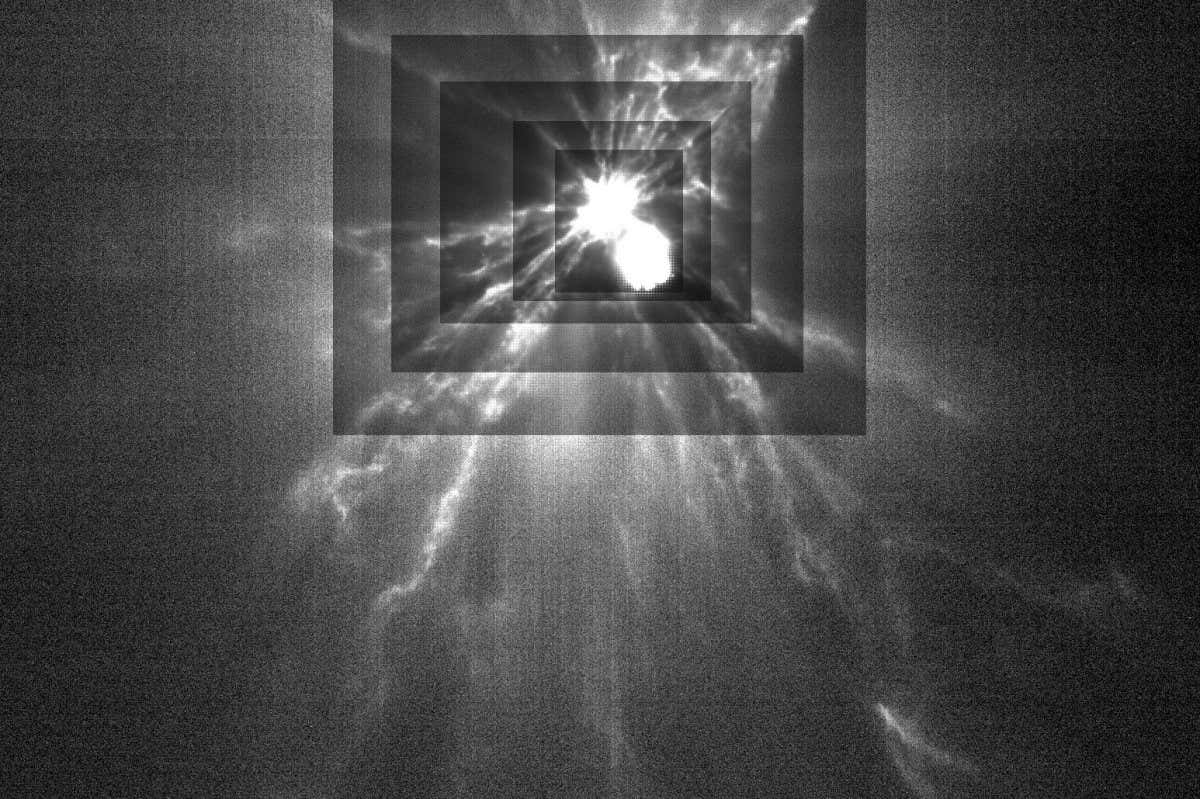

This image from ASI?s LICIACube show the plumes of ejecta streaming from the Dimorphos asteroid after NASA?s Double Asteroid Redirect Test, or DART, mission, made impact with it on Sept. 26, 2022. Each rectangle represents a different level of contrast in order to better see fine structure in the plumes. By studying these streams of material, we will be able to learn more about the asteroid and the impact process. Credits: ASI/NASA/APL

NASA’s DART mission moved an asteroid's orbit by smashing into it

11 October 2022

After the Double Asteroid Redirect Test mission slammed into the asteroid Dimorphos, it was pushed closer to its larger host asteroid, Didymos, and its orbit became 32 minutes shorter
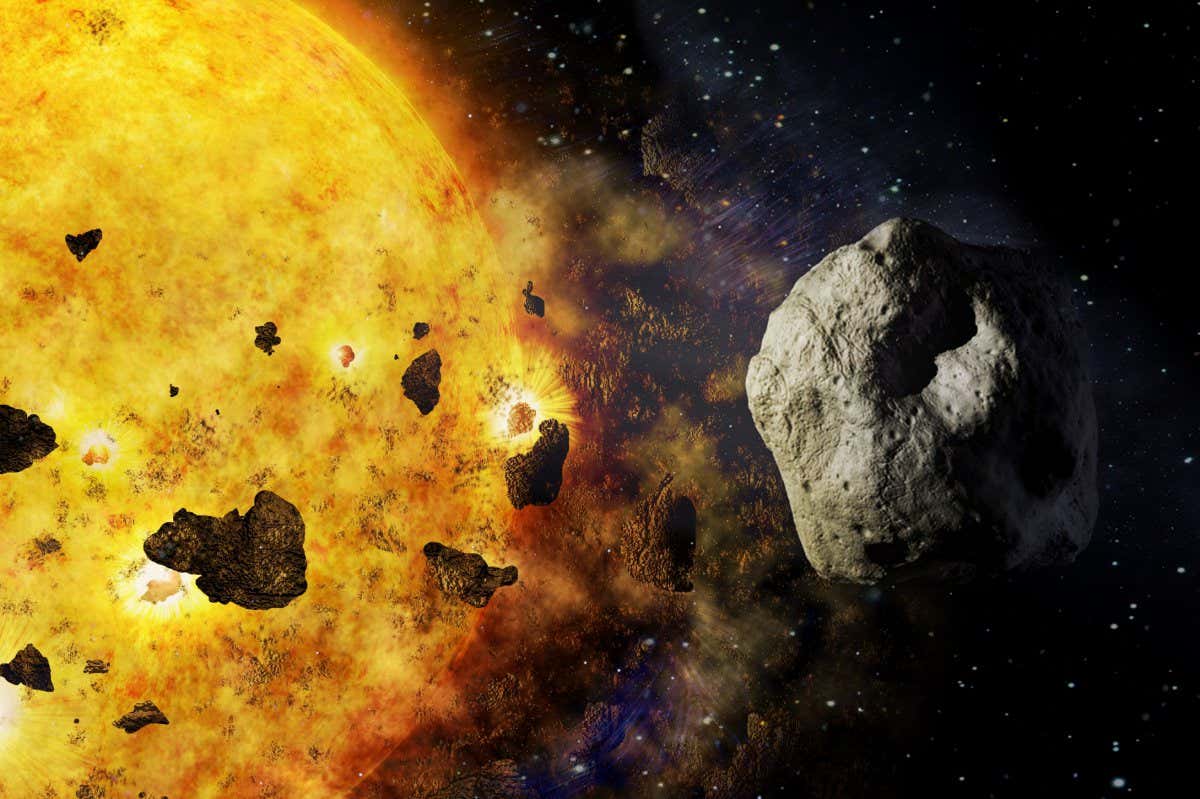

Fragments of a meteorite near the sun, huge stone rocks fly at the space. Elements of this image furnished by NASA.; Shutterstock ID 1969898527; purchase_order: -; job: -; client: -; other: -

Astronomers found a weird asteroid closer to the sun than any other

5 October 2022

Scientists have found three strange asteroids that orbit relatively close to the sun – one is the closest to the sun we have ever found, and another may someday hit Earth
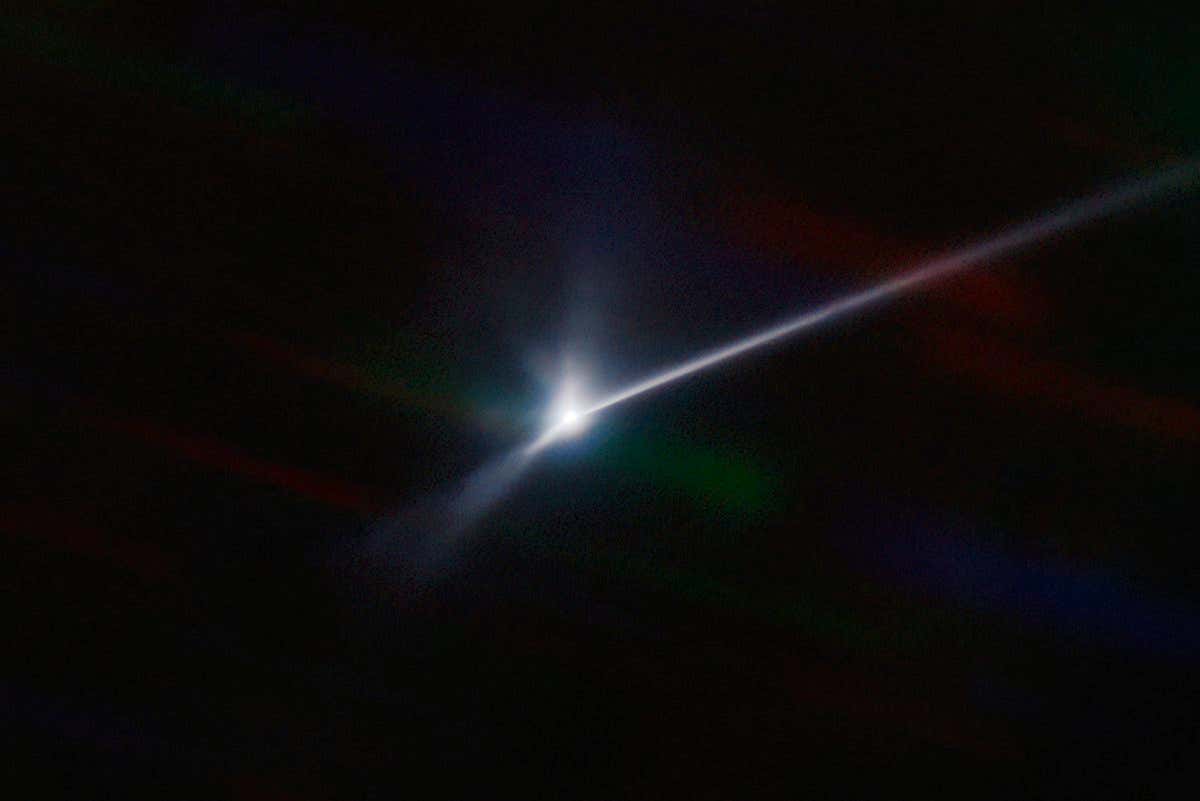

Astronomers using the NSF???s NOIRLab???s SOAR telescope in Chile captured the vast plume of dust and debris blasted from the surface of the asteroid Dimorphos by NASA???s DART spacecraft when it impacted on 26 September 2022. In this image, the more than 10,000 kilometer long dust trail ??? the ejecta that has been pushed away by the Sun???s radiation pressure, not unlike the tail of a comet ??? can be seen stretching from the center to the right-hand edge of the field of view.

Photo shows 10,000 km debris tail caused by DART asteroid smash

3 October 2022

After NASA’s DART spacecraft slammed into the asteroid Dimorphos, the debris from the collision was blown into an enormous tail stretching behind the asteroid
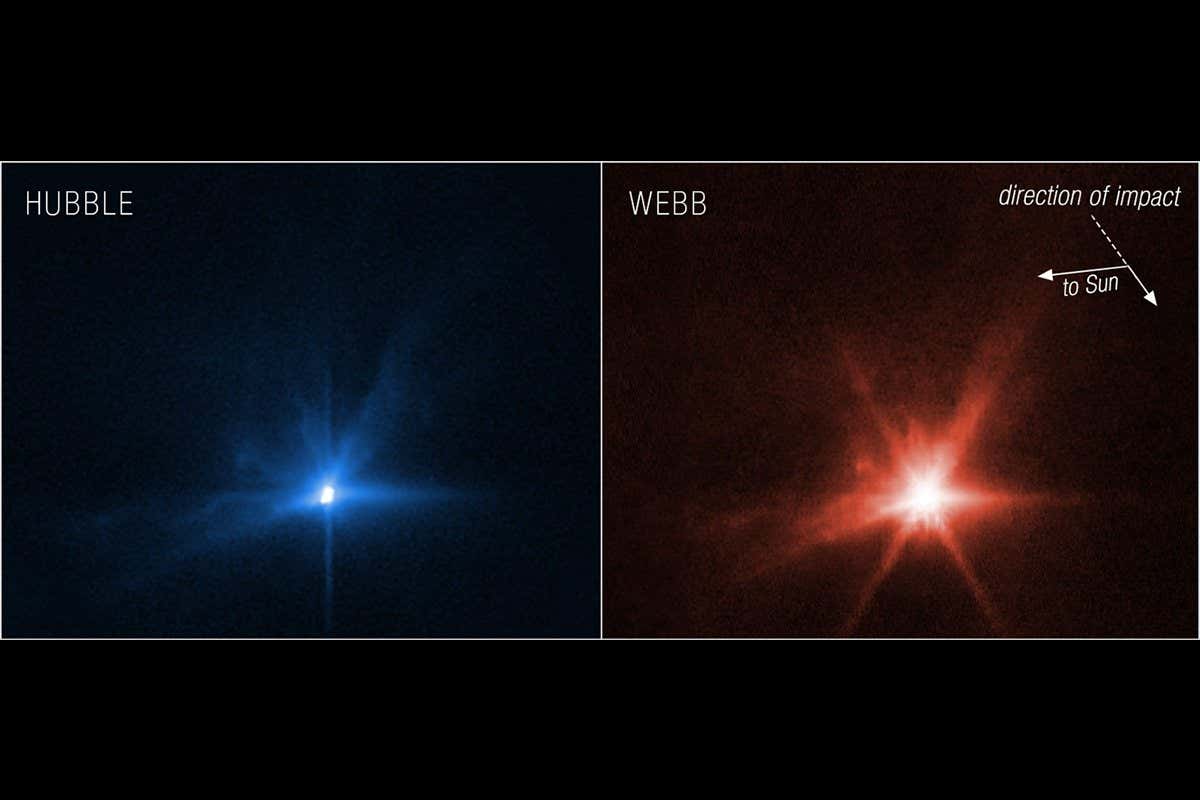

For the first time, NASA?s James Webb Space Telescope and Hubble Space Telescope have taken simultaneous observations of the same target. These images, Hubble on left and Webb on the right, show observations of the Didymos-Dimorphos system several hours after NASA?s Double Asteroid Redirection Test (DART) intentionally impacted the moonlet asteroid. It was the world?s first test of the kinetic impact technique using a spacecraft to deflect an asteroid by modifying its orbit. Both Webb and Hubble observed the asteroid before and after the collision took place. Scientists will use the combined observations from Hubble and Webb to gain knowledge about the nature of the surface of Dimorphos, how much material was ejected by the collision, how fast it was ejected, and the distribution of particle sizes in the expanding dust cloud. In the coming months, scientists will also use Webb?s Mid-Infrared Instrument (MIRI) and Near-Infrared Spectrograph (NIRSpec) to observe ejecta from Dimorphos further. Spectroscopic data will provide researchers with insight into the asteroid?s composition. Hubble will monitor Dimorphos ten more times over the next three weeks to monitor how the ejecta cloud expands and fades over time. Hubble observations were conducted in one filter, WFC3/UVIS F350LP (assigned the color blue), while Webb observed at F070W (0.7 microns, assigned the color red).

Hubble and JWST both saw the aftermath of NASA's DART asteroid mission

29 September 2022

After NASA’s DART mission slammed into the asteroid Dimorphos, the Hubble Space Telescope and the James Webb Space Telescope took simultaneous pictures of what was left behind
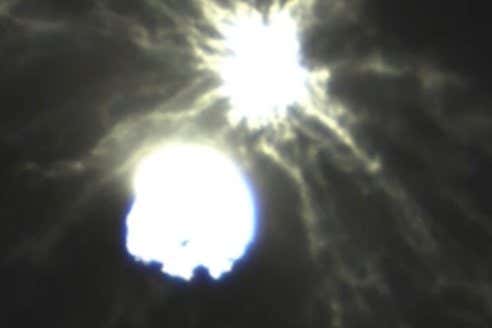

Some of the first images revealed of the asteroid impact taken by LICIACube.

First images show aftermath of NASA's DART asteroid collision mission

27 September 2022

As NASA’s DART spacecraft slammed into an asteroid, a small satellite called LICIACube watched from afar – now it has sent back its first images of the collision


Sign up to our weekly newsletter

Receive a weekly dose of discovery in your inbox. We'll also keep you up to date with New Scientist events and special offers.

Sign up
Piano Exit Overlay Banner Mobile Piano Exit Overlay Banner Desktop