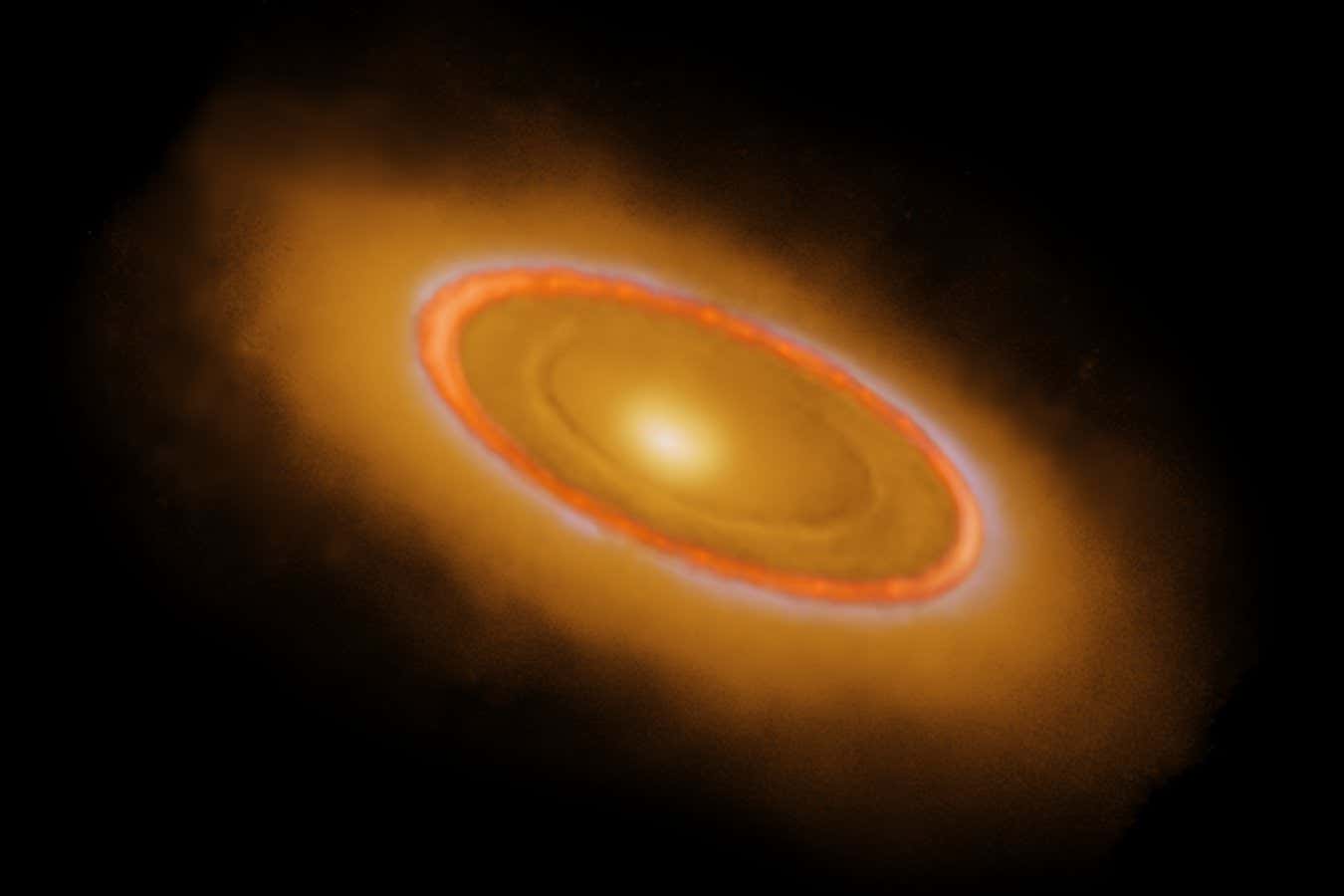
Absolutely enormous asteroid belt discovered around a nearby star
8 May 2023
Astronomers used the James Webb Space Telescope to spot strange asteroid belts around the nearby star Fomalhaut, along with evidence for at least three planets
8 May 2023
Astronomers used the James Webb Space Telescope to spot strange asteroid belts around the nearby star Fomalhaut, along with evidence for at least three planets
22 April 2023
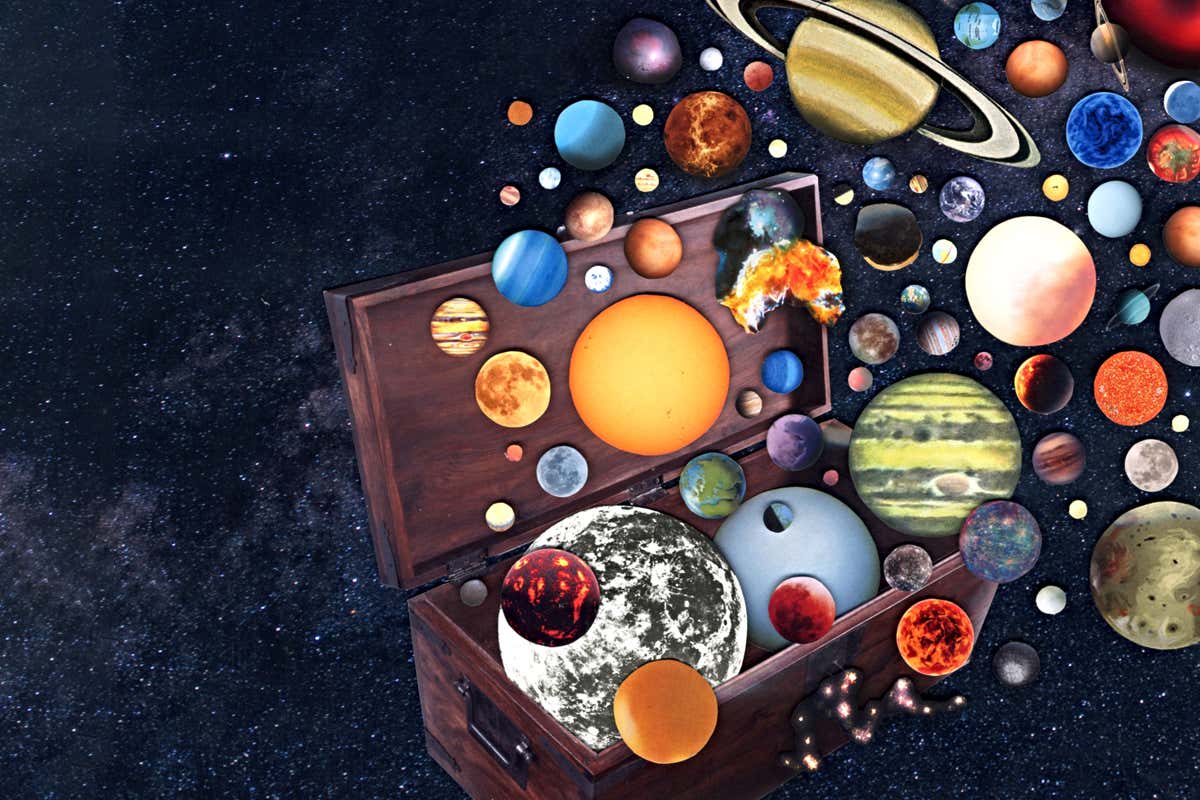
An abridged inventory of everything there is in the universe – from rogue planets and exomoons to supernovae, supermassive black holes and the cosmic web.
20 April 2022
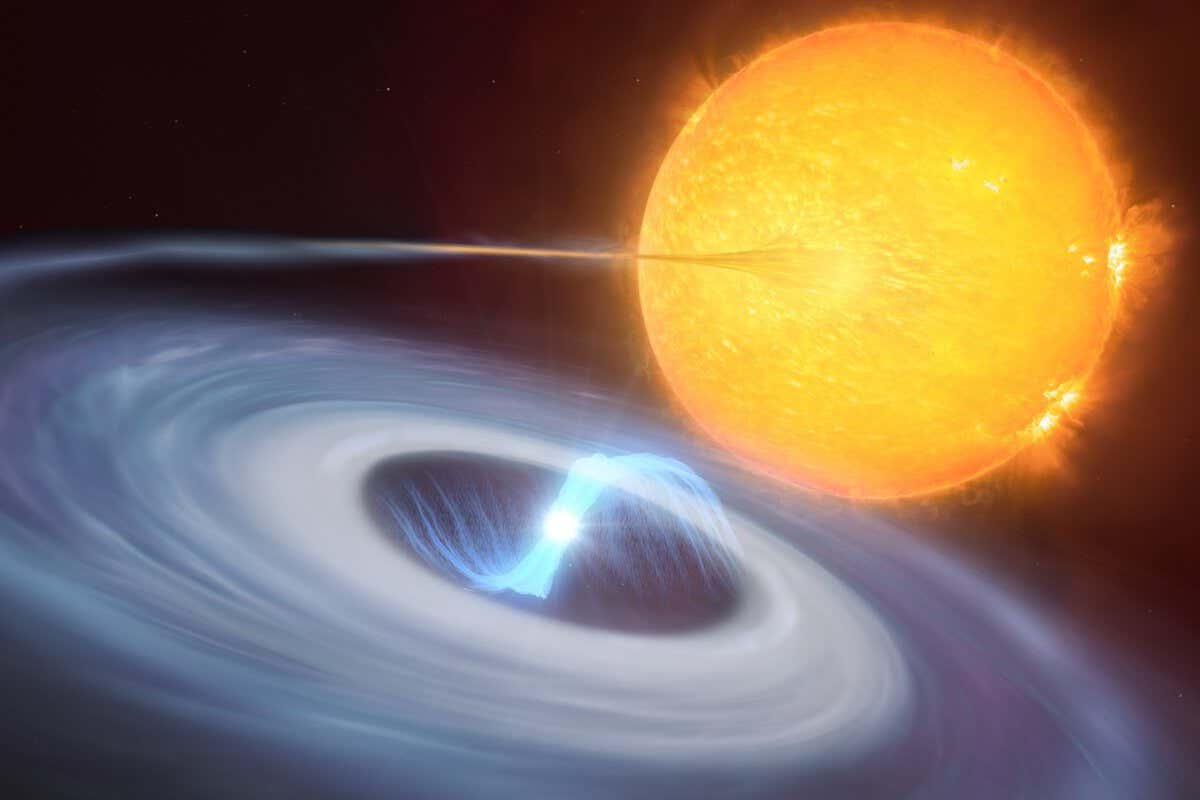
Micronovae are about 1 million times less bright than a classical nova and last just half a day, but they release as much energy as the sun would in a day
12 January 2021
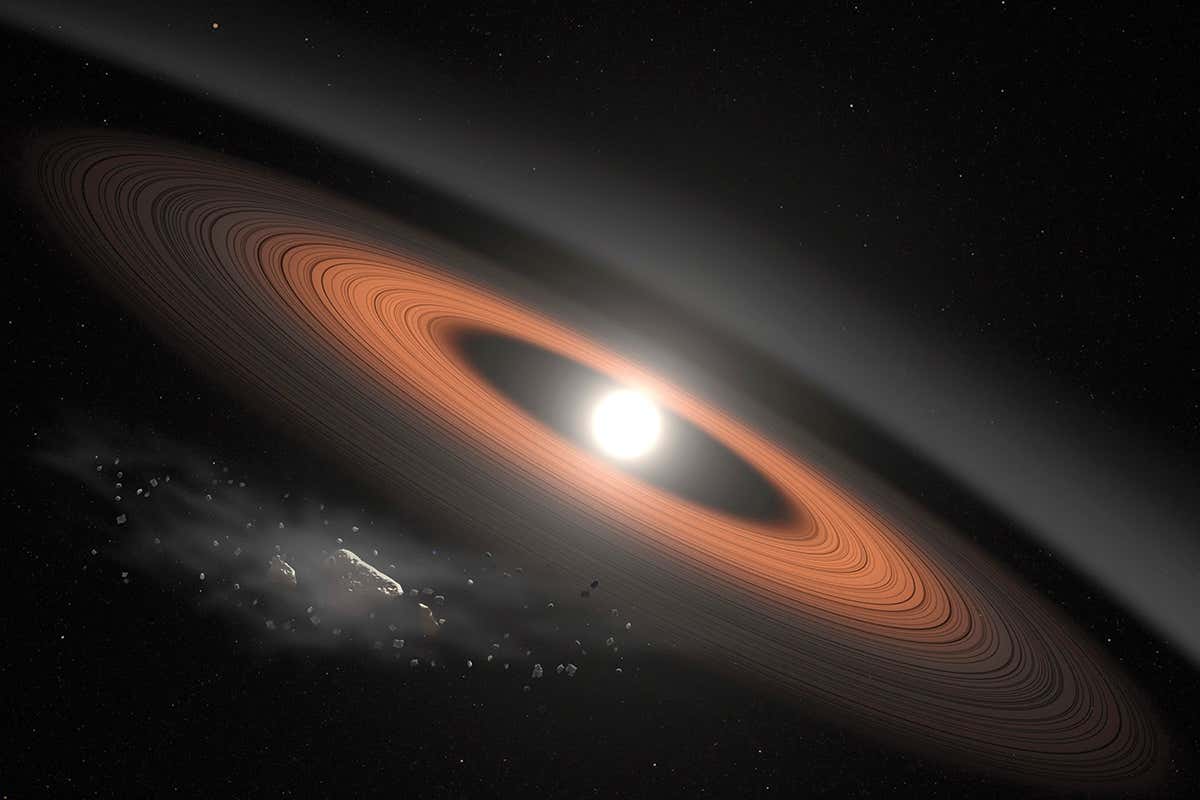
Signs of the metals that make up Earth’s crust have been seen in the light coming from four dead stars known as white dwarfs, which may have consumed distant planets similar to ours
2 December 2019
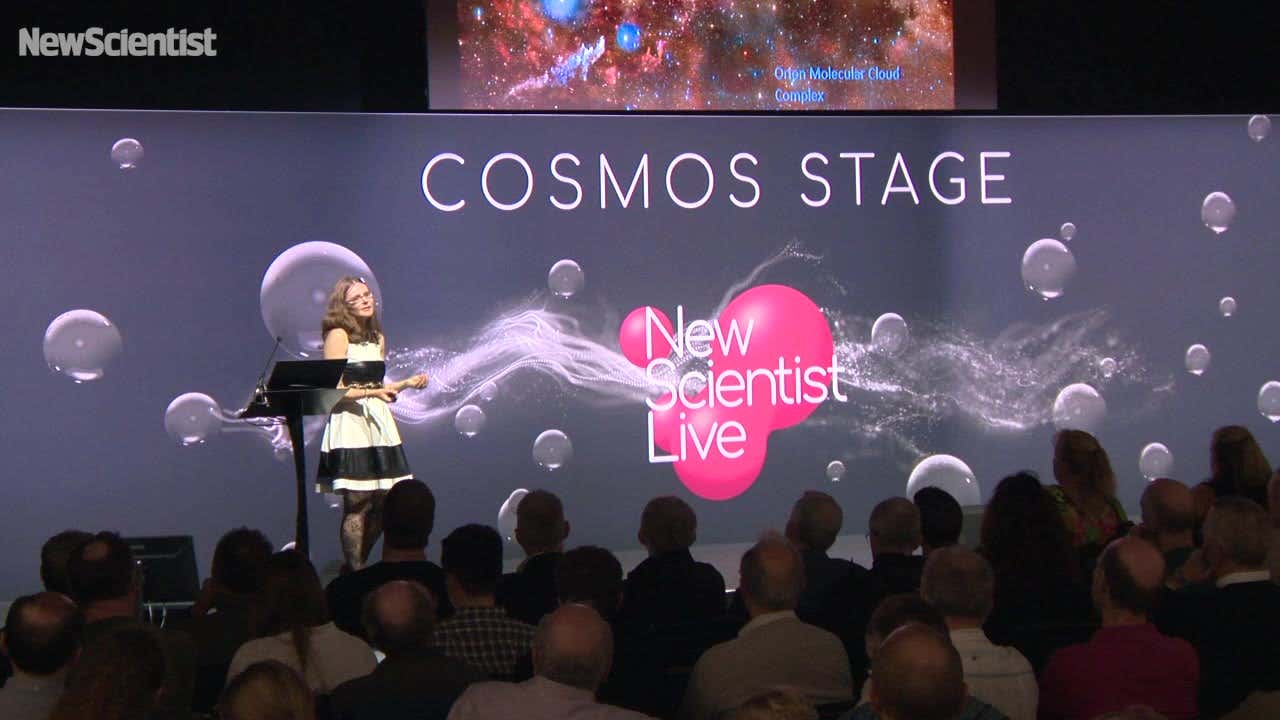
In 2017, a mysterious asteroid from a different solar system passed near Earth. Astrophysicist Michele Bannister has the inside story on ’Oumuamua
6 December 2018
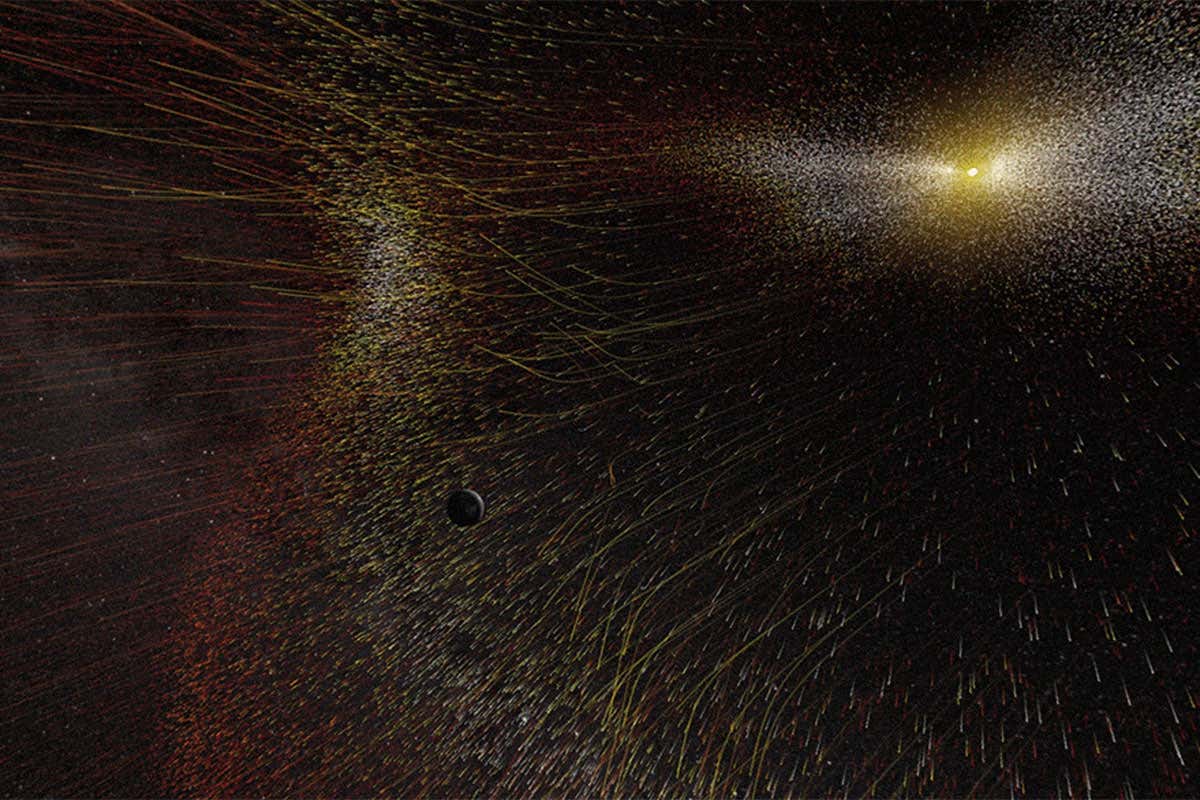
The area in our solar system within Mercury’s orbit is empty, which may be because solar winds threw all the rocks farther out, where they helped form planets
3 May 2018
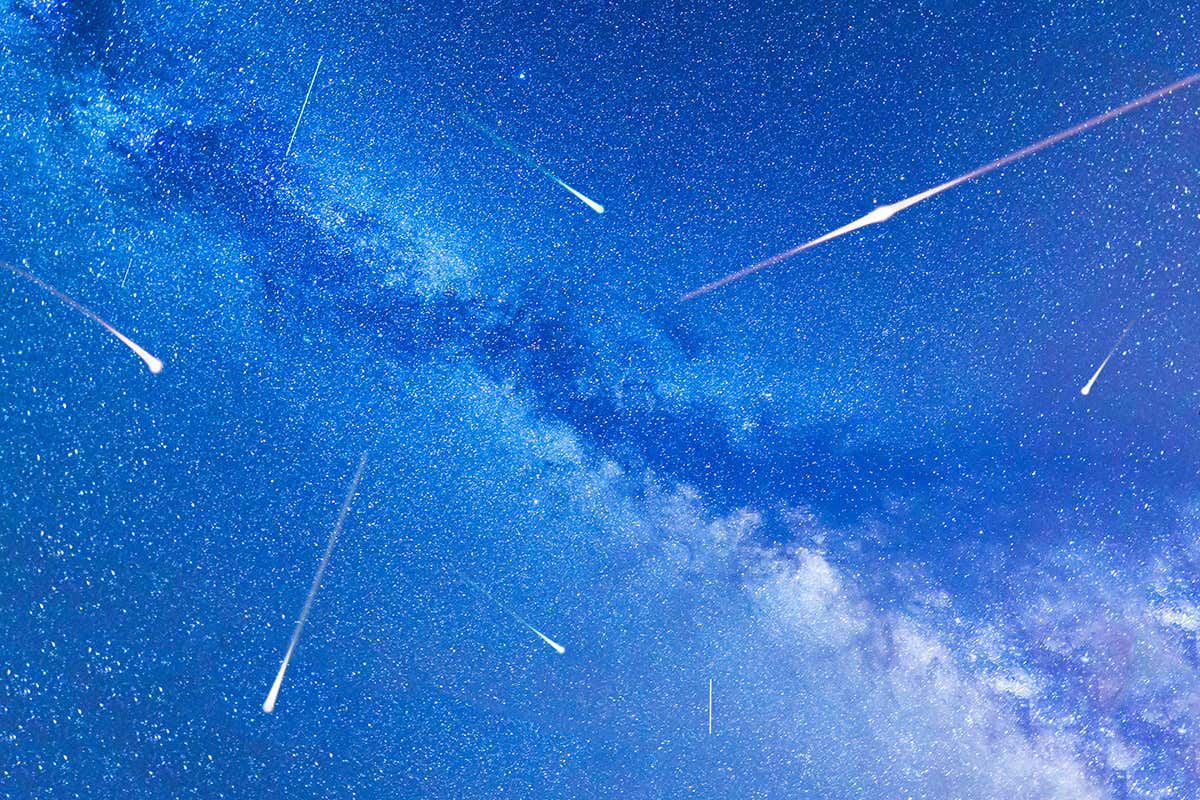
We’ve seen two runaway stars hurtling through the galaxy at more than 700 kilometres per second, and dozens more going so fast they could escape the Milky Way
16 October 2017
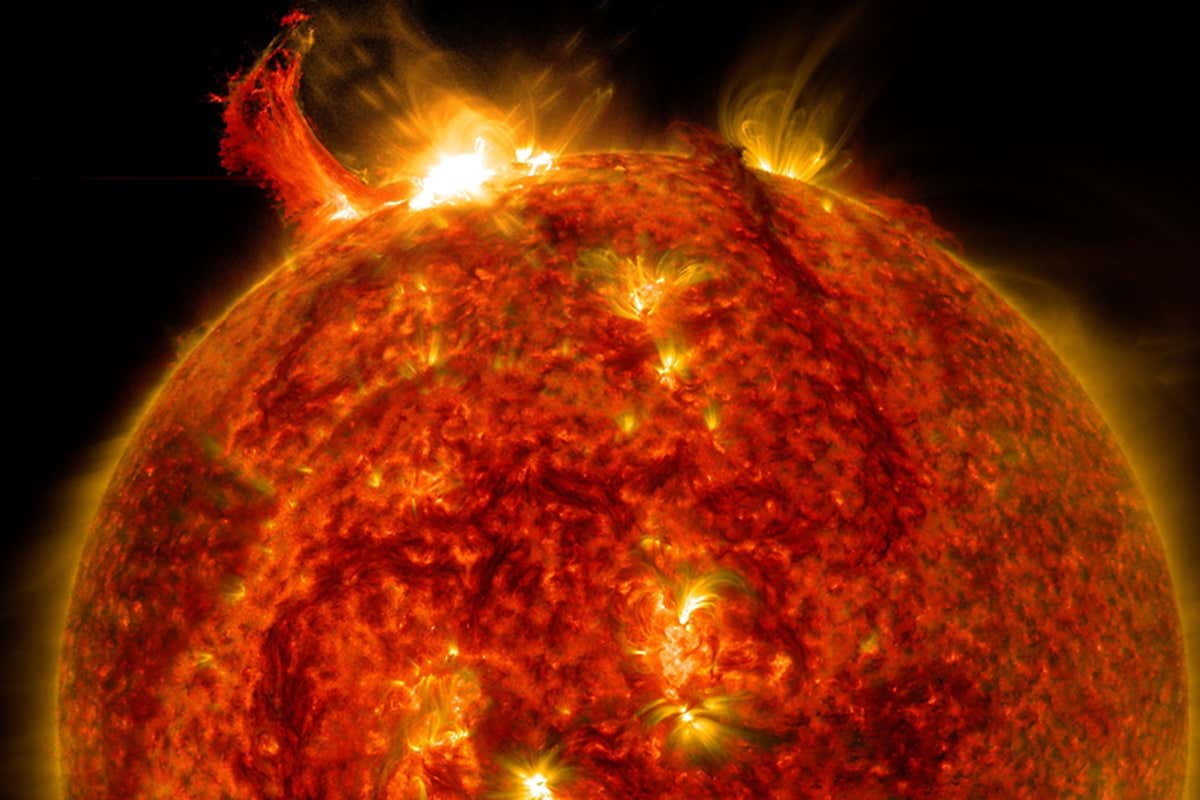
If the sun spews “superflares” as often as other stars, one could take down power systems, damage the ozone layer and destroy satellites in the next century
