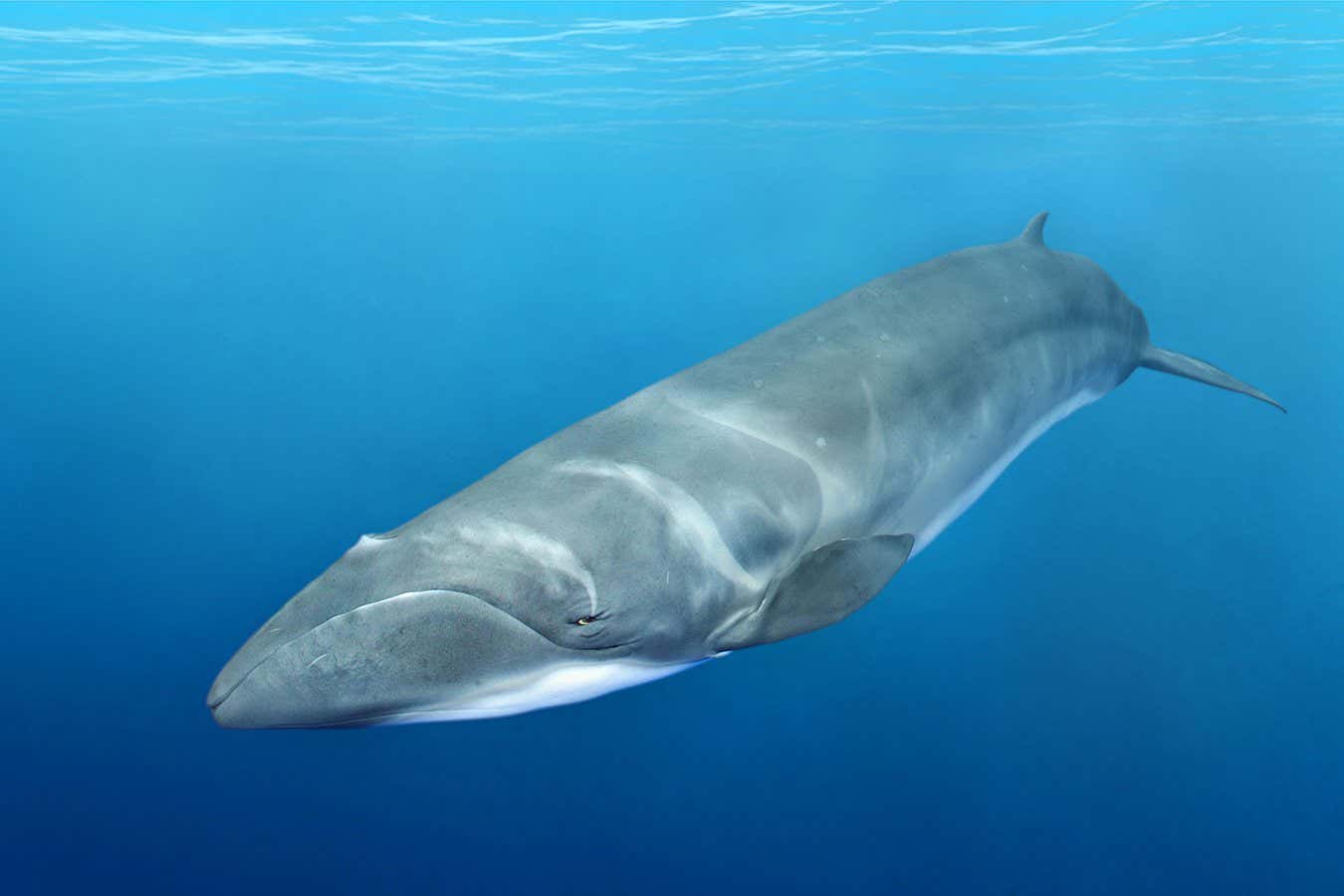
World's smallest baleen whale is the last of its kind
15 July 2023
Pygmy right whales are evolutionarily distinct and may be part of a whale family long thought to be extinct
15 July 2023
Pygmy right whales are evolutionarily distinct and may be part of a whale family long thought to be extinct
7 March 2022
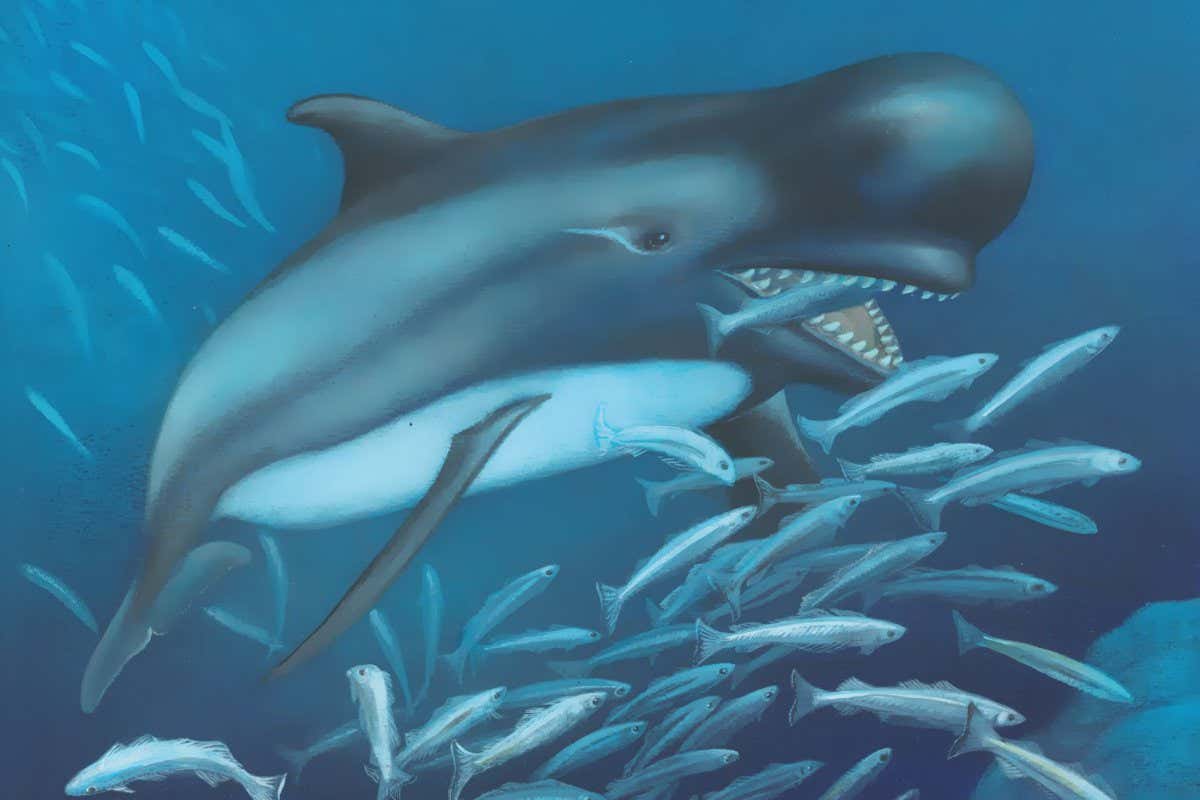
A 1.4-million-year-old fossil relative of killer whales had teeth that suggest it ate small fish rather than large marine mammals
3 November 2021
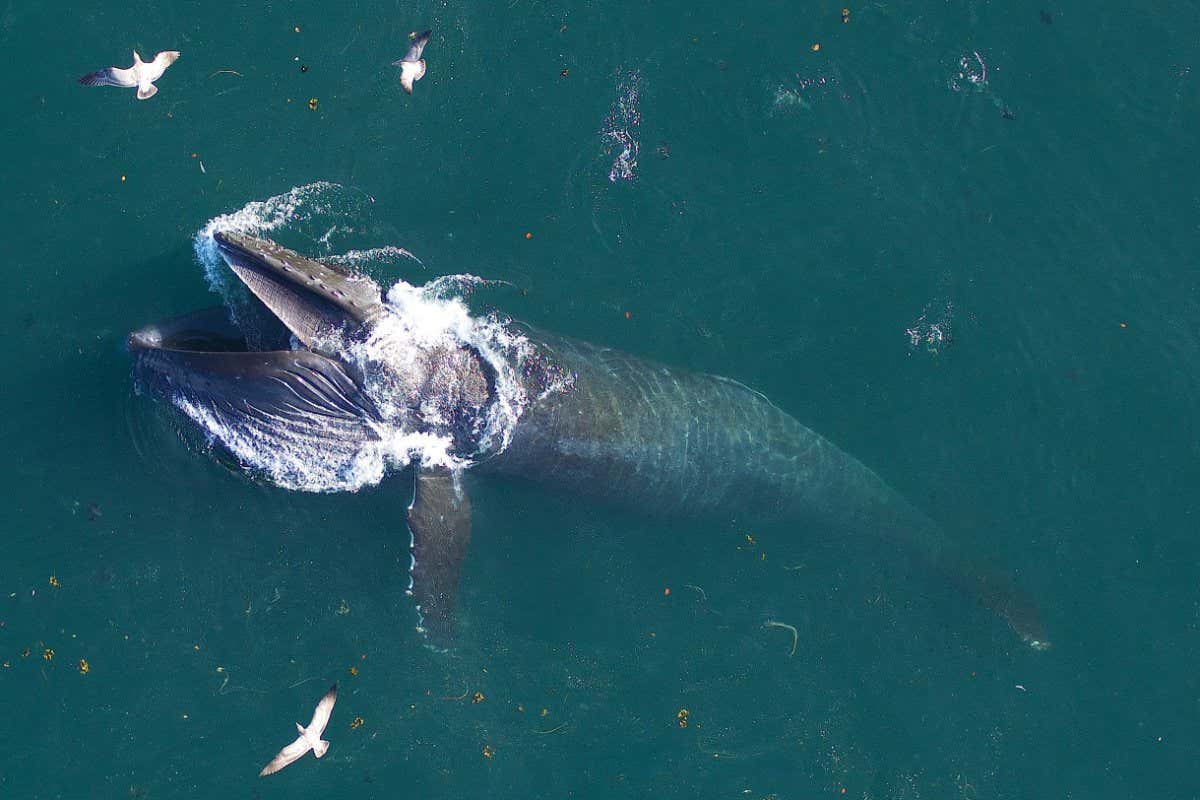
Baleen whales are the largest animals on Earth, and they are even hungrier than we had assumed, which has huge implications for marine ecosystems
30 July 2021
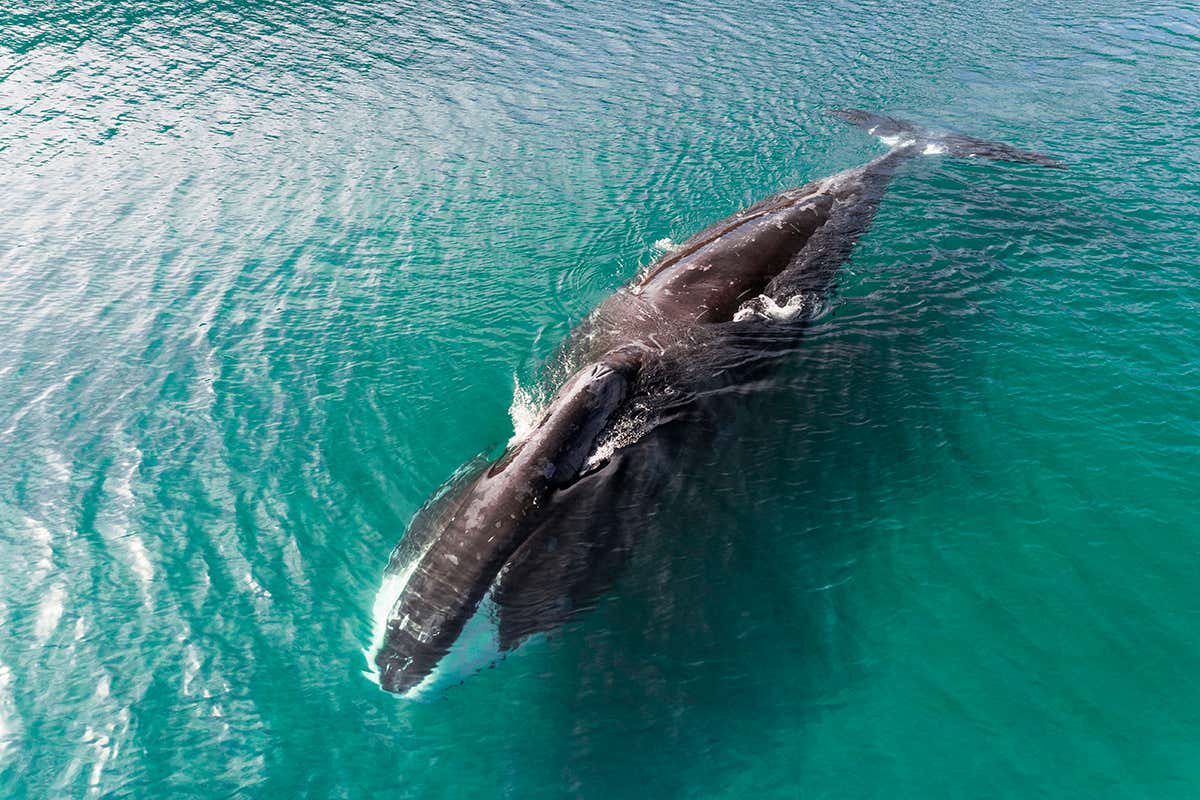
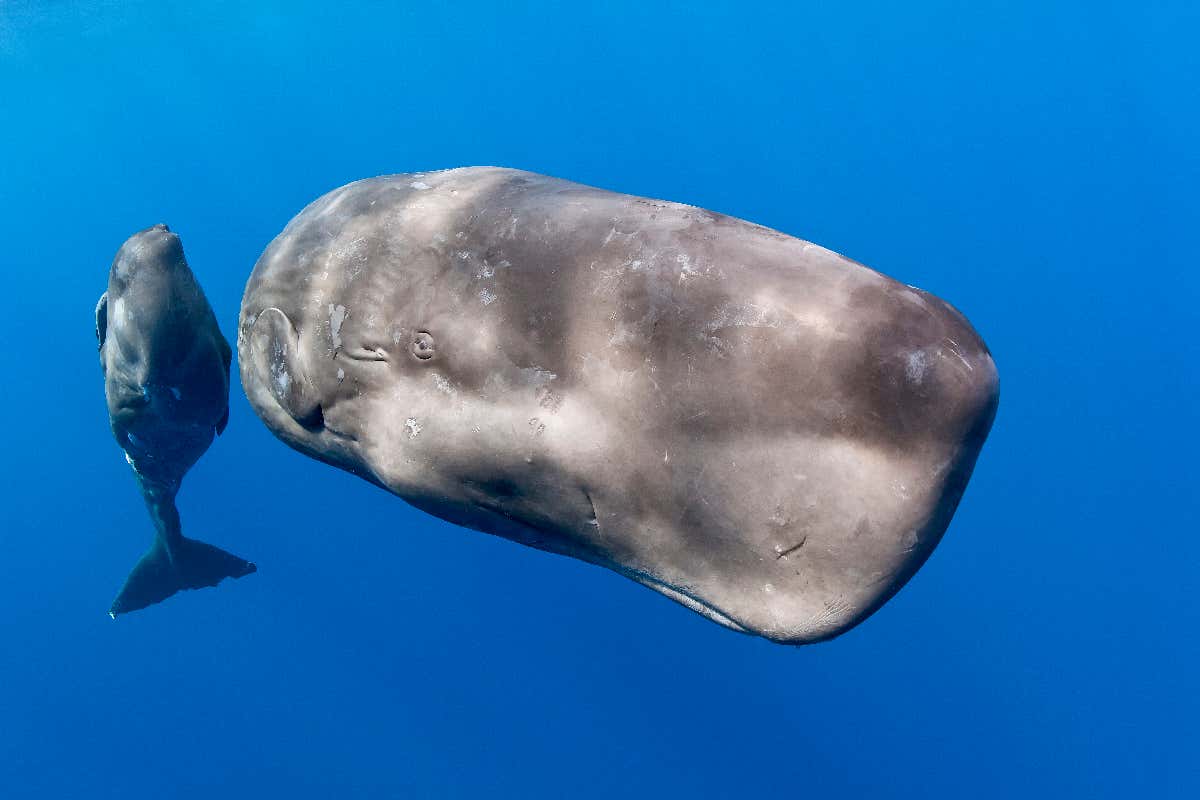
Bowhead and right whales are among the biggest animals alive today, but a new look at how they evolved suggests that the two groups ballooned in size independently of each other, and probably for different reasons
24 February 2021
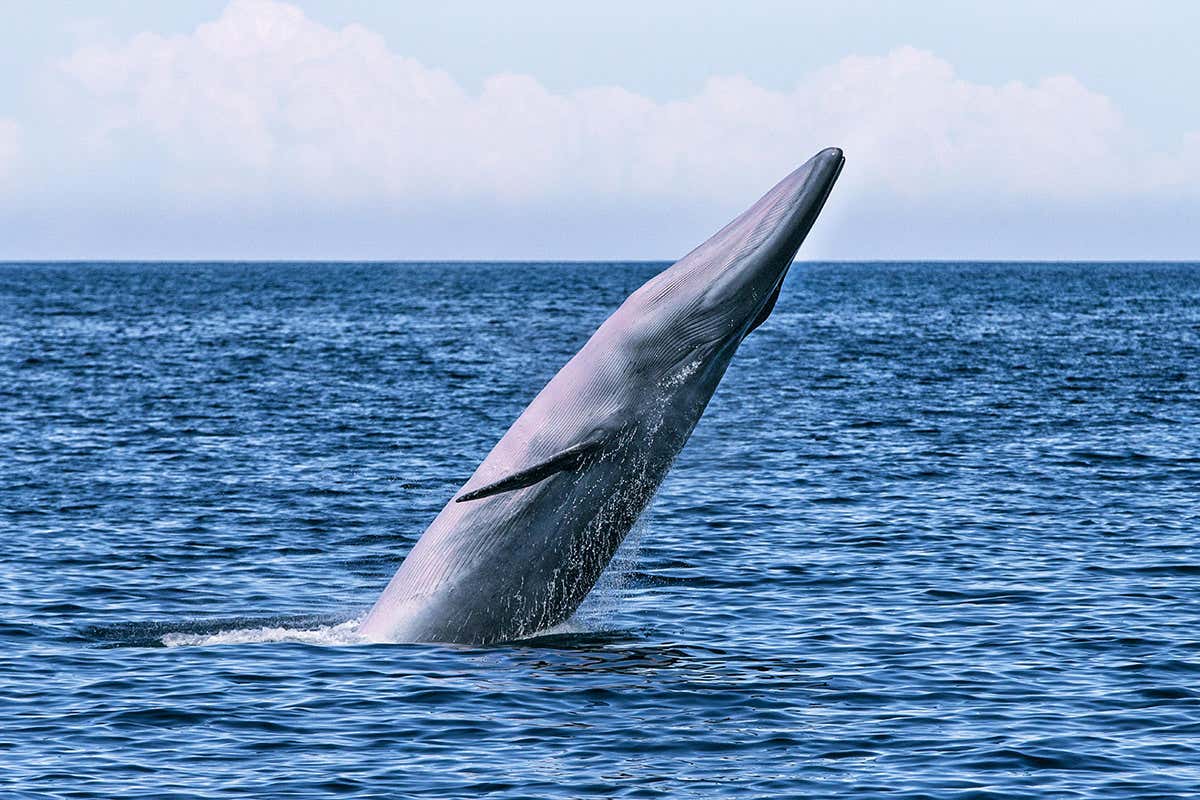
Whales, dolphins and porpoises are much better at fighting cancer than we are, and a DNA analysis brings us closer to understanding why cetaceans can do this
28 January 2021
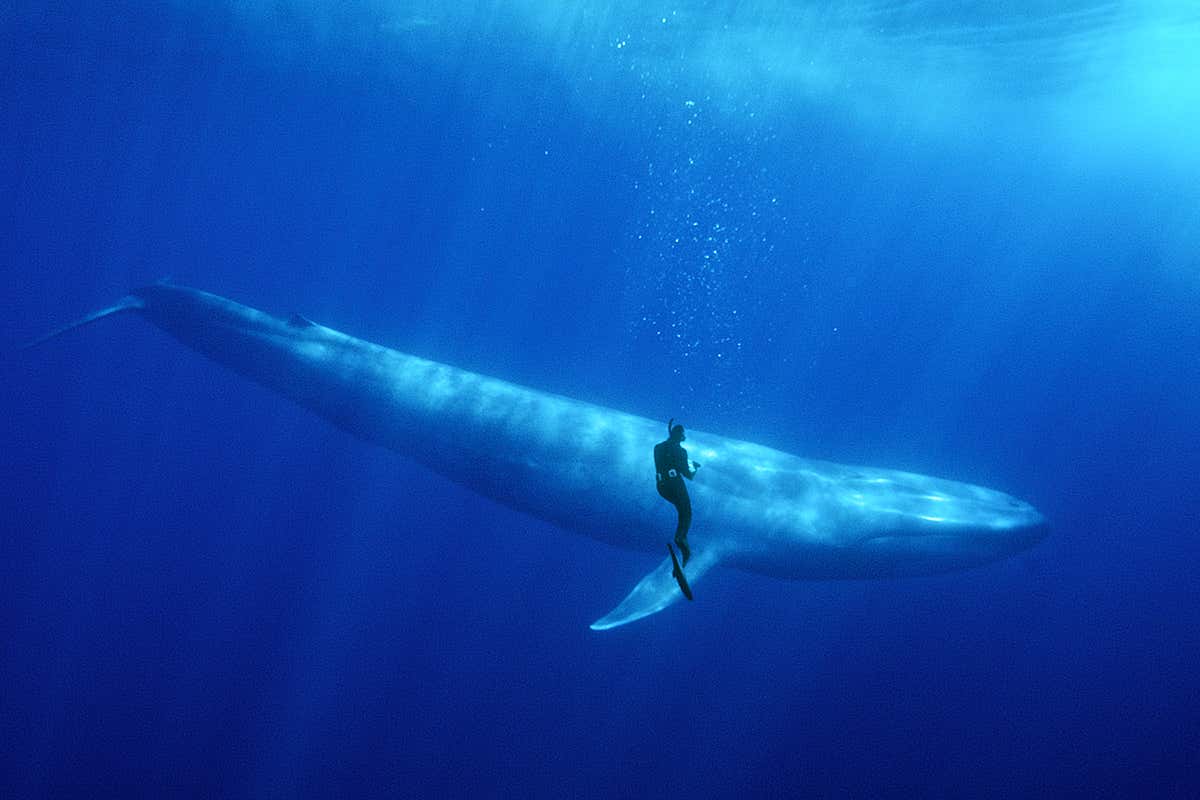
Baleen whales include the largest animals ever to exist, but despite their size, they remain mysterious – and a new species has just been found near the US south coast

9 July 2020
A fossil of an ancient giant tusked dolphin lacks the extra vertebrae and short pectoral bones that make fast swimmers of dolphins and baleen whales, which later independently evolved these traits
1 May 2019
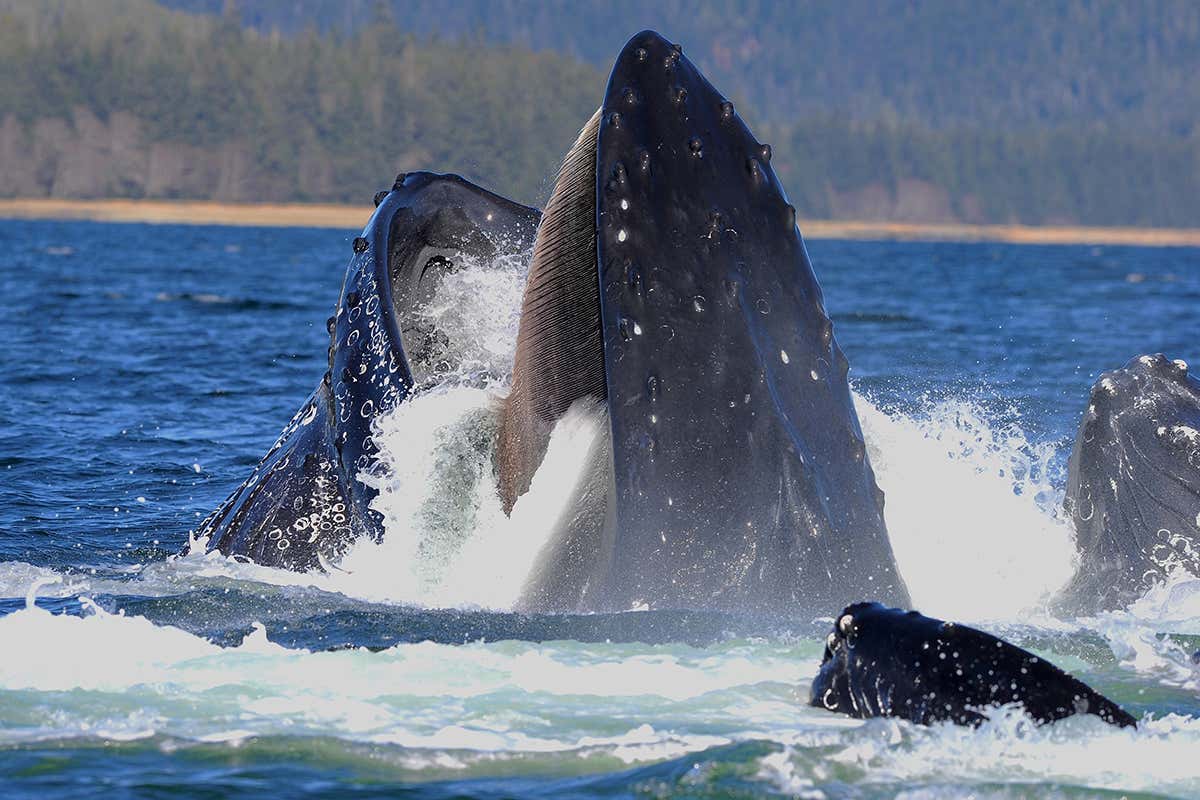
It was thought baleen whales suddenly evolved to be massive 2.5 million years ago, but new evidence suggests the change was more gradual and much earlier
29 November 2018
A 33-million-year-old-fossil suggests some whales evolved baleens for filter feeding only after losing their teeth, so they must have sucked food from the water
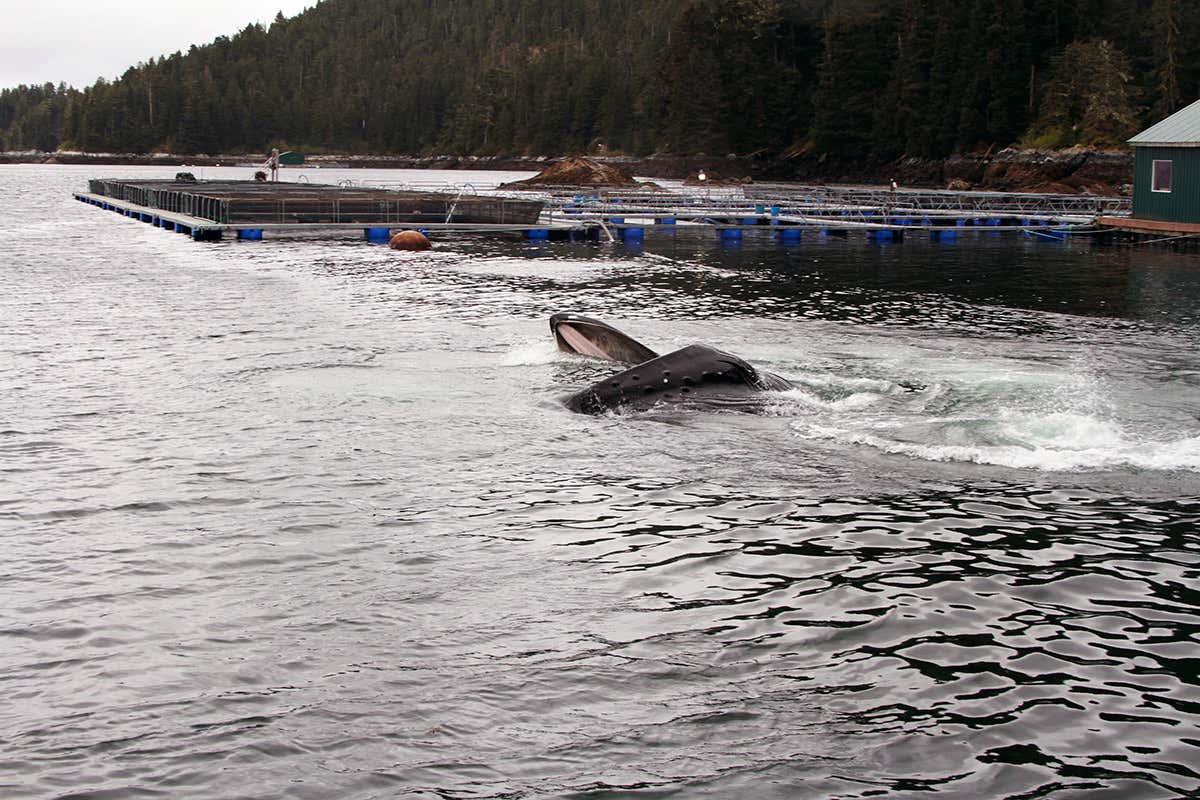
11 July 2017
Humpbacks have been spotted feeding on baby salmon bred for release into the wild to restock fisheries for the first time, competing with fishermen
