Subscribe now
Found 145 results for dwarf planet
New Scientist Default Image

Total Solar Eclipse 2024: Albuquerque to San Antonio, USA - SOLD OUT

1 November 2023

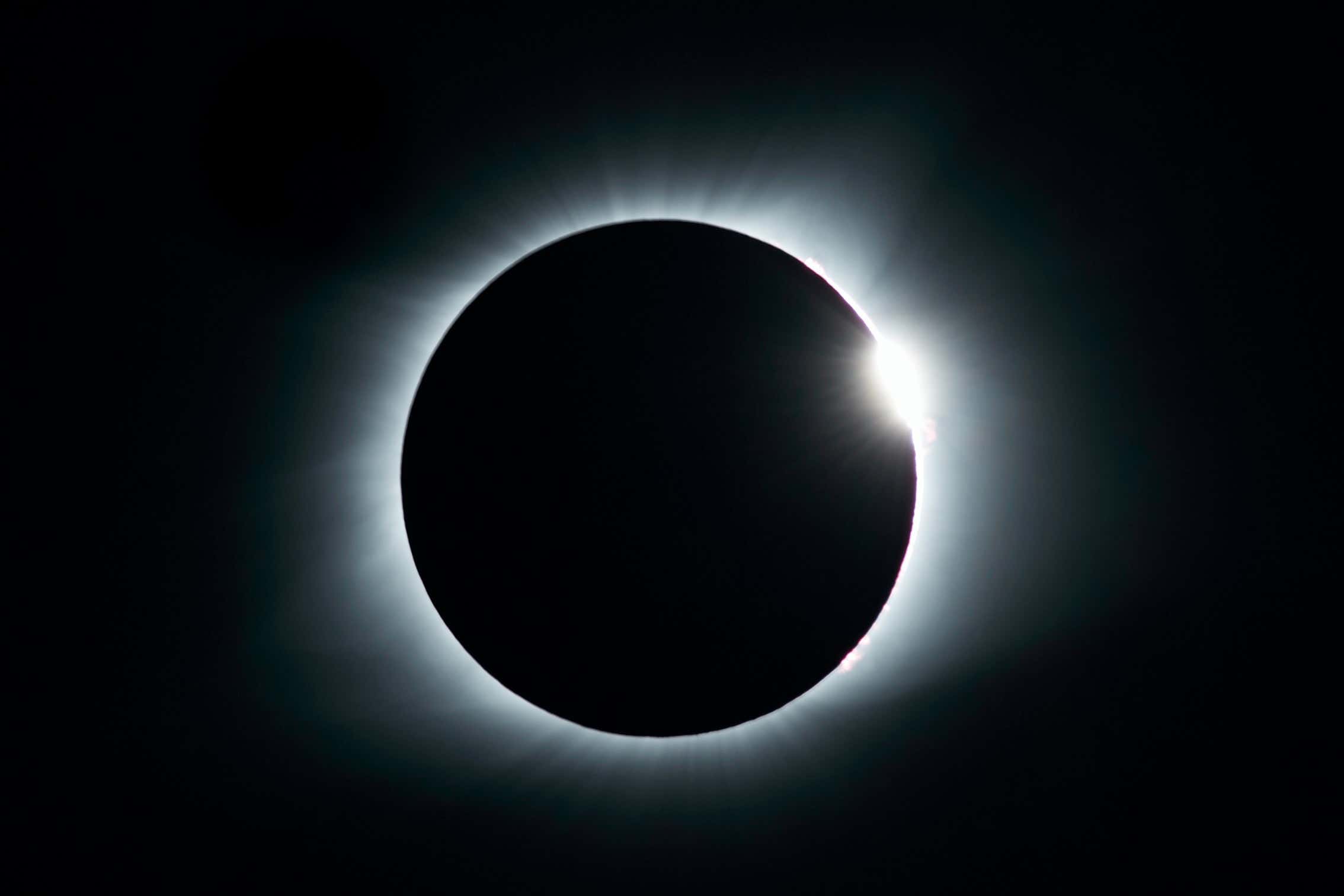
1 April 2024 - Sold out Places are still available on our 8-day Houston total solar eclipse tour Experience a stunning total solar eclipse on 8 April 2024 and explore astronomical, space travel and geological sites across New Mexico and Texas, accompanied...
New Scientist Default Image

The science of the deep Antarctic: Shackleton’s expedition and the Weddell Sea

1 November 2023

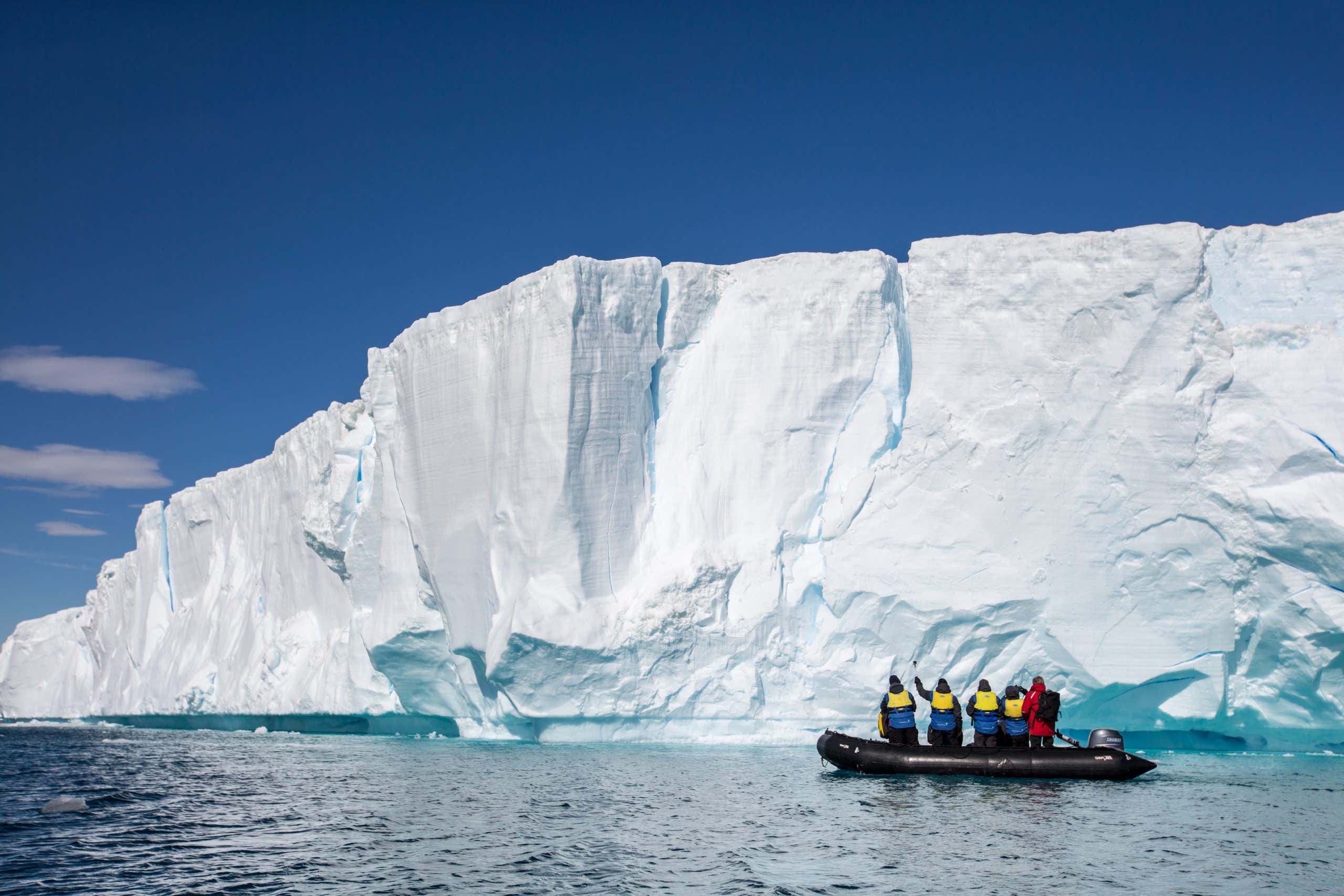
23 March 2024 - 15 days from £11,399 (see price grid for all cabin options) Join one of the greatest expedition voyages on this planet with New Scientist. Journey to one of the most remote, breathtaking regions of Antarctica, the Weddell Sea. Encounter...


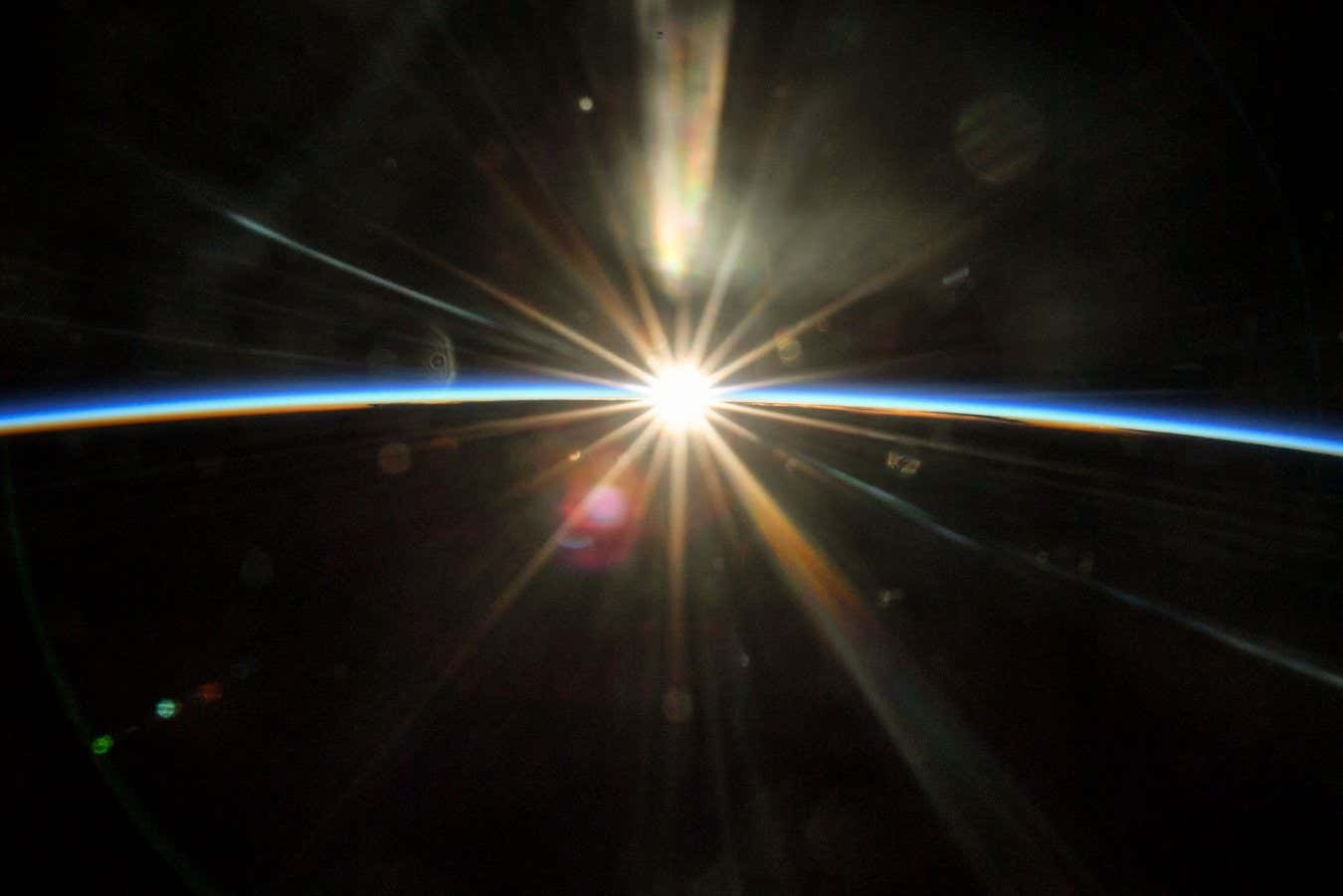
iss067e189024 (July 16, 2022) --- The sun's rays begin to illuminate the Earth's atmosphere as the International Space Station flew into an orbital sunrise 261 miles above Texas. iss067e189024 NASA ID: iss067e189024 iss067e189024 (July 16, 2022) --- The sun's rays begin to illuminate the Earth's atmosphere as the International Space Station flew into an orbital sunrise 261 miles above Texas. Date Created:2022-07-16 Center:JSC

When was the first sunrise on Earth?

19 July 2023

This is a question of how we define “Earth”, say our readers, but we also need to consider when light from the young sun could have pierced Earth’s atmosphere


Two-faced star seems to have one hydrogen side and one helium side

19 July 2023

A strange star more than 1300 light years away appears to have two sides with completely different compositions, and astronomers aren’t sure how it ended up that way


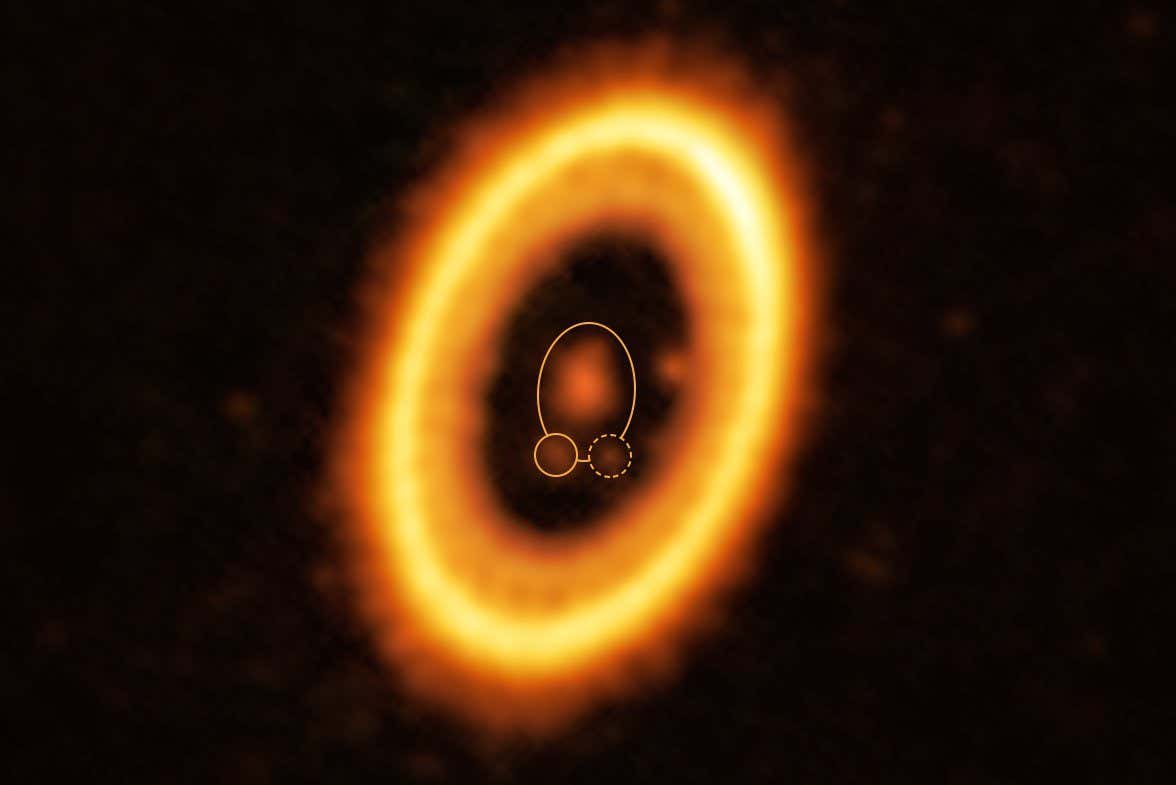
Distant planet may be the first known to share its orbit with another

19 July 2023

Exoplanet PDS 70b, a gas giant seven times the mass of Jupiter, appears to share an orbit with a ball of dust around the mass of Earth's moon, which could be forming a new planet


Could we put out the sun with a sun-sized orb of water?

18 July 2023

What would happen if we pushed a sun-sized ball of water into our star? The Dead Planets Society podcast dives into the possibilities


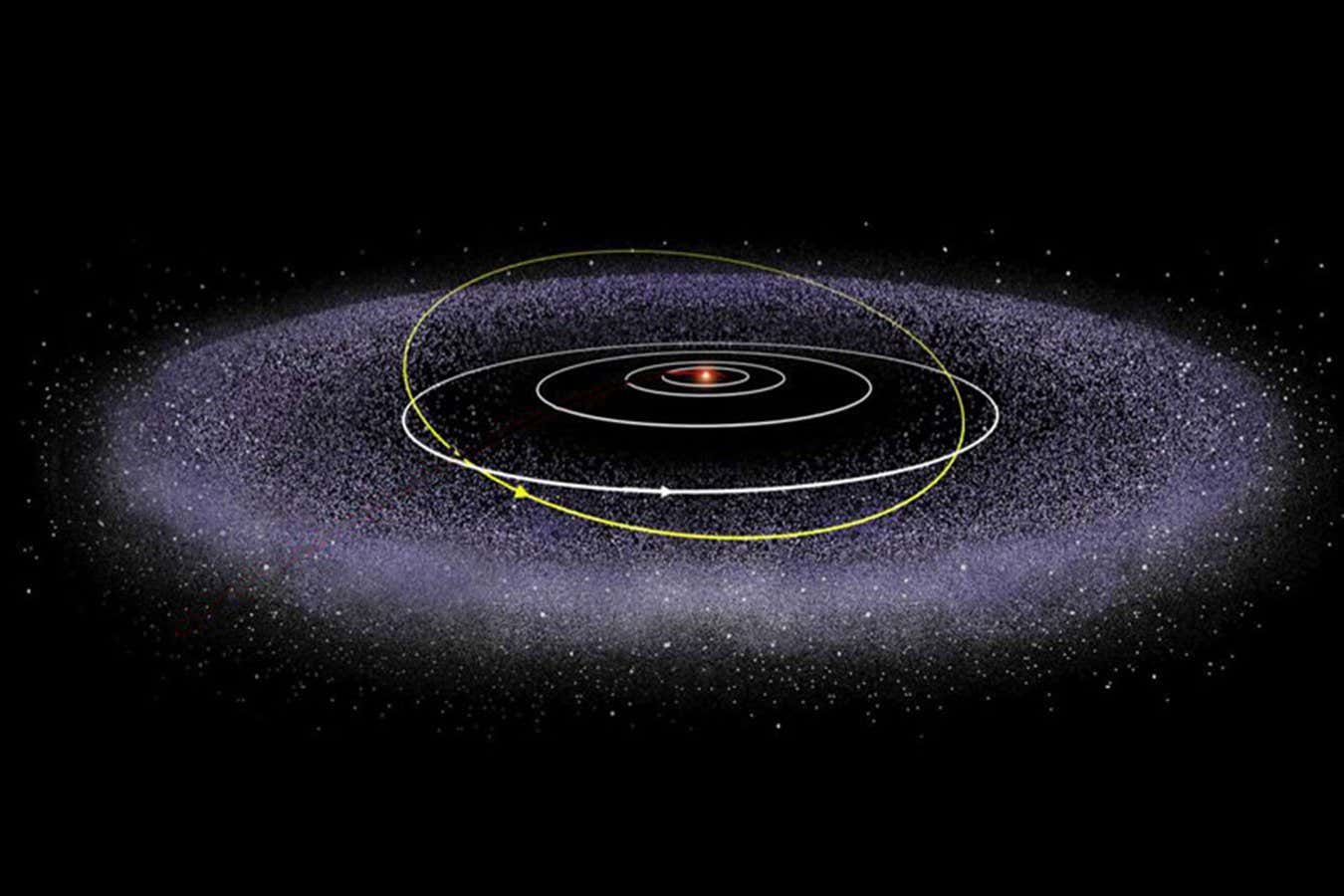
Our solar system could be hiding an extra planet the size of Uranus

27 June 2023

Many planets are thought to be flung away from their stars, but it’s possible that some get trapped on the way out – and one could be lurking at the edge of our own solar system


inventory of the universe

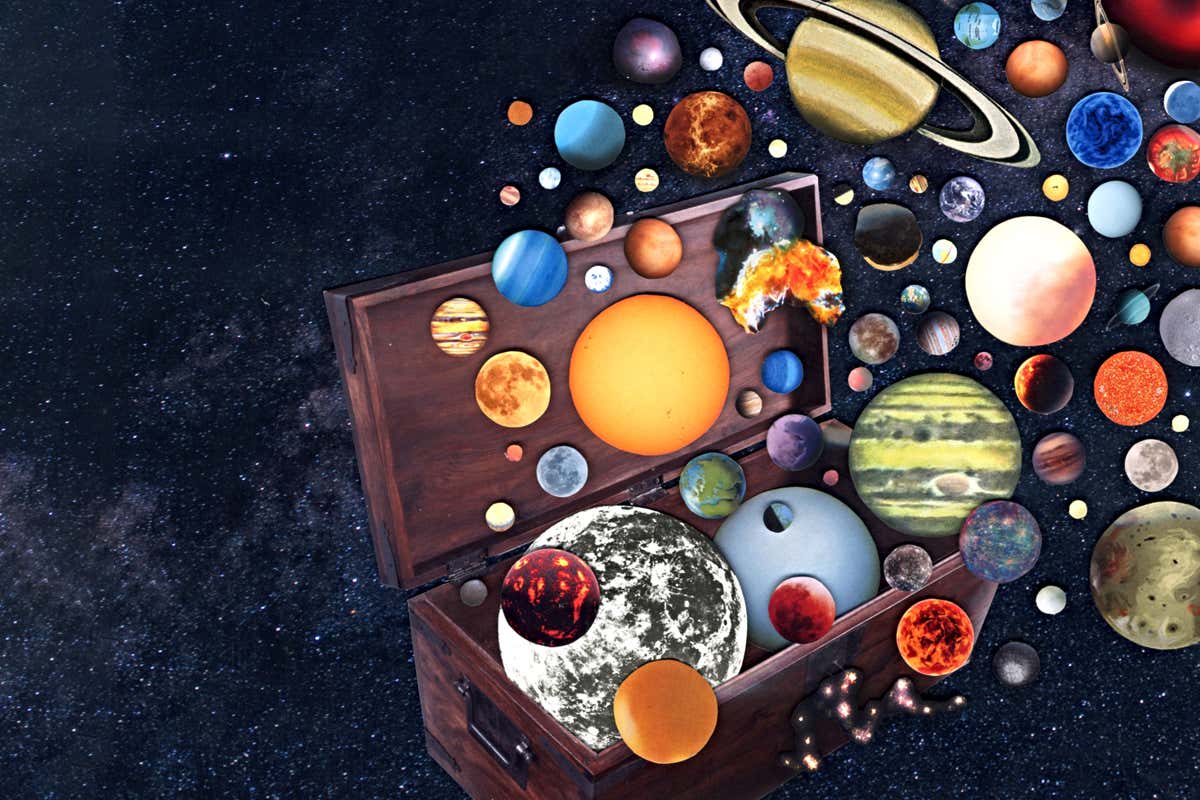
Your essential guide to the many breathtaking wonders of the universe

22 April 2023

An abridged inventory of everything there is in the universe – from rogue planets and exomoons to supernovae, supermassive black holes and the cosmic web.


A planet, one side covered in water, the other in ice

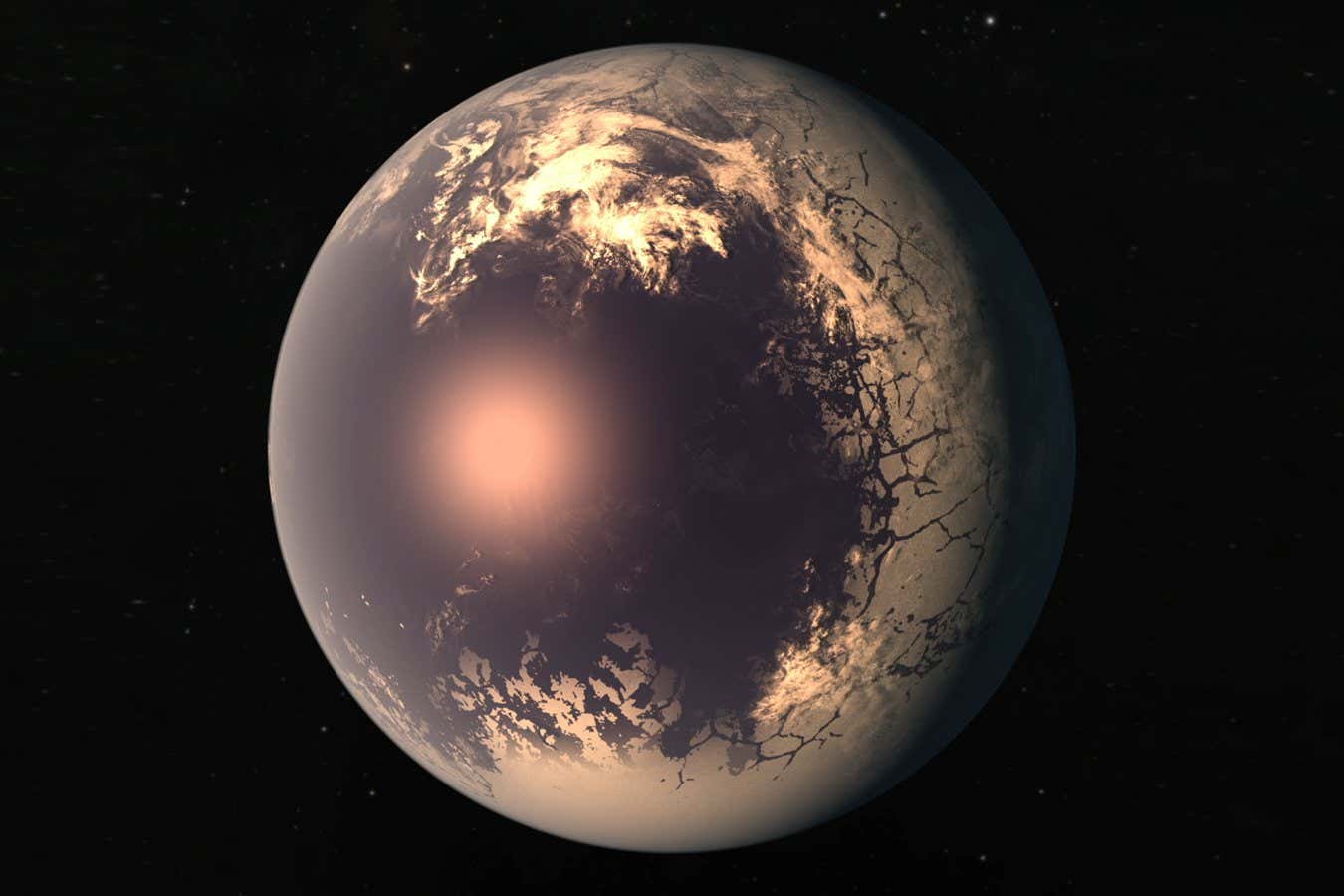
Exoplanets with a permanent day side may sometimes flip into night

11 April 2023

Some planets outside our solar system are thought to be tidally locked, with one side always facing their star, creating a world divided into hot and cold. Now, it seems this set-up may not be permanent after all, allowing the two sides to flip


A super-Earth orbiting its red-dwarf

Are there planets that are better for life than Earth?

7 April 2023

Philosophers have long debated whether Earth is the best of all worlds. More powerful telescopes are finally giving us a better chance of answering this question, writes astronomer Chris Impey


Sign up to our weekly newsletter

Receive a weekly dose of discovery in your inbox. We'll also keep you up to date with New Scientist events and special offers.

Sign up
Piano Exit Overlay Banner Mobile Piano Exit Overlay Banner Desktop