Subscribe now
Found 11 results for dwarf planet
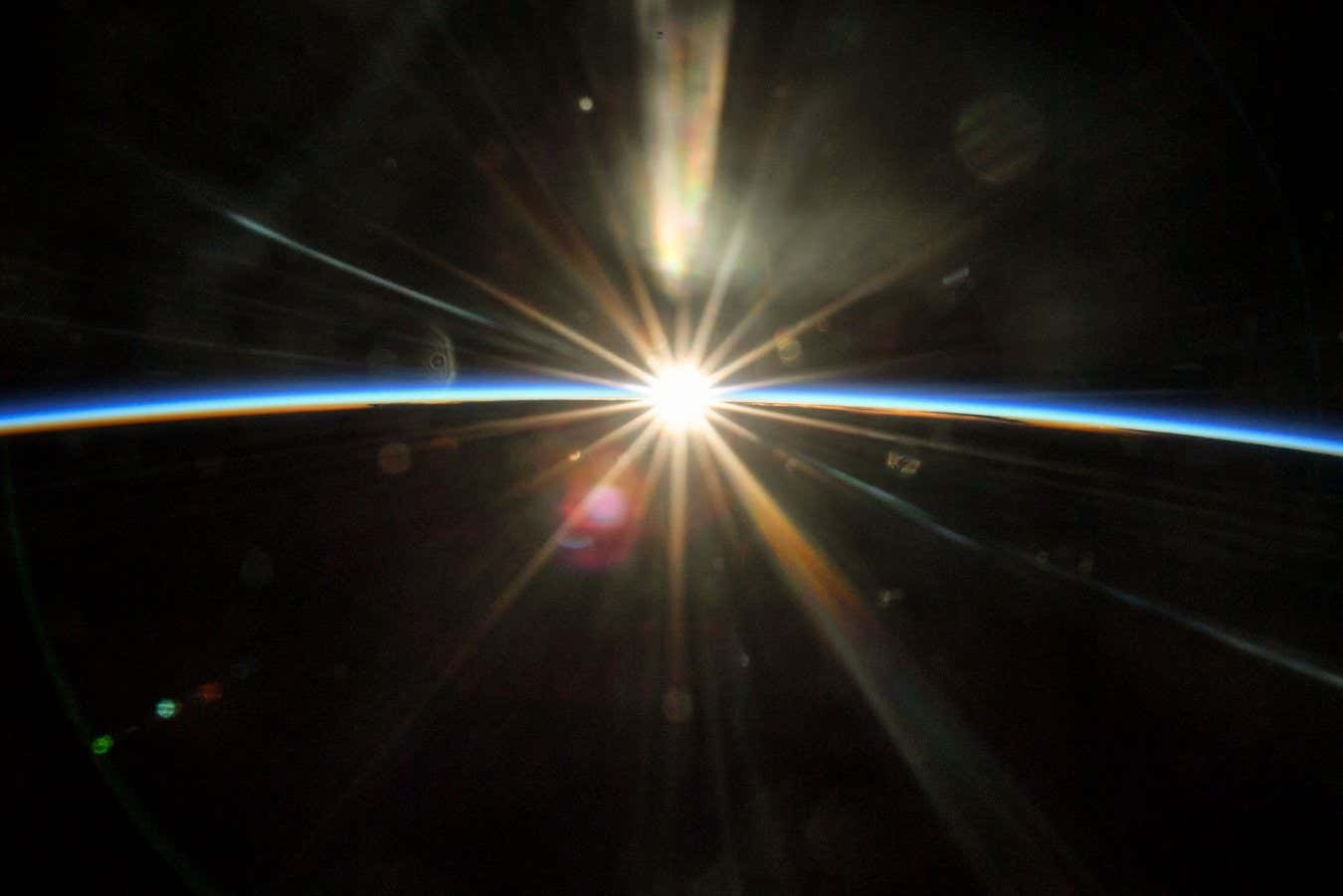
iss067e189024 (July 16, 2022) --- The sun's rays begin to illuminate the Earth's atmosphere as the International Space Station flew into an orbital sunrise 261 miles above Texas. iss067e189024 NASA ID: iss067e189024 iss067e189024 (July 16, 2022) --- The sun's rays begin to illuminate the Earth's atmosphere as the International Space Station flew into an orbital sunrise 261 miles above Texas. Date Created:2022-07-16 Center:JSC

When was the first sunrise on Earth?

19 July 2023

This is a question of how we define “Earth”, say our readers, but we also need to consider when light from the young sun could have pierced Earth’s atmosphere


New Scientist Default Image

Puzzle #182: Can you work out the length of the raffle ticket strips?

24 August 2022

set by Katie Steckles


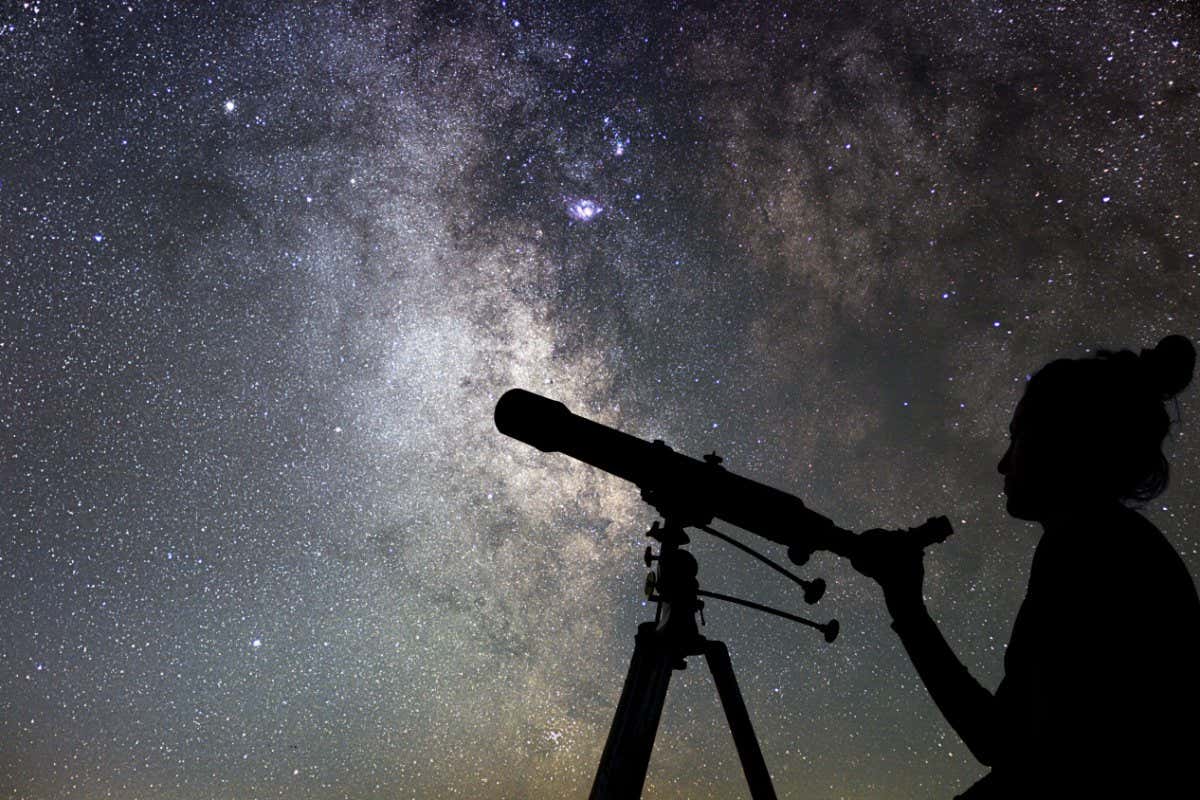
H3C989 Woman and night sky. Watching the stars Woman with telescope.

Now is the best time to see Pluto, our beloved dwarf planet

13 July 2022

Track down a telescope and pray for dark skies, as a chance to see Pluto is coming up, says Abigail Beall
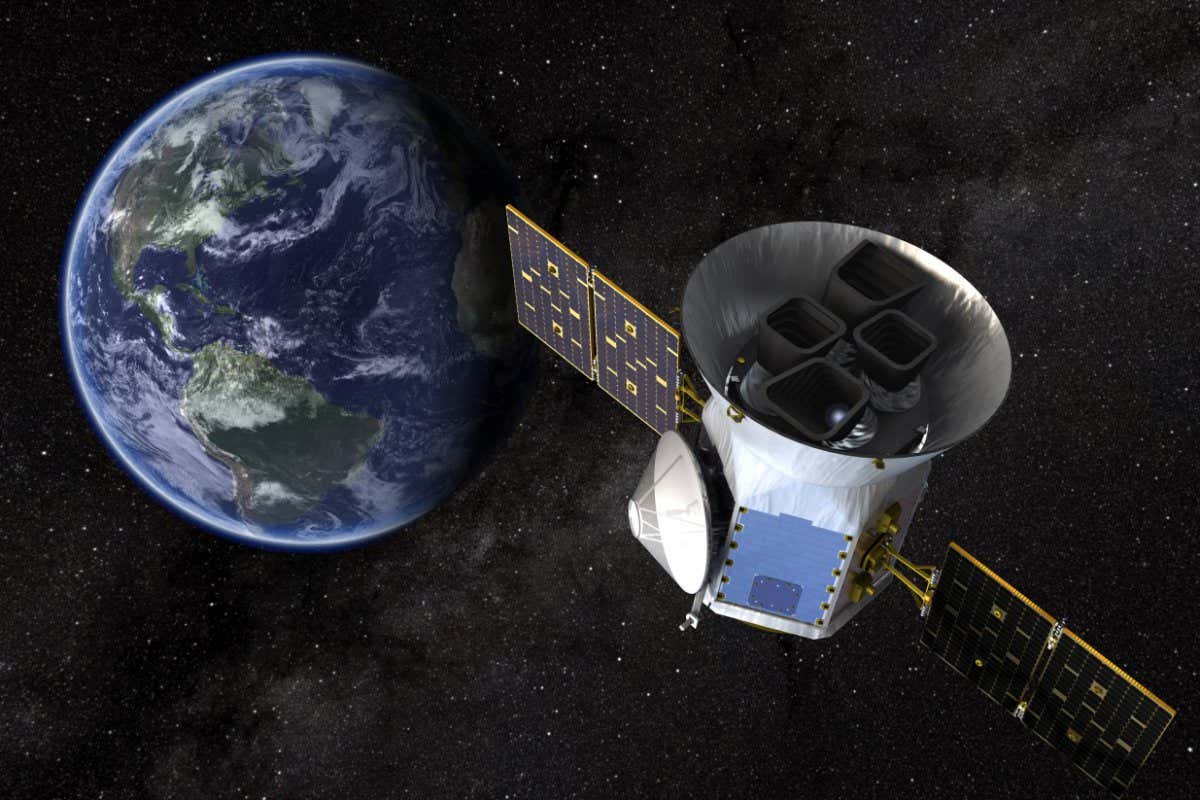

TESS spacecraft in front of Earth and the moon TESS will look at the nearest, brightest stars to find planetary candidates that scientists will observe for years to come. Credits: NASA's Goddard Space Flight Center As the search for life on distant planets heats up, NASA?s Transiting Exoplanet Survey Satellite (TESS) is bringing this hunt closer to home. Launching in 2017-2018, TESS will identify planets orbiting the brightest stars just outside our solar system using what?s known as the transit method. When a planet passes in front of, or transits, its parent star, it blocks some of the star's light. TESS searches for these telltale dips in brightness, which can reveal the planet's presence and provide additional information about it.

Search starlight to help astronomers discover new exoplanets

4 May 2022

Comb through observations from NASA's Transiting Exoplanet Survey Satellite to help find new planets, says Layal Liverpool
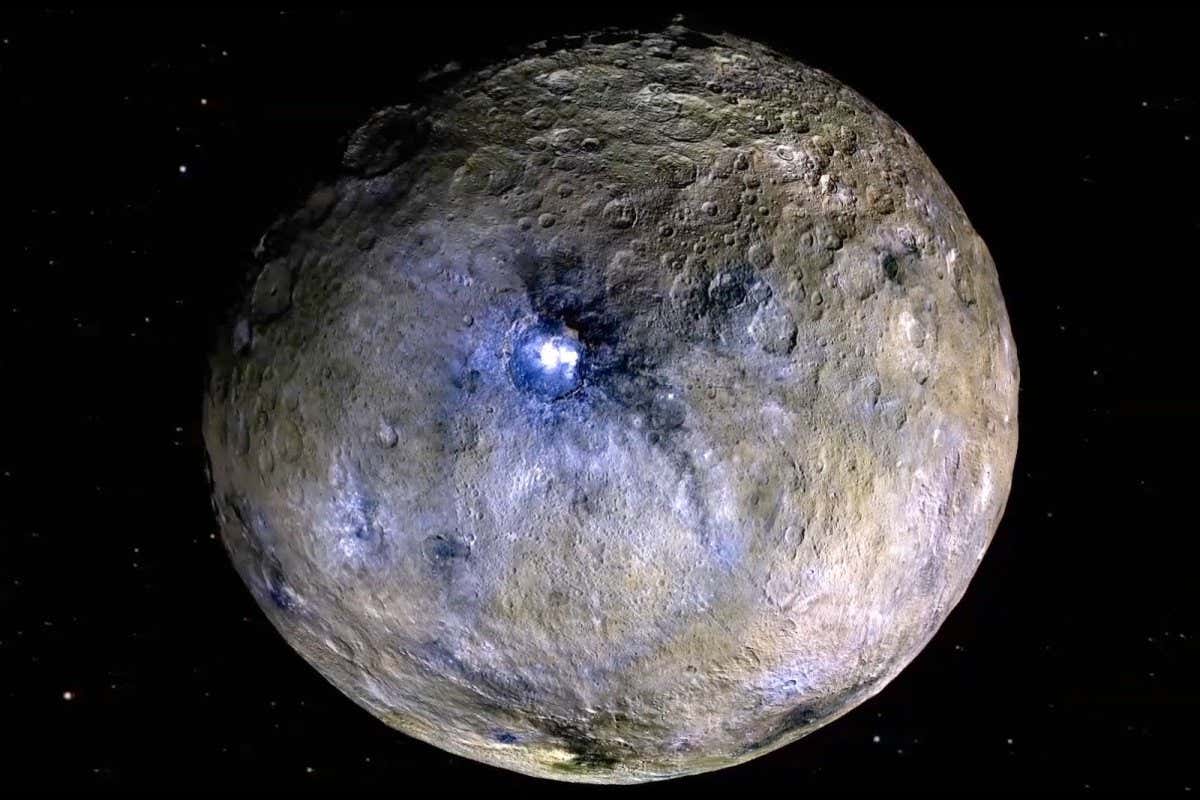

Dwarf planet Ceres is shown in these false-color renderings, which highlight differences in surface materials.

Now is the perfect time to see dwarf planet Ceres for yourself

24 November 2021

The only dwarf planet in the inner solar system, Ceres will be at its closest to Earth for a week from the end of November. Catch it while you can, says Abigail Beall


New Scientist Default Image

Puzzle #89: Do you know which car set off first?

9 December 2020

Solve this week’s fiendish puzzle Sunday drivers. Plus the answer to puzzle #88
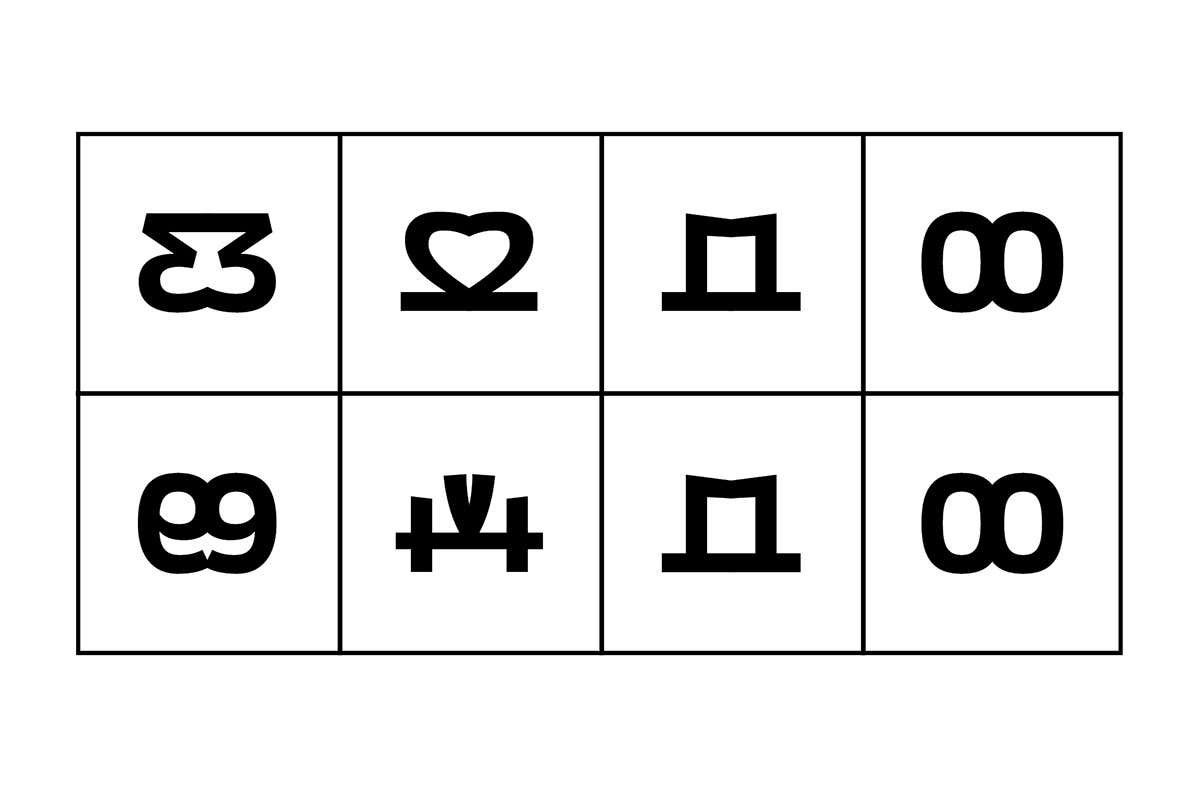

Puzzle #67: What relationship do the digits in this prime number have?

Puzzle #67: What relationship do the digits in this prime number have?

8 July 2020

Can you solve this week’s puzzle My Prime? Plus the answer to puzzle #66 set by Will Taylor
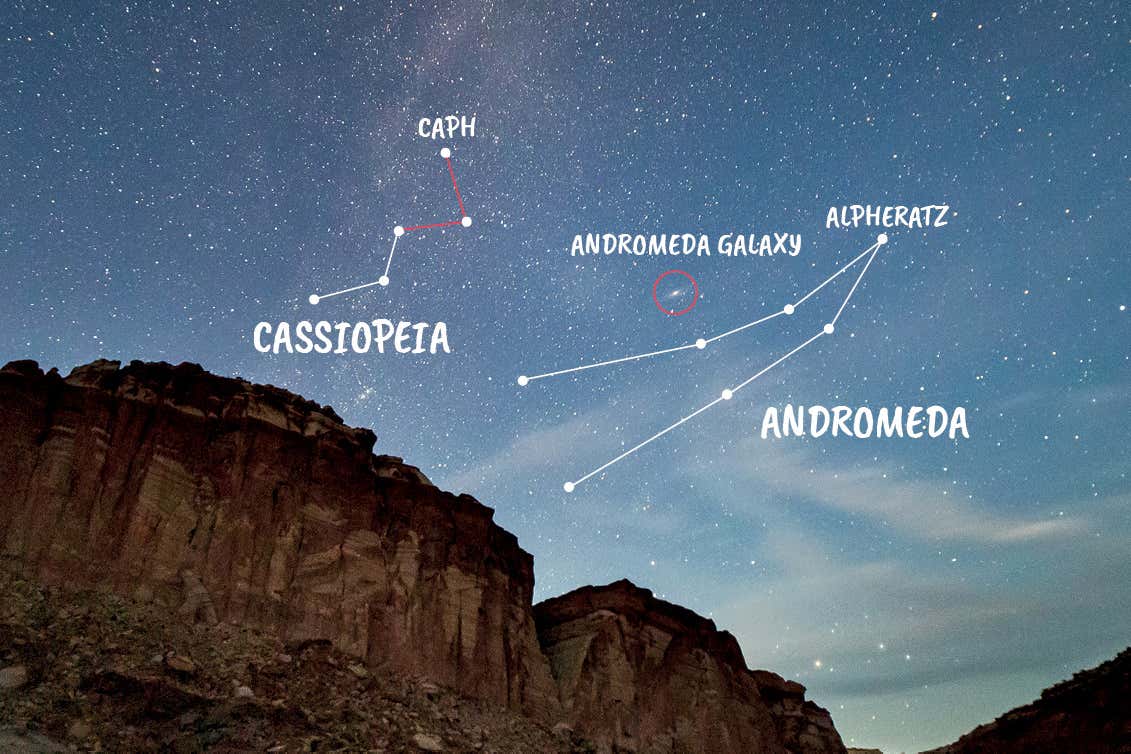

Andromeda galaxy

How to find Andromeda – a spiral galaxy you can see with the naked eye

11 December 2019

Amazingly, it is possible to see the spiral arms of Andromeda, our nearest galaxy 2.5 million light years away – if you just know where to look


New Scientist Default Image

Could Jupiter ever ignite into a star?

30 October 2019

Jupiter is big enough to be a star, so could it ever become one? The answer lies in knowing how a star forms, as readers explain
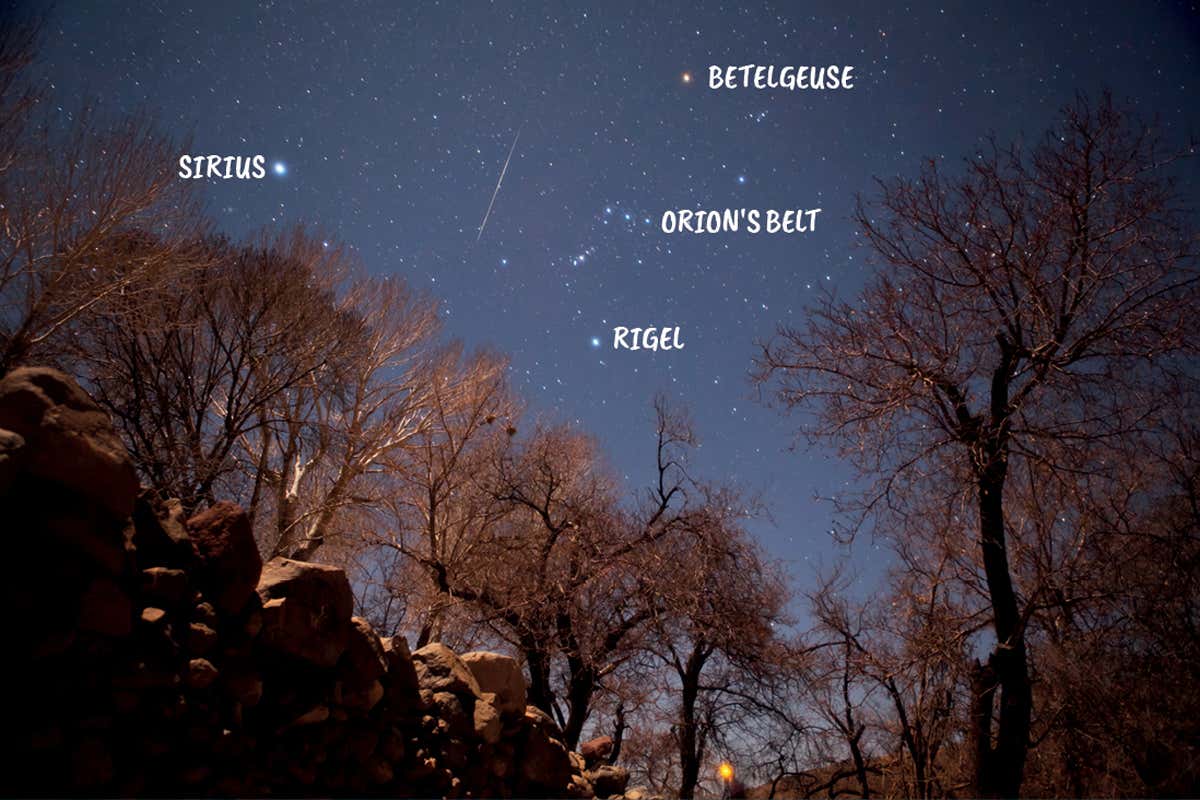

Orion constellation

How to use the Orion constellation to find Sirius the dog star

16 October 2019

Some of the sky's brightest stars including Rigel and Betelgeuse are located in the iconic constellation Orion. Here's how to find it and then star-hop to Sirius


Sign up to our weekly newsletter

Receive a weekly dose of discovery in your inbox. We'll also keep you up to date with New Scientist events and special offers.

Sign up
Piano Exit Overlay Banner Mobile Piano Exit Overlay Banner Desktop