Subscribe now
Found 38 results for dwarf planet

Distant planet may be the first known to share its orbit with another

19 July 2023

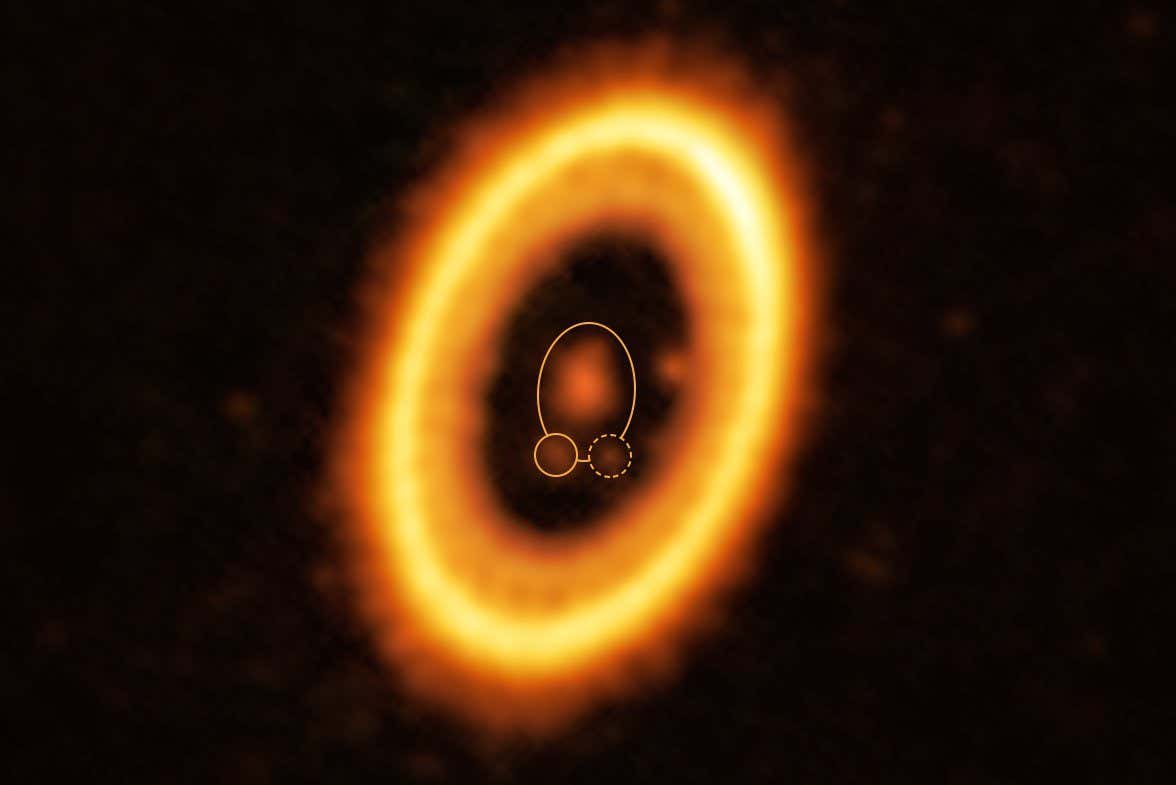
Exoplanet PDS 70b, a gas giant seven times the mass of Jupiter, appears to share an orbit with a ball of dust around the mass of Earth's moon, which could be forming a new planet
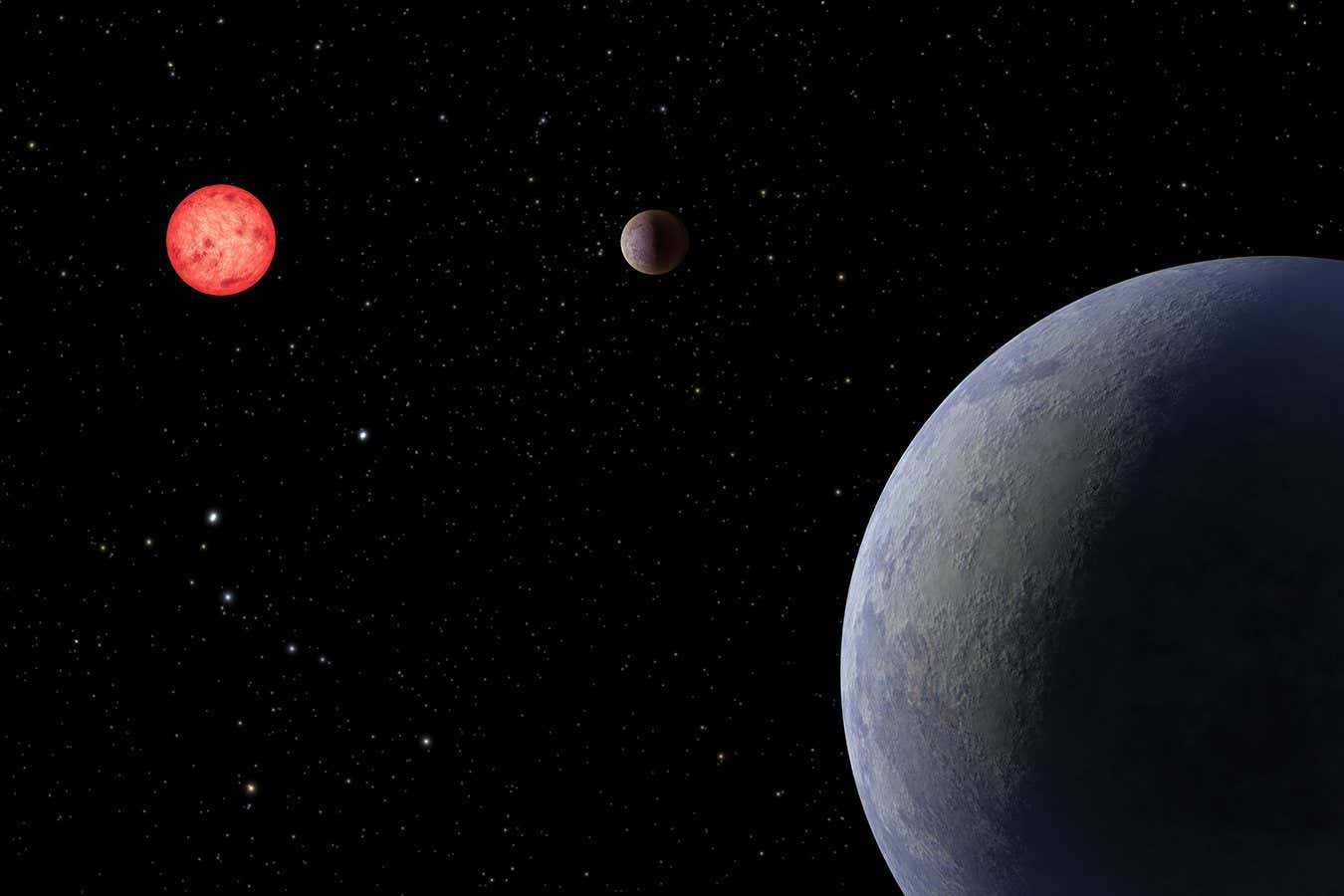
A planet, one side covered in water, the other in ice

Exoplanets with a permanent day side may sometimes flip into night

11 April 2023

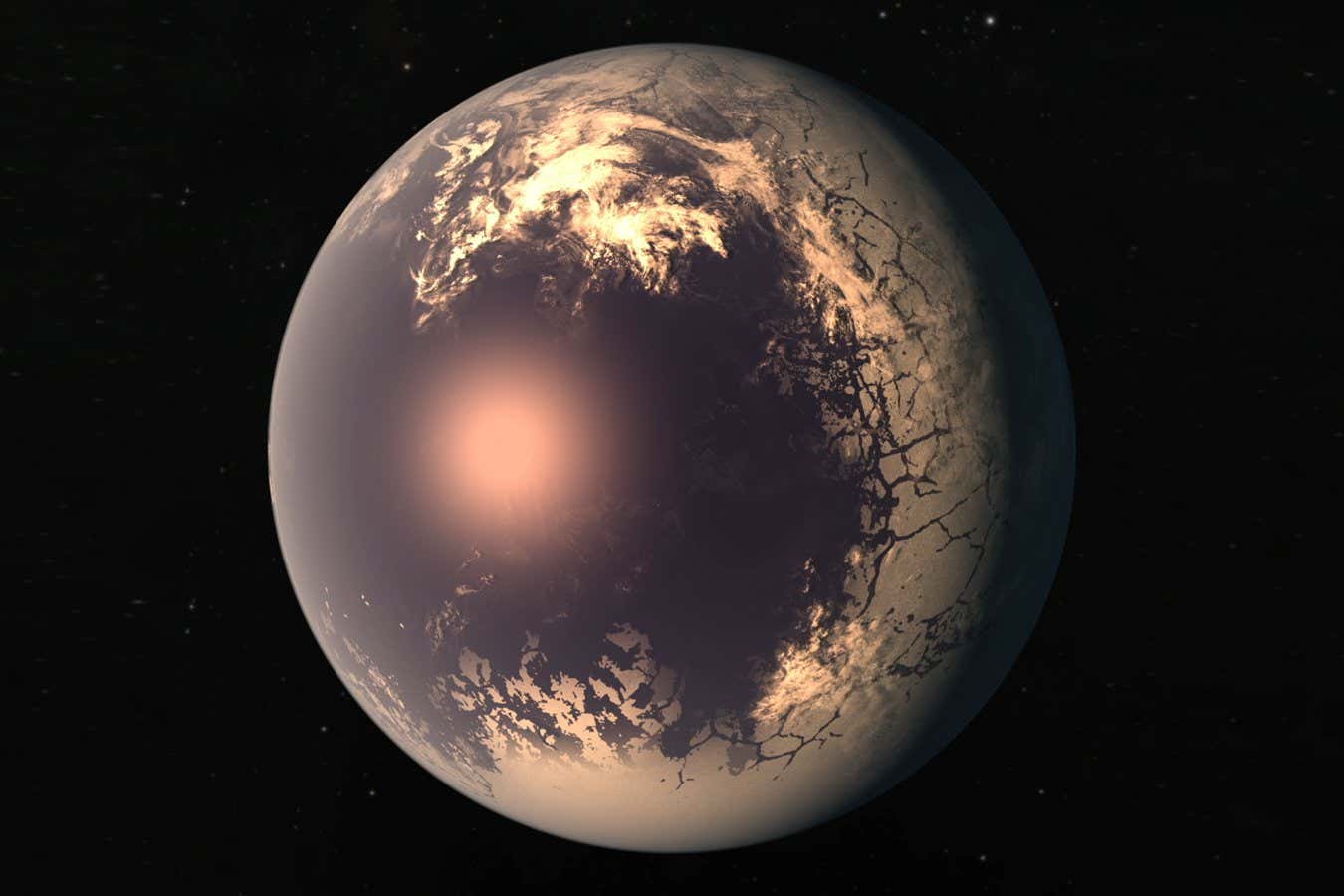
Some planets outside our solar system are thought to be tidally locked, with one side always facing their star, creating a world divided into hot and cold. Now, it seems this set-up may not be permanent after all, allowing the two sides to flip


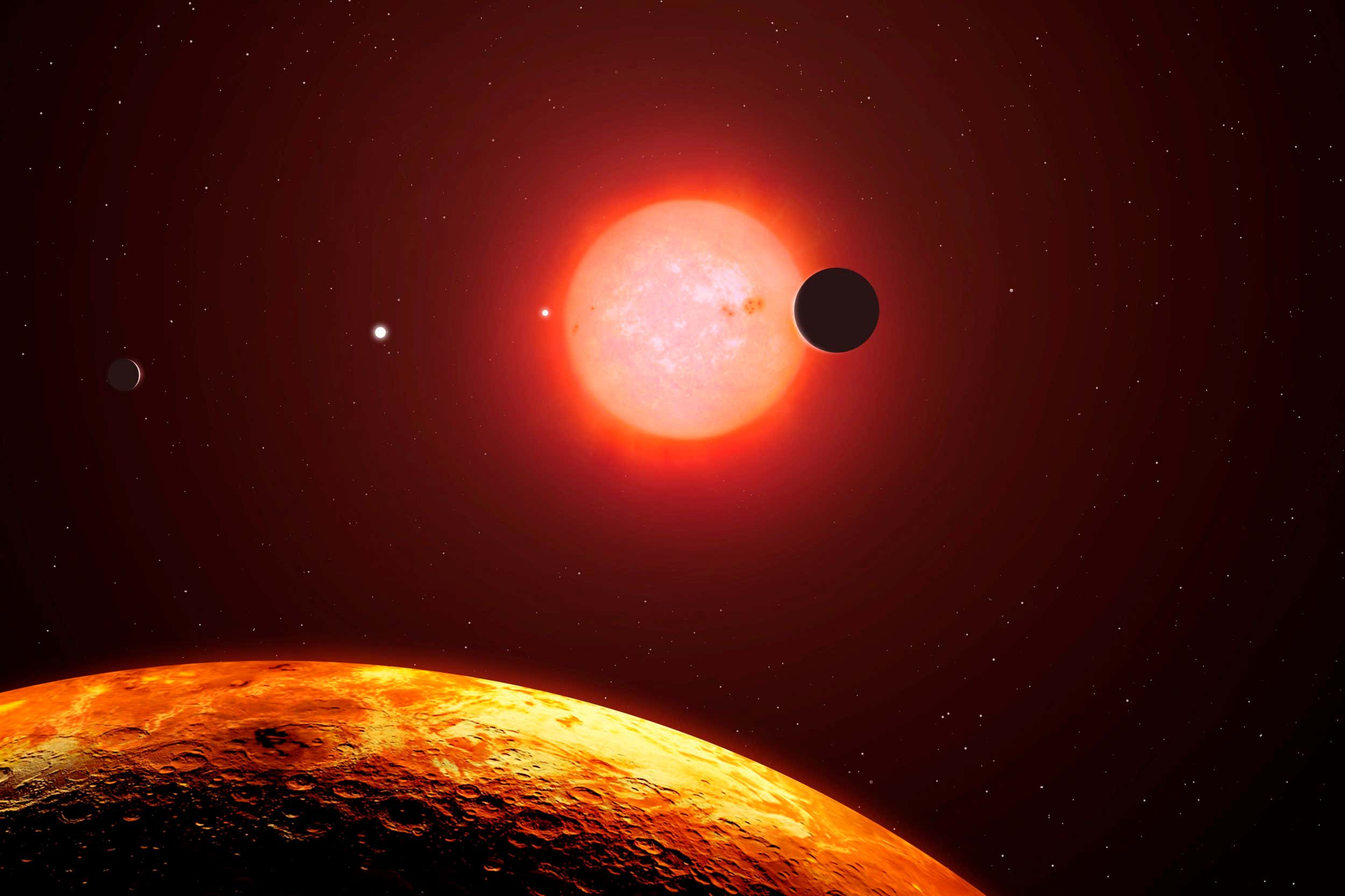
A super-Earth orbiting its red-dwarf

Are there planets that are better for life than Earth?

7 April 2023

Philosophers have long debated whether Earth is the best of all worlds. More powerful telescopes are finally giving us a better chance of answering this question, writes astronomer Chris Impey


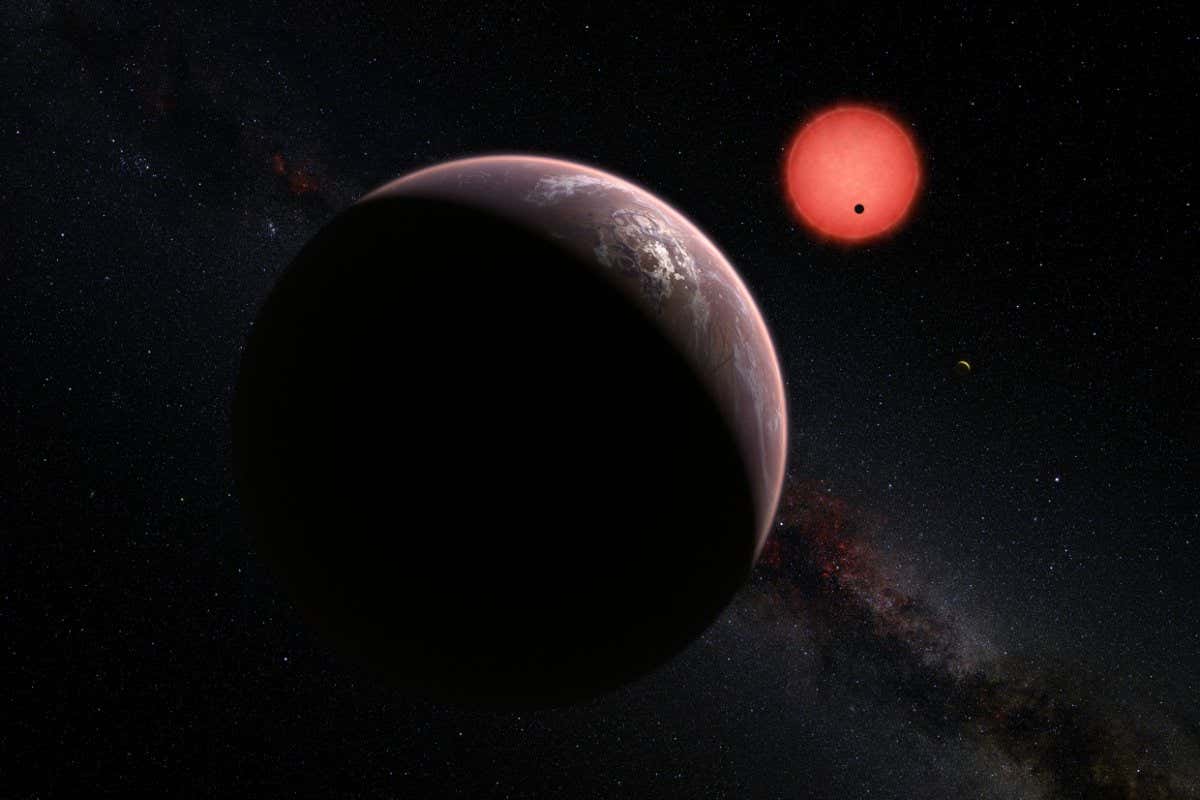
Trappist-1 is a red-dwarf star, the most common variety, located some 40 light-years away in Aquarius. In 2015, astronomers discovered that Trappist-1 was host to three earth-sized planets. Then it came under the spotlight again in 2017 when NASA scientists found an additional four planets, taking the total up to seven. This is the most terrestrial planets that have ever been found to orbit a single star, including our own Solar System. Trappist-1 is only fractionally larger than Jupiter in diameter. This image shows the star and six of the planets as they would appear from the vantage point of the fifth outermost planet, Trappist-1f. All of the planets and the Sun are to scale. One of the worlds is seen transiting in front of the star.

JWST finds the planet TRAPPIST-1b may not have an atmosphere

27 March 2023

Many researchers thought the worlds orbiting the star TRAPPIST-1 would have thick atmospheres, but new observations of one of them show that it doesn’t


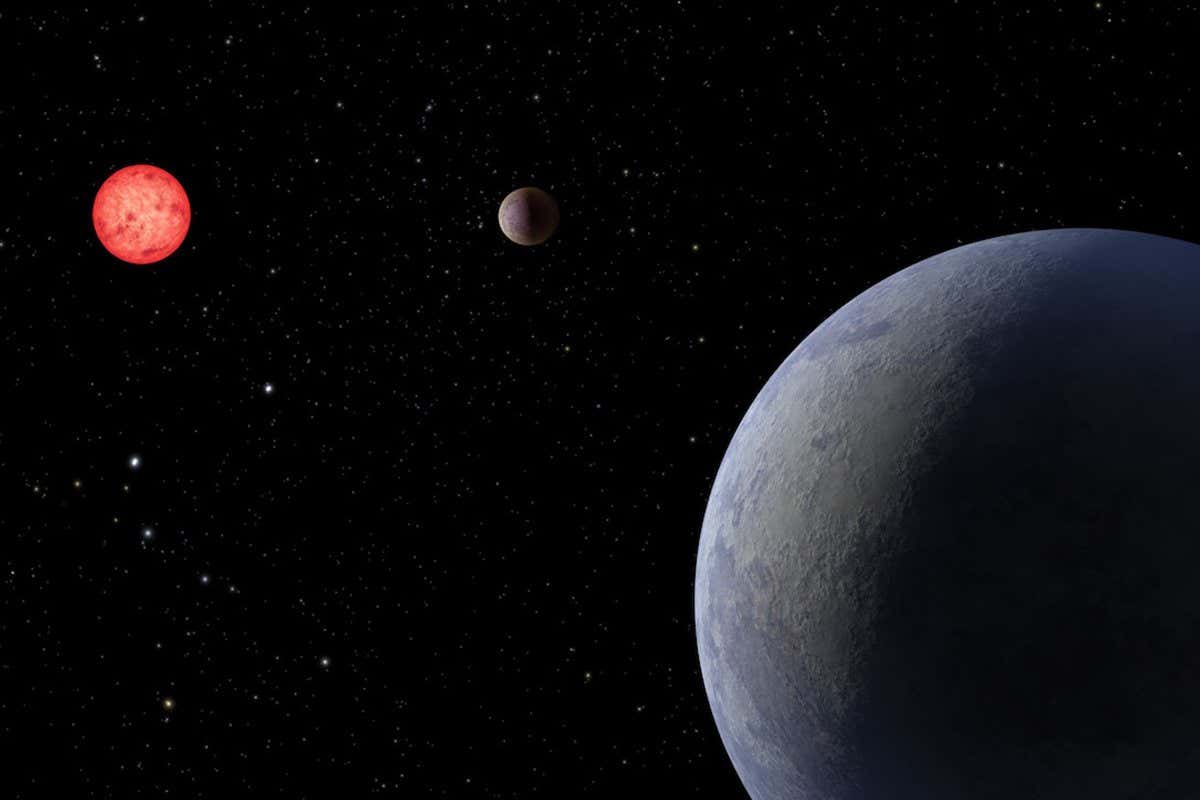
Two planets orbiting a red-dwarf star (illustration)

Up to 74% of planets in the ‘habitable zone’ may not be good for life

19 January 2023

Many planets that have the right temperatures for liquid water on their surfaces used to be too hot or too cold, which may affect their ability to host life now


The hunt for habitable ocean worlds beyond our solar system

The hunt for habitable ocean worlds beyond our solar system

24 October 2022

Astronomers think that planets covered in water, with oceans hundreds of metres deep, could be relatively common in our galaxy. Now the race is on to find one


Artist's impression of three planets orbiting an ultracool dwarf star

Earth's algae and moss could survive under the light of another star

21 September 2022

Experiments on Earth mimicking the rays from a red dwarf star show that cyanobacteria, algae and moss can grow under these light conditions, backing the idea that some exoplanets could host life


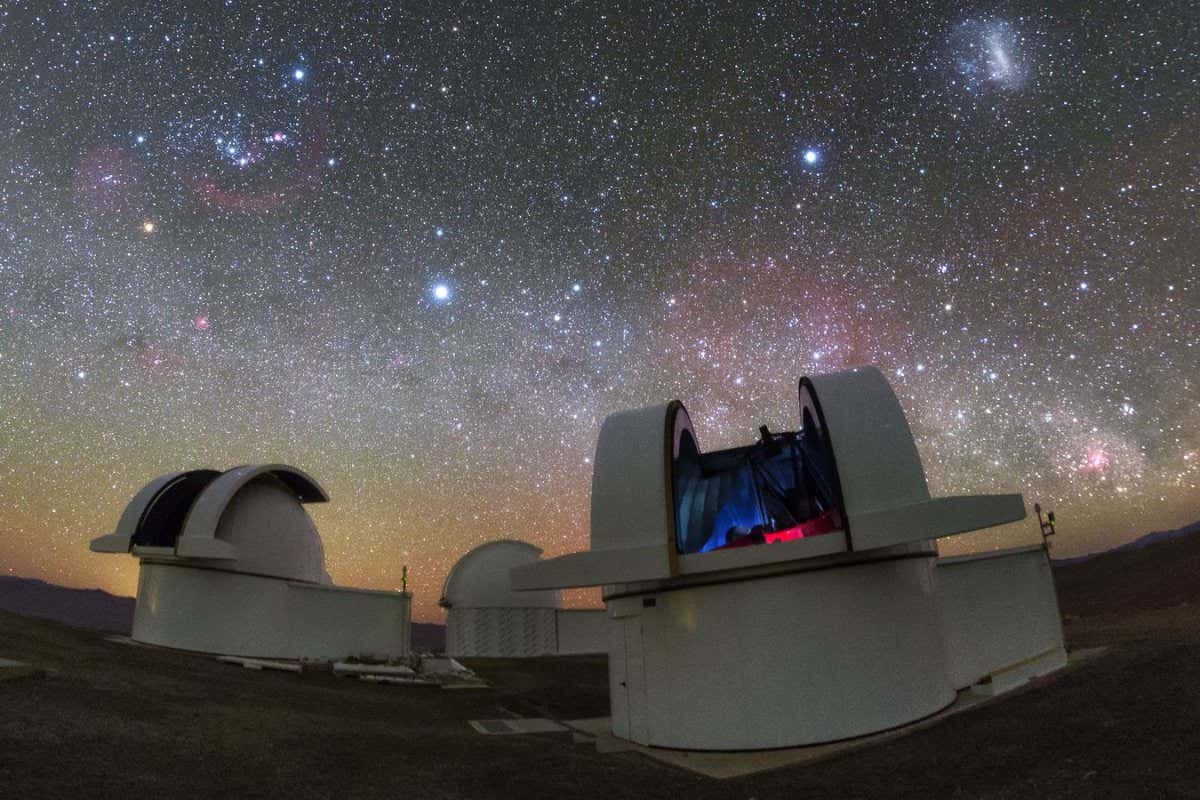
The telescopes of the SPECULOOS Southern Observatory gaze out into the stunning night sky over the Atacama desert in Chile

Two potentially habitable super-Earth planets have been discovered

7 September 2022

A pair of rocky planets orbiting the star LP 890-9, also known as SPECULOOS 2, seem likely to be in the habitable zone and one of them could be the second most habitable exoplanet discovered so far


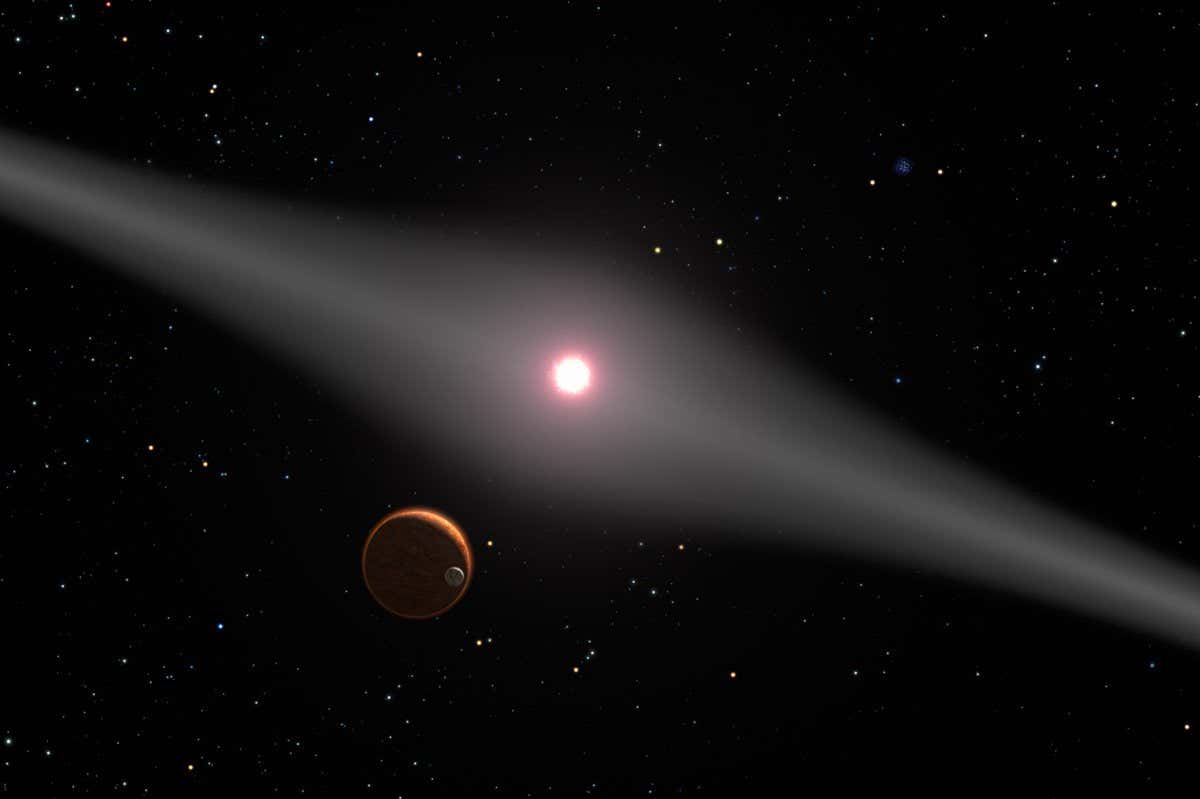
KRB4DP This is an artist's impression of the view from the vicinity of a hypothetical terrestrial planet and moon orbiting the red dwarf star AU Microscopii. The relatively newborn 12 million year-old star is surrounded by a very dusty disk of debris from the collision of comets, asteroids, and planetissimals swirling around the young star. Though no planets have been discovered around the star, the disk is strong circumstantial evidence for planets. Not only is it dusty, but also it is warped, possibly by the pull of one or more planets. In this view the glow of starlight reflecting off the disk cre

Mysterious cold blobs may be hiding inside a distant star

10 June 2022

A small star called AU Microscopii seems to contain strange pockets of hydrogen that are more than 1500°C cooler than the rest of the star, and astronomers aren’t sure why


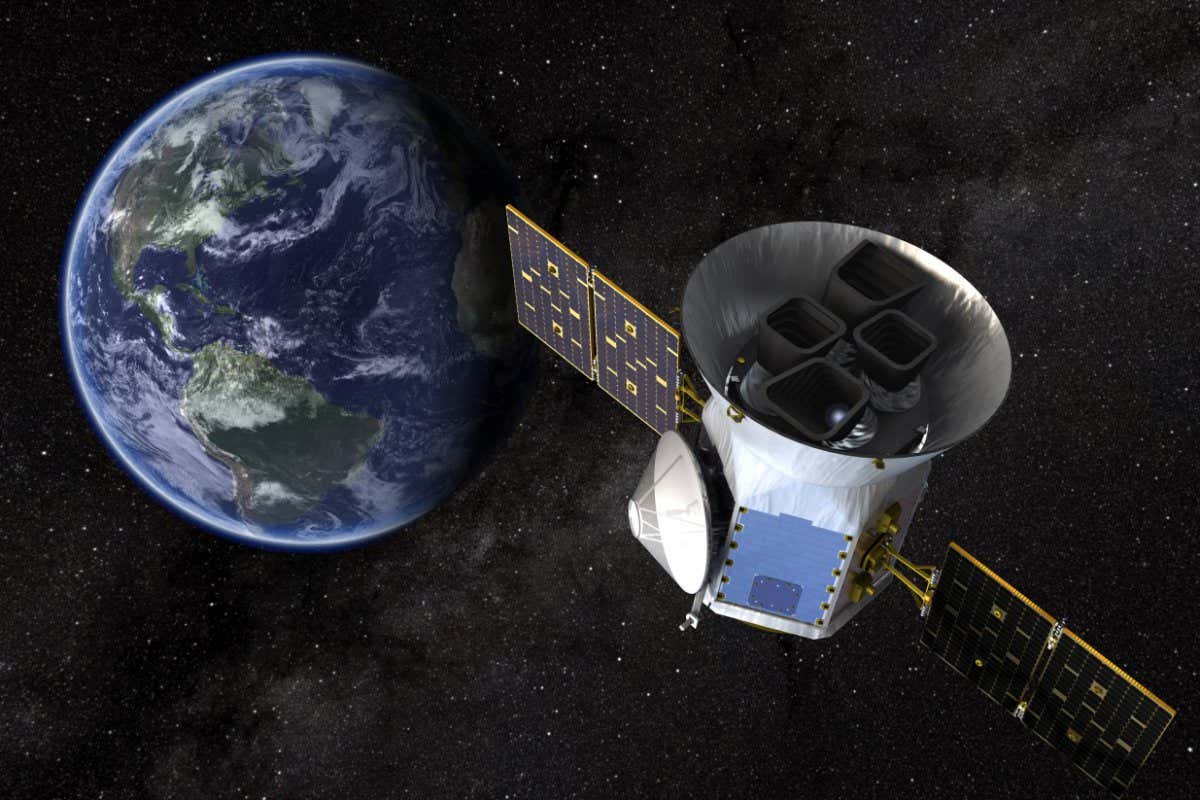
TESS spacecraft in front of Earth and the moon TESS will look at the nearest, brightest stars to find planetary candidates that scientists will observe for years to come. Credits: NASA's Goddard Space Flight Center As the search for life on distant planets heats up, NASA?s Transiting Exoplanet Survey Satellite (TESS) is bringing this hunt closer to home. Launching in 2017-2018, TESS will identify planets orbiting the brightest stars just outside our solar system using what?s known as the transit method. When a planet passes in front of, or transits, its parent star, it blocks some of the star's light. TESS searches for these telltale dips in brightness, which can reveal the planet's presence and provide additional information about it.

Search starlight to help astronomers discover new exoplanets

4 May 2022

Comb through observations from NASA's Transiting Exoplanet Survey Satellite to help find new planets, says Layal Liverpool


Sign up to our weekly newsletter

Receive a weekly dose of discovery in your inbox. We'll also keep you up to date with New Scientist events and special offers.

Sign up
Piano Exit Overlay Banner Mobile Piano Exit Overlay Banner Desktop