Subscribe now
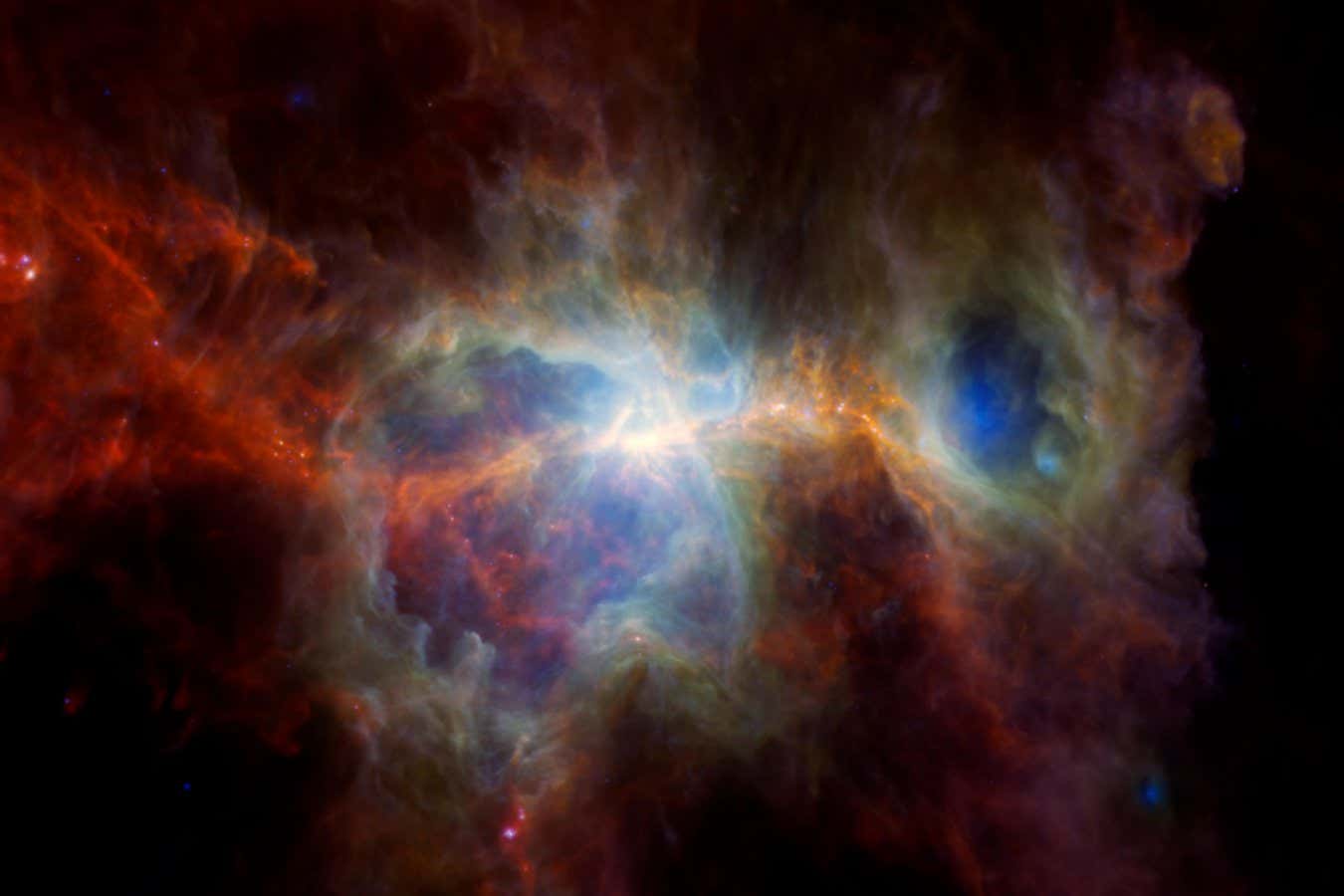
Orion Nebula in Infrared NASA ID: PIA25434 This new image of the Orion Nebula produced using previously released data from three telescopes shows two enormous caverns carved out by unseen giant stars that can release up to a million times more light than our Sun. All that radiation breaks apart dust grains there, helping to create the pair of cavities. Much of the remaining dust is swept away when the stars produce wind or when they die explosive deaths as supernovae. This infrared image shows dust but no stars. Blue light indicates warm dust heated by unseen massive stars. Observed in infrared light ? a range of wavelengths outside what human eyes can detect ? the views were provided by NASA's retired Spitzer Space Telescope and the Wide-Field Infrared Survey Explorer (WISE), which now operates under the moniker NEOWISE. Spitzer and WISE were both managed by NASA's Jet Propulsion Laboratory in Southern California, ...more 508 Description:This infrared image of the Orion Nebula features plenty of dust but no stars. In these infrared wavelengths, it's possible to see hot spots where new stars are forming, while unseen bright, massive stars have carved out caverns of empty space. Date Created:2022-11-22 Center:JPL Keywords: Herschel Space Observatory , Spitzer Space Telescope , Wide-field Infrared Survey Explorer (WISE) , Orion Nebula Secondary Creator Credit: ESA/NASA/JPL-Caltech Visit JPL Website

Under Alien Skies review: A terrific guide to our spectacular universe

7 June 2023

Phil Plait, the man behind the Bad Astronomy blog, is a great guide to the wonders of the cosmos. But would it be a bad thing if his new book created a fresh reverence for our home planet among some readers?
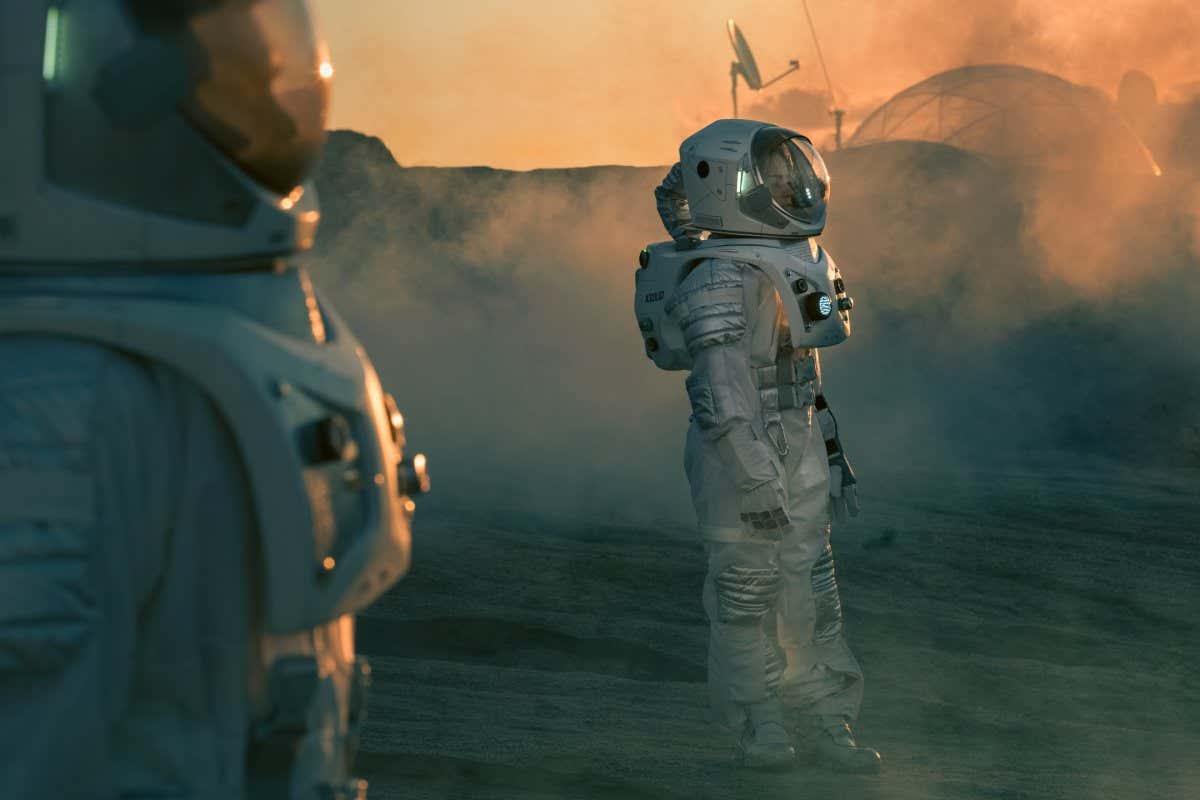

Two Astronauts wearing Space Suits Standing on Alien Planet and Looking at Something. Futuristic Space Exploration, Discovery and Colonization.

The Moonday Letters review: Genre-busting sci-fi extols hope as a duty

27 July 2022

In Emmi Itäranta's The Moonday Letters, humans have adapted to live off-world. But central to this genre-crashing thrill ride is a reminder that hope is essential


Fire and Ice review: A fascinating tour of weird space volcanoes

Fire and Ice review: A fascinating tour of weird space volcanoes

22 September 2021

Natalie Starkey's new book will make you rethink what you thought you knew about how volcanoes around our solar system look, what they do and what comes out of them when they erupt


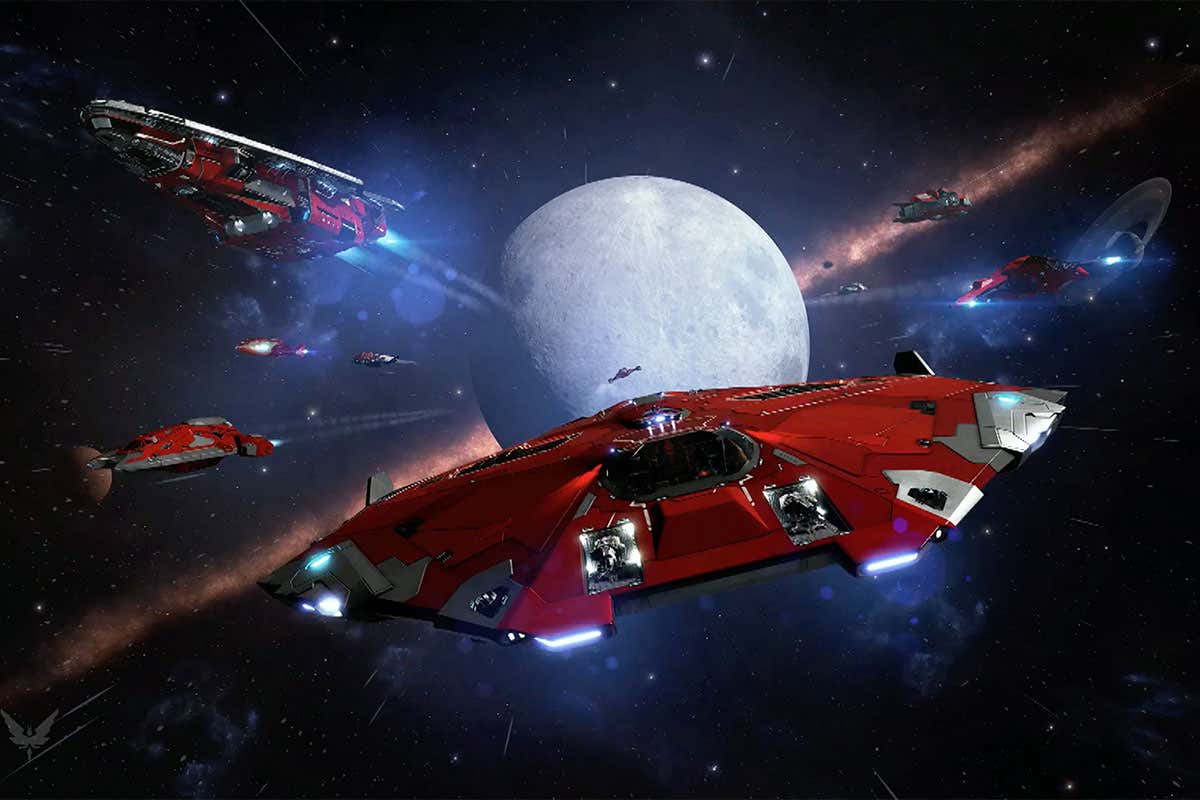
Thousands of Elite Dangerous players embark on epic space voyage

Thousands of Elite Dangerous players embark on epic space voyage

16 January 2019

What exciting discoveries await the Elite Dangerous mission to the Milky Way’s outer edges? It’s not run by NASA but the epic sciencey game feels like the real deal


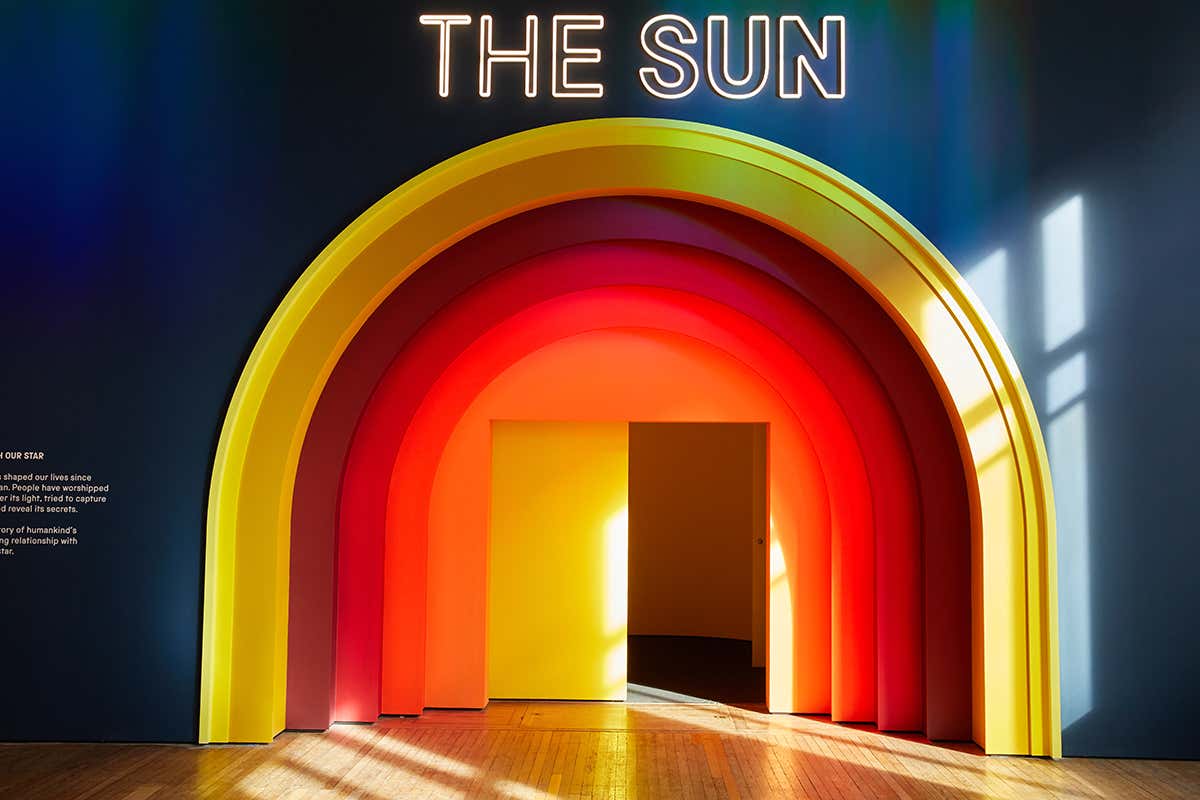
The Sun review – a shiny blockbuster for London’s Science Museum

The Sun review – a shiny blockbuster for London’s Science Museum

11 October 2018

Mesmerising footage from NASA's Solar Dynamics Observatory and an exquisite Bronze Age golden disc help a new show capture our complex relationship with the sun


Don't miss pic

Don't miss: Darwinian premiere, what's really real and sun science

26 September 2018

London's Natural History museum gets a new theatre, The Skeptics’ Guide to the Universe gets a book and the biggest exhibition about our star


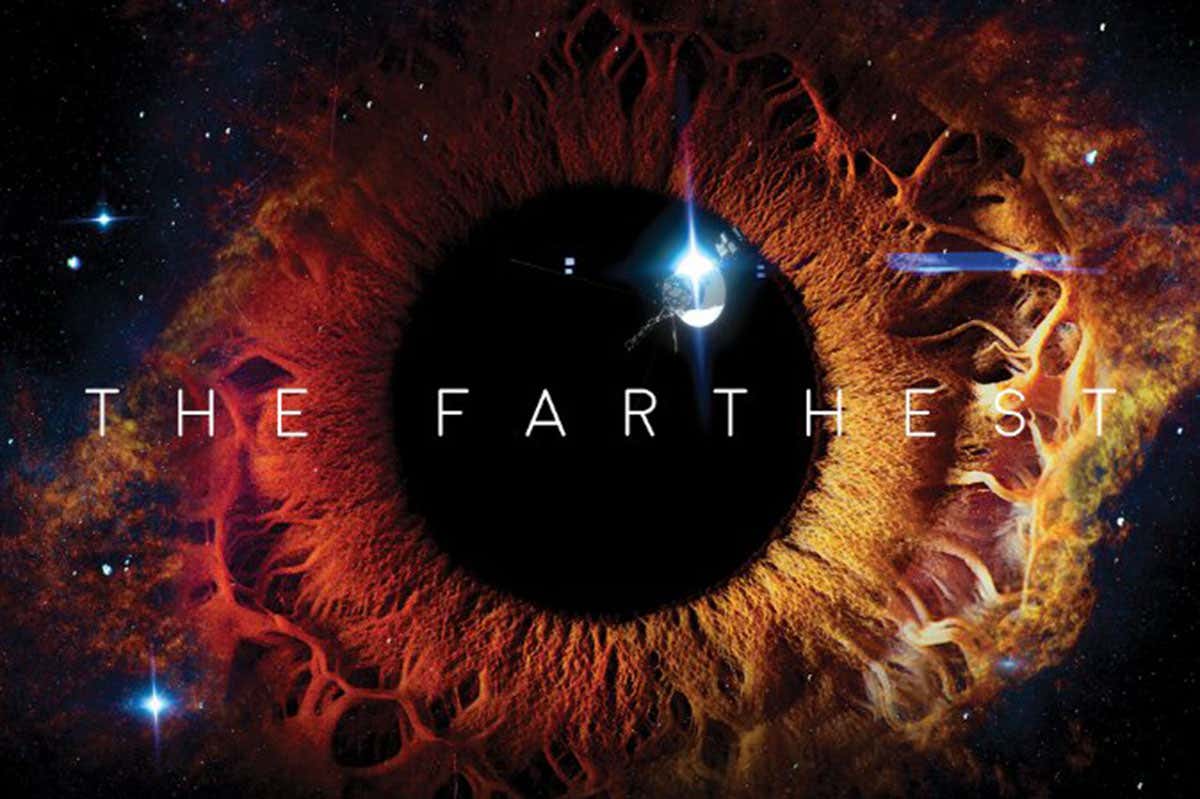
<i>The Farthest</i>: How the Voyager story  keeps on giving

The Farthest: How the Voyager story keeps on giving

12 September 2017

Forty years after the Voyager spacecraft launched, a movie captures the grandeur of the project – plus its alien appeal


Why Morocco loves its meteorites

Why Morocco loves its meteorites

30 June 2017

Why have more space rocks been recovered in Morocco than in other countries of a similar size? It’s a great question for the world’s Asteroid Day  


dancers

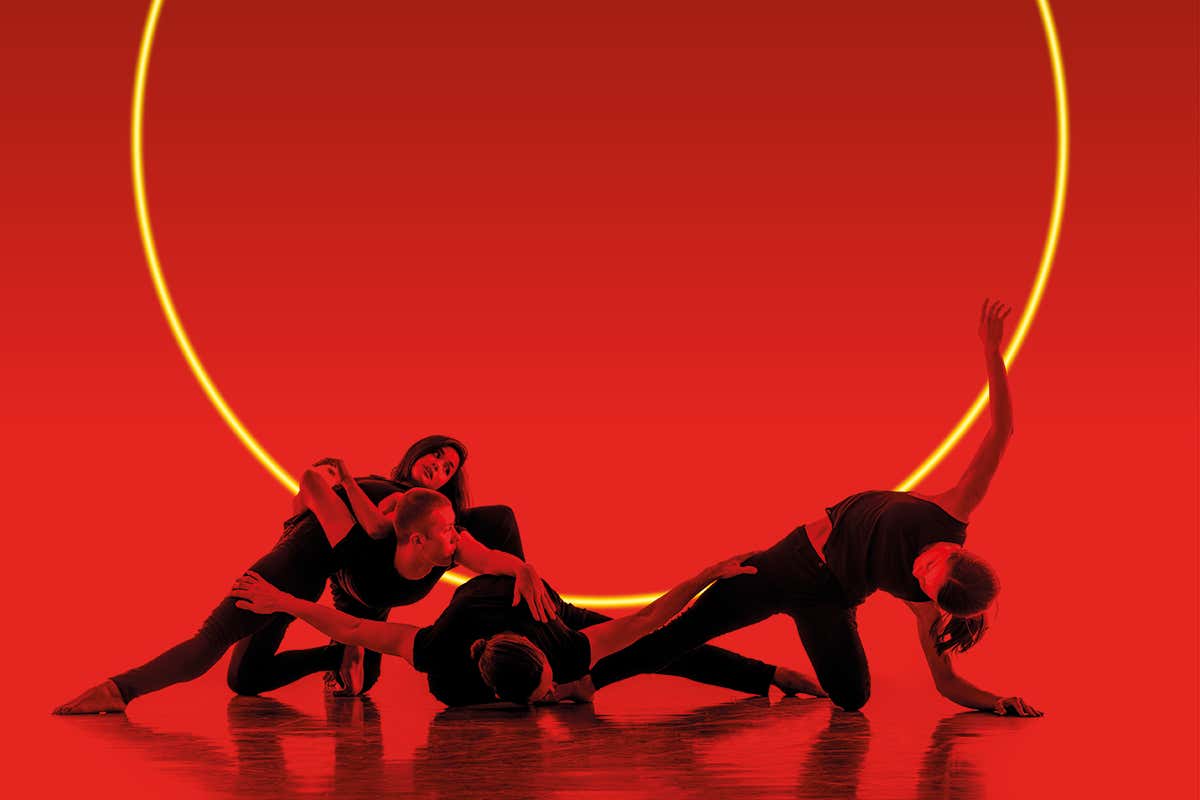
8 Minutes: How to dance the speed of light

14 June 2017

The idea that movement helps us grasp abstruse science is key to 8 Minutes, a new piece of contemporary dance coming soon to Sadler's Wells, London


Brendan Cowell as Galileo, Alex Murdoch as Little Monk

Brecht’s Life of Galileo pumped up for the 21st century

25 May 2017

A production by London’s Young Vic of Bertolt Brecht’s play about Galileo turns a sombre affair into a raucous rave – for better and for worse


Sign up to our weekly newsletter

Receive a weekly dose of discovery in your inbox. We'll also keep you up to date with New Scientist events and special offers.

Sign up
Piano Exit Overlay Banner Mobile Piano Exit Overlay Banner Desktop