Subscribe now
Women and children of the Chiman ethnic group participate in a protest march to Yucumo, September 16, 2011. The Amazonian ethnic groups which live in the Isiboro Secure territory, known by its Spanish acronym TIPNIS, are completing a 370 miles (595 km) march from Trinidad, in the northern Beni province, to La Paz to protest against a projected 185 mile (298 km) long highway that bisects the protected park in the Amazon forest, activists leading the march said. The protesters, who have a list of demands apart from their rejection of the highway project being financed by Brazil, are entering a rural region with strong sentiments for President Evo Morales, raising the possibility of confrontations on their way to La Paz. REUTERS/David Mercado (BOLIVIA - Tags: CIVIL UNREST POLITICS ENVIRONMENT) - GM1E79H0SU101

The unique, vanishing languages that hold secrets about how we think

12 June 2023

Language isolates, like Chimané from Bolivia, are unrelated to any other known tongue. Studying them is revealing how languages evolve and influence our perception of the world around us
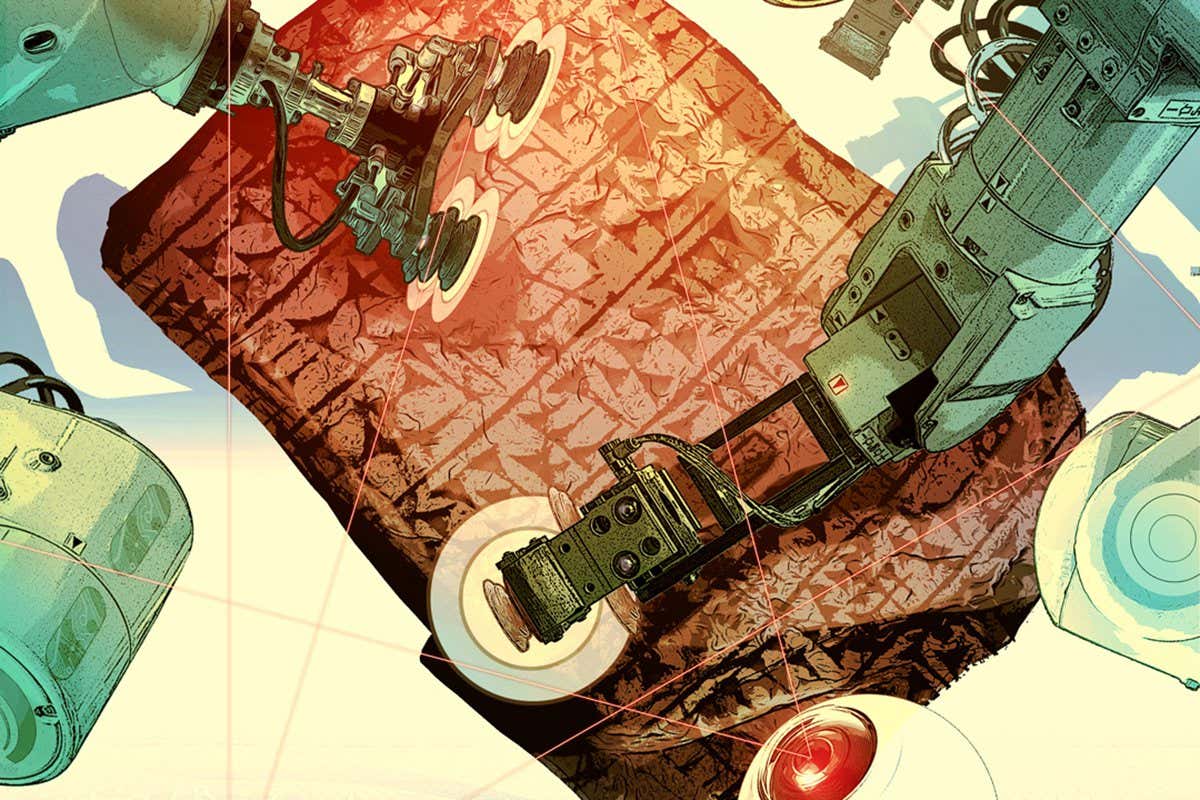
How the secrets of ancient cuneiform texts are being revealed by AI

How the secrets of ancient cuneiform texts are being revealed by AI

3 August 2022

Much of the world’s first writing, carved into clay tablets, remains undeciphered. Now AI is helping us piece together this ancient Mesopotamian script, revealing the incredible stories of men, women and children at the dawn of history


How language evolved: A new idea suggests it’s all just a game

How language evolved: A new idea suggests it’s all just a game

23 March 2022

Our mastery of language presents many mysteries, not least where grammar comes from and how children learn to speak so effortlessly. Now researchers argue that it all makes sense if you think of language as a game of charades


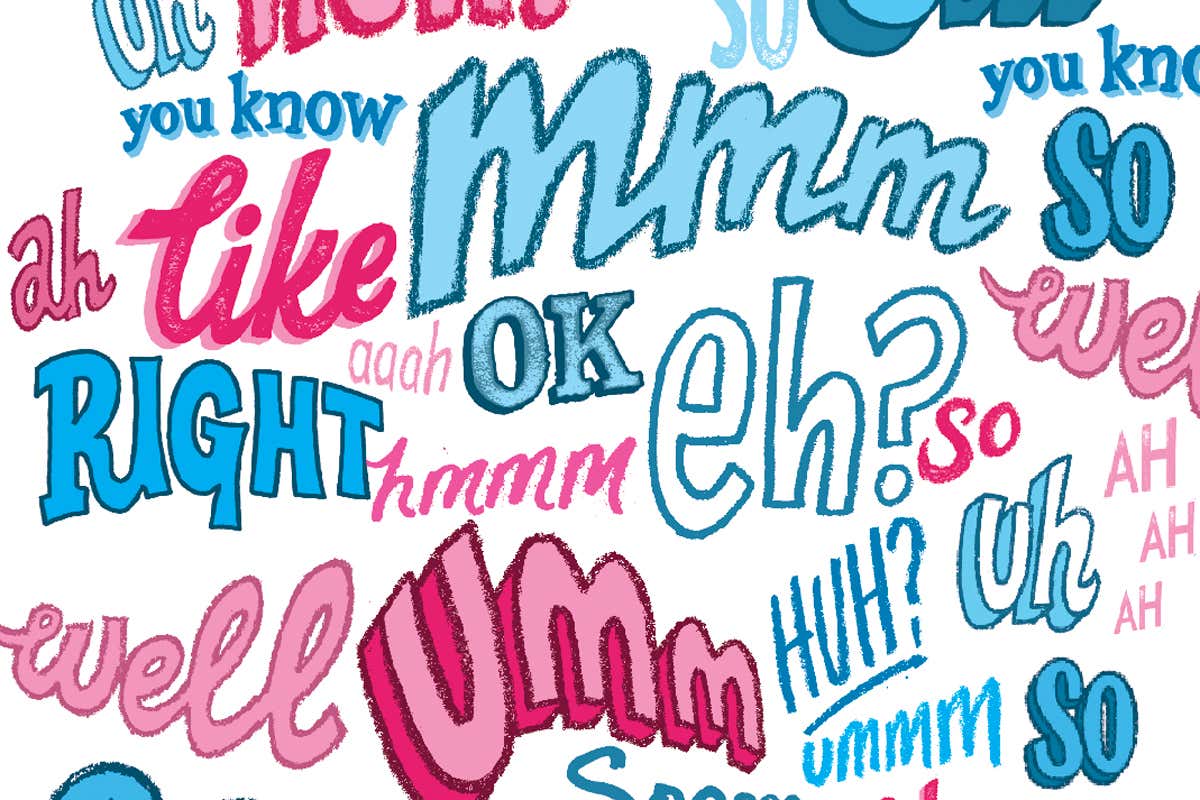
'Ums' and 'ers' are a hidden code that helped complex language evolve

'Ums' and 'ers' are a hidden code that helped complex language evolve

14 October 2020

Filler words such as uh, mmm and huh may seem inarticulate, but without them human communication would be far less sophisticated


fonts

Who invented the alphabet? The untold story of a linguistic revolution

5 February 2020

One of civilisation’s most revolutionary inventions was long thought to be the brainchild of ancient Egyptian scribes. But its true creators may have been far less glamorous


Your body's hidden language: How smell reveals more than you ever knew

Your body's hidden language: How smell reveals more than you ever knew

9 October 2019

We can sniff out fear, find solace in the smell of a loved one, breathe in the scent of happiness. How we're deciphering the subliminal signals of human scent


speech artwork

The origins of language discovered in music, mime and mimicry

1 May 2019

Two million years ago, our ancestors started singing to ward off predators putting humanity on a path that led to the evolution of language


khipus

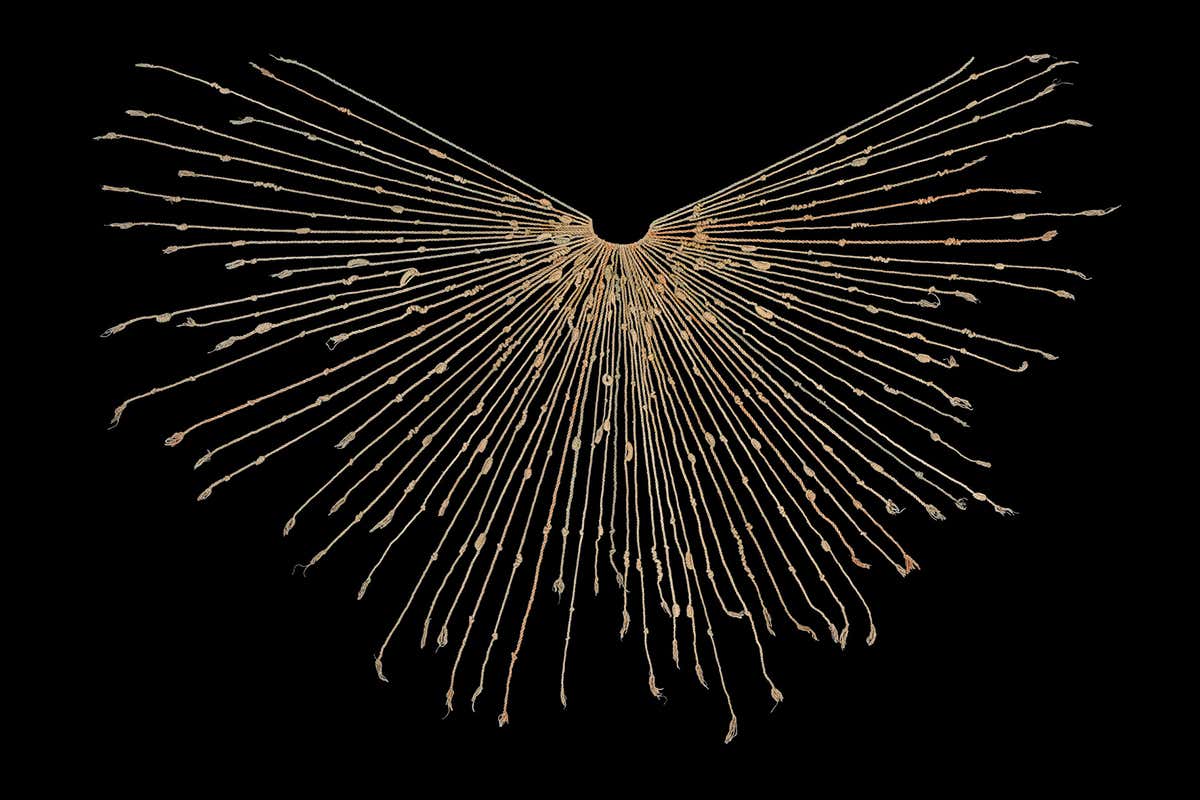
We thought the Incas couldn't write. These knots change everything

26 September 2018

A lost language encoded in intricate cords is finally revealing its secrets – and it could upend what we know about Incan history and culture


interrupt artwork

The real reason people talk over you, and what to do about it

7 March 2018

Getting interrupted is the worst, but knowing why people butt in may leave you more forgiving of the big mouth who did, and ready to stop it happening again


tablet

How your digital style gives you away – and how to hide it

22 November 2017

Each of us has a unique way with words when we type our messages, emails and social posts. Do you know what yours is saying about you?


Sign up to our weekly newsletter

Receive a weekly dose of discovery in your inbox. We'll also keep you up to date with New Scientist events and special offers.

Sign up
Piano Exit Overlay Banner Mobile Piano Exit Overlay Banner Desktop