
Space Week: A seven-day tour of the cosmos
18 July 2023
To celebrate the launch of our new podcast, Dead Planets Society, New Scientist editors have selected some of our most delightful premium articles about the solar system and beyond
18 July 2023
To celebrate the launch of our new podcast, Dead Planets Society, New Scientist editors have selected some of our most delightful premium articles about the solar system and beyond
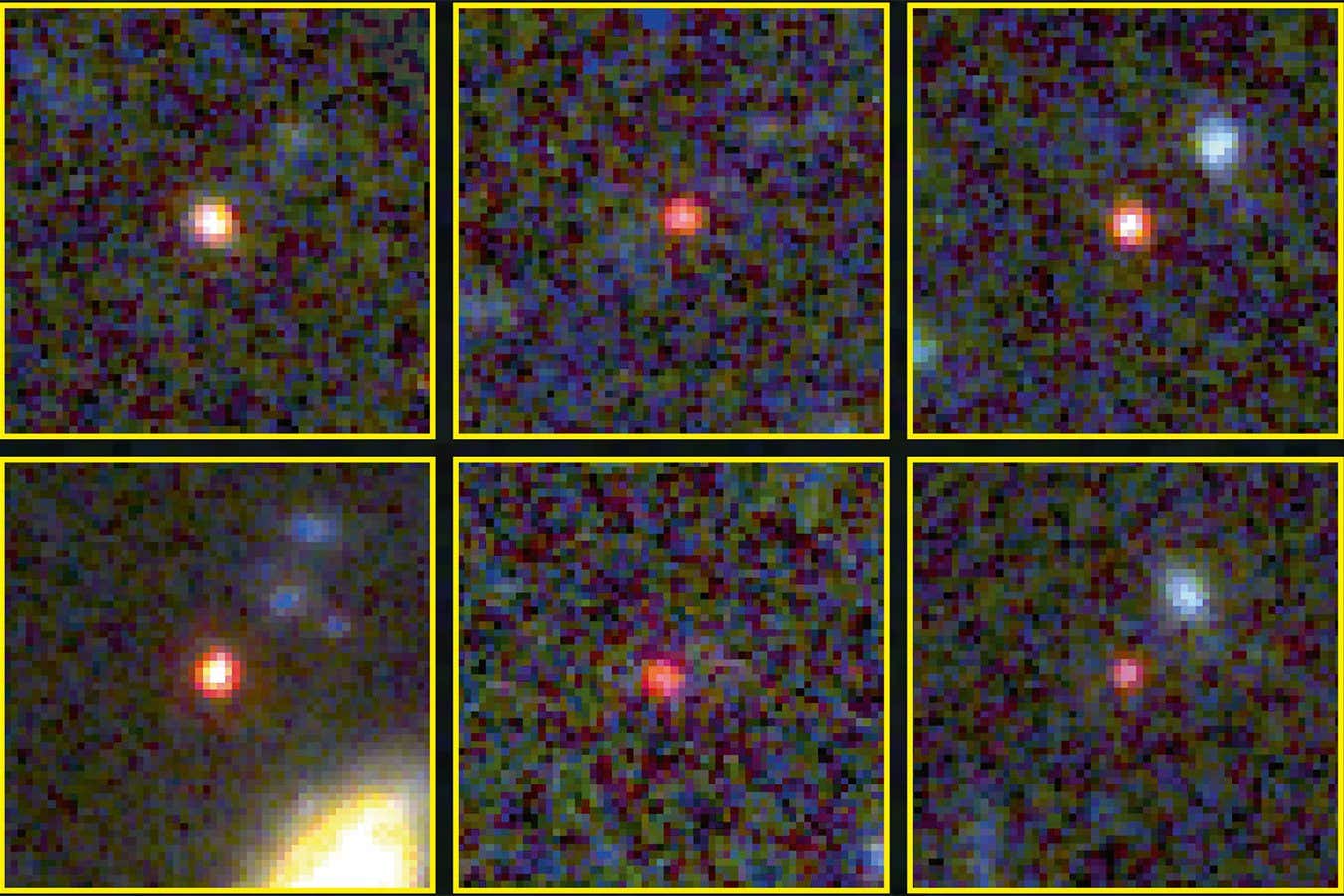
13 June 2023
A few months ago, the James Webb Space Telescope spotted six early galaxies that were so large they threatened to break our best theory of how the cosmos evolved. Did they?
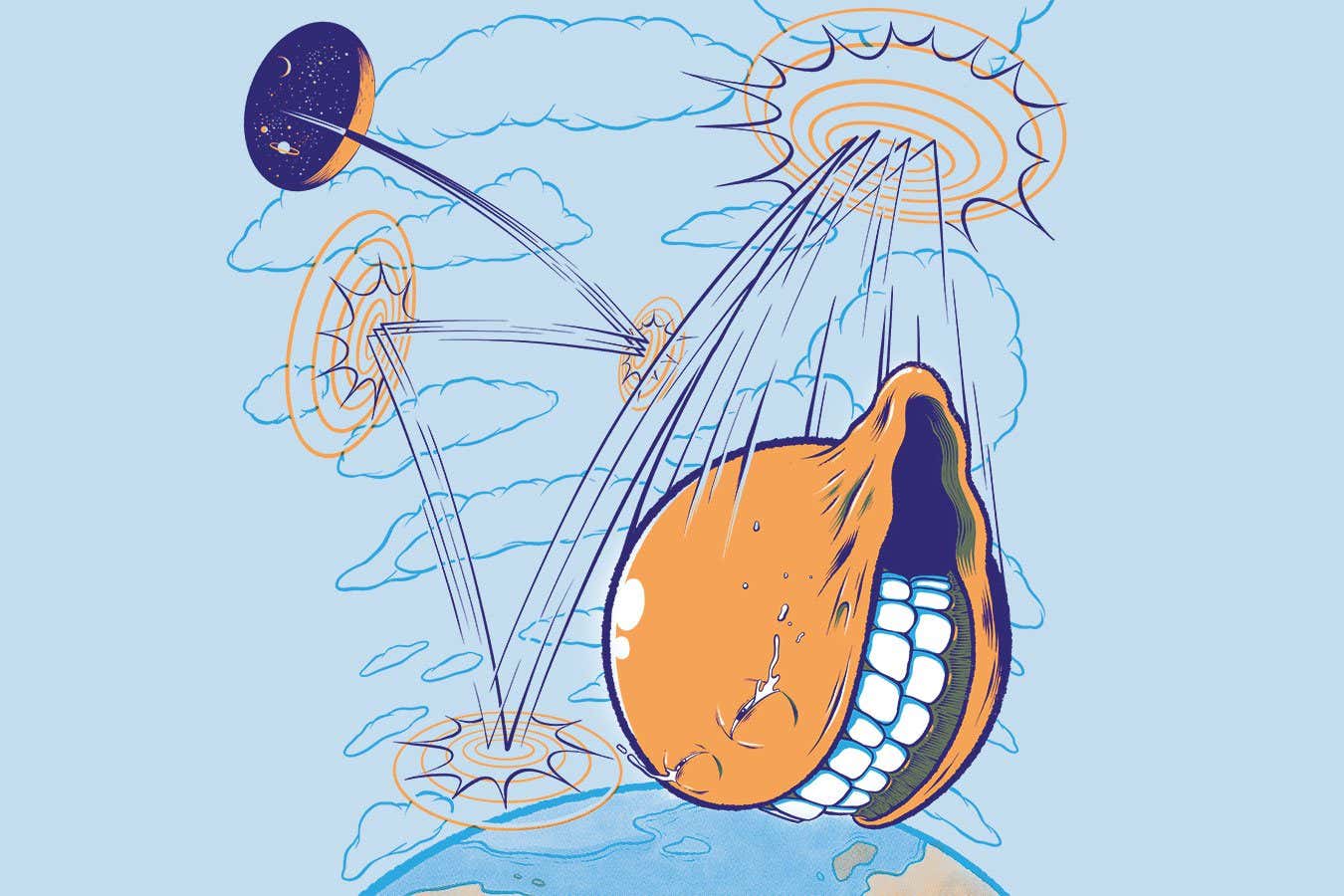
30 May 2023
Three decades ago, we spotted the single most energetic particle ever seen, nicknamed the 'Oh-My-God particle'. Since then, we have seen many more ultra-high-energy cosmic rays – and now we are unravelling the mystery of what produces them
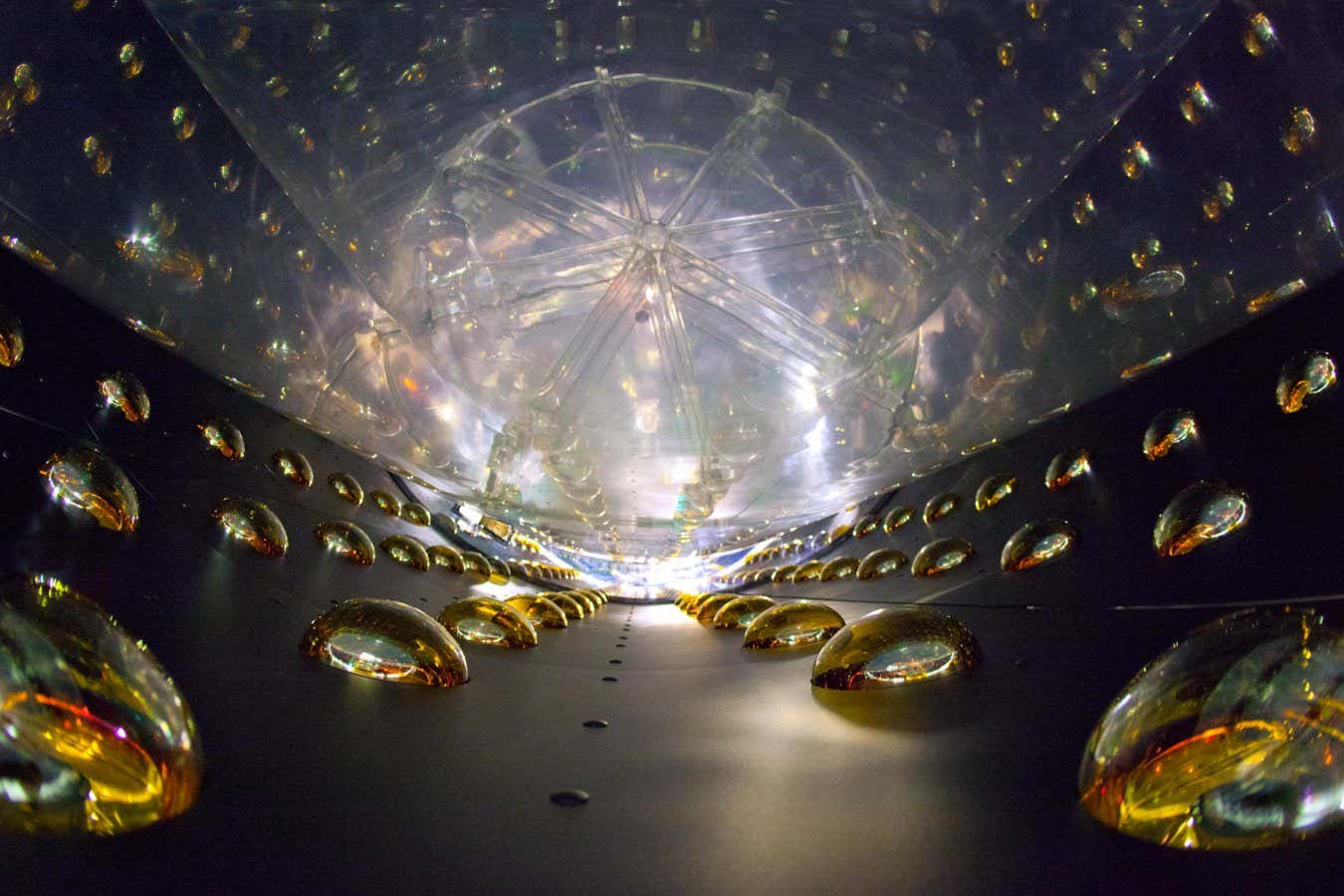
24 April 2023
If we could detect them, cosmic neutrinos would paint a picture of the universe in the instant after it began. Physicist Martin Bauer has come up with a plan to do just that
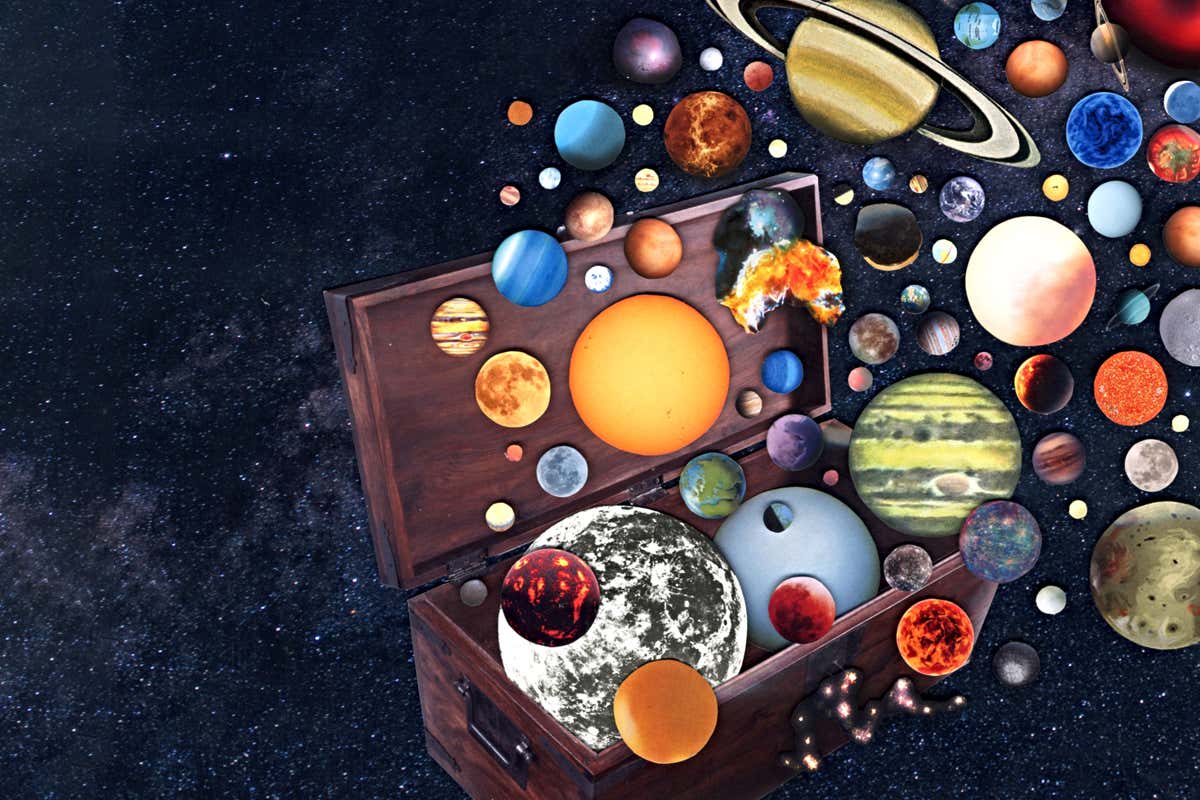
22 April 2023
An abridged inventory of everything there is in the universe – from rogue planets and exomoons to supernovae, supermassive black holes and the cosmic web.
27 March 2023
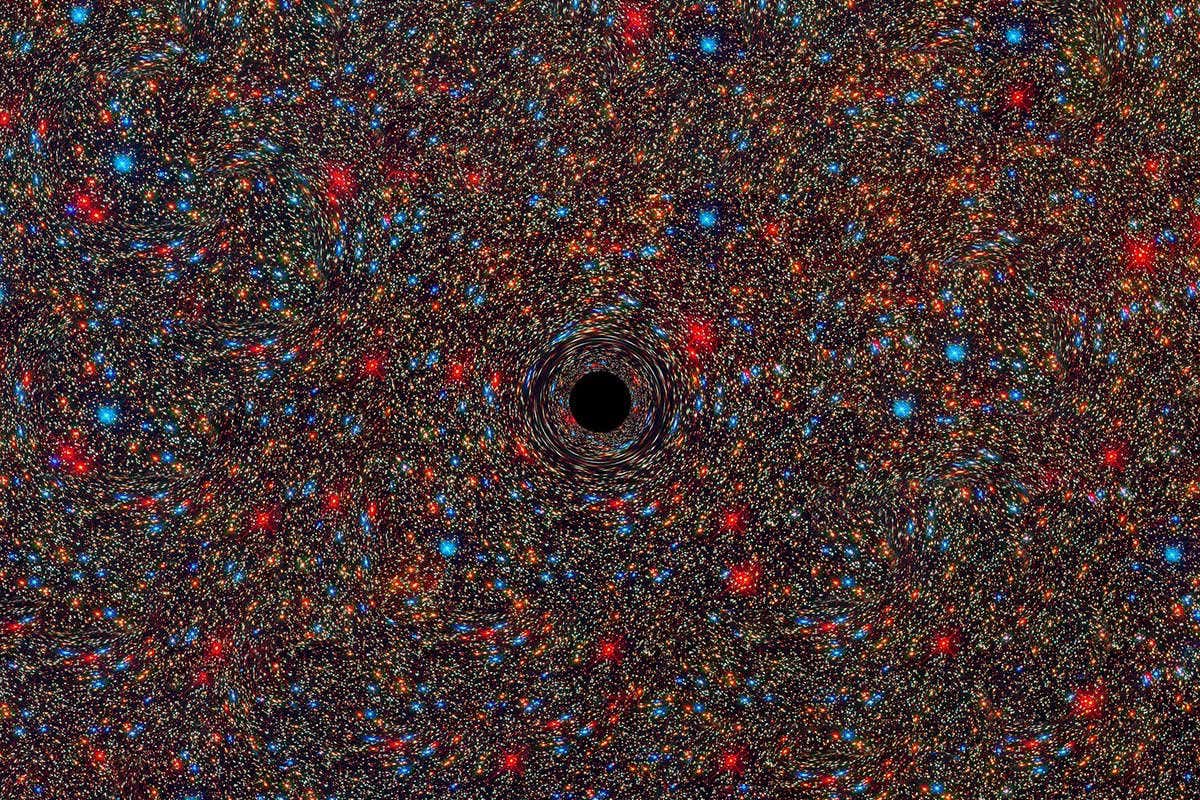
Primordial black holes older than the big bang could rewrite cosmology by providing evidence for a previous universe. It's a wild idea, but some physicists think we've got a chance of finding them
15 February 2023
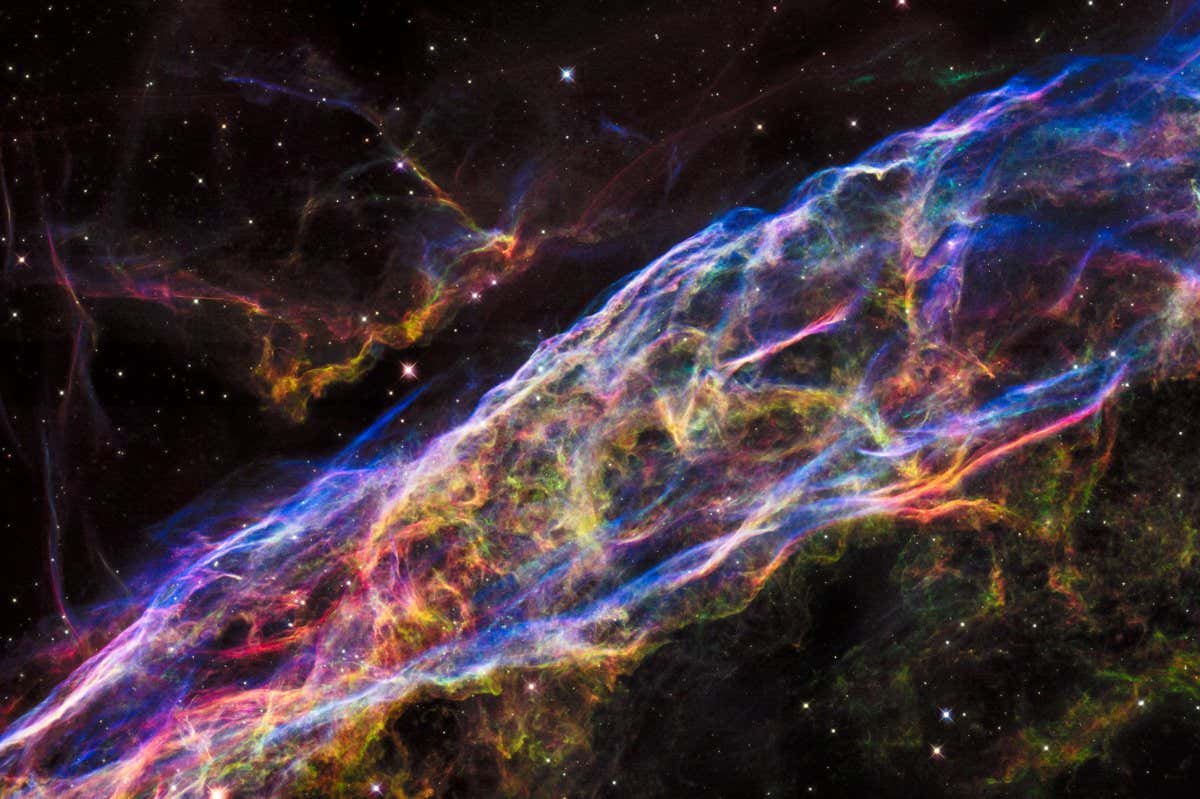
As we speed towards a mysterious new bubble of interstellar space, new insights are revealing its exotic chemistry, strange waves and vast bubbles, and their ramifications for life on Earth
14 December 2022
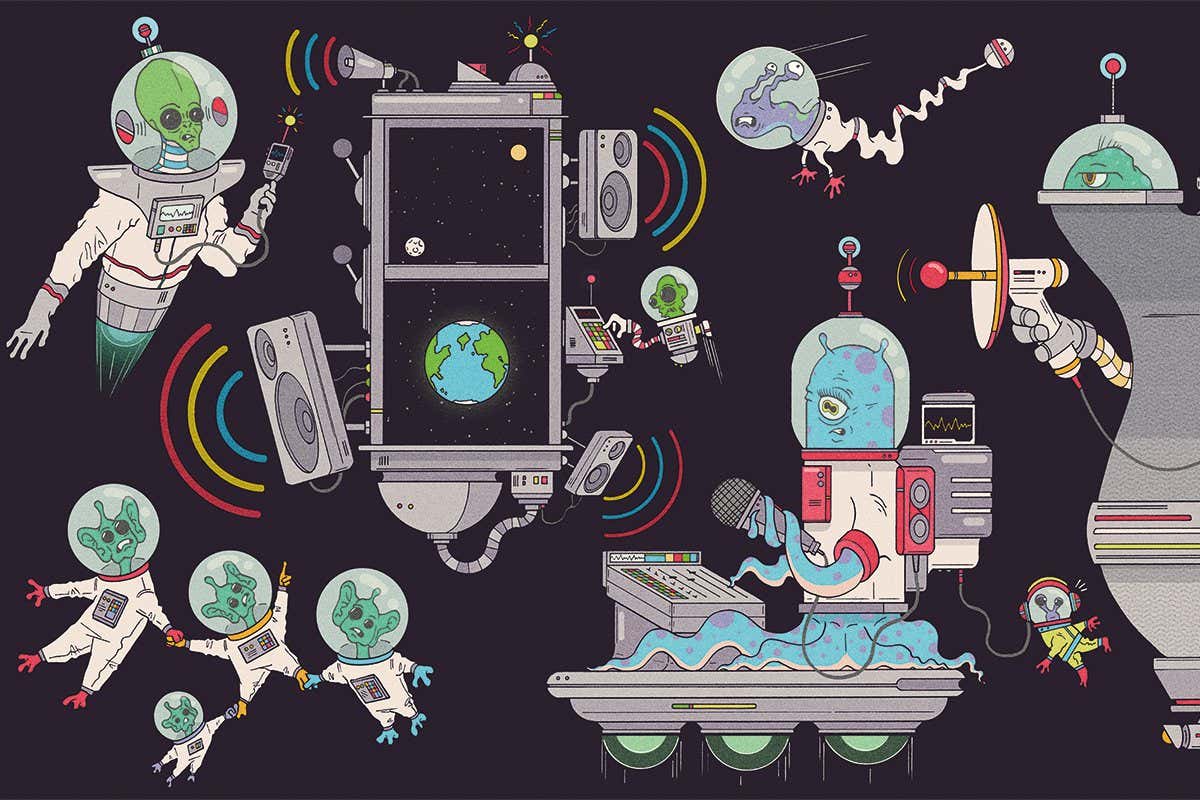
From serious efforts to declare our presence to extraterrestrial civilisations to daft publicity stunts, we have been sending messages to space for decades. What should a new postcard to the stars say?
6 December 2022
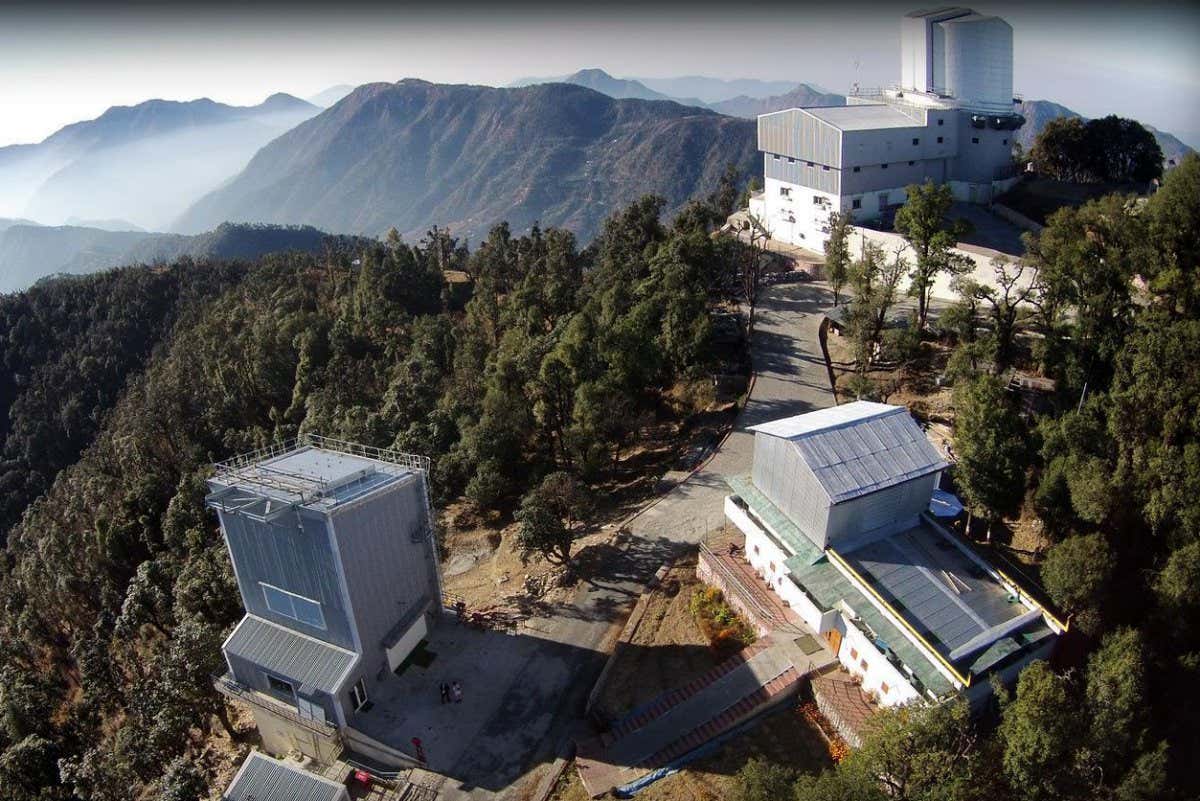
The International Liquid Mirror Telescope, perched high in the Himalayas, has finally started making observations. If it succeeds, we could one day put a much larger liquid telescope on the moon
9 November 2022
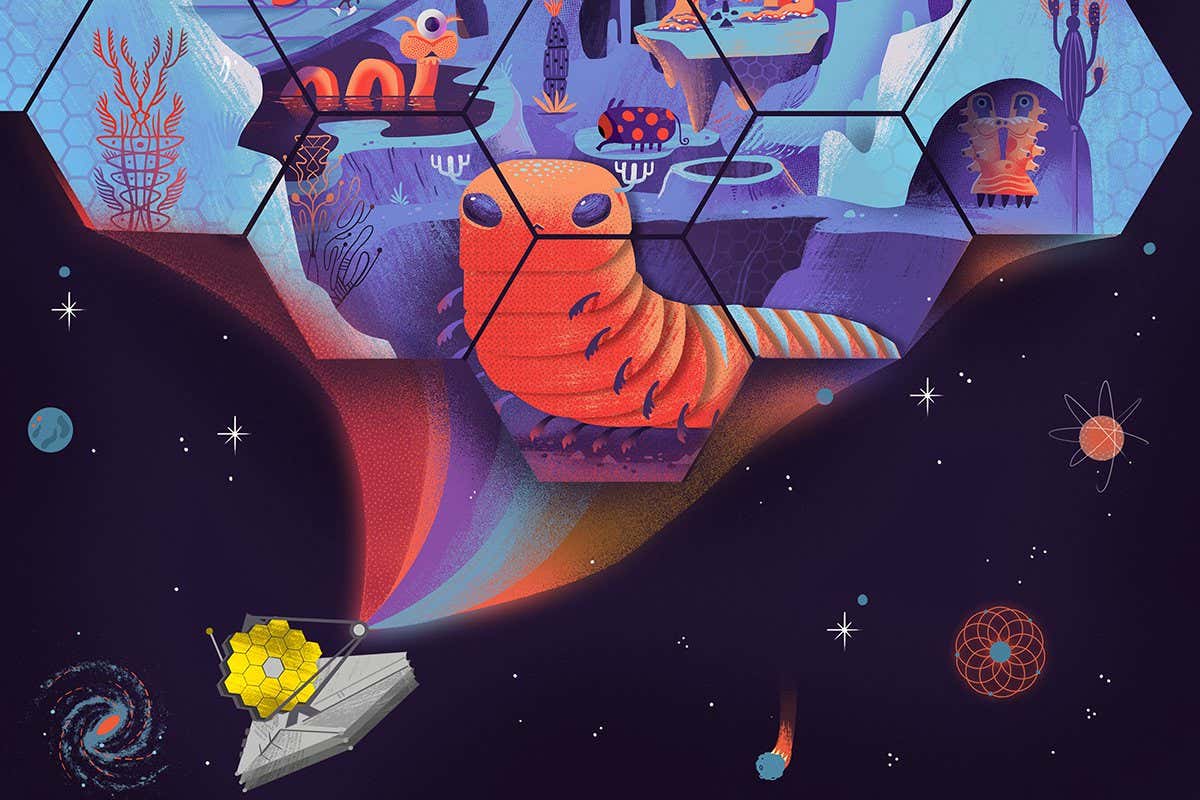
The James Webb Space Telescope can peer into alien skies like never before. With six potentially habitable planets within its sights, astronomers are entering a new era in the search for biology beyond our solar system
