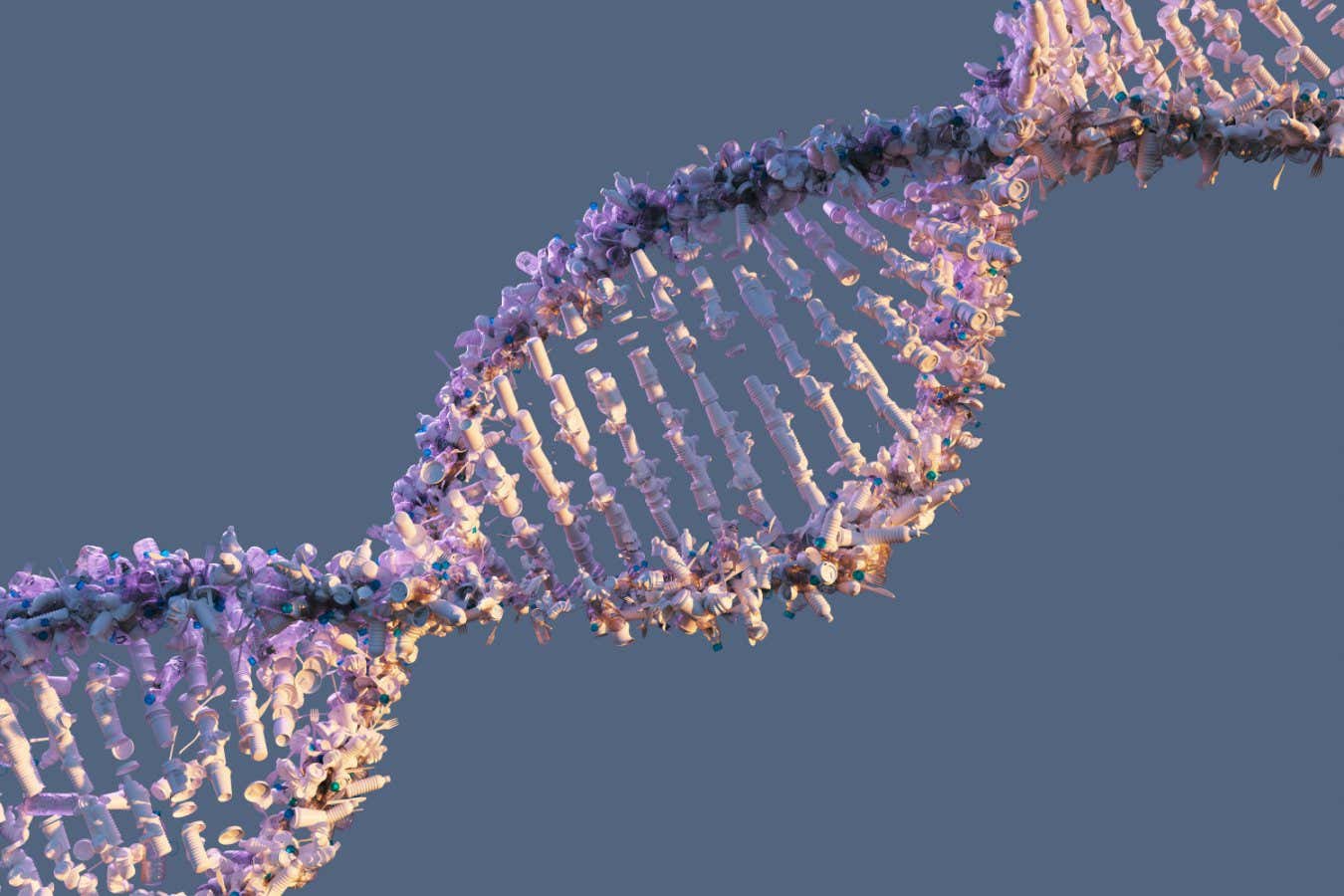
New DNA tests predict your disease risk – are we ready for them?
14 March 2023
Polygenic tests can predict your risk of heart disease, diabetes and cancer, but some doctors worry about the consequences for healthcare systems and for us
14 March 2023
Polygenic tests can predict your risk of heart disease, diabetes and cancer, but some doctors worry about the consequences for healthcare systems and for us

14 December 2022
Sprouts, cauliflower, cabbage and a dozen other vegetables are all the same species, Brassica oleracea. Now we have finally discovered their common ancestor

23 November 2022
We've long known there was an ancient language that gave rise to English, Bengali and dozens of other tongues – now we’re on the brink of working out where Proto-Indo-European was spoken
11 October 2022
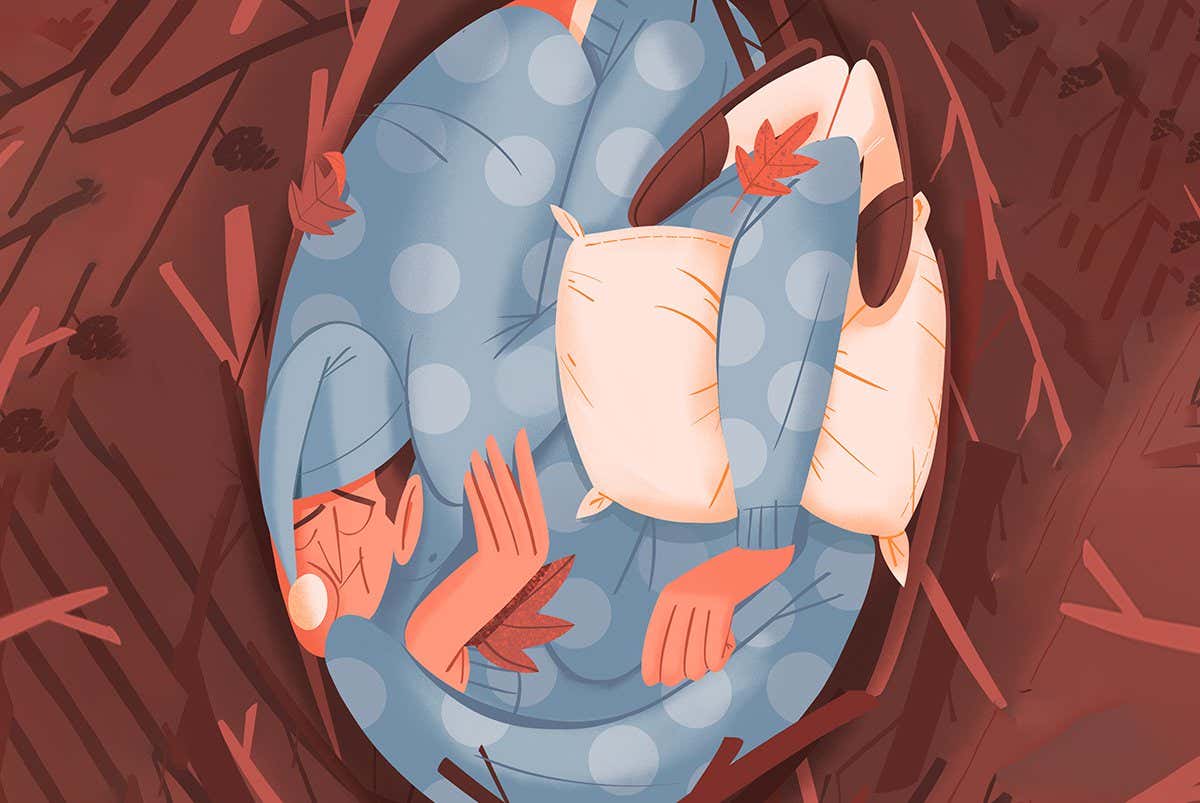
Mounting evidence suggests that humans may have the biological hardware to benefit from some aspects of hibernation. Switching on these mechanisms could treat cardiac arrest, boost longevity and help people travel further into space
20 January 2021
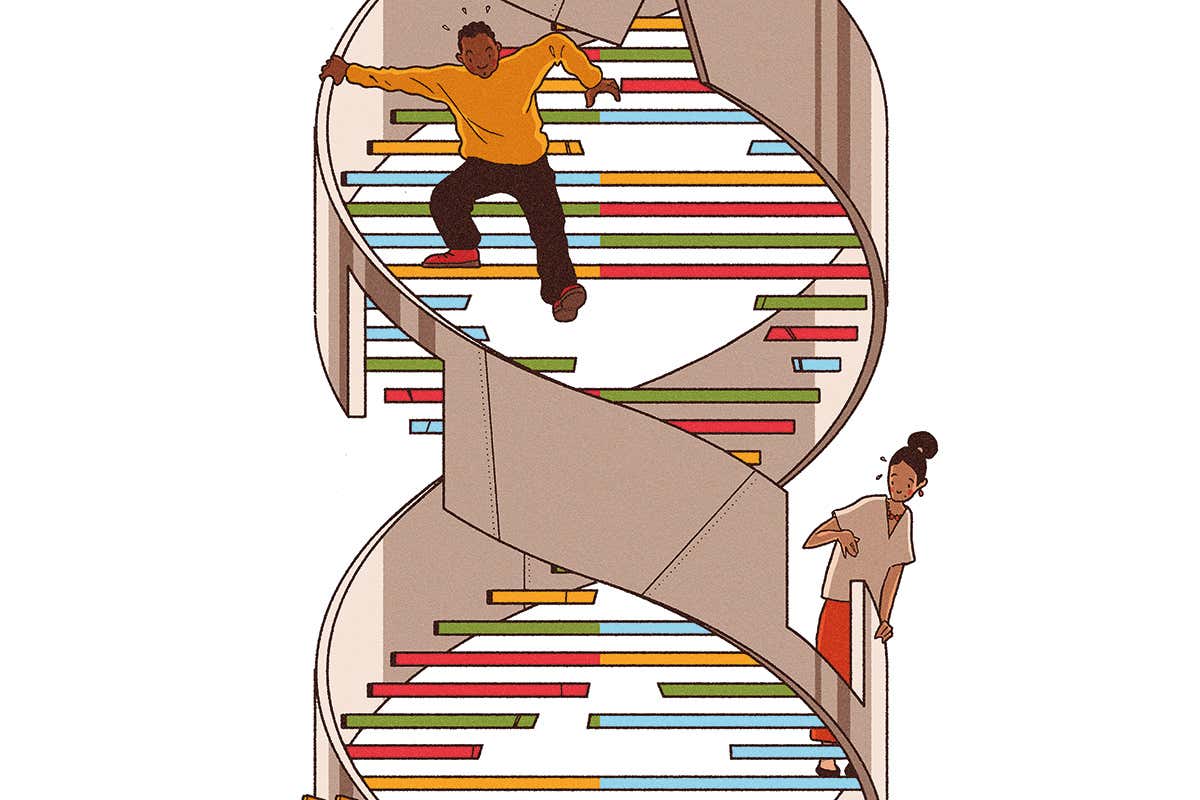
Lack of diversity in genome studies means that treatments derived from them are leaving people of colour behind. Changing that isn’t only about justice – it could also lead to new therapies that would otherwise go undiscovered

9 December 2020
We’re slowly beginning to unpick the complex interplay of genes, environment and experience that make you who you are – and like no one else who ever existed
23 September 2020
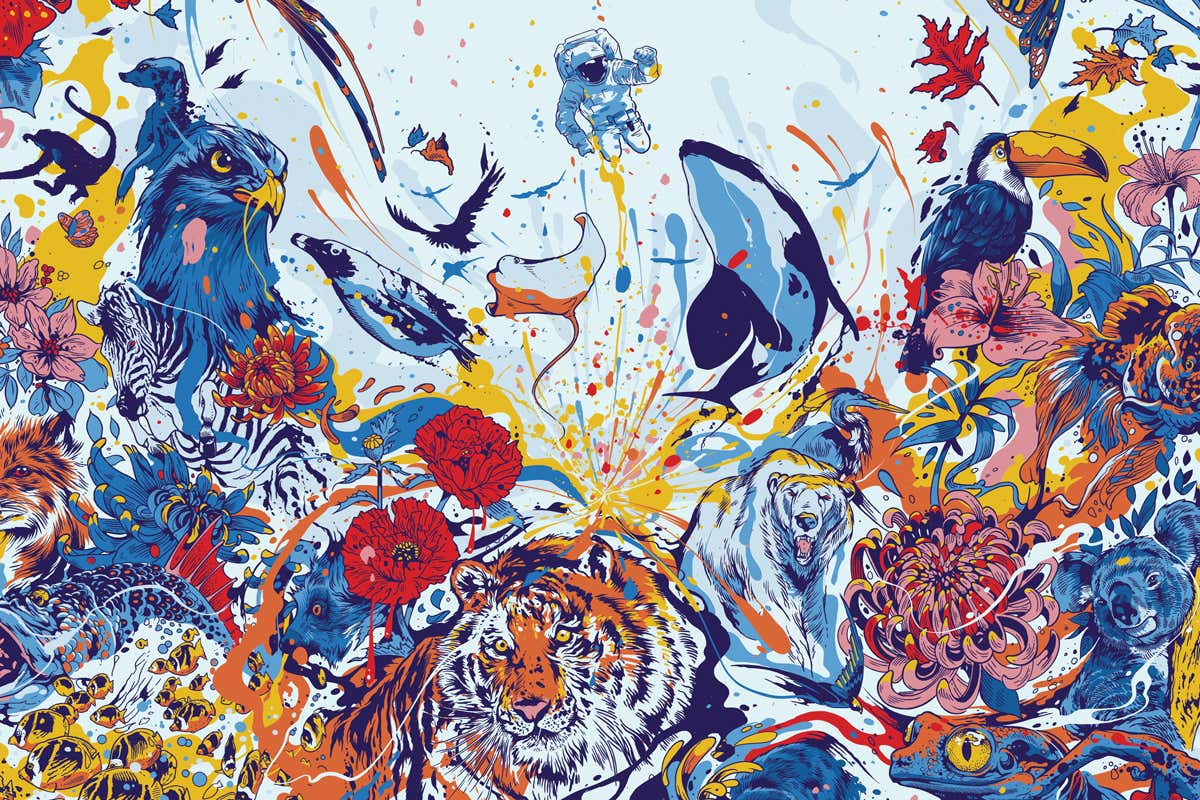
Do species really exist? Are genes destiny? Do only the fittest survive? Can we shape or stop evolution? New insights into nature are providing surprising answers, and a glorious new picture of life’s complexity
29 July 2020
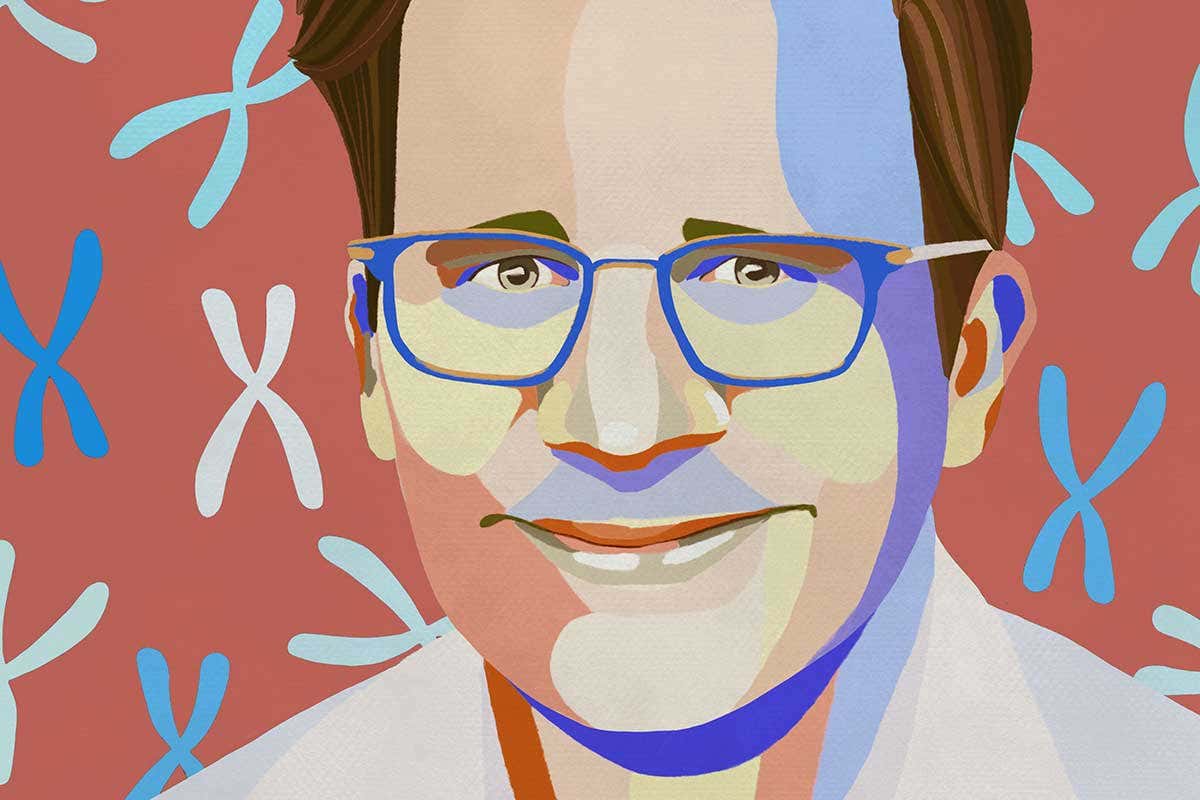
We know that women live longer and are less susceptible to certain diseases than men. That may be down to the benefits of having two X chromosomes
26 February 2020
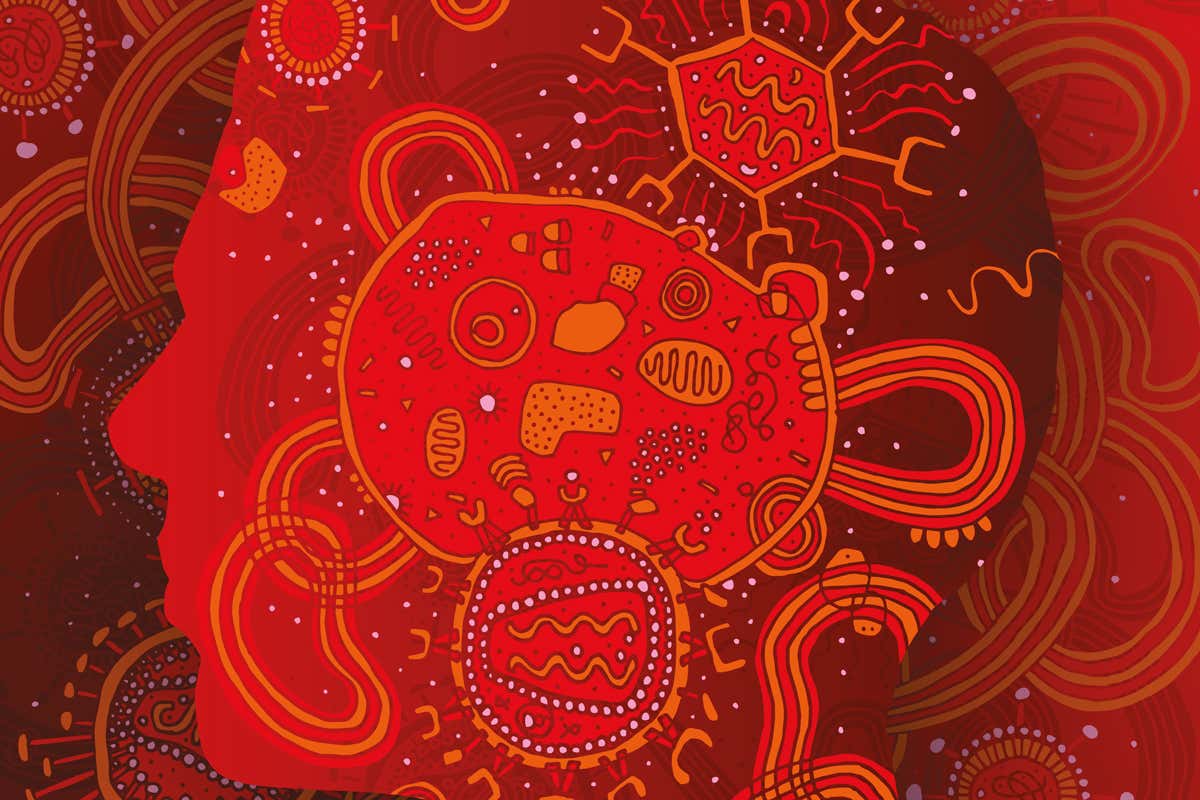
Stress or infection may prompt viruses hidden in our genome to stagger back to life, contributing to some cases of multiple sclerosis, diabetes and schizophrenia
22 January 2020
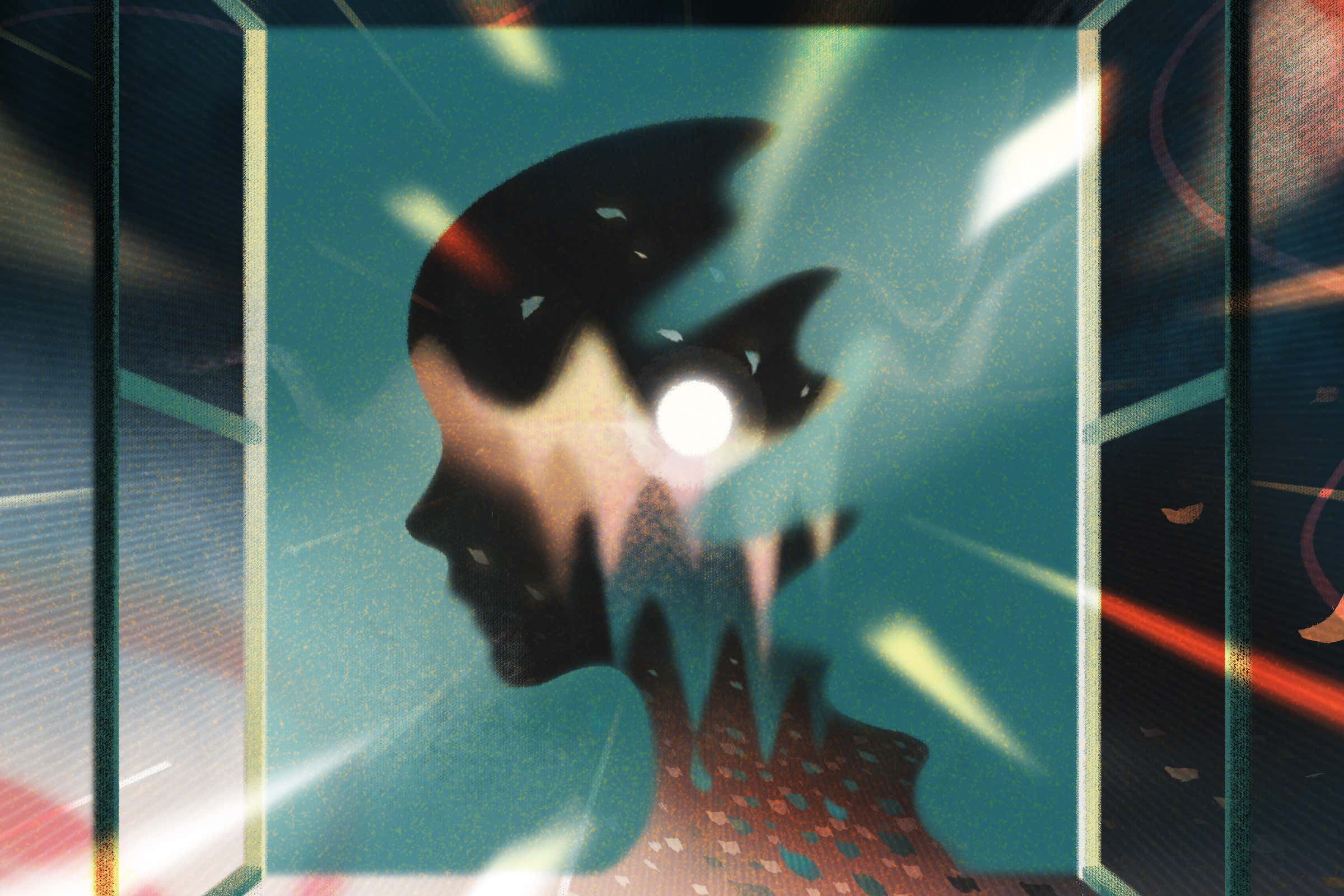
The discovery of a link between anxiety, depression, OCD and more is set to revolutionise how we think about these conditions – and offer new treatments
