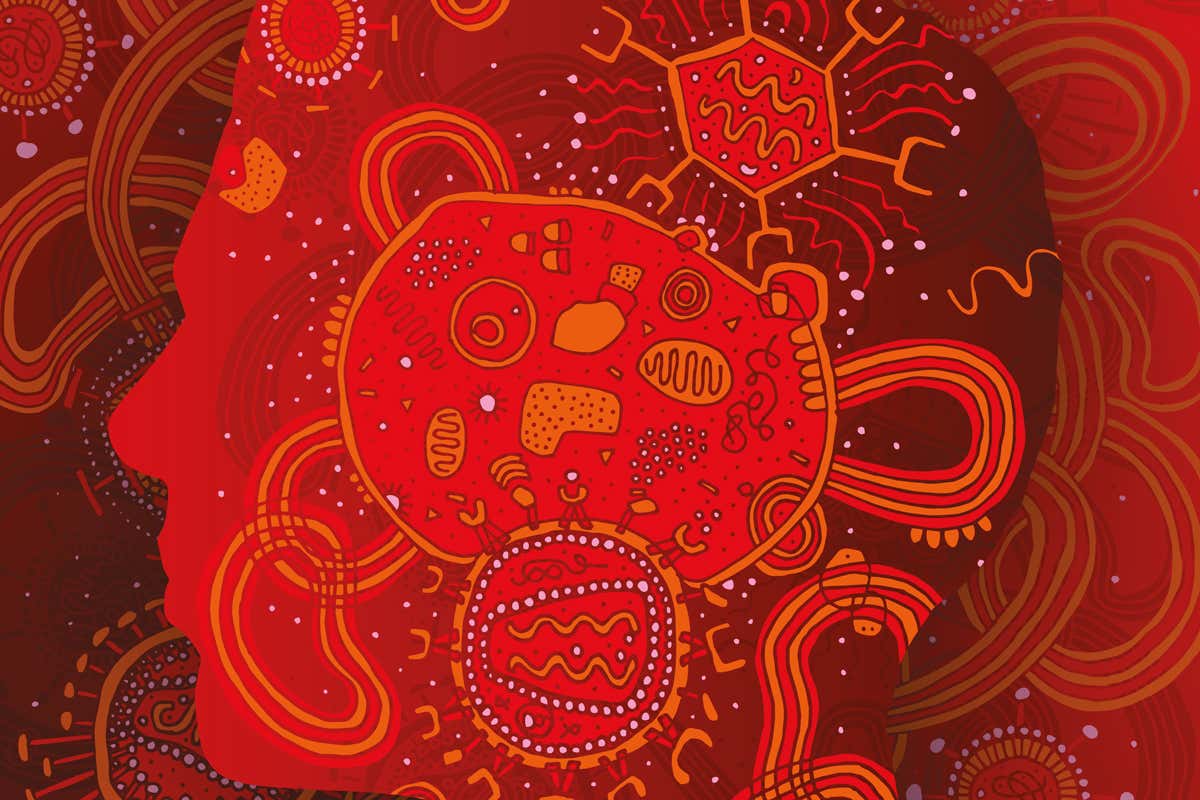
Ancient viruses buried in our DNA may reawaken and cause illness
26 February 2020
Stress or infection may prompt viruses hidden in our genome to stagger back to life, contributing to some cases of multiple sclerosis, diabetes and schizophrenia
26 February 2020
Stress or infection may prompt viruses hidden in our genome to stagger back to life, contributing to some cases of multiple sclerosis, diabetes and schizophrenia
15 May 2019
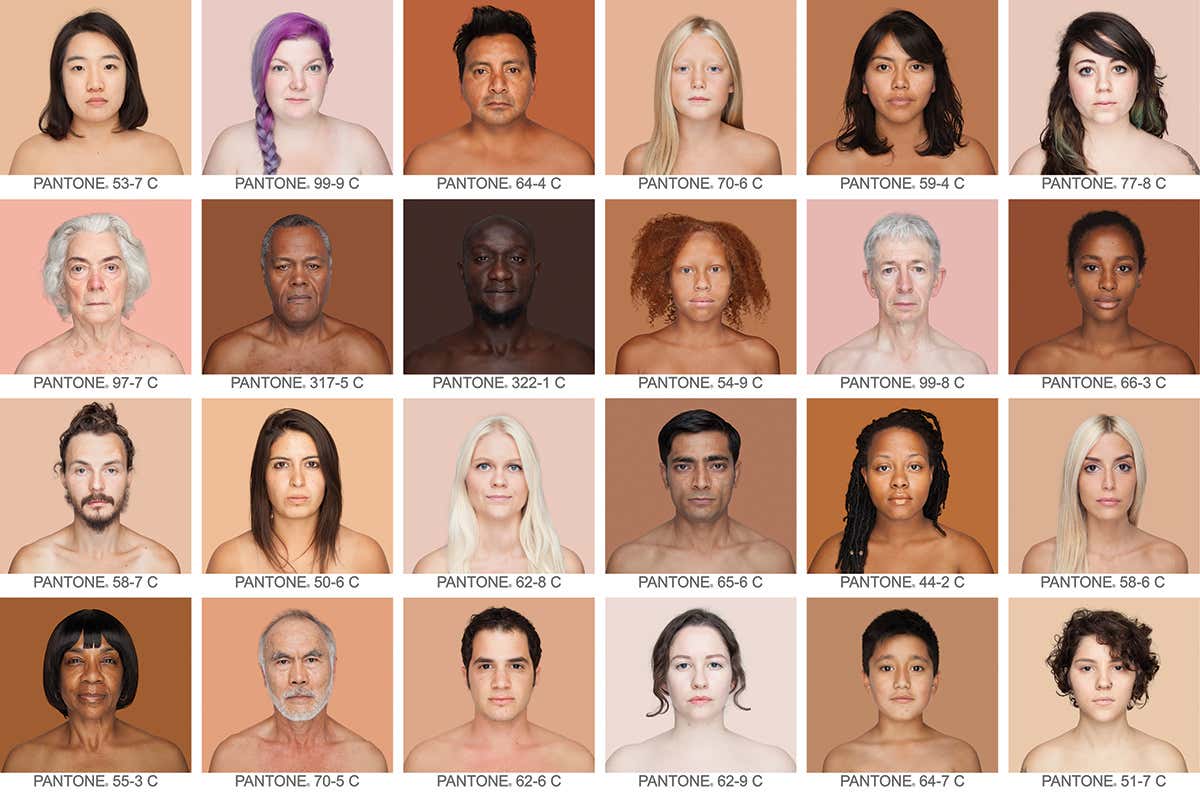
Efforts to group us by our genes are arbitrary and encourage the subtle return of race within mainstream science, argues Angela Saini
21 November 2018
The workings of the myriad cells that make us are a huge mystery. A vast new project is changing that – and bringing sweeping insights into how we live and die
10 October 2018
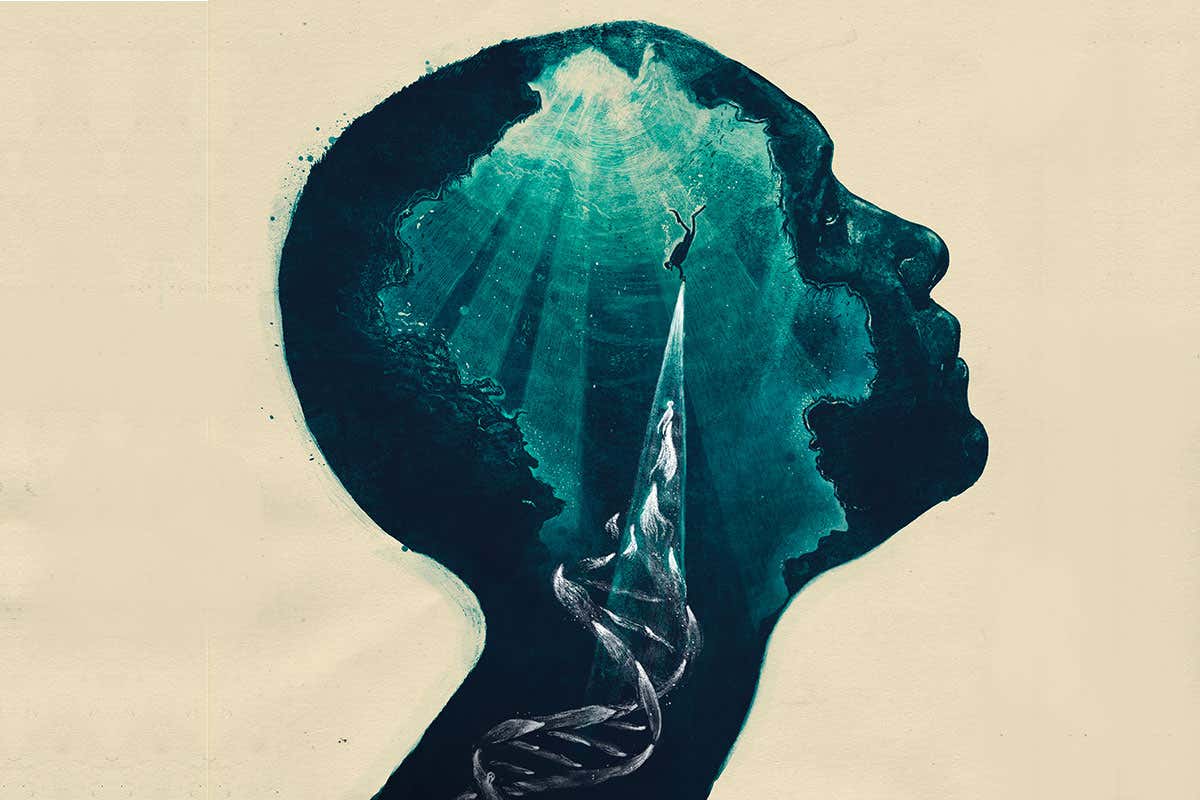
Prehistoric humans were sexual adventurers, mating with Neanderthals and Denisovans, but DNA studies reveal dalliances with populations we never knew existed

22 August 2018
He stirred controversy with his plans to bring back the woolly mammoth. But first he's working on editing sperm – and trying out his ageing reversal techniques on dogs
9 May 2018
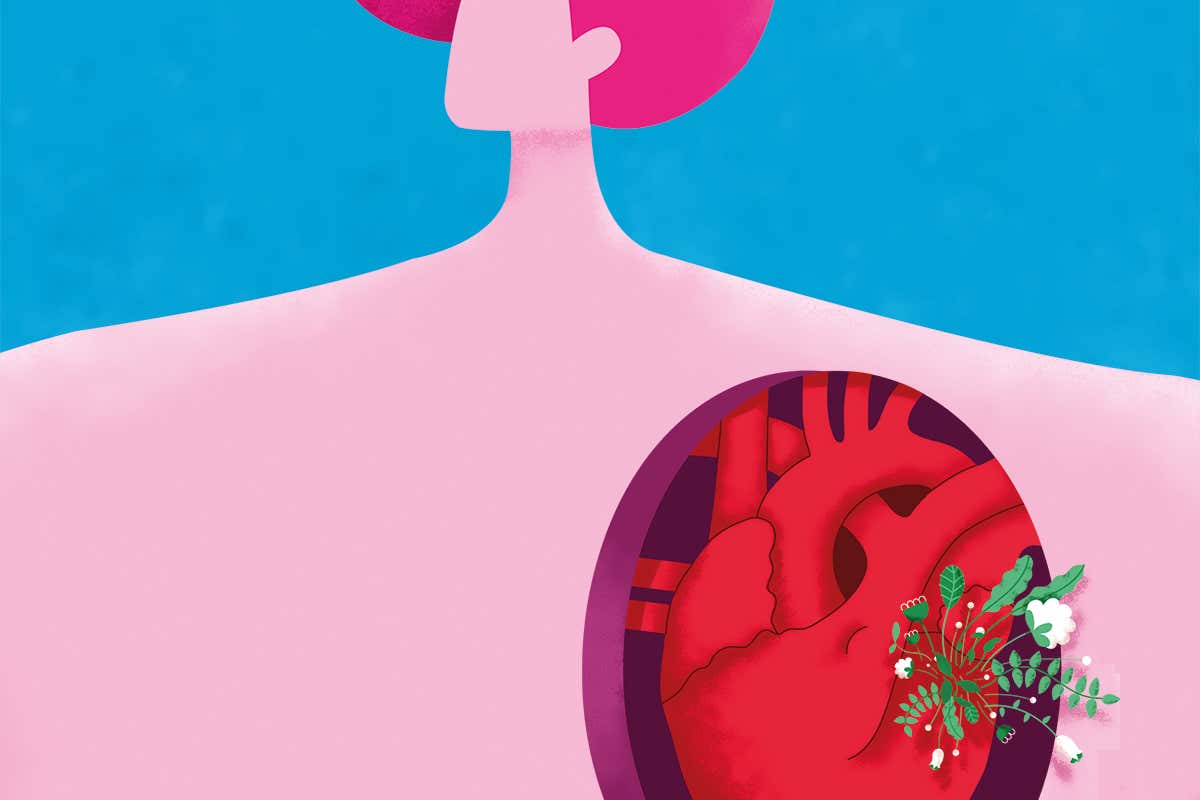
Our cells are more malleable than we thought – and by transforming them inside the body, we can mend broken hearts or even degenerating brains from within
4 April 2018
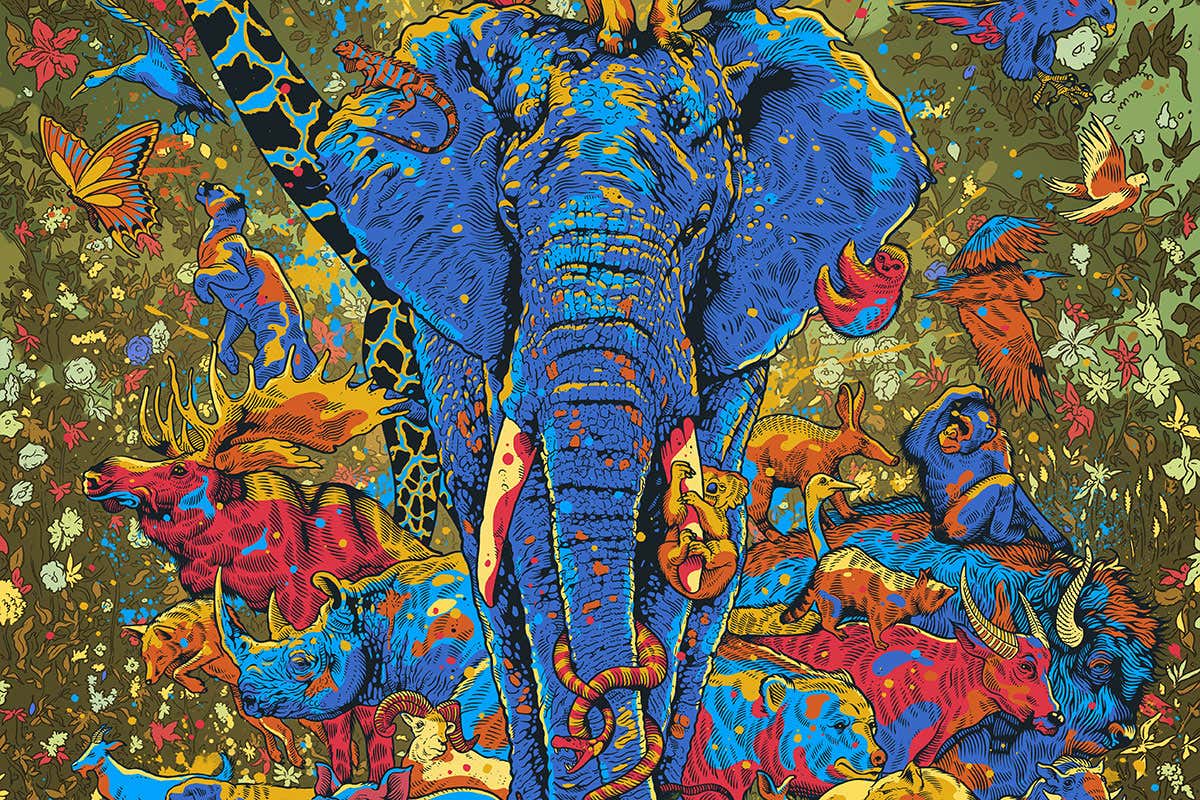
A new plan to sequence all Earth's animals and plants could lead to medical and material advances that dwarf even what the Human Genome Project has achieved

5 July 2017
Tweaking genes to prevent your child dying early from a genetic disorder would be acceptable to most people, but we need to ask how far we should go
