Subscribe now
Sophie Howe on how to fight for future generations in politics

Sophie Howe on how to fight for future generations in politics

5 July 2022

As the future generations commissioner for Wales, Sophie Howe’s job is to help guide the government's decisions for the benefit of people yet to be born. She explains how she uses evidence to bring long-term thinking into politics


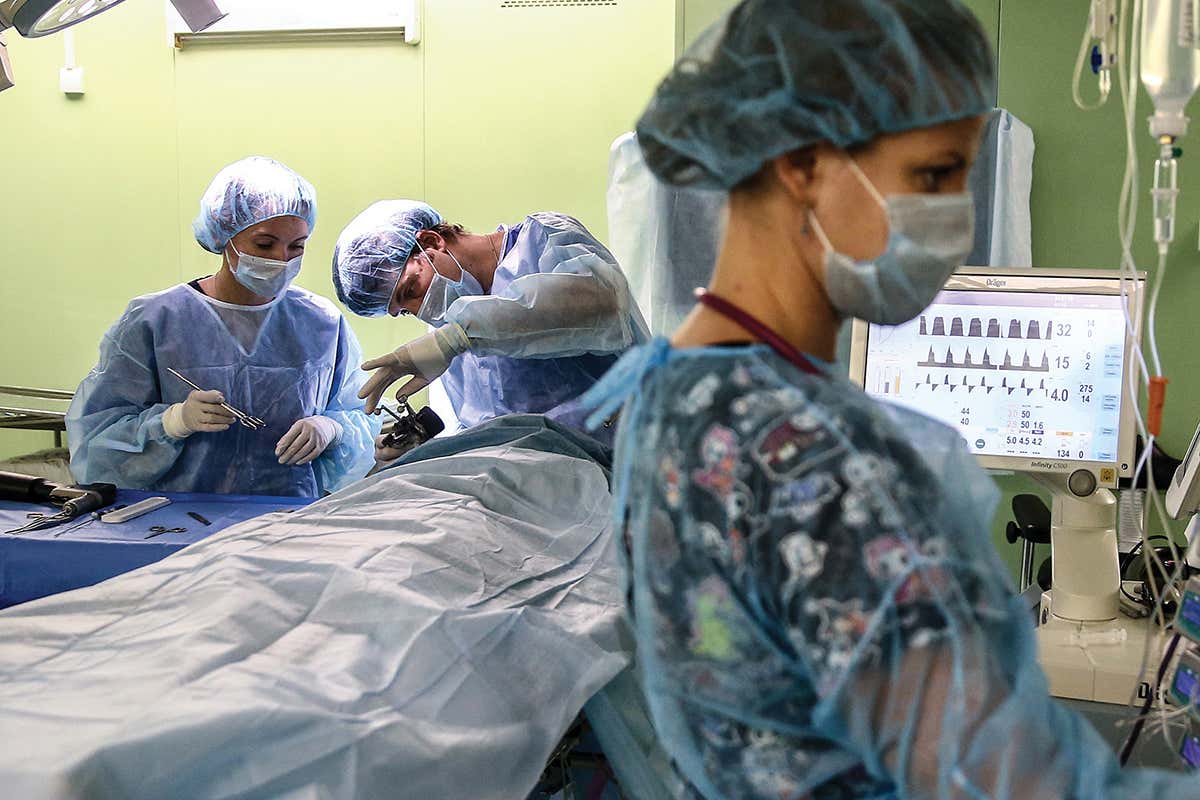
What really makes people happy – and can you learn to be happier?

What really makes people happy – and can you learn to be happier?

19 January 2022

Our life satisfaction is shaped by many things including our genes and relative wealth, but there is now good evidence that you can boost your basic happiness with these key psychological strategies


The happiness revolution: How to boost the well-being of society

The happiness revolution: How to boost the well-being of society

19 January 2022

We now know that economic growth doesn’t necessarily translate into greater well-being. A closer look at Nordic countries such as Finland reveals surprising truths about what really makes a happy society and how other governments can emulate their success


How to be an expert: What does it really take to master your trade?

How to be an expert: What does it really take to master your trade?

3 February 2021

We are relying on specialist knowledge to guide us through the coronavirus pandemic – so it is more important than ever to grasp what expertise is and where it comes from, says Roger Kneebone, author of a new book on the subject


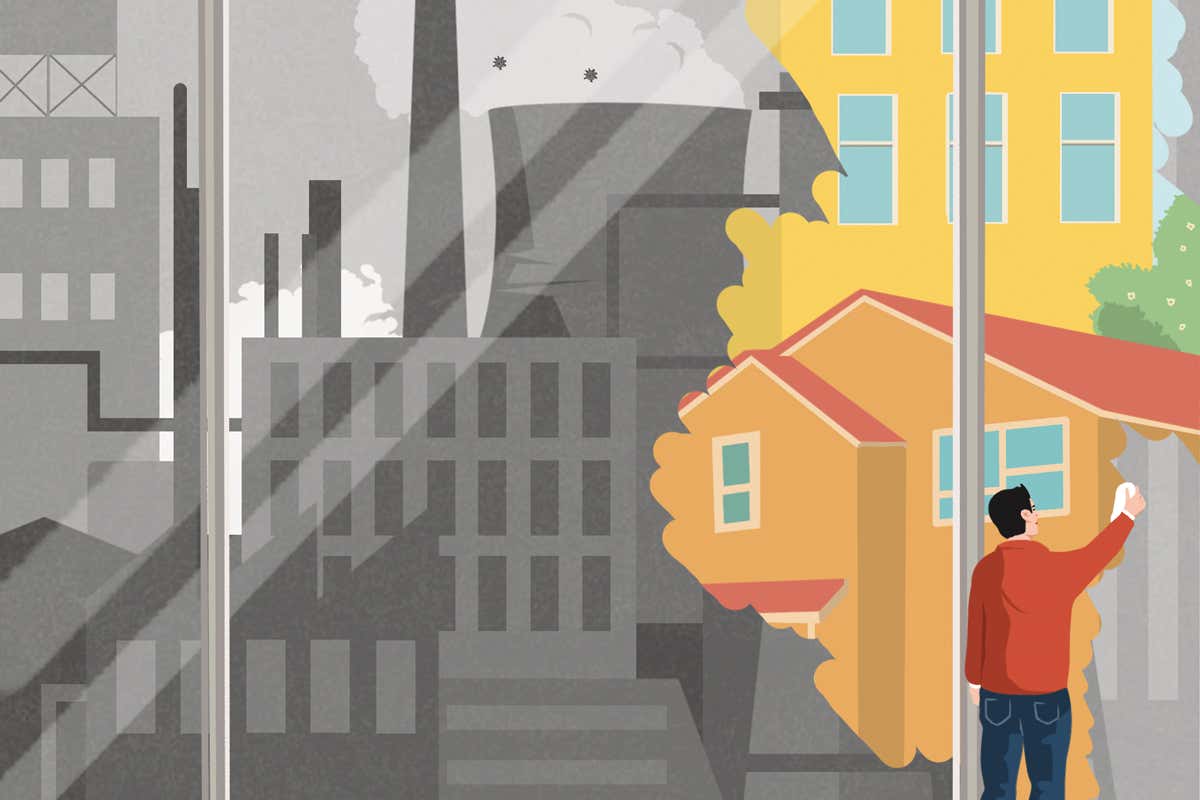
How to build a fair and green economic system after covid-19

How to build a fair and green economic system after covid-19

28 October 2020

Covid-19 has highlighted huge weaknesses in our economic systems. New Scientist asked six leading economists how to redesign it to reduce inequality and save the planet


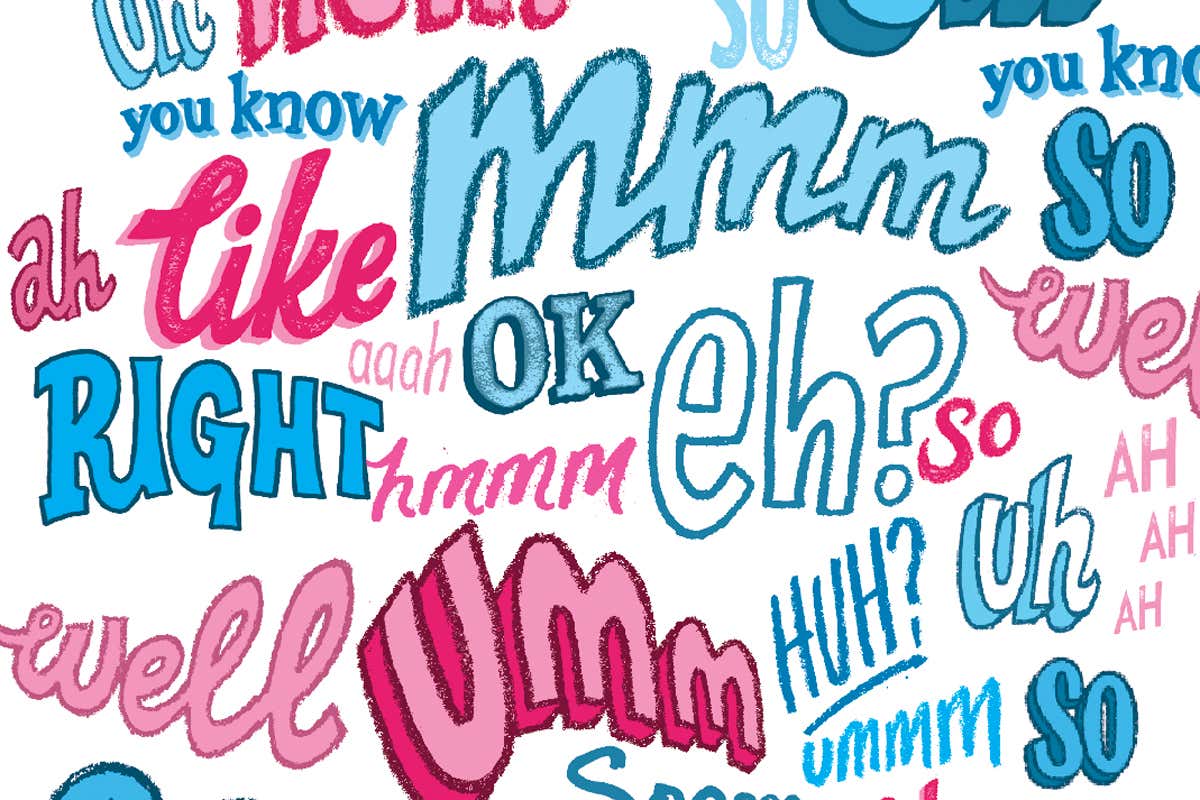
'Ums' and 'ers' are a hidden code that helped complex language evolve

'Ums' and 'ers' are a hidden code that helped complex language evolve

14 October 2020

Filler words such as uh, mmm and huh may seem inarticulate, but without them human communication would be far less sophisticated


Terrie Moffitt interview: Can a young person's genes really set them up for a life of crime?

Terrie Moffitt interview: Can a young person's genes really set them up for a life of crime?

8 July 2020

Most adolescents dabble in delinquency, but few become lifetime offenders. Long-running studies can help tell us why and improve policing, says psychologist Terrie Moffitt


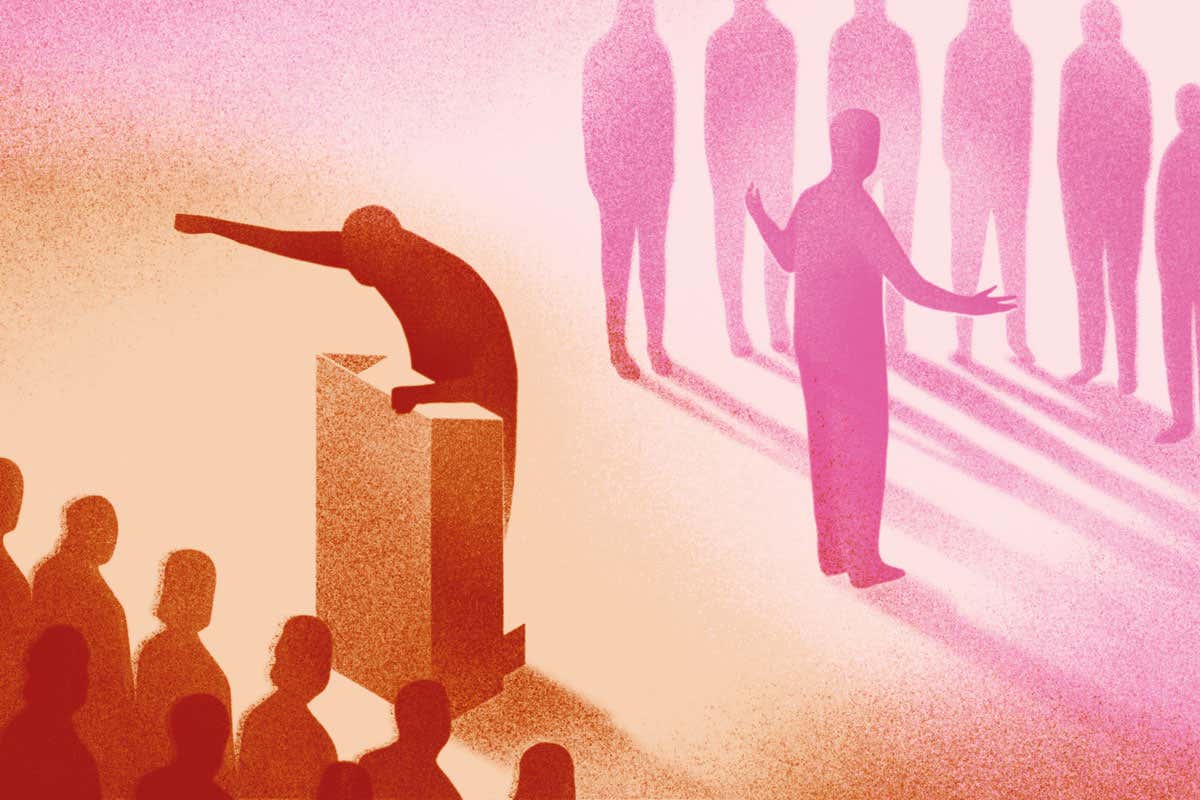
Evolution tells us why there are two types of leader in today's world

Evolution tells us why there are two types of leader in today's world

1 July 2020

The leadership styles of Donald Trump and Jacinda Ardern are dramatically different, but our evolutionary history explains both – and why our preferences have changed


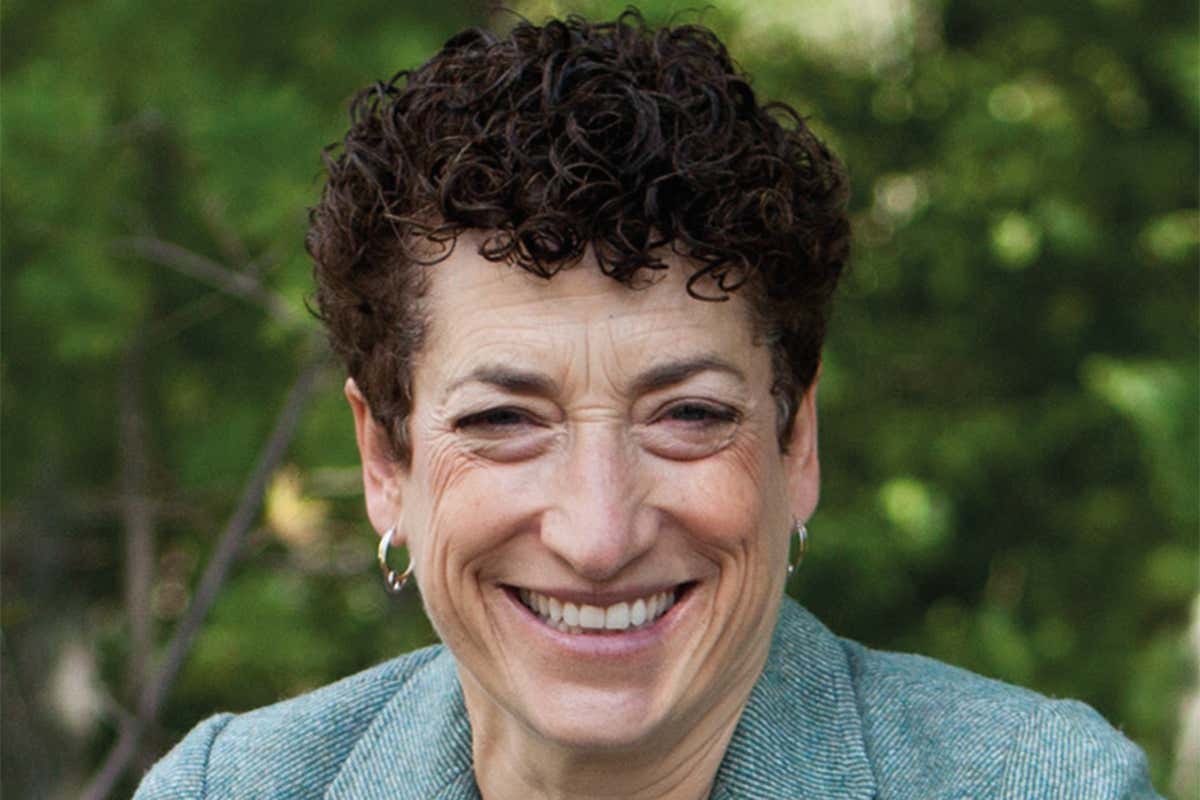
Naomi Oreskes: Turn your anger at science denial into political action

Naomi Oreskes: Turn your anger at science denial into political action

27 November 2019

Rejection of science is rampant, but scientists can do better at countering doubt and there are grounds for optimism every day, says Naomi Oreskes, author of Why Trust Science?


Tech giants, states or trolls: Who will control tomorrow's internet?

Tech giants, states or trolls: Who will control tomorrow's internet?

23 October 2019

Terrorists, trolls and hugely successful firms are threatening the internet’s “anything goes” ethos as countries clash over how to deal with them. Should we be worried?


Sign up to our weekly newsletter

Receive a weekly dose of discovery in your inbox. We'll also keep you up to date with New Scientist events and special offers.

Sign up
Piano Exit Overlay Banner Mobile Piano Exit Overlay Banner Desktop