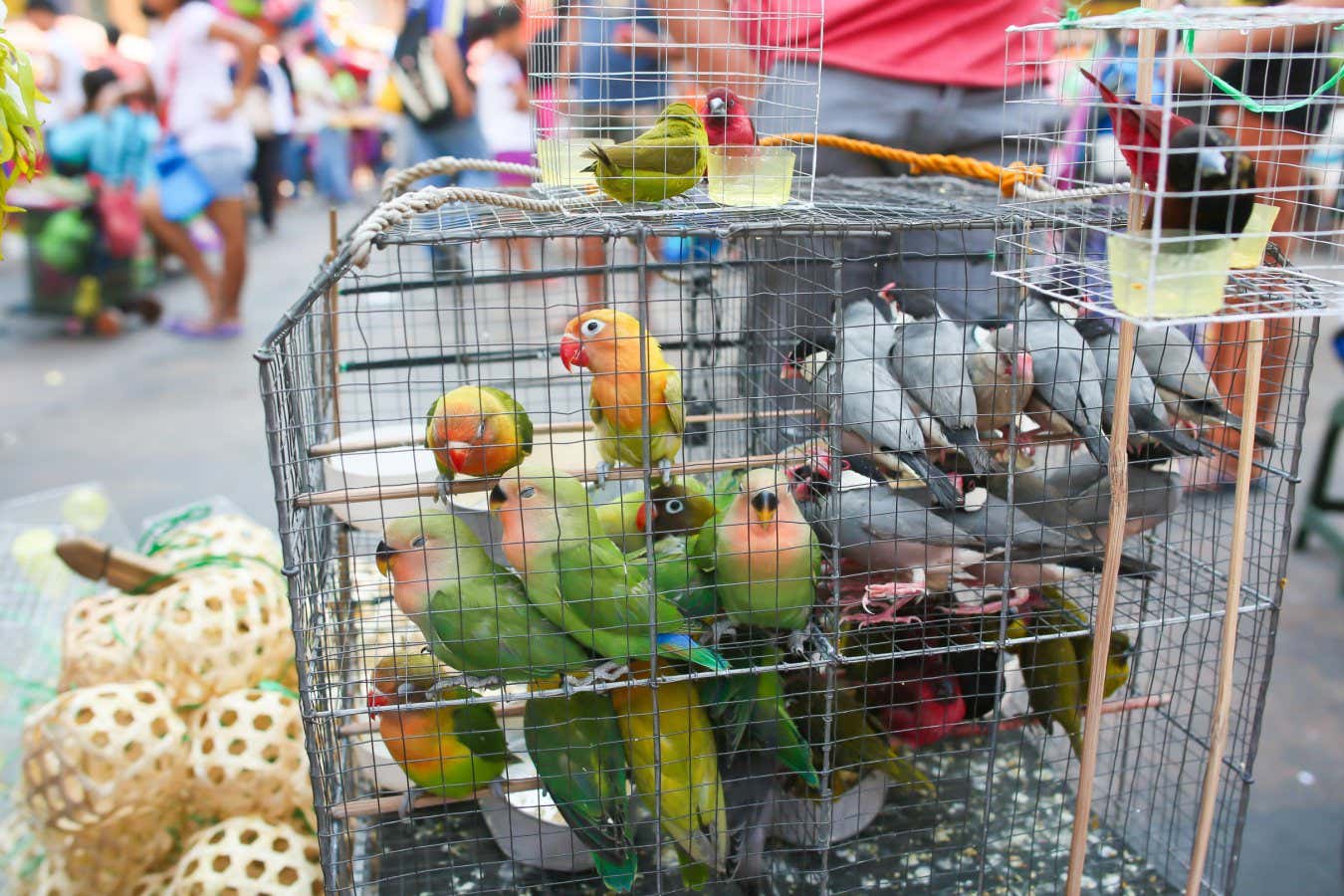
One third of all vertebrate species are exploited by humans
29 June 2023
An analysis reveals that 14,663 species of birds, mammals, fish, reptiles and amphibians are killed for food, kept as pets or used by humans in some way
29 June 2023
An analysis reveals that 14,663 species of birds, mammals, fish, reptiles and amphibians are killed for food, kept as pets or used by humans in some way
5 June 2023
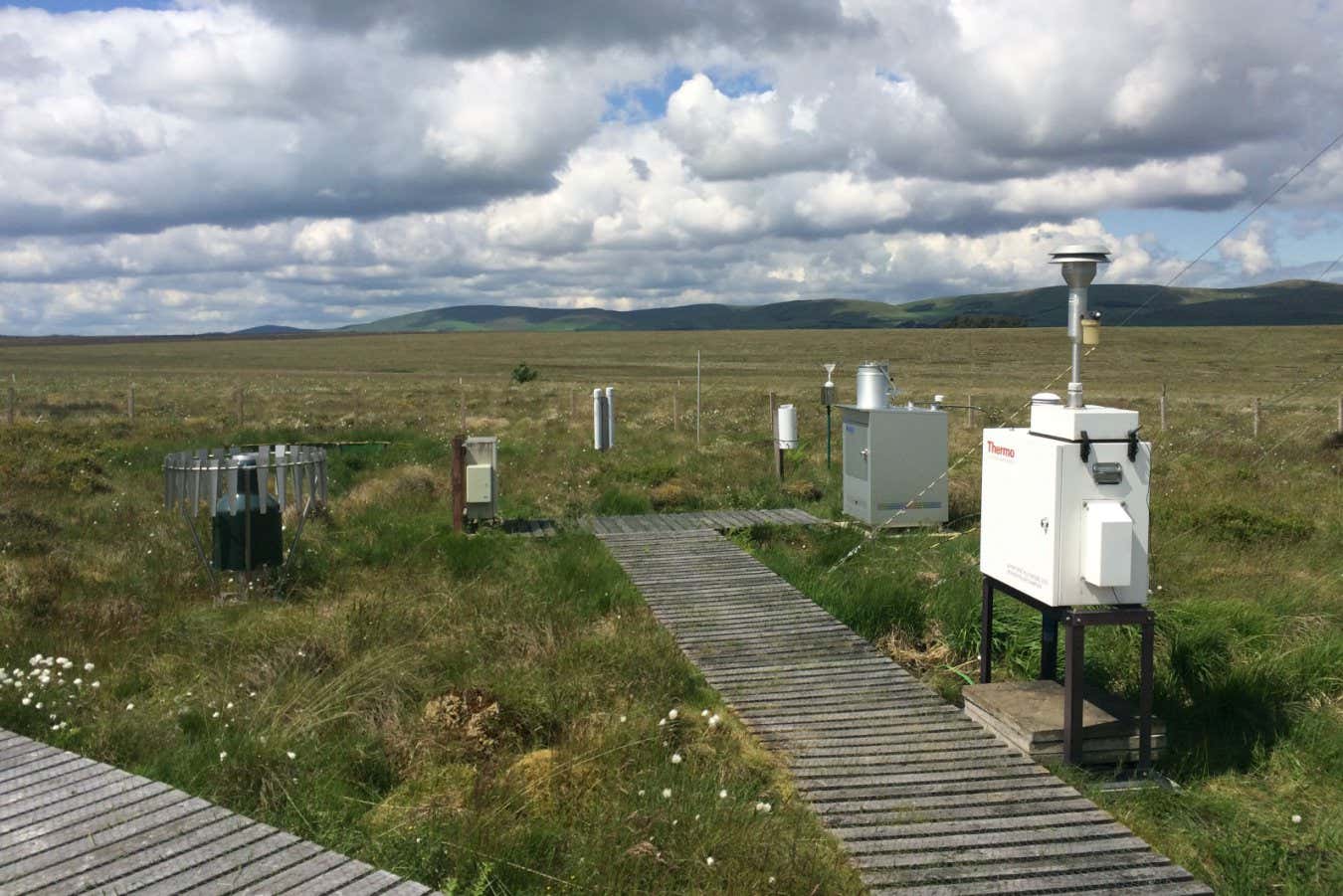
DNA from plants’ and animals’ shed cells gets caught in air filters at pollution monitoring stations, providing a valuable source of data for tracking biodiversity
1 June 2023
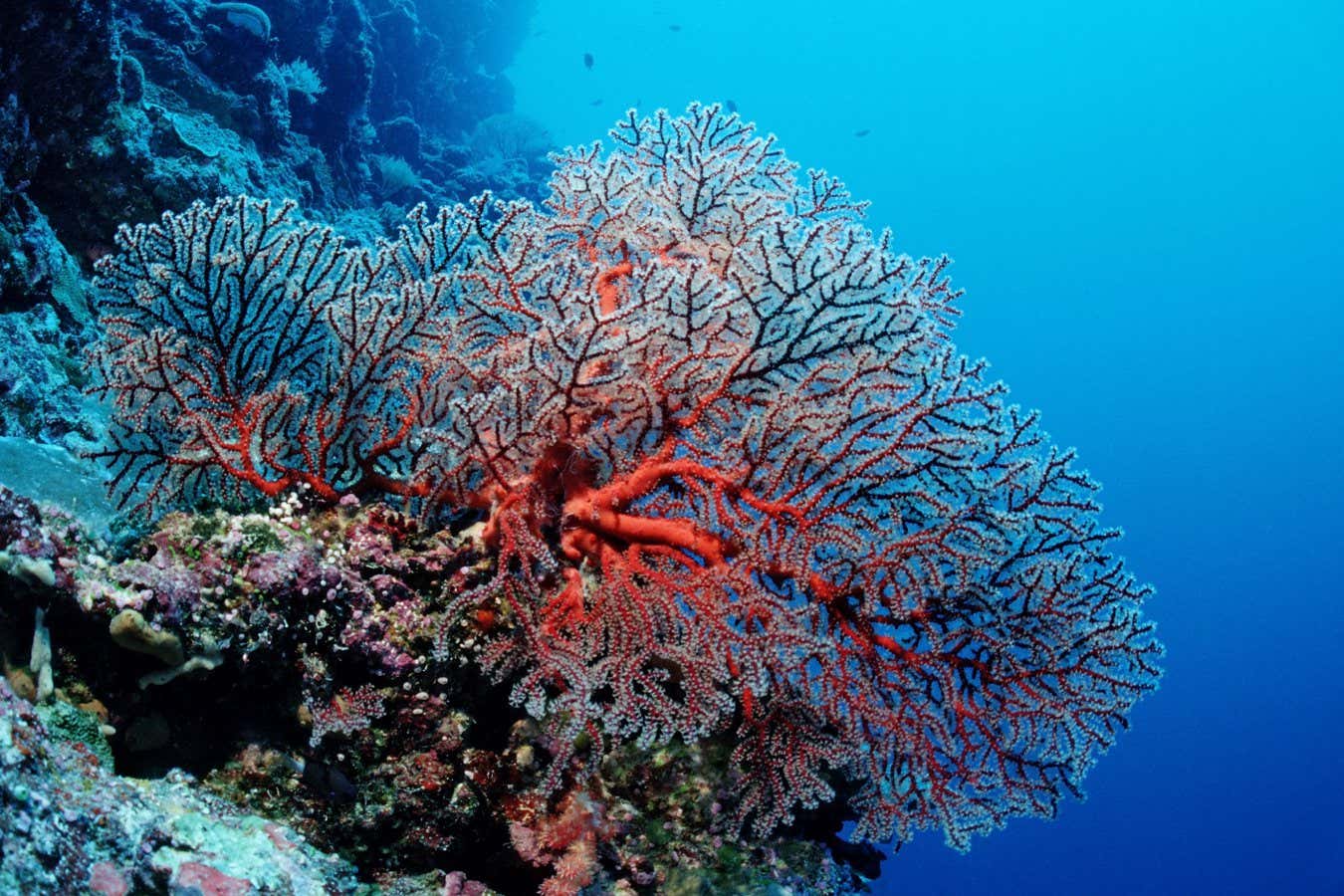
A survey of bacteria and archaea living in 99 coral reefs across the Pacific Ocean found these ecosystems may contain more microbes than current estimates for the whole planet – suggesting everywhere else on Earth does too
25 May 2023
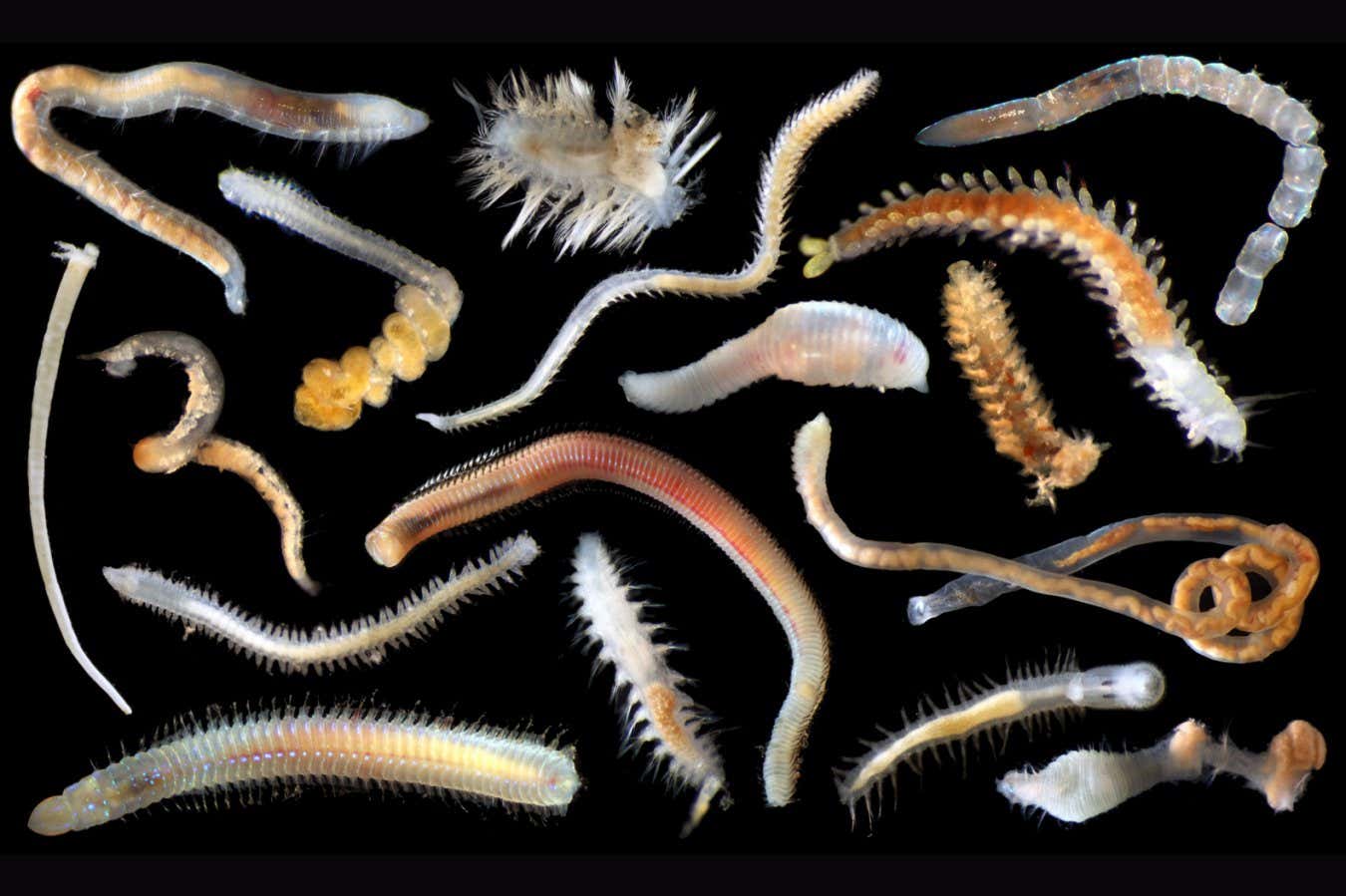
Thousands more species are probably waiting to be discovered in the Clarion-Clipperton Zone, a region of the Pacific Ocean where companies are planning to extract valuable metals
22 May 2023
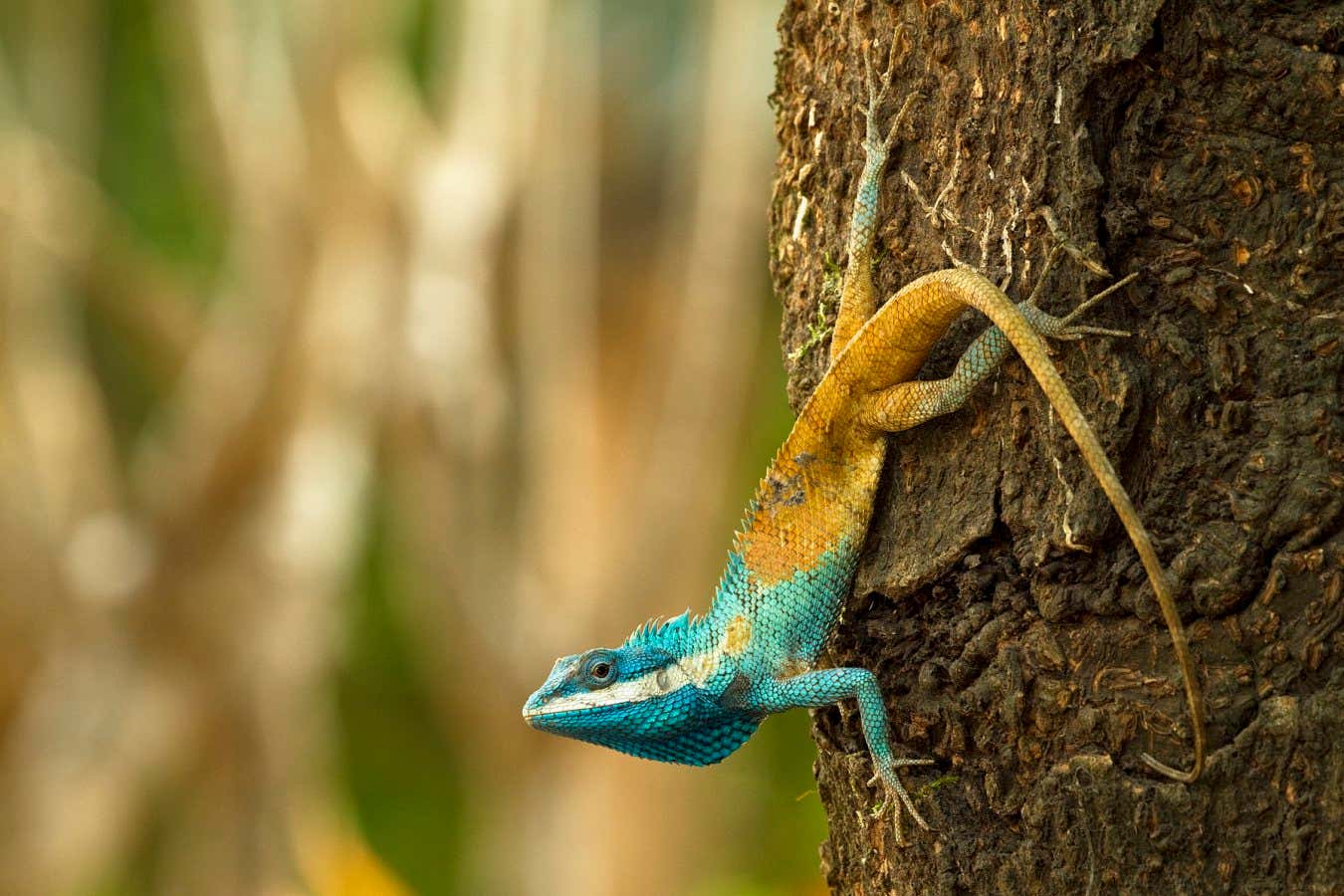
A WWF report catalogues a cornucopia of plants and animals newly identified in the Greater Mekong region in 2021 and 2022, but many of them are endangered
19 May 2023
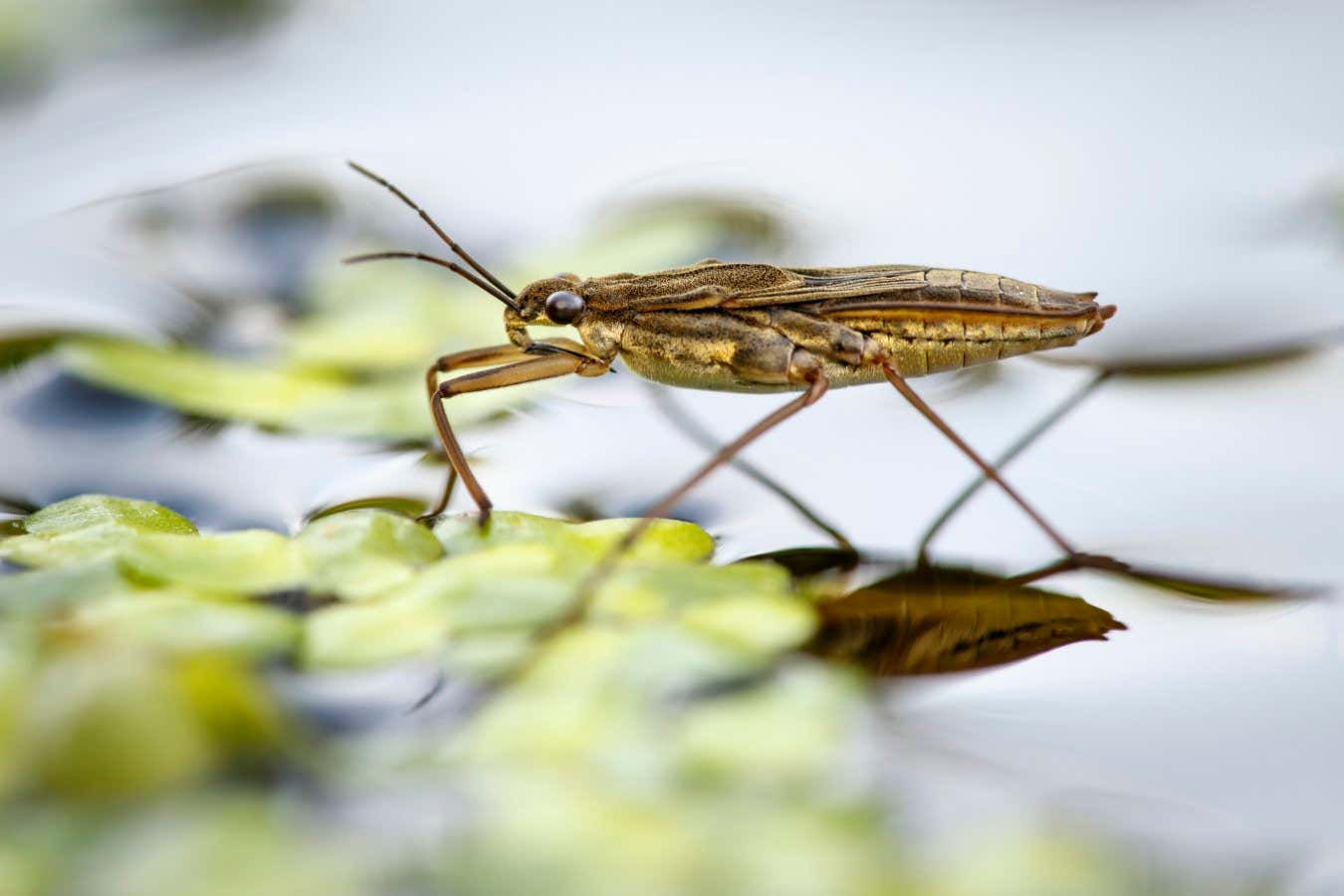
An analysis of 30 years of monitoring data shows an upward trend in the population of insects and other invertebrates in English rivers, which may be linked to lower levels of zinc and copper
23 April 2023
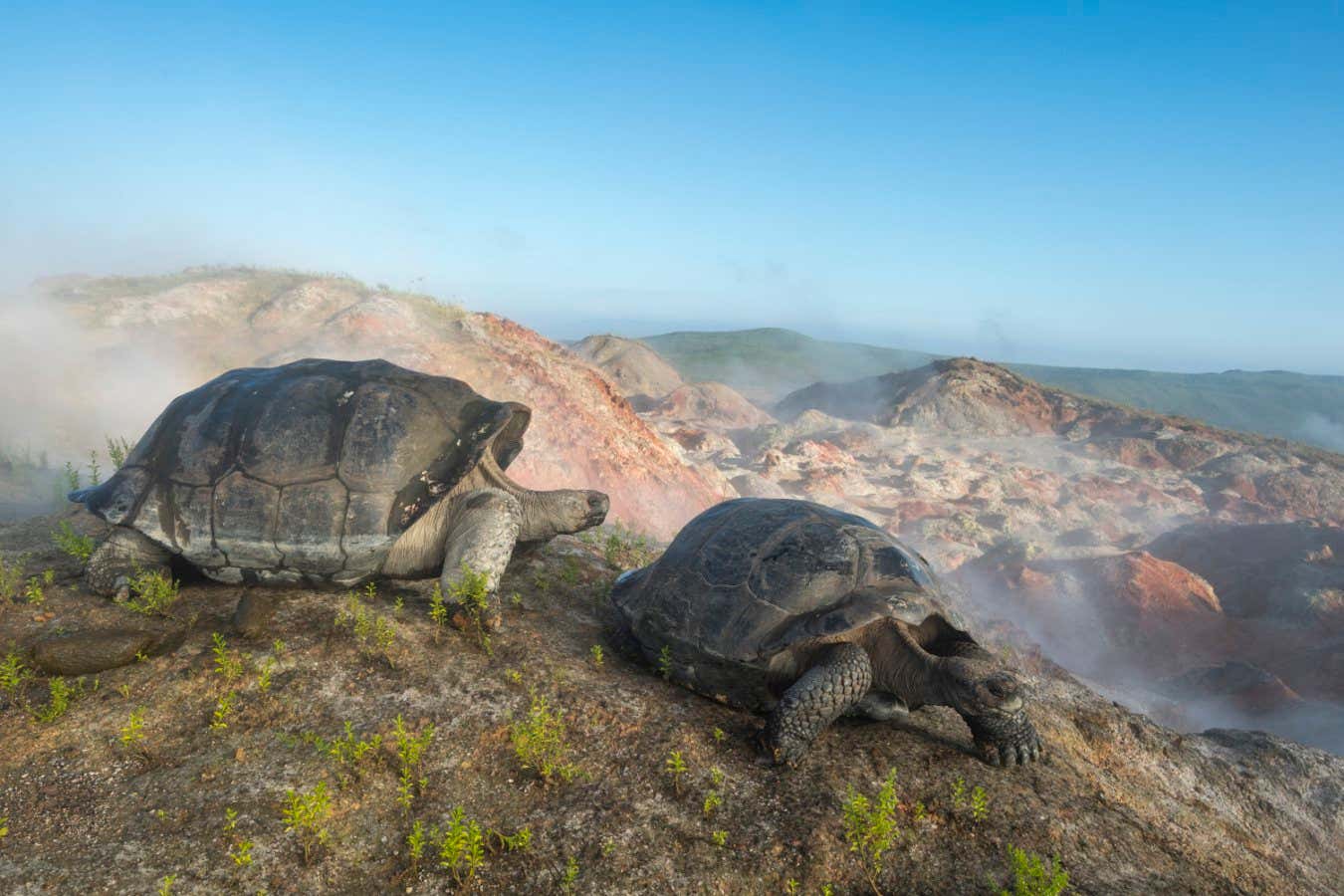
How many distinct species of Galapagos giant tortoises are there? The latest genetic study says at least five, disputing previous work, and the answer could have implications for their conservation
10 April 2023
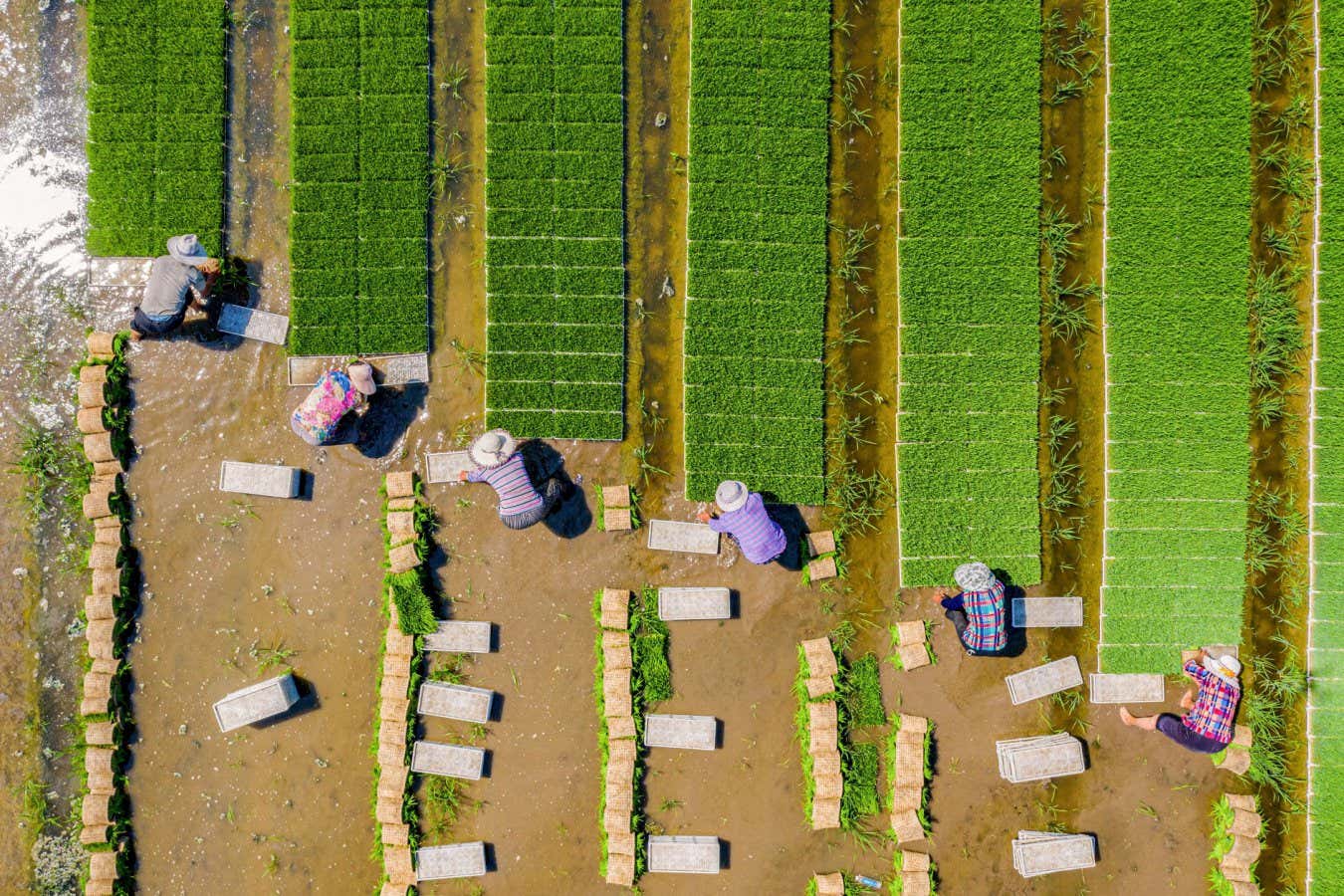
Reaching the maximum feeding capacity from current agricultural land would require a global shift to plant-based diets and vast amounts of industrial fertiliser, a study has found
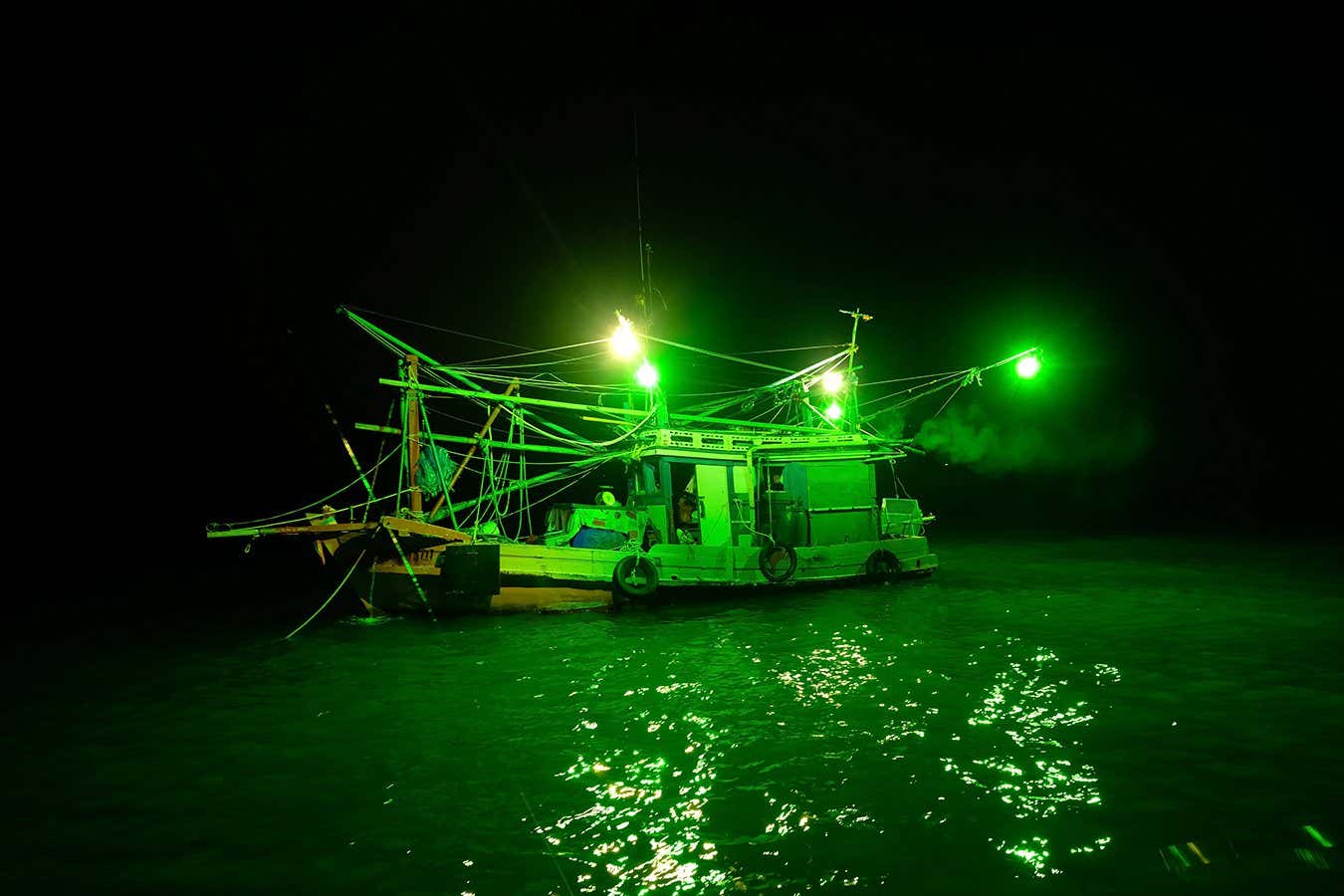
10 March 2023
To lure squid to the surface, fishing vessels often use bright lights than can be seen by satellites. This has allowed researchers to track squid fishing that occurs away from oversight
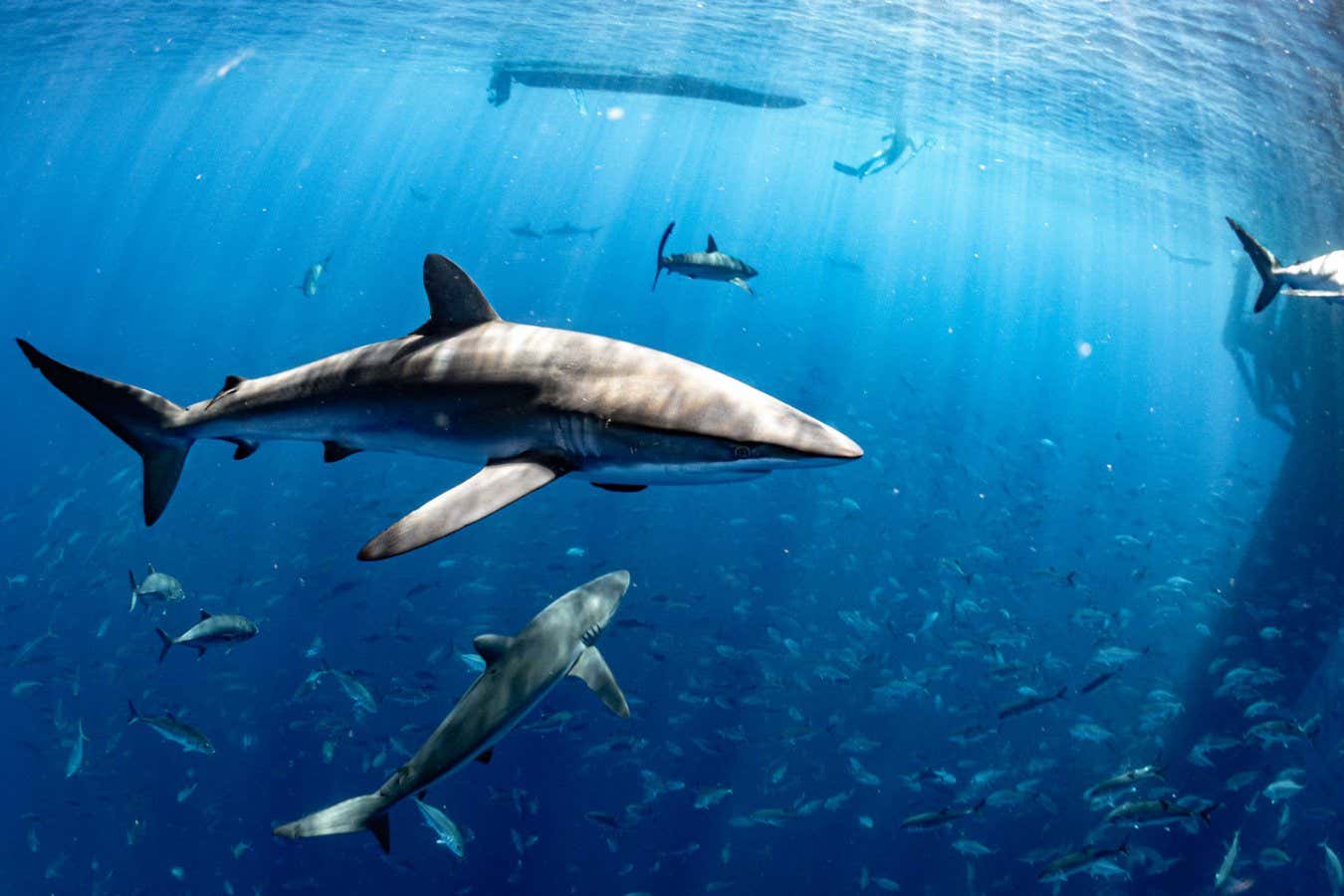
6 March 2023
Nations have for the first time agreed on a framework for protecting marine life in international waters, but there are many issues still to be ironed out
