Subscribe now
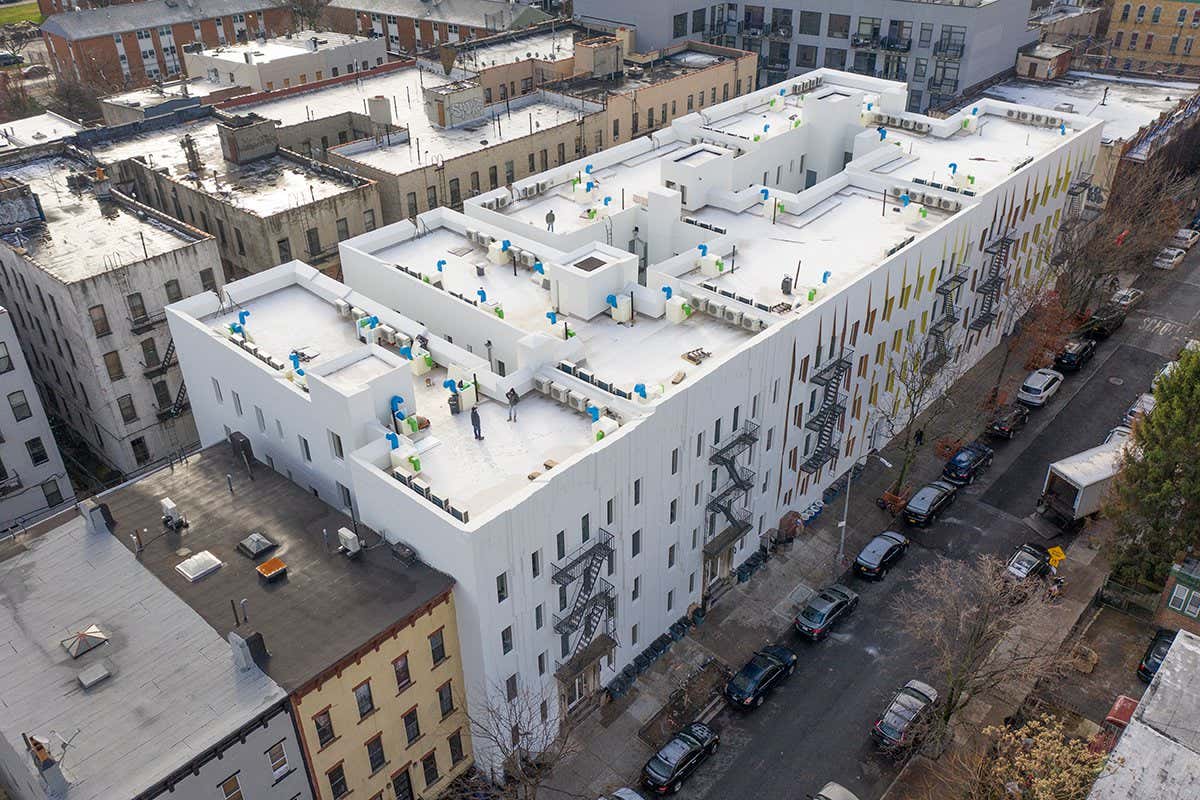
Eco-friendly exoskeleton cuts apartment building energy use by 60%

Eco-friendly exoskeleton cuts apartment building energy use by 60%

28 February 2023

Nine old apartment buildings in New York City were retrofitted from the outside to consume less energy while minimising disruption to tenants


2HJ1JYB Buildings in the near north side Chicago skyline bask in the late evening sun not long before sunset.

Smart cladding could control whether buildings retain or emit heat

3 February 2023

A new material changes its infrared colour when a small electric current is applied, raising the possibility of buildings that store or release heat depending on outside temperatures
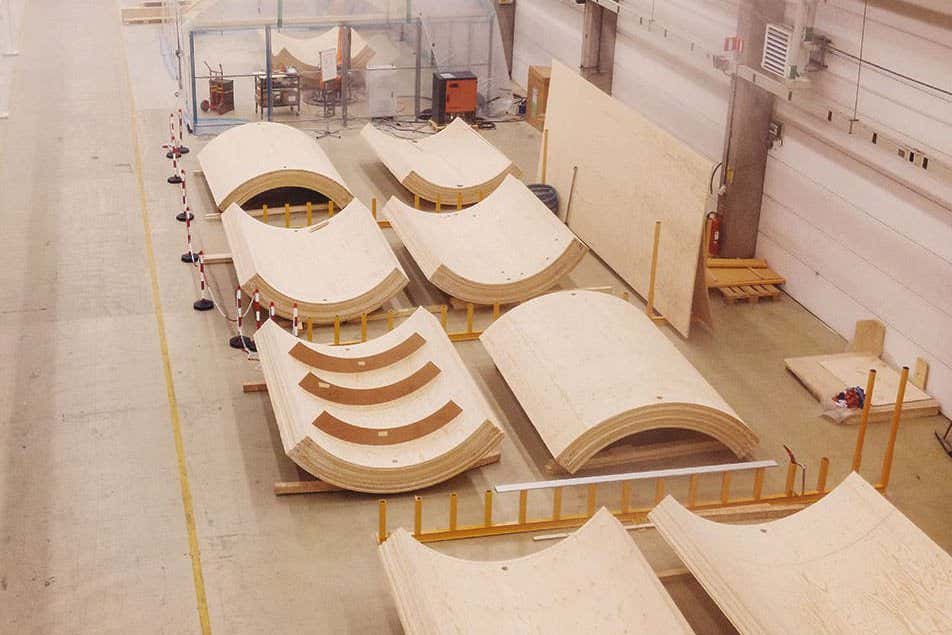

Sections of a timber wind turbine tower under construction

Should we build wind turbines from wood?

1 December 2022

Most wind turbines are made from a mix of materials, making them hard to recycle – but wood could offer a more sustainable alternative


A specialized robotic drone sprays layers of cement to create a cylindrical structure in a clean laboratory setting with white background behind a staging area for the structure's construction

Drone swarm that 3D prints cement structures could construct buildings

21 September 2022

Bit by bit, drones can print structures made of foam and cement. The technique could transform future construction sites and post-disaster reconstruction
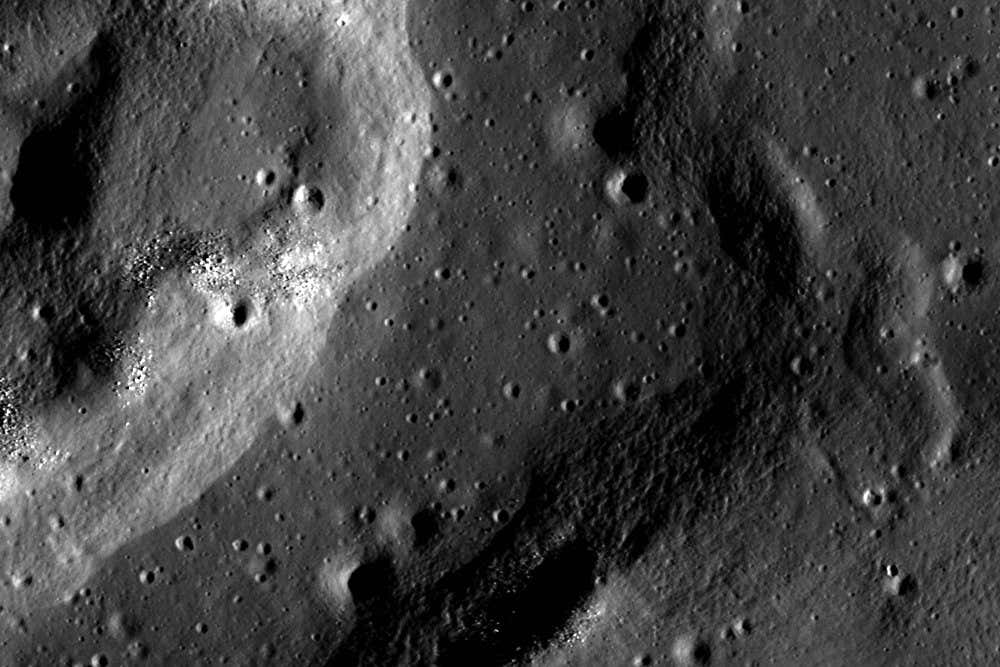

Mare Crisium is a large, dark, basaltic plain on the Moon that filled an ancient asteroid impact. Basaltic plains on the Moon were created by early volcanic eruptions. Mare Crisium was flooded with basaltic lava, a dark, runny lava commonly found on Earth. Basaltic plains on the Moon are also known as lunar maria, because of a mistaken belief by early astronomers that these dark areas were oceans ? ?maria? is the Latin word for ?seas.? We now know these spots to be plains of basalt created by early volcanic eruptions, but the nomenclature of ?maria? (plural) or ?mare? (singular) remains. The basalts in Mare Crisium range in age from 2.5 to 3.3 billion years old! These dates come from measuring the radioactive isotope signatures of samples returned from Mare Crisium by the Soviet Luna 24 mission. Along the rim of Mare Crisium lies an outer boundary of wrinkle ridges. Wrinkle ridges are commonly found in places where the surface has contracted. As the surface is compressed, it bends and fractures, and can form complicated patterns of faults and folds.

Bricks made of dust from the moon and Mars could make space buildings

25 May 2022

Baking a mixture of saltwater and materials that mimic dust from the moon or Mars at a high temperature produced sturdy bricks that could be used to build human habitats in space
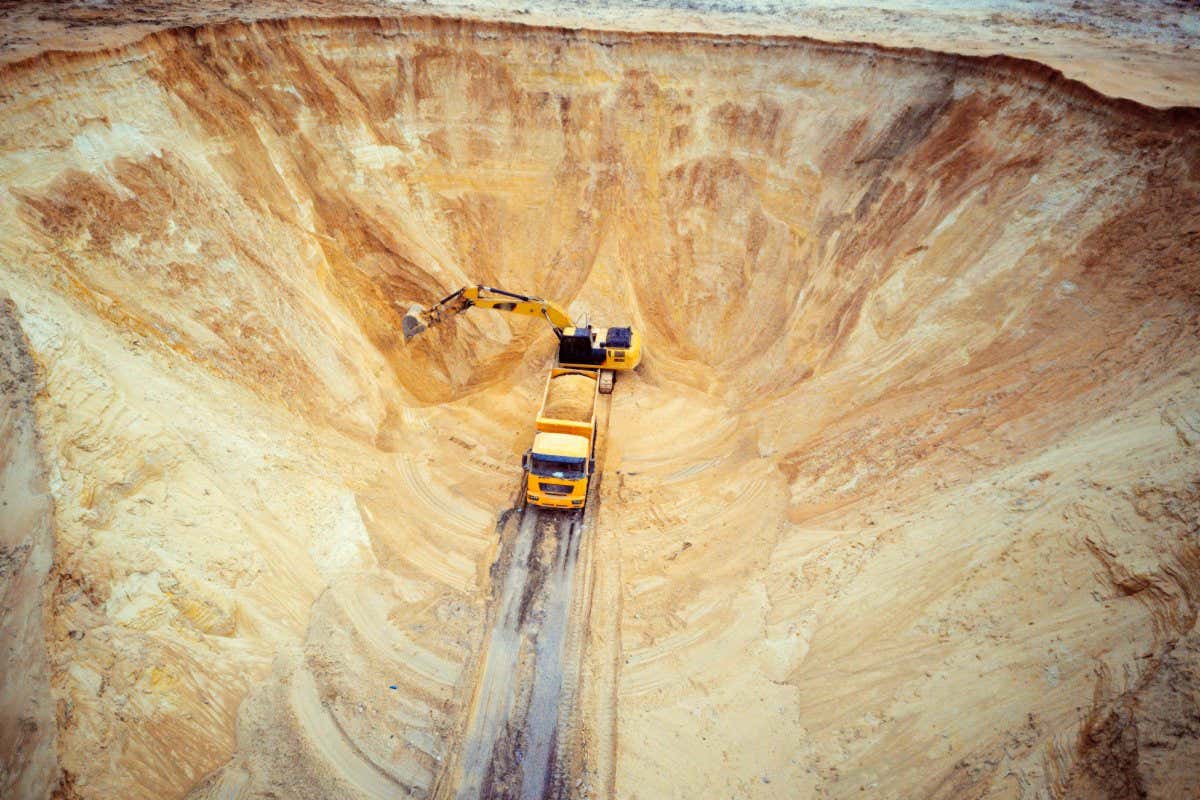

Excavator and dumper truck. Aerial view of loading sand into a truck. A heavy machinery - excavator and truck are working in the sand quarry.

We are running out of sand and global demand could soar 45% by 2060

24 March 2022

Demand for sand, a key building material, could skyrocket in the next 40 years, led by development in Africa and Asia – but not if we reuse concrete and design more lightweight buildings
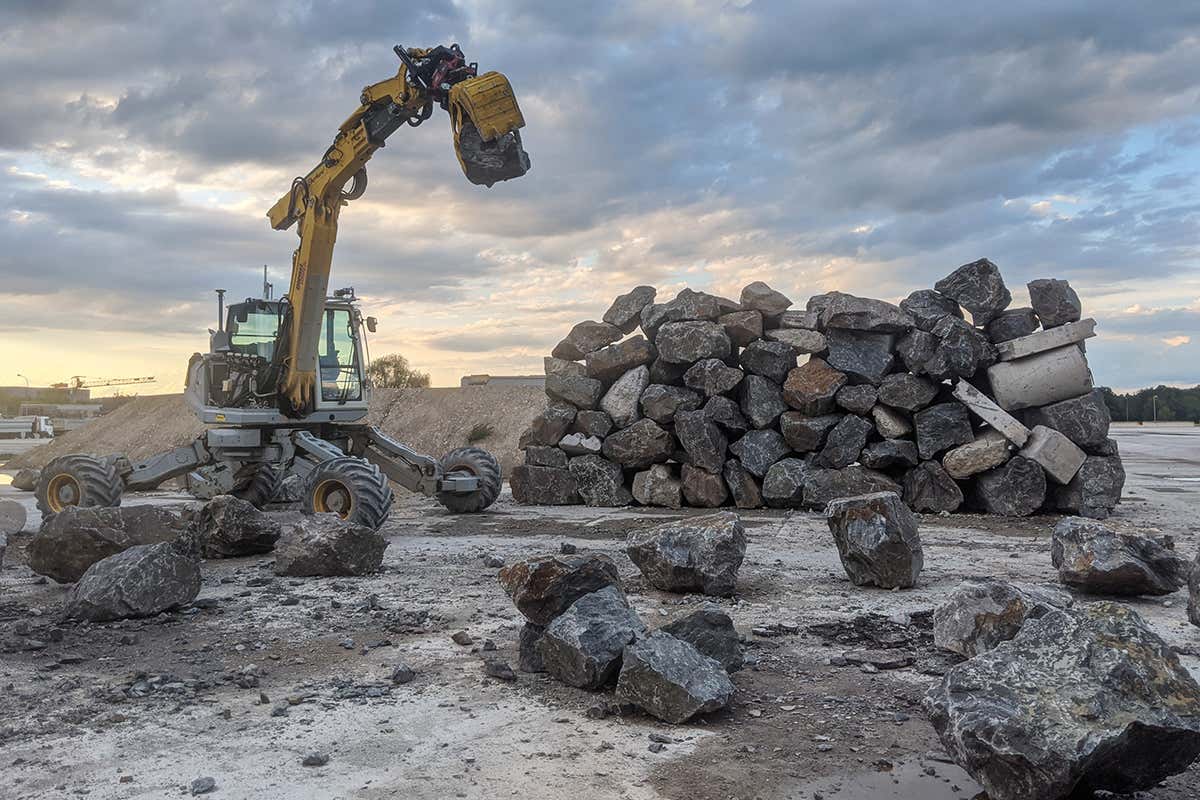

Autonomous walking excavator can build walls and dig trenches

Autonomous walking excavator can build walls and dig trenches

18 June 2021

A construction vehicle designed to operate on difficult terrain and "walk" up steep slopes can operate on its own, building walls, moving heavy stones and trees, and even digging trenches where safety hazards make it difficult to allow human operators


Sign up to our weekly newsletter

Receive a weekly dose of discovery in your inbox. We'll also keep you up to date with New Scientist events and special offers.

Sign up
Piano Exit Overlay Banner Mobile Piano Exit Overlay Banner Desktop