
Stress makes us age faster but the effects can be reversed
21 April 2023
Your biological age - a measure based on markers on your DNA, rather than your number of birthdays - can rise and fall in relation to stressful events
21 April 2023
Your biological age - a measure based on markers on your DNA, rather than your number of birthdays - can rise and fall in relation to stressful events
13 June 2022
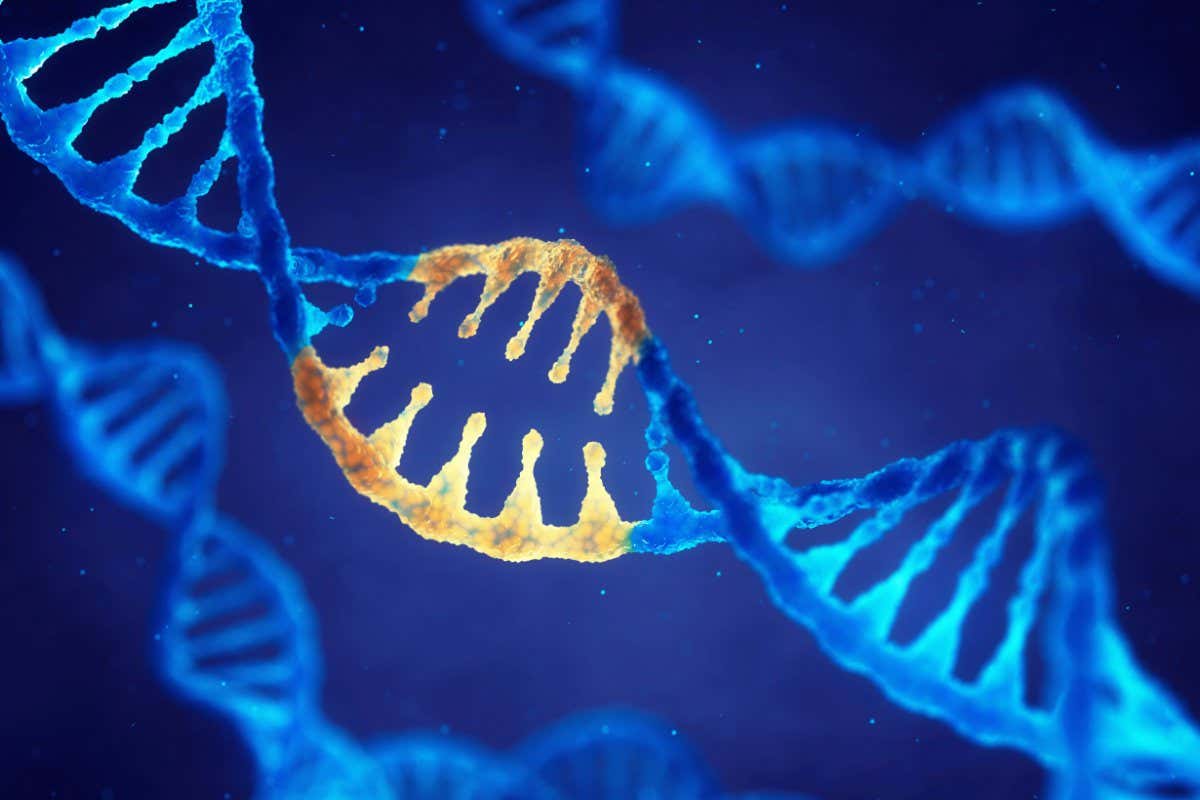
Tests in mice show that it is possible to switch off a gene in liver cells for at least 220 days, which should lower cholesterol and cut the risk of heart disease
7 March 2022
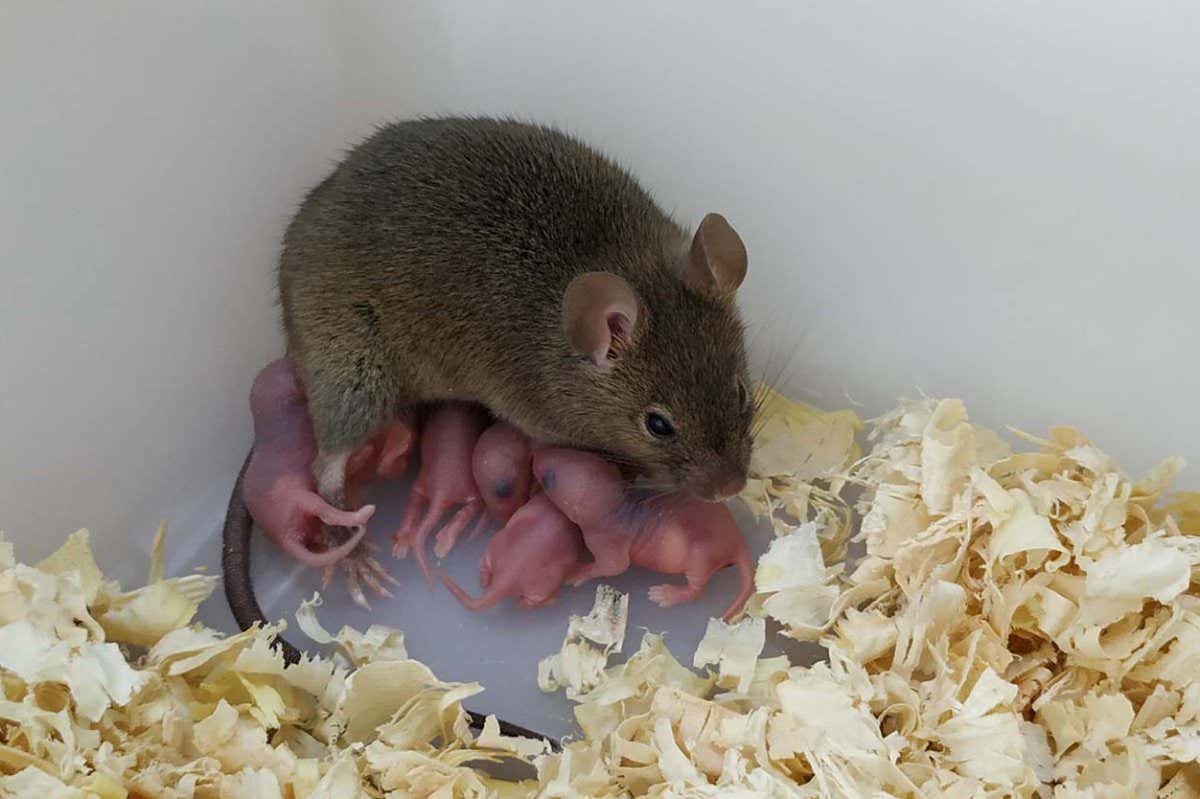
Parthenogenesis, the development of offspring from unfertilised eggs, was thought to be impossible in mammals, but researchers have used genetic trickery to make it happen
25 August 2021
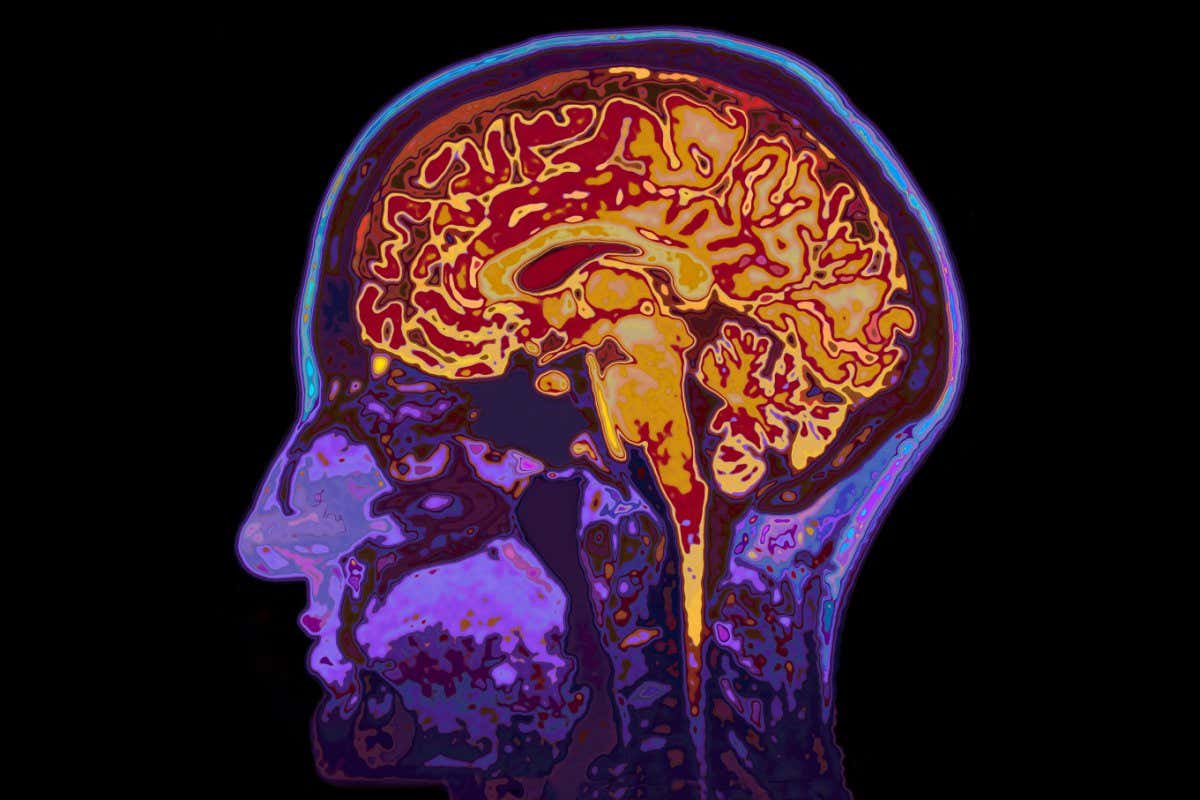
A new form of magnetic resonance imaging can detect chemical labels added to DNA to control gene activity. It requires a special diet and has only been tested on piglets so far, but should work in people, too
6 May 2021
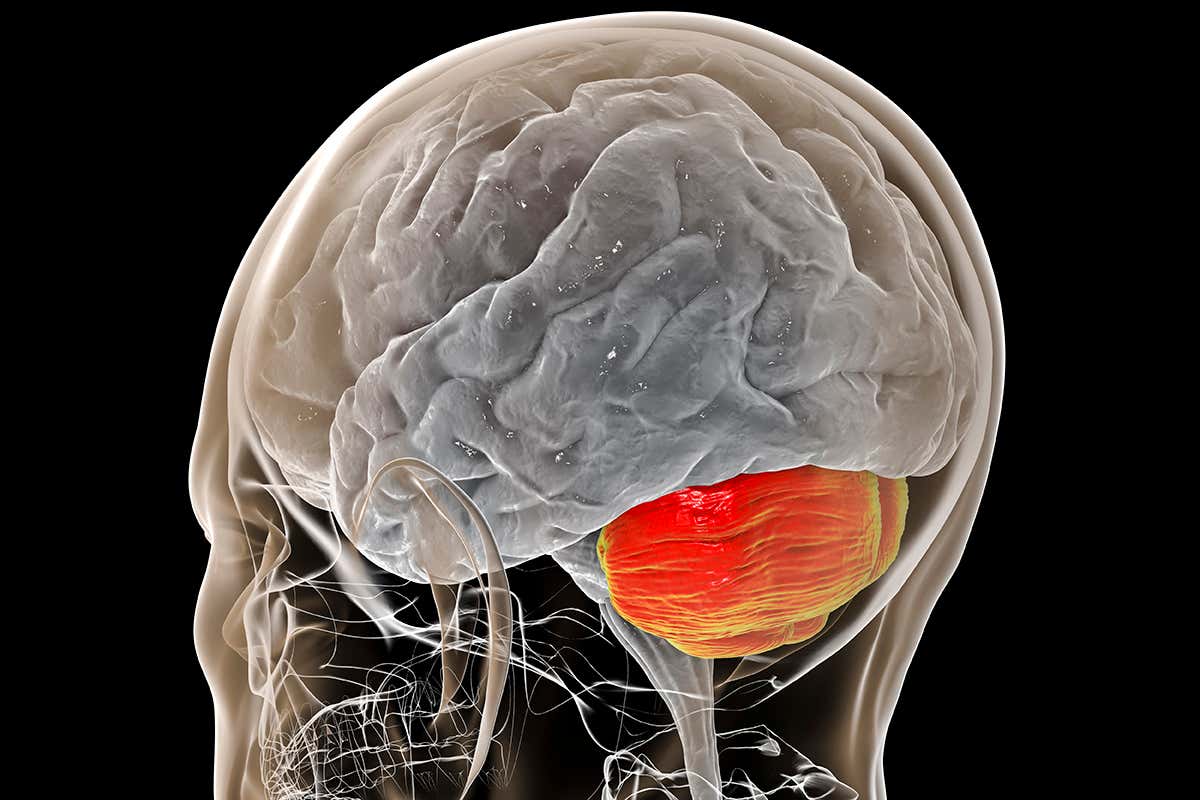
The cerebellum at the back of our brains wasn't thought to have played an important role in human evolution, but a study of its epigenetics suggests otherwise

28 April 2020
Coffee has been linked to changes on our DNA that affect how active certain genes are. The finding may help explain some of coffee's touted health benefits

23 September 2019
People with excessive sexual fantasies and urges have different gene expressions that seem to affect how the “love hormone” oxytocin is regulated
29 January 2019
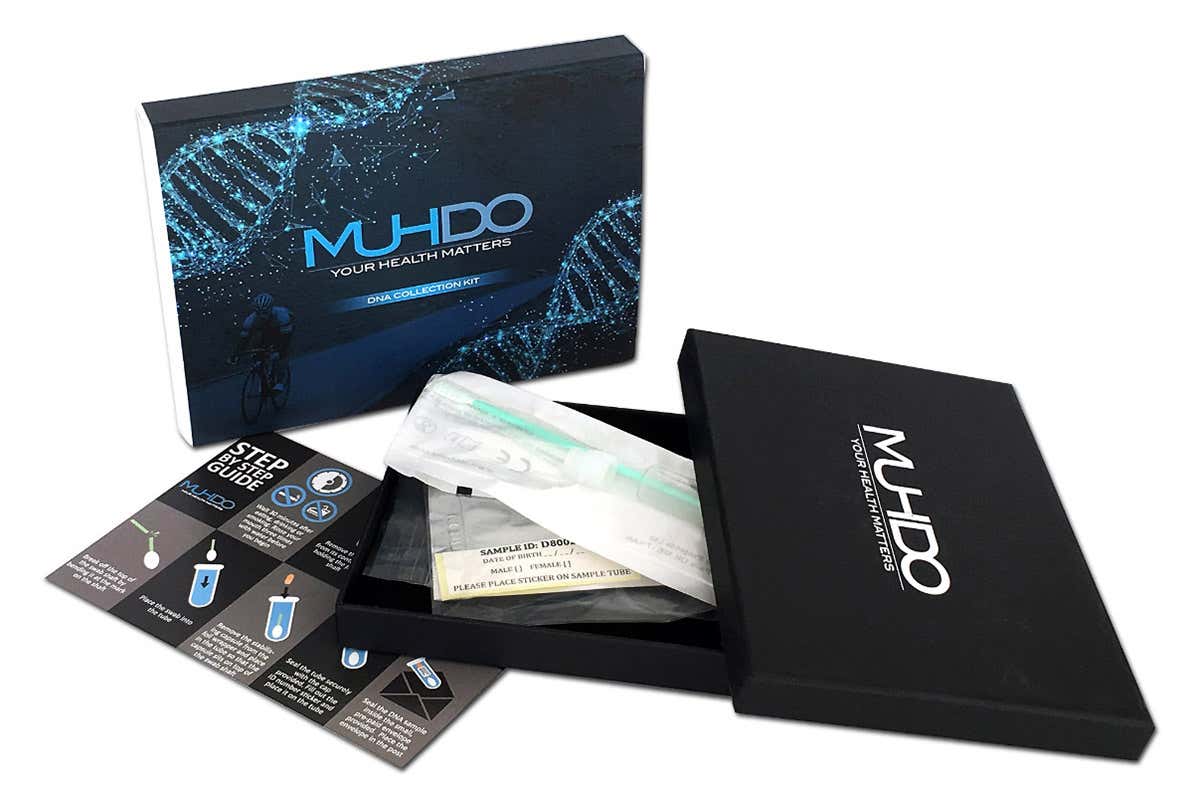
You can now sign up to have your epigenome – the markers which control your genome – sequenced, but critics say the health benefits are not yet clear
16 October 2018
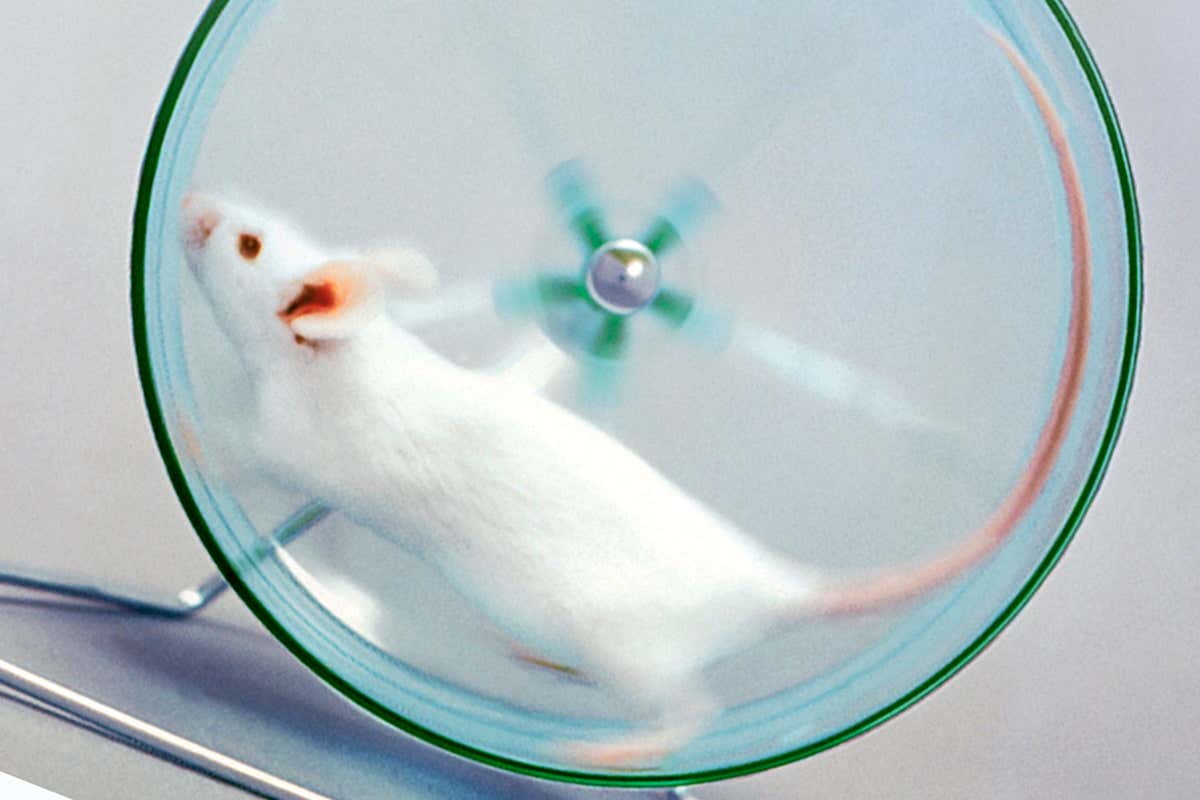
Mice are more active and have attention problems if their fathers had nicotine in their diet, perhaps because the chemical triggers epigenetic changes in sperm
12 October 2018
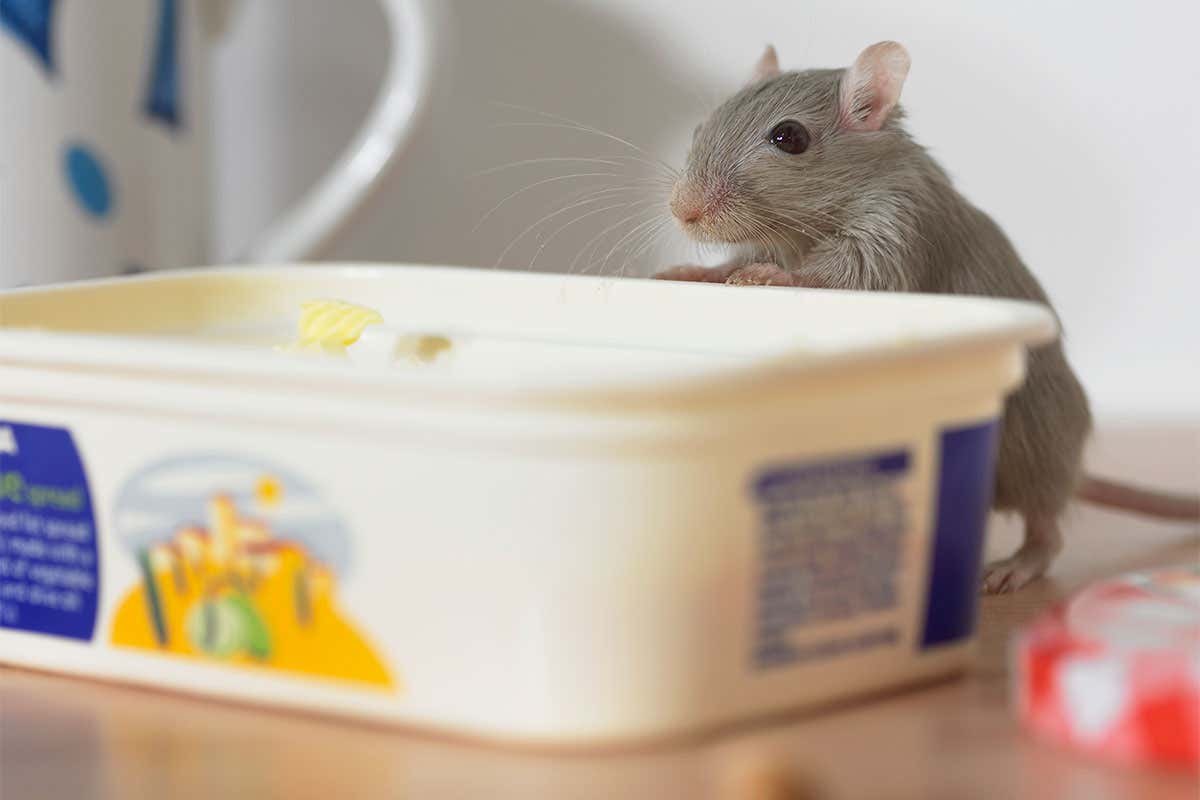
When mice are given a high-fat diet their great grandchildren are more likely to put on weight – and they show a greater than expected taste for alcohol
