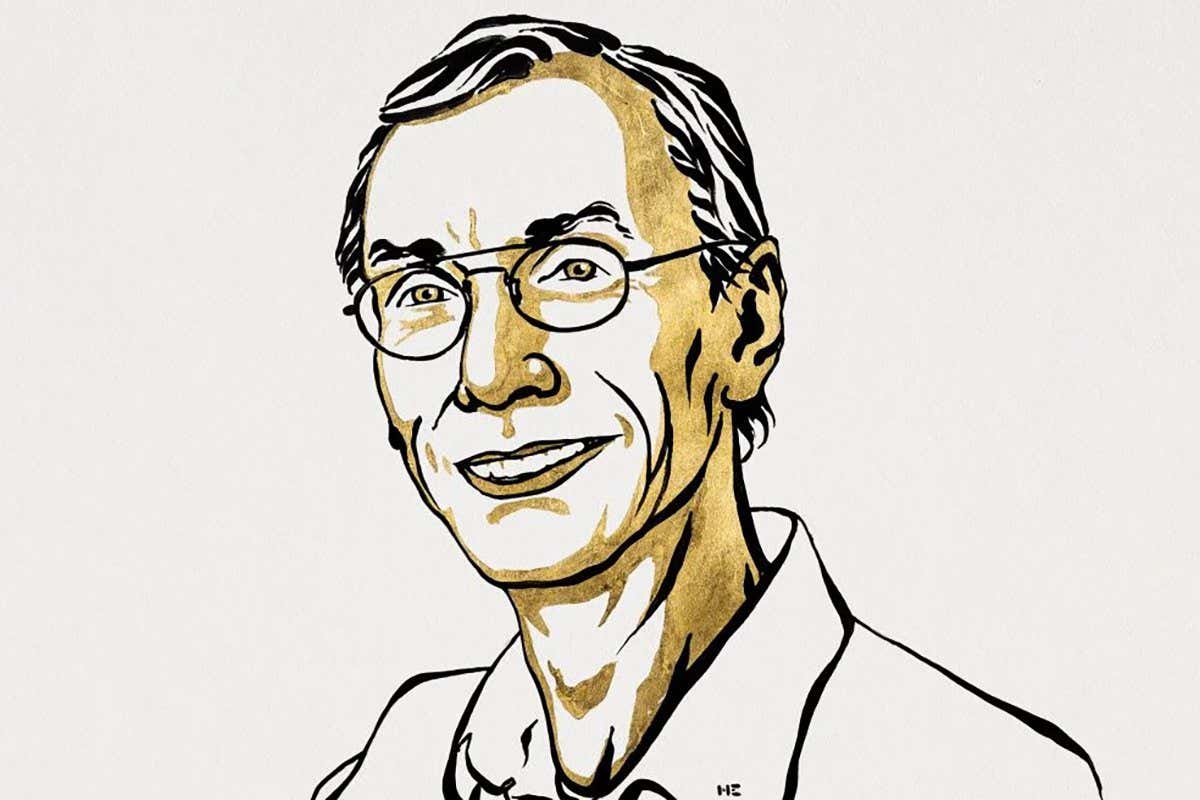
Nobel prize awarded for study of human evolution using ancient DNA
3 October 2022
Geneticist Svante Pääbo has been awarded a Nobel prize for his work on evolutionary genetics
3 October 2022
Geneticist Svante Pääbo has been awarded a Nobel prize for his work on evolutionary genetics
9 September 2019
The number of mildly harmful mutations in the European population has increased over the last 45,000 years, a lingering effect of early migration into Europe
16 April 2019
Older dads may change the chromosomes in their sperm so that their children will be able to live longer lives – a phenomenon similar to Lamarckian evolution
18 December 2018
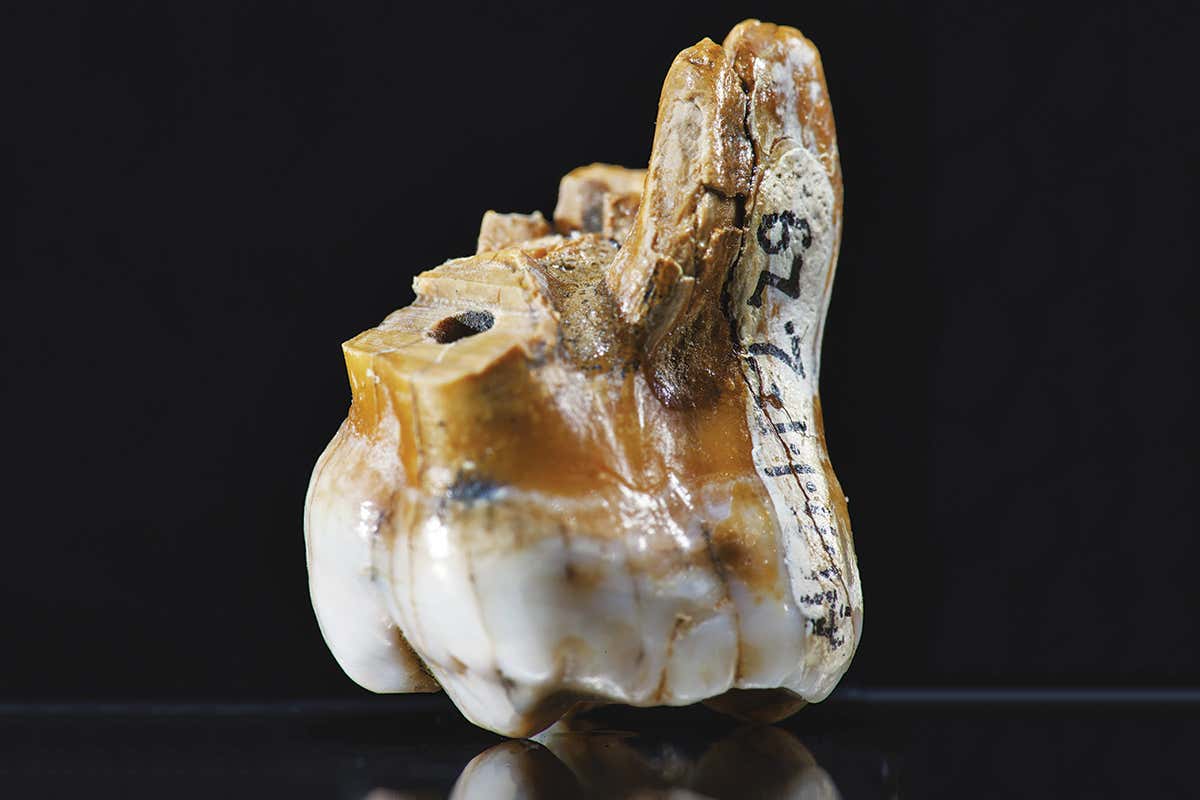
We will start to learn what a host of ancient animal and early human remains really are, thanks to new techniques for analysing tiny fragments of fossil remains

14 November 2018
Two new studies reveal recent evolutionary changes in Europe and East Asia, suggesting that modern living can change our immune systems and metabolism
28 September 2018
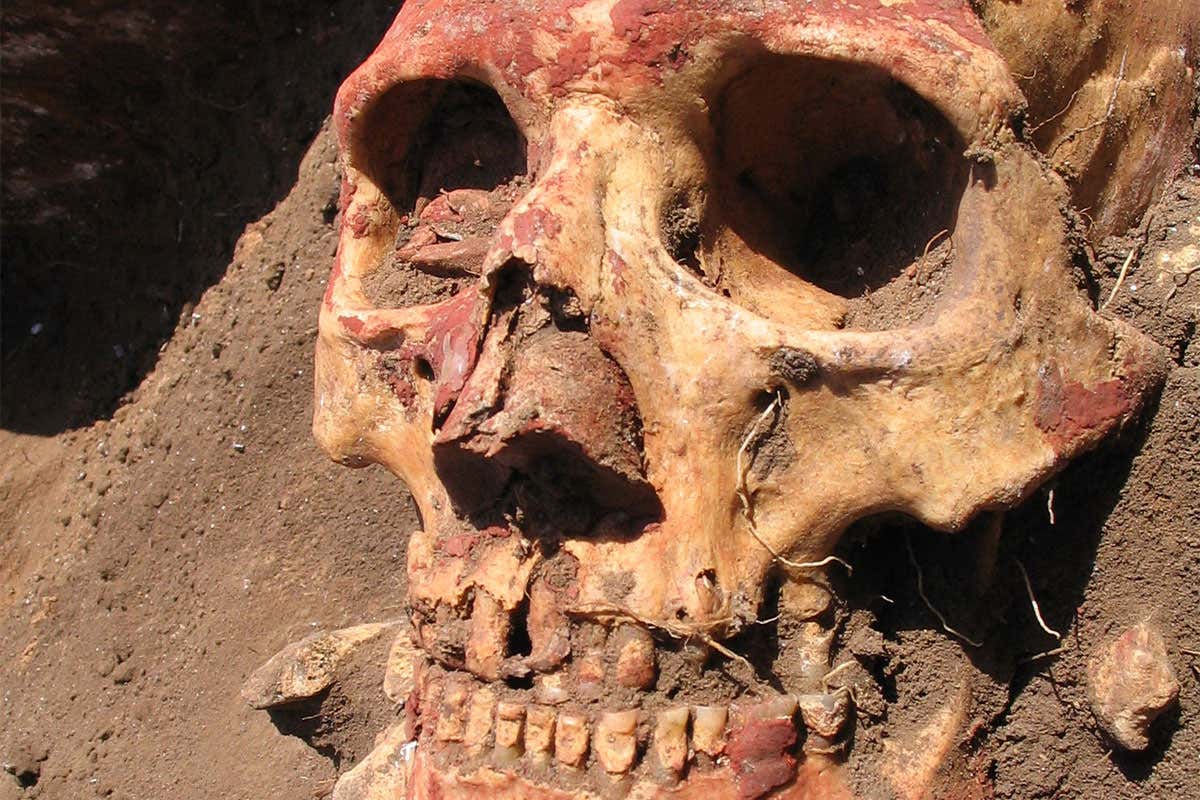
When a new group of people arrived on the Iberian peninsula 4500 years ago, local males stopped passing on their genes – suggesting they were supplanted or killed
24 May 2018
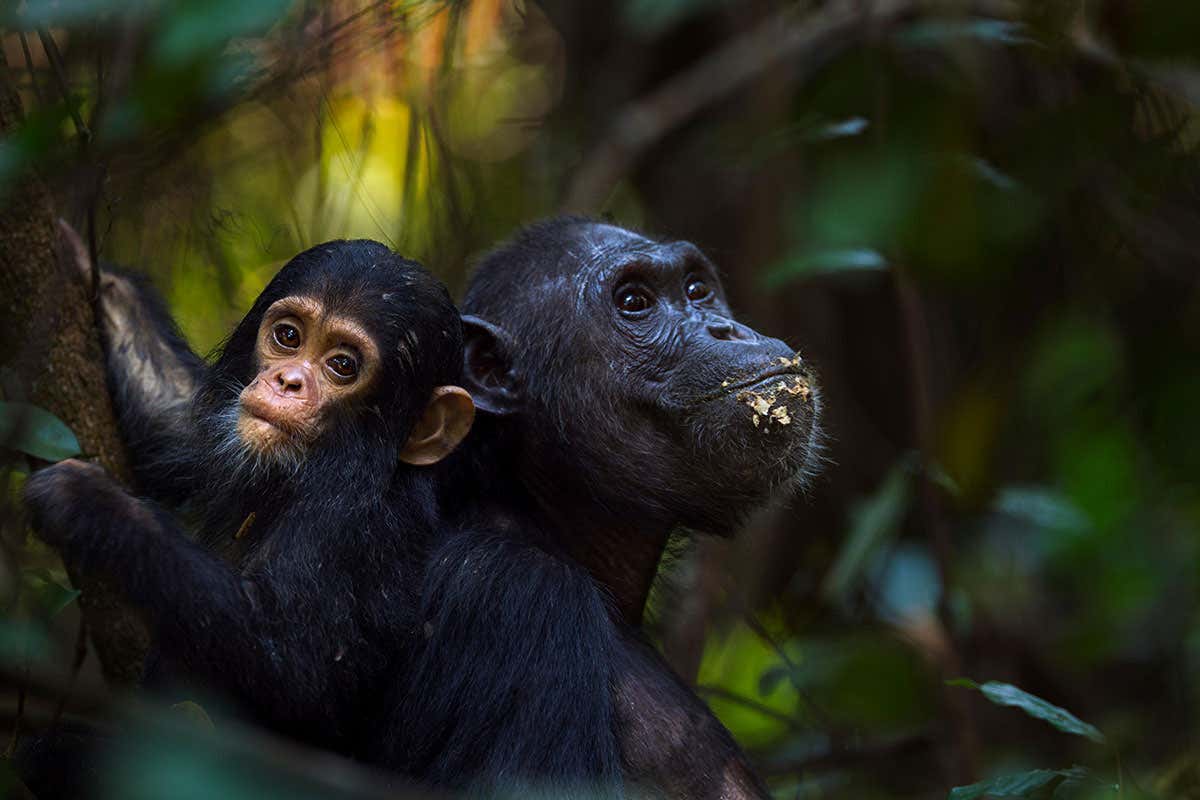
Some chimpanzee populations gained useful DNA from interbreeding with bonobos, and one may even have become more gentle and “bonobo-like” in its brain structure and behaviour
4 July 2017
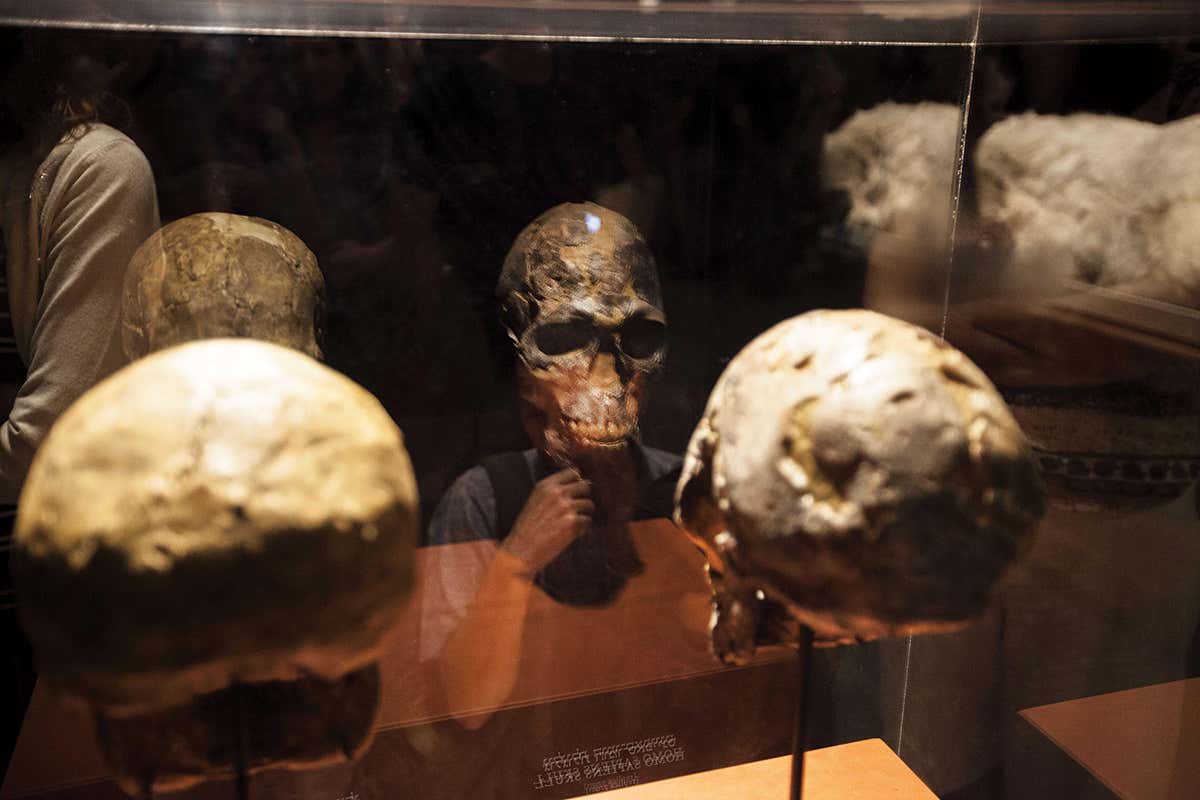
Analysis of DNA from a fossilised Neanderthal bone suggests modern human ancestors entered Europe and interbred with locals more than 219,000 years ago
