Subscribe now
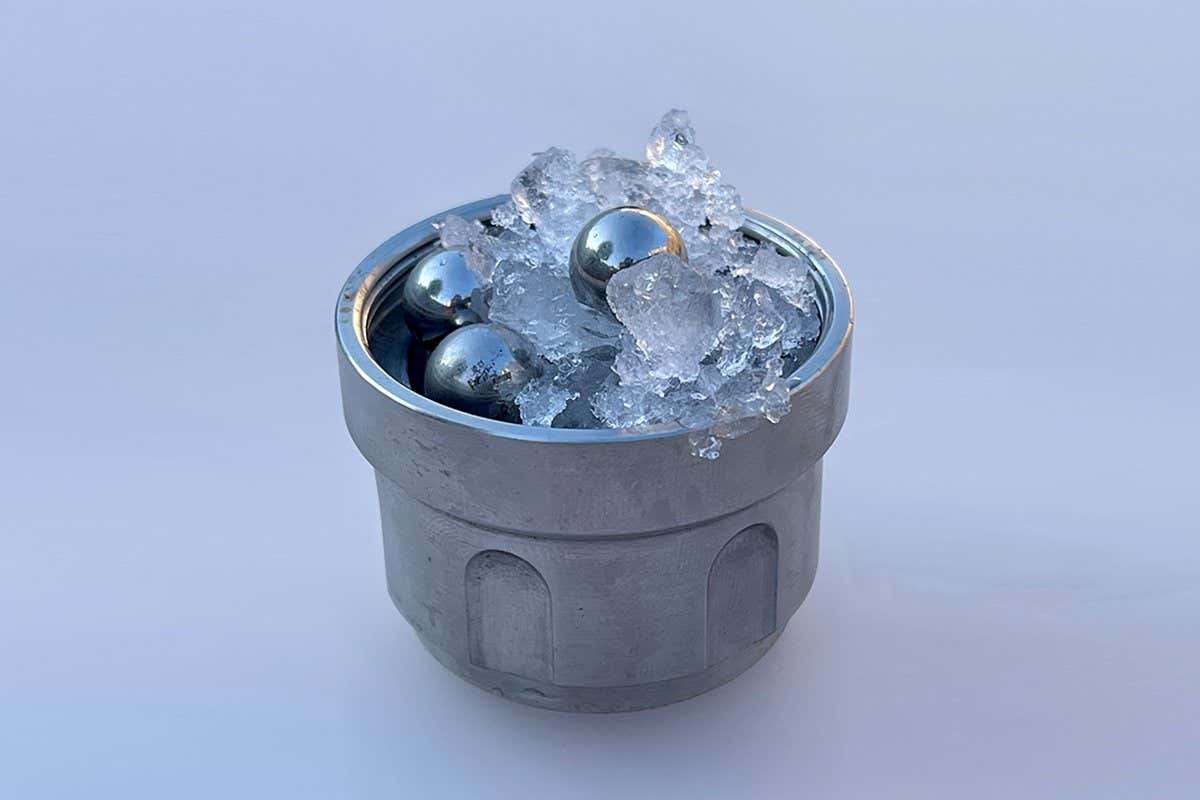
Part of the setup for creating medium density amorphous ice

Entirely new type of ice made using extremely cold steel balls

2 February 2023

A new type of ice called medium-density amorphous ice has the same density as liquid water, so studying it could help us understand water’s strange behaviour at low temperatures
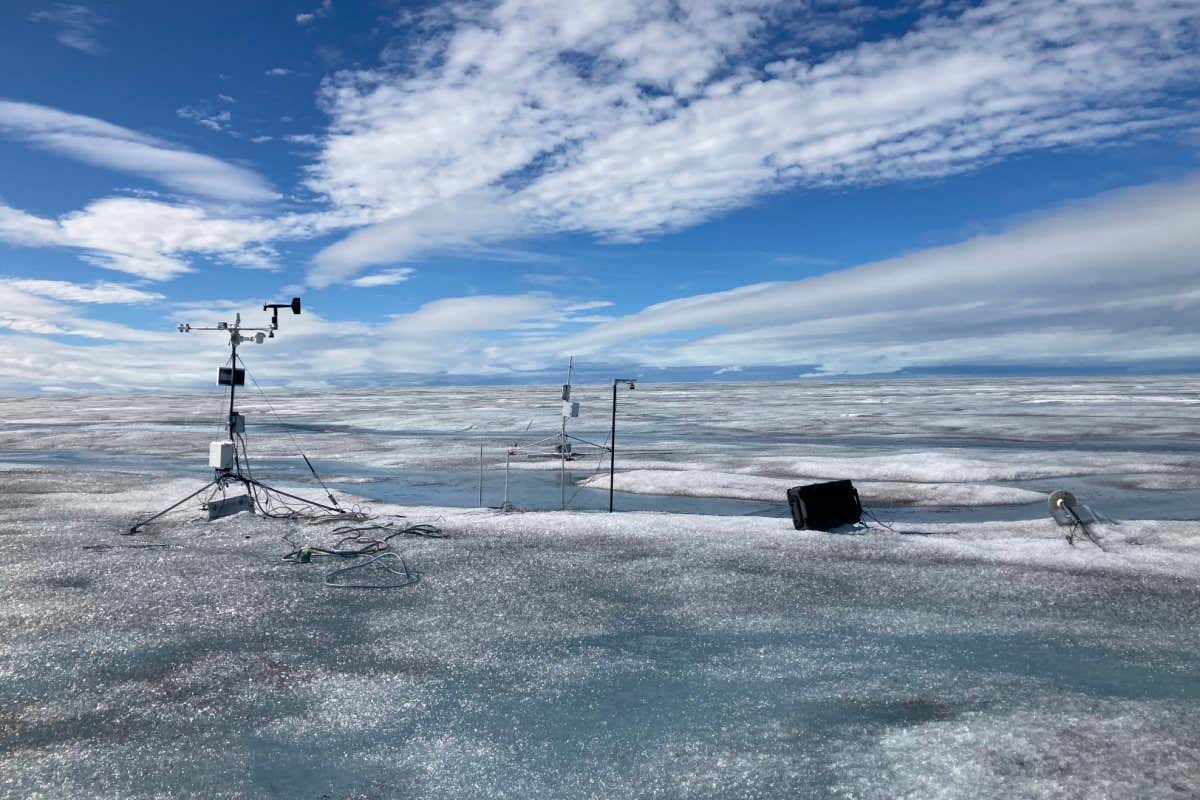
For the first time ever recorded, in the late summer of 2021, rain fell on the high central region of the Greenland ice sheet. This extraordinary event was followed by the surface snow and ice rapidly melting. Researchers discovered that it wasn?t the rain that caused the melt, it was unusually warm ?atmospheric rivers? that swept along Greenland, bringing potent melt conditions when the melt season would normally be drawing to a close. Thanks to detailed measurements from the network of automatic weather stations on the ice set up by the Department of Glaciology and Climate at the Geological Survey of Denmark and Greenland coupled with measurements from the Copernicus Sentinel-3 satellites in space helped researchers understand the exact processes and dynamics of how the ice melts.

Feedback loop in Greenland amplified ice melt from warm weather

17 June 2022

Last August, rain fell for the first time at the peak of Greenland’s ice sheet, but this had little impact on ice melt compared with other effects


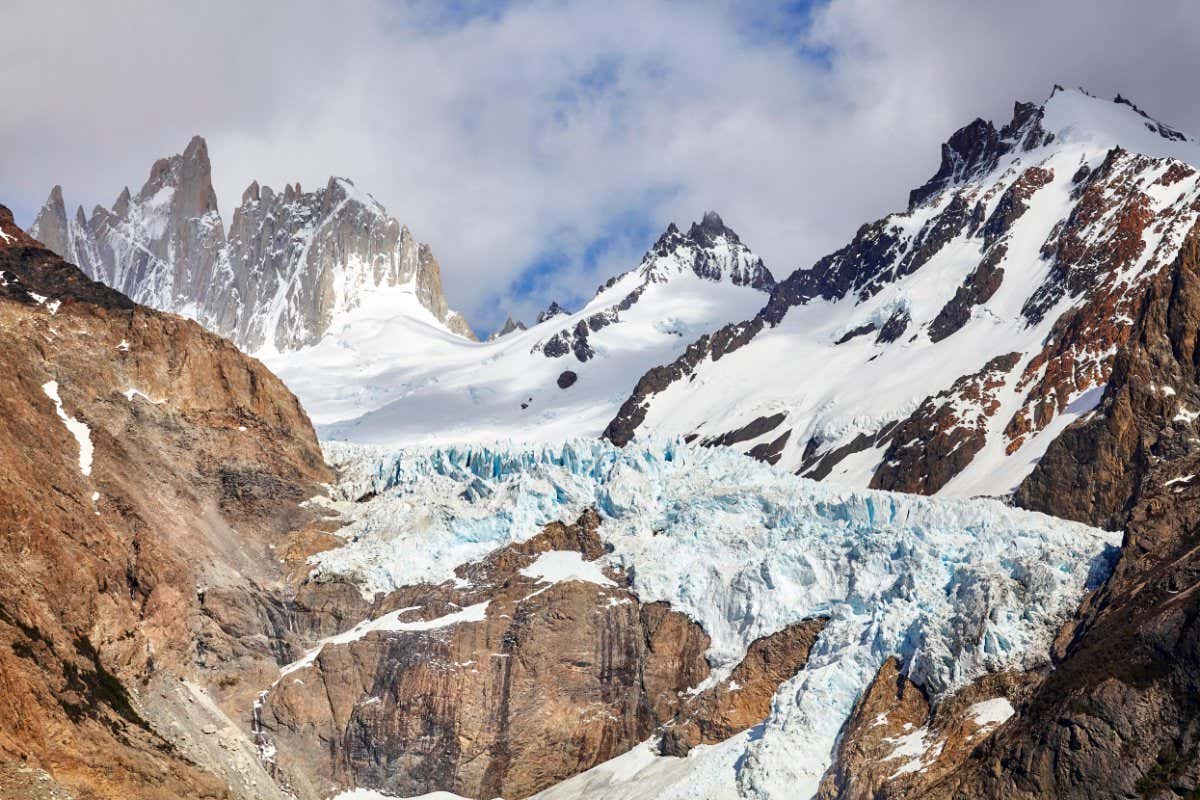
Glacier in the Fitz Roy Mountain Range, Los Glaciares National Park, Argentina.

Thin glaciers suggest Andes faces 'peak water' sooner than thought

7 February 2022

A new global analysis suggests glaciers in the Andes contain less ice than we thought – but the glaciers of the Himalayas are thicker


flexible ice

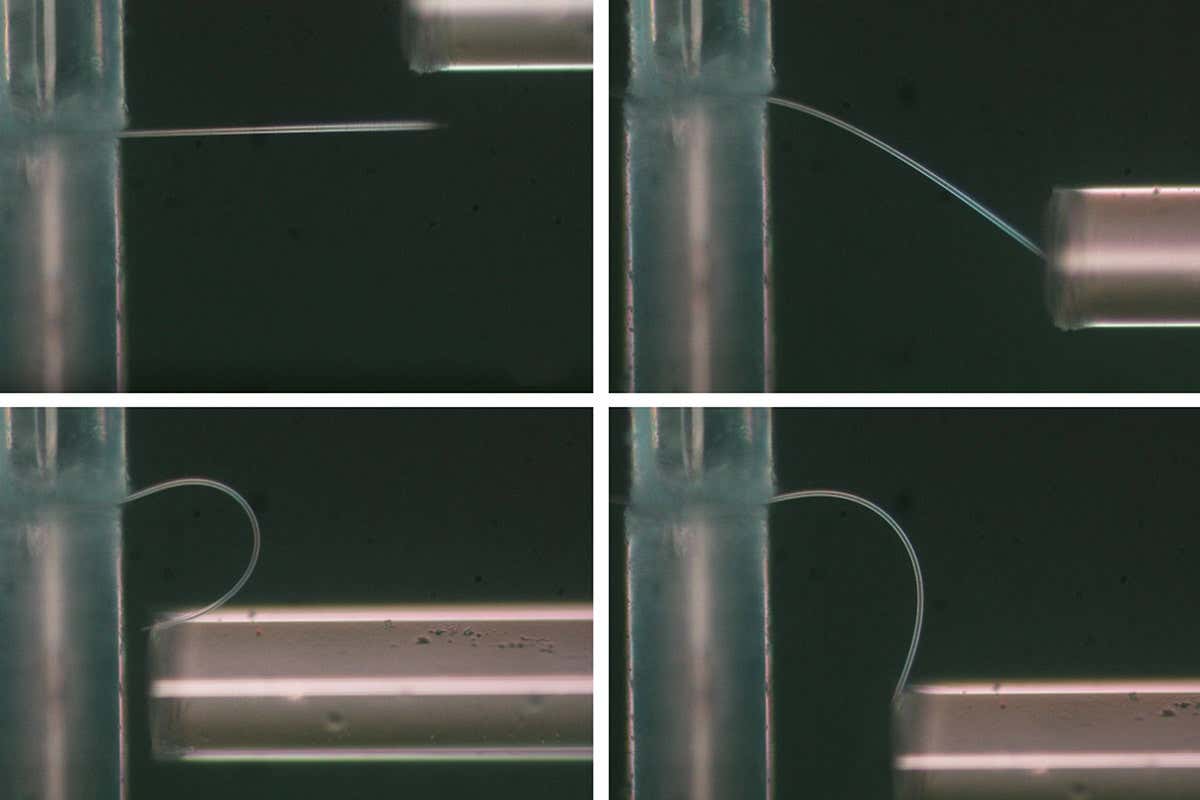
New kind of ice is so bendy it can curl and uncurl without breaking

8 July 2021

A single ice crystal formed into a thin strand can bend almost into a circle and then snap back into its original shape, making it the most elastic form of water ice ever made


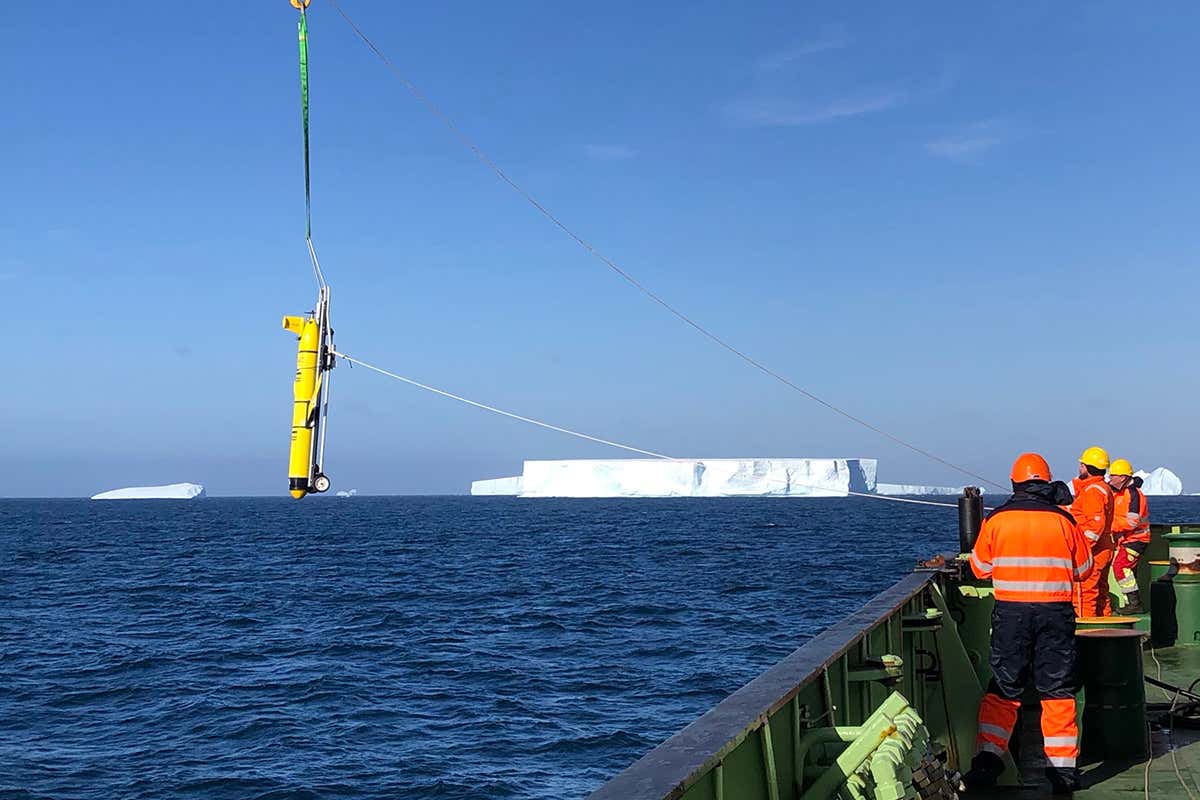
A robotic glider will be deployed to inspect iceberg A-68

Exclusive: On board the mission to one of the world’s largest icebergs

17 February 2021

A vast iceberg which separated from Antarctica in 2017 is now breaking up. Oceanographer Povl Abrahamsen reports from a unique mission to study the impact of its demise using underwater robotic gliders


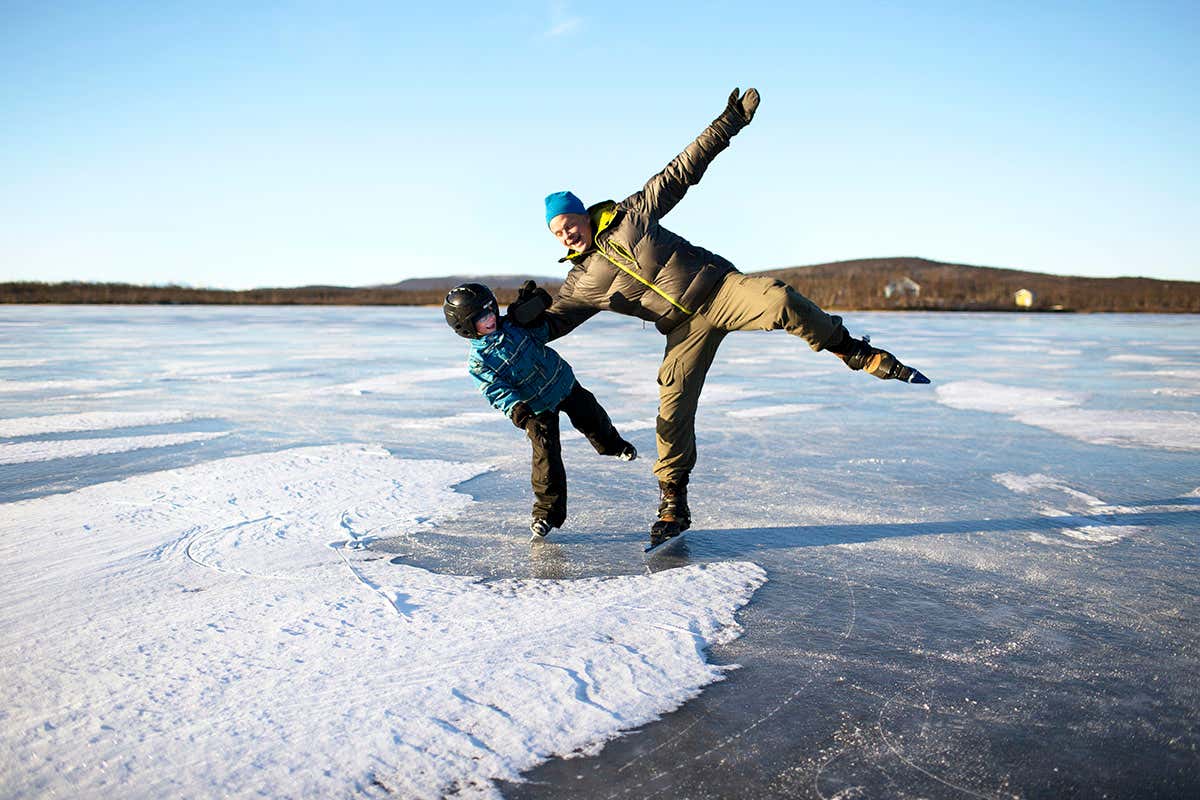
Physicists finally worked out why ice is slippery after 150 years

Physicists finally worked out why ice is slippery after 150 years

16 February 2021

We may finally have an answer to the question of why ice is slippery after 150 years: a layer of dancing molecules on its surface


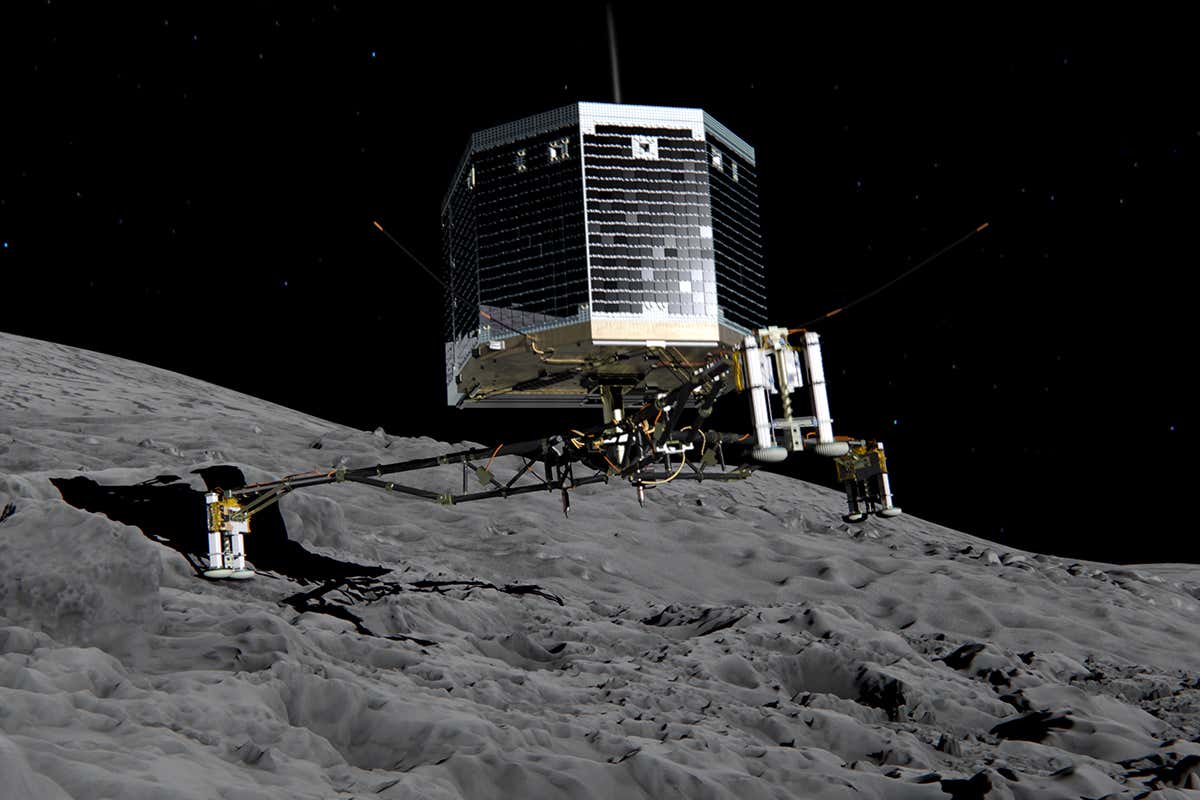
Ancient ice beneath the surface of comet 67P is softer than candyfloss

Ancient ice beneath the surface of comet 67P is softer than candyfloss

28 October 2020

When the Philae lander arrived at comet 67P, its harpoons didn't deploy as planned and it bounced across the surface, revealing ice that is softer than the foam on coffee


Greenland ice sheet

Arctic sea ice loss could trigger huge levels of extra global warming

27 October 2020

Arctic sea ice vanishing in summers by 2050 could trigger 0.19°C of extra global warming – almost enough to wipe out any savings from China going carbon neutral


Tiny graphene sheets can start or stop ice crystals growing in water

Tiny graphene sheets can start or stop ice crystals growing in water

18 December 2019

Graphene particles that seed ice formation in water only need to be 8 square nanometres to kick-start the freezing process – any smaller and they can stop ice forming


icebergs near Greenland

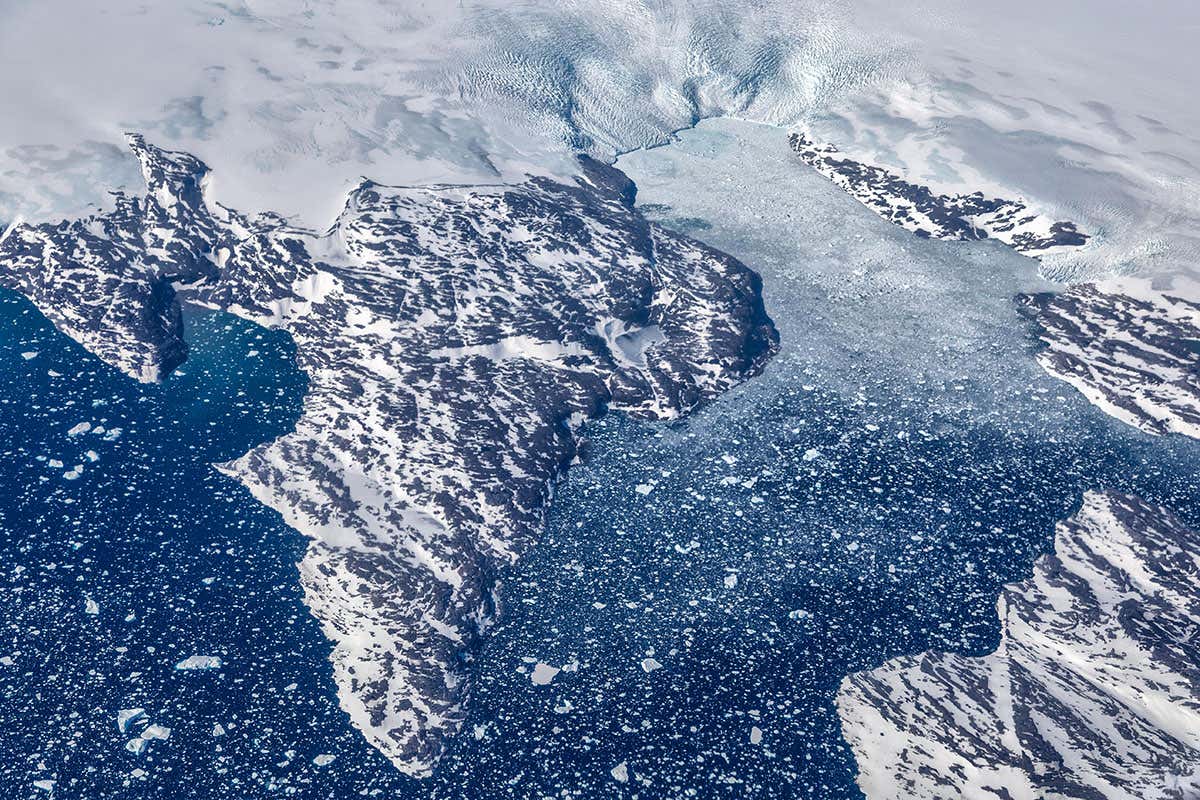
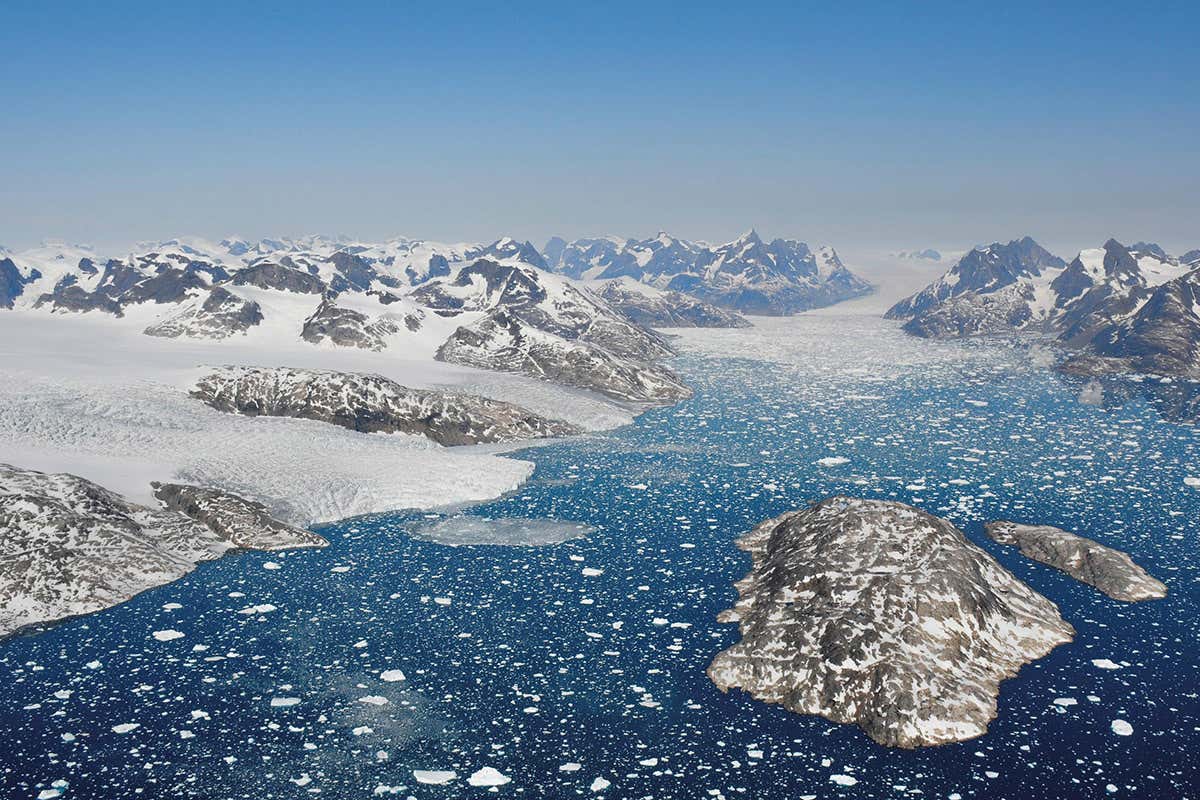
Greenland lost almost 4 trillion tonnes of ice in less than 30 years

10 December 2019

The Greenland ice sheet lost 3.8 trillion tonnes of ice between 1992 and 2018, leading to sea level rise that contributes to coastal flooding during storms


Sign up to our weekly newsletter

Receive a weekly dose of discovery in your inbox. We'll also keep you up to date with New Scientist events and special offers.

Sign up
Piano Exit Overlay Banner Mobile Piano Exit Overlay Banner Desktop