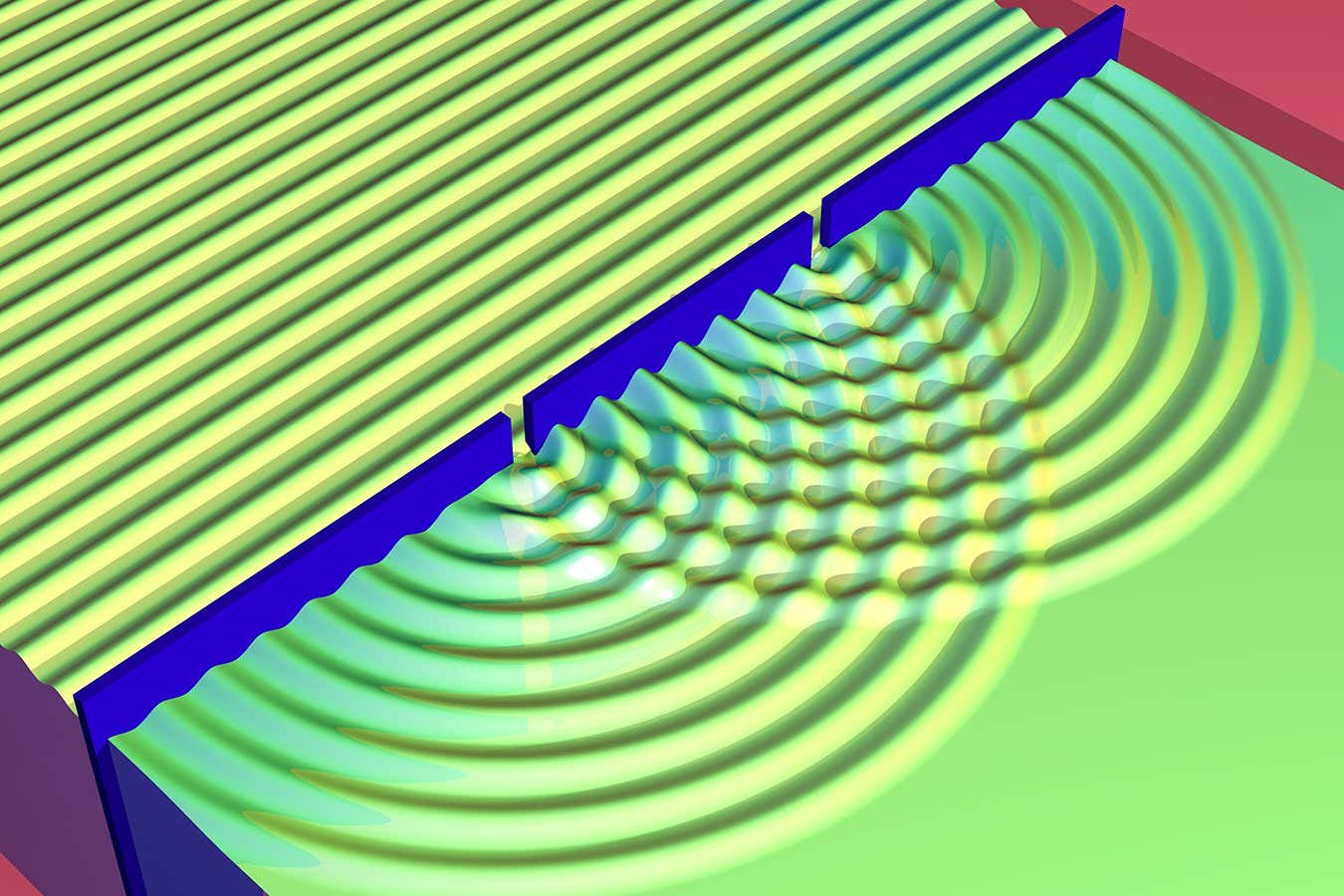
Light interacts with its past self in twist on double-slit experiment
3 April 2023
The double-slit experiment consists of light passing through two slits separated by a small space – now researchers have performed it with small gaps in time instead
3 April 2023
The double-slit experiment consists of light passing through two slits separated by a small space – now researchers have performed it with small gaps in time instead
1 April 2023
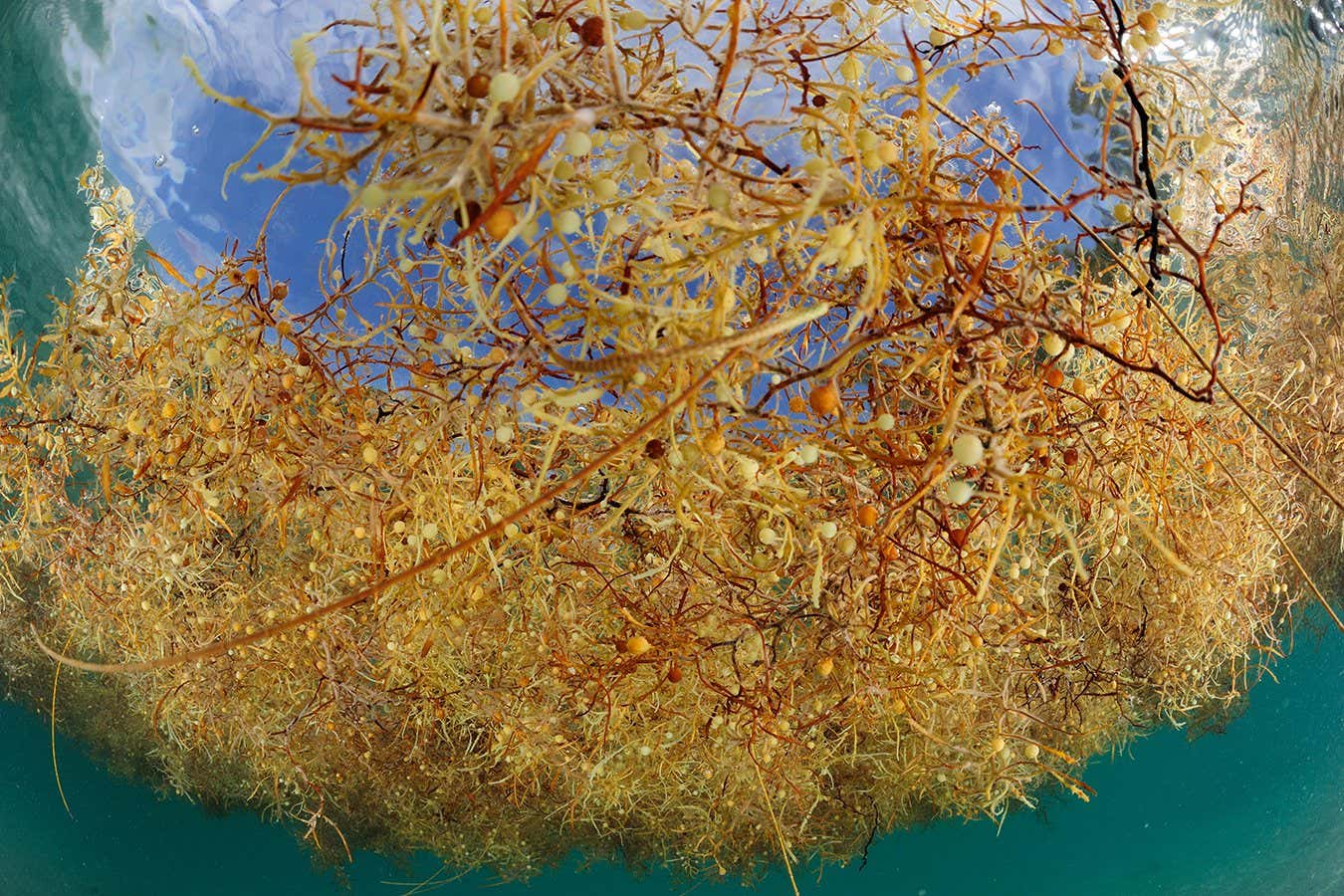
A thin material made from seaweed can handle high temperatures but only takes a few weeks to break down in a composting bin
26 March 2023
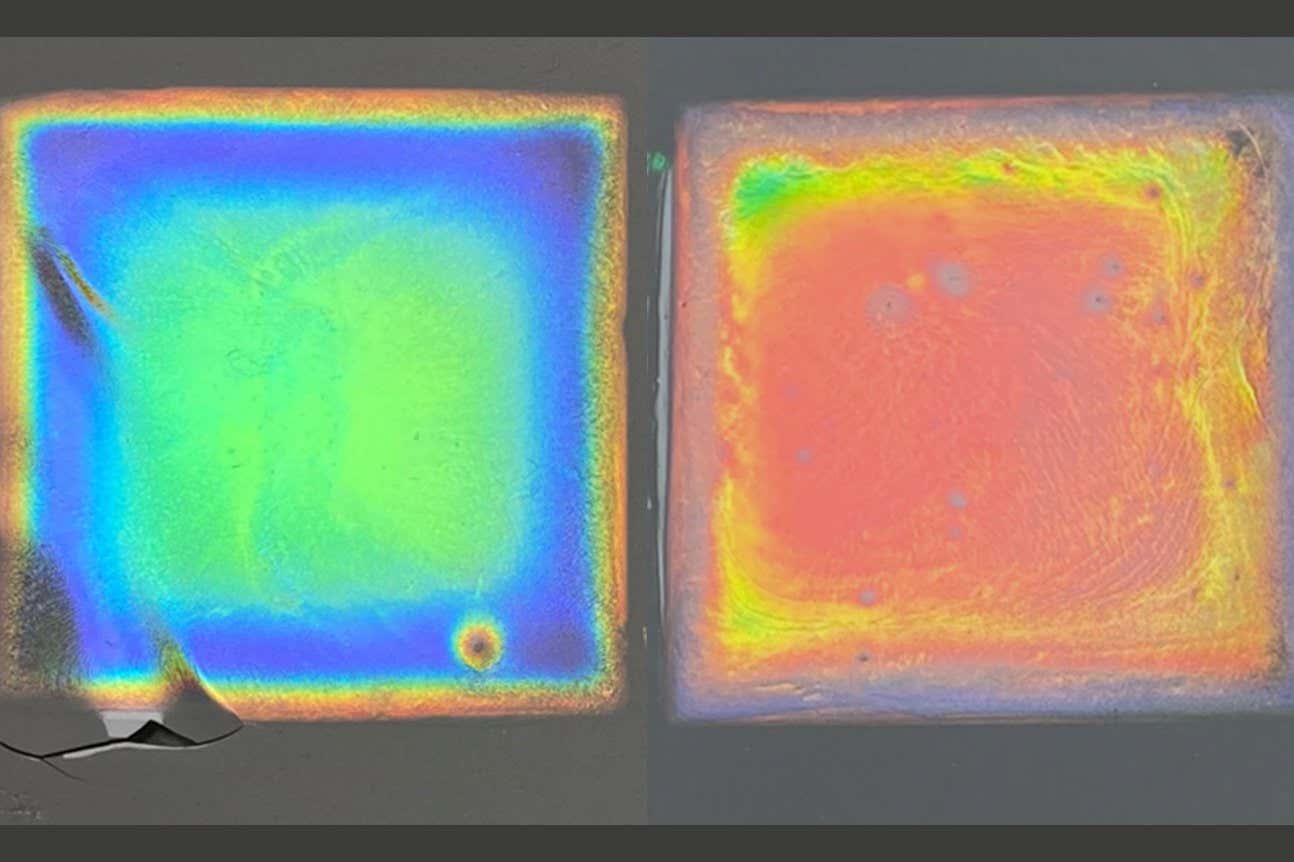
A material made from two forms of cellulose, which is found in wood, reflects heat and can be made in a variety of colours
22 March 2023
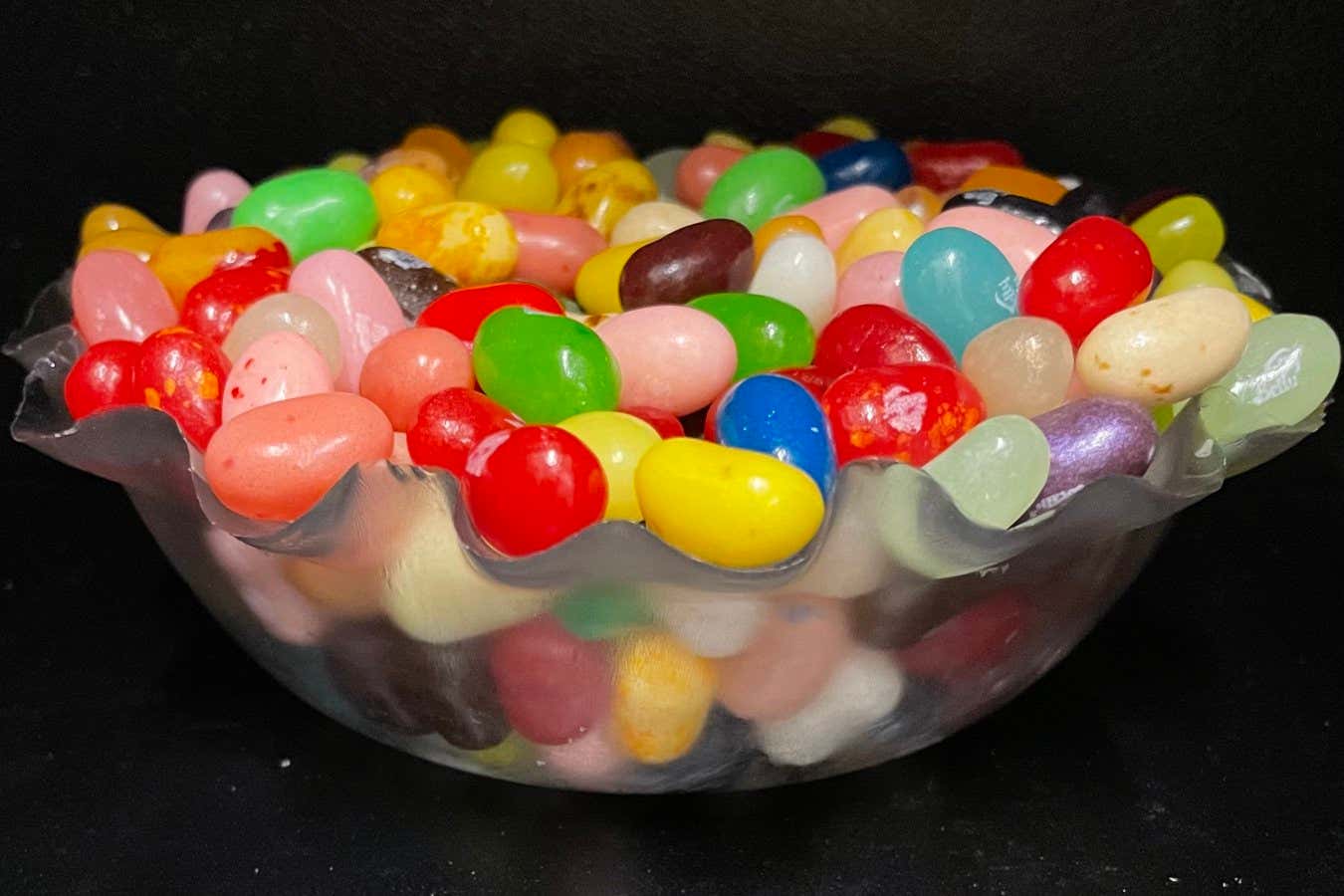
Long-lasting plastics made from fossil fuels could be replaced by a material derived from super glue that can be easily recycled time and time again

16 March 2023
A transparent material made from cellulose nanofibres and pockets of gas could replace air in double-glazed windows to improve thermal insulation

3 February 2023
A new material changes its infrared colour when a small electric current is applied, raising the possibility of buildings that store or release heat depending on outside temperatures
1 December 2022
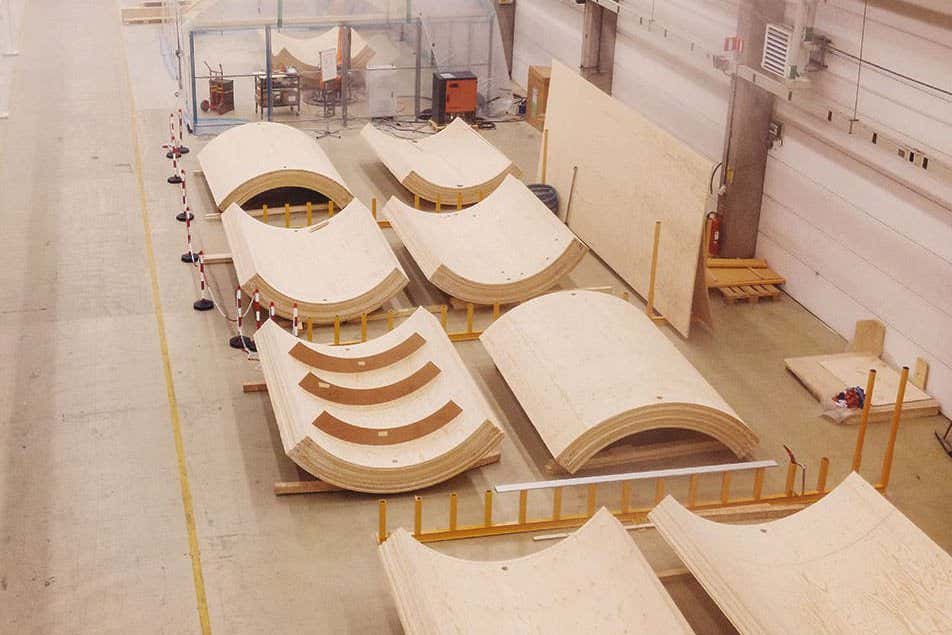
Most wind turbines are made from a mix of materials, making them hard to recycle – but wood could offer a more sustainable alternative

4 November 2022
A device that uses a piece of glass with little bumps on it can distinguish objects based on how they scatter light, removing the need for a camera or a computer
3 November 2022
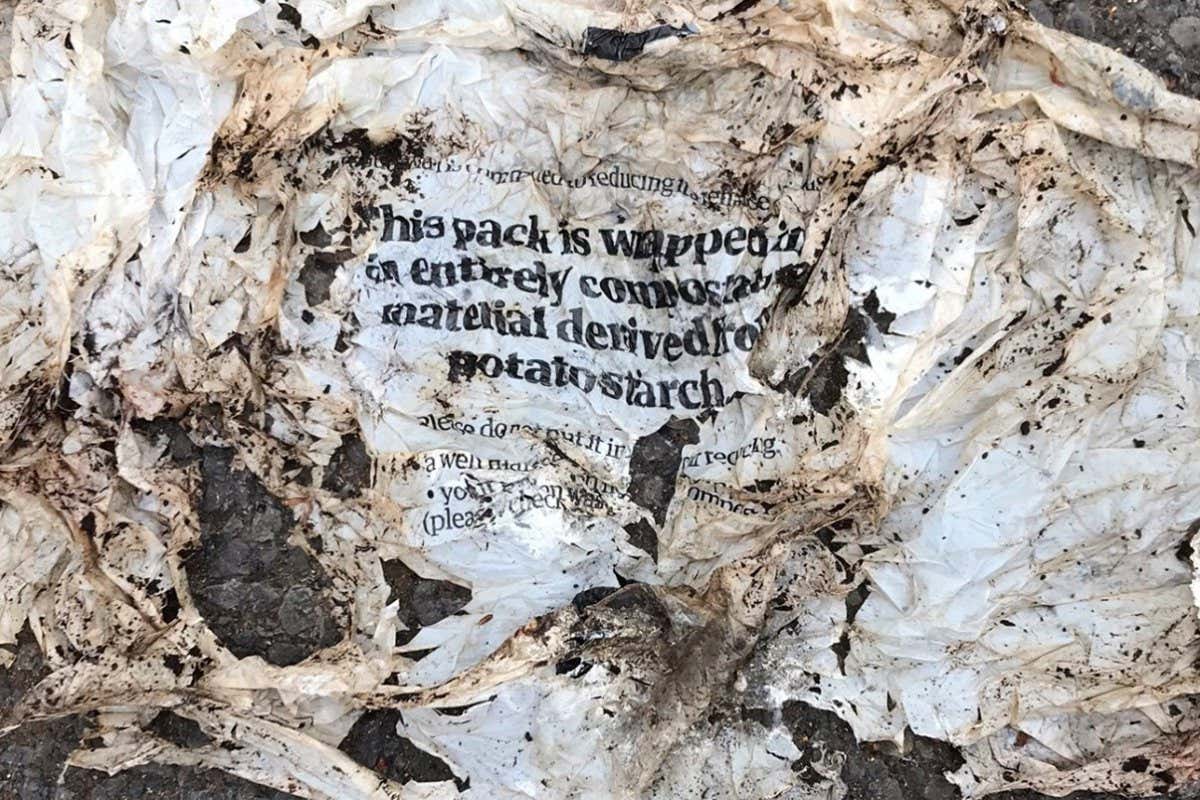
A study involving 1600 UK volunteers found that 60 per cent of plastics labelled as suitable for home composting don’t break down properly
20 October 2022
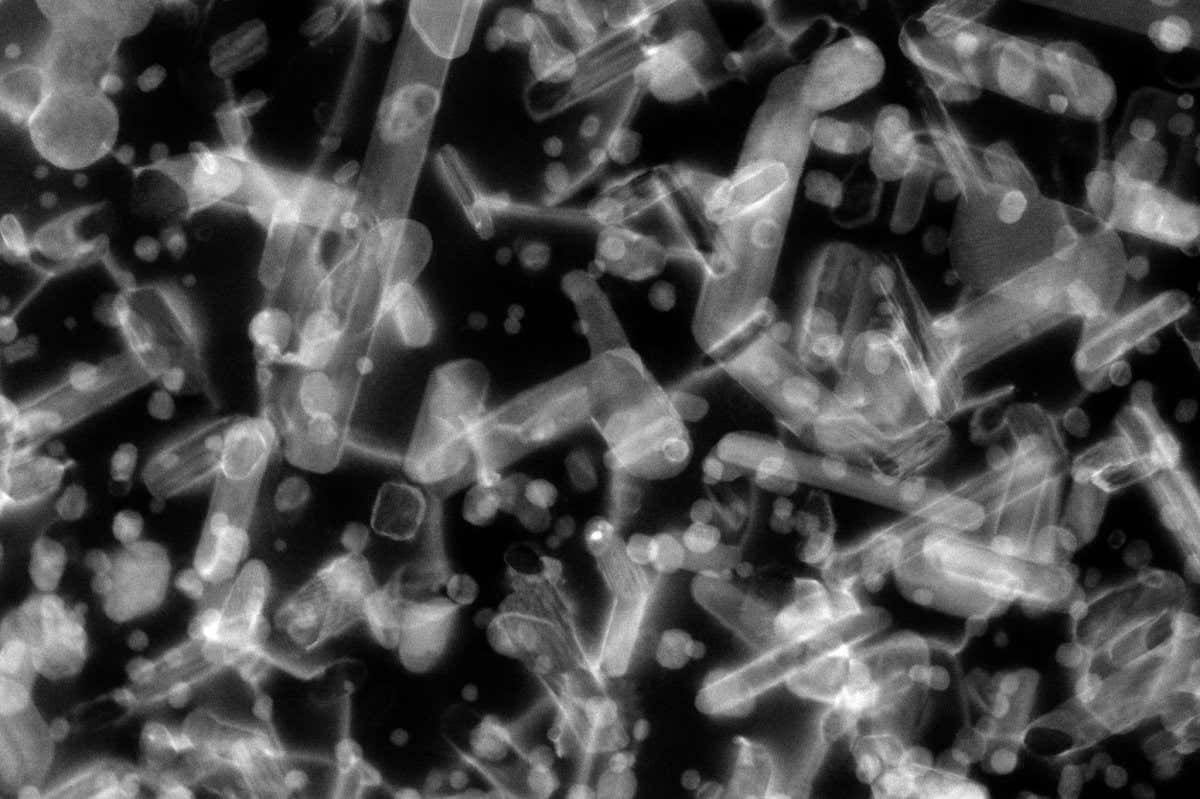
A new metal alloy keeps its flexibility and strength after high doses of radiation, making it potentially useful for building spacecraft or Mars colonies
