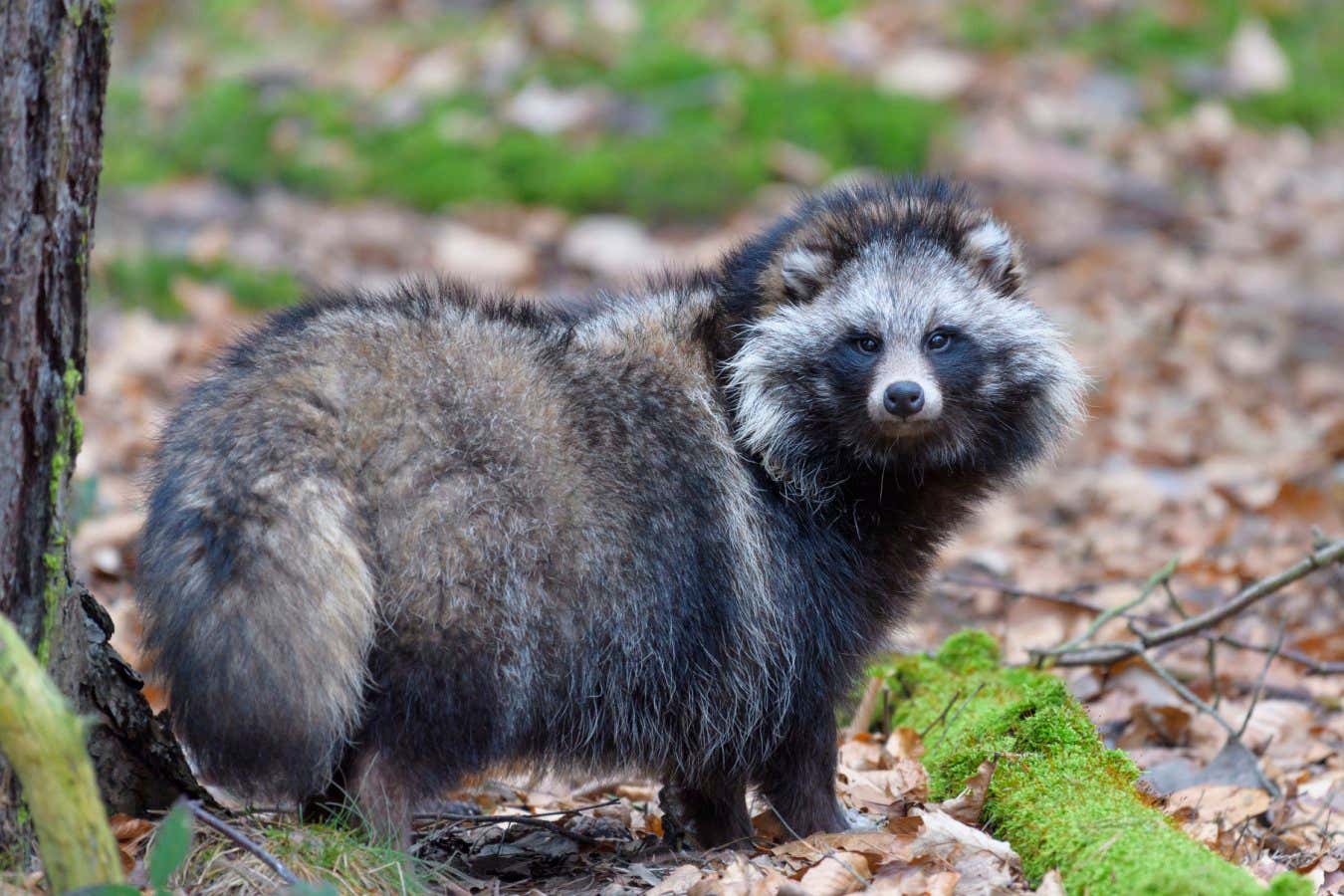
Covid-19 may have started in raccoon dogs, new DNA evidence shows
17 March 2023
Swabs taken from various surfaces at a seafood and live animal market in Wuhan, China, that were positive for the coronavirus also have evidence of DNA from raccoon dogs
17 March 2023
Swabs taken from various surfaces at a seafood and live animal market in Wuhan, China, that were positive for the coronavirus also have evidence of DNA from raccoon dogs

4 March 2023
A lion at Potawatomi Zoo in South Bend, Indiana, tested positive for the SARS-CoV-2 coronavirus after it started coughing and became breathless. Zoo workers who had cared for the lion later caught the infection
16 February 2023
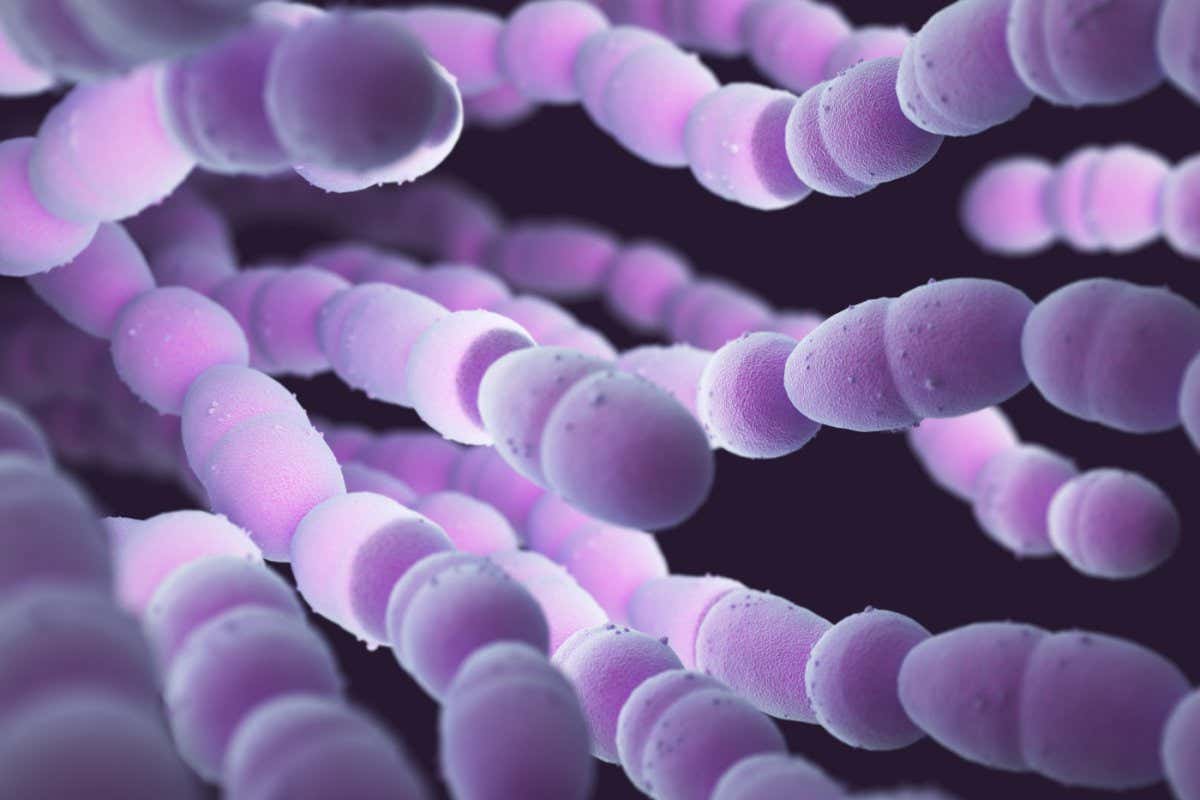
A modelling study suggests that the proportion of cases involving pneumonia-causing bacteria that are resistant to antibiotics has increased amid the covid-19 pandemic
9 February 2023
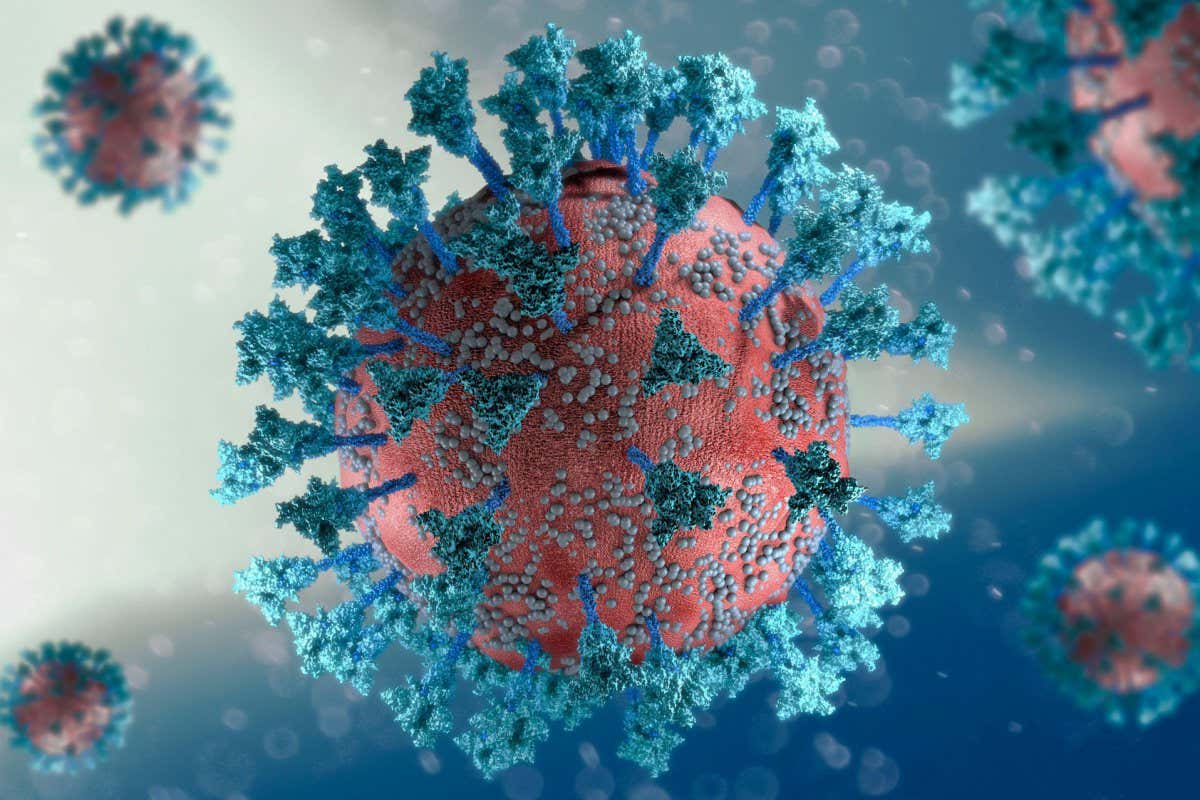
A gel that lines the respiratory tract prevented coronavirus infections in mice and monkeys, and may also work against any future new variants

19 January 2023
An artificial intelligence picked up on audio samples where the speaker was probably infected with omicron with 80 per cent accuracy, potentially offering an inexpensive way of tracking cases

28 December 2022
Any new covid-19 vaccine must be better than the ones we already have, setting a high bar for approval that is not expected to be met in 2023

14 December 2022
As the world faced the third year of the coronavirus pandemic, Iceland began 2022 by shifting towards "herd immunity" while China ended the year easing its zero covid approach
14 December 2022
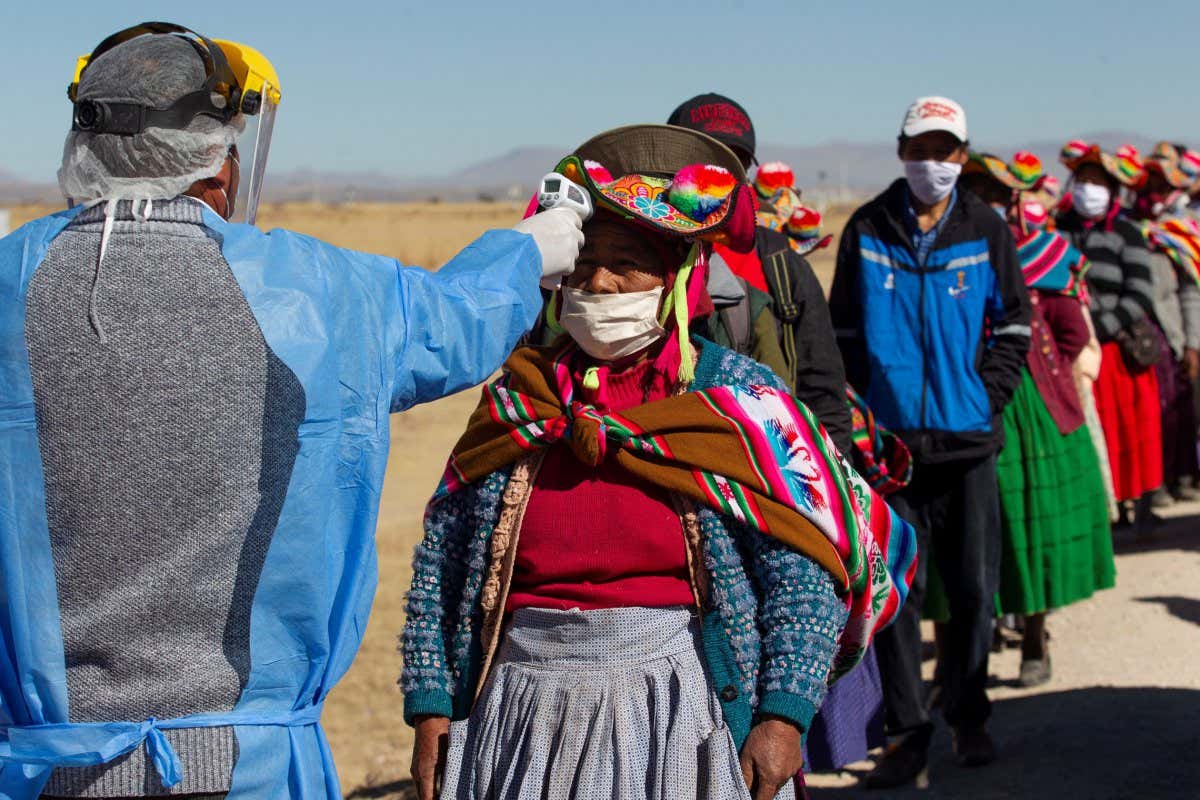
World Health Organization research suggests that during just the first two years of the pandemic, 14.83 million more deaths occurred worldwide than would otherwise have been expected

5 December 2022
A drug that is approved for treating gallstones and liver conditions inhibits cells' ACE2 receptors, which the coronavirus' spike protein binds to
29 November 2022
The covid-19 lockdowns undoubtedly saved many lives, but the prolonged restrictions also reduced our exposure and immunity to other infections, which could be set to spike in the UK this winter
