Subscribe now

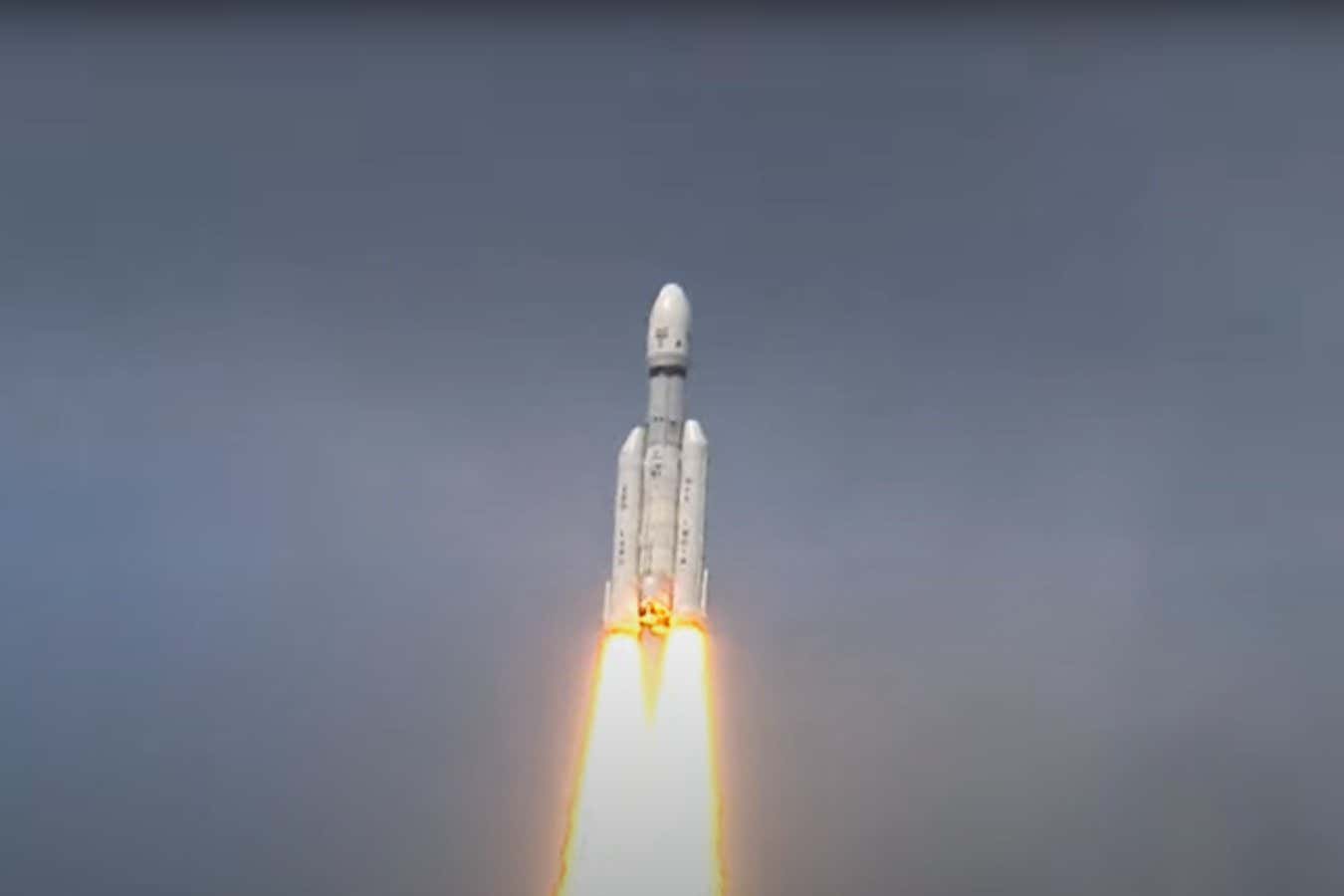
India's Chandrayaan-3 launches to explore moon's water-rich south pole

14 July 2023

India has launched its Chandrayaan-3 mission, which aims to explore the south pole of the moon by rover, completing a scientific mission that was first attempted in 2019 but ended in catastrophic failure due to a software glitch

We must address a key obstacle to our new age of space exploration

We must address a key obstacle to our new age of space exploration

5 July 2023

Advances in rocket technology are exciting, but we need to investigate how non-terrestrial gravity affects astronauts' psychology and cognition, says neuroscientist Elisa Raffaella Ferrè


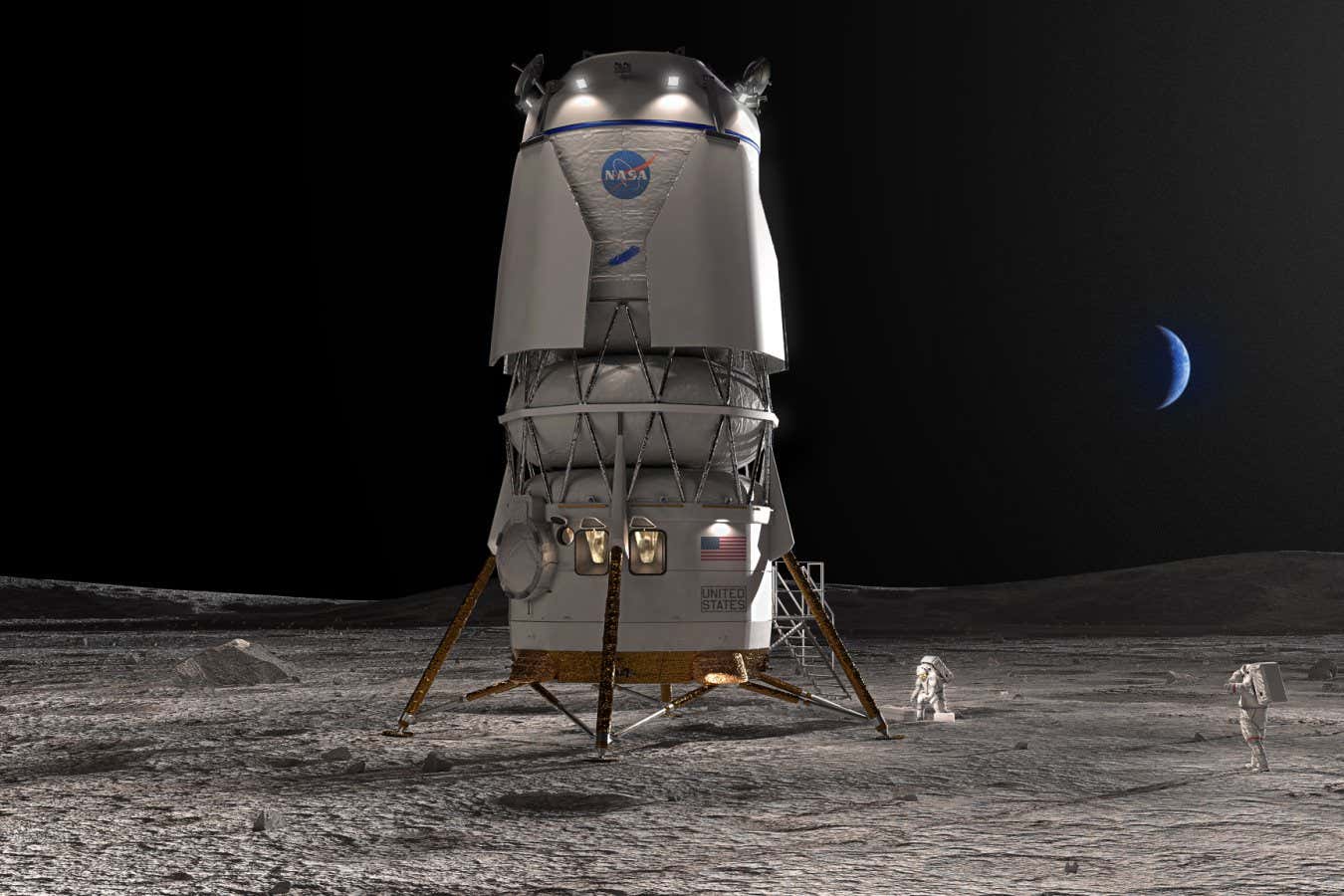
Planned moon landings could pelt orbiting spacecraft with dusty debris

1 June 2023

The large landing vehicles planned for NASA’s upcoming moon missions could throw up large amounts of dust from the lunar surface, posing a possible danger to orbiters


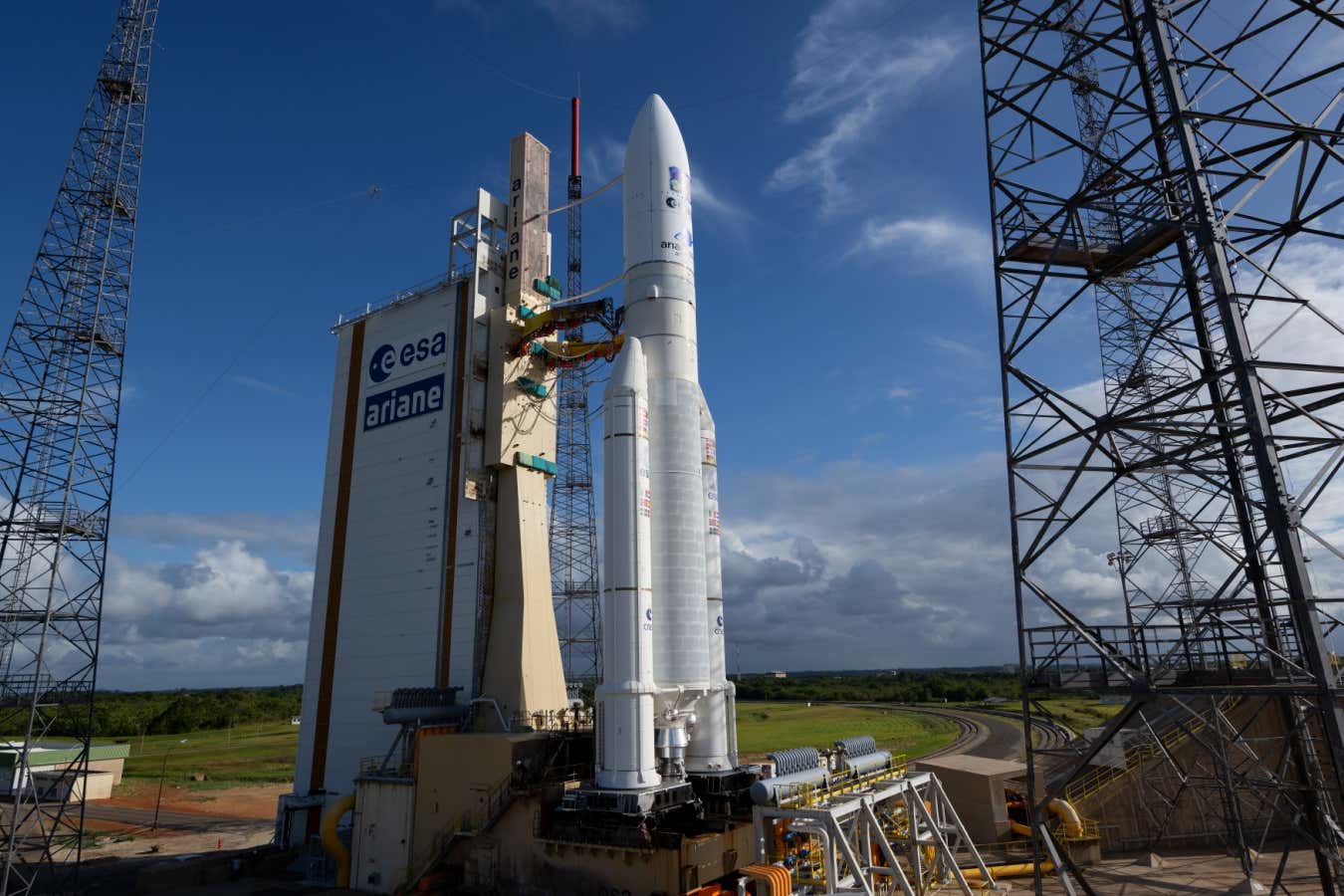
Ariane 5 VA 260 with the Jupiter Icy Moons Explorer

JUICE livestream: Watch the launch of ESA’s mission to Jupiter’s moons

14 April 2023

The JUICE mission to explore three of Jupiter’s icy moons and examine whether they have the right conditions for life is launching on 14 April. Watch the live launch coverage here


An artists' impression of ESA's JUICE spacecraft at Jupiter

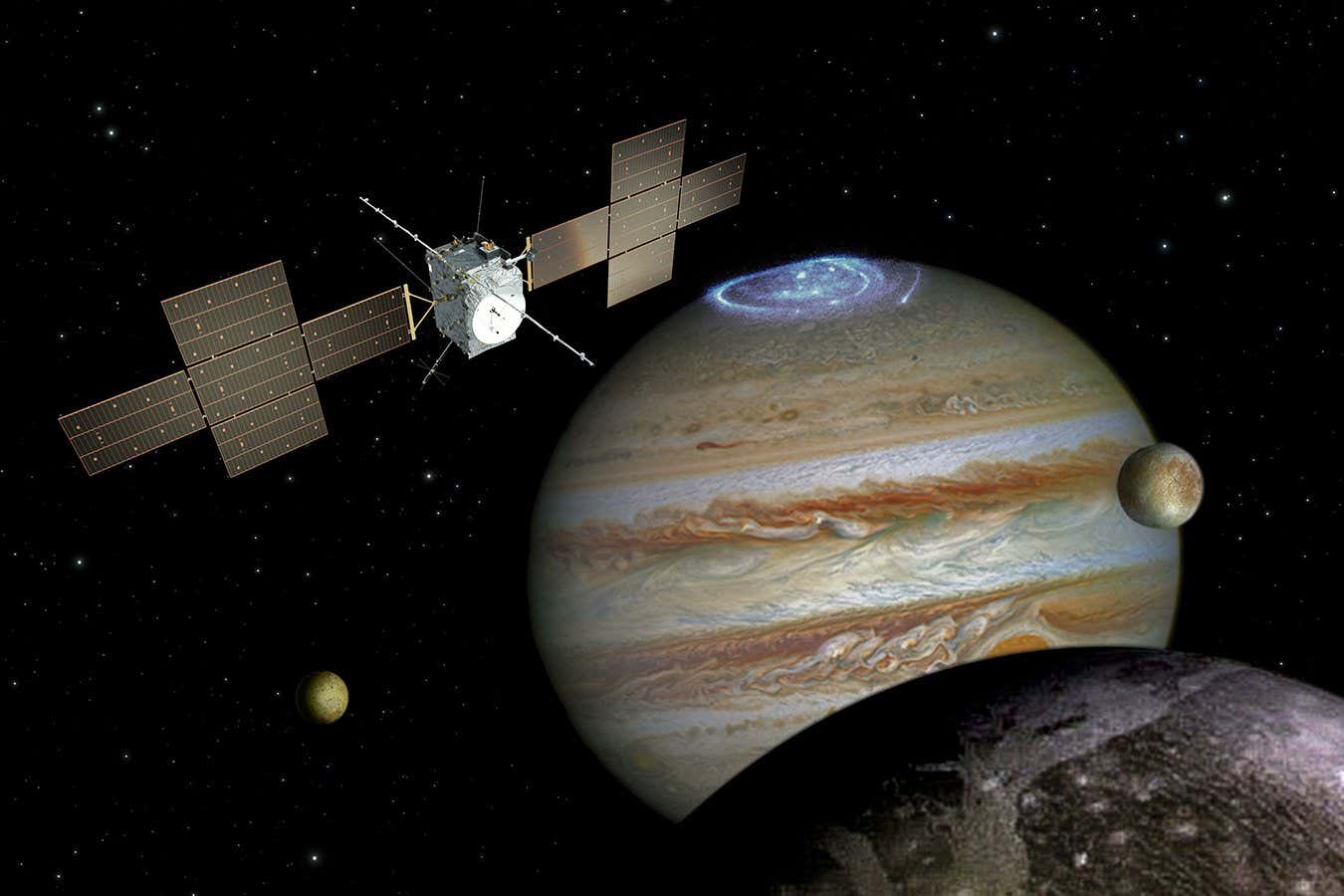
The JUICE mission to explore Jupiter’s ocean moons is about to launch

11 April 2023

Jupiter’s icy moons are thought to host buried oceans that could have the right conditions for life, and the European Space Agency’s JUICE mission is about to go find out if they do


NASA unveils new spacesuit for Artemis moon mission astronauts

15 March 2023

A spacesuit designed for the Artemis moon missions is much lighter than those worn by the Apollo astronauts, and allows a greater range of motion


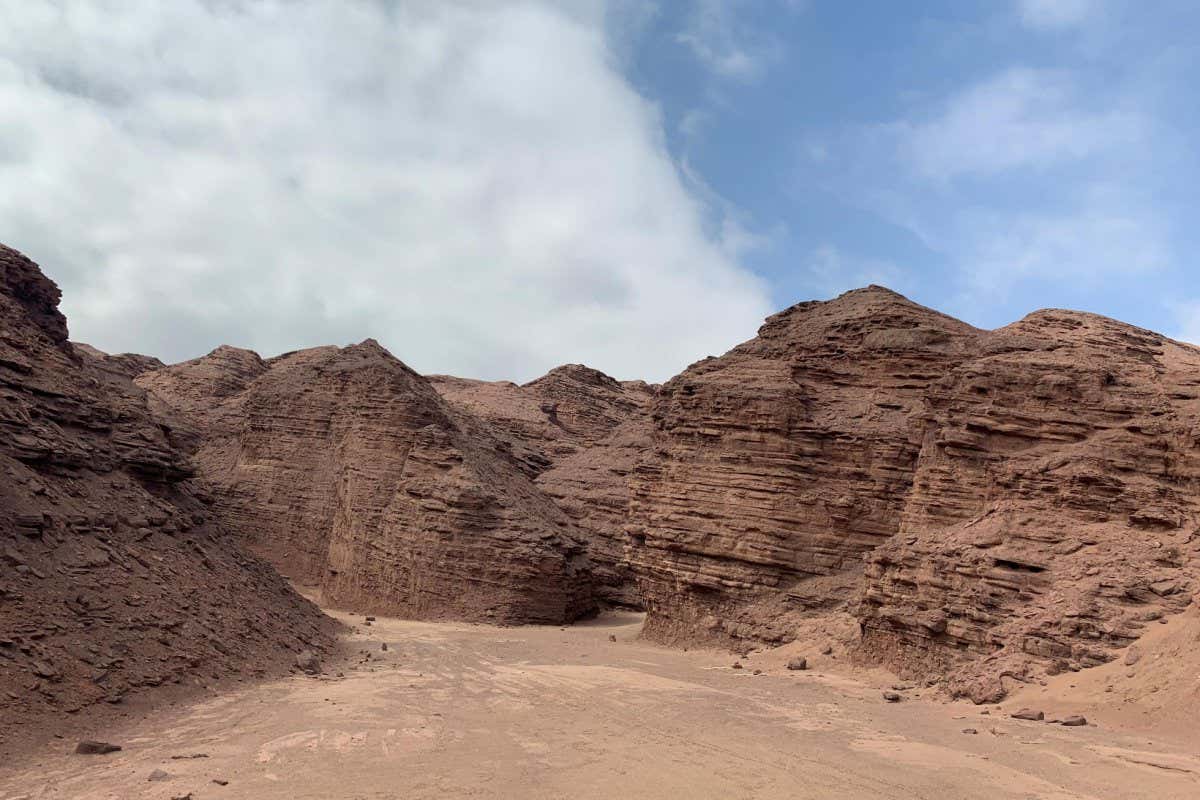
A region of the Atacama desert called Red Stone

Mars rover sensors may not be sensitive enough to find signs of life

21 February 2023

While testing Mars rover sensors in the Atacama desert, researchers inadvertently found a variety of unclassifiable microorganisms called “the dark biome”


We need a new model of space governance to address today's challenges

We need a new model of space governance to address today's challenges

25 January 2023

Access to space is growing, with more than 70 nations now operating space programmes. We urgently need to update international rules, says chair of the UAE Space Agency Sarah Al Amiri


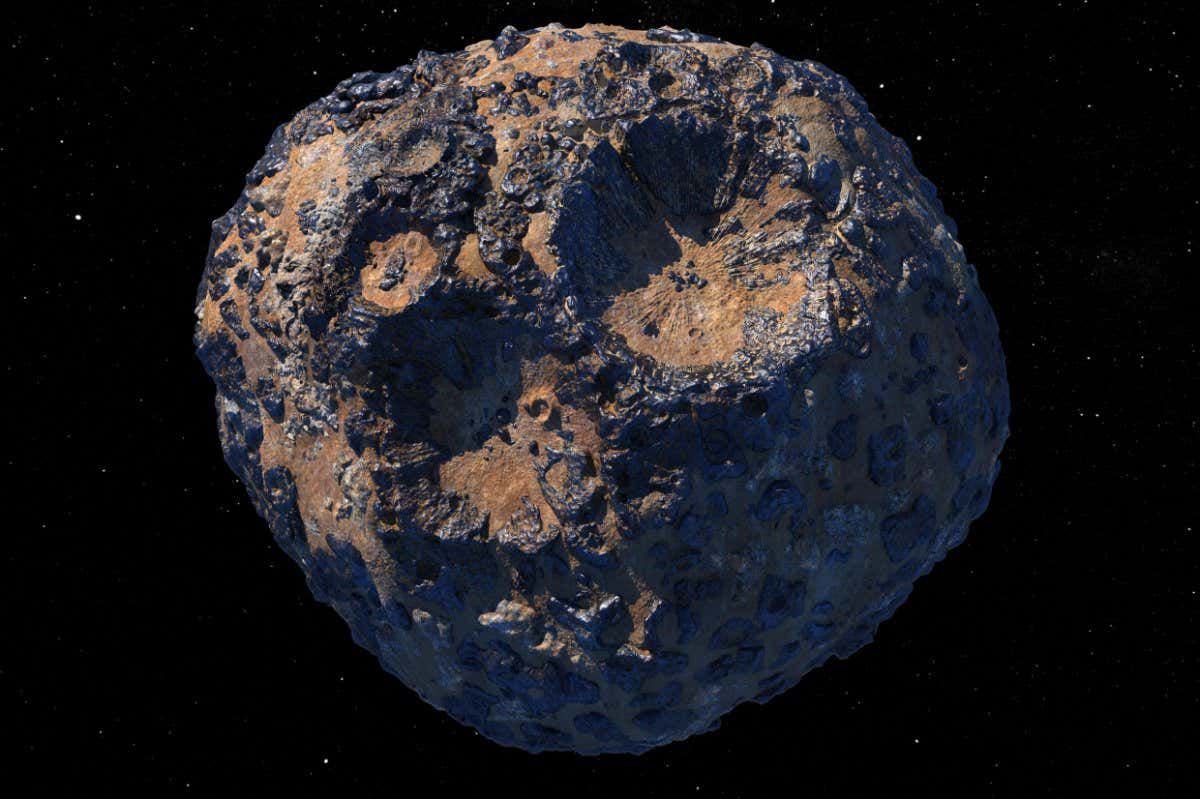
LARGE REGIONS OF ROCK AND METAL: PSYCHE ASTEROID ILLUSTRATION This illustration depicts the 140-mile-wide (226-kilometer-wide) asteroid Psyche, which lies in the main asteroid belt between Mars and Jupiter. Psyche is the focal point of NASA?s mission of the same name. The Psyche spacecraft is set to launch in August 2022 and arrive at the asteroid in 2026, where it will orbit for 21 months and investigate its composition. Based on data obtained from Earth, scientists believe Psyche is a mixture of metal and rock. The rock and metal may be in large provinces, or areas, on the asteroid, as illustrated in this rendering. Observing and measuring how the metal and rock are mixed will help scientists determine how Psyche formed. Exploring the asteroid could also give valuable insight into how our own planet and others formed. The Psyche team will use a magnetometer to measure the asteroid?s magnetic field. A multispectral imager will capture images of the surface, as well as data about Psyche?s composition and topography. Spectrometers will analyze the neutrons and gamma rays coming from the surface to reveal the elements that make up the asteroid itself. The illustration was created by Peter Rubin. View or download the full resolution versions from NASA?s Photojournal Date Added: 03-29-2021 Credit: Peter Rubin

Spacecraft are heading to a metal asteroid and Jupiter's moons in 2023

28 December 2022

The JUICE and Psyche mission are set to blast off in 2023, with the aim of studying Jupiter's largest moons and a possible iron core of a planet in the hopes of understanding how worlds become habitable


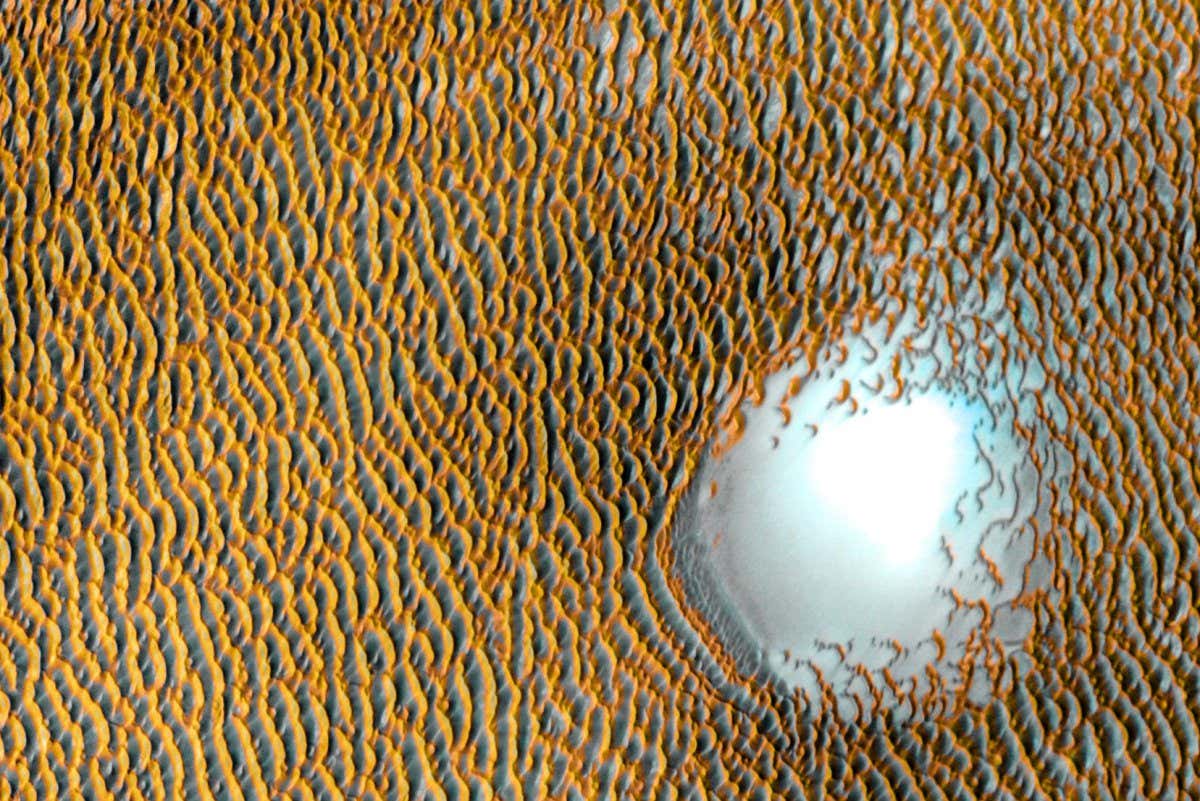
Dark dunes surrounding Mars's northern polar cap

Mars has enough wind to power bases near the poles all year round

19 December 2022

An analysis of the wind energy available on Mars finds that one well-placed turbine could enable a group of six people to live near the poles all year round


Sign up to our weekly newsletter

Receive a weekly dose of discovery in your inbox. We'll also keep you up to date with New Scientist events and special offers.

Sign up
Piano Exit Overlay Banner Mobile Piano Exit Overlay Banner Desktop