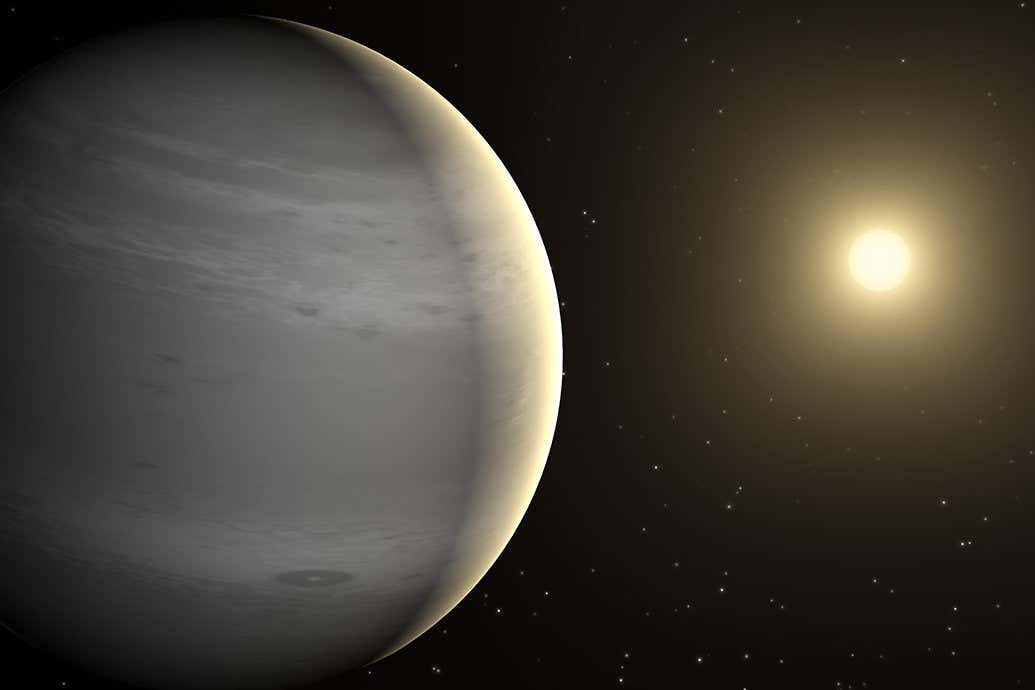
‘Forbidden’ planet somehow escaped consumption by its dying host star
26 January 2023
The planet 8 Ursae Minoris b should have been destroyed when its star became a red giant, but it continues to orbit strangely close to it
26 January 2023
The planet 8 Ursae Minoris b should have been destroyed when its star became a red giant, but it continues to orbit strangely close to it
9 April 2020
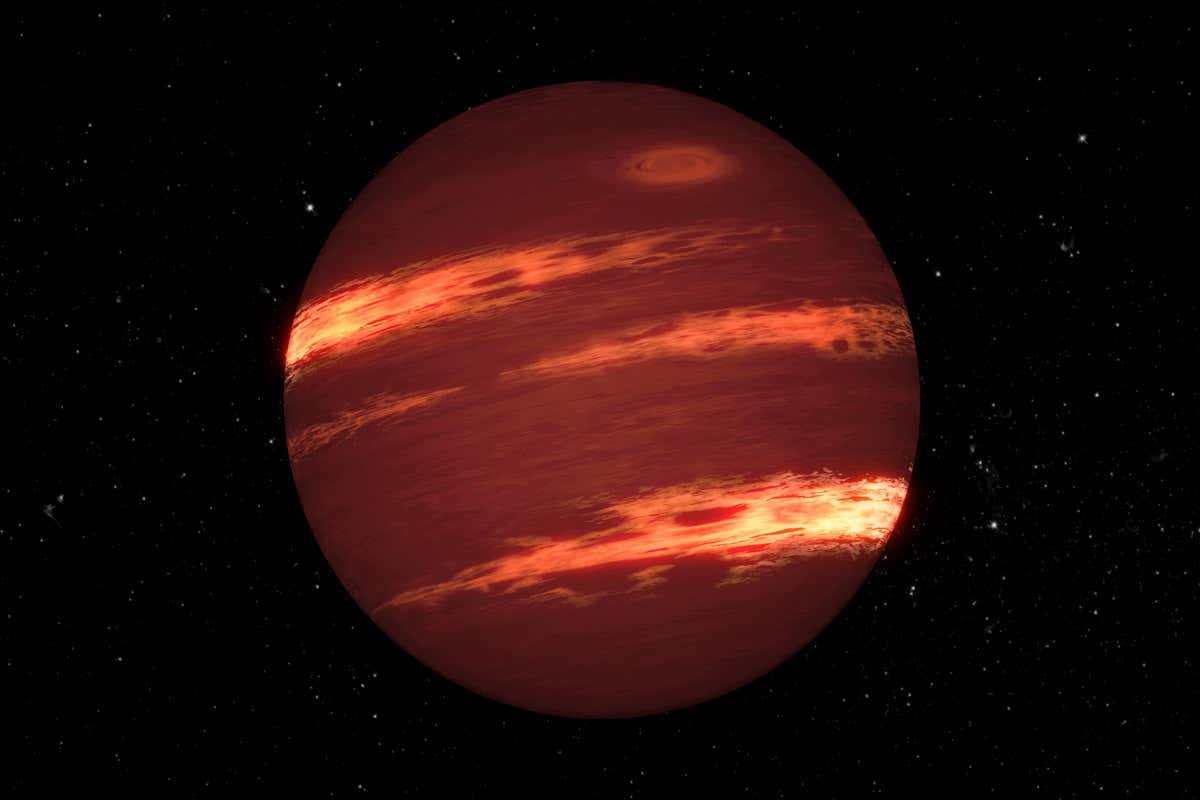
Brown dwarfs, which are halfway between huge planets and small stars, have extremely powerful winds whipping around them at speeds of about 650 metres per second
20 September 2019
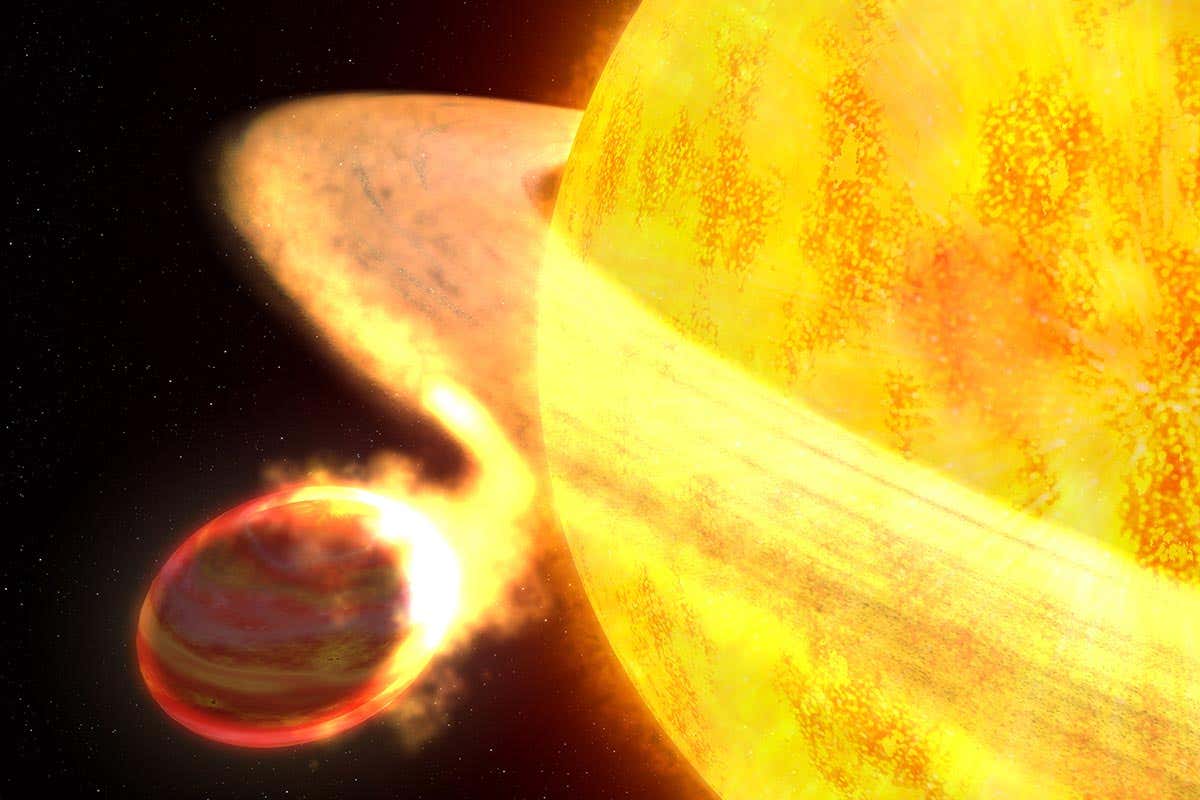
When a star engulfs a planet it can end up spinning so fast that it rips apart. The resulting debris could help us learn about exoplanets that were consumed
6 December 2018
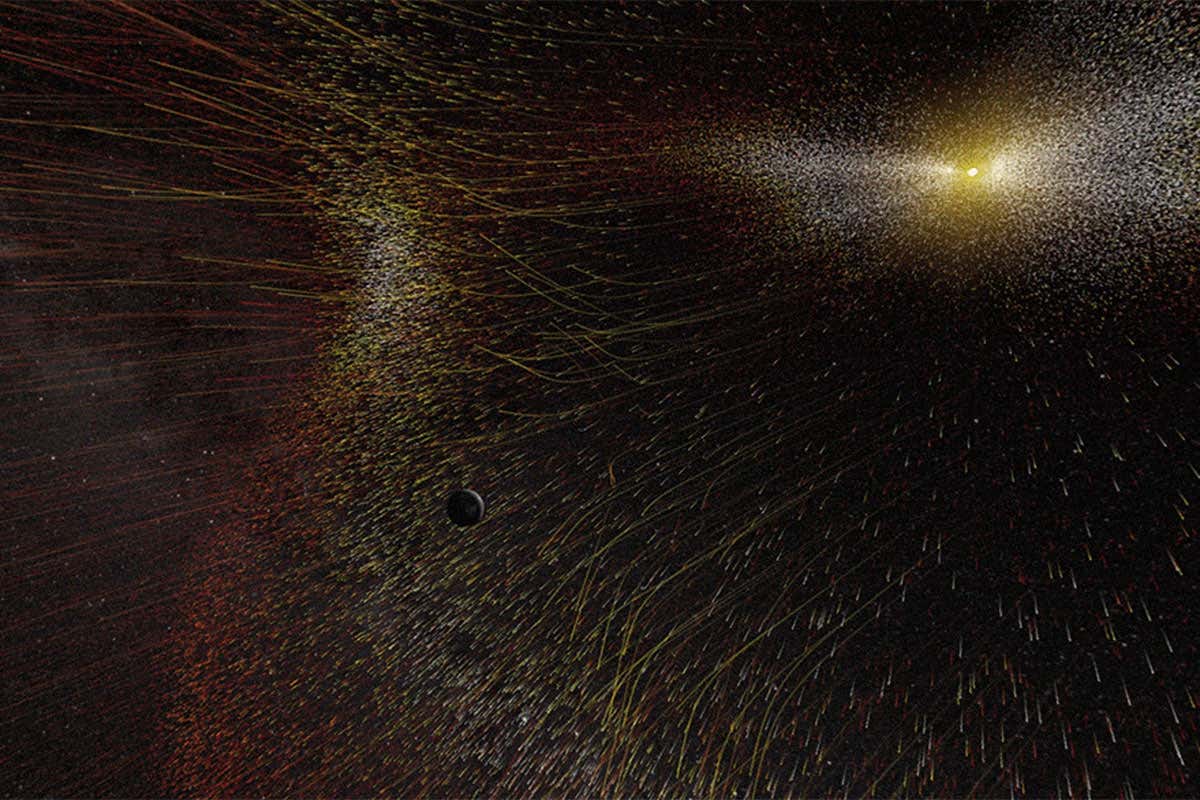
The area in our solar system within Mercury’s orbit is empty, which may be because solar winds threw all the rocks farther out, where they helped form planets
7 November 2018
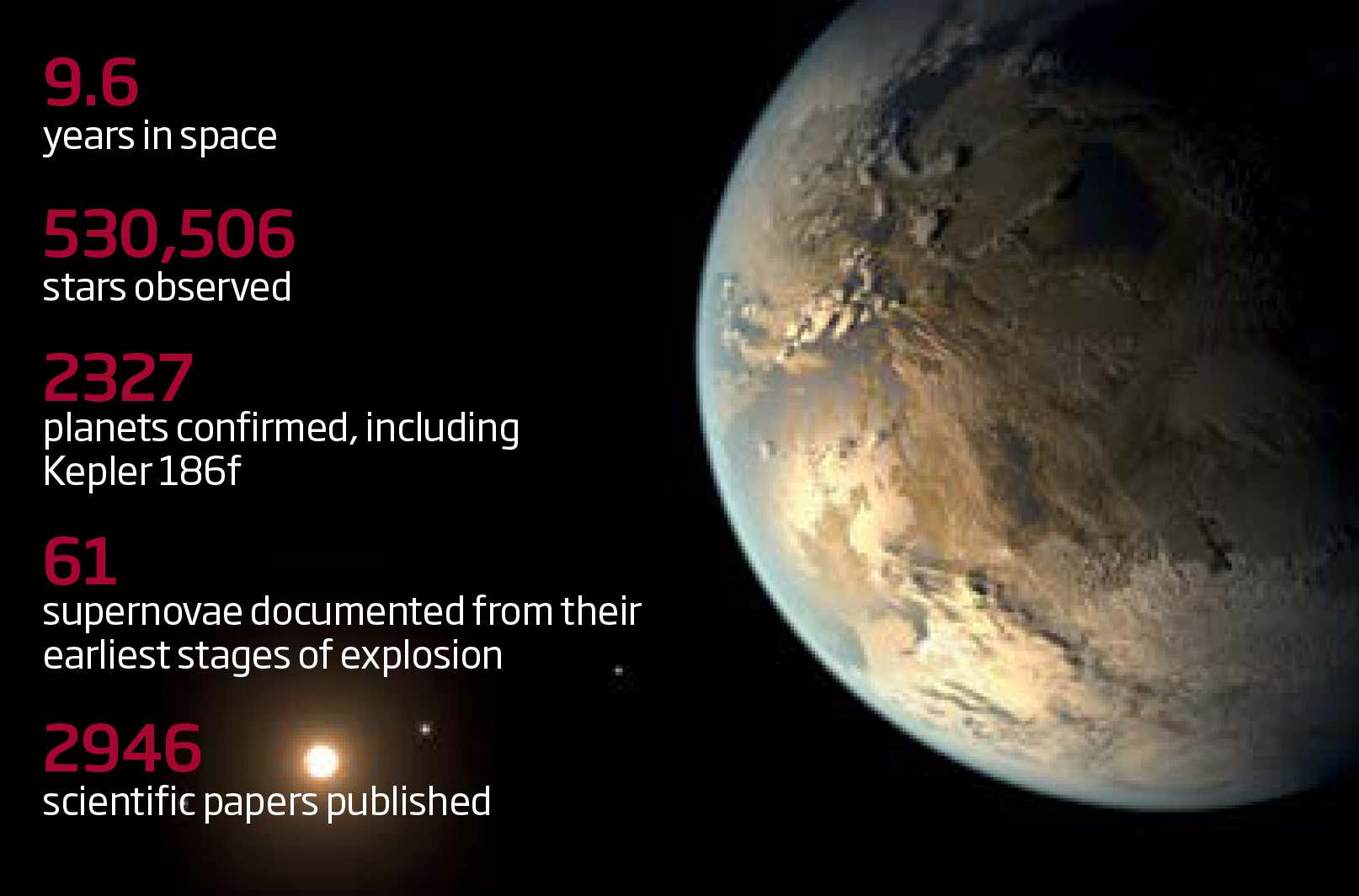
On 30 October, NASA announced that the Kepler planet-hunting spacecraft is being shut down. Over almost a decade, it changed our views on our place in the universe
17 May 2018
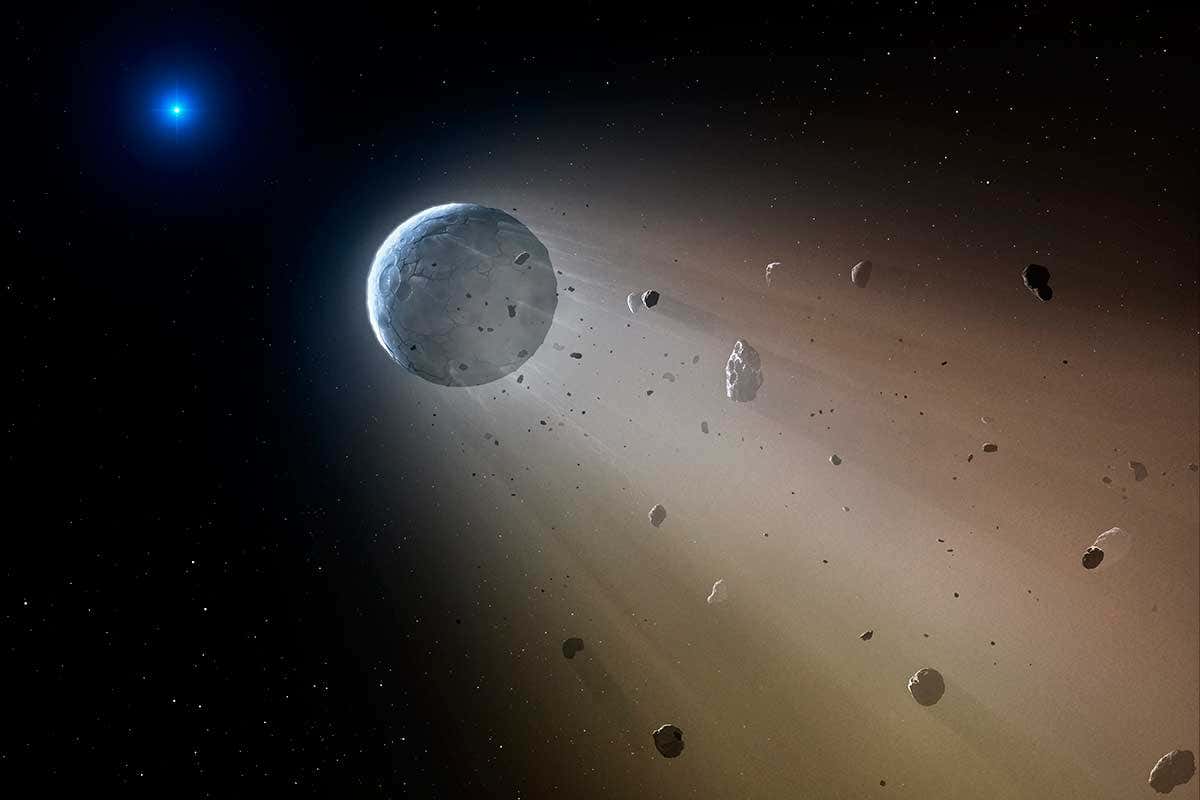
When stars die, they can explode and destroy any planets nearby. But new worlds could arise out of the debris and some could reach the mass of 10 Earths
8 May 2018
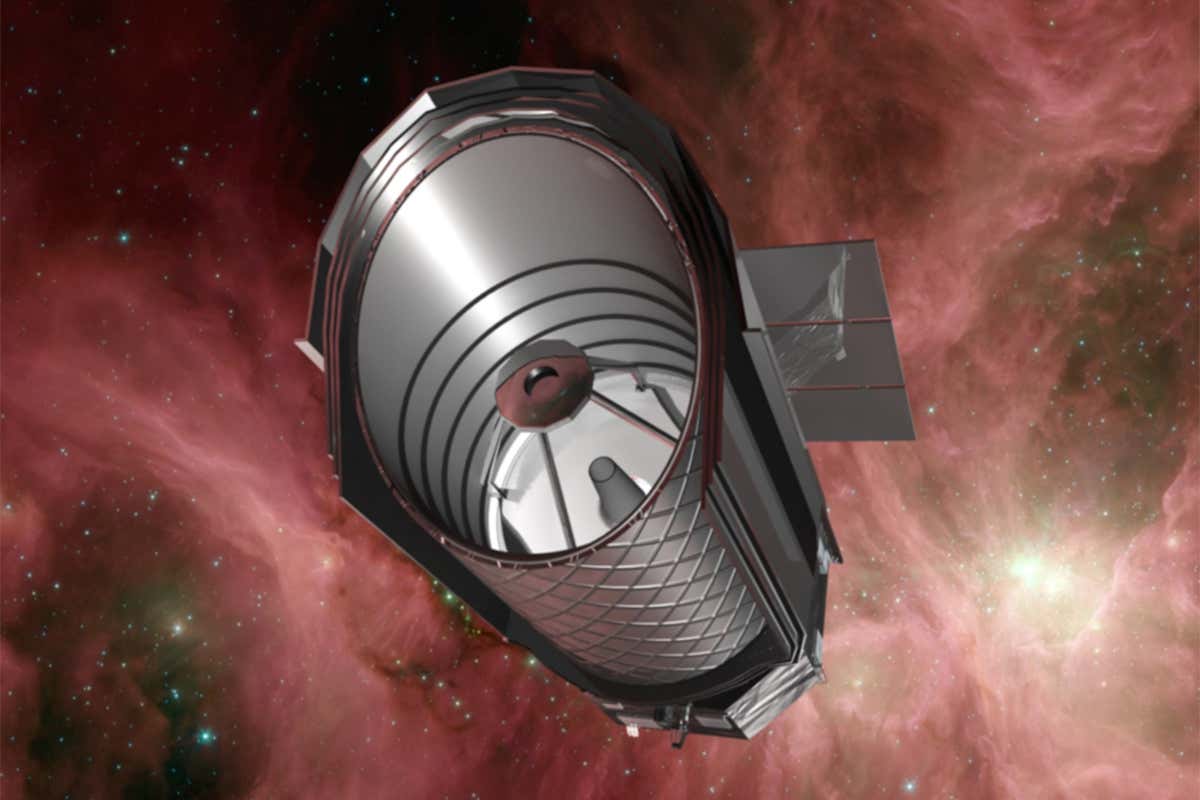
The European Space Agency has three finalists for a mission to launch by 2030: a Venus probe and two space telescopes to view ancient gamma rays and young stars

21 September 2017
A pair of binary stars are less alike than any pair we’ve seen, possibly because one gobbled its own orbiting planets, winning it the nickname Kronos
15 September 2017
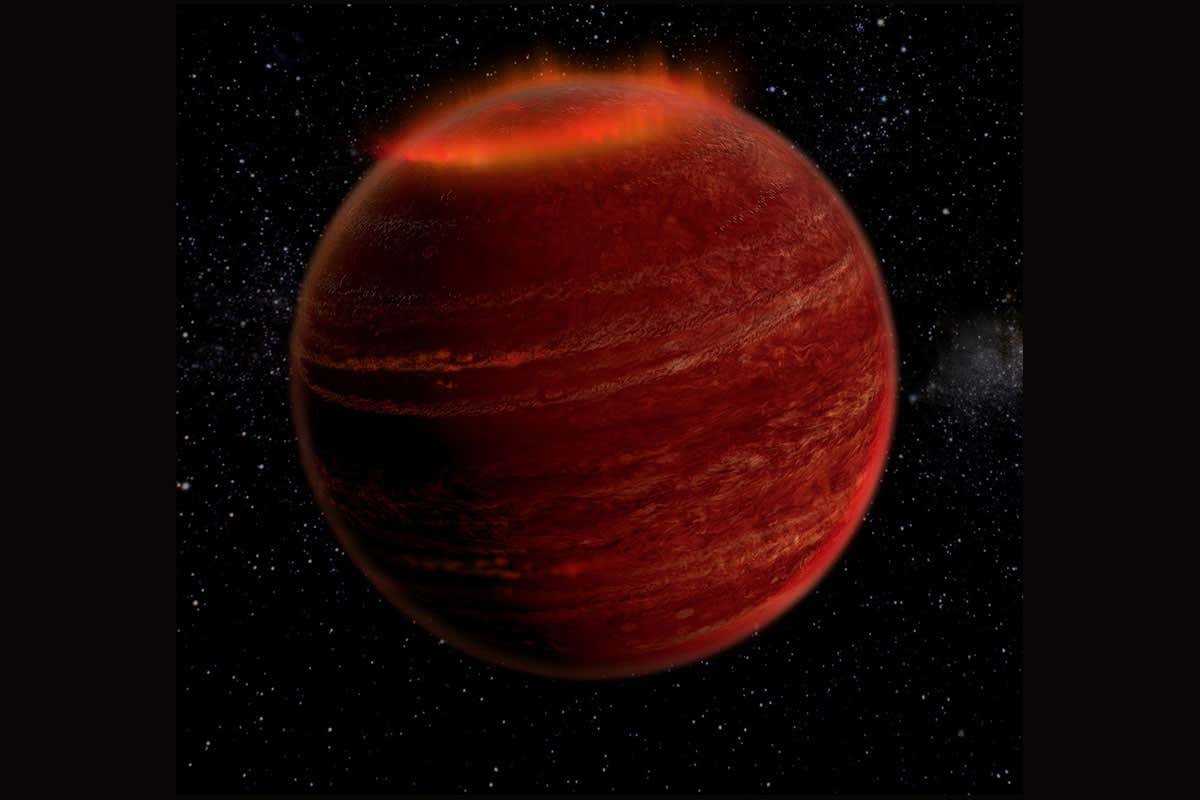
Failed stars called brown dwarfs straddle the line between big planets and small stars. An observation of a magnetic field puts another tick in the star column
14 June 2017
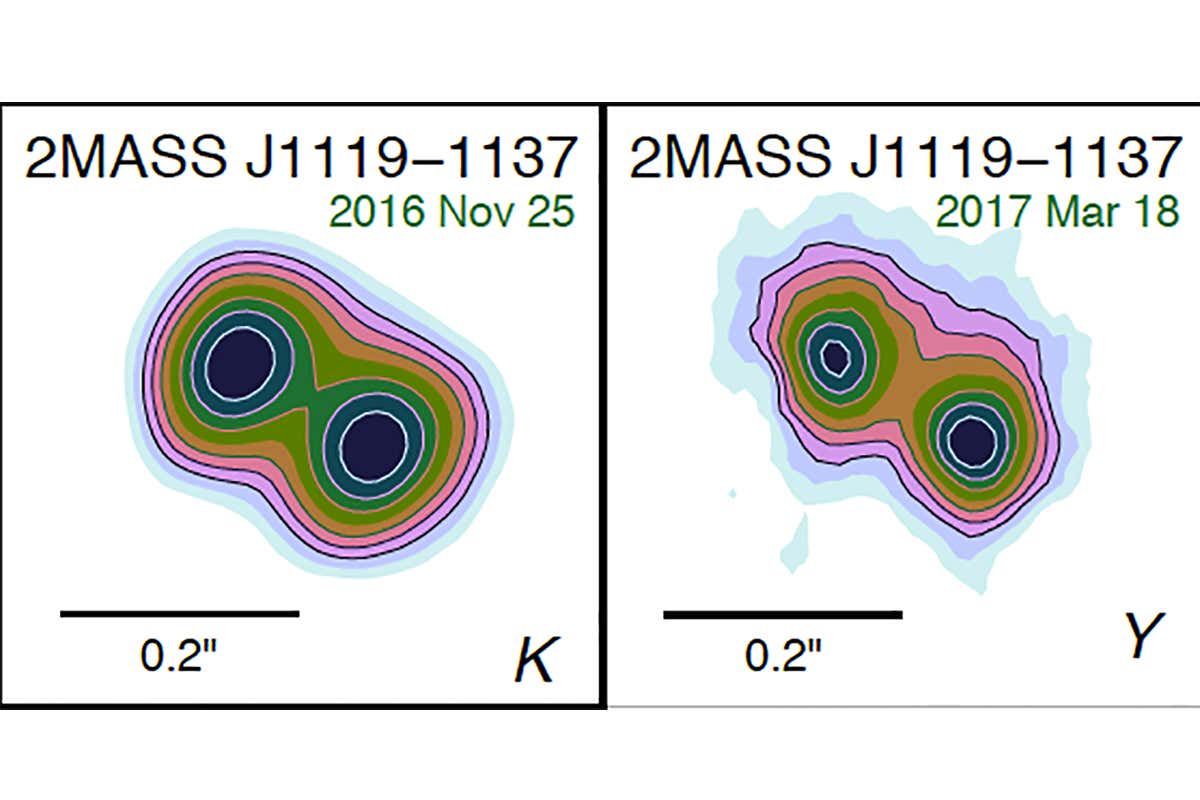
New observations reveal a rare binary planet system made of two gas giants four times as massive as Jupiter that likely formed in the breakup of a protostar 10 million years ago
