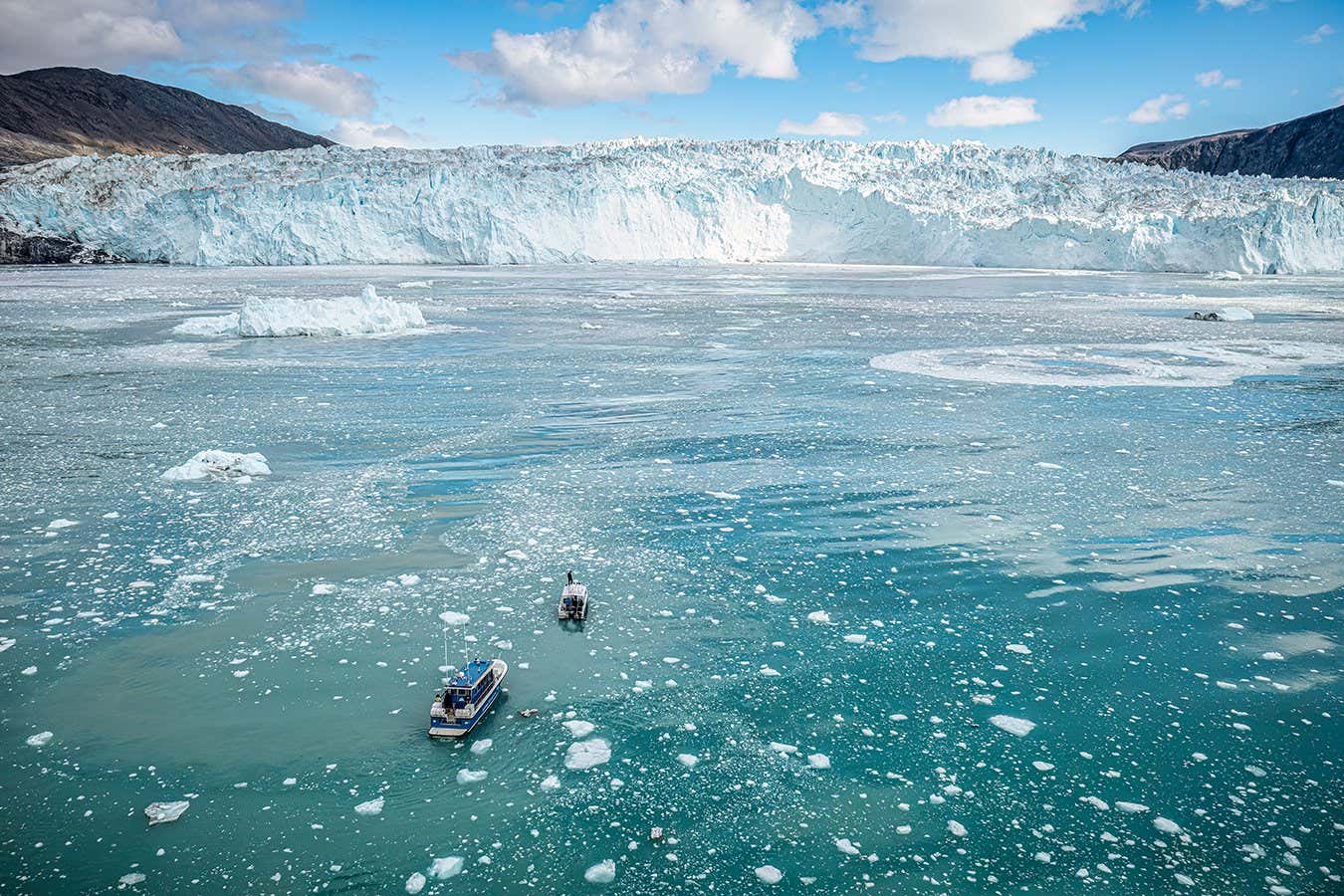
Ozone layer treaty pushed back ice-free Arctic summers up to 15 years
22 May 2023
A 1987 treaty to ban ozone-destroying gases helped delay the first Arctic summer with no ice, which is now projected to happen by 2037 at the earliest
22 May 2023
A 1987 treaty to ban ozone-destroying gases helped delay the first Arctic summer with no ice, which is now projected to happen by 2037 at the earliest
5 April 2023
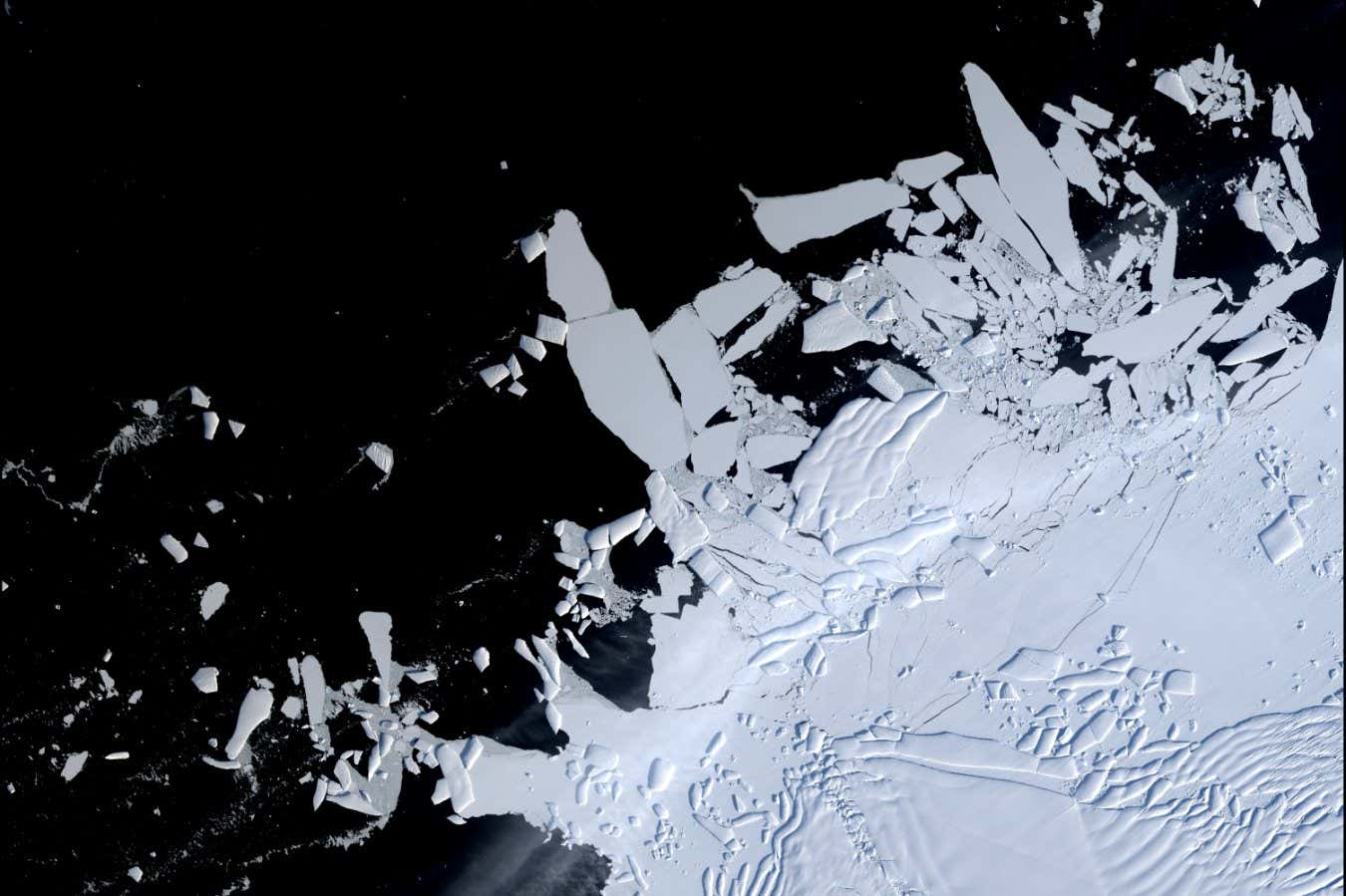
Traces on the sea floor suggest an ancient ice sheet retreated at more than 600 metres per day at the end of the last glaciation, raising concern about the fate of modern ice sheets
16 August 2022
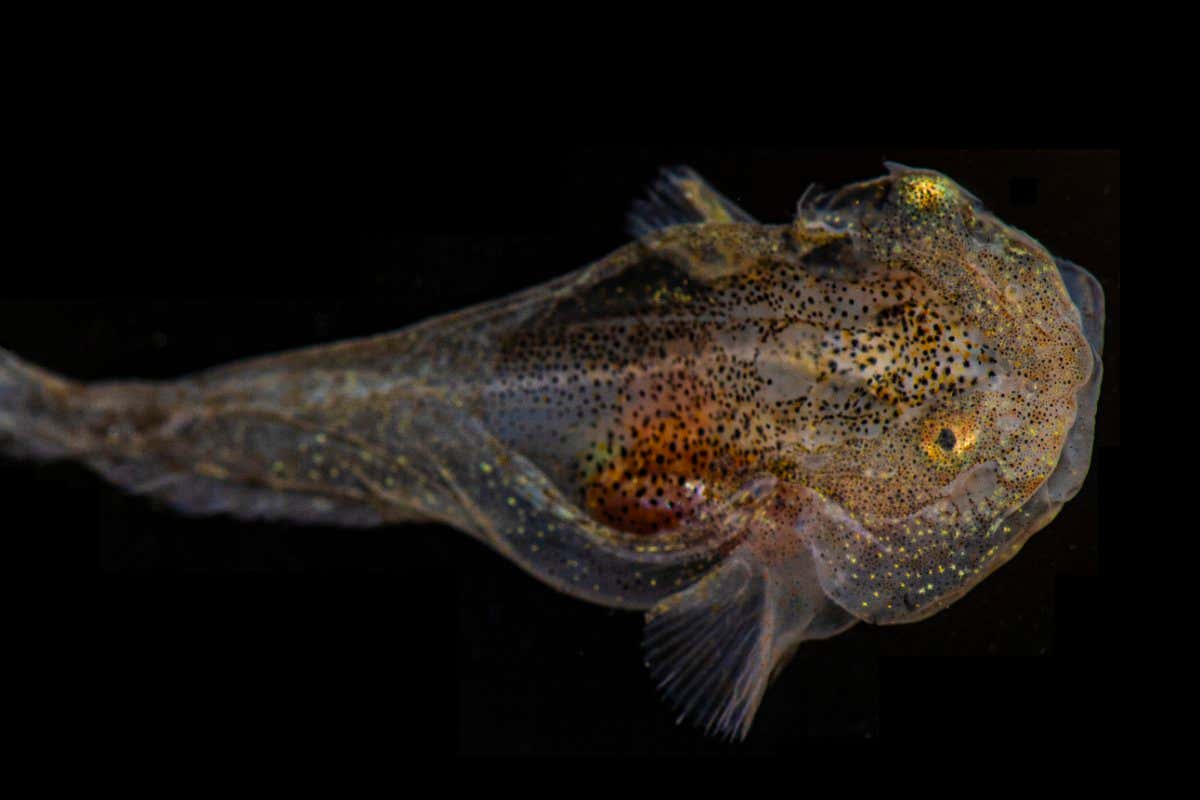
Greenland’s variegated snailfish produces antifreeze proteins that stop large ice crystal formation, keeping the animal’s blood like a slushie, instead of frozen solid
22 March 2022
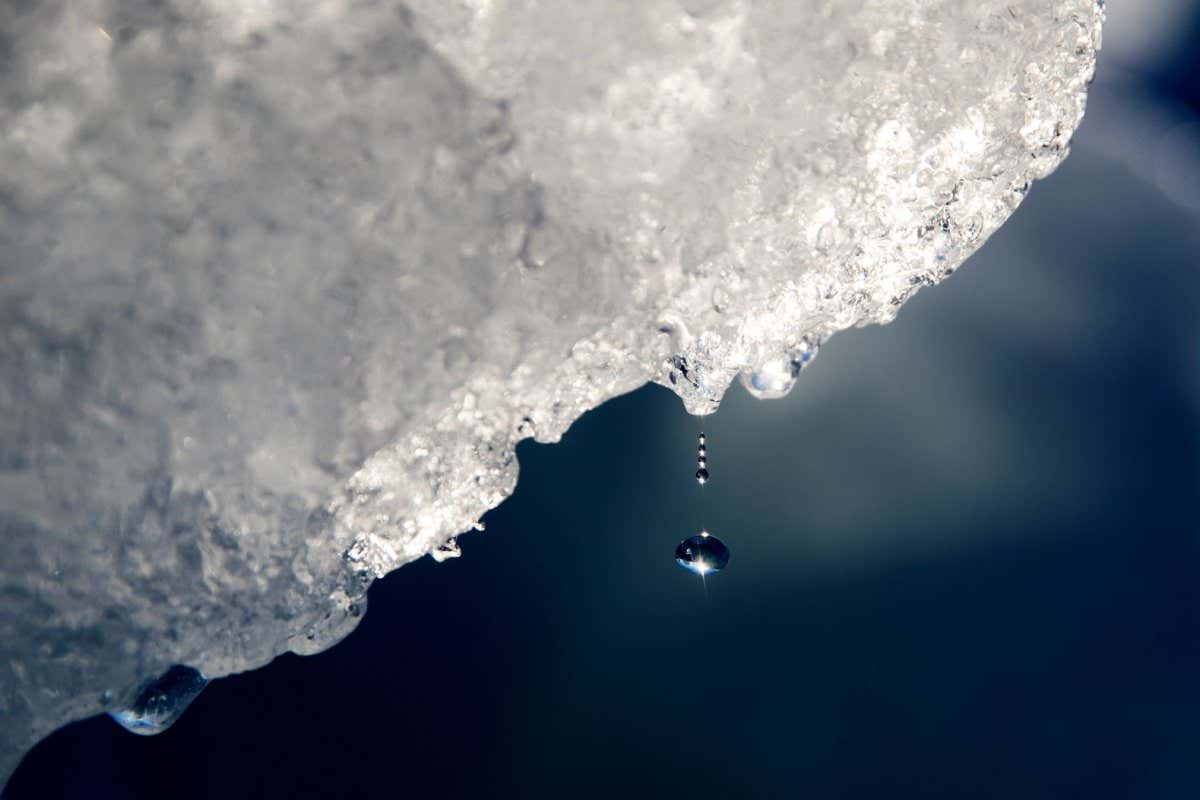
Both poles are being warmed by unusually hot air currents, but scientists think the extreme temperatures in Antarctica are a result of natural variability not climate change
24 November 2021
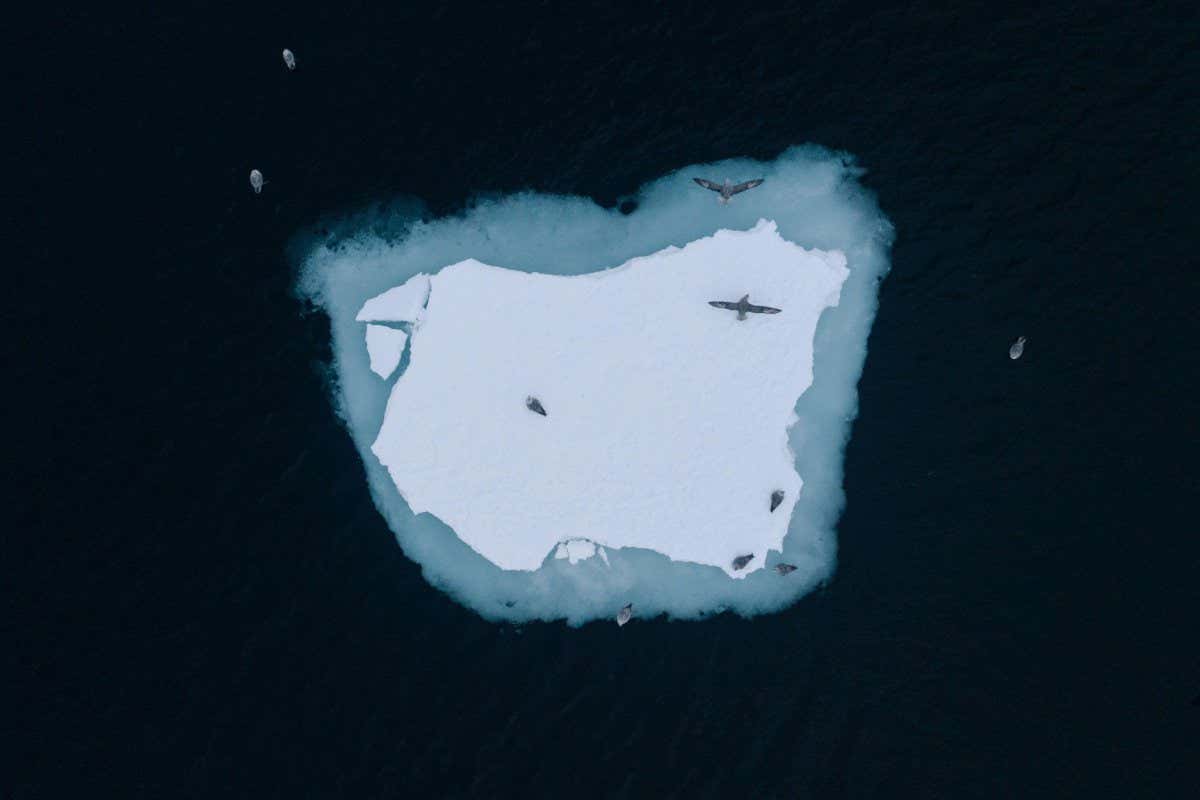
A sediment core from Svalbard has revealed a sudden influx of warm water in the Arctic in 1907, which is evidence of a process that is spurring ice loss
24 June 2021
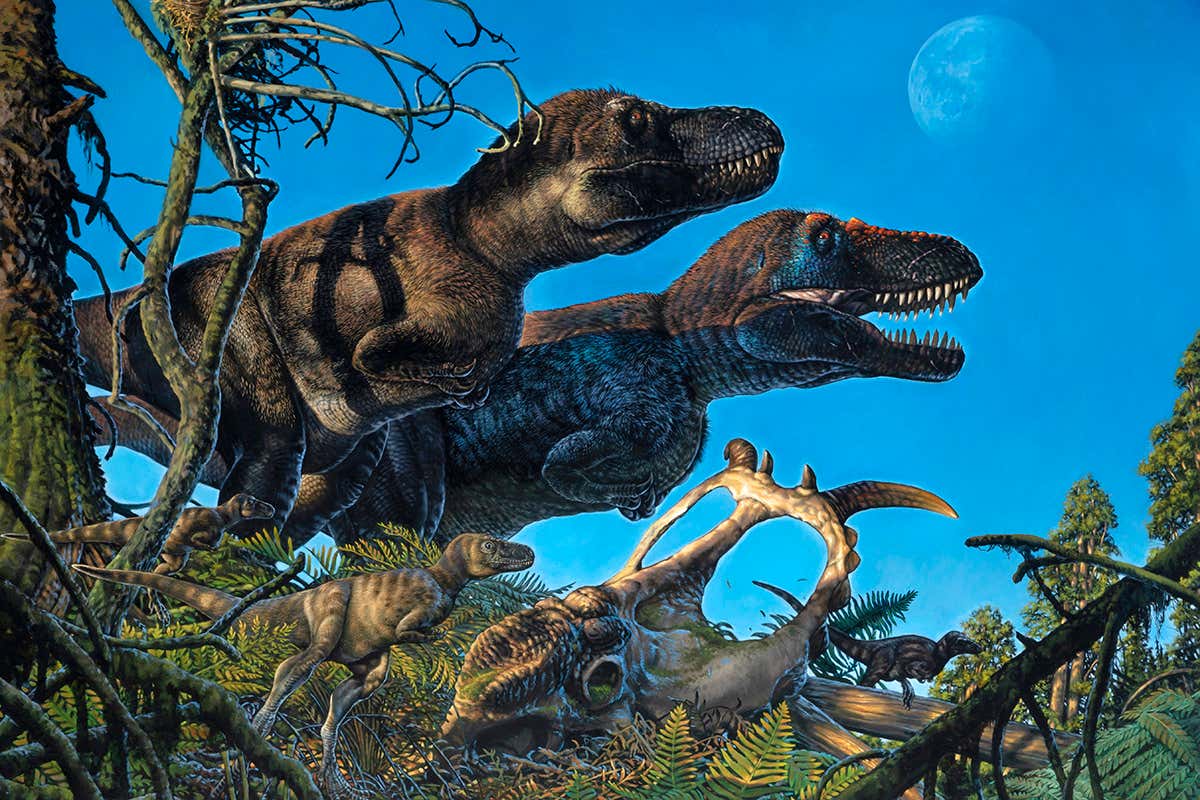
Newly discovered fossils suggest that dinosaurs nested in modern-day Alaska, surviving the frigid and dark winters of the ancient Arctic
19 May 2021
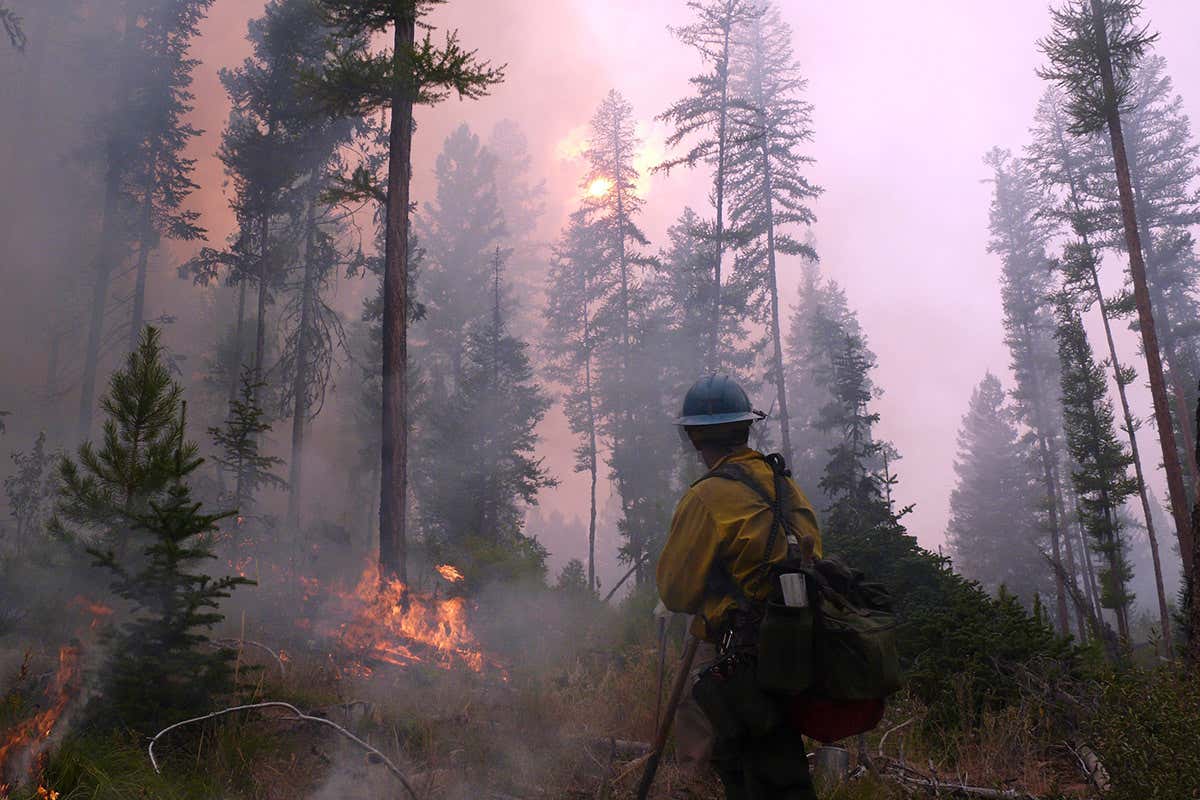
Some forest fires burn in the summer, smoulder through winter and reignite in spring – and a new model suggests they may be becoming more common in parts of the Arctic
27 October 2020
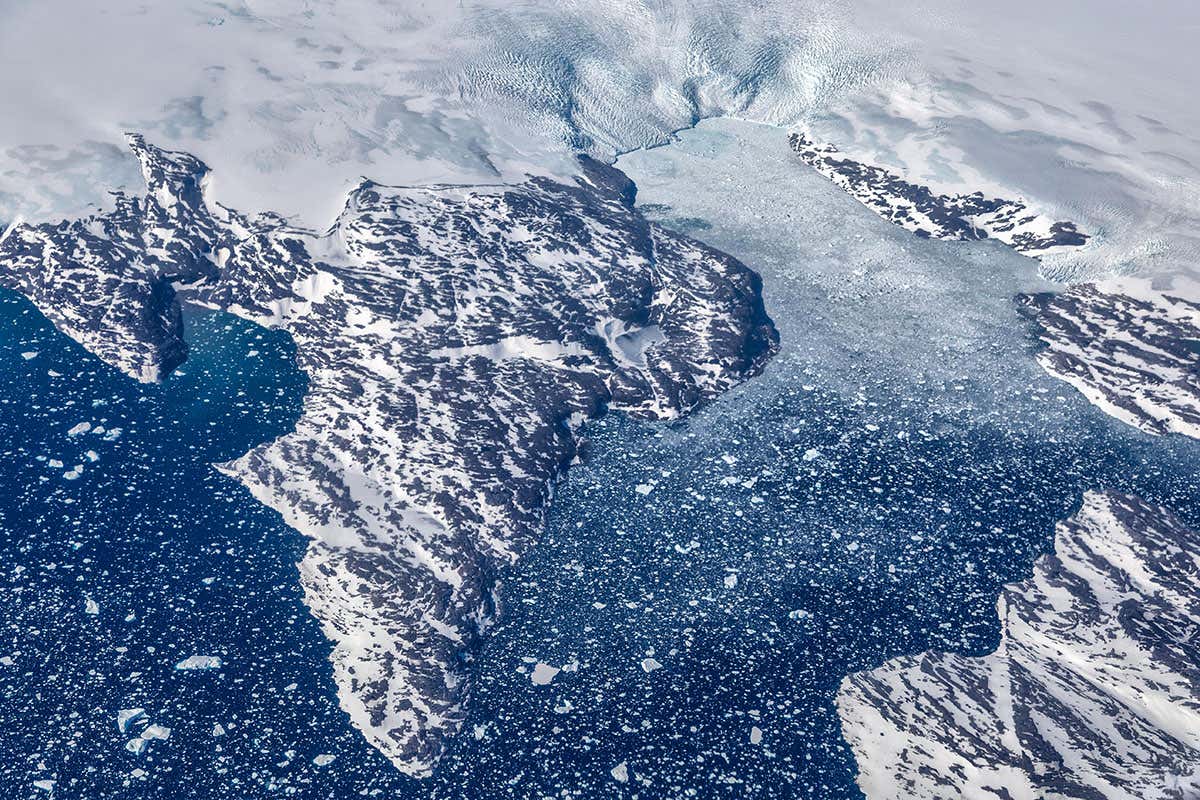
Arctic sea ice vanishing in summers by 2050 could trigger 0.19°C of extra global warming – almost enough to wipe out any savings from China going carbon neutral
25 September 2020
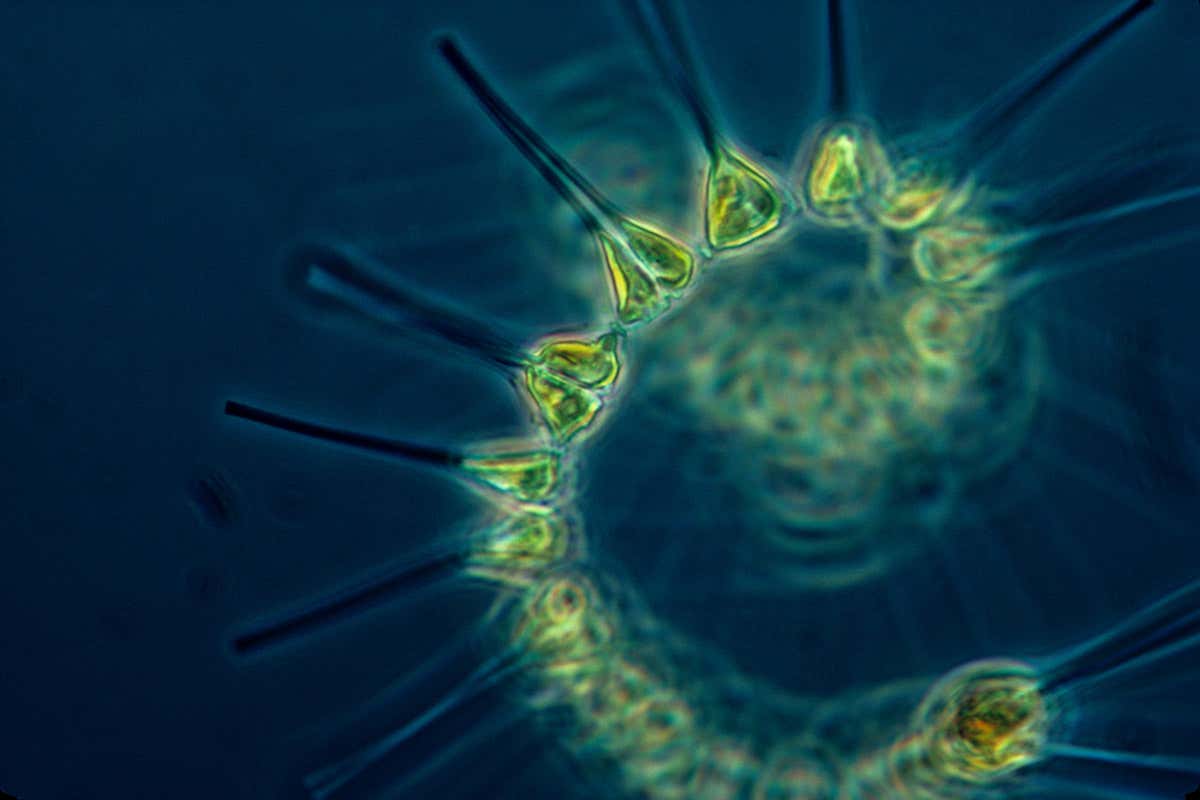
Microscopic marine algae can use even the smallest amount of reflected light to grow in near darkness during winter under the Arctic sea ice
20 July 2020
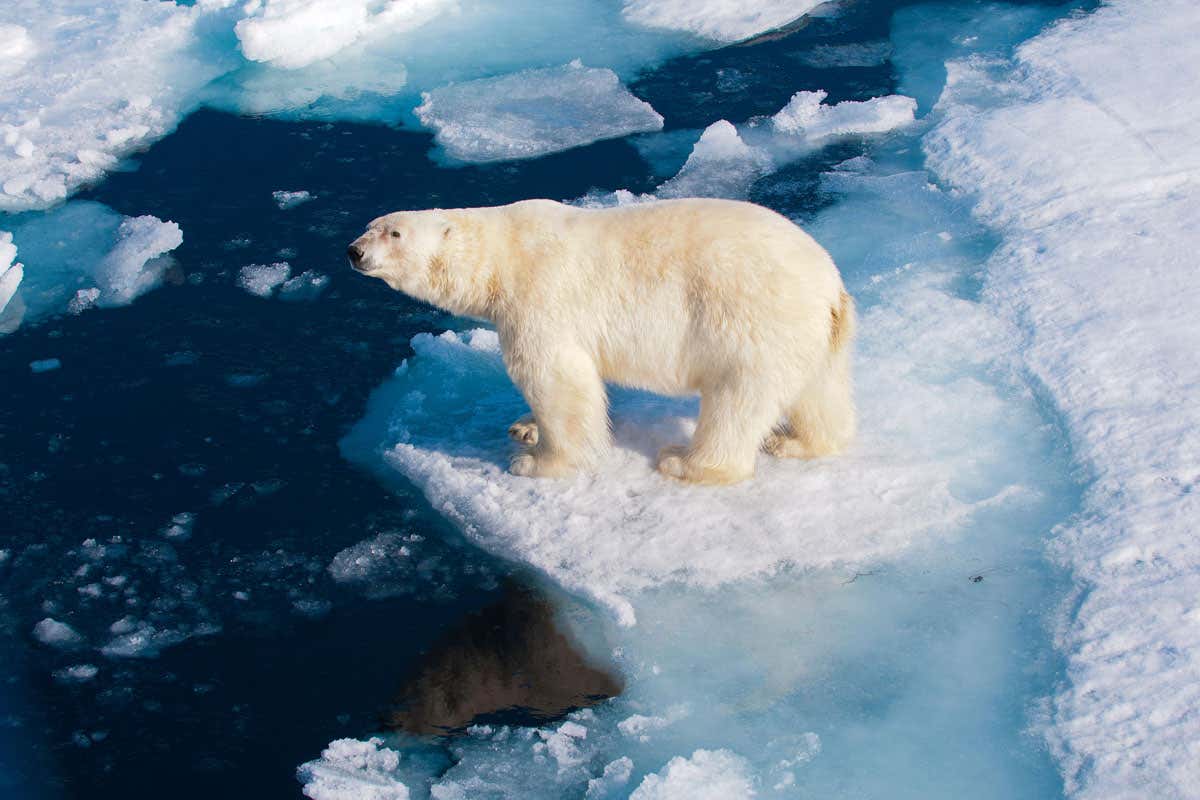
Unchecked climate change will doom all but one of the world’s populations of polar bears before the end of the century, as vanishing sea ice increases their annual fasts beyond their limits
