Subscribe now
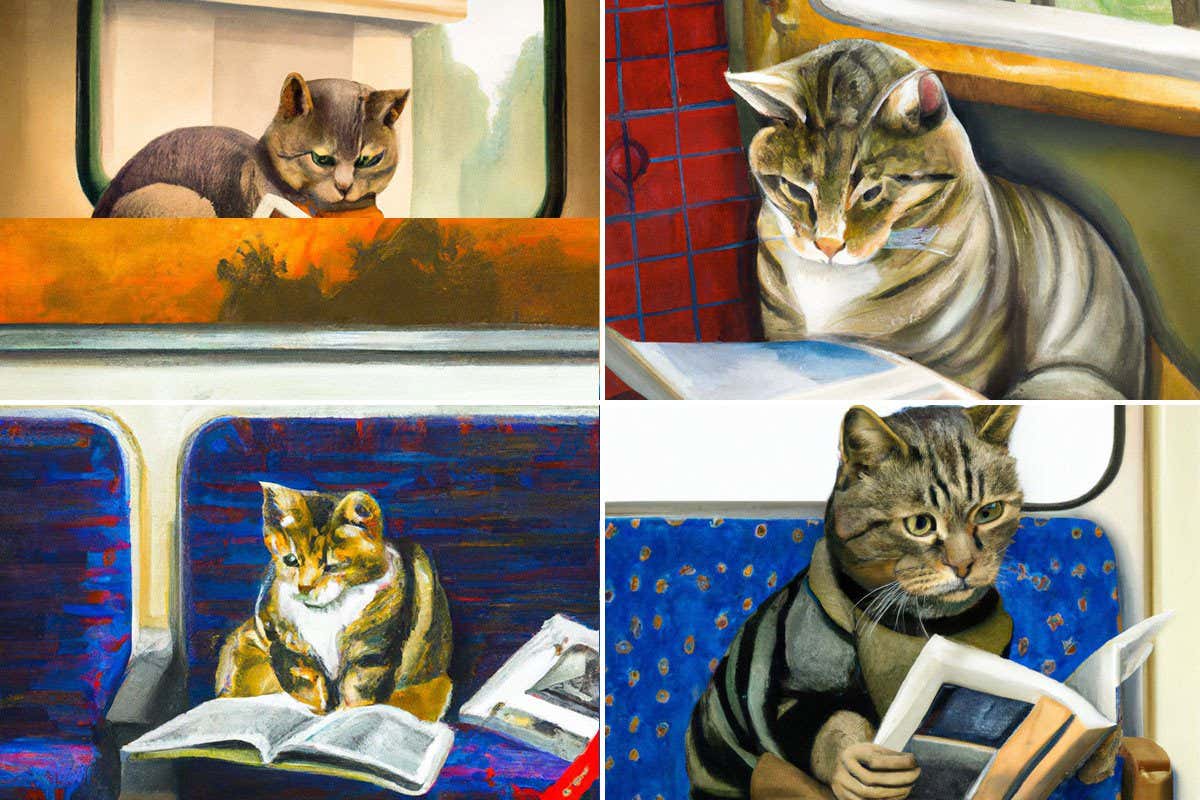
AI generated art

AI made it possible to create a picture of almost anything in 2022

27 December 2022

The rapid rise of text-to-image generators powered by artificial intelligence has thrilled some people, but left others concerned for the future of art


A person receives a smallpox vaccine to protect against monkeypox in Utrecht, the Netherlands, in August 2022

How the covid-19 pandemic helped tackle Ebola and monkeypox in 2022

27 December 2022

The covid-19 pandemic has improved communication between researchers and officials, and may have even prompted Uganda's first lockdown against Ebola

DNA

Gene-replacement therapies are transforming children’s lives

23 December 2022

Several therapies to correct severe genetic disorders have been approved by medical regulators in 2022, and others have produced impressive clinical trial results


A person receives a smallpox vaccine to protect against mpox in LA, California, in August 2022

Targeted vaccine campaigns helped the West get on top of monkeypox

23 December 2022

Countries such as the UK and France are now reporting zero daily cases of monkeypox as a result of offering the limited vaccine doses available to the most at-risk people

Black hole

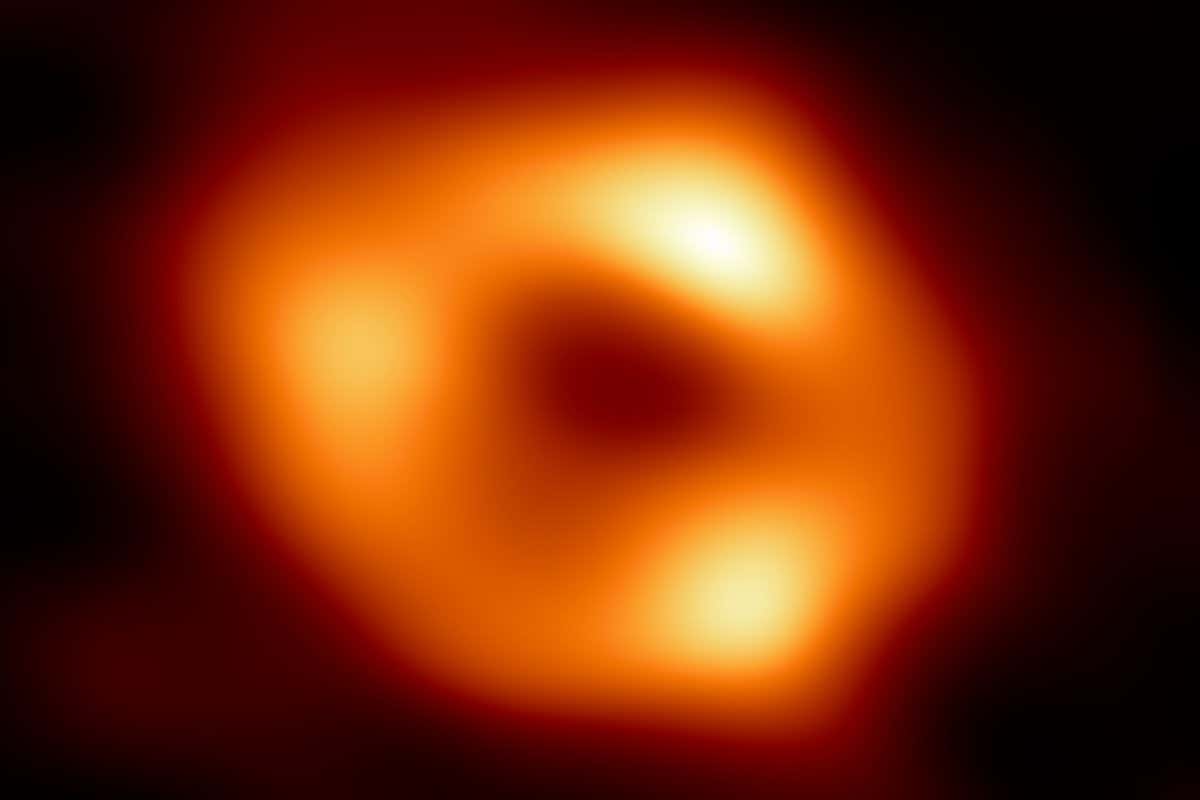
We saw the supermassive black hole at the centre of our galaxy in 2022

22 December 2022

Astronomers using the Event Horizon Telescope released a picture in May of Sagittarius A*, the black hole at the centre of the Milky Way
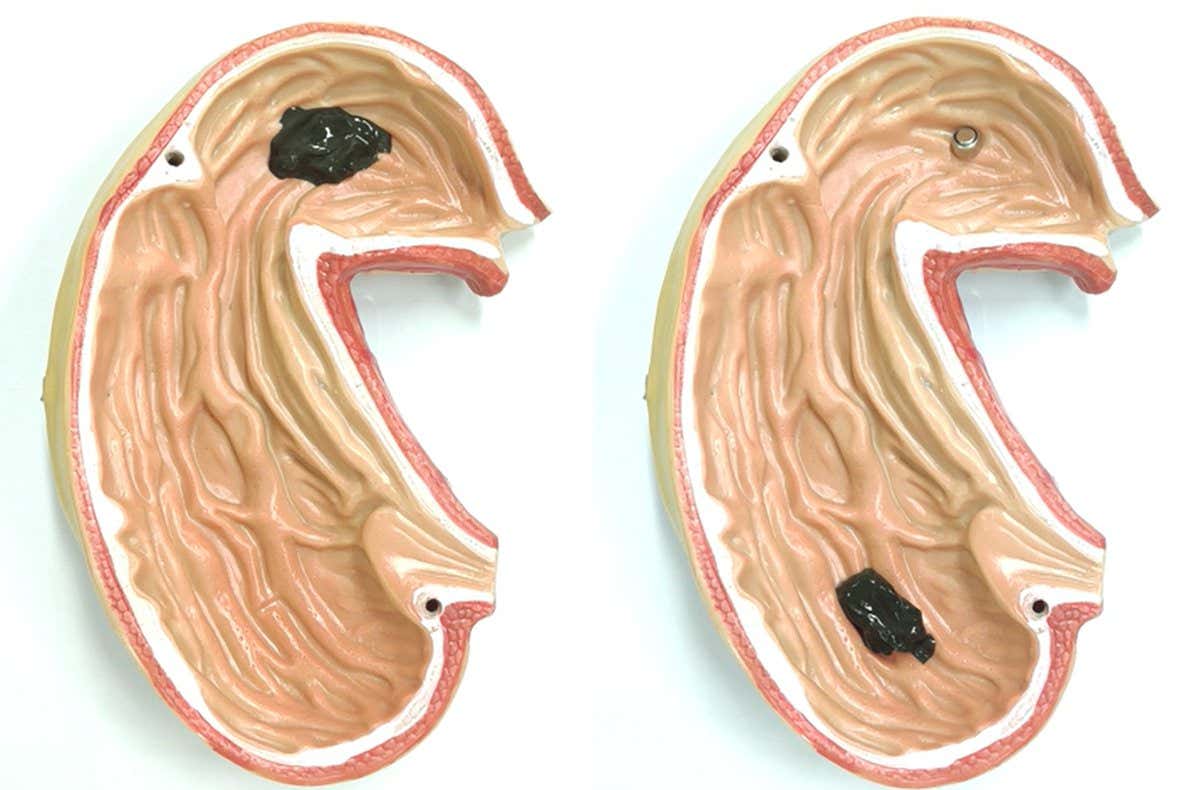

Slime robot inside a model of the stomach

This Venom-like magnetic slime robot was a big hit in 2022

20 December 2022

A magnetic slime robot that drew comparisons to the Marvel character Venom could navigate through narrow passages and fix broken circuits
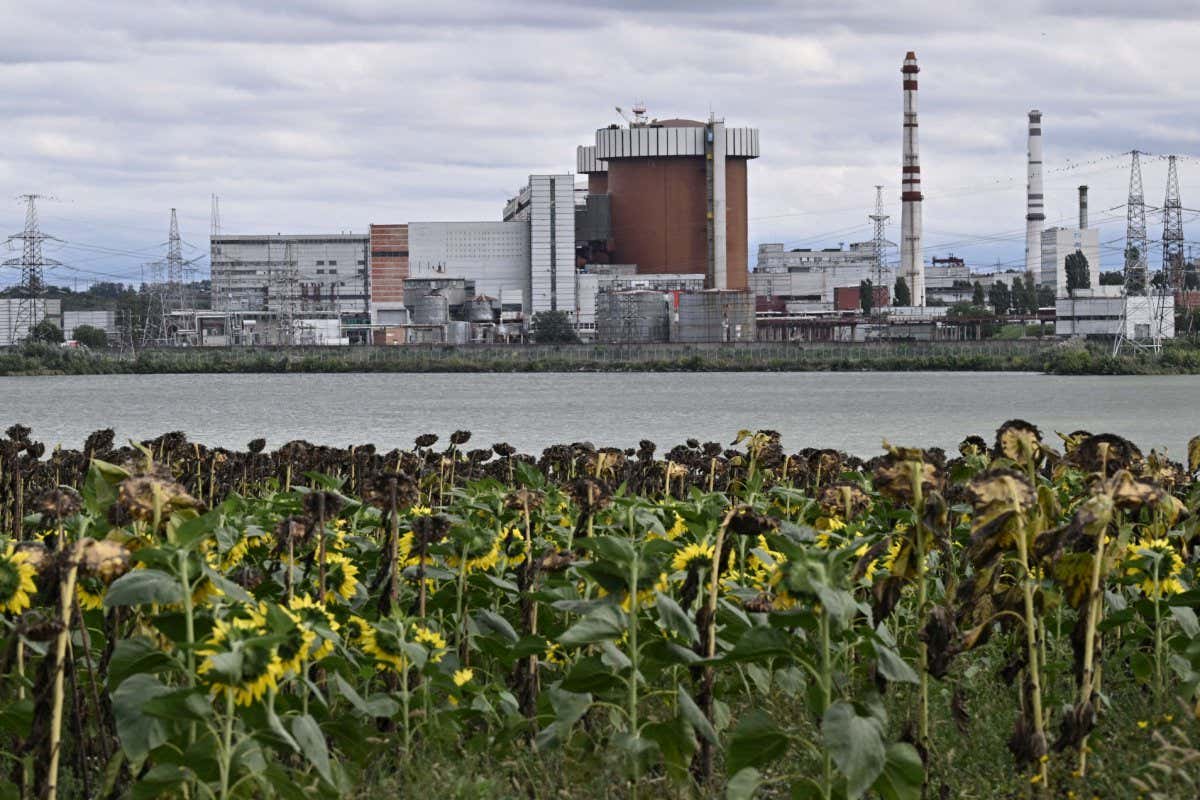

Nuclear power plant

Biggest science news stories of 2022 as chosen by New Scientist

16 December 2022

Nuclear fusion, infectious diseases and an incredible new space telescope were ongoing stories in 2022, but what were some of the other big scientific developments, discoveries and events of the year?
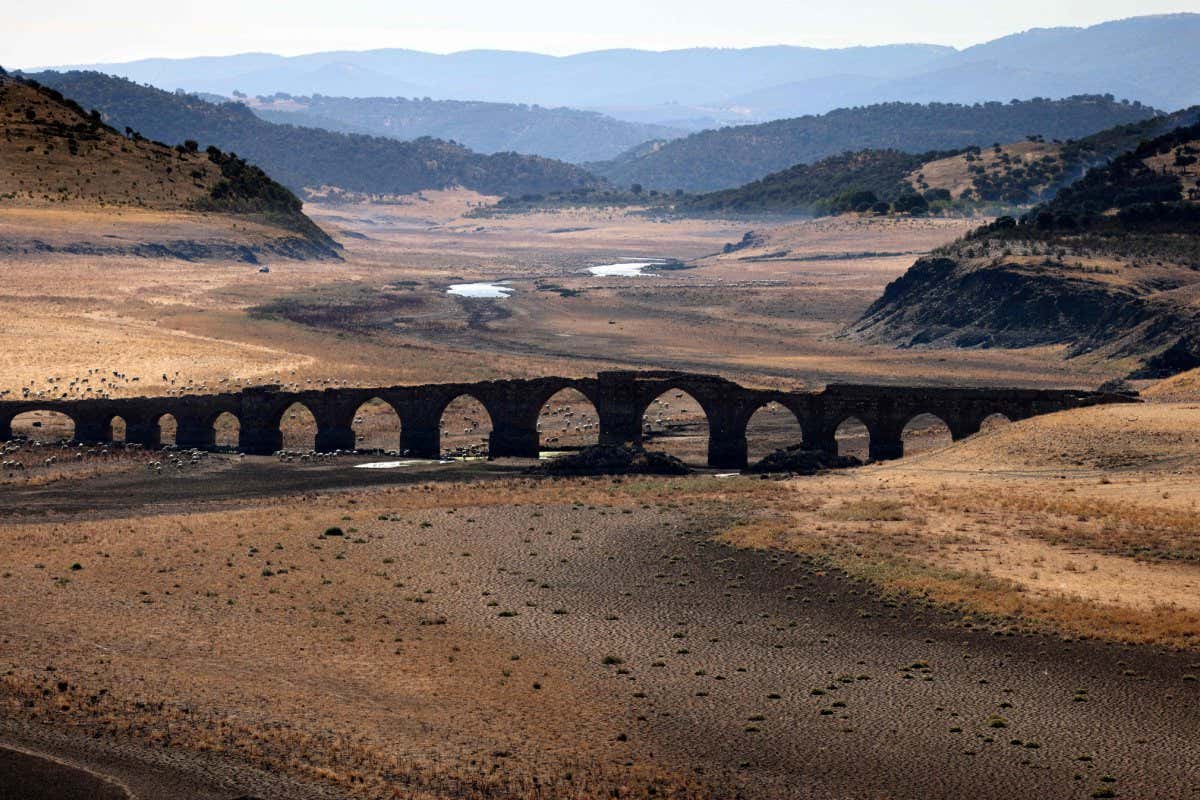

Part of the Guadiana river has dried up and gives way to dry land under the Puente de la Mesta medieval bridge in Villarta de los Montes, in the central-western Spanish region of Extremadura, on August 16, 2022. - Temperatures in Spain have been very high this summer with several unusual heat waves. Scientists say human-induced climate change is making extreme weather events including heatwaves and droughts more frequent and more intense. (Photo by THOMAS COEX / AFP) (Photo by THOMAS COEX/AFP via Getty Images)

Extreme drought in 2022 exposed fragility of Europe’s energy system

14 December 2022

The past year saw temperature records fall and severe drought in many parts of the world – and it exposed how easily extreme weather can threaten Europe’s energy system
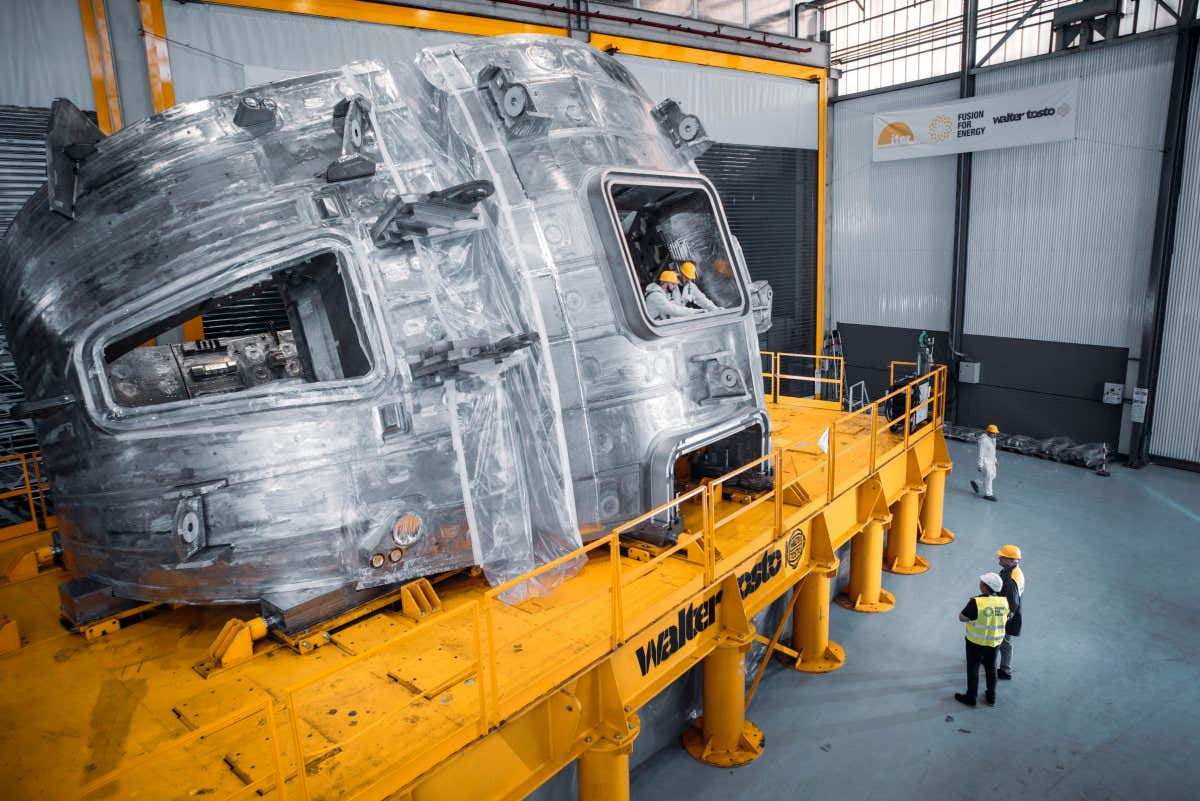

WALTER TOSTO COMPANY REPORT https://www.flickr.com/photos/fusionforenergy/52231537313/ Final assembly of Europe's sector 4 of the ITER Vacuum Vessel, Walter Tosto, Italy, May 2022.

Unlimited energy from fusion became a more feasible prospect in 2022

14 December 2022

Landmark confirmations of physics theory, including an energy production breakthrough at the end of the year, have turned fusion power stations into an engineering challenge rather than a physics one
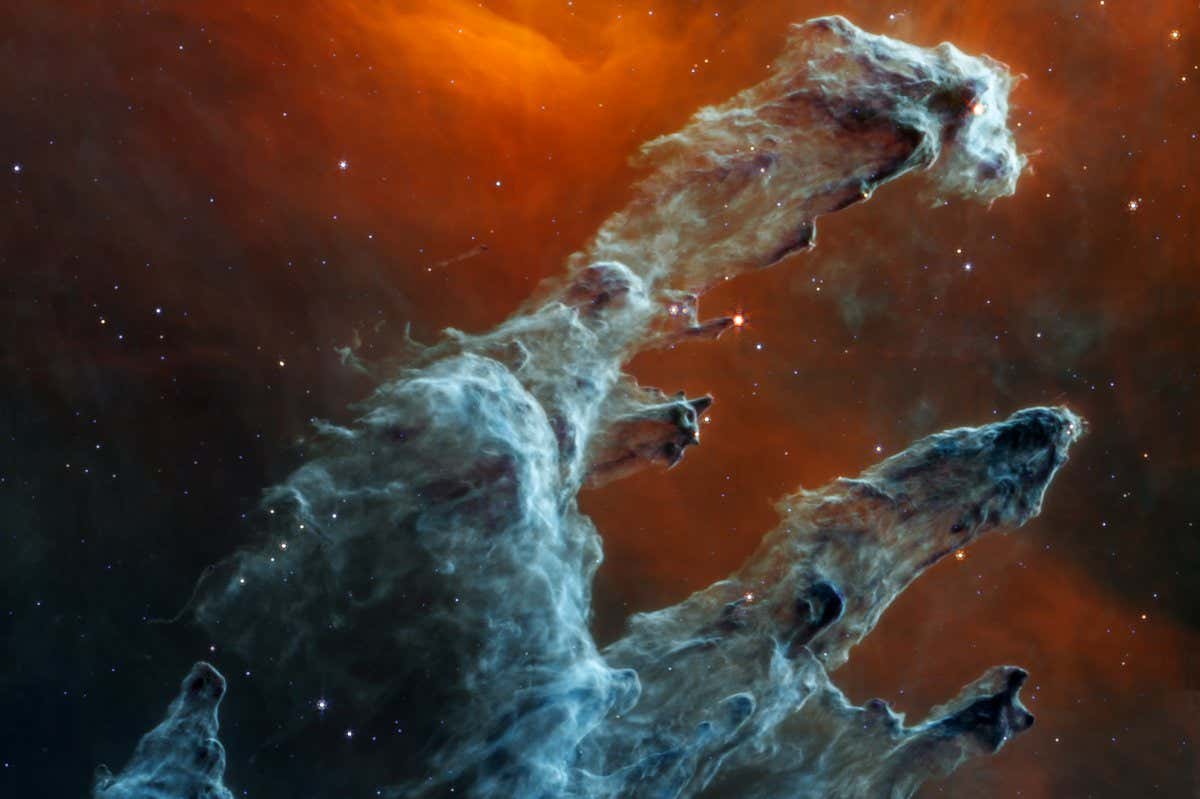

https://webbtelescope.org/contents/media/images/2022/053/01GFRYSFM89AFADVAA0W625BSB NASA?s James Webb Space Telescope?s mid-infrared view of the Pillars of Creation strikes a chilling tone. Thousands of stars that exist in this region disappear ? and seemingly endless layers of gas and dust become the centerpiece. The detection of dust by Webb?s Mid-Infrared Instrument (MIRI) is extremely important ? dust is a major ingredient for star formation. Many stars are actively forming in these dense blue-gray pillars. When knots of gas and dust with sufficient mass form in these regions, they begin to collapse under their own gravitational attraction, slowly heat up ? and eventually form new stars. Although the stars appear missing, they aren?t. Stars typically do not emit much mid-infrared light. Instead, they are easiest to detect in ultraviolet, visible, and near-infrared light. In this MIRI view, two types of stars can be identified. The stars at the end of the thick, dusty pillars have recently eroded the material surrounding them. They show up in red because their atmospheres are still enshrouded in cloaks of dust. In contrast, blue tones indicate stars that are older and have shed most of their gas and dust.

JWST captured the most thrilling and inspiring space images of 2022

14 December 2022

The launch of the much-delayed James Webb Space Telescope finally paid off in 2022, as the orbiting observatory delivered jaw-dropping pictures throughout the year


Sign up to our weekly newsletter

Receive a weekly dose of discovery in your inbox. We'll also keep you up to date with New Scientist events and special offers.

Sign up
Piano Exit Overlay Banner Mobile Piano Exit Overlay Banner Desktop