Subscribe now
The future of food: How to farm insects for a growing population

The future of food: How to farm insects for a growing population

13 January 2023

Will we be eating insects in the future? New Scientist's Alex Wilkins recently took a look inside a huge vertical insect farm in France to see what the future of food might look like and taste like.
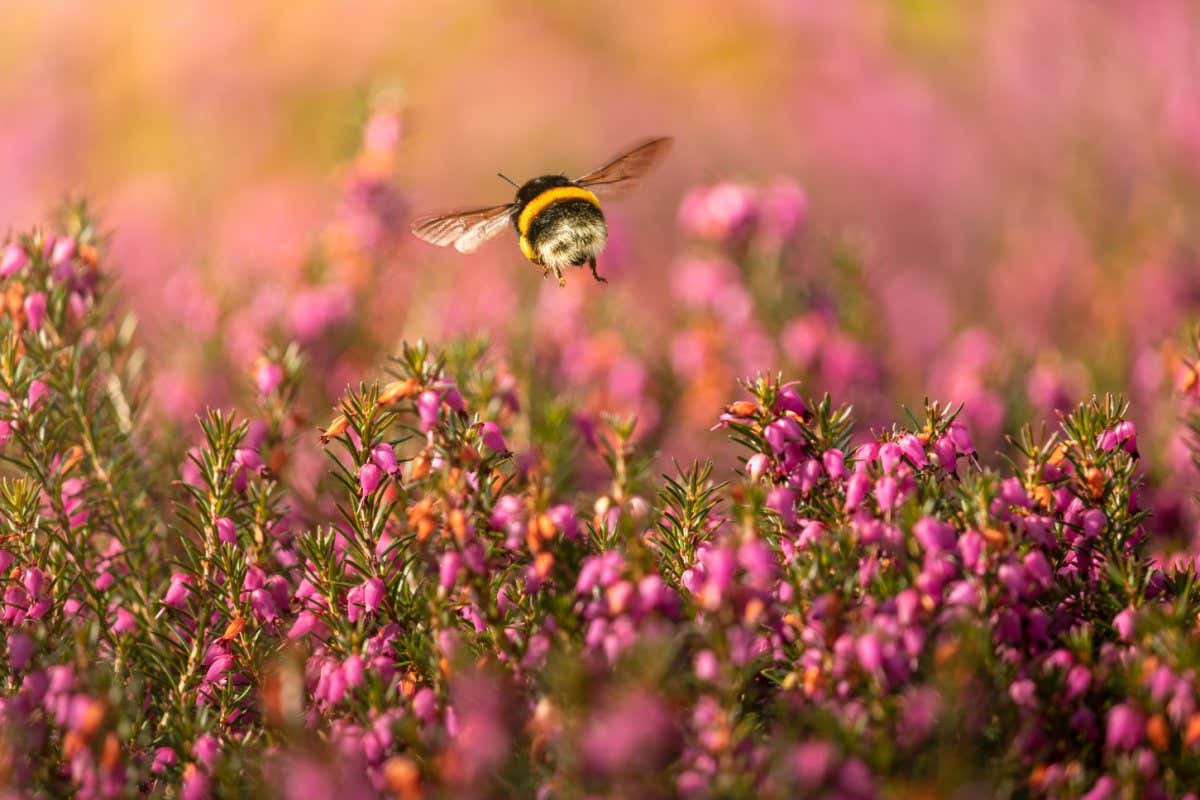
A bumblebee flies over a field of flowering heather plants.

Protected areas in Britain fail to stop loss of insects and spiders

13 January 2023

Invertebrate monitoring data from 1990 to 2018 show that protected areas in Britain are losing species at the same rate as unprotected areas


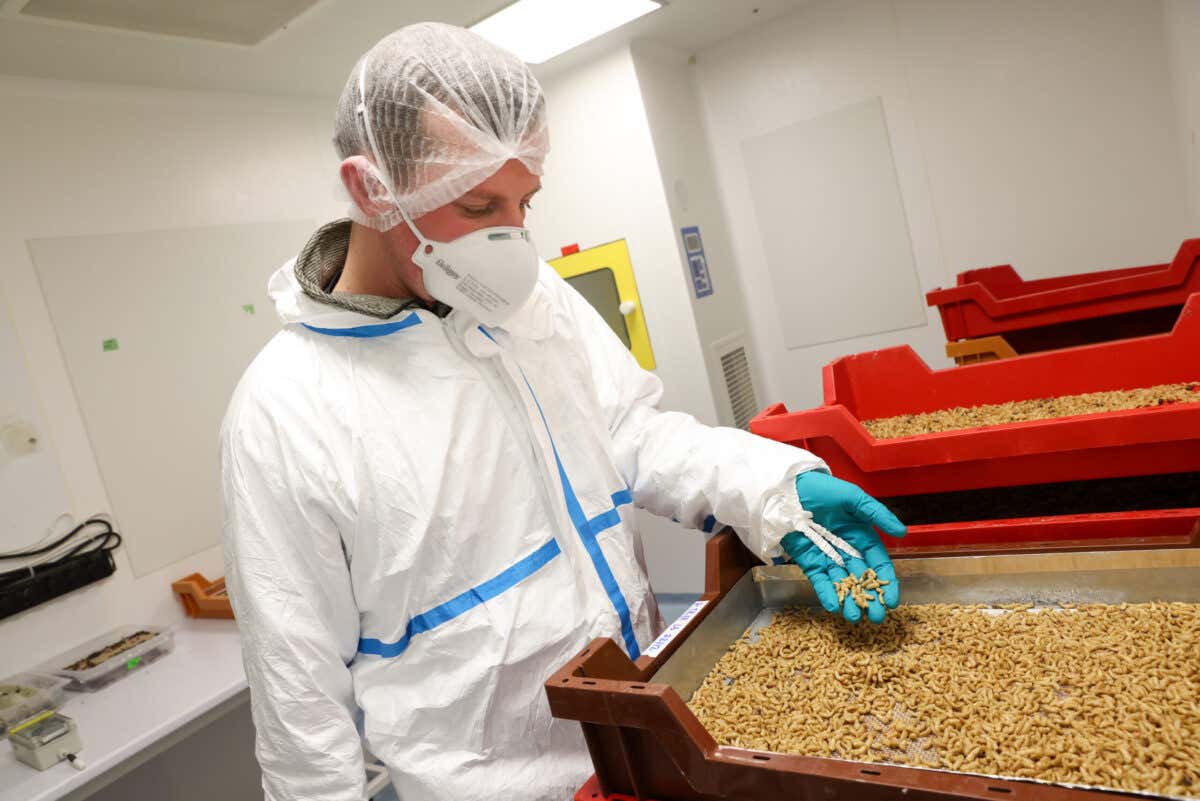
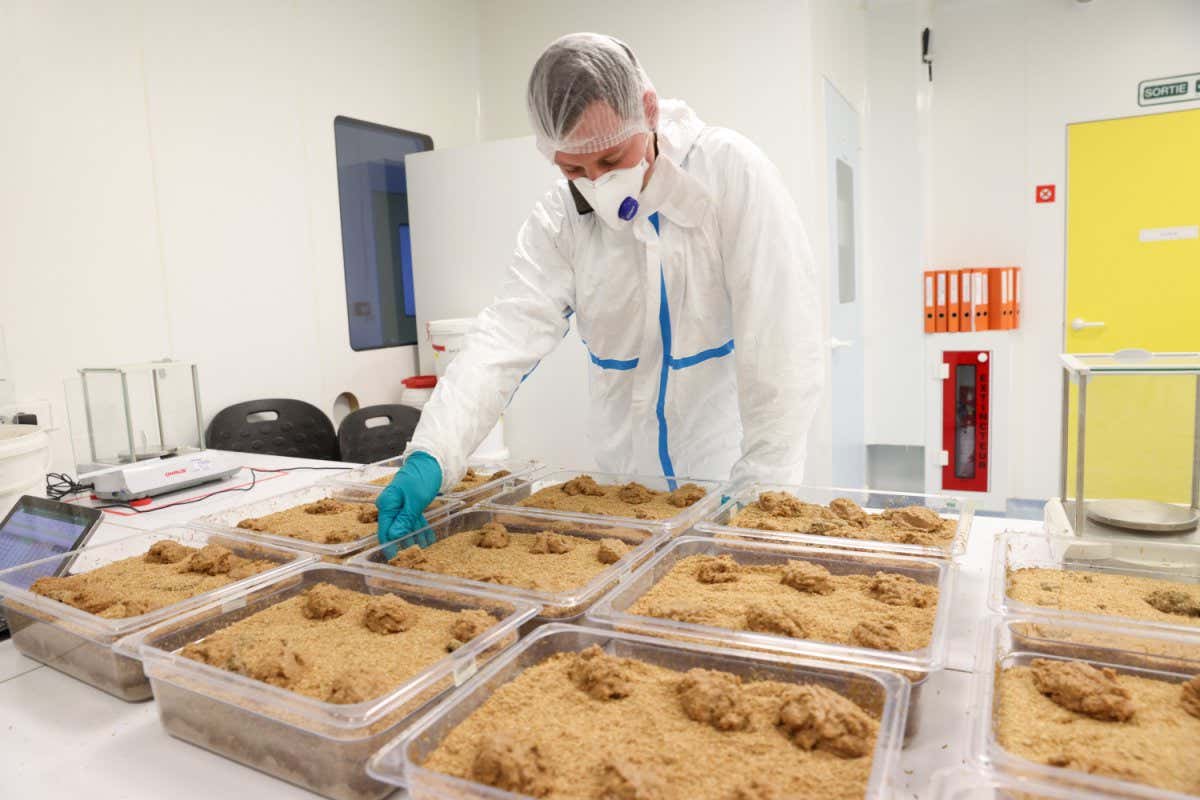
Alex Wilkins inside Ynsect's research and development lab in Evry, Paris, France

Inside an insect farm: Are mealworms a sustainable meat alternative?

11 January 2023

The French biotech company Ÿnsect plans to open 15 mealworm factories by 2030. We looked inside their pilot plant to see what the future of food might look like


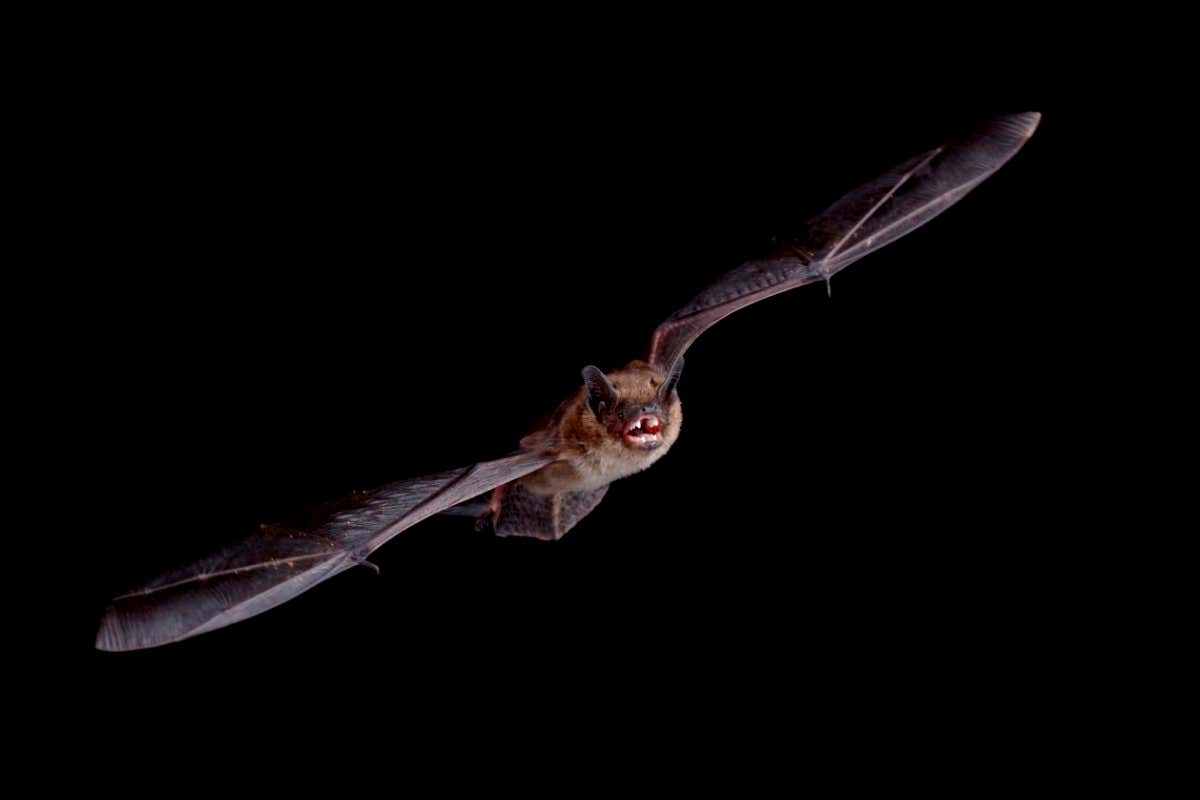
Big brown bat (Eptesicus fuscus) in flight, in captivity, Hidalgo County, New Mexico, United States of America, North America

Common insecticide may impair navigation in big brown bats

11 October 2022

Eating insects containing chlorpyrifos, an insecticide banned in the European Union but still used elsewhere, seems to make it more difficult for big brown bats to navigate


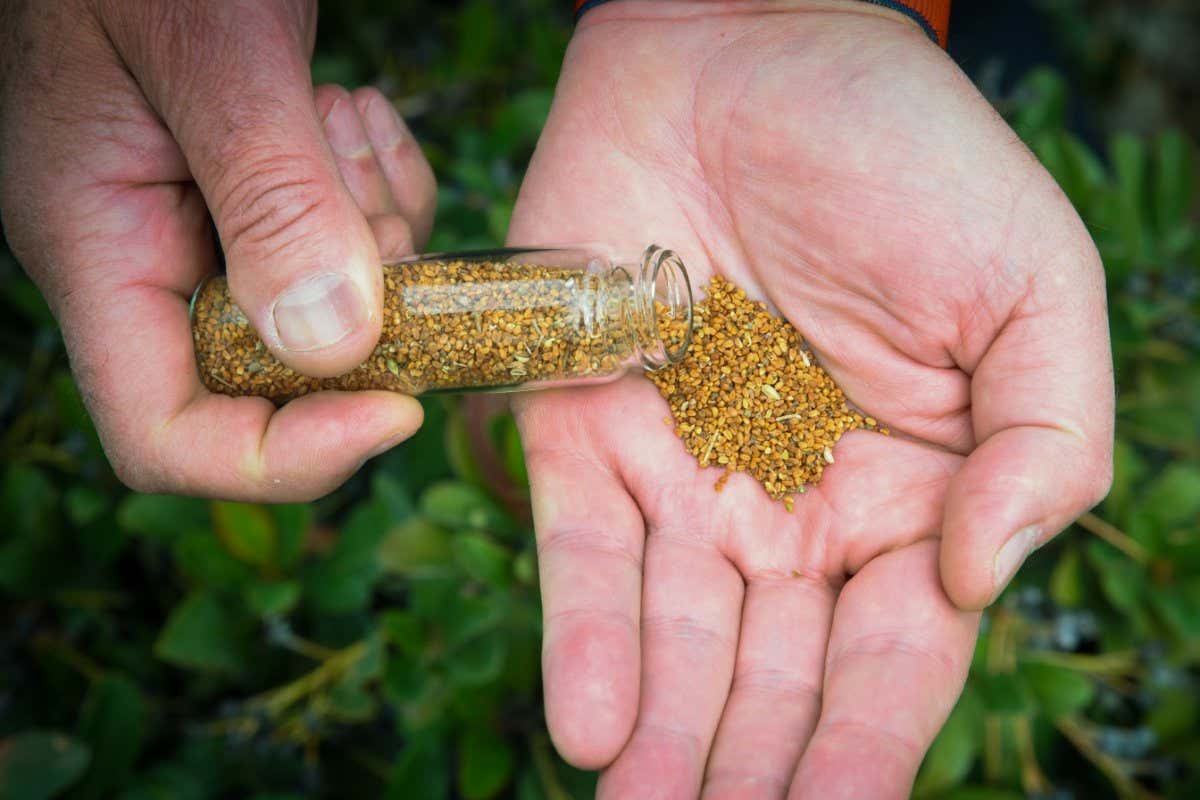
camelina oilseeds

Bioengineered plants help produce moth pheromones for pest control

1 September 2022

Pheromones are often used by farmers for controlling pest insects but the chemical process for producing them is expensive. A method for making them using bioengineered oil plants could be cheaper


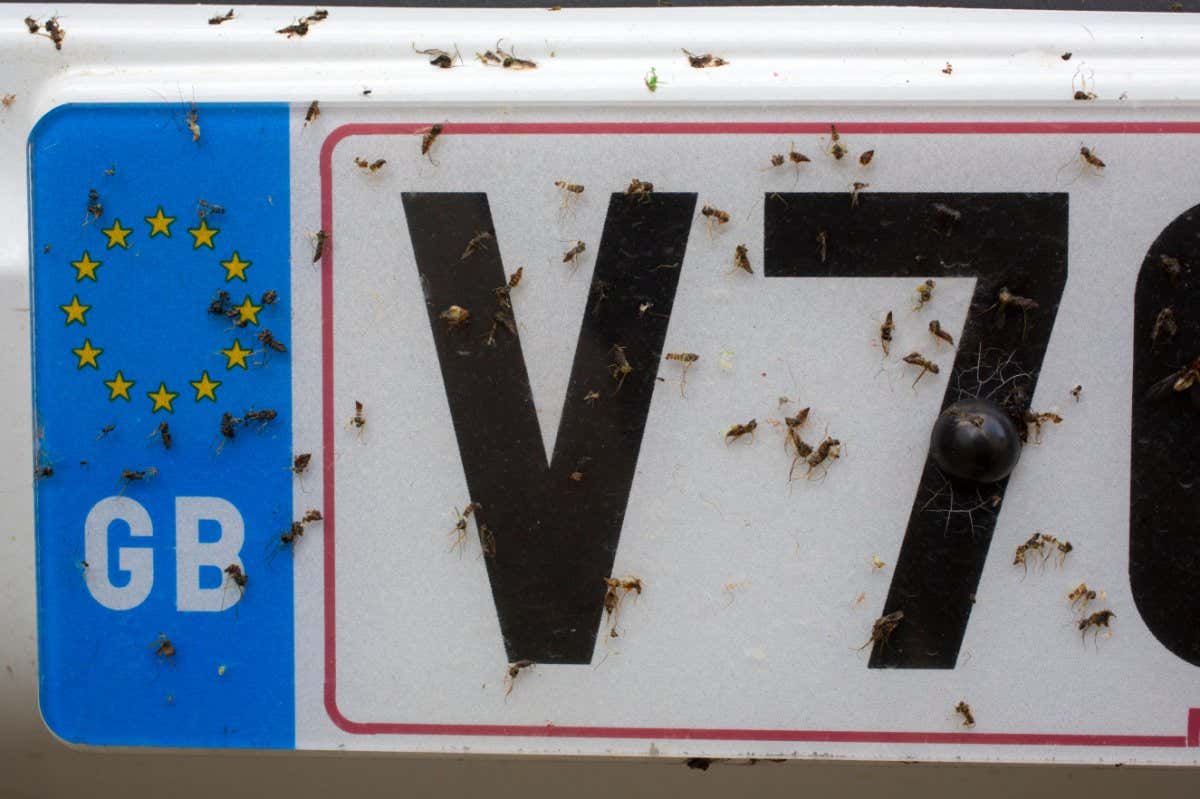
Insects on Car Number Plate

Flying insects splatting on cars have dropped by 60 per cent in UK

4 May 2022

A survey finds that between 2004 and 2021 there have been huge declines in the number of insect "splats per mile" on cars in the UK, with the fall particularly bad in England


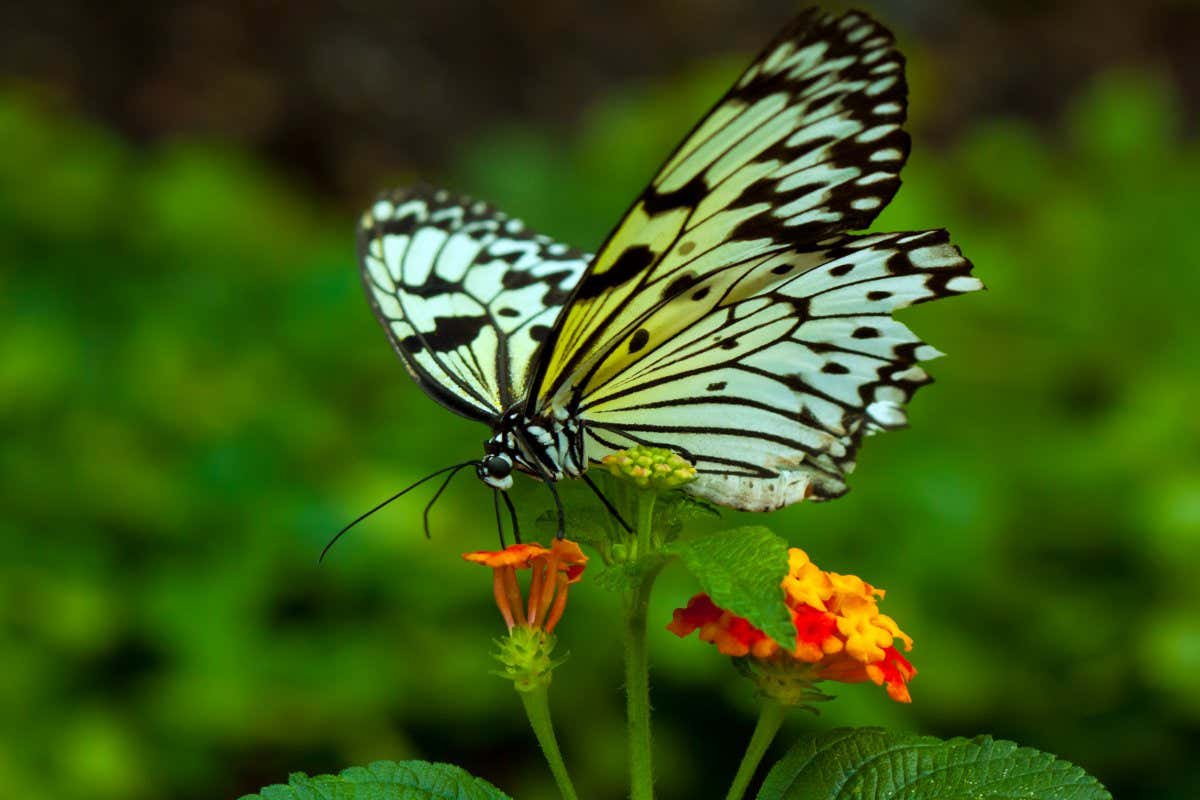
Idea leuconoe butterfly

Climate change and farming may have halved some insect populations

20 April 2022

Warmer temperatures and intense agriculture may be responsible for a 49 per cent decline in insect numbers in some areas, with the tropics worst hit


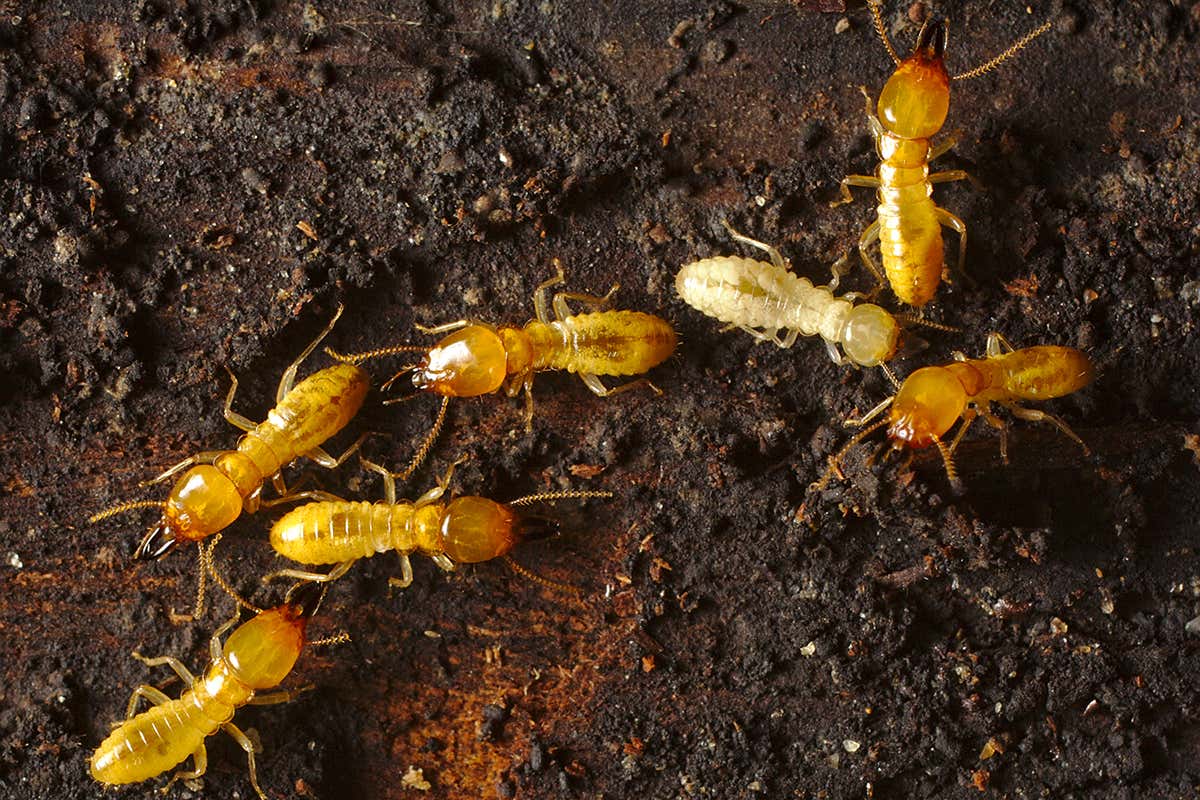
Termite gut microbes can help turn toxic wood into biofuels

Termite gut microbes can help turn toxic wood into biofuels

23 July 2021

Microbes isolated from the stomachs of termites can decontaminate timber that has been treated with toxic preservatives, enabling it to be converted into biofuels more easily


This smart shift in pesticide use could let insect populations recover

This smart shift in pesticide use could let insect populations recover

2 June 2021

The world's insects are in trouble – if we start using pesticides to protect plants rather than killing insects it could make a big difference, says Théotime Colin and Andrew B. Barron


Honey bee

Bees exposed to more toxic pesticides despite overall use falling

1 April 2021

Bees and other pollinators in the US, and probably other countries, have been exposed to growing levels of toxicity from pesticides over 25 years, despite the amount used falling at the same time


Sign up to our weekly newsletter

Receive a weekly dose of discovery in your inbox. We'll also keep you up to date with New Scientist events and special offers.

Sign up
Piano Exit Overlay Banner Mobile Piano Exit Overlay Banner Desktop