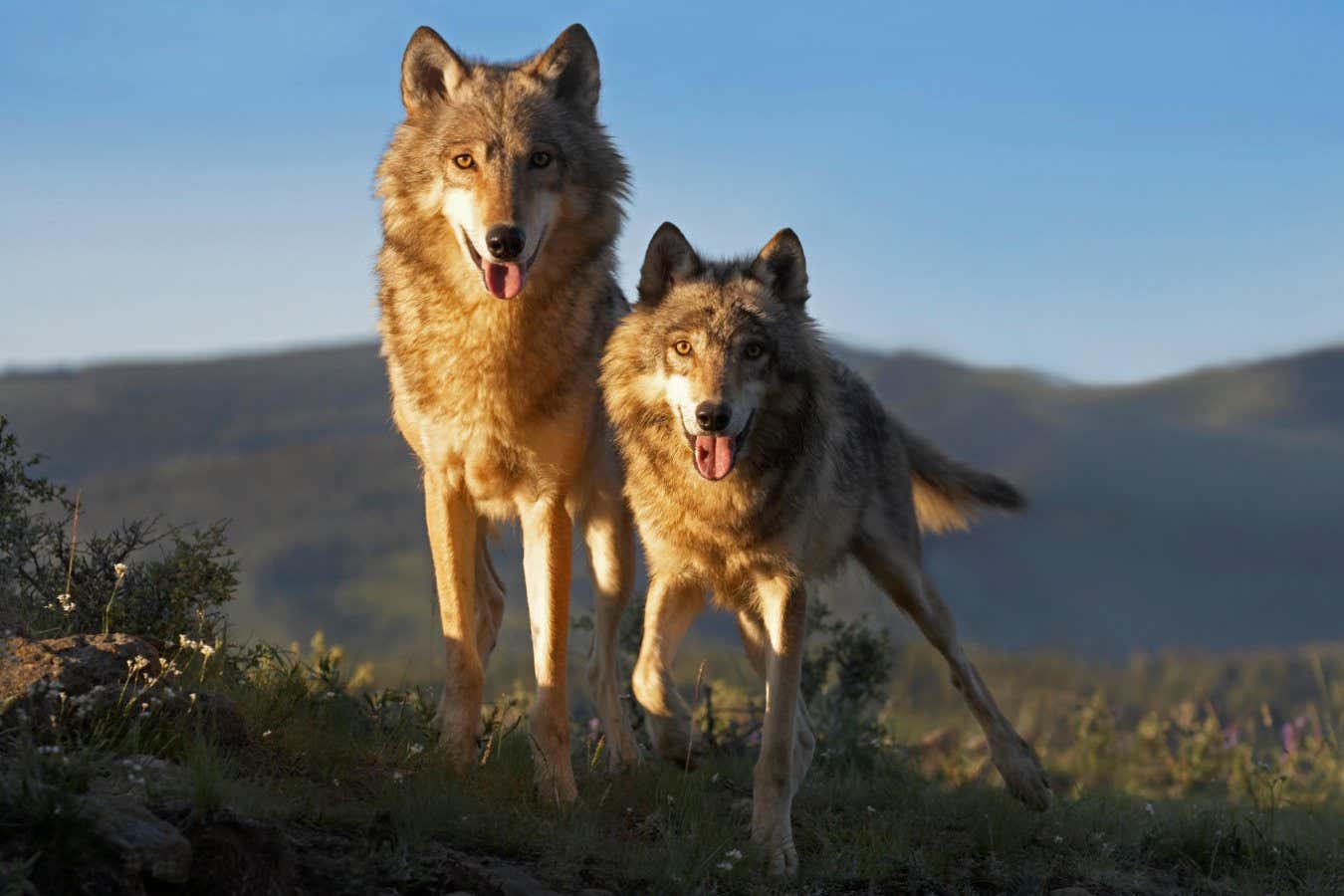
Restoring just nine groups of animals could help combat global warming
27 March 2023
Protecting or expanding the populations of nine key groups of animals, including wolves and whales, would remove huge amounts of carbon from the atmosphere
27 March 2023
Protecting or expanding the populations of nine key groups of animals, including wolves and whales, would remove huge amounts of carbon from the atmosphere
8 February 2023
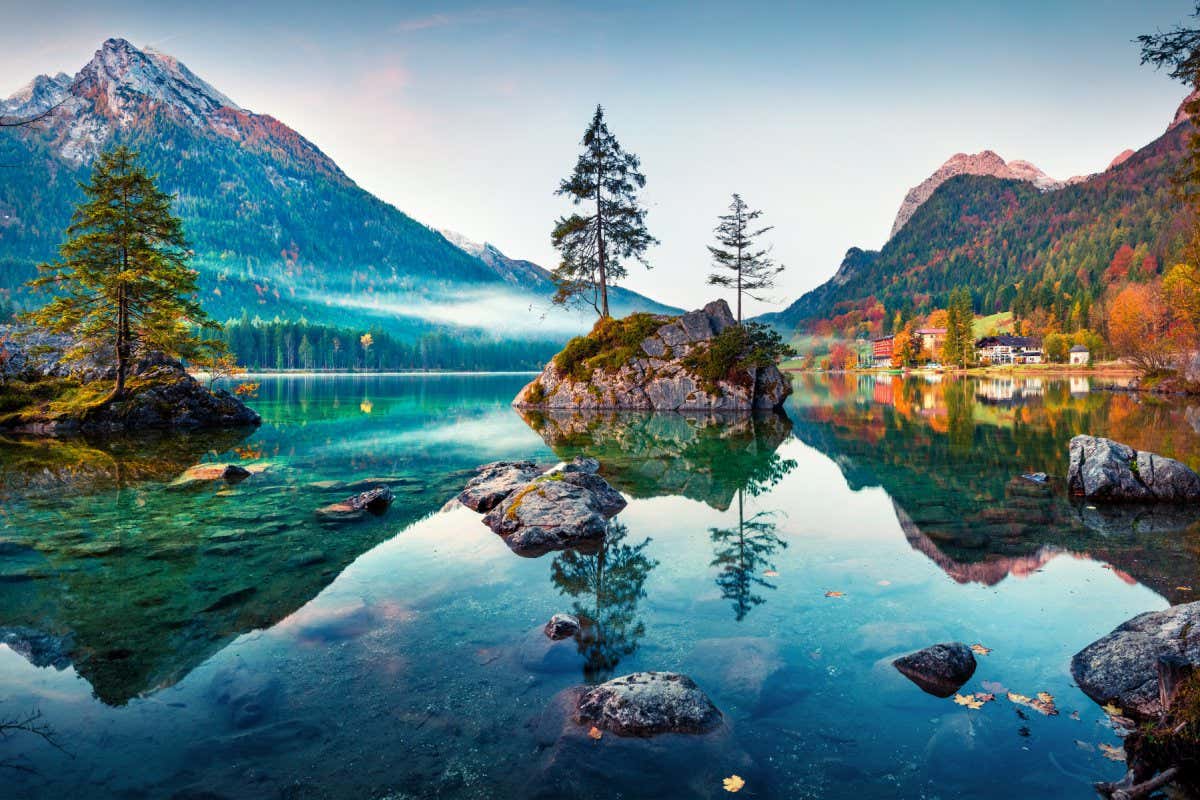
The movement to give trees, rivers and ecosystems the legal right to exist, thrive and regenerate has been bubbling under for decades, but it has just scored a very welcome win, says Graham Lawton
13 January 2023
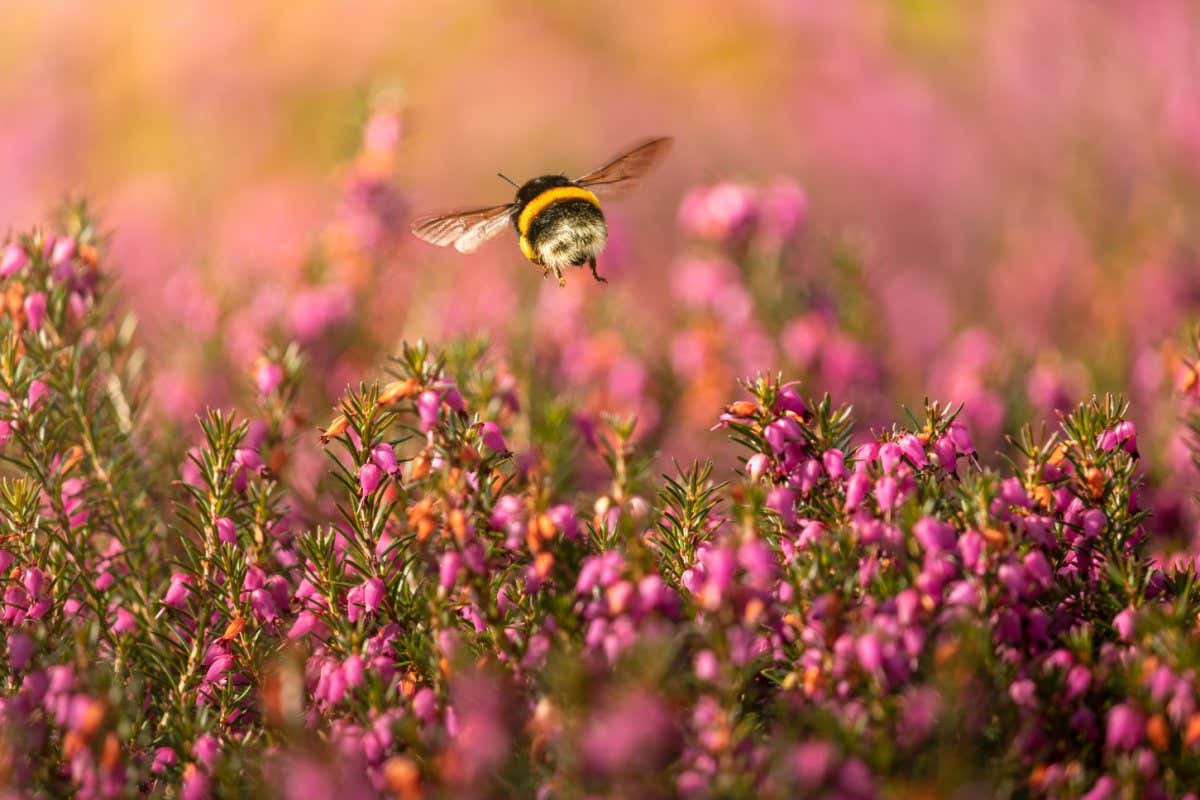
Invertebrate monitoring data from 1990 to 2018 show that protected areas in Britain are losing species at the same rate as unprotected areas
19 December 2022
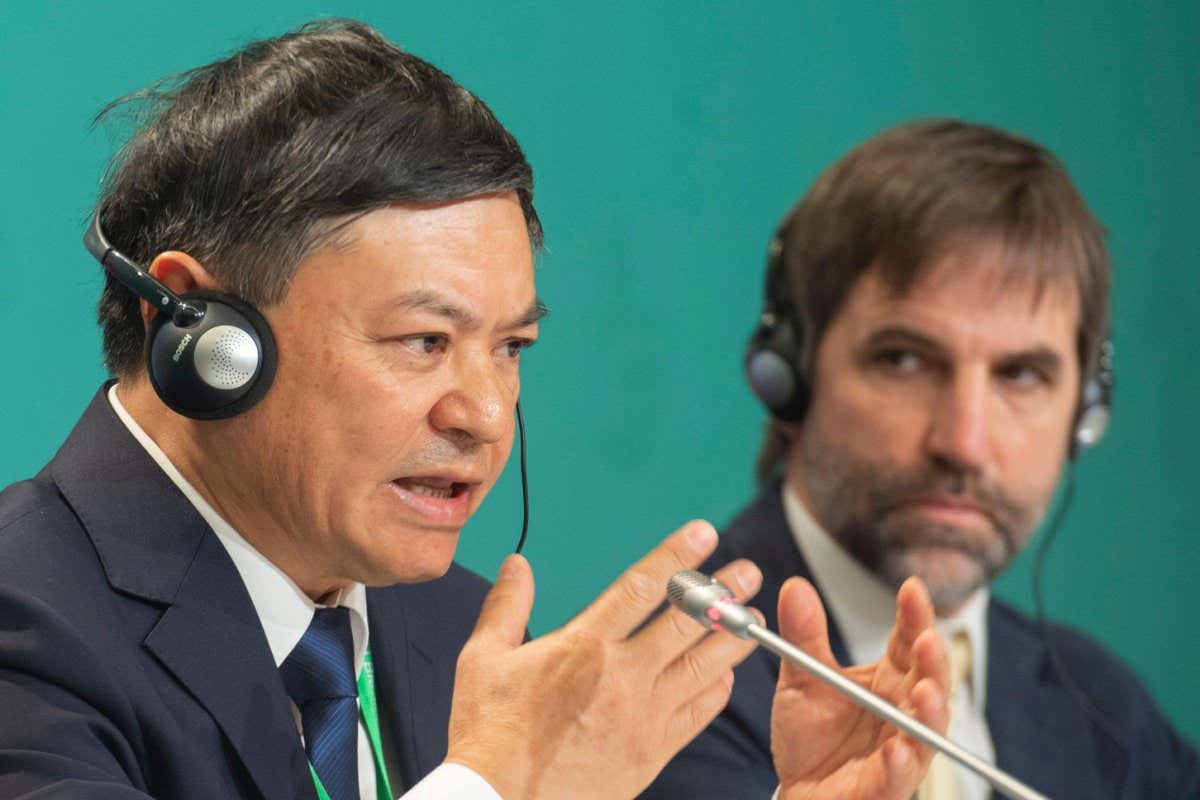
Nations have pledged to "reverse biodiversity loss" by 2030 at the COP15 summit, but campaigners say the deal doesn't do enough to ensure accountability
5 October 2022
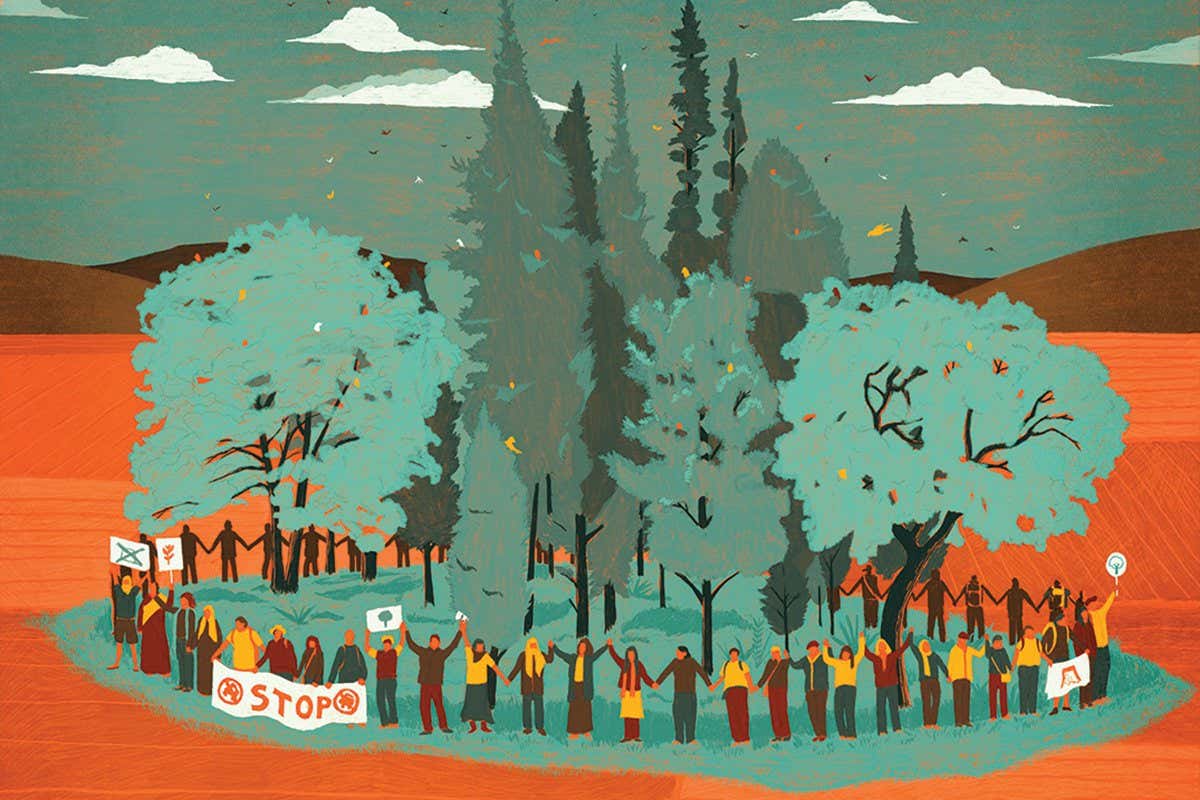
The UK government’s bid to slash environmental protections is an onslaught on nature and the laws that protect it. We are angry, and we are not alone, says RSPB chief executive Beccy Speight
1 August 2022
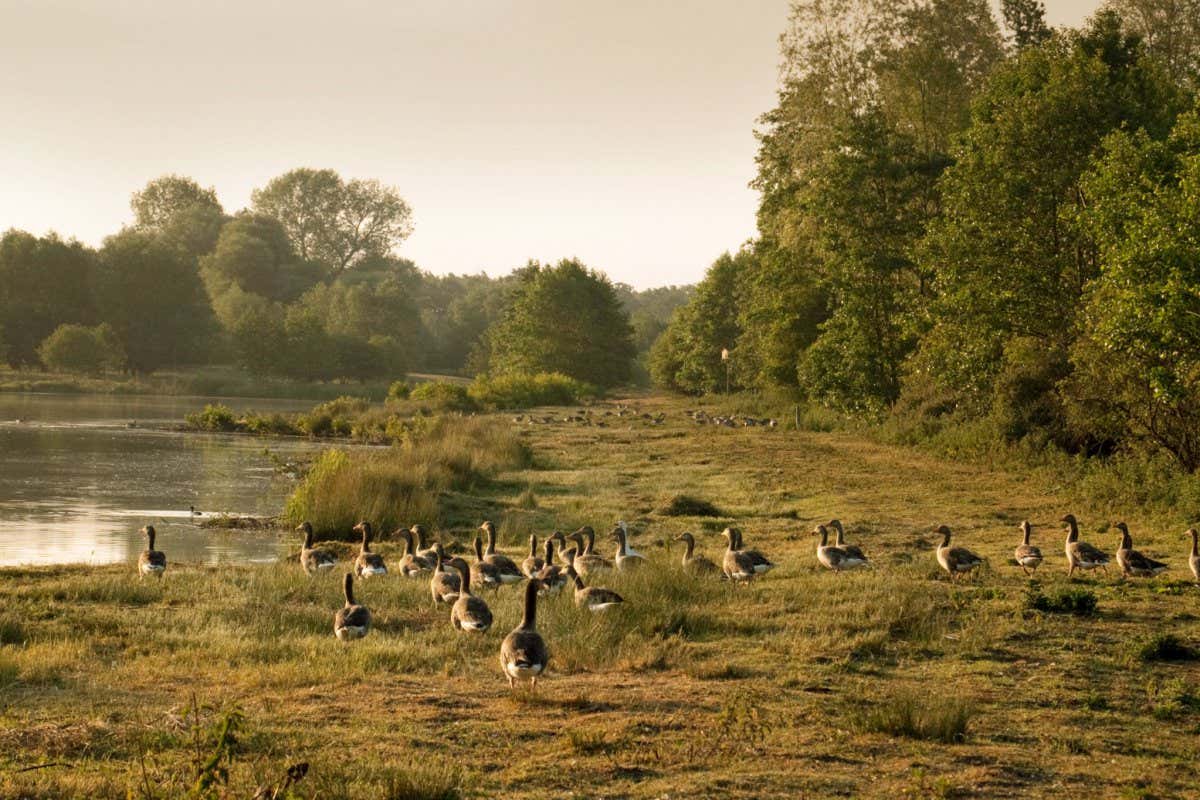
The Department for Environment, Food & Rural Affairs has confirmed it will publish a reduced set of biodiversity indicators this year
10 June 2022
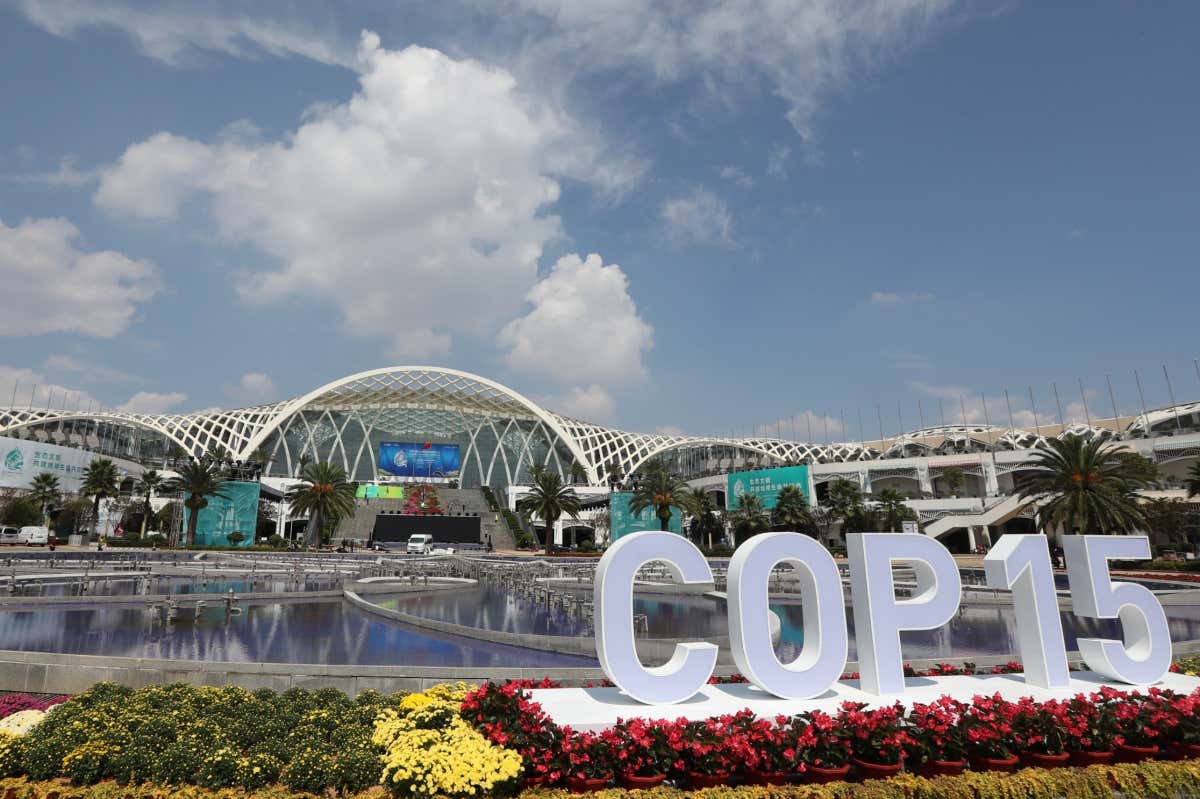
It's time for China to put national pride aside and let another country host the UN COP15 biodiversity conference, for the sake of wildlife, plants and habitats worldwide, says Adam Vaughan
11 May 2022
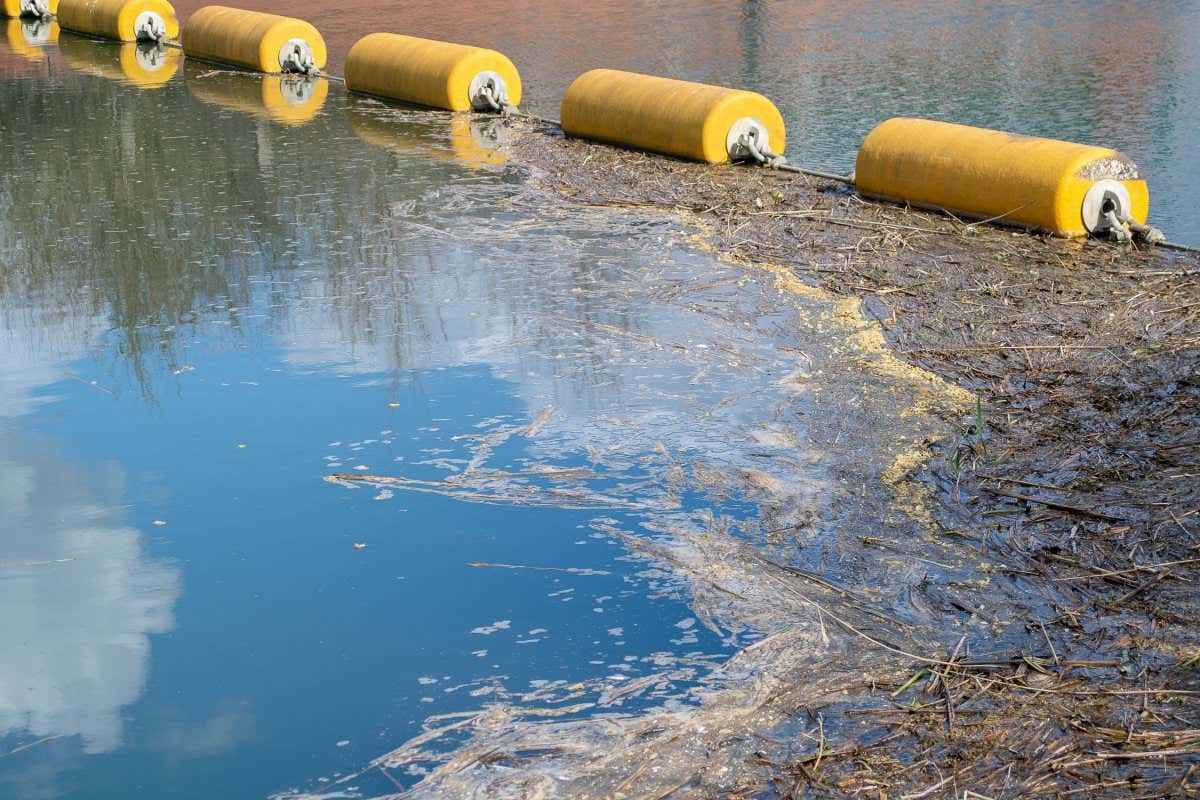
Slow progress on the UK’s 25-year environment plan could lead to ecological tipping points such as collapsing fish stocks, says the Office for Environmental Protection
6 May 2022
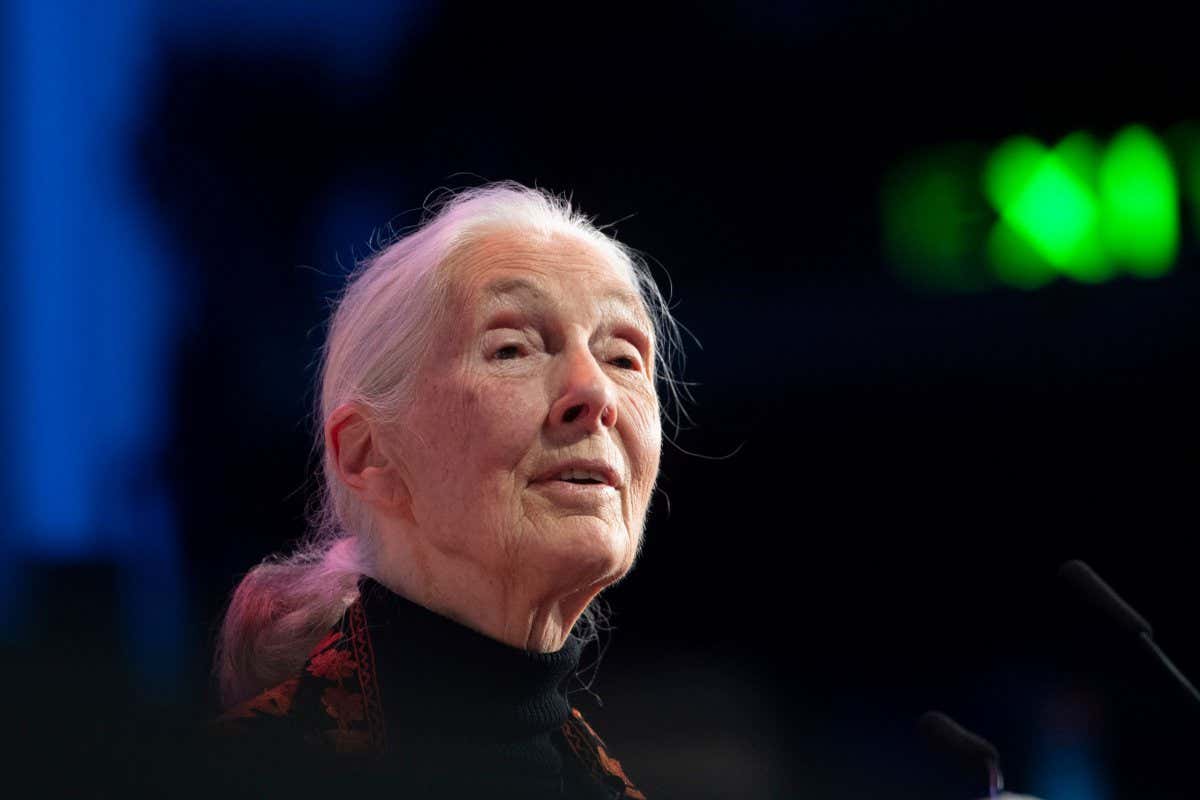
The award-winning primatologist tells New Scientist that education programmes must address the disconnect between young people and nature
13 April 2022
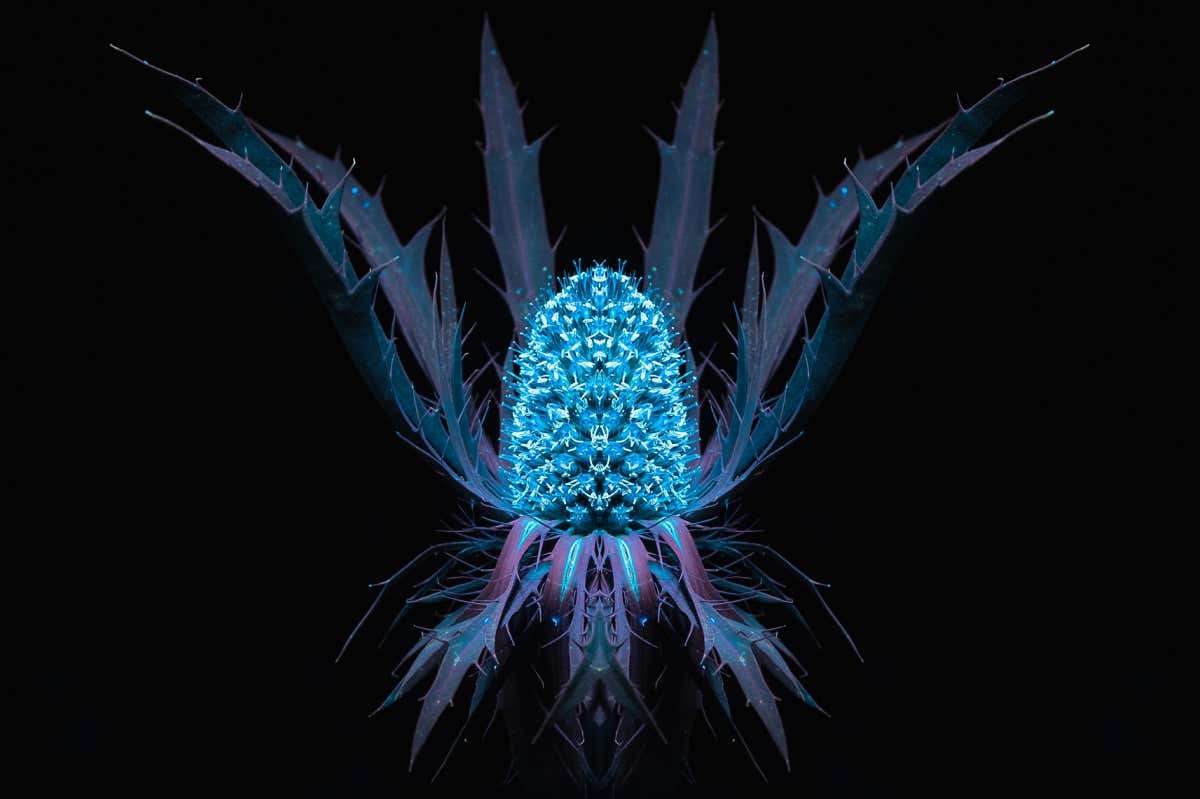
Debora Lombardi's image, shortlisted for the 2022 Sony World Photography Awards, uses a photography technique to show the fluorescence of flowers under UV light, revealing them as insects might see them
